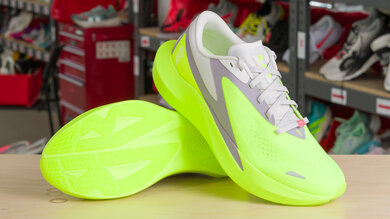
The R.A.D SYNTH is a lightweight daily trainer built for runners who want a firmer, more grounded shoe that can handle both regular mileage and faster efforts. Its non-plated midsole blends TPEE with supercritical EVA, giving it a rather controlled feel rather than a soft, springy sensation, so it works best if you prefer a more direct connection to the ground. It doesn't have the wild bounce of its bigger brother, the R.A.D UFO, but its smooth turnover, stable ride, and grippy outsole make it a practical, no-fuss option for daily runs and faster interval sessions alike.
Our Verdict
The R.A.D SYNTH isn't designed as a marathon racing shoe, but it's still a decent choice if you prioritize a protective, stable platform over aggressive propulsion. Its lighter build and good protection make it suitable for longer efforts, but the dull midsole without much rebound and lack of a plate keep it from feeling as responsive and race-focused as marathon super shoes.
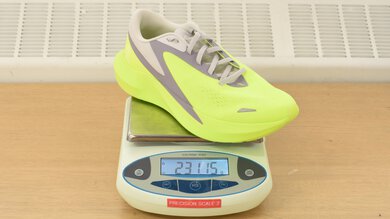
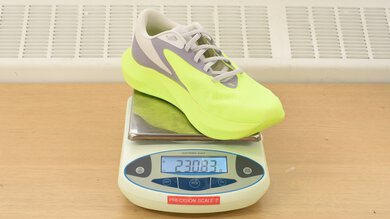
Especially lightweight for a daily trainer.
Stable, straightforward platform.
No plate for added propulsion.
Midsole isn't very bouncy.
Not especially plush for long efforts.
The R.A.D SYNTH isn't designed as a short-distance racing shoe, but it's still an adequate choice for casual races if you like a firmer forefoot and a relatively light, direct feel underfoot. However, it doesn't deliver the snappy plate-driven response or high-energy bounce of stronger short-distance racing shoes, so it isn't a good option for chasing your fastest efforts.
Especially lightweight for a daily trainer.
Forefoot feels firm and direct.
No plate for added propulsion.
Midsole isn't very bouncy.
Changelog
-
Updated Jul 16, 2026:
We've updated the Popular Comparisons section to tweak the wording for the newly reviewed R.A.D MALLOW.
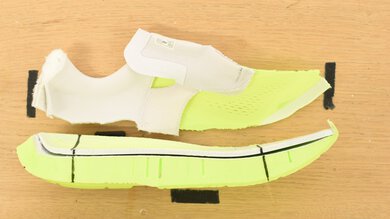
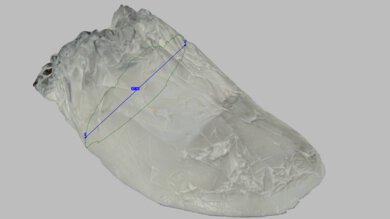
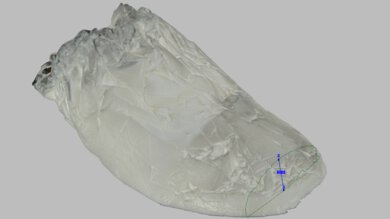
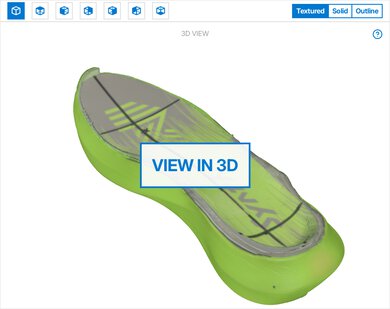
- Updated Jun 30, 2026: We've converted this review to Test Bench 0.13, which identifies the different foams used in the shoe's midsole. We've included a microscopic image of the foam cells to give you an idea of what the microstructure looks like. To read more about the changes, see the changelog.
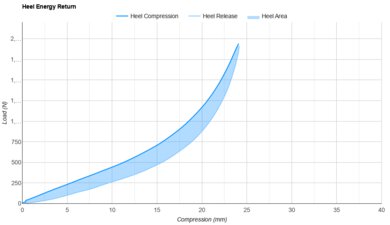
- Updated Jun 17, 2026: We've converted this review to Test Bench 0.12, which fixes how we measure firmness, a component of the Stability and 5K/10K Racing usages. There may be inconsistencies between the text and the scores for these usages, but the scores should still be considered valid. We've also brought back the Energy Return score and added two new usages: Daily Training and Long Run. To read more about the changes, see the changelog.
- Updated Jun 16, 2026: Review published.
- Updated Jun 12, 2026: Early access published.
- Updated May 04, 2026: Our testers have started testing this product.
- Updated Apr 24, 2026: The product has arrived in our lab, and our testers will start evaluating it soon.
- Updated Apr 14, 2026: We've purchased the product and are waiting for it to arrive in our lab.

We've bought and tested more than 250 running shoes. Every pair purchased with our own money, never supplied or sponsored by brands. Our data-driven tests are designed to go beyond marketing claims, and since every shoe goes through the exact same methodology, you can directly compare results to find the right pair for your needs.
Test Results
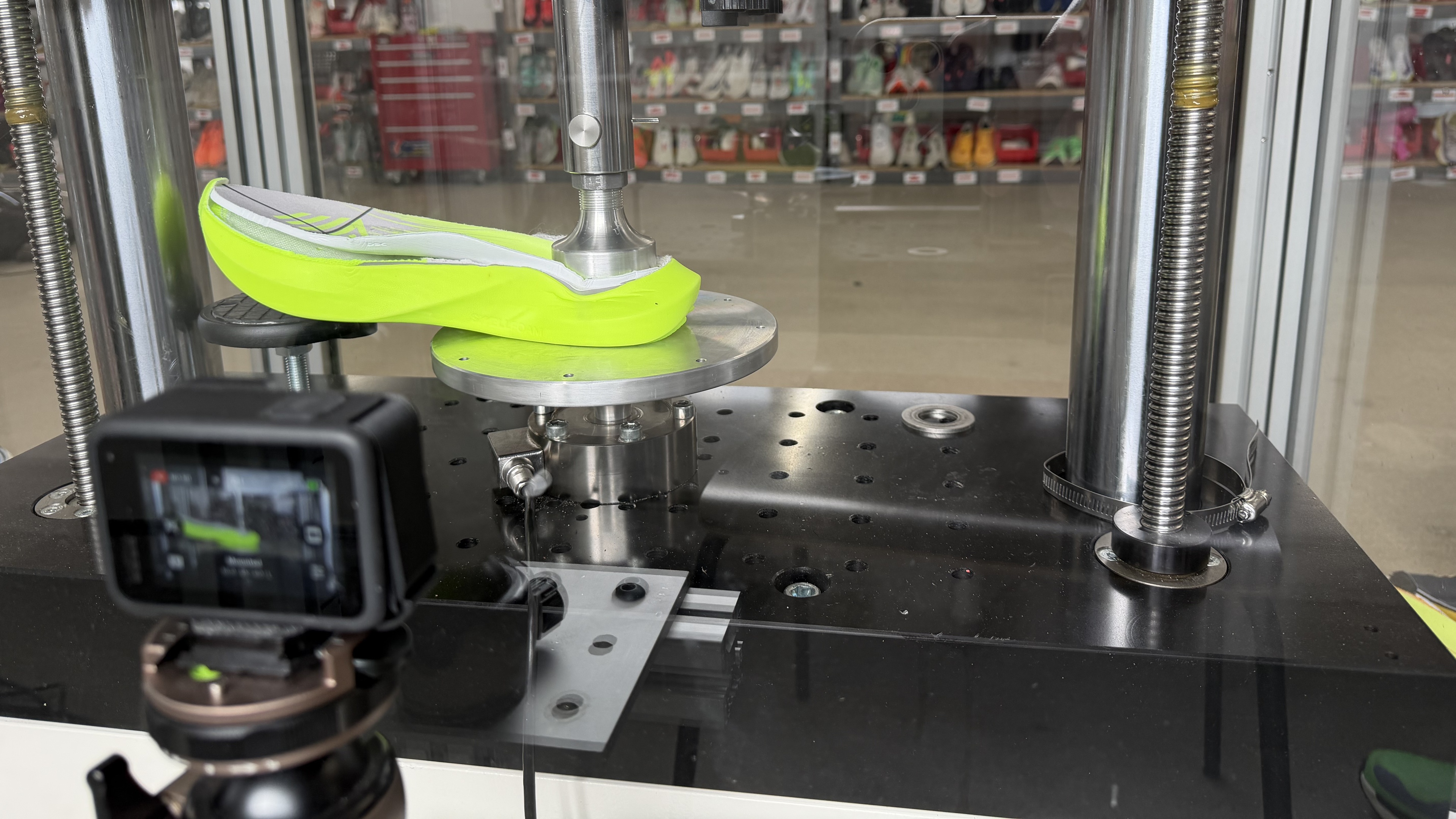
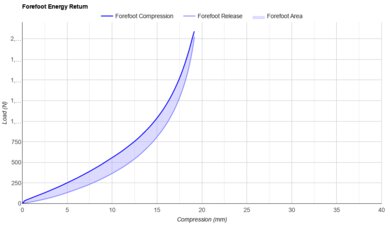
Energy Return
Stability
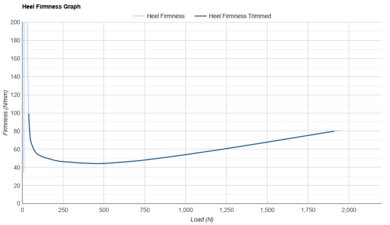
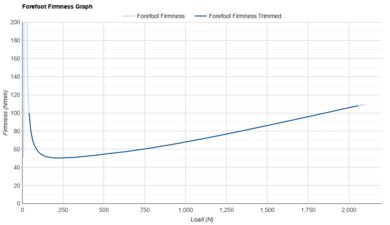
The R.A.D SYNTH has good lateral stability, helped by its wider platform, secure upper, and firmer forefoot. It feels confidence-inspiring for daily runs and steady efforts, though the softer heel keeps it from feeling quite as planted as the most stable shoes on the market.
Stable, straightforward platform.
Softer heel slightly reduces stability.
Cushioning
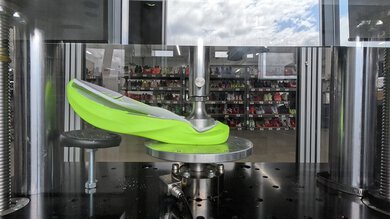
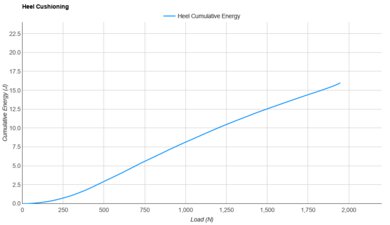
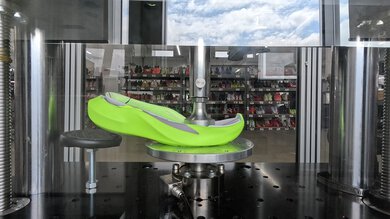
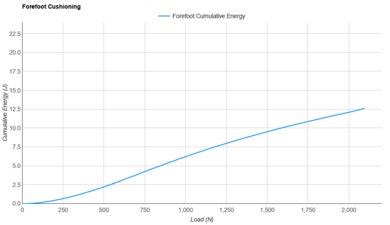
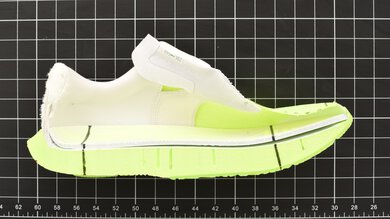
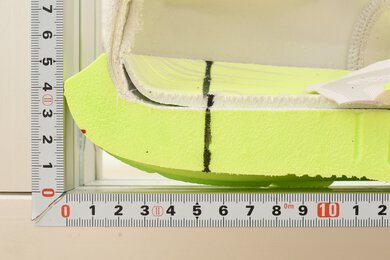
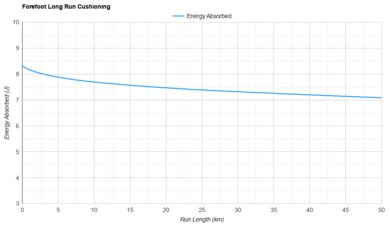
The R.A.D SYNTH has good cushioning for a lightweight daily trainer, with enough protection under both the heel and forefoot for regular mileage and shorter daily runs. It isn't especially protective, but it's well-suited to runners who prefer a balanced mix of cushioning and ground feel. The ride feels plush at first, but that comfort fades after about 10 km, so it's not a great choice for long runs.
Good protection with the EVA-TPEE midsole.
Not especially plush for long efforts.
Responsiveness
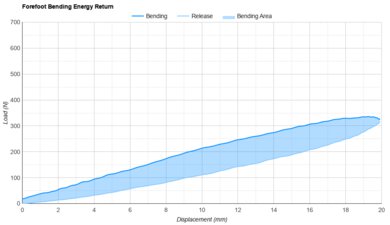
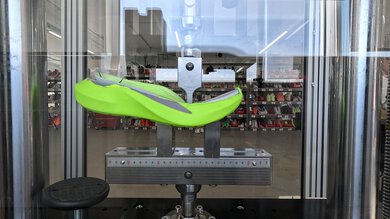
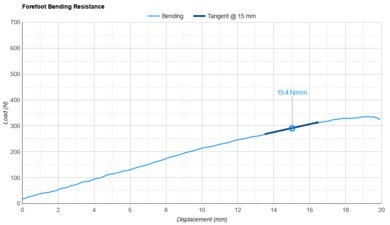
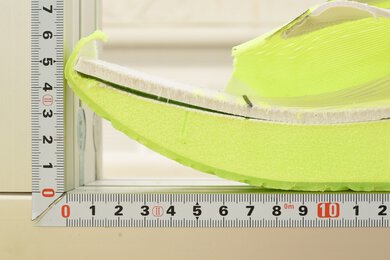
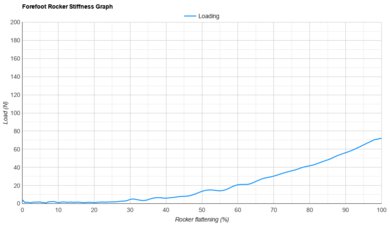
The R.A.D SYNTH feels moderately responsive, with enough forefoot stiffness to help it roll through faster paces smoothly. Still, the energy return is quite low, and the rocker isn't very pronounced, so it doesn't feel as responsive compared with the top performance trainers.
Forefoot feels firm and direct.
No plate for added propulsion.
Midsole isn't very bouncy.
True To Size
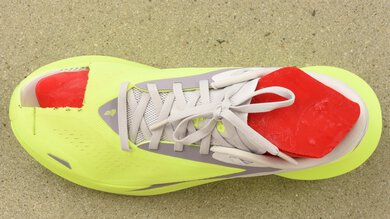
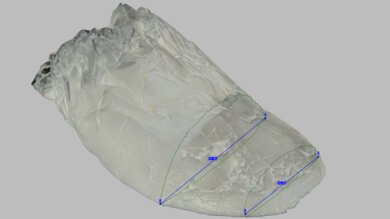
The R.A.D SYNTH fits true to size for most runners, with an accurate length and accommodating width through the forefoot and arch. This means you can confidently go for your usual size. The main limitation is the lower forefoot volume, which can feel shallow if your toes need extra vertical space.
Fits true to size in both length and overall volume.
Lower forefoot volume can feel shallow.

Popular Running Shoe Comparisons
The R.A.D SYNTH is a lightweight daily trainer built around a more traditional formula: a low weight with some ground feel and enough versatility for daily runs and faster efforts. This category has become smaller as more brands move toward high-stack uptempo trainers, but the SYNTH shows that this old-but-gold formula still has a place in a rotation when it's well-executed. It doesn't feel wildly bouncy, but it's reliable, easy to turn over, and less chaotic than the new wave of tempo trainers, like the adidas Adizero Evo SL and Saucony Endorphin Azura. The HOKA Mach 7 is a similar lightweight trainer, but it's lighter and more nimble on foot. The PUMA Velocity NITRO 4 and New Balance Fuelcell Rebel v5 also sit in this category, though they're more bouncy and less cushioned.
Within R.A.D's still-young running lineup, the SYNTH is only the brand's second proper running shoe and serves as the lightweight daily trainer for daily runs and uptempo sessions. The R.A.D UFO is the bigger, bouncier trainer, better suited to long runs, while the R.A.D MALLOW is the newest kid on the block: a cushioned daily trainer for runners who want comfort and support underfoot.
For more options, check out our recommendations for the best running shoes, as well as the best long-distance running shoes.
The R.A.D UFO and R.A.D SYNTH play two different roles in R.A.D's still-small running lineup. The UFO is the more maximal option, with a taller, softer, and more energetic platform that feels better when you want extra cushioning for longer efforts or harder steady sessions. The SYNTH goes in a more straightforward direction, with a leaner build and a more grounded ride that makes it easier to use for everyday miles and quicker turnover. The UFO brings more excitement and underfoot protection, while the SYNTH feels more controlled, simpler, and better suited to runners who want a lightweight trainer rather than a big, bouncy do-it-all shoe.
The PUMA Velocity NITRO 4 and R.A.D SYNTH are two daily trainers with similar low weight and heel stack, but they have a few key differences. The PUMA has a lower forefoot stack and higher drop, which gives it more ground feel and a more traditional daily trainer geometry, while its foam feels more energetic and lively underfoot. The R.A.D has a more protective midsole feel, especially through the front of the shoe, giving it a bit more cushioning when the run stretches out.
The HOKA Mach 7 and R.A.D SYNTH are both lightweight trainers with daily mileage and uptempo range, but they don't deliver that versatility the same way. The HOKA is lighter, bouncier, and more energetic underfoot, which makes it better suited to pickups, steady efforts, and runs where you want the shoe to turn over quickly. The R.A.D feels a bit more cushioned as the distance piles up, giving it a touch more underfoot protection for longer daily runs, but it doesn't have the same lively snap when you start pushing the pace.
The Li-Ning Chaoying Pro and R.A.D SYNTH are both daily trainers, but the Li-Ning is the more protective and comfortable shoe overall. It has deeper cushioning, better long-run protection, and a more effective heel rocker, making it better suited to runners who land back and roll through their stride. The R.A.D SYNTH is harsher and less energetic underfoot, though its fit is much more accommodating than the Li-Ning's narrow arch and lower forefoot, and if you prefer a firmer, more grounded feel for daily miles, it's the shoe for you; if you want a more cushioned and stable daily trainer, and you land on the rear of the shoe and roll through your stride, the Li-Ning is the better choice.
Differences Between Sizes And Variants
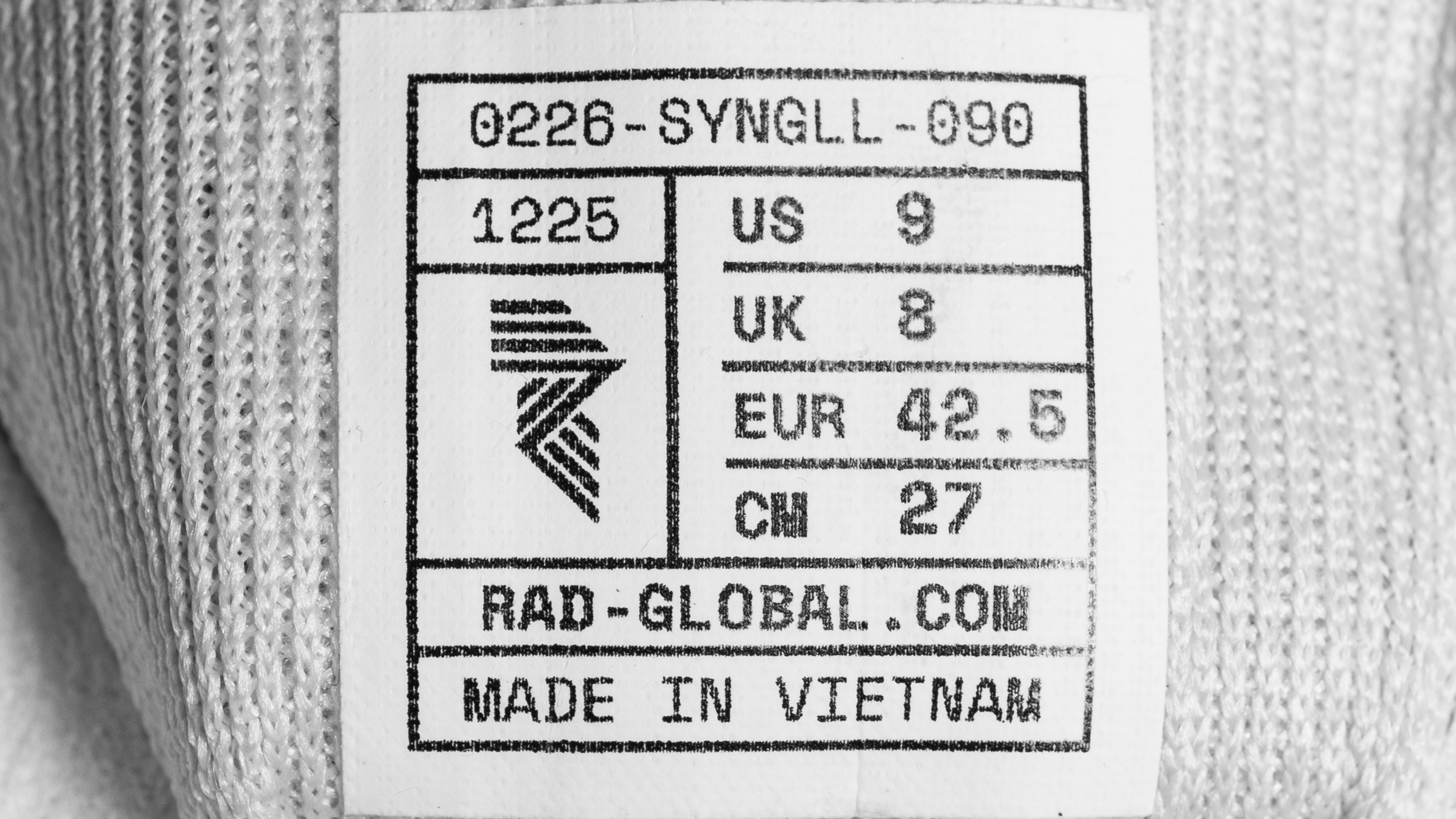
We bought and tested the R.A.D SYNTH in men's U.S. size 9, as noted on the label for our pair. The pair we purchased is the Acid Green colorway, but you can also buy the shoe in plenty of other fluorescent colorways. This model isn't sold in wide or narrow fits, and it's only available in select regional markets. The design section applies only to the exact model we tested, but we expect other sizes and gender variants to perform similarly.