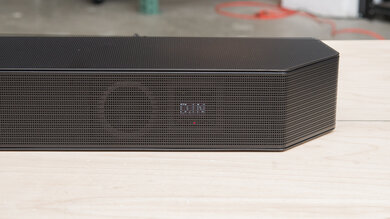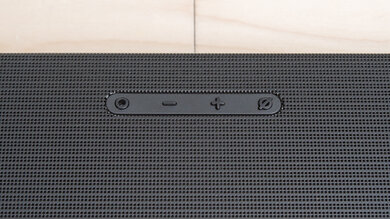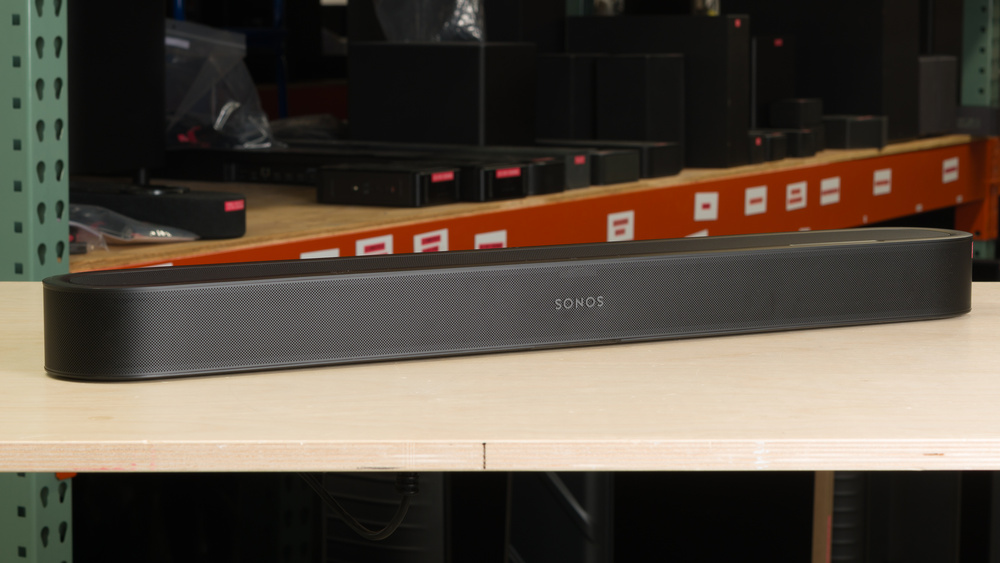
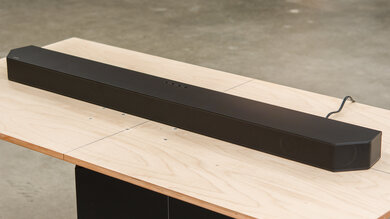
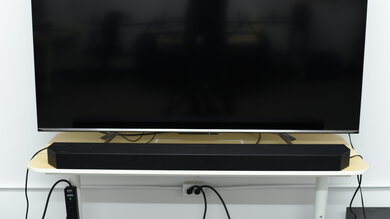
The Sonos Beam Ultra is a mid-range, standalone soundbar that's the successor to the Sonos Beam (Gen 2). As with its predecessor, it features a more compact design that can more easily fit on a TV stand or media unit. It builds on the existing Beam blueprint by adding two up-firing drivers for Atmos playback, as well as broader integration with Sonos speakers and subs if you want to build out a multi-component soundbar system down the line. It also integrates with Sonos Ace and Sonos Ace Ultra headphones, allowing you to switch audio from the bar to up to two paired headphones via the TV Audio Swap feature.
Our Verdict
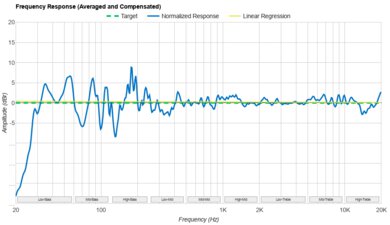
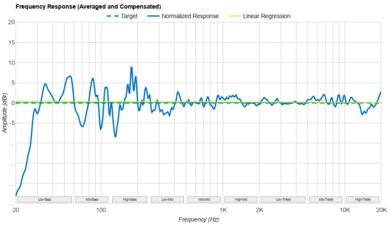
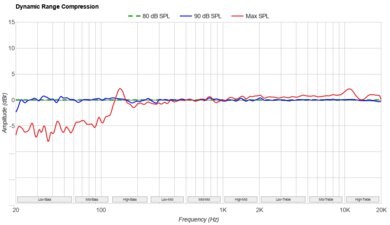
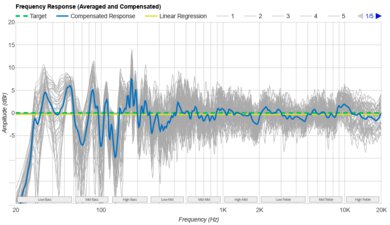
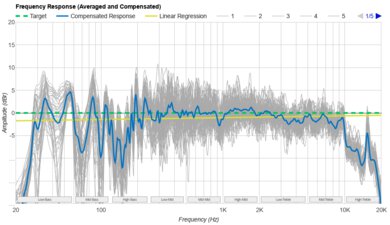
The Sonos Beam Ultra is decent for mixed usage. It's a standalone bar that can't output as much low-bass as those with a discrete subwoofer. Despite the lack of low-bass, there's still plenty of punch in kick drums and fist fights. The mid-range is detailed, making for clear dialogue and vocals, though there's some treble-range roll-off that takes some shimmer out of harp glissandos in old movie soundtracks. It can get loud for a standalone bar too, without much compression, so it can likely fill your living room with sound. The discrete center channel helps accentuate dialogue too, and while sound enhancement options are limited, there's a speech enhancement feature that brings out voices even more. Atmos compatibility means you're covered for movie night too, as the up- and side-firing drivers add some extra immersion. Gamers might miss the lack of HDMI passthrough capabilities, though, which can limit your connectivity options with consoles.
Can get quite loud with much compression.
Room correction feature.
No native DTS:X support.
No HDMI passthrough capabilities.
The Sonos Beam Ultra is very good for dialogue and TV shows. Its default frequency response features plenty of mid-range detail to bring out voices and dialogue, aided by a discrete center channel. While there's no graphic EQ or presets for fine-tuning the sound, there is a dedicated speech enhancement mode that can further accentuate dialogue. There's plenty of volume on tap too, with no compression in the mid-range, where voices lie. While voices are present and loud with Atmos content, the bar uses Digital Signal Processing (DSP) to push dialogue to the forefront with the format, which can cause speech to sound a little artificial.
Discrete center channel renders voices with detail.
Atmos support with two up-firing drivers.
Can get quite loud with much compression.
Room correction feature.
Limited sound enhancement features.
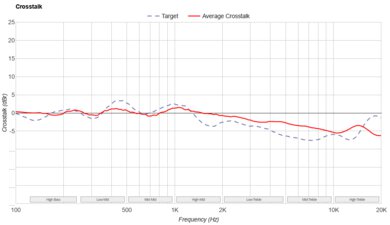
The Sonos Beam Ultra is good for music. While its built-in sub lacks the firepower to bring out the boom in hip-hop 808s and kicks, the balanced mid-range brings detail to vocals and lead instruments. There's some roll-off in the treble range, which can darken cymbals and sibilants vocals. The stereo soundstage extends beyond the extremities of the bar, making for an expansive, wide sound, though tracking is inconsistent with panning effects. The bar has a good amount of volume on tap as well, without much compression until you hit max volume. Tuning capabilities lag behind the competition, as you're limited to bass and treble adjustments and a handful of sound modes, as opposed to a graphic EQ and presets.
Discrete center channel renders voices with detail.
Can get quite loud with much compression.
Room correction feature.
Limited sound enhancement features.
No HDMI passthrough capabilities.
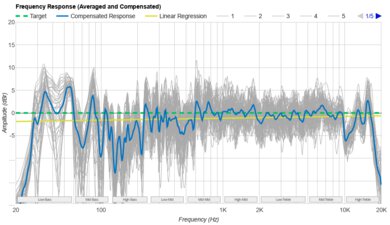
The Sonos Beam Ultra is satisfactory for movies. It supports a wide range of audio formats, with the exception of DTS:X, which gets downmixed to DTS. While the default frequency response is best-suited to dialogue-heavy period films, where the balanced mid-range shines, the built-in sub adds some punch to high-octane thrillers, even if there's some low-end rumble lacking. The bar gets loud enough for home movie nights too, and the discrete center channel helps bring out dialogue and speech. The stereo soundstage is wide and expansive (though there are some gaps in its tracking), while the sound field with Atmos content extends reasonably high and wide, thanks to the up- and side-firing bars. Still, it's not as immersive as systems with dedicated surrounds.
Discrete center channel renders voices with detail.
Atmos support with two up-firing drivers.
Can get quite loud with much compression.
Limited sound enhancement features.
No native DTS:X support.
No HDMI passthrough capabilities.
Check Price
Differences Between Sizes And Variants
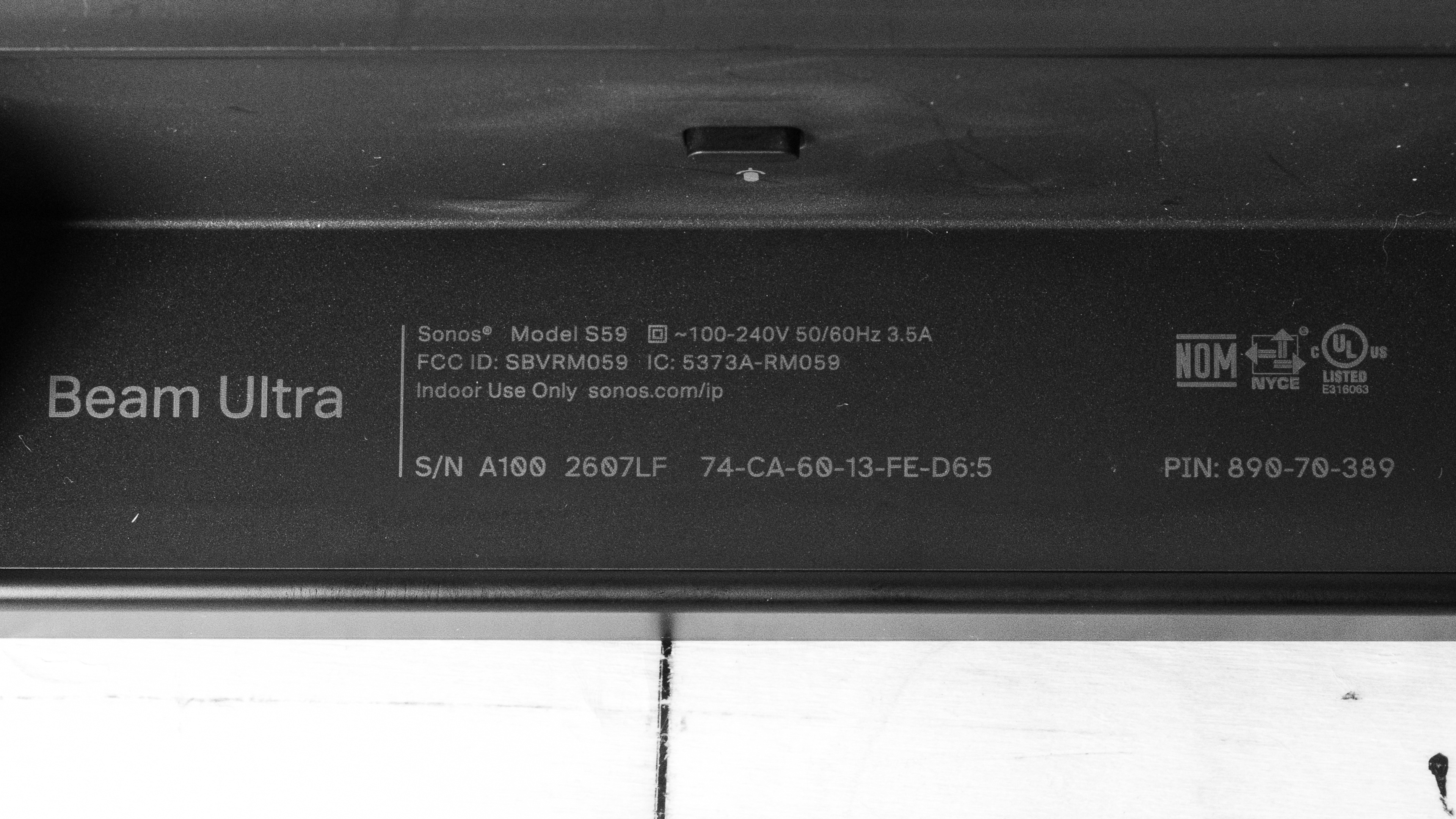
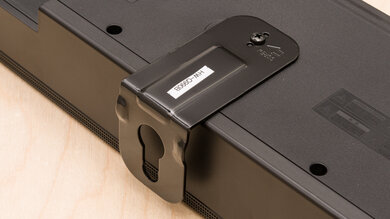
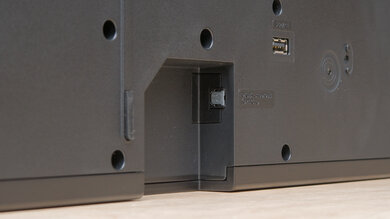
The Sonos Beam Ultra is available in two color variants: our unit's 'Black' and 'White'. We were able to take a photo of our unit's label. If you encounter another variant of this soundbar, please let us know in the comments, and we'll update our review.
Popular Soundbar Comparisons
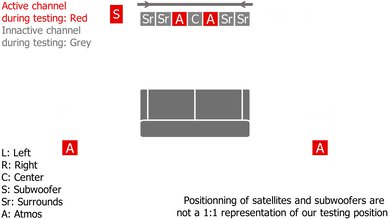
The Sonos Beam Ultra is a 5.1.2 standalone soundbar that sits below the flagship Sonos Arc Ultra within Sonos' soundbar lineup. It's smaller in size than the Arc Ultra, allowing for more flexible placement within smaller living spaces, but it boasts similar integration possibilities with Sonos ecosystem hardware (like speakers and Ace-series headphones) if you feel like expanding your setup down the line. The premium Arc Ultra has a more balanced default sound, with better bass extension, as well as a wider stereo soundstage and better surround performance. The two soundbars have a comparable top volume and sound enhancement features, though the Arc Ultra's Alexa and Google Assistant support will make it more appealing for hands-free users. If you're not married to the Sonos ecosystem, the Samsung HW-QS90H has a more complete feature set, with a more balanced sound, a more immersive performance with Atmos content, HDMI passthrough capabilities, and a wide array of sound tuning options. Still, the Beam Ultra's compact size might be preferable if space is at a premium, and its stereo soundstage is wider.
For more options, check out our recommendations for the best small soundbars, the best Dolby Atmos soundbars, and the best Sonos soundbars.
The Sonos Beam Ultra is the next generation of the Sonos Beam (Gen 2), and it's a step up in terms of features and integration, though not necessarily in performance. The Beam (Gen 2) is smaller in size, making it easier to tuck away on a media unit or TV stand, and it has a wider stereo soundstage with a slightly more balanced default sound. The Beam Ultra gets louder and introduces two up-firing drivers into the equation, though, which help add some extra height to ascending drones. It also has better integration with other Sonos products, like the Ace-series headphones and Era-series speakers, plus it comes with Bluetooth connectivity, which the Beam (Gen 2) lacks. That said, the Beam (Gen 2) has built-in Alexa and Google Assistant support, which will suit those who prefer hands-free control and voice assistant integration.
The Sonos Arc Ultra is a better soundbar overall than the Sonos Beam Ultra. While they both have a 5.1.2 configuration, the Arc Ultra performs better across all our sound tests, with a more balanced default sound, better bass extension, a more consistent stereo soundstage, and a better performance with 5.1 surround content. The Arc Ultra also comes with Google Assistant and Amazon Alexa support, which the Beam Ultra lacks at launch, with Sonos Sound Control as the only built-in voice assistant. That said, the Beam Ultra will be a good fit for those with smaller living spaces, given its smaller footprint, and its lower retail price makes it a good entry point into the Sonos ecosystem.
The Bose Smart Ultra Soundbar and the Sonos Beam Ultra are very similarly spec'd standalone soundbars. They have very similar strengths and weaknesses, so choosing between them will largely depend on whether you're already integrated into either product ecosystem. The Bose has a wider stereo soundstage, built-in Alexa support, and performs slightly better with Atmos content, while the Sonos has broader format compatibility thanks to its DTS support, plus it has a few extra sound enhancement features. Both bars have similarly balanced default sound profiles, similar top volumes, and connectivity options, so if you're not planning on building out a home theater system that's aligned with either brand's ecosystem, choosing between them will depend on these small trade-offs.
The Samsung HW-QS90H is a better standalone soundbar for most people than the Sonos Beam Ultra, especially considering it can be found for a similar price when on sale. The Samsung performs better across most of our sound tests, with a more balanced default sound profile, better bass extension, and a more immersive sound with 5.1 and Atmos content. The Samsung also has a much broader suite of sound adjustment tools and built-in Alexa support, as well as HDMI passthrough capabilities for low-latency routing when connecting a console or PC for gaming. The Sonos' main selling points are its wider stereo soundstage, smaller footprint, and its ecosystem integration. It'll be more appealing to users who already own a few Sonos products and want a soundbar to integrate with them.
Test Results
for pictures & test results
for pictures & test results

for videos & test results