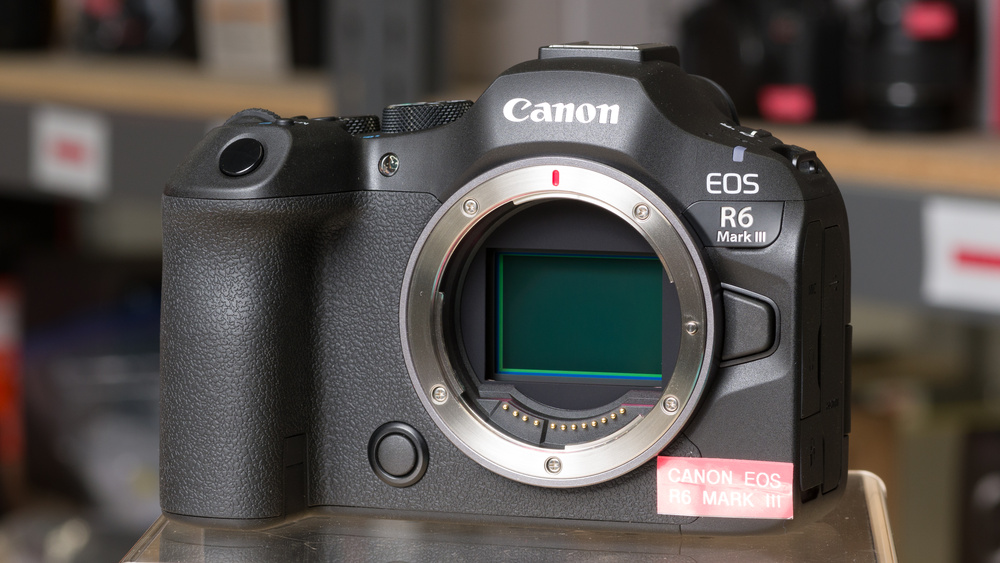
The Canon EOS R6 Mark III is a full-frame hybrid mirrorless camera and the successor to the Canon EOS R6 Mark II. On the outside, very little has changed, with the same body, grip, and control layout as its predecessor, though there is a new tally light on the front. Inside, it's a different story. A new 32.5-megapixel sensor replaces the Mark II's 24.2-megapixel chip, and one of the two SD card slots is now a CFexpress Type B slot. Video sees the biggest upgrade. The Canon R6 Mark III records 7K RAW and open-gate footage internally and shoots 4k at up to 120 fps without a crop. A full-size HDMI port also replaces the old micro HDMI port. For photographers, the pre-capture mode now saves frames captured before you fully press the shutter in separate files, rather than as a roll. Canon also rates the in-body image stabilization at up to 8.5 stops when used with a stabilized lens.
Our Verdict
The Canon R6 Mark III is good for travel photography if you don't mind carrying a big kit. It's a large, heavy camera, so it isn't the easiest to carry around all day, but its weather-sealed build holds up well on the road, and it's very comfortable to hold. Its high-resolution sensor captures sharp, detailed photos with a wide dynamic range, and noise stays low when the light fades. The in-body stabilization lets you get clear handheld shots at slow shutter speeds, while the fully articulated screen makes it easy to frame shots from high or low angles. Battery life is good for photos, but a spare battery comes in handy on longer days out.
Well-built, weather-sealed body.
Very comfortable to hold, with well-placed controls.
High-resolution sensor captures lots of fine detail.
Excellent dynamic range at base ISO.
Effective in-body image stabilization.
Fully articulated screen.
Large and heavy.
Noticeably lower dynamic range at higher ISOs.
The Canon R6 Mark III is great for landscape photography. Its 32.5-megapixel sensor resolves plenty of fine detail, and its dynamic range at base ISO is excellent, so you keep detail in both the bright and dark parts of high-contrast scenes. The weather-sealed body lets you shoot with confidence in rougher conditions, and the sharp EVF and fully articulated screen make composing your shots easy. Its size and weight add up on long hikes, though, especially if you carry multiple lenses.
Well-built, weather-sealed body.
Very comfortable to hold, with well-placed controls.
High-resolution sensor captures lots of fine detail.
Excellent dynamic range at base ISO.
Effective in-body image stabilization.
Fully articulated screen.
Large and heavy.
Noticeably lower dynamic range at higher ISOs.
The Canon R6 Mark III is excellent for sports and wildlife photography. Its electronic shutter shoots at up to 40 fps, and its buffer is large enough to avoid being a bottleneck. A pre-continuous shooting mode also captures frames before you fully press the shutter, helping you catch unpredictable movement. The autofocus system detects people, animals, and vehicles, and it keeps most shots usable while tracking a moving subject. The switch to faster CFexpress Type B cards helps the camera keep up with long bursts, and the sturdy, weather-sealed body can handle more demanding shooting conditions. The excellent ergonomics are also helpful when balancing larger lenses thanks to the handle that provides ample grip.
Well-built, weather-sealed body.
Very comfortable to hold, with well-placed controls.
40 fps bursts using the e-shutter.
Large buffer that clears quickly when using the CFexpress card.
High-resolution sensor captures lots of fine detail.
Excellent dynamic range at base ISO.
Tracking autofocus in photos isn't always precise.
Noticeably lower dynamic range at higher ISOs.
The Canon R6 Mark III is good for vlogging, but its size and weight make it tiring to hold at arm's length. The fully articulated screen lets you see yourself while recording, and a tally light on the front shows when the camera is rolling. Video quality is excellent, with 10-bit 4:2:2 recording and an uncropped 4k at 120 fps option. Face tracking can be a bit inconsistent, however. The camera might struggle to keep up when you move quickly or step out of the frame and back in. Battery life is also fairly short when recording video, so you should plan your shooting days accordingly.
Well-built, weather-sealed body.
Very comfortable to hold, with well-placed controls.
Effective in-body image stabilization.
Fully articulated screen.
Internal 7K RAW, open gate and uncropped 4k120 recording options.
No overheating issues during long recordings.
Large and heavy.
Face tracking in video can be inconsistent.
Short battery life when recording video.
The Canon R6 Mark III is outstanding for studio video. It records 10-bit 4:2:2 footage internally with Canon Log 2 or Canon Log 3, and it captures 7K RAW and open gate video internally. Video dynamic range is excellent, giving you lots of room to grade your footage. The camera didn't overheat during our testing, and there's no recording limit. A full-size HDMI port, a microphone input, and a headphone jack cover most studio setups, and you can power the camera over USB-C during long sessions. Its autofocus is excellent overall, even if it has its flaws. Object tracking is exceptionally sticky, though face tracking is less reliable.
Well-built, weather-sealed body.
Internal 7K RAW, open gate and uncropped 4k120 recording options.
No overheating issues during long recordings.
Face tracking in video can be inconsistent.
Short battery life when recording video.
The Canon R6 Mk III isn't designed for action video. It's large and heavy, it isn't waterproof, and you can't mount it on a helmet like an action camera.
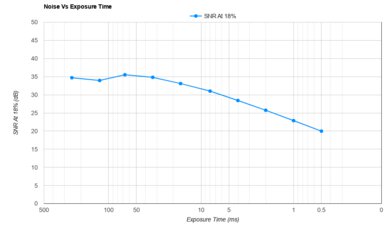
The Canon R6 Mark III delivers excellent RAW image quality. Its 32.5-megapixel sensor resolves a lot of fine detail, giving you more room to crop and more confidence for bigger prints. Dynamic range at base ISO is excellent, though it narrows faster than its predecessor's as you raise the ISO. Noise handling is also excellent, so your images stay clean in low light.
High-resolution sensor captures lots of fine detail.
Excellent dynamic range at base ISO.
Noticeably lower dynamic range at higher ISOs.
Performance Usages
Check Price
Differences Between Sizes And Variants
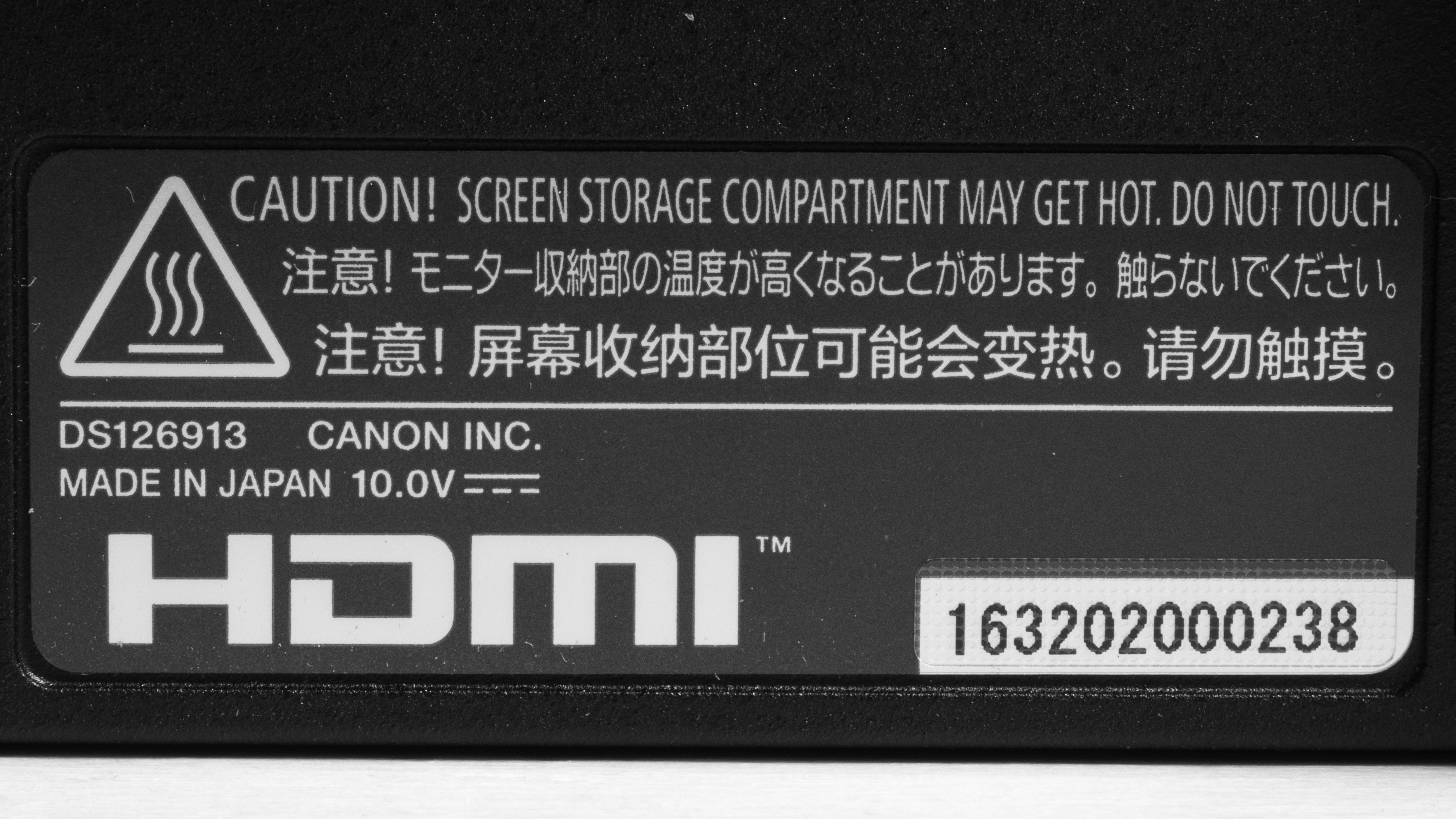
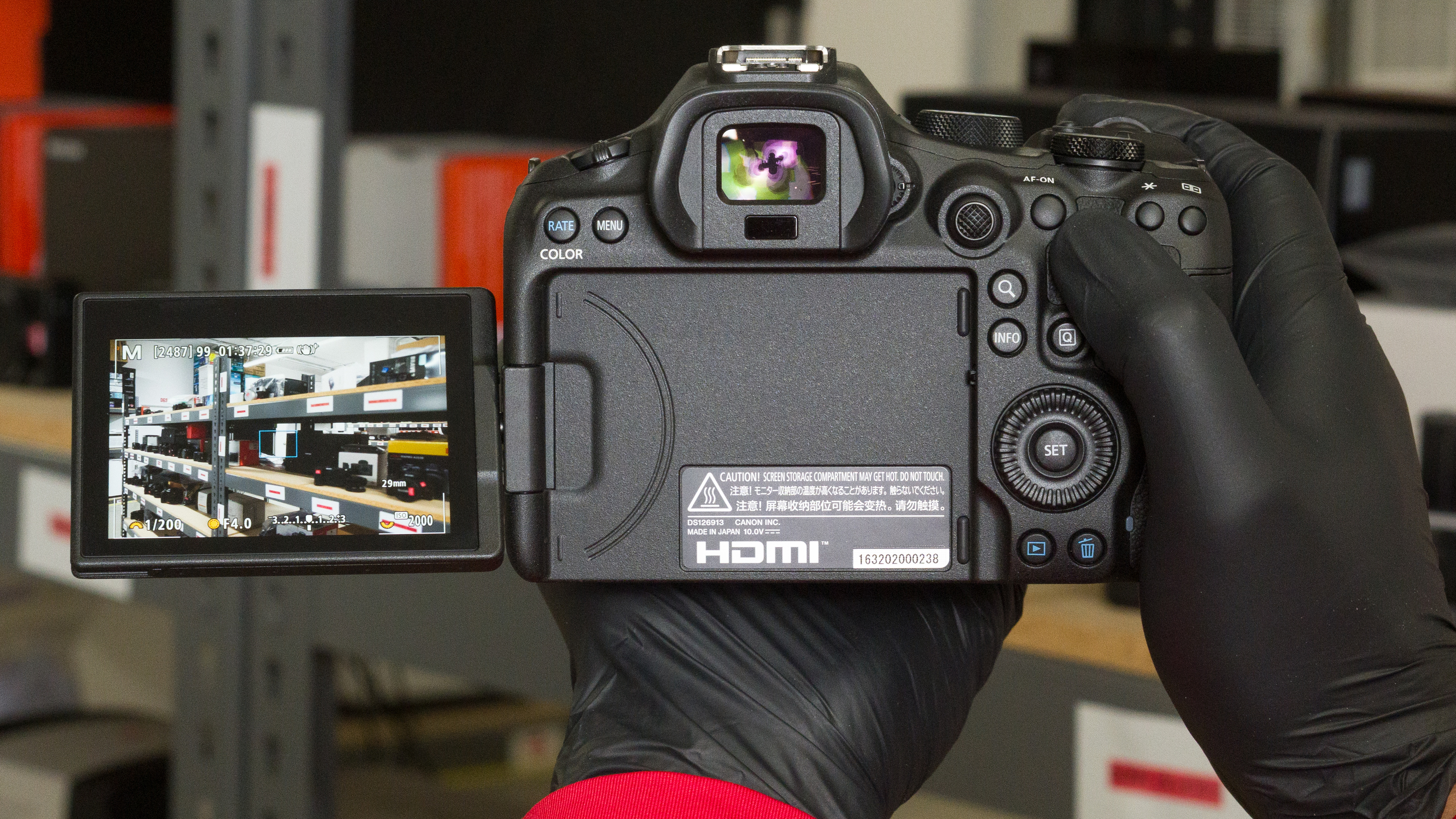
The Canon EOS R6 Mark III comes in one color: 'Black.' We bought it in a kit with the Canon RF 24-105mm F4 L IS USM lens. Depending on the retailer, you can also buy the body separately or bundled with the Canon RF 24-105mm F4-7.1 IS STM lens. Canon also sells the camera bundled with its Stop Animation Firmware, which increases your Live View resolution to 1920x1280 from Canon's normal of 960x640 when connecting to compatible stop motion animation software. Here's our unit's label.
Popular Camera Comparisons
The Canon EOS R6 Mark III is a full-frame hybrid camera for enthusiasts and professionals who split their time between photos and video. Canon kept the Canon EOS R6 Mark II's body almost unchanged, so you still get outstanding ergonomics and a sturdy, weather-sealed build. Most of the upgrades are on the inside. The new 32.5-megapixel sensor captures more detail with less noise, the electronic shutter shoots at up to 40 fps, and a pre-continuous shooting mode helps you catch moments from before you fully press the shutter. Video sees the biggest leap, with internal 7K RAW and open-gate recording, uncropped 4k at up to 120 fps, a CFexpress Type B slot, and a full-size HDMI port.
These upgrades put it in direct competition with other full-frame hybrids like the Sony α7 V and the Nikon Z 6III. The Canon has the most comfortable grip of the three and handles noise better in low light. It also offers more flexible video options, since both competitors need a crop to record 4k at 120 fps, and the Sony doesn't support RAW video at all. It's also the only model that offers open-gate recording, which can be really useful if you want to shoot vertical video format at the same time. That said, both rivals use partially stacked sensors, so they show less rolling shutter in video, especially the Nikon. Sony also captures a wider dynamic range in photos and lasts much longer on a charge. Overall, while they trade blows for photography, the Canon is the most complete video camera of the bunch.
For more options, check out the best digital cameras we've tested, the best cameras for wildlife photography, or the best cameras for videography and filmmaking.
The Canon EOS R6 Mark III is an upgrade over the Canon EOS R6 Mark II in most areas, though the Mark II still has a few advantages. The Mark III's higher-resolution sensor captures more detail with less noise, and it has a much wider dynamic range in video. It also adds internal 7K RAW recording, uncropped 4k at 120 fps, a CFexpress slot, a full-size HDMI port, and a much deeper buffer. On the other hand, the Mark II's tracking autofocus is more accurate, and its face tracking in video is more reliable. It also shows less rolling shutter and lasts longer when recording video.
The Sony α7 V and the Canon EOS R6 Mark III are both excellent full-frame hybrid cameras with similar resolutions, and each has its own strengths. The Sony's partially stacked sensor has a wider dynamic range in photos, and the camera has a sturdier build and much longer battery life. Its dual-hinged screen also tilts as well as flips out to the side. The Canon, meanwhile, is more comfortable to hold, handles noise better, and shoots faster bursts with its electronic shutter. It's also better for video with more advanced features. It can record 4k at 120 fps without a crop and supports internal RAW video, which the Sony doesn't.
The Nikon Z 6III and the Canon EOS R6 Mark III are both great full-frame hybrid cameras. The Nikon's partially stacked sensor shows much less rolling shutter in video. It also has a higher-resolution EVF, a brighter display, and lasts longer when recording video. The Canon, however, has a higher-resolution sensor that captures more detail and handles noise better, and it's more comfortable to hold. It also records 4k at 120 fps without a crop, while the Nikon needs a crop to reach that frame rate. Both cameras support internal RAW recording, but the Canon also offers a higher-quality 7k open-gate option.
The Canon EOS R6 Mark III is a step up from the Nikon Z 5II, especially for fast action and video. Both are well-built, weather-sealed full-frame cameras with in-body stabilization and fully articulated screens, and both are fairly large and heavy. The Canon has a higher-resolution sensor and shoots much faster bursts, reaching 40 fps in RAW with its electronic shutter, while the Nikon tops out at 30 fps in JPEG and 11 fps in RAW. The Canon also lasts longer on a charge for photos. Video is where the gap widens: the Canon records uncropped 4k at up to 120 fps and internal 7K RAW, while the Nikon needs a crop to shoot 4k at 60 fps. That said, the Nikon captures wider dynamic range in photos, and its pre-capture mode saves up to a second of frames before you fully press the shutter, compared to half a second on the Canon.
Test Results
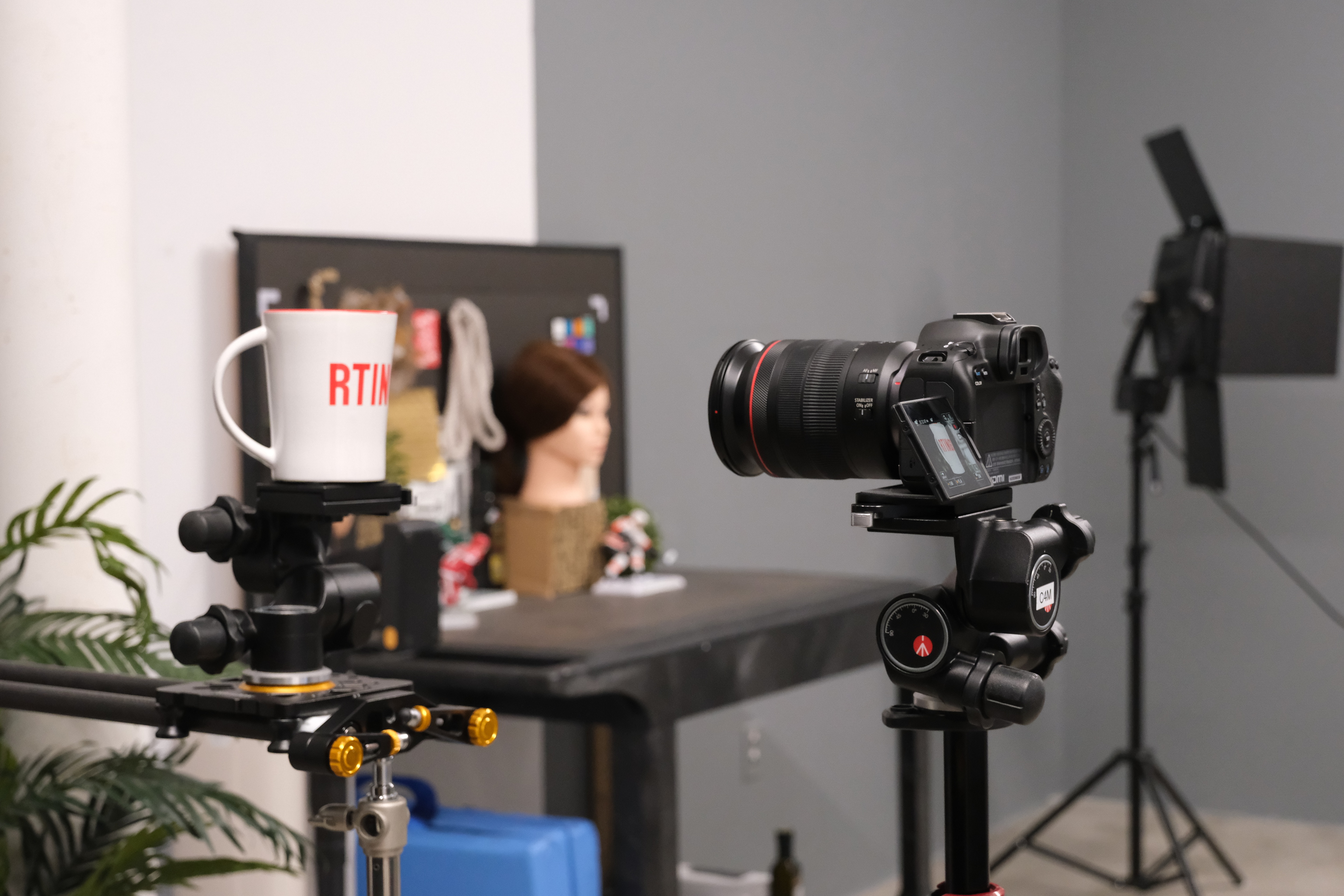
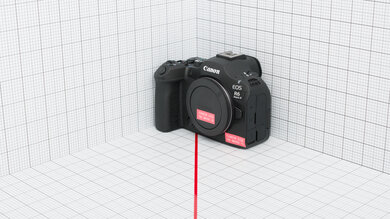
The Canon EOS R6 Mark III isn't very portable, which is par for the course for an enthusiast full-frame camera in this category. It's bulky and heavy to carry on long days out, especially with a larger lens attached.
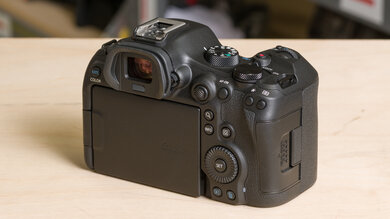
The Canon EOS R6 Mark III has great build quality, nearly identical to that of the Canon EOS R6 Mark II. The most noticeable change on the outside is a new tally light in the top front corner, which lights up while you're recording and blinks to warn you about issues such as low battery or high temperature. The body combines magnesium alloy with some polycarbonate parts, and it's weather-sealed to keep out dust and moisture. Locking hinged doors cover the card slots on the right side and the battery compartment under the grip. On the left side, rubber flaps protect the ports. The buttons, dials, and screen hinge all feel sturdy.
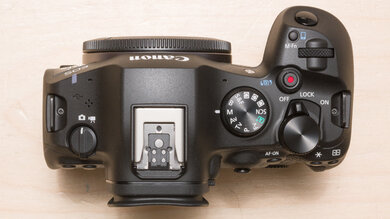
By default, the dial on the top front of the grip sets shutter speed, the rear top dial adjusts ISO, the back dial controls aperture, and you can reassign many of the buttons. The multi-function shoe powers compatible accessories and accepts Canon's digital shoe-mount microphones. Canon recommends keeping the included shoe cover on when nothing's attached to maintain weather sealing. The electronic shutter also reaches speeds of up to 1/16,000s, twice as fast as the mechanical shutter.
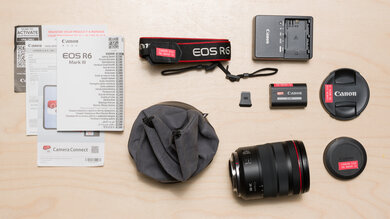
- Canon RF 24-105mm F4 L IS USM lens
- Lens cover
- Lens bag
- Sensor cap
- Hot shoe cover
- Shoulder strap
- 1x Canon LP-E6P battery
- Battery charger
- Getting started guide
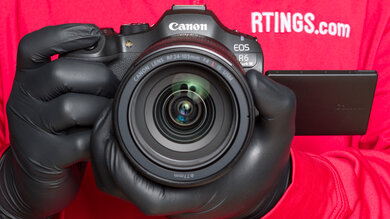
The Canon R6 Mark III has outstanding ergonomics. It fits all hand sizes and leaves plenty of room for your fingers between the grip and the lens. The rubbery texture on the grip and thumb rest gives you a secure hold. You can reach nearly every button on the back of the camera with your thumb without pressing anything by accident, except for the 'Menu' button to the left of the viewfinder.
The power switch sits within reach of your index finger, and the three command dials make it quick to adjust your exposure settings. The large rear wheel turns easily, too. Apart from the joystick, the buttons aren't very clicky, but the camera responds right away, so you always know a press registered. Canon also lightened the shutter button's travel to the half-press point, making it a bit easier to tell when you've half-pressed it, which is ideal for the pre-capture function.
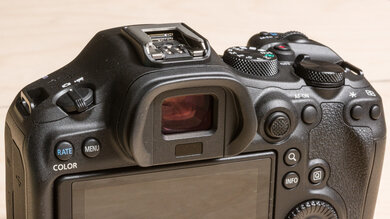
The EVF on the Canon R6 Mk III is plenty sharp. Canon uses an OLED panel that refreshes at up to 120 fps, which helps when following fast-moving subjects.
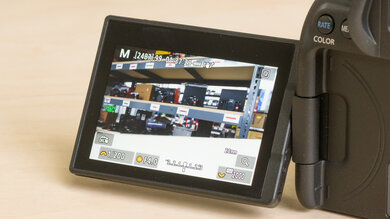
The screen on the Canon R6 Mk III flips out to the side and rotates to face forward, which is handy for vlogging and for shooting from high or low angles. It's sharp and slightly brighter than the Canon EOS R6 Mark II's screen, though it doesn't quite match the brightness of the Nikon Z 6III or the Sony α7 V.
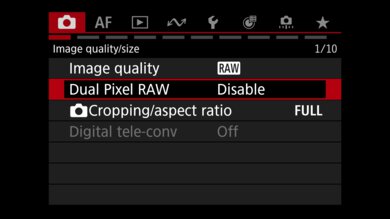
The menu system on the Canon R6 MkIII is excellent. There's a new customization tab, but it doesn't change much about how you use the camera. Shooting and AF settings are in separate tabs, making them easy to find. The menus are extensive, with lots of customization options, yet they're still user-friendly and clearly laid out. You can navigate them with the dials, the joystick, or the touchscreen, and a 'Guide' mode shows detailed explanations of more complex settings right in the menu.
The Canon R6 Mark III uses a new 32.5-megapixel full-frame sensor, paired with the DIGIC X processor. Unlike the sensors in the Sony α7 V and the Nikon Z 6III, it isn't partially stacked and suffers from more rolling shutter distortion in video, as shown in our rolling shutter video. Its native ISO range also tops out at a lower level than the Mark II's, and it only reaches ISO 102,400 through the expanded 'H' setting.
The Canon R6 MkIII has good battery life for photos. It uses Canon's LP-E6P battery and is CIPA-rated for 510 shots using the screen. Power-saving mode stretches that to 620 shots with the screen or 390 with the viewfinder. As with any CIPA rating, your real-world results depend on how you use the camera.
On the video side, the battery performance is sub-par. The camera lasted slightly over an hour of continuous 4k recording. You can charge it over USB-C and power it while recording, which helps on longer shoots.
The camera works with LP-E6NH and LP-E6N batteries, but not the original LP-E6. Canon recommends the LP-E6P because older batteries have some limitations. They disable network functions, power-hungry shoe accessories, pre-continuous shooting, HDMI RAW output, and simultaneous photo and video capture. Video resolution, quality, and frame rates are also limited, and burst speeds can drop.
The Canon EOS R6 Mark III has the same great shooting speeds as its predecessor for fast action. The buffer is where it really stands out. Using a CFexpress Type B card, we shot continuously at the high-speed setting with the mechanical shutter for 40 seconds, capturing over 400 photos without the camera slowing down, and the buffer cleared instantly afterward.
There's also a pre-continuous shooting mode that saves up to 20 frames from before you fully press the shutter, so you're less likely to miss a sudden moment, like a bird taking flight. Keep in mind that the sensor isn't stacked, so the electronic shutter could introduce some distortion with very fast subjects.
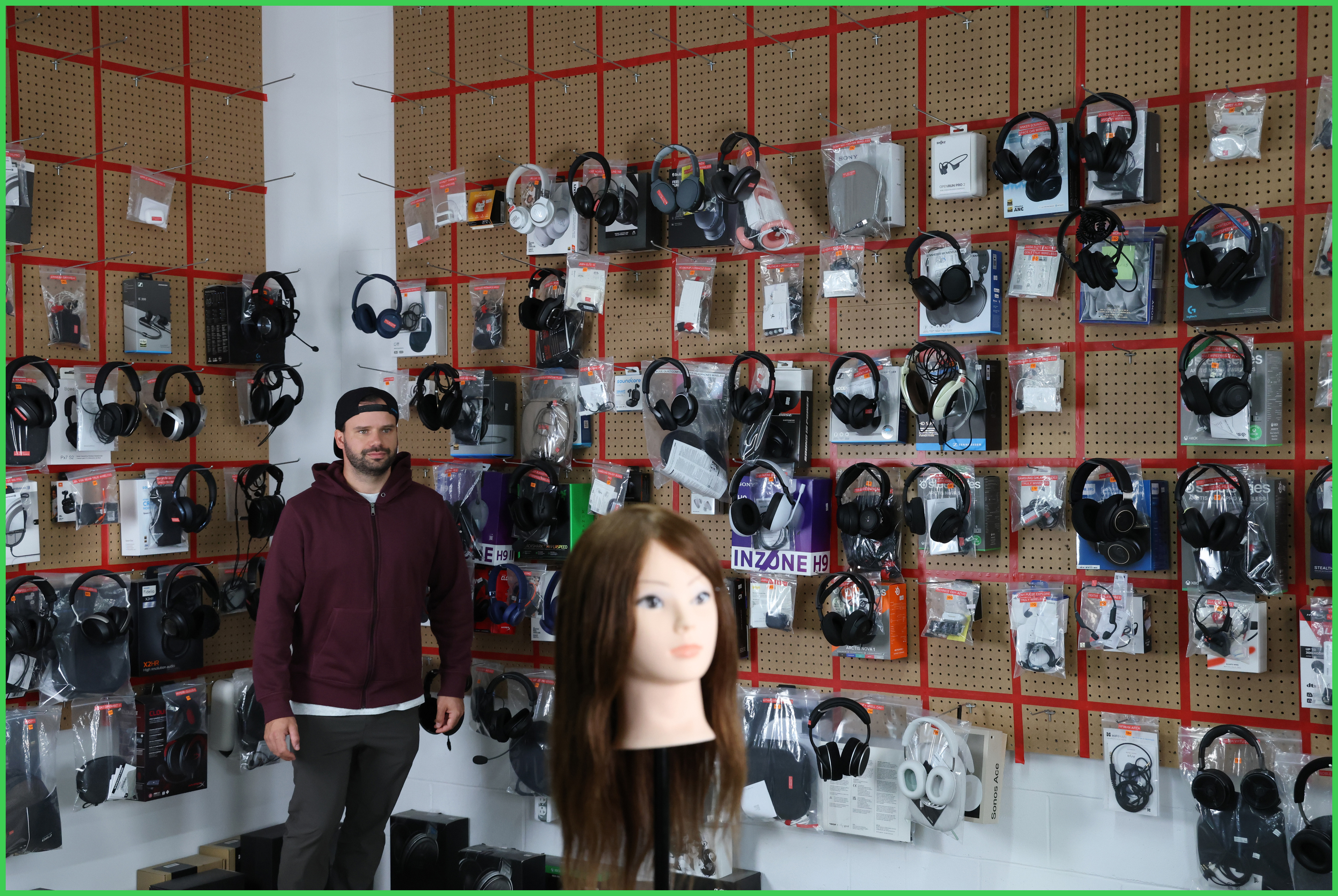
The autofocus tracking in photos is very good, but we found it to be less reliable than its predecessor. It kept the vast majority of shots usable while tracking a moving subject, but fewer shots were perfectly in focus than with the Canon EOS R6 Mark II.
The camera detects people, animals, and vehicles, and a 'Register People Priority' feature lets you save up to 10 faces so the camera prioritizes them when you shoot with the electronic shutter.
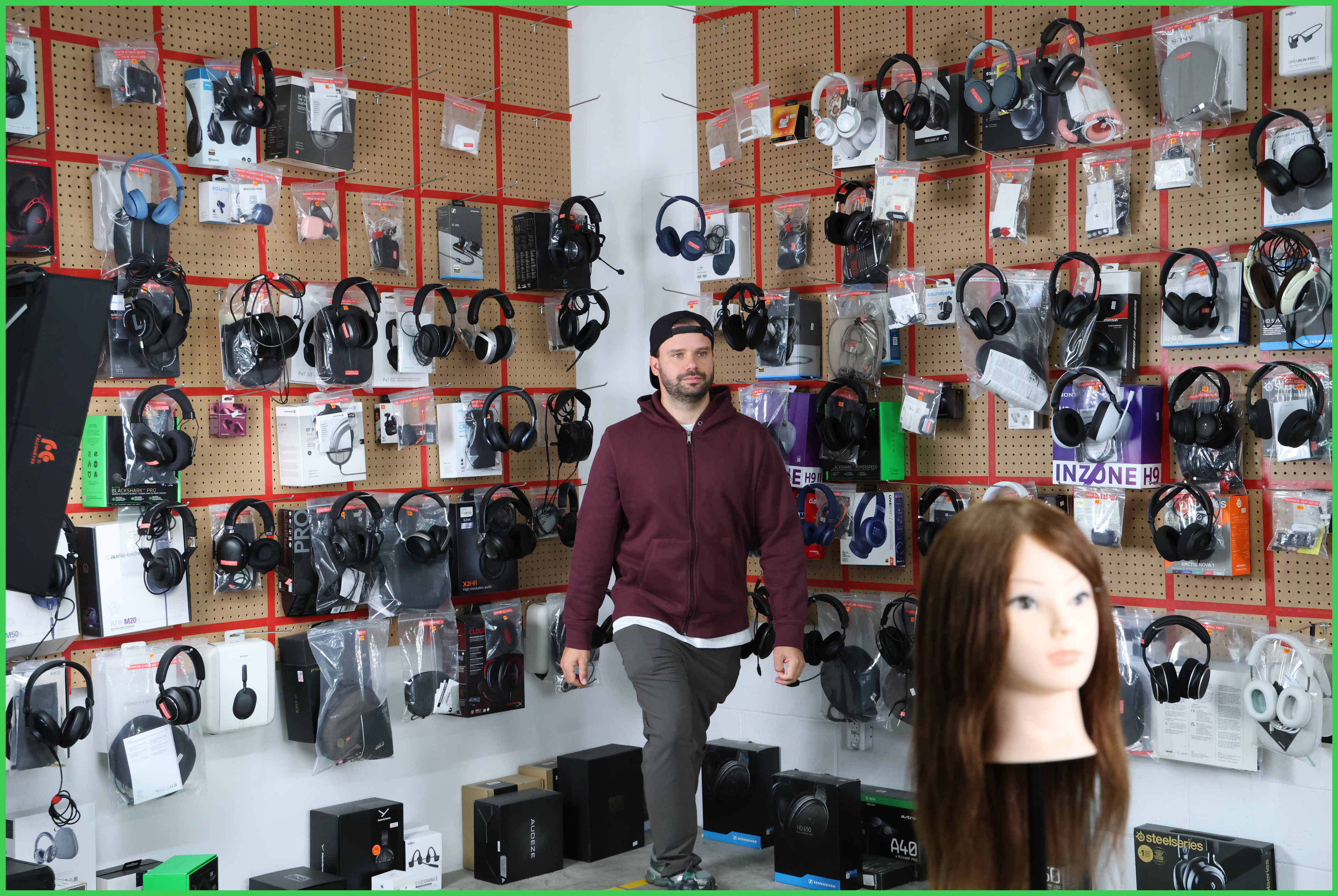
The autofocus is outstanding when you use a single, centered focus point instead of tracking. Almost every shot came out usable, and most were perfectly sharp. It's a reliable option for subjects moving in a predictable path, like a runner heading toward you.
The in-body image stabilization is excellent. Canon rates it for up to 8.5 stops of compensation at the center of the frame, with a compatible stabilized lens, and it lets you get clear handheld shots at very slow shutter speeds.
We tested it with the Canon RF 24-105mm F4 L IS USM lens. Your results vary with the lens you use, your focal length, and how steady you hold the camera.
The Canon EOS R6 Mark III has excellent dynamic range at base ISO, capturing plenty of detail in both bright highlights and dark shadows. It holds on to slightly more detail than the Canon EOS R6 Mark II at base ISO. However, its dynamic range drops off faster as you raise the ISO, so the Mark II retains more detail in high-contrast scenes when you shoot in dimmer light.
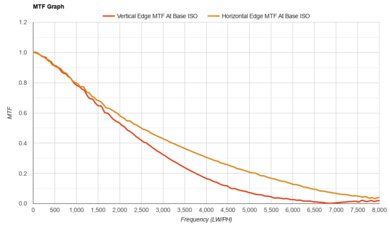
The Canon EOS R6 Mark III has amazing sharpness. The higher-resolution sensor resolves a lot of fine detail, with a slight improvement over its predecessor. You'll mostly notice the difference when you zoom in on your images or crop heavily, which gives you more freedom to reframe your shots in post.

The Canon EOS R6 Mark III is a big step up for video. It doesn't have a dedicated 6k mode, but it records 7k footage from the full width of its sensor, including internal 7K RAW video at up to 60 fps when you use a CFexpress card. A 3:2 open gate mode also captures the entire sensor area, which is handy if you want to crop the same clip into both horizontal and vertical formats. Standard 4k UHD and 4k DCI resolutions are available, too.
You get Canon Log 2 and Canon Log 3 profiles, along with a waveform monitor and false color to help with exposure. The HDMI output is clean, and with a compatible external recorder, you can also output 7K ProRes RAW. The camera also supports 4-channel audio when you pair a digital shoe-mount microphone with the built-in mic or an external mic.
The Canon R6 Mark III records MP4 files using Canon's XF-AVC S (H.264) and XF-HEVC S (H.265) formats, plus Canon's 12-bit RAW format for 7k video. Its standard RAW frame rate tops at 30 fps, while the light RAW can reach up to 60 fps. You will need a CFexpress 2.0 Type-B card with a speed of at least 400 MB/s for these modes, and they're very heavy, at more than 20 GB per minute of recording. You can find mode information in the camera's manual.
Unlike the Canon EOS R6 Mark II, which only offers All-I compression in time-lapse mode, the Mark III lets you use intra-frame compression for regular recording. That preserves more detail for editing, at the cost of larger files.
The Canon EOS R6 Mark III records 4k video at up to 120 fps without a crop, which is great for slow-motion footage. That's a step up from the Canon EOS R6 Mark II, which tops out at 60 fps in 4k, and from the Sony α7 V, which requires a crop to reach that frame rate. Keep in mind that the camera only oversamples its 'Fine' 4k footage at up to 60 fps, so 4k at 120 fps isn't oversampled.
Internal recording options are outstanding. The camera captures 10-bit 4:2:2 video, giving you plenty of color information for grading. Its intra-frame formats reach very high bit rates, and you can switch to lighter formats to save space. The camera didn't overheat even after more than an hour of shooting in 4k, and there's no recording limit.
The autofocus in 4k is outstanding overall, but it's much more consistent with objects than with faces in our testing. It tracks objects remarkably well, keeping them sharp as they move around the frame.
Face tracking is less reliable. With subject detection set to 'People,' the camera struggles to stay on a moving subject, and it takes a while to find the person again after they leave the frame and come back. Sudden backward movements also throw it off, though it snaps right back once it detects the subject again. Turning detection off and using tracking alone doesn't help, as focus drifts to the background and only returns when the subject fills most of the frame. The camera also sometimes focuses on the subject's ear instead of their face.
The rolling shutter is noticeable in 4k. Quick pans and fast-moving subjects show a fair amount of skew in vertical lines, slightly more than on the Canon EOS R6 Mark II. If rolling shutter is a concern, the Nikon Z 6III uses a partially stacked sensor that handles it much better.
In 1080p, the Canon EOS R6 Mark III records at up to 180 fps without a crop, which is great for slow-motion video.
Autofocus in 1080p is outstanding with objects but less dependable with faces. Object tracking is fantastic, keeping moving objects sharp throughout.
Face detection struggles more in this mode. With subject detection set to 'People' or 'Auto,' the camera couldn't track our subject during the fast-walking part of the test. Tracking alone works much better, so we ran the test without subject detection. Still, when the subject leaves the frame, focus sometimes sticks to the back wall or another subject, and it occasionally locks onto the ear instead of the face, leaving the subject slightly soft. In practice, you can tap the screen to move tracking back to your subject.
The rolling shutter is less noticeable in 1080p than in 4k. You'll still see some skew with fast pans, but it's manageable for most footage. That said, it still shows more rolling shutter than its predecessor or contemporaries like the Nikon Z 6III.
Video dynamic range is excellent. When recording in Canon Log 3, the Canon EOS R6 Mark III captures a wide range of highlight and shadow detail, even when measured against a strict noise threshold. That's a major improvement over the Canon EOS R6 Mark II and puts it on par with the Sony α7 V and the Nikon Z 6III. It handles high-contrast scenes well and gives you plenty of latitude when color grading.
Tested settings:
- Resolution: 4k (Fine)
- Video Format: XF-AVC S, YCC 4:2:2, 10-bit, All-I (Standard), 450Mbps
- Frame Rate: 30 fps
- Log Format: C-Log3
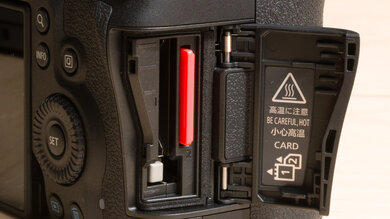
The Canon EOS R6 Mark III has one CFexpress Type B slot and one UHS-II SD slot. You need a CFexpress card to record RAW video and some of the highest-bitrate video modes. Using a fast CFexpress card also lets you shoot longer RAW bursts than using an SD card.
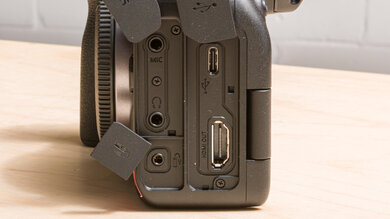
The Canon R6 Mk3 has a full set of inputs and outputs on its left side. The USB-C port supports faster USB 3.2 Gen 2 transfers. Wi-Fi and Bluetooth let you connect to your phone, and the camera supports 5GHz Wi-Fi for quicker wireless transfers.