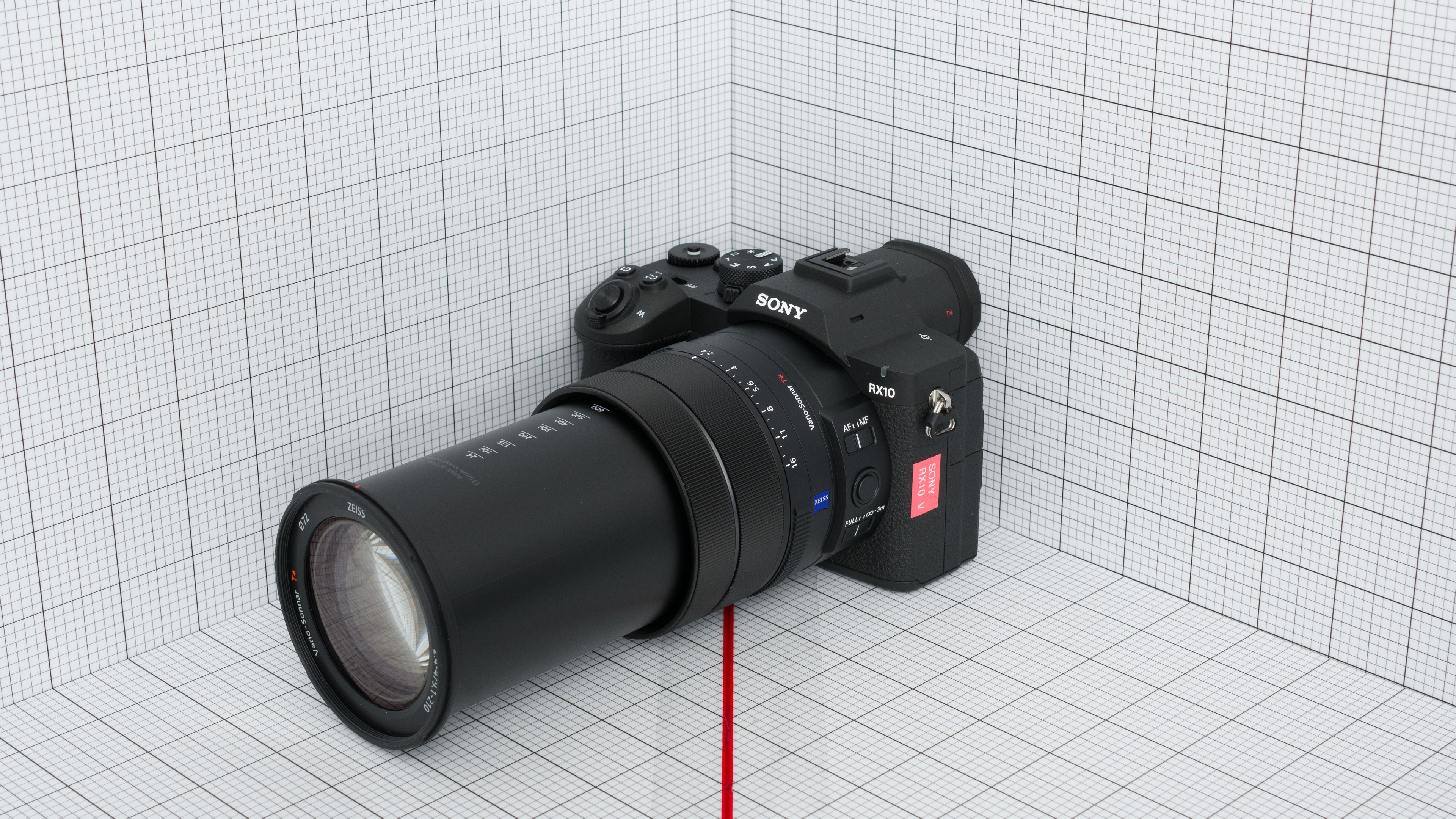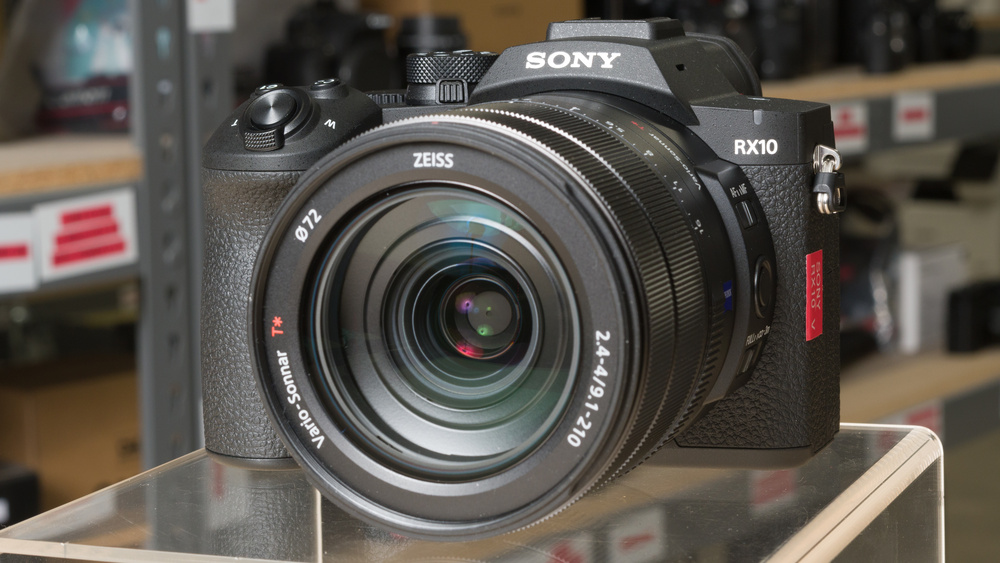
The Sony RX10 V is a bridge camera that pairs a 1-inch stacked sensor with a built-in zoom lens reaching a 600mm full-frame equivalent focal length. It replaces the Sony RX10 IV and keeps a 20.1-megapixel resolution and a similar shape, but Sony refreshed most of what surrounds the sensor. A newer BIONZ XR processor replaces the BIONZ X, and Sony opted to use the larger NP-FZ100 battery used in its full-frame models. The new processor notably allows for a deeper buffer as well as a slew of upgrades for video shooters. The RX10 V now records 10-bit 4:2:2 footage internally with S-Log3, shoots 4k at up to 120 fps with a crop, and drops the 30-minute recording limit. Sony also removed the pop-up flash and the small top display present on the RX10 IV.
Our Verdict
The Sony RX10 V is a satisfactory option for travel photography, especially if you value having a lot of reach with your kit. Its built-in lens covers a very wide range and works well for wide scenes and distant subjects, so you don't need to pack extra lenses. It's large and heavy for a camera with a 1-inch sensor, though, and it won't fit in a small bag. On the upside, its big grip makes it comfortable to hold, and its battery should easily last a full day of shooting. Optical stabilization helps you get clear handheld shots at slow shutter speeds, but noise becomes noticeable once the light fades.
Built-in lens with a 600mm equivalent reach.
Comfortable to hold, with a large grip.
Outstanding battery life.
30 fps bursts with a buffer that doesn't fill up.
Sharp, detailed images.
Tracking autofocus in photos struggles with moving subjects.
Noticeable noise at higher ISO settings.
Screen can't face forward.
Large and heavy for a 1-inch sensor camera.
The Sony RX10 V does a decent job with landscape photography. Its sensor captures sharp, detailed images, and dynamic range at base ISO is good for a 1-inch sensor, though full-frame or APS-C cameras can capture more detail in high-contrast scenes. The tilting screen helps you frame shots from low angles, and the sharp EVF makes composing easy in bright light. Sony advertises the body as dust- and moisture-resistant, but the port doors don't have rubber seals. Its weight also adds up on long hikes, even if it remains substantially smaller than larger-sensor cameras with comparable reach.
Built-in lens with a 600mm equivalent reach.
Comfortable to hold, with a large grip.
Outstanding battery life.
Sharp, detailed images.
Noticeable noise at higher ISO settings.
Large and heavy for a 1-inch sensor camera.
The Sony RX10 V is a decent pick for sports and wildlife photography. With a 600mm equivalent reach, it's excellent for distant subjects, and its electronic shutter fires at up to 30 fps. The buffer never filled up during our testing, so you can hold the shutter through long bursts. Tracking autofocus is its main weakness. It struggles with subjects that change direction, and less than half of our shots came out usable. Relying on a focus point works much better for subjects moving on a predictable path.
Built-in lens with a 600mm equivalent reach.
Comfortable to hold, with a large grip.
Outstanding battery life.
30 fps bursts with a buffer that doesn't fill up.
Sharp, detailed images.
Tracking autofocus in photos struggles with moving subjects.
Noticeable noise at higher ISO settings.
Large and heavy for a 1-inch sensor camera.
The Sony RX10 V is sub-par for vlogging. Its screen tilts up and down but can't face forward, so you can't see yourself while recording. It's also too heavy to hold at arm's length for long. Face tracking is remarkable, though, and a recording light shows when the camera is rolling. You also get 10-bit 4:2:2 video, a microphone input, and long battery life.
Outstanding battery life.
10-bit 4:2:2 recording with S-Log3.
Excellent video dynamic range.
Remarkable autofocus in video.
4k at up to 120 fps and 1080p at up to 240 fps.
No recording time limit.
Screen can't face forward.
Overheats in 4k with the default temperature setting.
Large and heavy for a 1-inch sensor camera.
The Sony RX10 V is outstanding for studio video. It records 10-bit 4:2:2 footage internally with S-Log3, and its XAVC S-I format captures All-Intra video at high bit rates. Video dynamic range is excellent, leaving you plenty of room to grade. There's also no recording time limit. Autofocus is also extremely reliable and tracks both objects and faces remarkably well. A microphone input, a headphone jack, a clean HDMI output, and USB power during recording round out the setup.
Outstanding battery life.
10-bit 4:2:2 recording with S-Log3.
Excellent video dynamic range.
Remarkable autofocus in video.
4k at up to 120 fps and 1080p at up to 240 fps.
No recording time limit.
Overheats in 4k with the default temperature setting.
The Sony RX10 V is mediocre for action video. It isn't rugged or waterproof, and its size and weight rule out helmet or chest mounts. Still, it's a solid choice for filming action from the sidelines. Rolling shutter stays fairly low, especially in 1080p, and you can shoot 4k at up to 120 fps with a crop or 1080p at up to 240 fps for smooth slow motion.
Comfortable to hold, with a large grip.
Not designed for action cam mounting.
The Sony RX10 V delivers satisfactory RAW image quality. Images look sharp and detailed, and dynamic range at base ISO is good for a 1-inch sensor. Noise is the weak spot. The small sensor produces grainy images as you raise the ISO, so it isn't the best choice for dim settings.
Sharp, detailed images.
Noticeable noise at higher ISO settings.
Performance Usages
Check Price
Differences Between Sizes And Variants
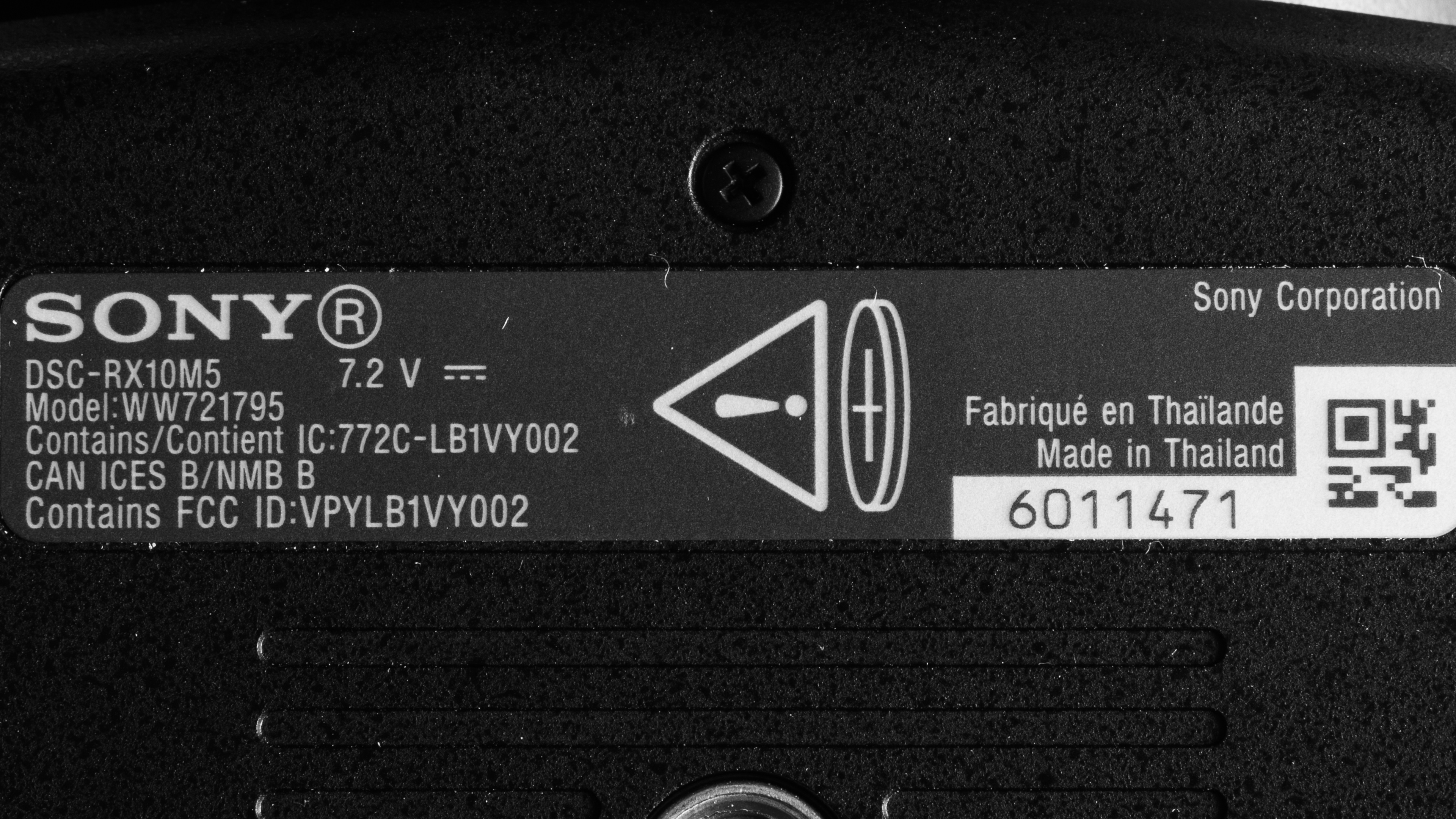
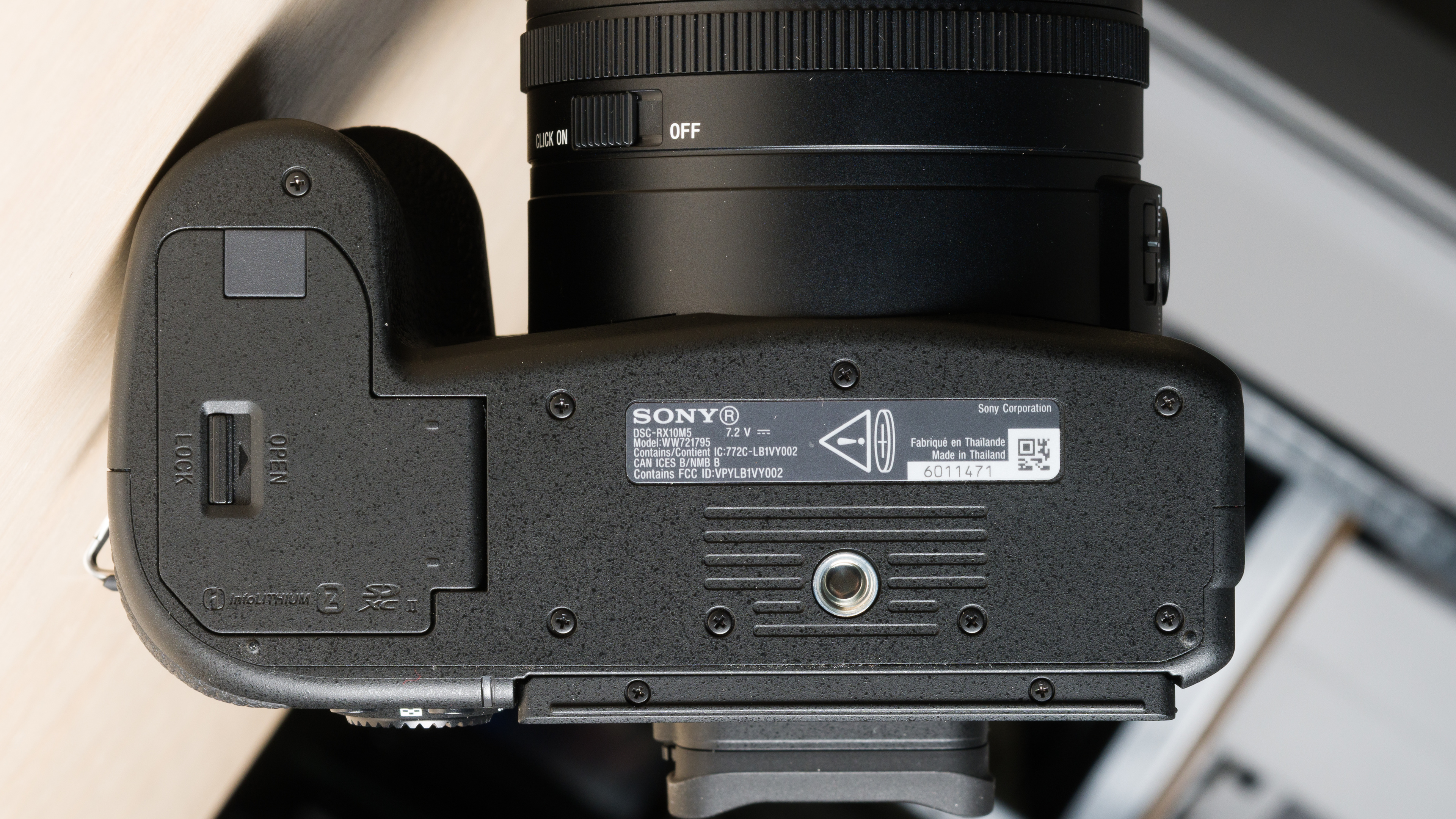
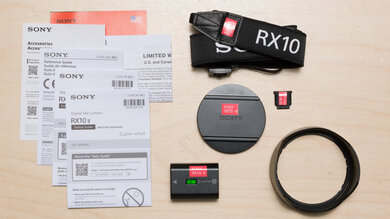
The Sony RX10 V comes in one color: 'Black.' Here's our unit's label.
Popular Camera Comparisons
The Sony RX10 V is an all-in-one camera for people who want a long zoom range without swapping lenses. Compared to its predecessor, the Sony RX10 IV, it's a major step up for video, with 10-bit recording, higher frame rates, and much longer battery life. However, its 1-inch sensor can't match similarly priced interchangeable-lens cameras in low light, and its tracking autofocus in photos falls behind with erratic subjects.
Among other bridge cameras, the RX10 V's 1-inch sensor gives it a clear advantage. Superzooms like the Nikon COOLPIX P1000 and the smaller Nikon COOLPIX P950 reach much farther, up to 3,000mm and 2,000mm equivalent, respectively. Their tiny 1/2.3-inch sensors produce noisy, soft images as soon as the light drops. On paper, the Panasonic LUMIX FZ1000 II comes closest, with a 1-inch sensor and a fully articulated screen. Its lens stops at a 400mm equivalent, though, and it lacks the RX10 V's weather-resistant construction or 10-bit recording.
Another consideration is whether a bridge camera is the right choice for your needs. An APS-C mirrorless camera like the Sony α6700 offers a larger sensor, in-body stabilization, and more reliable autofocus tracking. Paired with a telephoto zoom like the Sony E 70-350mm F4.5-6.3 G OSS, it reaches a 525mm equivalent, but you need a second lens for wide shots and have to swap between them in the field. That flexibility is the RX10 V's biggest strength. Few cameras match it if you want a single weather-sealed body that covers everything from wide landscapes to distant wildlife and doubles as an excellent video camera.
If you want a simple camera with a built-in lens, see our best point-and-shoot cameras and best bridge cameras. For distant subjects, check out our best cameras for wildlife photography, and if you'd rather swap lenses, see our best mirrorless cameras.
The Sony RX10 V is a big upgrade over the Sony RX10 IV, especially for video. The RX10 IV records 8-bit 4:2:0 footage, crops 4k at every frame rate, tops out at 30 fps in 4k, and stops recording after 29 minutes. The RX10 V, on the other hand, records 10-bit 4:2:2 video, reaches 120 fps in 4k, and has no recording limit. It also lasts much longer on a charge, has a sharper EVF and screen, and offers a much easier menu with full touch support. Its images are sharper, too, with wider dynamic range. It does lose the pop-up flash, but you still have the option to add one via the hot-shoe if you need to.
The Sony RX100 VII and the Sony RX10 V both use a 1-inch stacked sensor, but they suit very different priorities. The RX100 VII is a pocketable point-and-shoot that goes almost anywhere, and its screen flips up to face you, which makes it far better for vlogging. Its photo autofocus also handles moving subjects better. The RX10 V otherwise takes the edge performance-wise. Its lens reaches much farther, its large grip feels more secure than the RX100 VII's small, smooth body, and its battery lasts much longer. It also captures sharper images with wider dynamic range, and it's advertised as weather-sealed, while the RX100 VII isn't. Video is where the gap is widest. The RX10 V records 10-bit footage at up to 120 fps in 4k. The RX100 VII, on the other hand, tops out at 30 fps in 4k, limits 4k clips to five minutes by default, and overheats easily.
As long as you're willing to buy and carry extra lenses, the Sony α6700 is a better all-around camera than the Sony RX10 V. Its larger APS-C sensor captures wider dynamic range and handles noise better, and its autofocus tracks moving subjects far more reliably. On its own, it's also much lighter, and it adds in-body stabilization that works with any E-mount lens. Its fully articulated screen makes it much better for vlogging, too. The RX10 V's main advantage is reach: its built-in lens covers a 600mm equivalent without lens swaps, while the α6700 needs a separate telephoto zoom to get close. The RX10 V also shoots faster with its electronic shutter, never fills its RAW buffer, and shows less rolling shutter in video. Even though both cameras use the same NP-FZ100 battery, the RX10 V also lasts longer on a charge.
The Sony RX10 V and the Nikon COOLPIX P1000 are both bridge cameras with long zoom lenses, but they suit different needs. The Nikon's lens reaches a 3000mm full-frame equivalent, five times longer than the Sony's 600 mm reach, which helps with very distant subjects like birds. It also has a fully articulated screen and a pop-up flash. Otherwise, the Sony wins in nearly every area. Its larger sensor captures much sharper images with less noise and wider dynamic range, and it's lighter and more comfortable to hold. It also shoots much faster bursts, lasts longer on a charge, and has far better video features, including 10-bit recording, 4k at up to 120 fps, and reliable autofocus.
Test Results
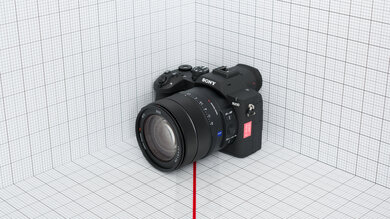
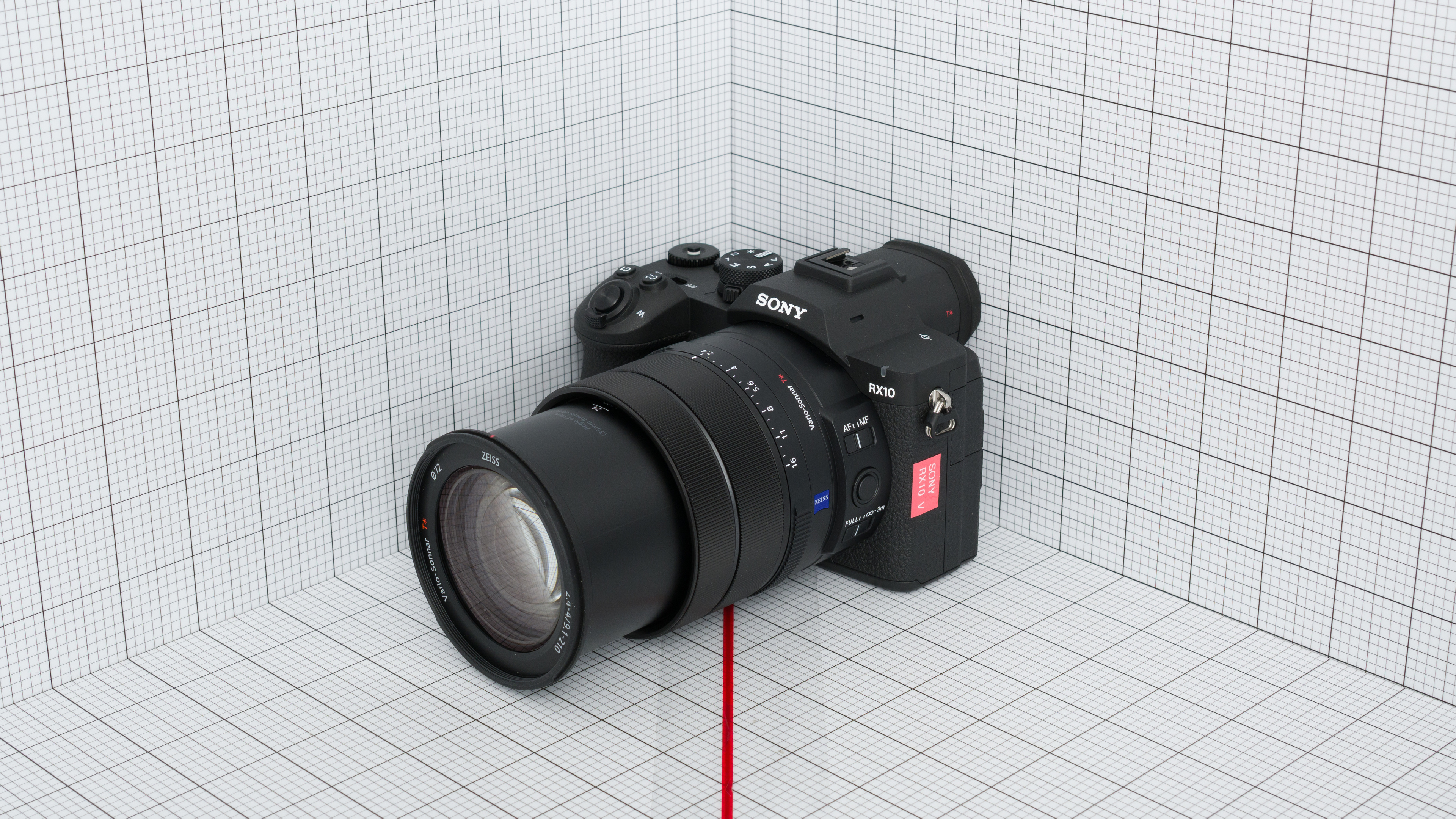
The Sony RX10 V isn't as portable as other 1-inch sensor cameras, but given its lens's range, it's relatively easy to pack compared to other systems with similar capabilities. Its relatively large built-in lens makes it bulky, so you'll need a dedicated camera bag. You can see how big it gets when it's turned on and when the lens is fully zoomed in.
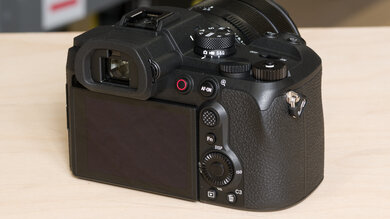
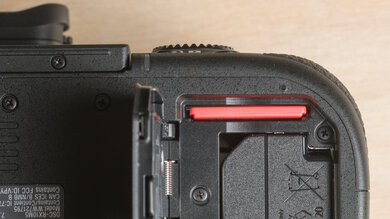
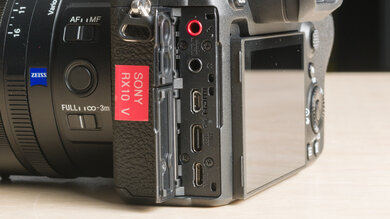
The Sony RX10 V has great build quality. The plastic body feels sturdy, and the dials on the top and back turn smoothly and feel solid. Hinged plastic doors cover the ports, while the SD card sits under the camera with the battery, behind a locking hinged door. The button feel is inconsistent: some are clicky, and others, like the record button, feel mushy. The aperture dial on the lens is also a bit stiff, and the strap mounts wobble.
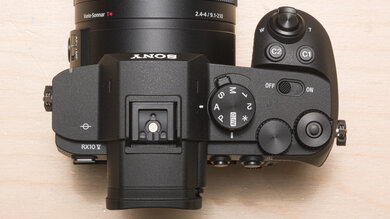
The Sony RX10 V has three command dials. By default, the aperture dial on the lens sets aperture, the top rear dial sets shutter speed, and the rear wheel has no function in manual mode, though you can customize it along with several buttons. The exposure compensation dial locks to prevent accidental changes. Unlike its predecessor, the RX10 V has no built-in flash, but you can mount one on the hot shoe. The SD card and battery slots are on the bottom of the camera.
Sony advertises the camera as dust- and moisture-resistant, but the port doors lack any rubber seals or grooves to keep water and dust out, making it less appropriate for the most challenging weather conditions.
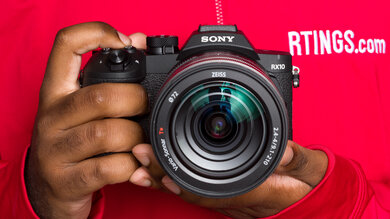
The Sony RX10 V has excellent ergonomics. Its large grip fits all hand sizes, and you feel secure holding the camera in one hand. Textured rubber covers both the grip and the thumb rest, and the thumb rest leaves plenty of room, so you won't press buttons by accident. The left and right sides of the rear wheel give you quick access to drive mode and ISO, and a toggle under the mode dial switches between photo, video, and S&Q (slow and quick) modes. A focus mode switch on the side of the lens makes it easy to change focus settings, too.
Sony made a few changes compared to the Sony RX10 IV. The small top display is gone, and the shutter button is no longer threaded. The SD card now loads from under the camera, but there's still enough room to reach it when the camera is on a tripod. The 'Menu' button sits on the far left of the back, which is awkward because it also works as the back button when navigating menus.
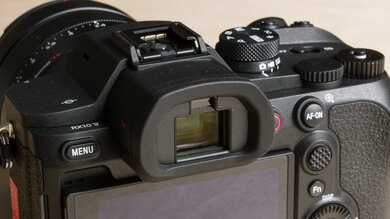
The EVF is sharp, with a much higher resolution than the Sony RX10 IV's. The rubber eyecup isn't the most comfortable, but it sticks out far enough to make the viewfinder easy to use.
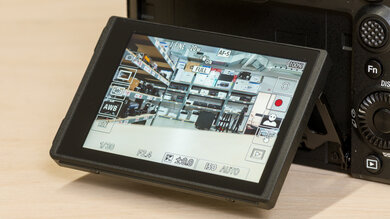
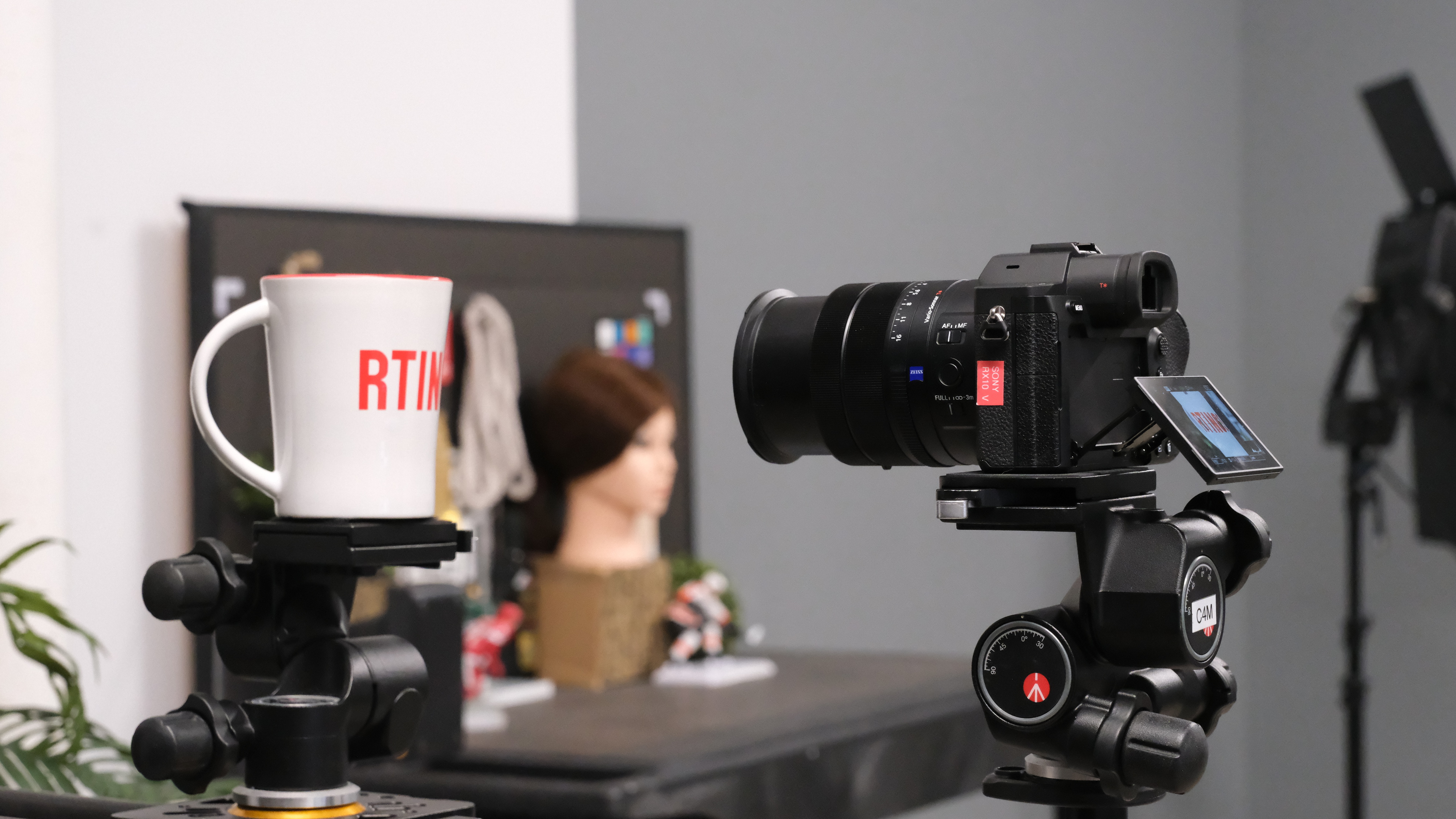
The screen is good. It tilts up and down to help you shoot from high or low angles, but it can't flip out to face you. It's sharper than the Sony RX10 IV's screen, though it doesn't get quite as bright. Unlike its predecessor, the screen supports full touch controls, so you can select your focus point, take photos, and navigate the menus.
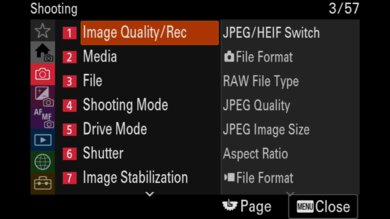
The menu system is excellent. Sony organized it in a logical and coherent way. You can scroll through it using the touchscreen, and options like stabilization, face tracking, and tracking sensitivity are easy to find. Adding shortcuts to the 'My Menu' tab is quick, and you can assign up to 12 items to the touch-friendly 'Fn' menu. A new 'Main Menu' section shows tiles that are automatically populated with frequently used settings that switch between photo and video modes. On the shooting screen, swipe gestures show or hide extra shortcuts, and the display rotates automatically when you shoot vertically.
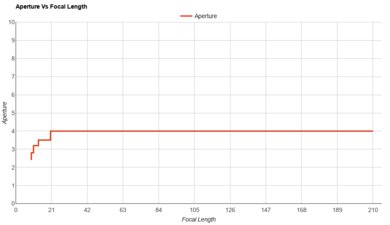

The built-in lens on the Sony RX10 V is very good. It reaches a 600mm full-frame equivalent at its longest focal length, and its maximum aperture ranges from f/2.4 to f/4.0. Optical image stabilization helps keep your shots steady at long focal lengths. While this lens closely matches the one found on the RX IV spec-wise, light falls off much less toward the corners, so vignetting is less noticeable.
The Sony RX10 V has outstanding battery life. It uses Sony's NP-FZ100 battery, the same one as the full-frame Sony α7 V, which is much larger than the Sony RX10 IV's NP-FW50. Sony rates it for 630 shots, and it lasted almost 2.5 hours of continuous video recording in our test.
The Sony RX10 V has great shooting speeds. With the mechanical shutter, the fastest drive setting available is 'Mid,' which Sony rates at 10 fps, while the electronic shutter shoots at up to 30 fps. The buffer is effectively unlimited. Using a Delkin UHS-II V90 card, the camera never slowed down in JPEG or RAW, and it cleared the buffer in about three seconds afterward, which is much quicker than its predecessor.

The Sony RX10 V's autofocus tracking in photos is poor, which is disappointing, as we expected a leap forward in this regard. We used the 'Wide' focus area with human subject recognition and focus priority on, and we set tracking to stay locked on the initial subject and react to speed changes. While shooting, the camera seemed to follow the subject with only a few hiccups, like briefly locking onto a pair of headphones before catching up again. Reviewing the shots tells a different story: the autofocus couldn't keep up, and the focus plane froze as soon as the subject changed direction. Less than half of the shots came out usable, a worse result than with the Sony RX10 IV.

Autofocus is excellent when you use a single, centered focus point instead of tracking. Almost every shot came out usable, and most were perfectly sharp, though a few looked slightly soft. We kept focus priority on, just like in the tracking test, but the camera slowed down noticeably here and captured far fewer shots while it waited for the autofocus to catch up. Still, it's a reliable option for subjects moving on a predictable path, like a runner heading toward you.
The Sony RX10 V doesn't have in-body image stabilization, but the optical stabilization in its built-in lens works great. It lets you take clear handheld shots at slow shutter speeds, but your results depend on your focal length and how steady you hold the camera.
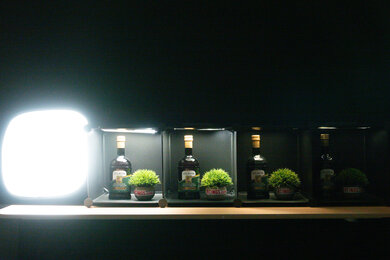
The Sony RX10 V has good dynamic range at base ISO, retaining a fair amount of detail in both highlights and shadows for a 1-inch sensor. That's a clear improvement over the Sony RX10 IV, and it also holds up better at higher ISO settings.
Still, full-frame or even APS-C cameras will keep far more detail in high-contrast scenes. Since shutter speeds faster than 1/1,000s need the electronic shutter, which only works with compressed RAW files, we tested the two fastest exposure times in compressed RAW.
Our version of Imatest doesn't support the camera's native RAW files, so we converted them to DNG for analysis.
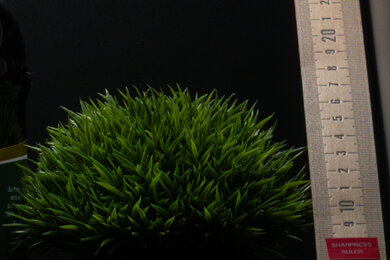
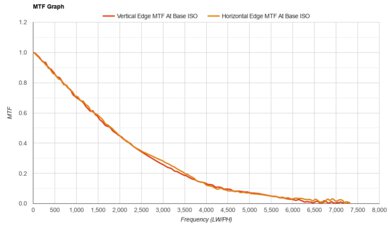
Sharpness is great and a big step up from its predecessor. We tested the lens at three focal lengths and three apertures, and it produced its sharpest results at a 50mm full-frame equivalent and f/4.
Our version of Imatest doesn't support the camera's native RAW files, so we converted them to DNG for analysis.

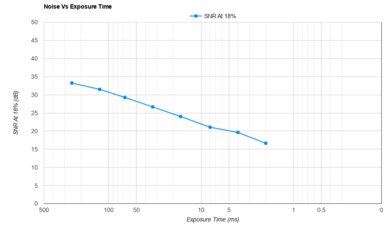
Noise handling is sub-par. The small 1-inch sensor shows visible noise as the light fades. If you often shoot in dim settings, a camera with a larger sensor will serve you better.
Our version of Imatest doesn't support the camera's native RAW files, so we converted them to DNG for analysis.
The Sony RX10 V records 4k and 1080p video. You get Sony's S-Log3 profile for maximum grading flexibility, plus the PP1 to PP6, PP10, and PP11 picture profiles.
The RX10 V doesn't record AVCHD. It uses three XAVC formats instead. XAVC S uses H.264 compression in both 4k and 1080p, while XAVC HS uses H.265 with Long GOP compression and is only available in 4k. XAVC S-I records All-Intra video in both resolutions, which preserves more detail for editing at the cost of larger files.
The Sony RX10 V records 4k at up to 120 fps, which is great for slow-motion footage, though it applies a 1.4x crop at that frame rate. There's no crop at 60 fps or below. That's a big jump from its predecessor, which crops 4k footage even at 24 fps and tops out at 30 fps.
Internal recording in 4k is outstanding. The camera captures 10-bit 4:2:2 video at high bit rates, and there's no recording limit. Overheating is the catch. In our first test, the camera stopped after only 10 minutes of 4k recording. Once it cooled down, it displayed a message suggesting we set the auto power off temperature to 'High.' With that setting, it kept recording for almost two hours without overheating again.
In 1080p, the Sony RX10 V records at up to 240 fps without a crop, so you can capture very smooth slow-motion footage using the full width of the sensor.
Video dynamic range is excellent. Recording in S-Log3, the Sony RX10 V captures plenty of highlight and shadow detail, much more than the Sony RX10 IV. It handles high-contrast scenes well and gives you lots of latitude when color grading.
Tested settings:
- Resolution: 4k
- Video Format: XAVC S-I, 4:2:2, 10-bit, 600 Mbps
- Frame Rate: 30 fps
- Log Format: S-Log3 (S-Gamut3.Cine)