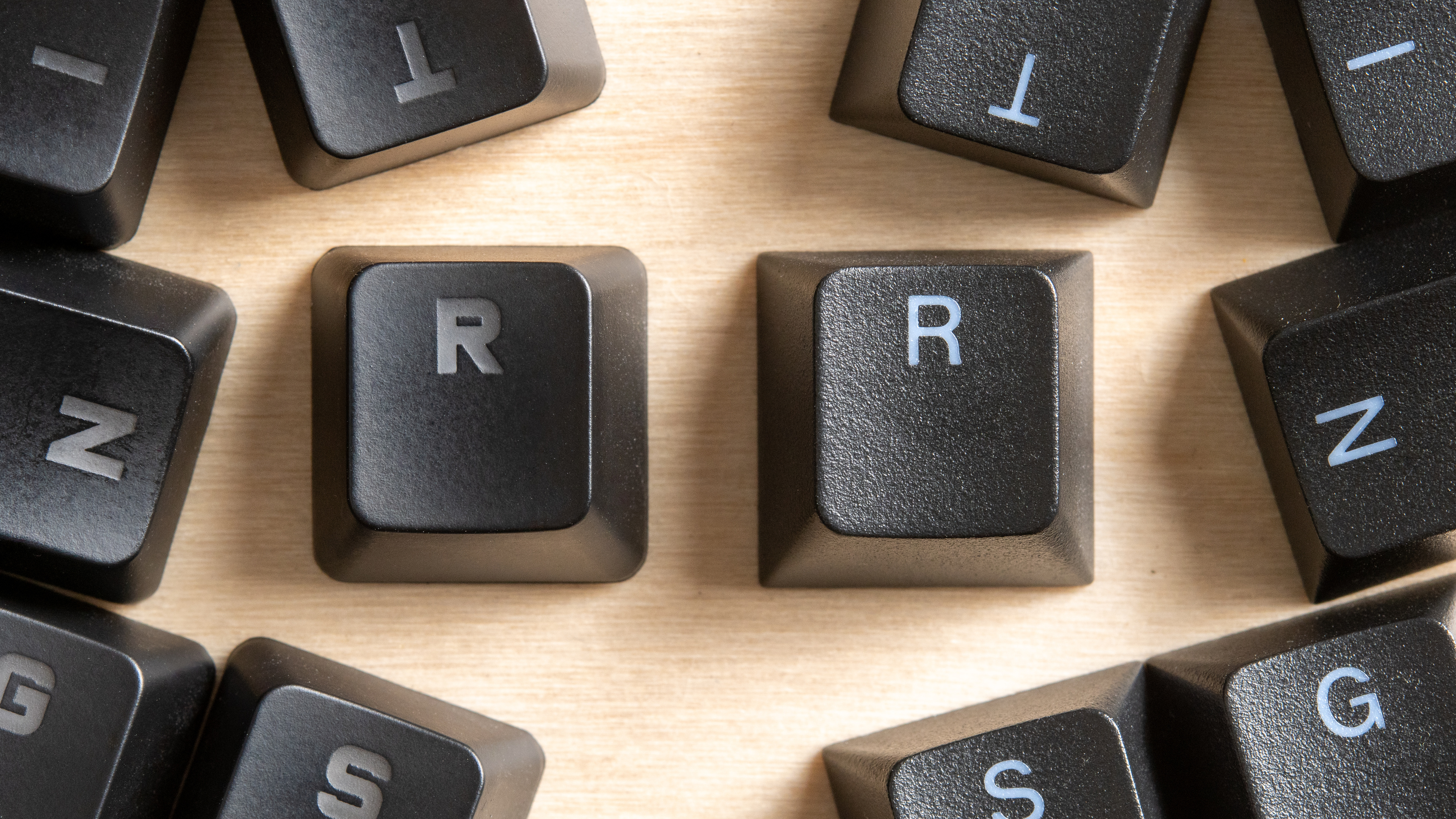
Whether you're buying your first keyboard or looking to upgrade your current daily driver with some added flair, choosing your keycaps is one thing that you shouldn't overlook. Keycap material will affect everything from the way your keys feel to their durability and their sound signature. Most keyboards will include either PBT or ABS keycaps, and each material has its own set of pros and cons. Let's take a look at the factors to consider when choosing between ABS vs PBT keycaps. Our findings are based on buying and reviewing more than 250 keyboards over the years, with all types of keycaps from many different manufacturers. You can take a look at our full testing methodology here.
Test results
ABS Keycaps
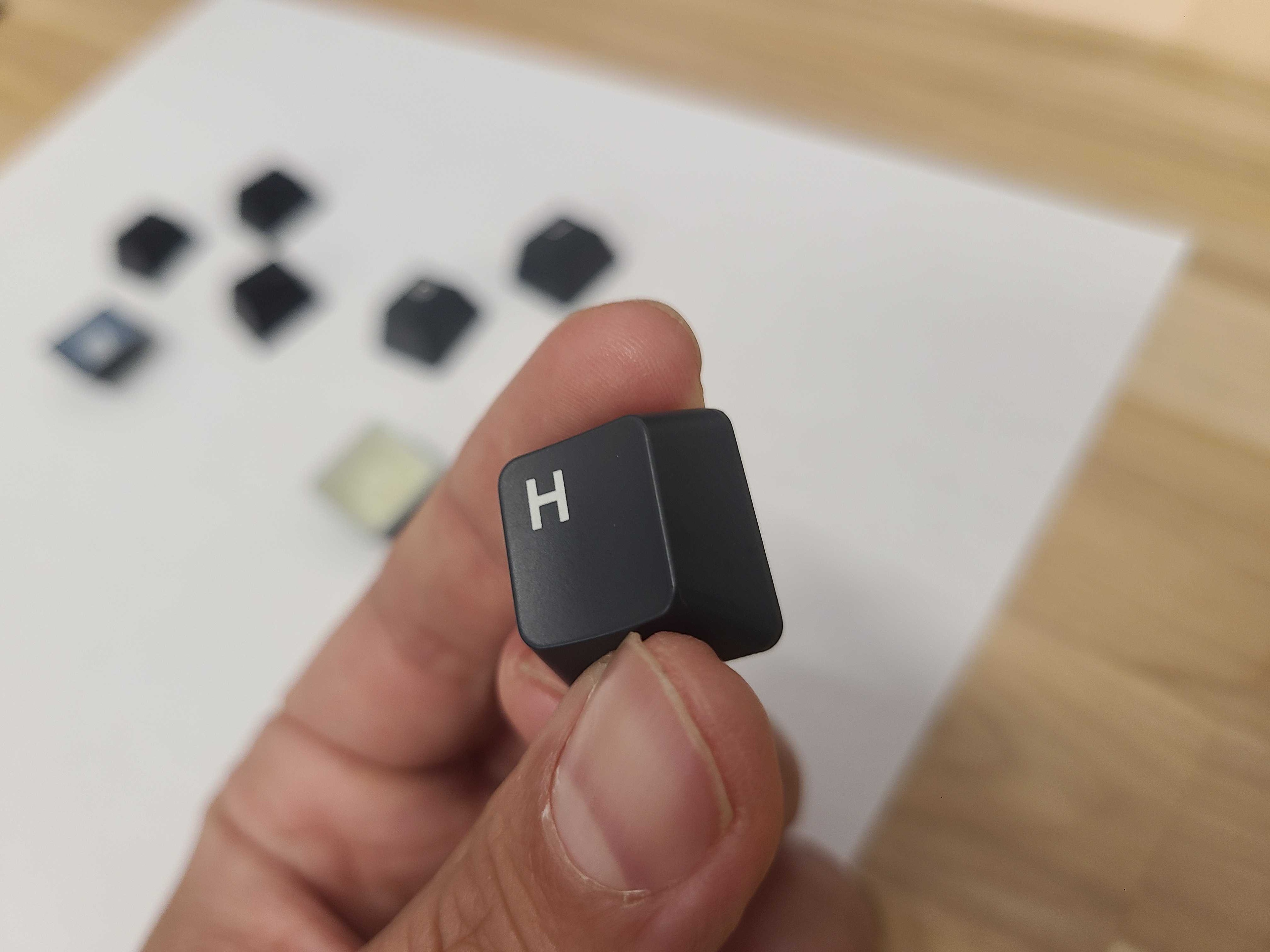
ABS, or acrylonitrile butadiene styrene, is a very prevalent type of plastic. It's used not only to produce most keycaps, but also common objects like LEGO bricks, game controllers, many laptop casings, kitchen appliances, and even some car parts. In other words, it's a versatile material that's relatively heat-resistant and easy to mold into many different shapes. When it comes to keyboards, most laptop and desktop keyboards use this type of plastic because it's easier to produce. You can recognize it because of its smooth texture. If you've seen an old MacBook keyboard, you've also probably noticed the glossy finish that these keycaps tend to develop over time. ABS plastic isn't as resistant to fingertip oils, and with use, the plastic wears down. This plastic becomes shiny over time due to gradual microabrasion, which smooths and polishes the surface.
Finger oils, dirt, and grit accelerate this process. Different skin chemistries mean that some people will cause keycaps to wear and develop shine much faster than others. With regular use, most people can expect to see keycaps begin to shine after about two years or so with ABS sets. Comparatively, you shouldn't notice any perceptible difference for PBT keycaps for several years. If you're a gamer, you will most likely encounter this on the WASD keys. While this doesn't affect their function, it can make the keyboards look oily. This will vary from one manufacturer to another, and some coatings can help slow down the process, but this type of plastic will shine over time.
We should note that while ABS keycaps are generally cheaper and easier to manufacture, this isn't always the case. High-end manufacturers like GMK predominantly use ABS keycaps, citing the material's ability to produce a wide range of colors and achieve sharp, crisp double-shot legends. That said, their keycap sets are usually thicker than standard ABS sets, and the company has gained a well-established quality control reputation.
PBT Keycaps
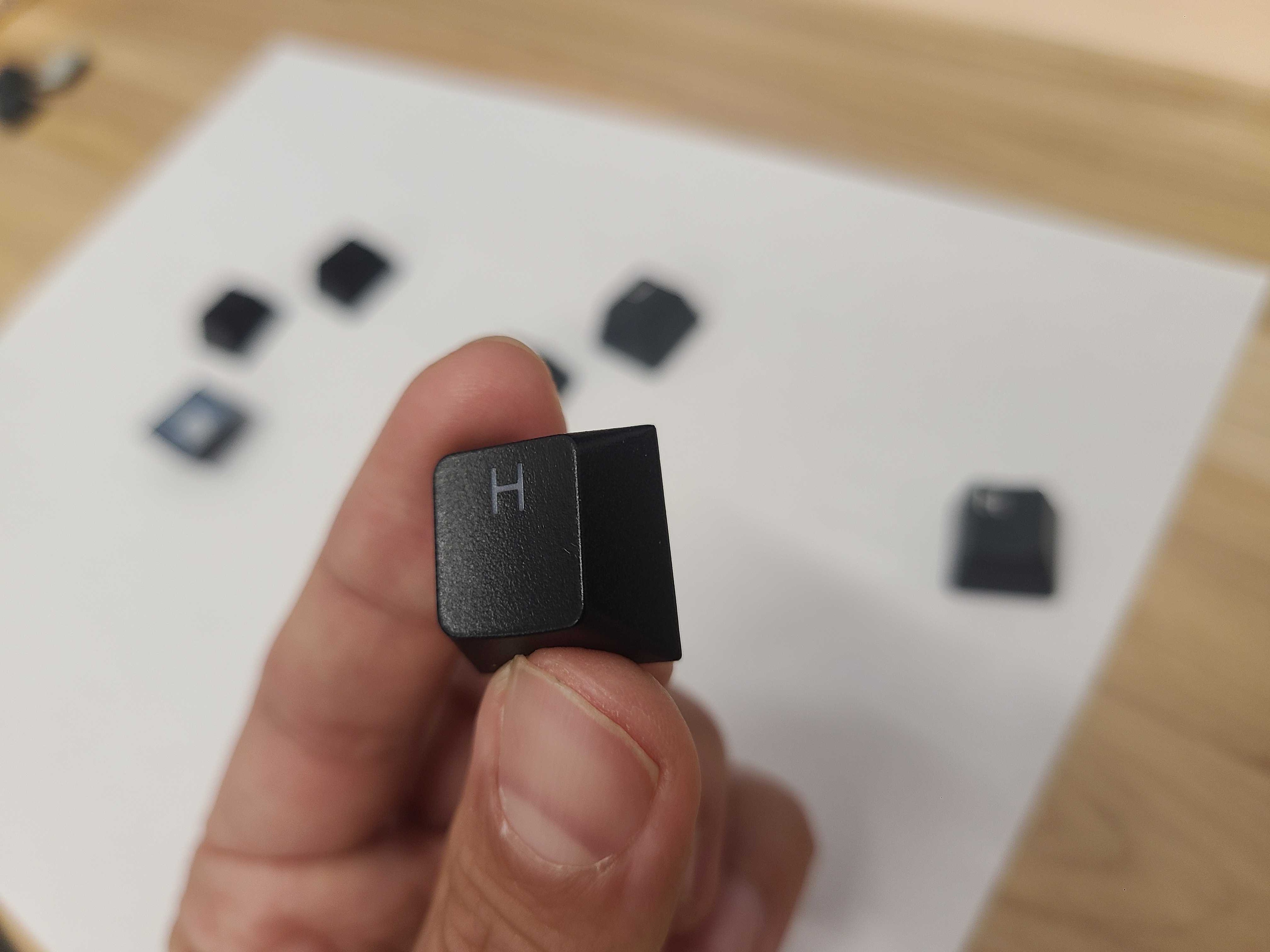
PBT, or polybutylene terephthalate, on the other hand, is usually thicker and has a grainier feel. This plastic is overall known for its resistance to heat and oils, and is used for many power tools and hair-dryer housings. This resilience translates very well to keycaps, as PBT isn't nearly as likely to develop shine over time. PBT keycaps are tougher and even more heat-resistant than ABS. They're harder, denser plastics and resist abrasion, so they wear much more slowly. They are, however, more difficult to produce. PBT has a higher melting point and doesn't cool down as uniformly as ABS. It's also more prone to crystallizing and shrinking during the cool-down process, which means it requires tighter quality control throughout the manufacturing process.
 |
 |
Sound Profile
The difference between PBT and ABS keycaps will also translate to their sound profile. ABS keycaps generally produce a brighter, higher-pitched "click" sound compared to PBT's deeper "thock." This will vary from one keycap to another, as the keycaps' thickness will have a direct effect on the sound signature. Thicker keycap walls soften the pitch regardless of material, so high-quality thick ABS will tend to sound less piercing. That said, keycaps are only a very small portion of a keyboard's sound signature; the switches used and the keyboard's internals will have a much greater effect on the sound.
ABS keycaps
ABS keycaps have a smooth texture that allows for much brighter and more saturated colors. However, as stated above, they tend to fade and develop shine over time, and because ABS is softer, it can also be more easily scuffed and scratched. ABS keycaps often use laser etching and painting, where the cap is coated in paint, then the legend is laser-engraved and sealed. This produces a sharp, backlit legend that looks consistent, though thin ABS can still develop wear around the lettering. ABS is also widely used in double-shot molding.
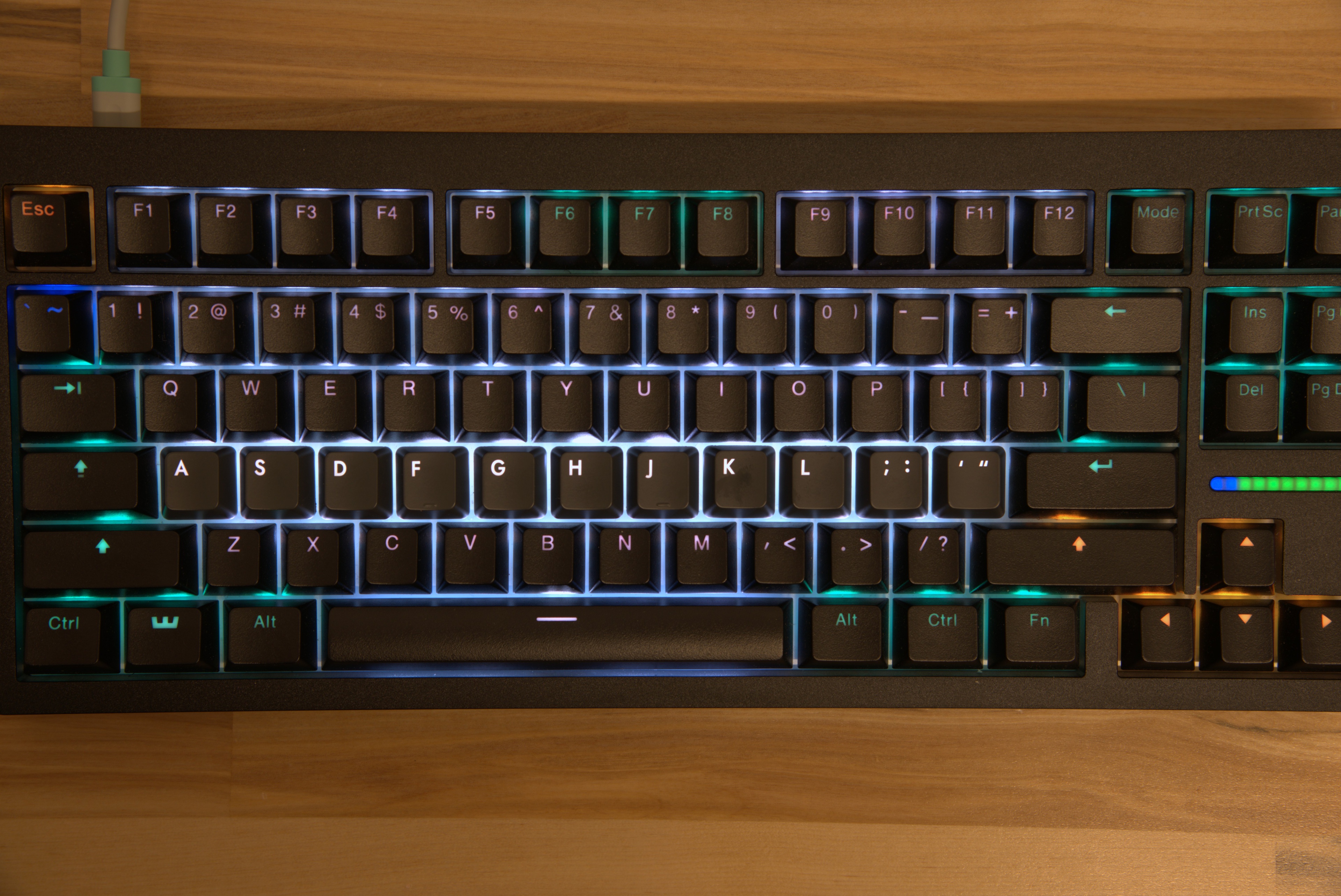
With this method, two colored plastics, one for the keycap body and one for the legend, are injected sequentially. Double-shot keycaps are very durable: legends never wear off because they are molded in. ABS is also inherently more light-transmissive than PBT, which gives it an advantage in backlighting. Double-shot ABS legends will often appear sharper and more vivid, especially with RGB at lower brightness settings.
PBT Keycaps
PBT keycaps have a matte finish that holds their color well over time without needing replacements. While PBT colors have improved, they can still appear slightly duller or less saturated compared to ABS. PBT keycaps typically use dye-sublimation, a process that heats ink into the plastic. This produces sharp, fade-resistant legends, but it works only on lighter-colored bases and doesn't support shine-through backlighting. When it comes to backlighting, the material is denser and more opaque, which means it blocks more side-spill and ambient glow.
As a result, legends can look slightly more "contained" and dimmer in perception, since PBT tends to absorb light a bit more. PBT can also be used in double-shot molding, often for the outer shell, paired with ABS for the legend mold. In double-shot PBT designs, the legend remains permanent because it's molded in, though the backlighting effect will generally be dimmer than with ABS.
Other Keycap Materials
Beyond ABS and PBT, a few alternate plastics are used. POM (polyoxymethylene) keycaps have a very smooth, silky feel similar to ABS, but are inherently more resistant to wear. POM caps are often translucent and let RGB lighting shine through strongly. They also produce a slightly softer, "thocky" typing sound. They are also slipperier, which can help your fingers glide from one key to another. However, they cost more than regular ABS or PBT. In essence, POM keycaps fall somewhere in between ABS and PBT when it comes to thickness, sound, and durability, but they are much rarer on the market and have a distinct glossy look.
In the enthusiast space, you'll also hear of materials like aluminum, ceramic, resin (artisan caps), or wood, each with unique looks and acoustic quirks. Some manufacturers have also started using PC (polycarbonate) keycaps to produce transparent keys. For example, the NuPhy Air60 HE uses it for its navigation and special keys. That said, ABS and PBT remain the workhorses of keycap design.
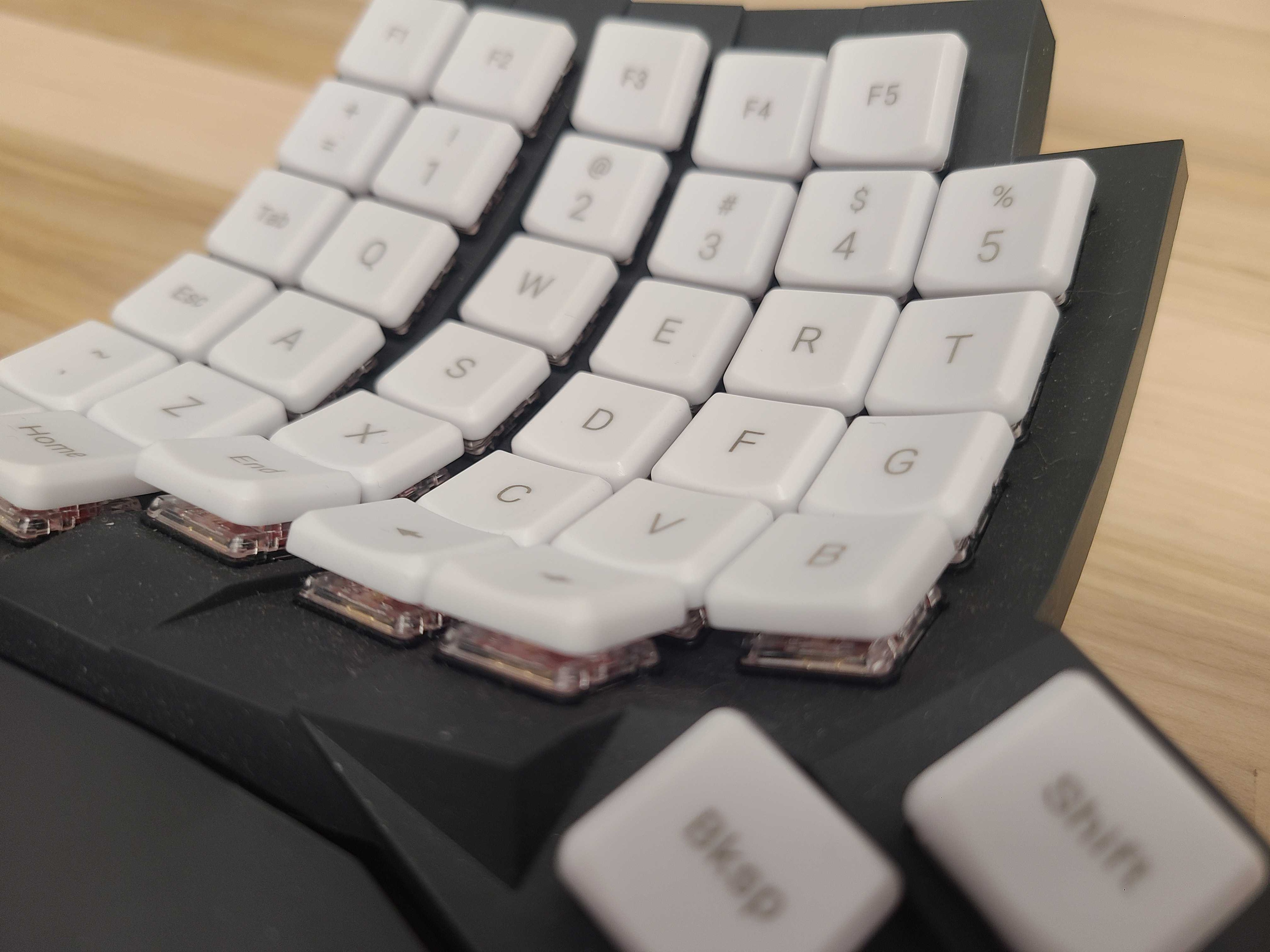
Summary Table:
| Feature | ABS Keycaps | PBT Keycaps |
|---|---|---|
| Texture & Feel | Smooth, silky at first; develops glossy shine and slippery feel with use. | Matte, textured, grippy; maintains feel better over time. |
| Sound Profile | Brighter, higher-pitched "click" or "ping"; thinner ABS can sound tinny. | Deeper, more muted "thock"; feels and sounds more solid. |
| Durability | Softer plastic; prone to shine, wear, and UV yellowing; legends can fade over time. | Harder, more heat- and UV-resistant; resists shine, fading, and deformation. |
| Color & Aesthetics | Vibrant, glossy colors; supports translucent legends for backlighting; can fade/yellow. | Colors are slightly less vibrant (improving in recent years); maintains color and matte finish. |
| Manufacturing | Easy to mold; common in double-shot, laser-etched legends. | More difficult to mold; often double-shot (premium) or dye-sublimated legends. |
| Cost & Availability | Usually more affordable; wider variety of designs, colors, and novelty shapes available. | Usually more expensive; fewer colorways and designs, especially for double-shot sets. |
| Best For | Users who want bright colors, RGB backlighting, and a lower cost. | Users who value durability, consistent texture, and long-term color stability. |
Conclusion
At the end of the day, as is often the case, there is no concrete one-size-fits-all answer as to which keycap material is best. While PBT has the edge when it comes to overall durability, ABS strikes back with its aesthetics, thanks to usually clearer legends and more saturated color options.