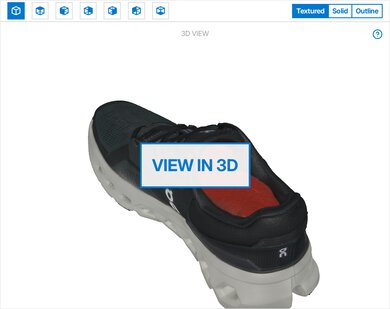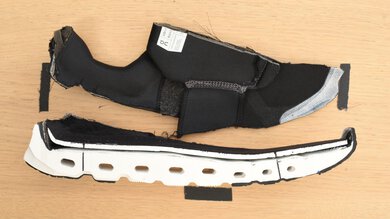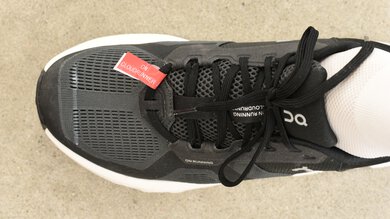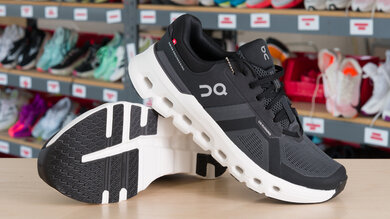
On Cloudrunner 2  Running Shoe Review

Reviewed Jan 27, 2026 at 10:27am
Tested using Methodology v0.9 
On Cloudrunner 2
4.1
Marathon Racing 
5.5
5K/10K Racing 
1.4
Energy Return 
6.0
Cushioning 
8.3
Lateral Stability 
 0

We've tested these running shoes to expand our database and allow users to compare results to help with their buying decisions. We don't expect to write a full review, but if you have any questions about this product, please let us know.

Our Verdict

4.1
Marathon Racing 
5.5
5K/10K Racing 
1.4
Energy Return 
8.3
Lateral Stability 
  • 4.1
    Marathon Racing
  • 5.5
    5K/10K Racing

  • Performance Usages

  • 1.4
    Energy Return
  • 6.0
    Cushioning
  • 8.3
    Lateral Stability
  • Changelog

    1.  Updated Jan 27, 2026: Review published.
    2.  Updated Jan 14, 2026: Early access published.
    3.  Updated Jul 18, 2025: Our testers have started testing this product.
    4.  Updated Jun 23, 2025: The product has arrived in our lab, and our testers will start evaluating it soon.

    Popular Running Shoe Comparisons

    Nike Structure 26

    The Nike Structure 26 and On Cloudrunner 2 are stability trainers that target slightly different but overlapping areas of the foot. The primary stability features in the Cloudrunner 2 are focused on the heel, including a stiff heel clip, and mild sidewalls in the rearfoot. The Structure 26 also has a (more pronounced) lateral sidewall close to the heel, but the support on the medial side extends further into the midfoot than the Cloudrunner 2. The Cloudrunner 2 is somewhat lighter and better cushioned, but has much worse energy return than the Structure 26.

    How We Test Running Shoes
    How We Test Running Shoes

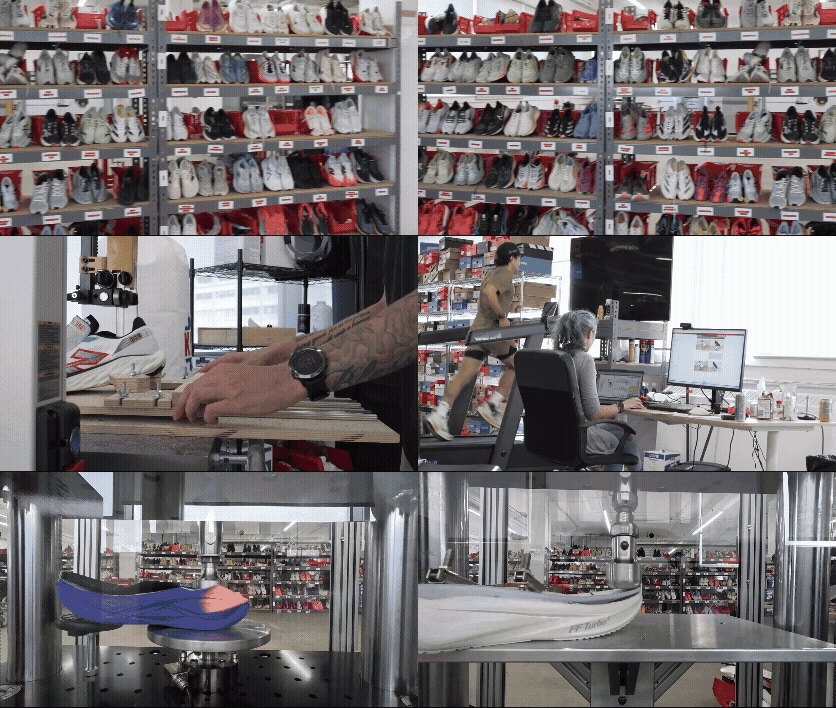
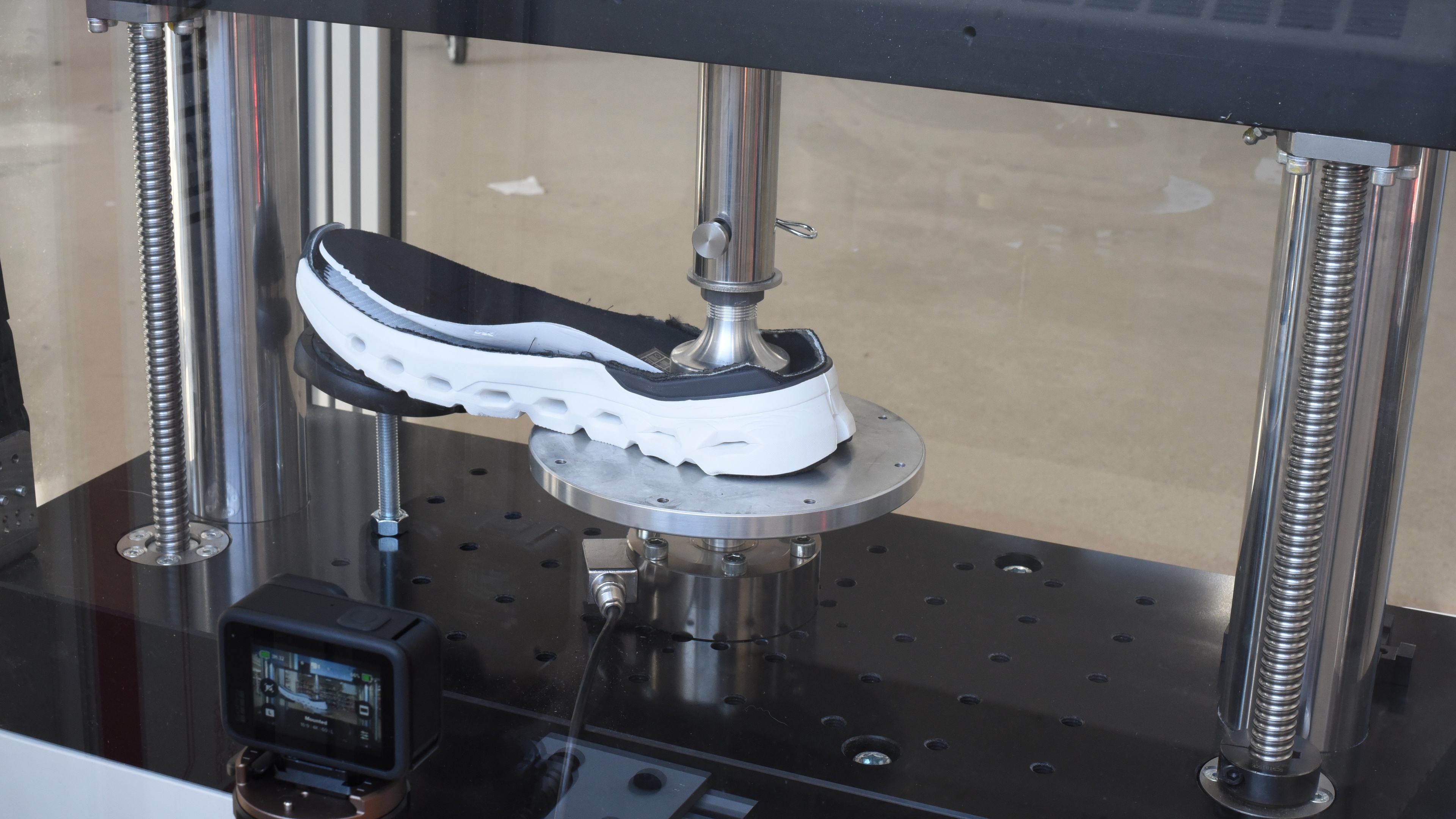
    We buy and test running shoes with a very data-oriented approach. While we're just getting started, our methodology already has dozens of tests to help you make the right purchasing decision for your needs. Not only do we use high-end equipment to gather objective data, but we also order multiple sizes of the same shoes for team members to be able to log in miles. This real-world testing is done at various paces and conditions, and with different types of workouts, to cover all the bases. This allows us to verify our results and ensure they align with what you might feel with a specific pair.

    Test Results

    perceptual testing image
    Sort:
    RATINGS
    Category:
    All
    Design
    5.4
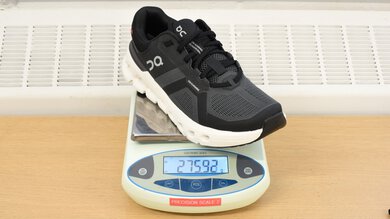
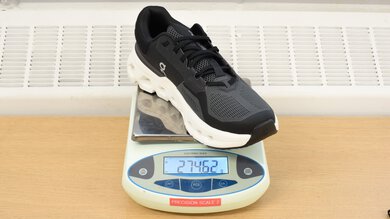
    Weight
    Weight
    275.3 g (9.71 oz)
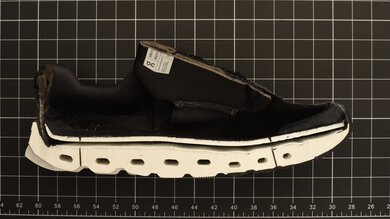
    Stack Heights
    Heel Stack Height
    34.7 mm
    Forefoot Stack Height
    25.4 mm
    Heel-To-Toe Drop
    8.3 mm
    Advertised Heel-To-Toe Drop
    10.0 mm
    External Shape
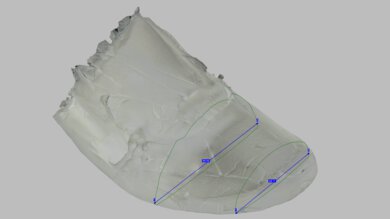
    Outsole Heel Width
    93 mm (3.7")
    Outsole Arch Width
    78 mm (3.1")
    Outsole Forefoot Width
    117 mm (4.6")
    Heel Width-To-Stack Ratio
    2.68
    Forefoot Width-To-Stack Ratio
    4.27
    Internal Shape
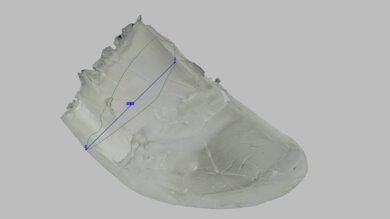
    Internal Length
    277 mm (10.9")
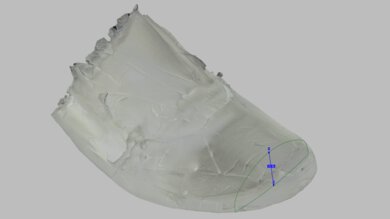
    Internal Heel Width
    67 mm (2.6")
    Internal Forefoot Width
    94 mm (3.7")
    Wide Sizing Available
    Yes
    Other Features
    Tongue Gusset Type
    Semi-gusseted
    Plate
    None
    Performance
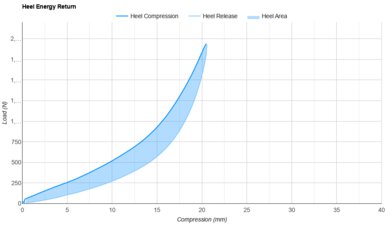
    0.8
    Heel Energy Return
    Heel Energy Return
    63.6%
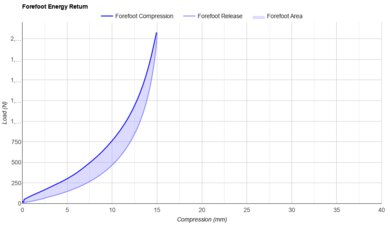
    1.7
    Forefoot Energy Return
    Forefoot Energy Return
    67.1%
    6.0
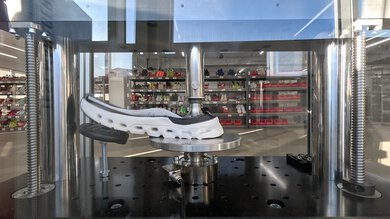
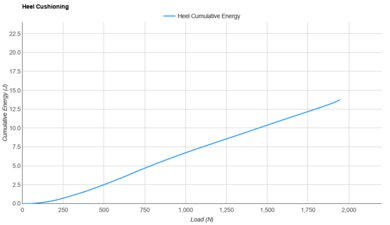
    Heel Cushioning
    Energy Absorbed At 550N
    2.91 J
    Energy Absorbed At 1100N
    7.47 J
    Energy Absorbed At 1900N
    13.30 J
    5.9
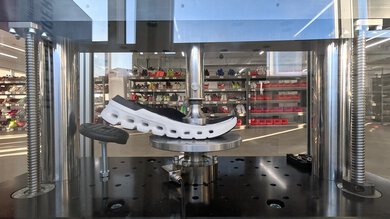
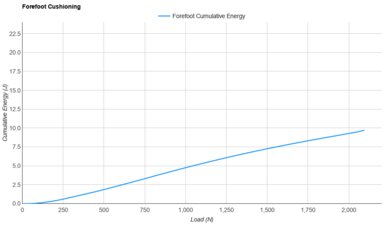
    Forefoot Cushioning
    Energy Absorbed At 800N
    3.60 J
    Energy Absorbed At 1300N
    6.32 J
    Energy Absorbed At 2050N
    9.49 J
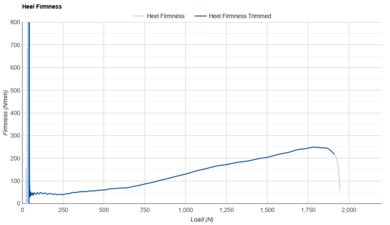
    6.6
    Heel Firmness
    Firmness At 550N
    65.8 N/mm
    Firmness At 1100N
    150.0 N/mm
    Firmness At 1900N
    225.9 N/mm
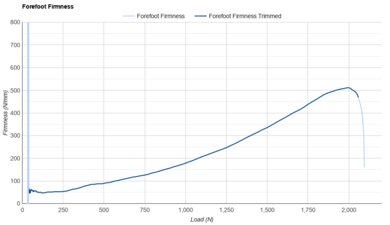
    8.7
    Forefoot Firmness
    Firmness At 800N
    135.8 N/mm
    Firmness At 1300N
    263.9 N/mm
    Firmness At 2050N
    483.1 N/mm
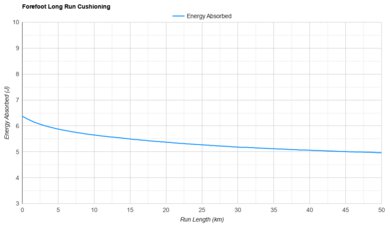
    5.0
    Forefoot Long Run Cushioning
    Energy Absorbed At 10km
    5.65 J
    Energy Absorbed At 20km
    5.37 J
    Energy Absorbed At 30km
    5.19 J
    Energy Absorbed At 40km
    5.06 J