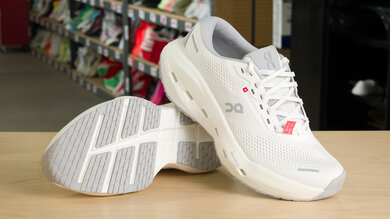
The On Cloudrunner 3 Max is a support-focused daily trainer for beginners and runners who want a highly stable ride. Its broad platform, raised sidewalls, and heel clip provide great stability while maintaining decent impact protection. It works pretty well for short, easy runs, but its heavy build and poor bounce from the dual-layer midsole make it feel cumbersome when you try to pick up the pace.
| ✅ Buy If: | ❌ Skip If: |
|
|
Our Verdict
The On Cloudrunner 3 Max is a poor choice for marathon racing. Its tall stack and great stability provide a controlled platform, but its heavy build and terrible energy return make it inefficient over race distances. Also, while the midsole feels decently plush at first, it loses quite a bit of its cushioning performance the longer you run, making it feel quite harsh over the marathon distance.
Broad platform provides a steady base to land on.
Decent initial cushioning absorbs impact throughout the stride.
Heavy build makes the shoe cumbersome and slows turnover.
The foam return very little energy.
Forefoot cushioning gradually loses protection throughout longer efforts.
The On Cloudrunner 3 Max is a poor choice for 5K and 10K racing. The forefoot of the shoe is very firm and stiff, but because that's paired with a heavy build and very low energy return, it feels very draining to try to maintain a quick turnover and hold fast paces.
Firm foam keeps the platform controlled.
Heavy build makes the shoe cumbersome and slows turnover.
The foam return very little energy.
The On Cloudrunner 3 Max is a decent option for long runs. Its great stability and decent initial absorption provide a controlled, protective ride, but the cushioning gradually decreases over distance, while its heavy weight and low energy return make faster long runs and pace changes feel laborious.
Broad platform provides a steady base to land on.
Decent initial cushioning absorbs impact throughout the stride.
Good forefoot bending stiffness provides structure at push-off.
Heavy build makes the shoe cumbersome and slows turnover.
The foam return very little energy.
Forefoot cushioning gradually loses protection throughout longer efforts.
The On Cloudrunner 3 Max is a good daily trainer. Its great stability, decent cushioning, and plate-free construction suit easy mileage well, though its heavy build and poor energy return limit its versatility at faster paces.
Broad platform provides a steady base to land on.
Firm foam keeps the platform controlled.
Decent initial cushioning absorbs impact throughout the stride.
Plate-free construction suits comfortable daily mileage.
Heavy build makes the shoe cumbersome and slows turnover.
The foam return very little energy.
Changelog
- Updated Aug 26, 2026: Review published.
- Updated Aug 24, 2026: Early access published.
- Updated Aug 17, 2026: Our testers have started testing this product.
- Updated Aug 12, 2026: The product has arrived in our lab, and our testers will start evaluating it soon.
- Updated Aug 10, 2026: We've purchased the product and are waiting for it to arrive in our lab.
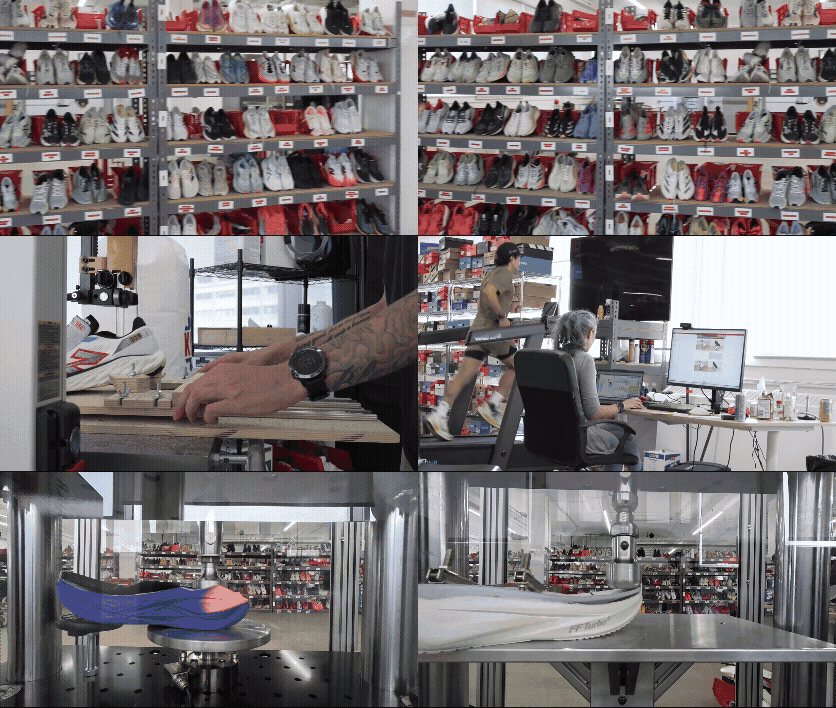
We've bought and tested more than 300 running shoes. Every pair purchased with our own money, never supplied or sponsored by brands. Our data-driven tests are designed to go beyond marketing claims, and since every shoe goes through the exact same methodology, you can directly compare results to find the right pair for your needs.
Test Results
Energy Return
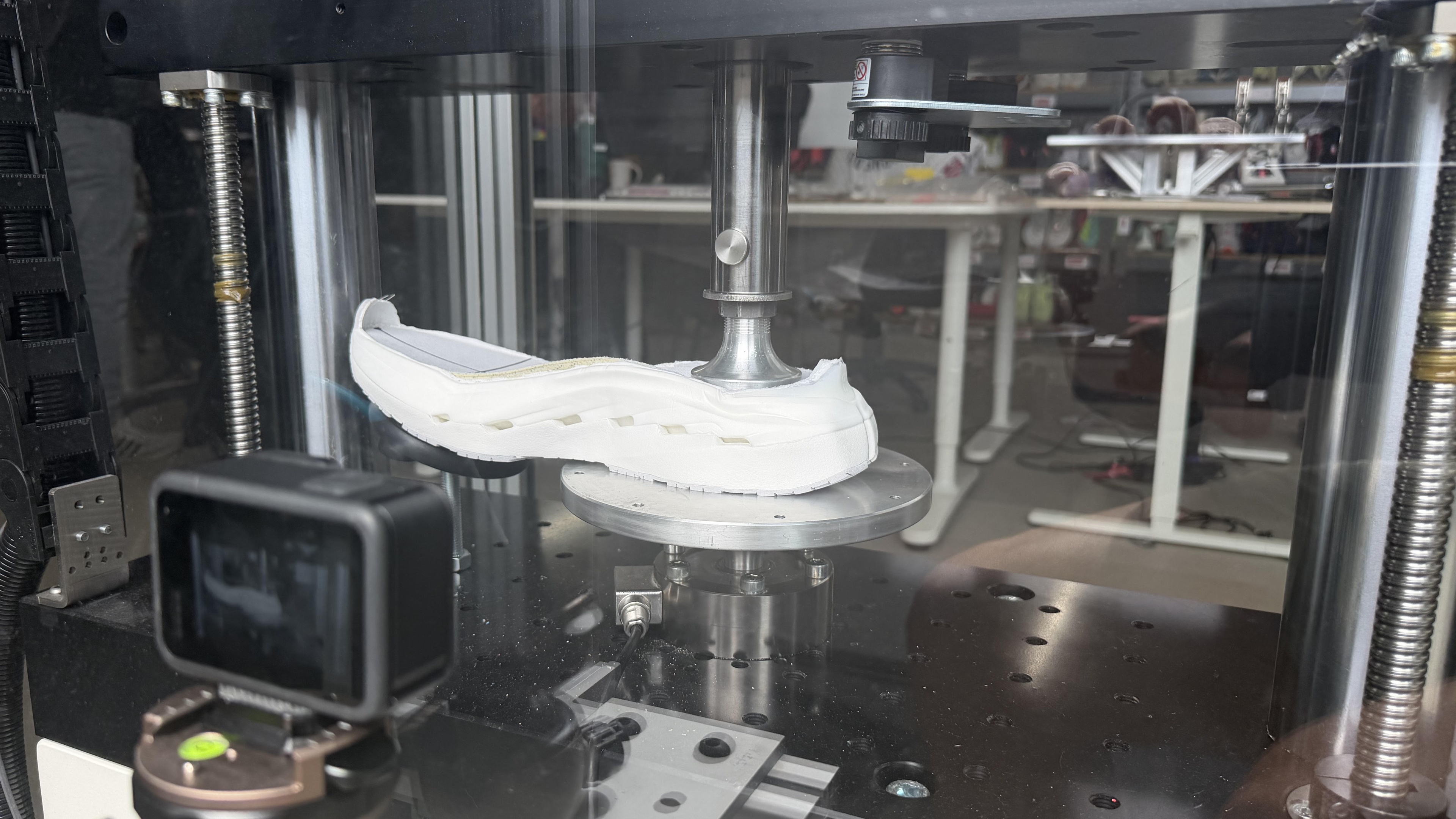
The On Cloudrunner 3 Max has terrible energy return. Both the heel and forefoot recycle very little energy, so the more premium top layer of foam doesn't translate into a lively or propulsive ride.
The foam return very little energy.


Stability
The On Cloudrunner 3 Max delivers great stability, making it a reliable choice if you need a confident, inspiring ride. Its broad platform, raised sidewalls, heel clip, and very firm midsole keep the foot centered when you land and reduce unwanted side-to-side movement.
Broad platform provides a steady base to land on.
Firm foam keeps the platform controlled.


The heel feels very firm across the board. This resistance to compression is a major contributor to the shoe's stability, though it also makes the ride feel less plush.

The forefoot resists compression especially well as force increases. This prevents the platform from collapsing at push-off and reinforces support, but it won't feel as soft and forgiving as more modern stability trainers like the Saucony Hurricane 26.

Cushioning
The On Cloudrunner 3 Max provides decent overall cushioning. It absorbs a decent amount of impact at both the heel and forefoot, though forefoot protection gradually declines over longer distances, so it won't feel as plush by the end of a long run.
Decent initial cushioning absorbs impact throughout the stride.
Forefoot cushioning gradually loses protection throughout longer efforts.


The heel absorbs more impact as landing forces increase. Cushioning is limited under lighter loads but becomes progressively more protective at higher forces, giving heavier runners and harder heel strikers a plusher experience.


The forefoot absorbs impacts decently well overall, but it performs best under lighter loads. Protection decreases as force rises, so lighter runners and easier paces will feel more cushioned, while heavier runners and faster paces may find the forefoot harsher.

The cushioning falls drastically in the first 10k and then continues to lose protection steadily. Impact absorption decreases at every 10km checkpoint of our simulated 50km long run test, and becomes mediocre by the end, meaning it won't feel very forgiving if you decide to take it for long sessions.
Bounciness
The On Cloudrunner 3 Max doesn't feel bouncy. The midsole doesn't compress deeply enough at either the heel or forefoot to produce a particularly soft or springy sensation as the midsole releases.
Shallow heel and forefoot compression limits bounce sensation.

The tall heel compresses only modestly. That means it doesn't have the bouncy sensation that some other stability shoes have a bit more of, such as the ASICS GT-2000 15 and the Saucony Hurricane 26.

Snappiness
The On Cloudrunner 3 Max has mediocre snappiness. Its forefoot is sufficiently stiff and has decent rocker, but the platform doesn't snap back energetically as it unbends, subduing the propulsive sensation at toe-off.
Good forefoot bending stiffness provides structure at push-off.
Poor forefoot bending energy return blunts toe-off.

The forefoot doesn't return a lot of energy as it unbends. As a result, the stiffness of the midsole doesn't translate into an efficient or snappy toe-off.


Roll
The On Cloudrunner 3 Max rolls decently well upon each stride. Its rocker is pronounced enough to guide the foot forward, and the heel geometry provides some assistance when landing. The shoe therefore relies heavily on its geometry, with the rocker partially compensating for the foam's lack of liveliness.
Good forefoot bending stiffness provides structure at push-off.

The rocker holds its shape reasonably well under load. It preserves its shape enough to guide the rollover, but if you put a lot of force down, it will start to flex and lose some of its effectiveness.

The shoe has a tall heel and forefoot stack with a traditional high drop. It sits much higher than the On Cloudrunner 3, but its impact protection is only decent, so the added material creates more separation from the ground than actual cushioning.

True To Size
The On Cloudrunner 3 Max has a true-to-size fit. Its length and width dimensions closely match expected sizing, though the toe box is somewhat low and may feel restrictive for higher-volume feet. Most runners will be perfectly fine if they pick their usual size.
Width closely match expected sizing.
Enough room in length.
Low toe box height limits vertical space over the toes.


The On Cloudrunner 3 Max is exceptionally heavy, even for a support shoe. It's substantially heavier than other high-stack stability shoes, such as the Nike Structure Plus, making it feel increasingly laborious the longer you run.

The toe box has limited vertical space. It sits noticeably low, so higher-volume feet may experience pressure over the toes.


The midsole combines a Helion HF top layer with Helion EVA underneath. Although On uses the same Helion HF name in super shoes like the On Cloudboom Strike 2, the formulation and density are clearly different here, as its abysmal energy return produces a much duller, less responsive ride.

Popular Running Shoe Comparisons
The On Cloudrunner 3 Max is the higher-stack, more premium version of the On Cloudrunner 3, the brand's standard stability daily trainer. It adds more cushioning and support, but it's considerably heavier than the regular model, and its foam still returns very little energy. At a similar retail price, you've got much better options in the support-shoe category, such as the Nike Structure Plus and Saucony Hurricane 26, since they offer more cushioning and a livelier ride while remaining very stable. They're more versatile running shoes overall, leaving the Cloudrunner 3 Max best suited only to runners who prioritize the maximal amount of stability.
For more options, check out our recommendations for the best On running shoes, as well as our picks for the best stability running shoes and the best running shoes in general.
The On Cloudrunner 3 Max and Saucony Hurricane 26 are high-stack support shoes built for easy and long runs. The Saucony is the much better running shoe overall. It's dramatically lighter, more cushioned, and far livelier, making it more versatile for daily mileage, long runs, and occasional faster efforts. The On is more stable and feels a lot firmer underfoot, so getting it only makes sense if you actively want a shoe with more guidance features.
The On Cloudrunner 3 Max and Nike Structure Plus are high-stack support shoes designed to provide guidance for daily mileage. The Nike is the better daily trainer for most runners. It's lighter, more protective at the heel, and considerably livelier, making it less cumbersome for daily mileage and pace changes. The On is more stable and rolls more smoothly thanks to its rocker, so choose it only if you prefer a more traditional, geometry-driven ride.
The On Cloudrunner 3 Max and On Cloudrunner 3 are support trainers built around stable, controlled rides. The Max is the higher-stack, more cushioned version, and it's the better running shoe overall. It provides much better impact protection and a smoother roll, making it more suitable for longer runs, but it's also substantially heavier, and both shoes feel flat underfoot. The regular Cloudrunner 3 can still make sense if you value a lighter, lower-profile ride.
Differences Between Sizes And Variants
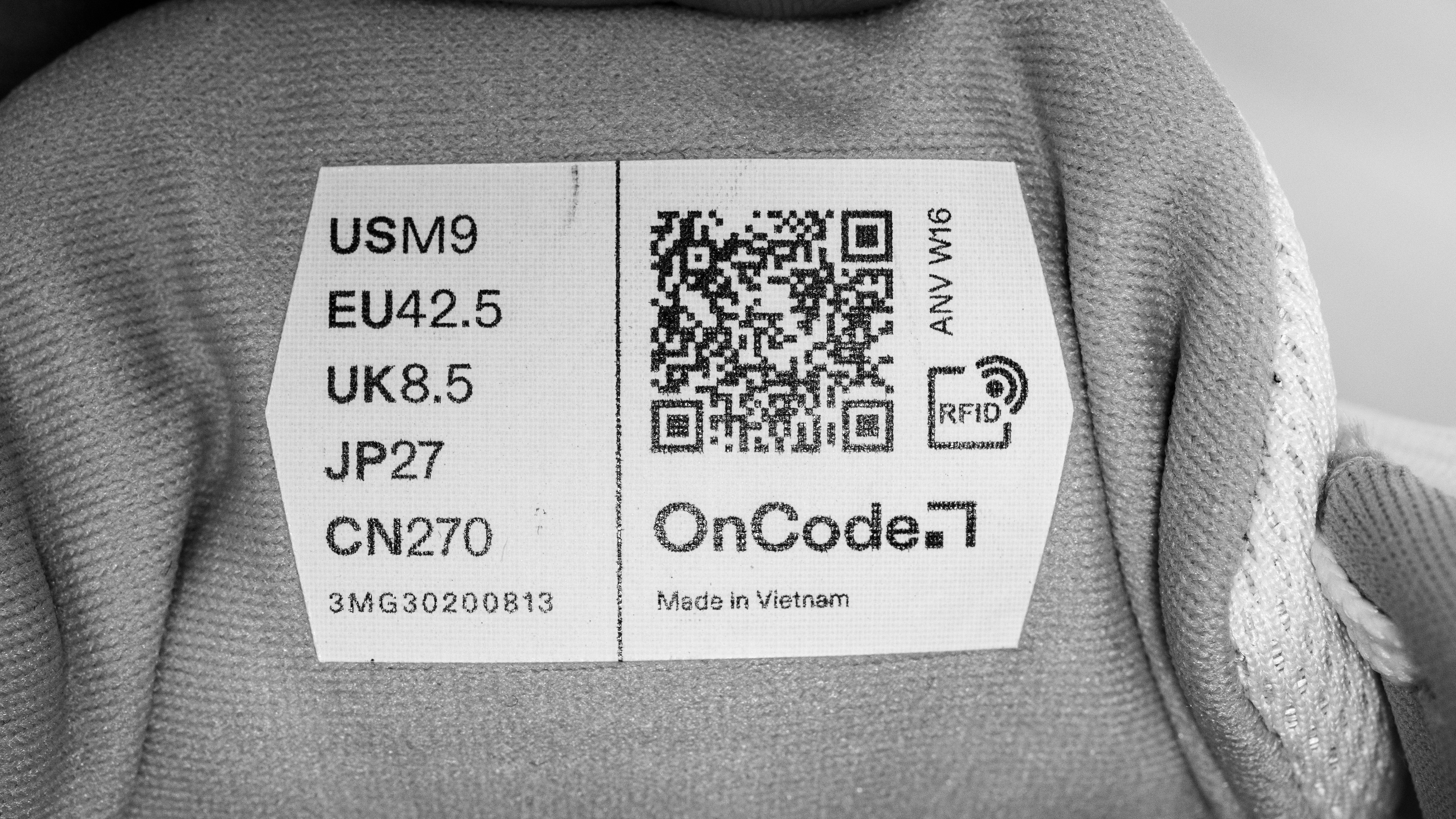
We tested the On Cloudrunner 3 Max in men's U.S. size 9, as noted on the label for our pair. Our pair is the White | Glacier colorway, but this model is also available in several other colorways, depending on your region and retailer. There are currently no wide versions available. The design section applies only to the exact pair we tested, but we expect other sizes and gender variants to perform similarly.