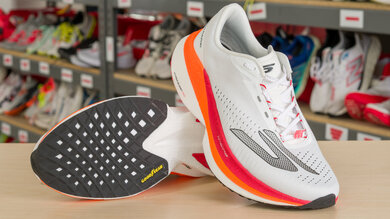
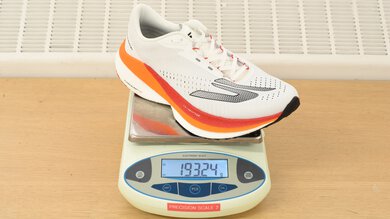
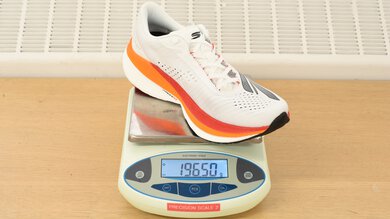
The Skechers Aero Razor is a lightweight, plastic-plated tempo trainer that delivers premium performance without the premium price tag. A descendant of the cult-classic GOrun Razor line, its induction into the Aero family brings a new HyperBurst Pro midsole, giving the ride a fun, responsive feel. It's impressively cushioned for such a light shoe, and the early rocker plus aggressive toe spring make it smooth in transition and fluid through toe-off. It's a great option for runners looking for a nimble companion for speedy workouts and fast daily training, though it isn't the best shoe for slow, easy days.
Our Verdict
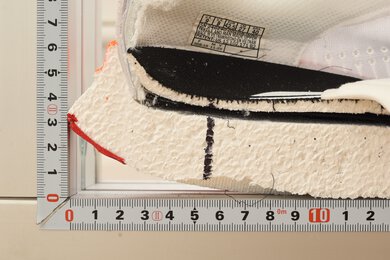
The Skechers Aero Razor is a good pick for marathon racing, thanks to its light weight, lively forefoot, and impressive cushioning. While that cushioning does fade slightly as the miles build, it still holds up decently well overall. That said, as a tempo trainer rather than a dedicated marathon racer, its lower heel stack may leave slower or lighter runners wanting a bit more protection over longer distances.
Impressive cushioning.
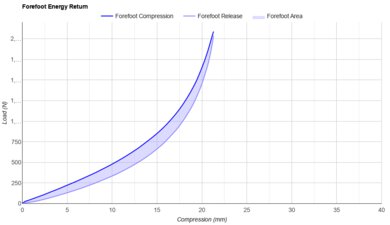
A-TPU foam provides good energy return in the forefoot.
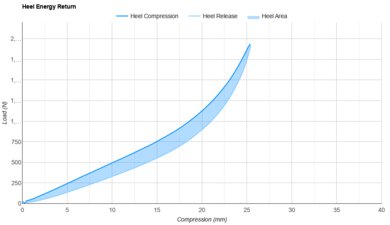
Heel cushioning is not the best for slow, lighter runners who heel strike.
The Skechers Aero Razor is a good choice for shorter races, thanks to its light build and good responsiveness. Transitions are smooth, and toe-off is fluid; however, while it feels nimble, it isn't the most explosive shoe, since the plate is more for stability than propulsion.
Early rocker and aggressive toe spring provide a fluid toe-off.
A-TPU foam has good responsiveness.
Not the most explosive plated ride.
Changelog
- Updated Jun 17, 2026: We've converted this review to Test Bench 0.12, which fixes how we measure firmness, a component of the Stability and 5K/10K Racing usages. There may be inconsistencies between the text and the scores for these usages, but the scores should still be considered valid. We've also brought back the Energy Return score and added two new usages: Daily Training and Long Run. To read more about the changes, see the changelog.
- Updated Jun 09, 2026: Review published.
- Updated Jun 01, 2026: Early access published.
- Updated May 12, 2026: Our testers have started testing this product.
- Updated Apr 23, 2026: The product has arrived in our lab, and our testers will start evaluating it soon.
- Updated Apr 14, 2026: We've purchased the product and are waiting for it to arrive in our lab.
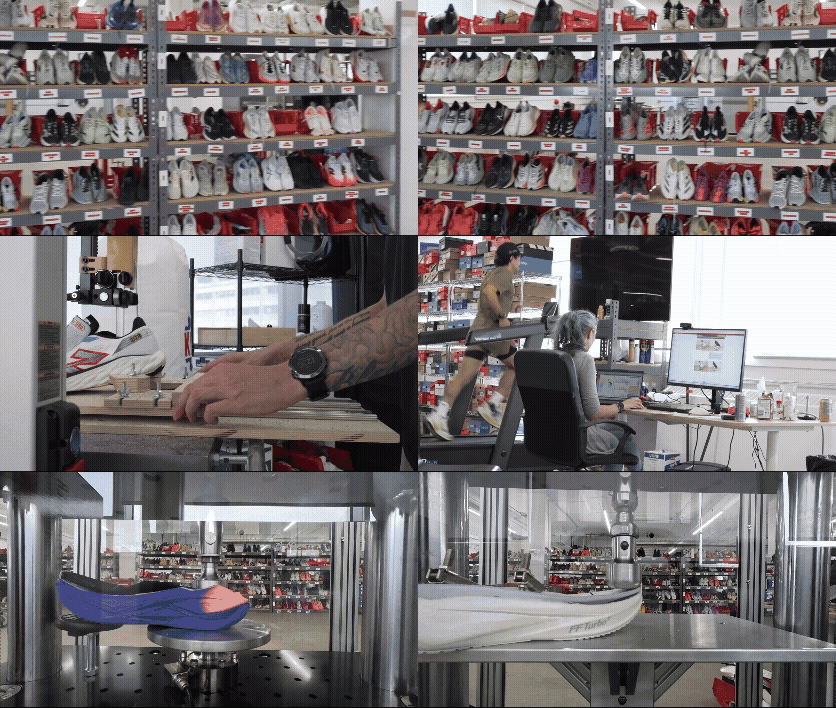
We've bought and tested more than 300 running shoes. Every pair purchased with our own money, never supplied or sponsored by brands. Our data-driven tests are designed to go beyond marketing claims, and since every shoe goes through the exact same methodology, you can directly compare results to find the right pair for your needs.
Test Results
Energy Return
Stability
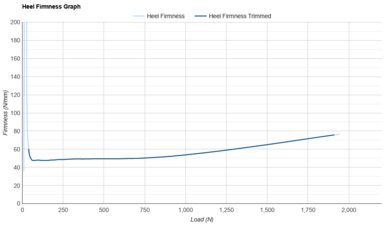
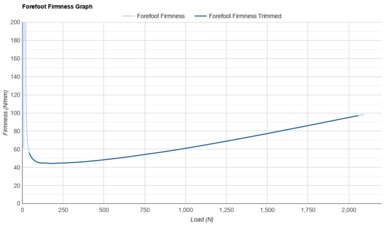
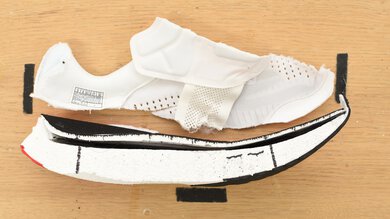
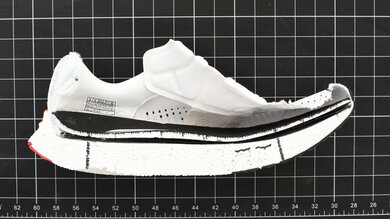
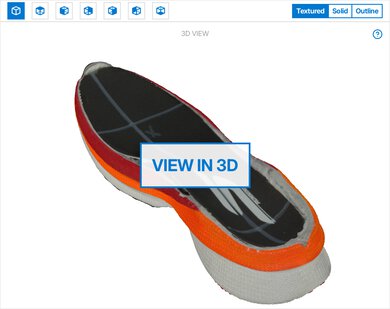
The Skechers Aero Razor has satisfactory lateral stability. Its heel and forefoot platforms are wide enough for the shoe's stack, and the plastic H-wing plate helps add some control underfoot. However, the outsole narrows sharply through the arch, and the heel isn't especially firm, making the ride less planted.
Wide heel and forefoot platform.
Plate helps add control underfoot.
Narrow outsole through the arch.
Heel isn’t especially firm.
Cushioning
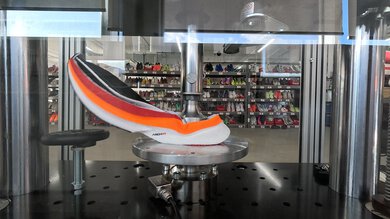
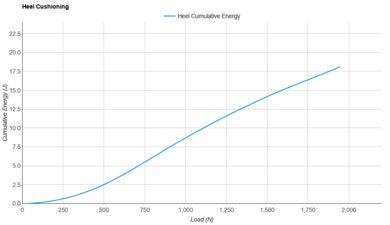
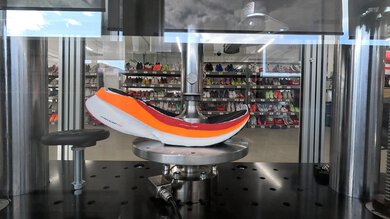
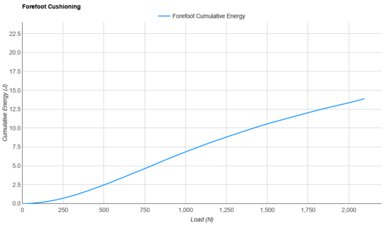
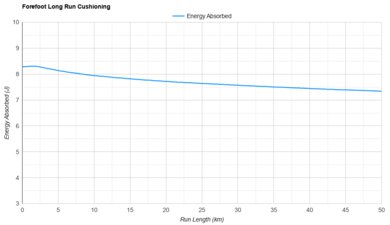
The Skechers Aero Razor provides impressive cushioning for such a lightweight shoe, with very good protection under both the heel and forefoot. However, its A-TPU midsole performs best under higher loads, so heavier or faster runners will benefit most, while slower, lighter runners may struggle to get the best from the shoe. It holds up decently over longer efforts as well, though there is a noticeable decline as the miles build.
Great forefoot cushioning.
A good pick for heavier runners.
Noticeable decline at longer distances.
Responsiveness
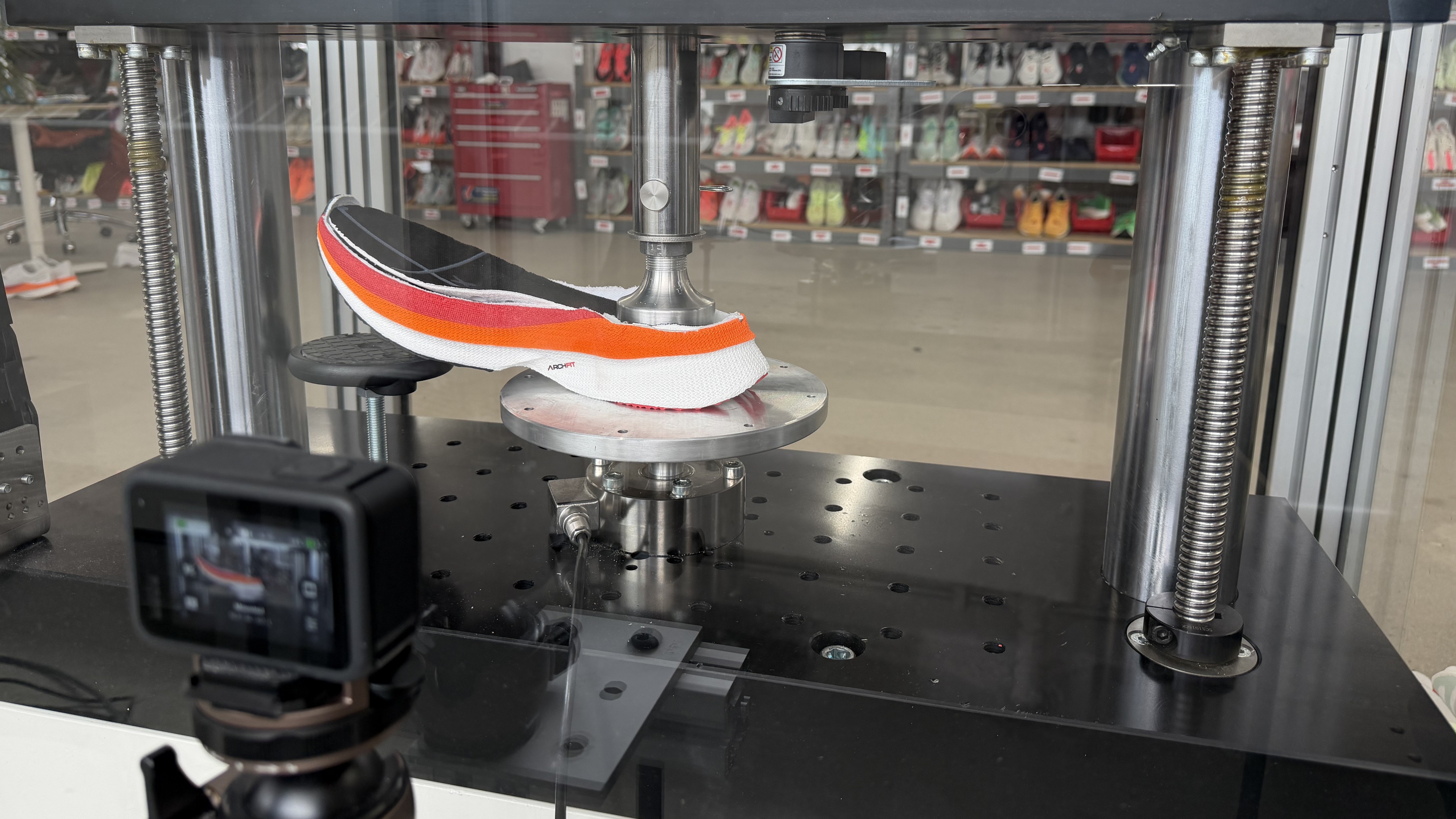
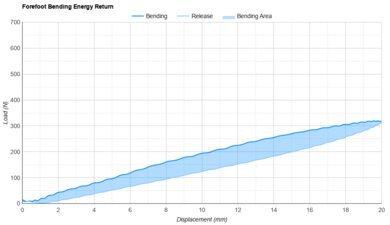
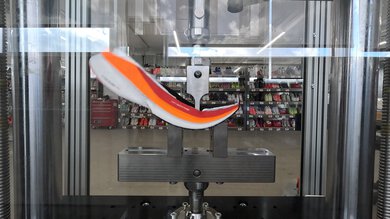
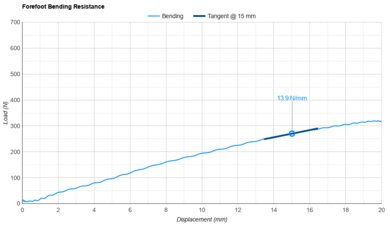
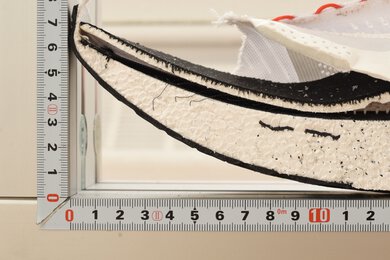
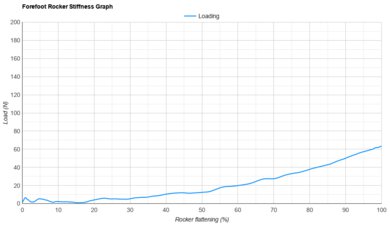
The Skechers Aero Razor offers good responsiveness, especially through the forefoot. Its A-TPU midsole, early rocker, and aggressive toe spring help the shoe roll smoothly. The plate adds some stiffness, but the ride isn't particularly explosive overall.
Aggressive rocker geometry.
Very good forefoot energy return.
Rocker tends to flatten under force.
True To Size
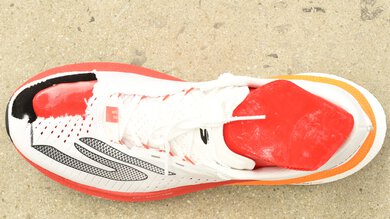
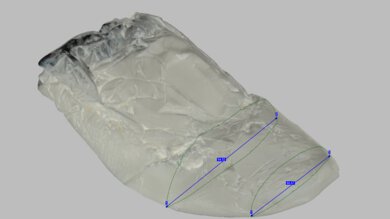
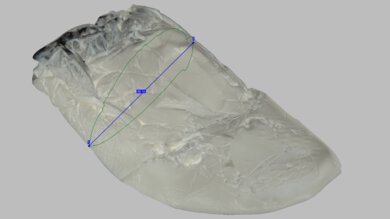
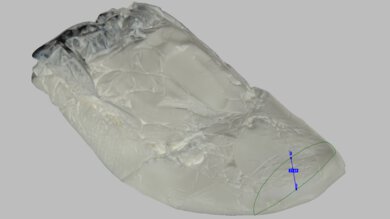
The Skechers Aero Razor fits true to size overall. Its length is spot-on, with good width through the forefoot and arch, so most runners can confidently choose their usual size. The main issue is forefoot height, which runs low and may feel tight for runners with taller toes.
Excellent length fit.
Good forefoot and arch width.
Low forefoot height.
Popular Running Shoe Comparisons
The Skechers Aero Razor refines the formula that made the old GORun Razor line a cult classic: a lightweight, low-profile trainer with enough pop for faster daily runs and workouts. It goes against the current high-stack trend, with a firmer, more grounded platform, and the A-TPU midsole and aggressive rocker make for a smooth, rolling ride. Among similar lightweight trainers, the adidas Adizero Evo SL is the more versatile option, with superior responsiveness and cushioning that holds up better over longer runs. The ASICS MAGIC SPEED 5 is the punchier pick, with a carbon plate and stiffer rocker that make it better suited to shorter efforts, while the Skechers is slightly more forgiving over longer distances. The PUMA Deviate NITRO 4 is the heavier, firmer, more stable option.
Within the Skechers lineup, the Aero Razor feels less like a simple replacement and more like a reset for the Aero family. The Skechers Aero Burst is still the max-cushioned daily trainer for long runs and easy efforts, while the Skechers Aero Spark is harder to place: it has a plate and sits in the faster part of the range, but it uses a supercritical EVA-based midsole and is much heavier and less responsive than the Razor. The Skechers Aero Tempo remains the carbon-plated race-day shoe, using a premium TPU-based midsole, but the Razor complicates that hierarchy. Its A-TPU-based foam is more responsive, and helps it come in much lighter than the Tempo while also being more cushioned and better suited to racing than any other Aero shoe. That makes the Razor a very exciting proposition indeed, raising the bar for where the Aero series goes next.
If you're looking for more options, take a look at our recommendations for the best running shoes and the best shoes for running a marathon.
The Skechers Aero Burst and Skechers Aero Razor sit on different sides of Skechers' lineup. The Aero Burst is the max-cushion daily trainer, with a taller stack, no plate, and more cushion for daily training. The Aero Razor is much lighter and lower, with a plastic plate, a more responsive ride, and is best for workouts or races. Both offer plenty of cushioning, but the Burst is the better pick for easy and recovery runs, while the Razor is the clear winner if you want something faster and more stripped-back.
The Skechers Aero Razor and adidas Adizero Evo SL are lightweight trainers that blur the line between daily training and faster workouts. The Skechers is lighter, lower-drop, and more race-leaning, with a nylon plate and aggressive rocker that give it a quick, rolling feel. The adidas uses a plastic shank rather than a plate, and has a more responsive ride, with cushioning that holds up better over longer efforts. Both are great options for faster daily training, but the adidas is the more versatile choice for runners who want more range from one shoe.
The ASICS MAGIC SPEED 5 and Skechers Aero Razor are both lightweight plated trainers built for faster running, but the ASICS is more suited to shorter efforts, with a carbon-fiber plate and a much stiffer rocker, giving it a snappier feel for 5K and 10K efforts. The Skechers is slightly lighter, more cushioned, and more forgiving underfoot, with better protection through the forefoot over longer runs.
The Skechers Aero Razor and PUMA Deviate NITRO 4 are both plated trainers built with faster running in mind, but they feel different underfoot. The Skechers is much lighter, lower, and more cushioned, with a plastic plate and aggressive rocker that make it feel quick and easy to turn over. The PUMA is heavier and firmer, with a 3/4-length plastic plate and a more stable platform, and requires runners to work harder for their rewards.
Differences Between Sizes And Variants
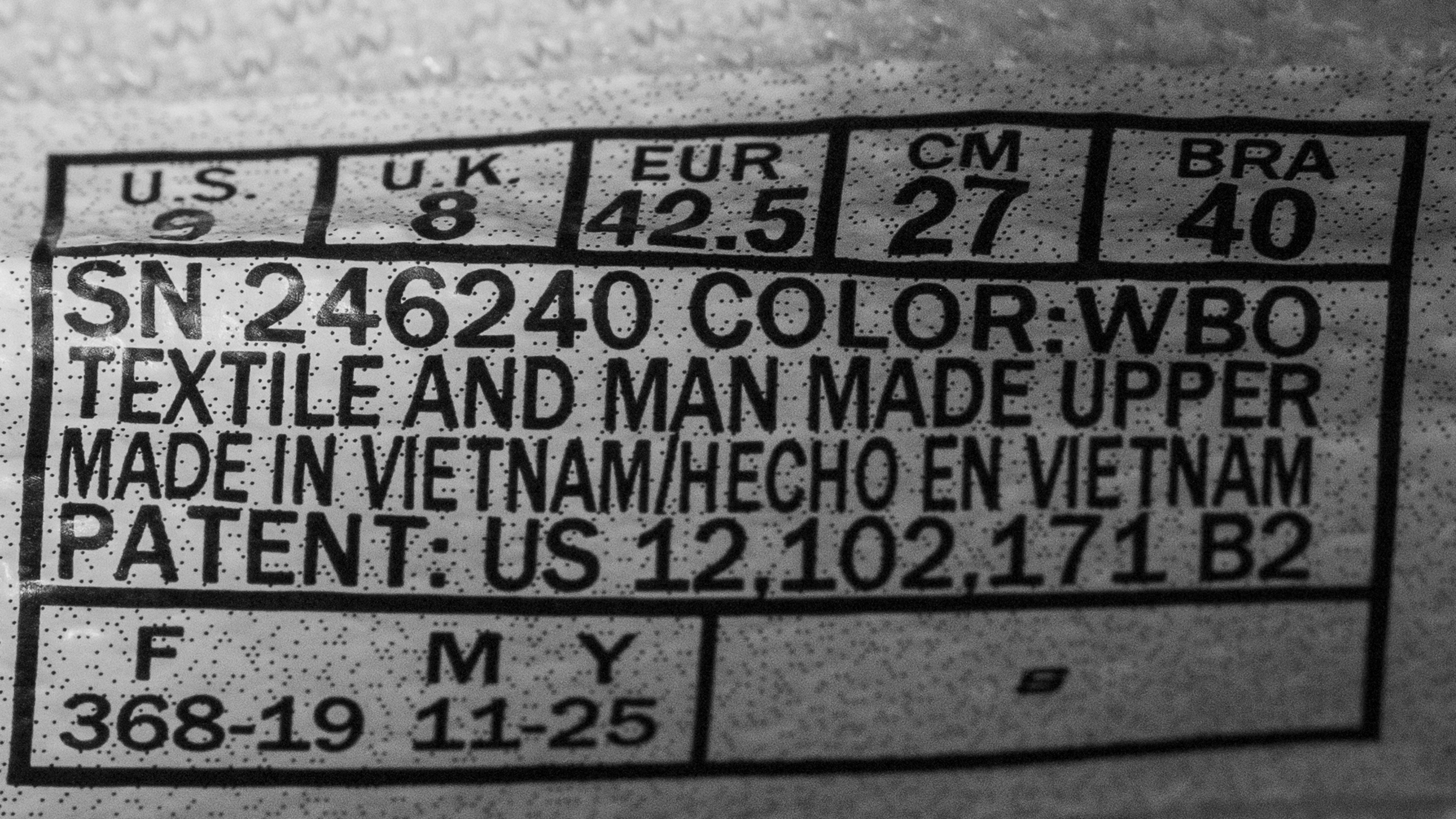
We tested the Skechers Aero Razor in men's U.S. size 9, as indicated on the label of our pair. The color shown is White/Black/Orange, but you can also get the shoe in other colors, depending on the region. This shoe isn't available in wide widths. The design section applies only to the exact model we tested.