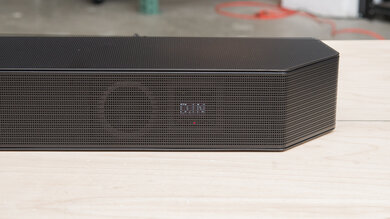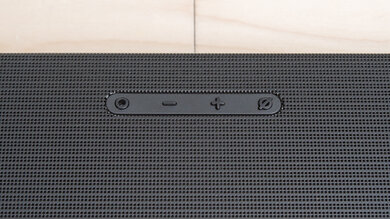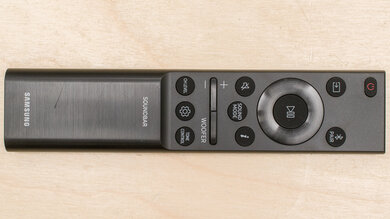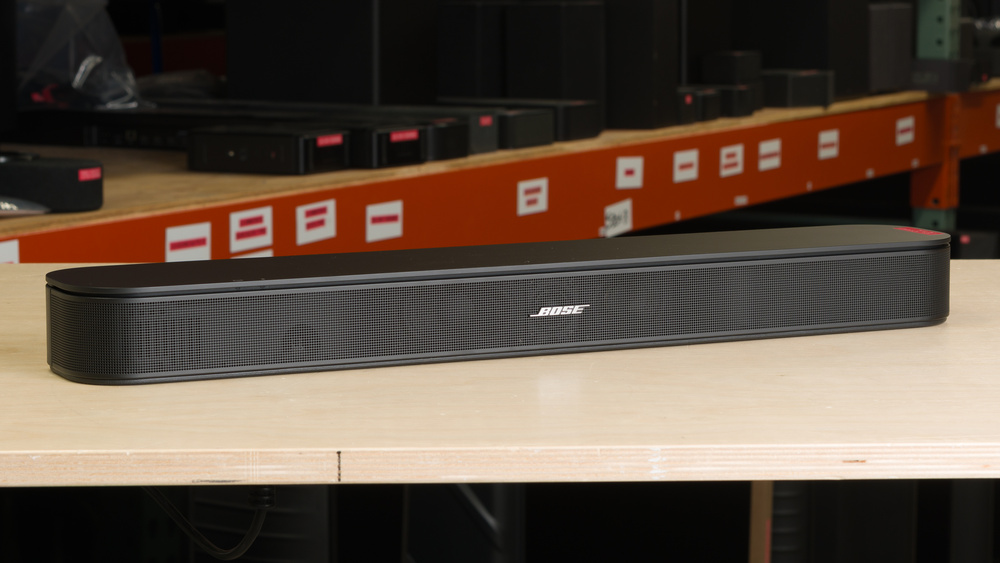
The Bose TV Speaker 2nd Gen is the next generation of the 2020 Bose TV Speaker. This version retains the original's compact size and footprint, with a discrete center channel that can aid dialogue reproduction, positioning it as a worthwhile upgrade over your TV's built-in speakers. While format support is still limited to Dolby Digital and PCM stereo, this new iteration ships with Bluetooth 5.1 and a cosmetic redesign.
Our Verdict
The Bose TV Speaker 2nd Gen is okay for mixed usage. It lacks some of the desirable features found in other compact bars, like Dolby Atmos support, more varied connectivity options, and broader sound enhancement capabilities. That said, its relatively balanced default tuning, discrete center channel, and high max volume for its size make it a worthwhile upgrade over built-in TV speakers for most people. This is especially the case if you primarily watch TV shows and other dialogue-centric content, thanks to the strong center channel performance and dialogue enhancement feature. However, the lack of broader format support and inability to produce much low bass will be a dealbreaker for those who want an immersive sound with movies and music.
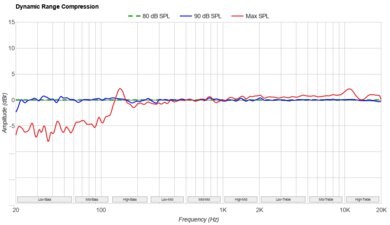
Gets decently loud without too much compression.
Balanced mid-range reproduction.
Minimal sound customization options.
Limited wired and wireless connectivity.
The Bose TV Speaker 2nd Gen is decent for dialogue and TV shows. Despite its small size, it can produce a good amount of volume without much compression, unless you crank it to maximum. Dialogue comes through with plenty of detail and emphasis, thanks to the discrete center channel and balanced mid-range, too. Plus, there's a dialogue enhancement mode you can select via the remote. There aren't any other bells and whistles, like room correction or a graphic EQ, though, which can sometimes help coax the best sound from crime dramas and big-budget fantasy shows.
Discrete center channel for dialogue reproduction.
Balanced mid-range reproduction.
Minimal sound customization options.
Format support limited to just Dolby Digital and stereo.
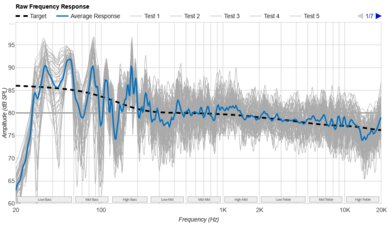
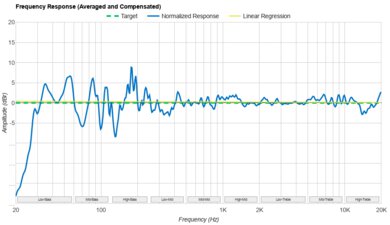
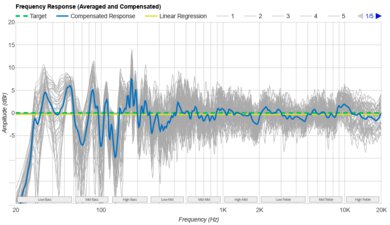
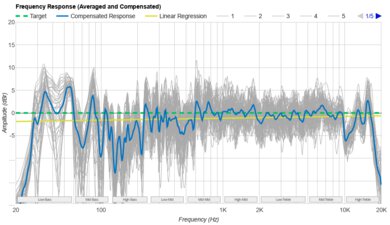
The Bose TV Speaker 2nd Gen is okay for music. Its default frequency response is well-aligned with our target, with balanced mids that help render vocals and lead instruments accurately, though they can sound shouty at times. Despite the lack of a discrete subwoofer, there's a decent amount of punch to the bass-range too, though kick drums lack some rumble. It can also get quite loud for a bar of its size, certainly loud enough to fill the average living room with sound. That said, the stereo soundstage isn't particularly wide, and tracking can be inconsistent, with instruments panning between the soundstage's extremities. You also lose out on sound customization features, like room correction and a graphic EQ.
Gets decently loud without too much compression.
Balanced mid-range reproduction.
Minimal sound customization options.
Limited wired and wireless connectivity.
The Bose TV Speaker 2nd Gen is disappointing for movies. While it can get quite loud without much compression until you hit max volume, and features a combination of balanced mids and a discrete center channel for detailed dialogue reproduction, it lacks the bass-range rumble necessary to bring action flicks to life. The lack of support for formats other than stereo PCM and Dolby Digital limits the bar's ability to create an immersive sound. There's no support for object-based formats, like Dolby Atmos, and no up- or side-firing drivers to widen the sound field, so movie audio is mainly confined to directly in front of you. Finally, the lack of sound customization options means you can't tune the sound to fit specific movie genres, with only a dialogue enhancement mode and a bass adjustment to play with.
Discrete center channel for dialogue reproduction.
Gets decently loud without too much compression.
Minimal sound customization options.
Format support limited to just Dolby Digital and stereo.
Limited wired and wireless connectivity.
Check Price
Differences Between Sizes And Variants
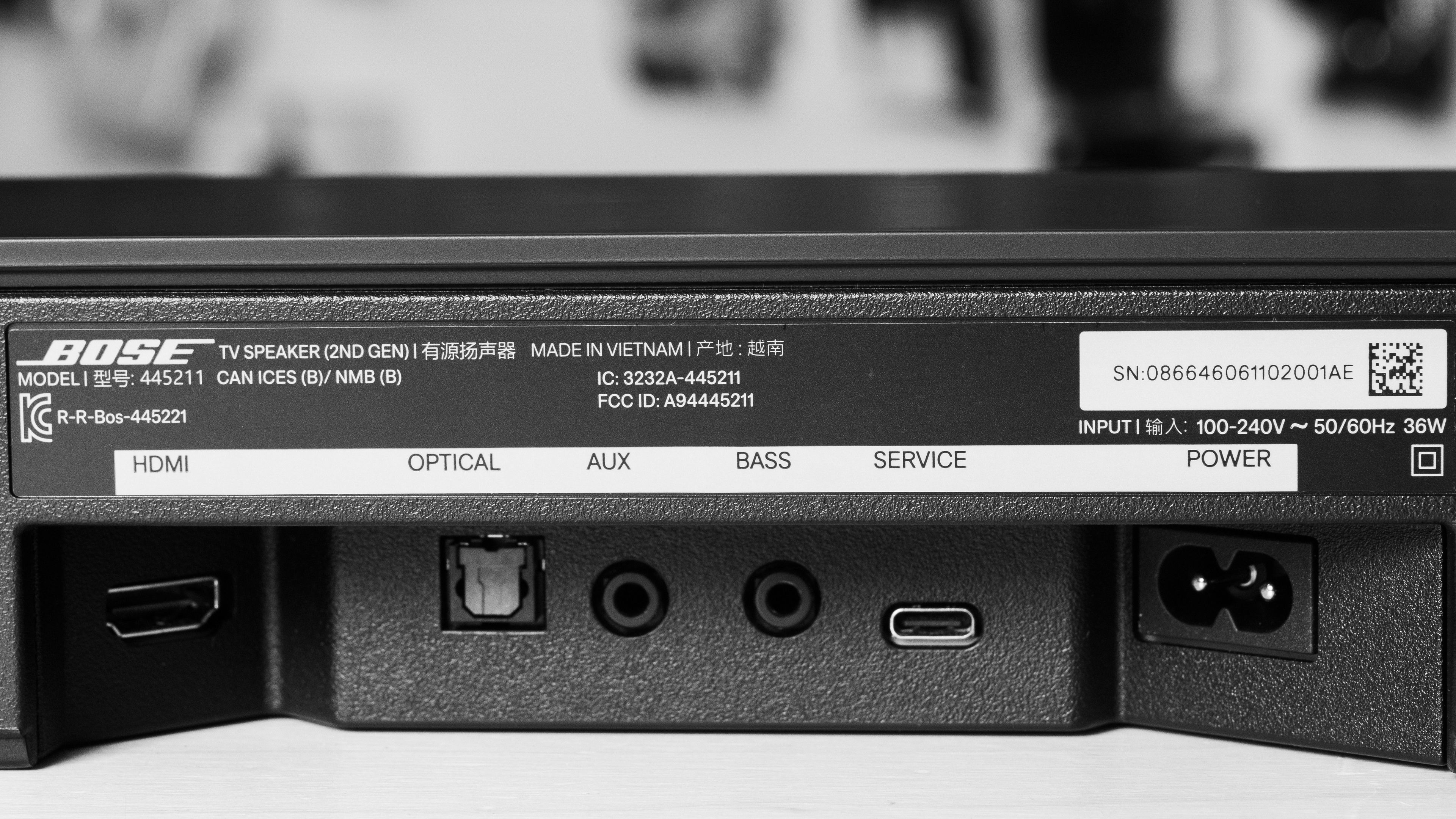
The Bose TV Speaker 2nd Gen comes in one color variant, 'Black,' and we were able to photograph our unit's label. If you encounter another variant of this soundbar, please let's know in the comments and we'll update our review.
Popular Soundbar Comparisons
The Bose TV Speaker 2nd Gen is the next generation of the 2020 Bose TV Speaker. The second generation brings small, incremental updates, like Bluetooth 5.1, a redesigned exterior, and minor tweaks to the sound that result in slightly better vocal clarity. That said, if you're just looking for a straightforward upgrade to your TV speakers, the original Bose TV Speaker mostly performs very similarly to the updated version, though it can't get quite as loud and will likely be available for cheaper. Still, if the lack of Atmos support is a dealbreaker for you, you can take a look at the Sonos Beam (Gen 2) instead, which features broader format support, a wider stereo soundstage, and side-firing drivers that help add width to 5.1 content. It lacks Bluetooth support, which can be frustrating if you want to quickly stream music from your phone. If you're on a budget and happy to go with the bare minimum in terms of features and performance, the Roku Streambar SE offers an even smaller form factor, better wireless connectivity, and built-in TV streaming capabilities. It performs worse than the Bose in all sound tests, so it's best suited to those who want something that's simply functional.
If you're looking for other options, check out our recommendations for the best small soundbars, the best soundbars for dialogue, or keep it in the family with our best Bose soundbars.
The Bose TV Speaker 2nd Gen features only incremental upgrades over the Bose TV Speaker, so it's not worth upgrading to if you already own the original. The newer model features a more rounded aesthetic, Bluetooth 5.1, and a slightly re-tooled sound, though the differences in sound quality aren't immediately apparent without close listening. Otherwise, the two soundbars perform very similarly and have the same shortcomings (like their limited format support), so you're better off going for whatever's cheapest.
The Sonos Beam (Gen 2) is a better soundbar for most people compared to the Bose TV Speaker 2nd Gen. While the two soundbars look quite similar, the Sonos has broader format support, including support for object-based formats like Dolby Atmos. It features side-firing drivers, which help spread the sound wider with 5.1 content, as well as a room correction feature and a much wider stereo soundstage. That said, if you primarily watch TV shows, the Bose's superior center channel performance ensures TV dialogue and fast-paced conversations can easily be followed.
The Bose Smart Soundbar is a step up from the Bose TV Speaker 2nd Gen, with improved features and performance that make it a better choice for movies. The main upgrade comes in the form of the Smart Soundbar's two up-firing drivers and Atmos compatibility, which make for a more immersive movie-watching experience. You also get better wireless connectivity options and broader audio format support. That said, if you're just looking for a simple, robust upgrade on your TV's built-in speakers, the TV Speaker retails for much less and takes up less space on your TV stand.
The Roku Streambar SE is a solid alternative to the Bose TV Speaker 2nd Gen if you need a bare-bones upgrade to your TV's built-in speakers. It offers better wireless connectivity options, like Wi-Fi, as well as built-in TV streaming capabilities. That said, the Bose performs better across all our sound tests, with a more balanced sound and a louder top volume. So if you care about sound quality and are comfortable with the additional outlay, the Bose will be a better choice.
Test Results
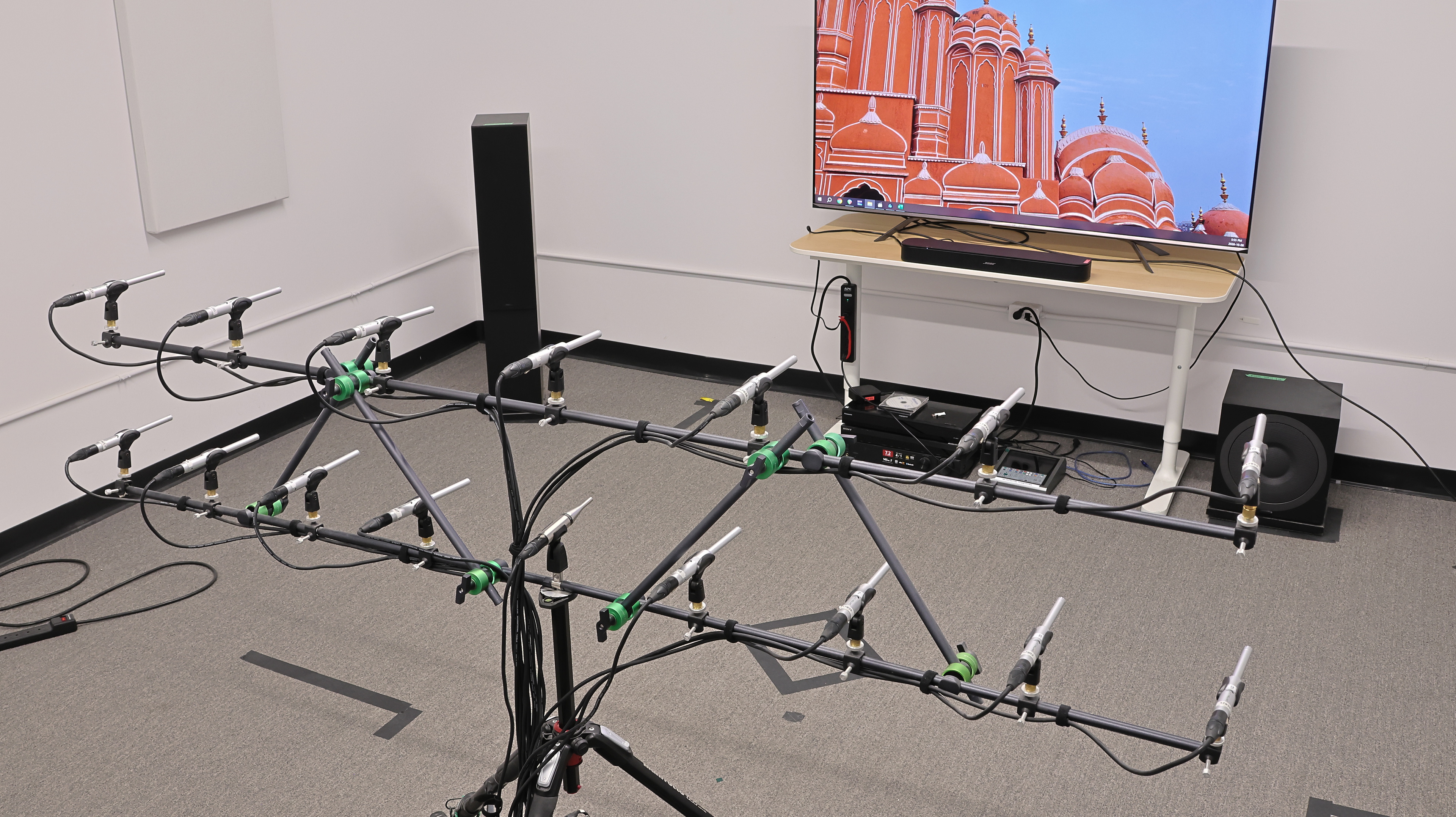
for pictures & test results
for pictures & test results
for pictures & test results
for videos & test results