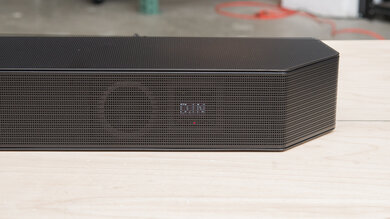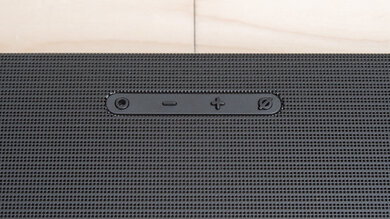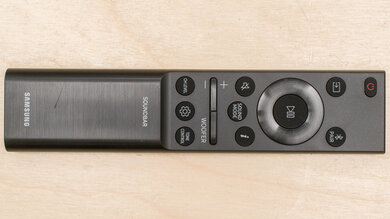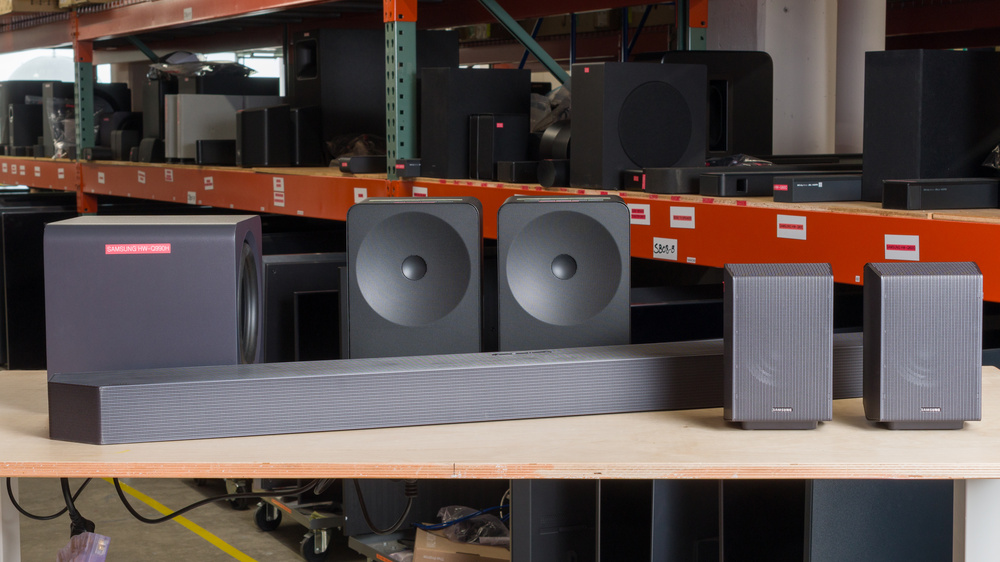
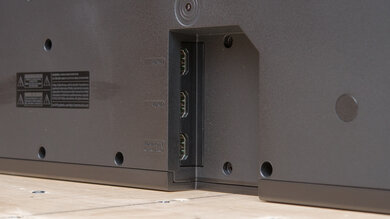
The Samsung HW-Q990H with Music Studio 7 is an expanded version of the standard Samsung HW-Q990H that brings two Music Studio 7 speakers into the fold via a Q-Symphony-compatible Samsung TV. The entire system can only connect via Wireless Dolby Atmos, making for a totally wireless experience that eschews all traditional wired connection types, like the default HDMI eARC, as well as video passthrough via the HDMI In port.
Our Verdict
The Samsung HW-Q990H with Music Studio 7 is great for mixed usage. Its bass-heavy sound is a good fit for watching blockbuster thrillers at home or blasting Metro Boomin' beats at your next pre-game. Its limited connectivity options might be a dealbreaker for some, though, especially if you're not a wireless-only evangelist, as it removes a lot of the default soundbar's selling points: you lose access to the graphic EQ and HDMI passthrough, while introducing more latency. One final caveat comes in the form of stereo playback, where all channels play back the same stereo signal. Still, the system performs very well with Atmos content, with the two additional height drivers creating a compelling illusion of verticality.
Convincing height performance with Atmos content.
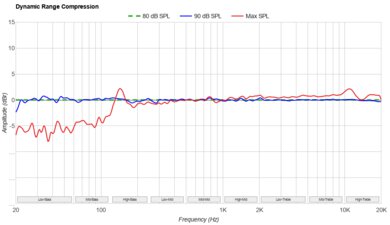
Gets very loud without too much compression.
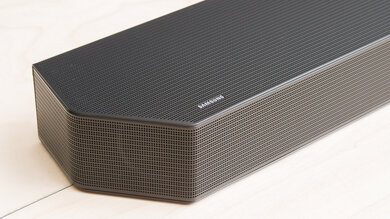
Solid build quality.
No graphic EQ and presets.
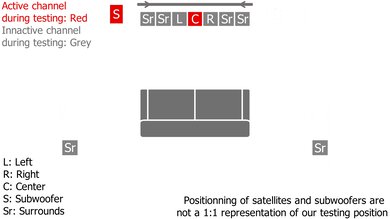
The Samsung HW-Q990H with Music Studio 7 is excellent for watching TV shows and dialogue-driven movies. The setup has a balanced mid-range that renders voices and speech articulately, and it can get very loud without introducing much compression into the mid-range. Center channel performance is tight and detailed, allowing you to pinpoint dialogue within the sound field. While you can introduce a compatible Samsung TV's speakers as a center channel, we found that this introduced some latency between the various components, and opted to disable the speakers (which you can only do with Samsung TVs from 2026 onwards).
Gets very loud without too much compression.
Excellent center channel performance.
Solid build quality.
No graphic EQ and presets.
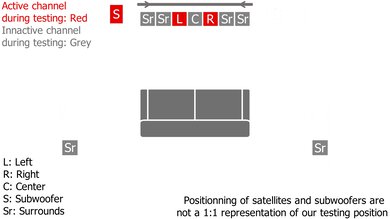
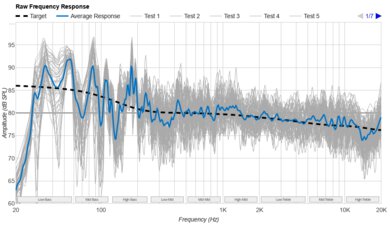
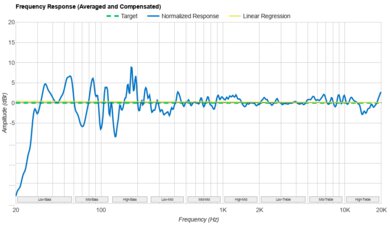
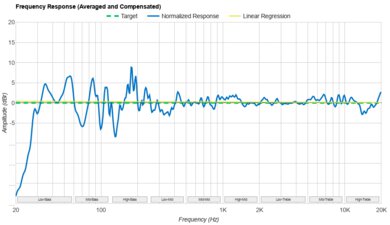
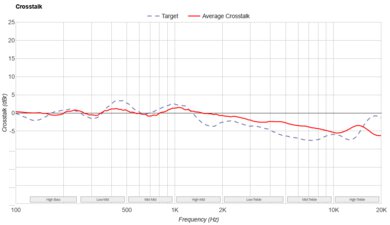
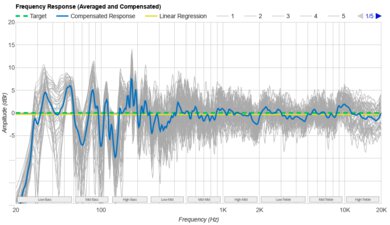
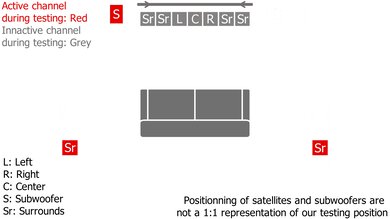
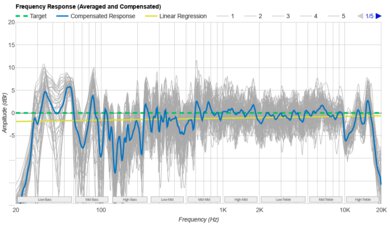
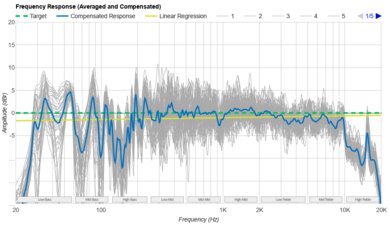
The Samsung HW-Q990H with Music Studio 7 is impressive for music. It's able to output a lot of low-end, which is perfect for blasting club tracks. The low-end can bleed into the mid-range sometimes, though, and cause the Music Studio 7's built-in woofers to chuff. However, the way the additional speakers are integrated means that upmixing behavior is inconsistent. With stereo content, a stereo mix is played back across all channels, resulting in a somewhat incoherent stereo soundstage. This behavior changes with other content types, where the Music Studio 7 speakers duplicate both the side-firing surrounds and the rear speakers for a more immersive sound. The bar can get plenty loud, though, even with some bass-range compression as you crank the volume.
Gets very loud without too much compression.
Excellent center channel performance.
Solid build quality.
No graphic EQ and presets.
The Samsung HW-Q990H with Music Studio 7 is very good for movies. The default tuning is more bass-heavy than the regular Q990H, which is great for high-tempo thrillers, though the boosted bass can creep into the mid-range, obscuring dialogue and speech. While the extra speakers are arranged in such a way that it muddles tracking with stereo content, they're a bit better integrated with other content types, as the Music Studio 7 speakers duplicate both the side-firing surrounds and the rear satellite output for an immersive sound. Dialogue is well-balanced within Atmos content, a format that also benefits from the extra height provided by the additional up-firing drivers from the Music Studio 7 speakers. That said, the fact that the system operates exclusively via Wireless Dolby Atmos means DTS formats aren't compatible, and there's a chance of introducing extra latency over Wi-Fi.
Convincing height performance with Atmos content.
Gets very loud without too much compression.
Excellent center channel performance.
Solid build quality.
No DTS compatibility.
No graphic EQ and presets.
Check Price
Differences Between Sizes And Variants
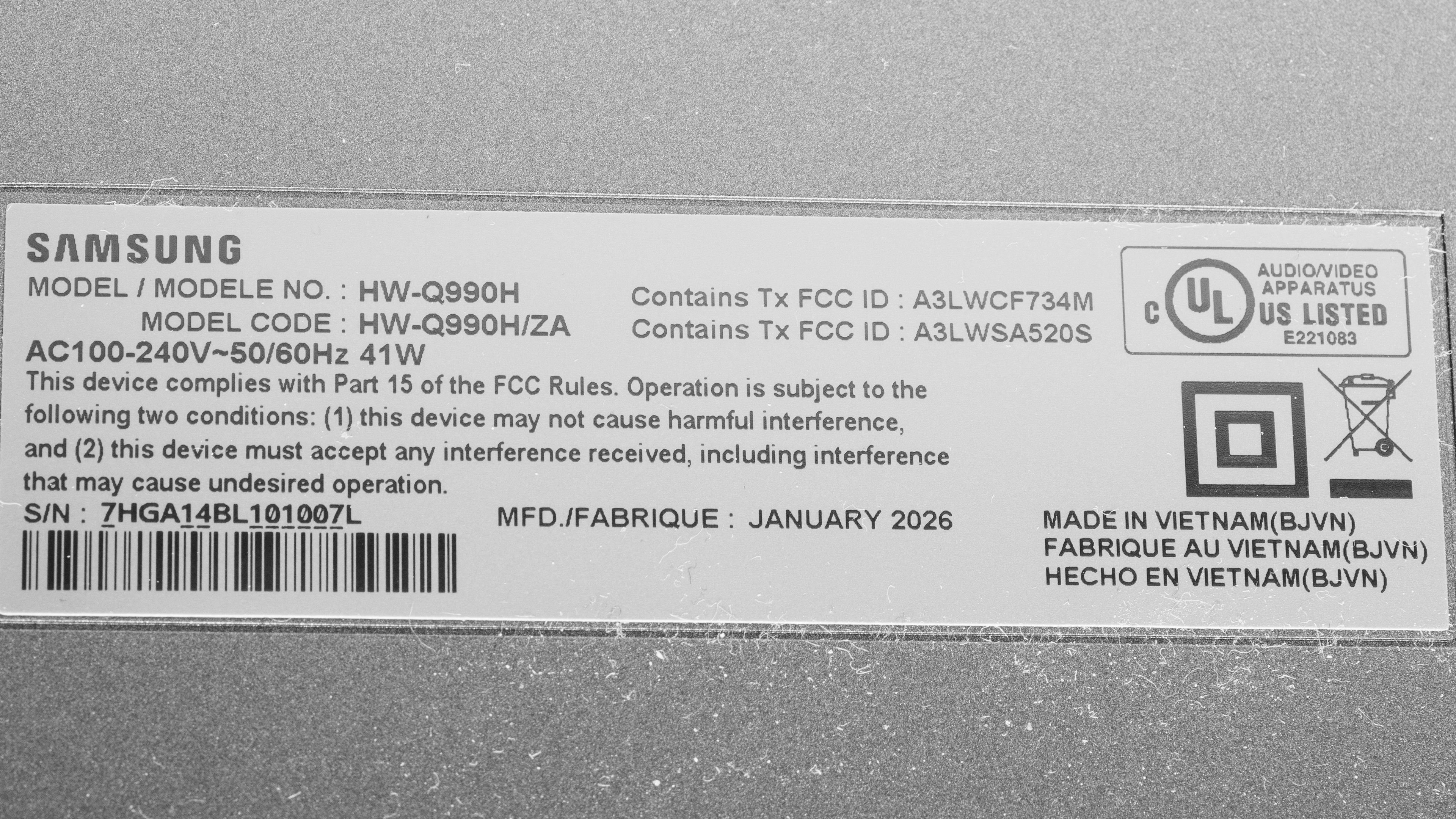
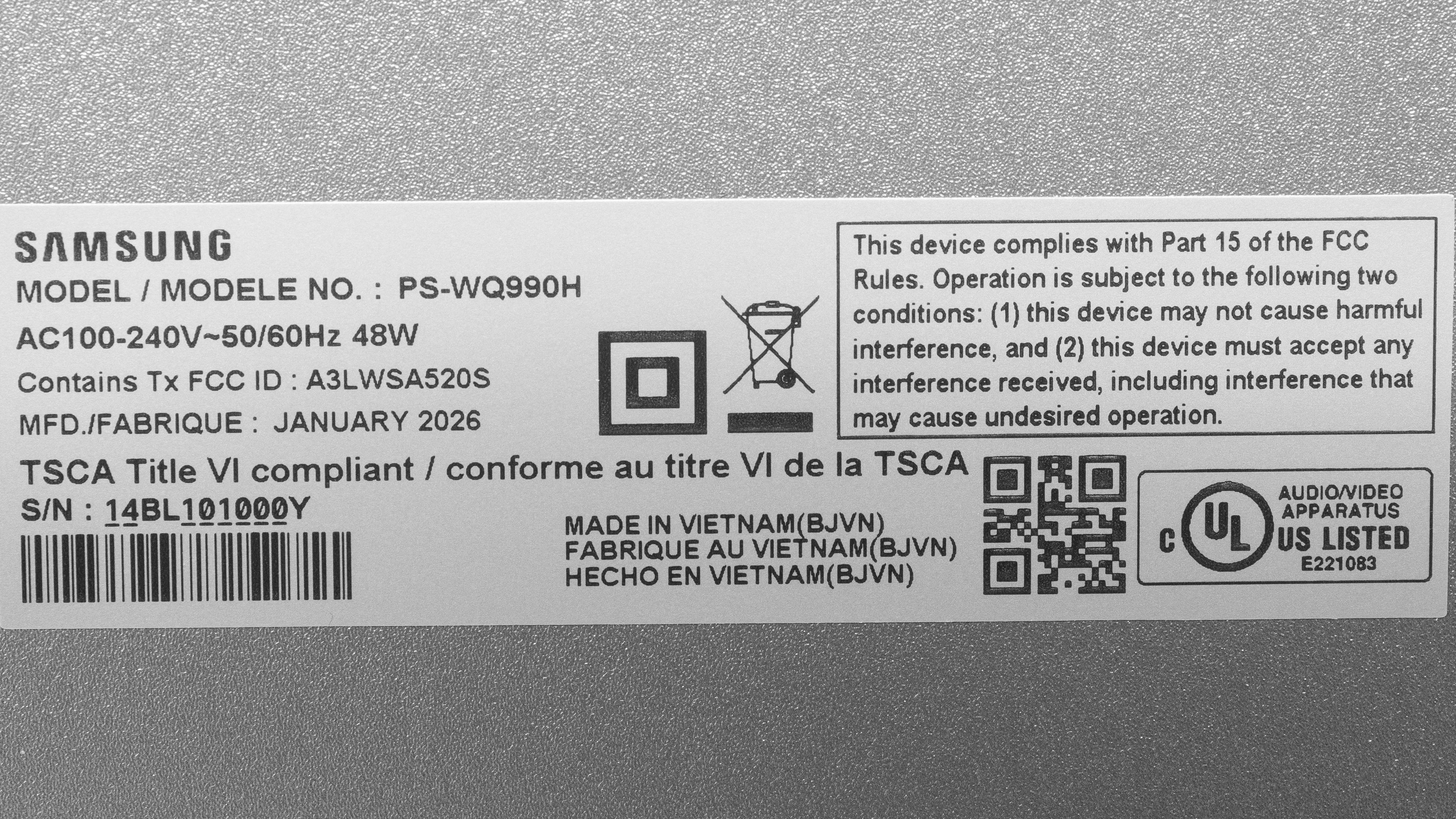
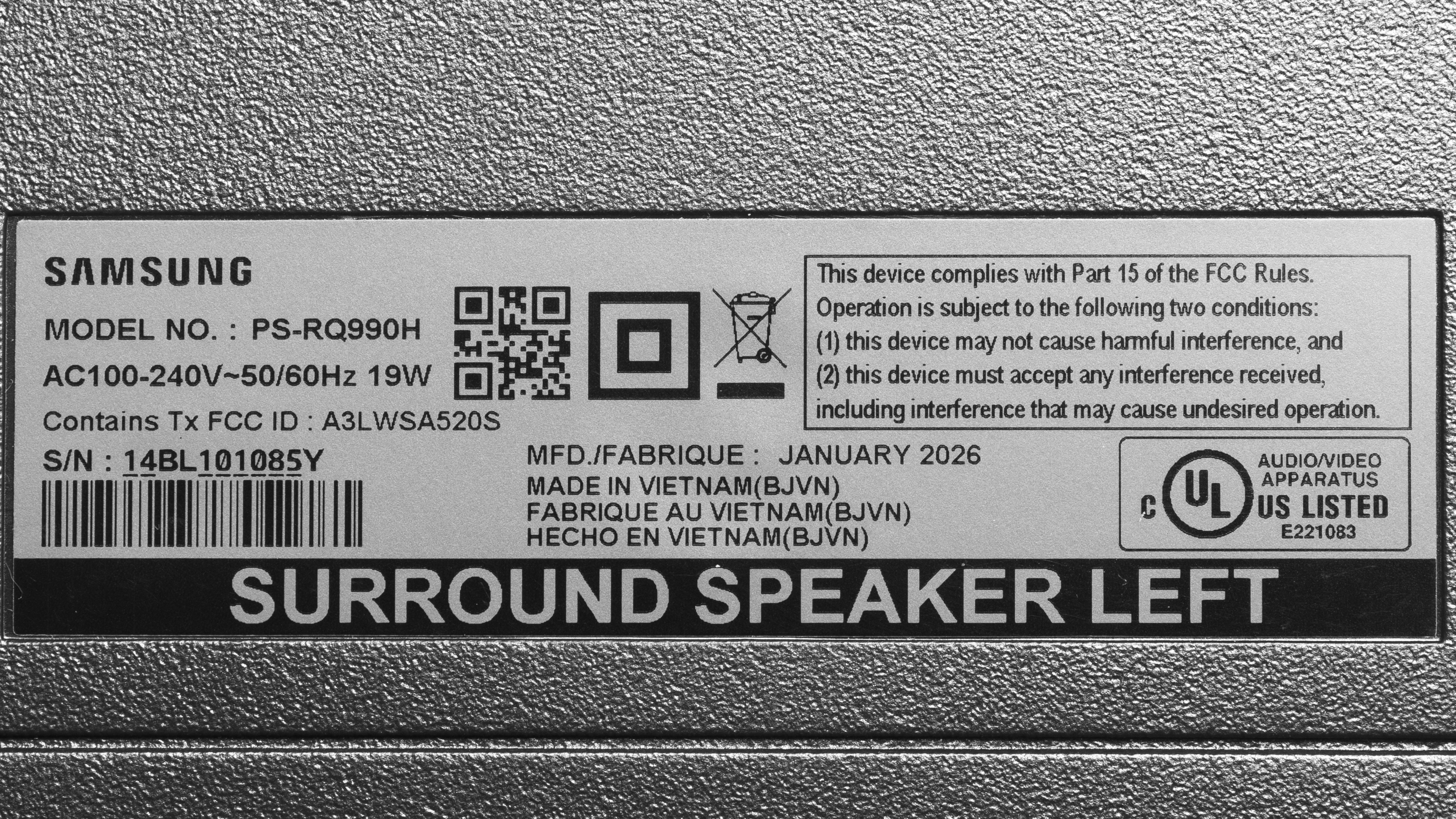
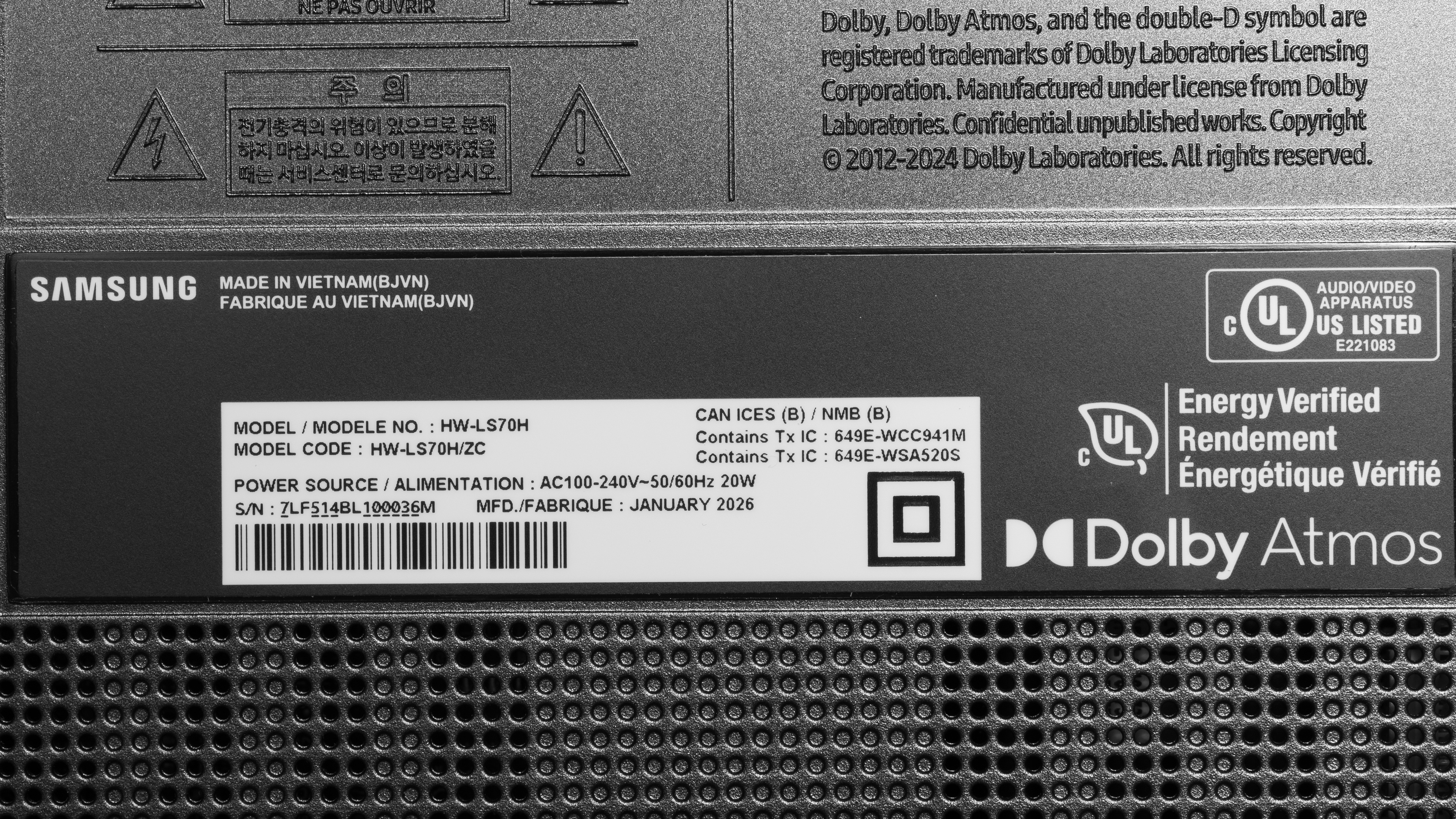
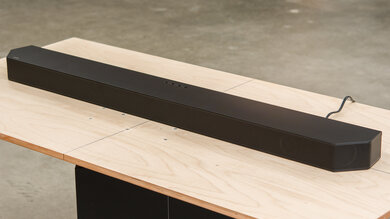
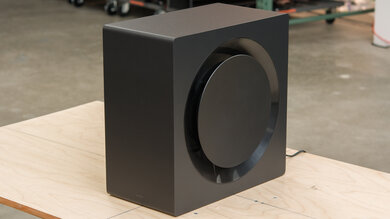
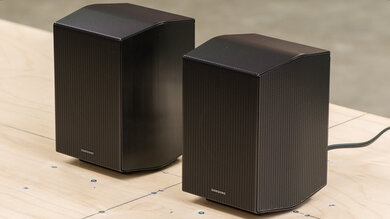
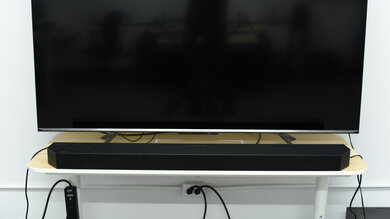
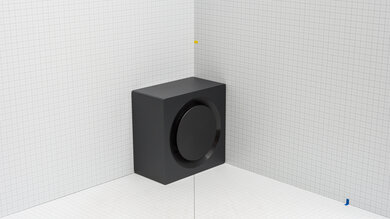
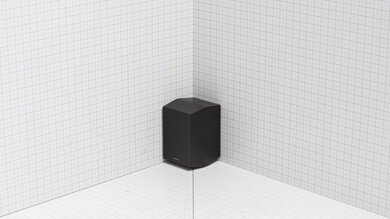
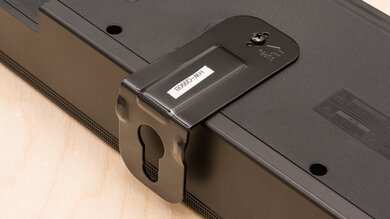
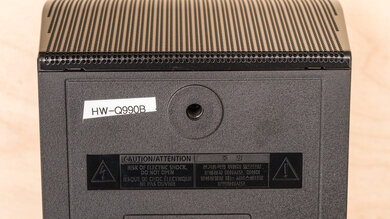
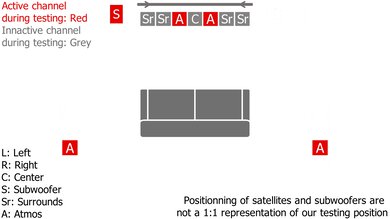
The Samsung HW-Q990H with Music Studio 7 is a variant of the Samsung HW-Q990H that pairs two Music Studio 7 Speakers via Wireless Dolby Atmos, using a Q-Symphony-compatible Samsung TV as a central hub (we used a Samsung S90H OLED TV). However, given that this setup requires a Samsung TV, your experience is likely to vary somewhat based on what TV you use. It's also possible to connect up to two more Music Studio 7 speakers (for a total of four), as per a user report. Both the soundbar and the Music Studio speakers are available in a single black color variant, and we took photos of the labels for the bar, sub, satellites, and Music Studio 7 speakers.
Popular Soundbar Comparisons
The Samsung HW-Q990H with Music Studio 7 is a relatively niche product, as it requires a core Samsung HW-Q990H to be paired with the two Music Studio 7 speakers, as well as a Q-Symphony-compatible Samsung TV. If you want to disable the TV's speakers (which we'd recommend), you'll have to use a Samsung TV from 2026 onwards, too, like the Samsung S90H OLED TV we used for testing.
The most natural point of comparison will be with the core Samsung HW-Q990H, and for the vast majority of people, the expanded configuration won't be a logical upgrade. The wireless-only operation ironically weakens the bar's connectivity and customization options, as you lose access to HDMI passthrough (or indeed all wired connectivity options), DTS format support, and the graphic EQ. Stereo performance is also compromised, as the expanded version forces the rear satellite activation and duplicates the output in the studio 7's, where you were able to control this behavior on the standalone bar. This results in a more bass-heavy sound and a muddled stereo soundstage. If you're looking for a maximalist, flexible, multi-component setup, the LG Immersive Quad Suite 7 Pro is a better choice as it connects via Dolby Atmos Flex Connect, allowing you to connect a wider variety of TVs. The LG also utilizes its two front satellites as a separate L/R channel, rather than simply doubling what's playing on the rear speakers.
Check out our best soundbars, best Samsung soundbars, and even shop for a compatible Samsung TV.
The Samsung HW-Q990H with Music Studio 7 is an expanded version of the Samsung HW-Q990H. That said, the expanded setup will represent a step back in performance and features for most people, severely limiting its use cases. The expanded setup can only connect via Wireless Dolby Atmos with a Q-Symphony-compatible Samsung TV, which renders the standalone bar's HDMI passthrough capabilities and DTS support obsolete, while introducing intra-channel latency and disabling the graphic EQ. With stereo content, the extra speakers essentially function as duplicate stereo channels, which can muddle the stereo soundstage's tracking, resulting in a more bass-heavy and less balanced sound. That said, while you don't gain any extra stereo or surround channels, the Music Studio 7 speakers do give you two extra up-firing drivers, which boost the verticality of Atmos height content. All in all, factoring in the cost and ecosystem exclusivity of the expanded setup, most people will want to stick with the standalone bar.
If you're looking for a modular, maximalist soundbar system, the LG Immersive Quad Suite 7 Pro is a better-designed, more intentional product than the Samsung HW-Q990H with Music Studio 7. One of the LG's main strengths is its modularity. As it uses Dolby Atmos Flex Connect, you can choose between a wide variety of TVs to pair with, plus you can pare the setup down to just the soundbar if necessary. While neither system lets you pass through an HDMI signal or gives you compatibility with DTS formats, the LG lets you adjust the sound via the graphic EQ, and features like DAFC and Sound Follow give you flexibility in speaker placement. In terms of performance, the most crucial difference is that the LG's front satellites form their own unique L/R channel that complements the other speakers, for a more immersive sound with stereo and Atmos content. The Music Studio 7 speakers (the Samsung equivalent of the LG's front satellites) act as a double of the rear satellites instead, which can muddy both the frequency response and tracking with stereo content.
Test Results
for pictures & test results
for videos & test results