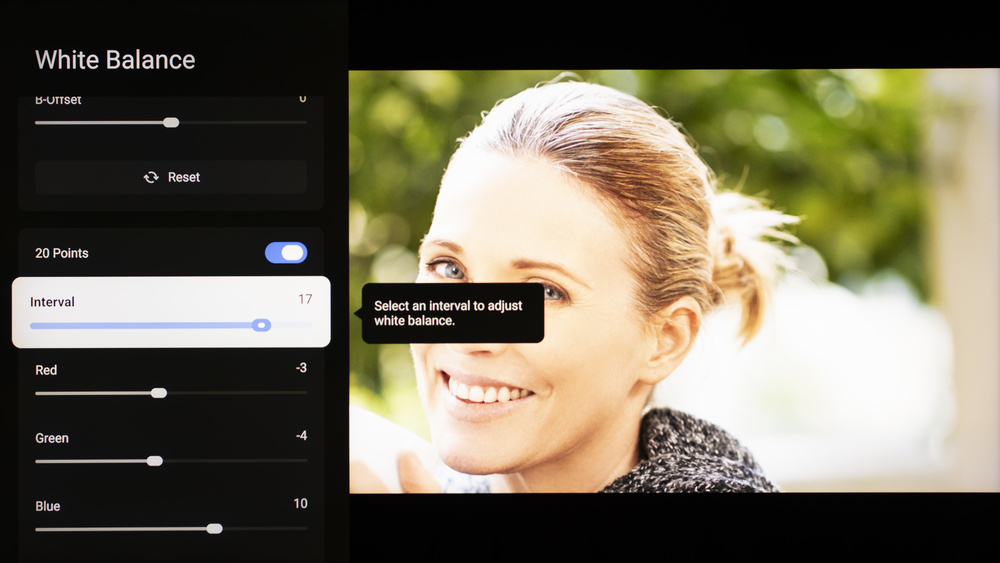
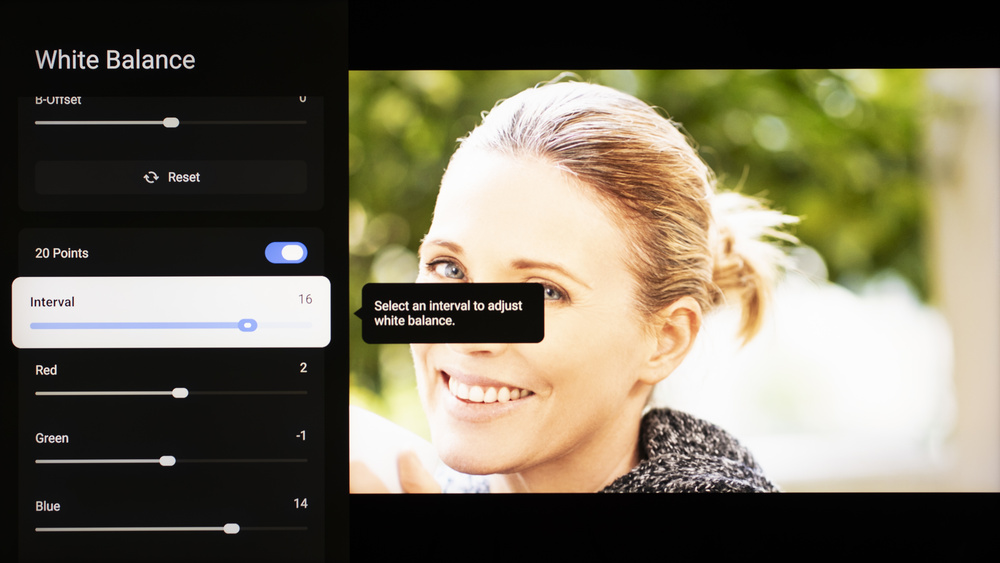
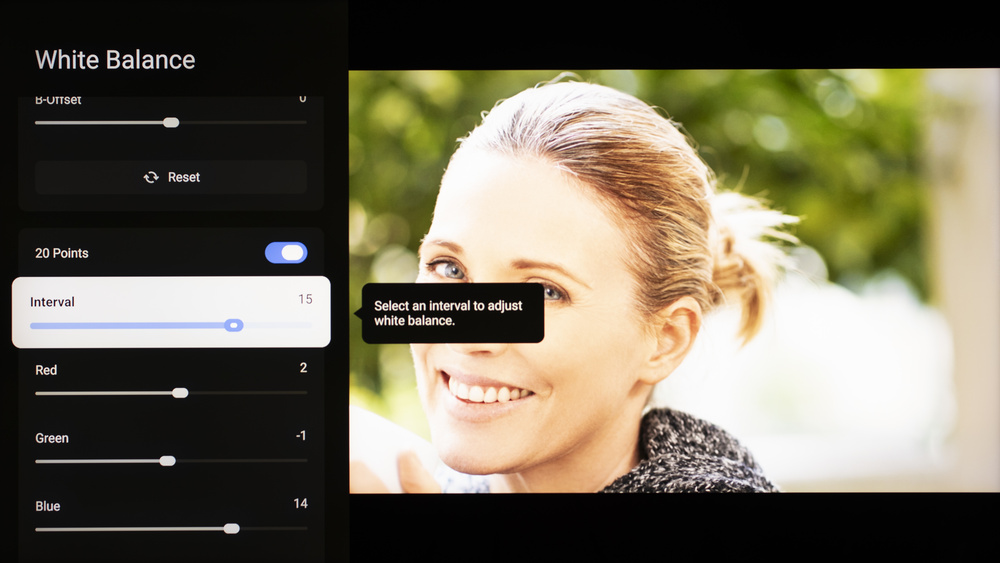
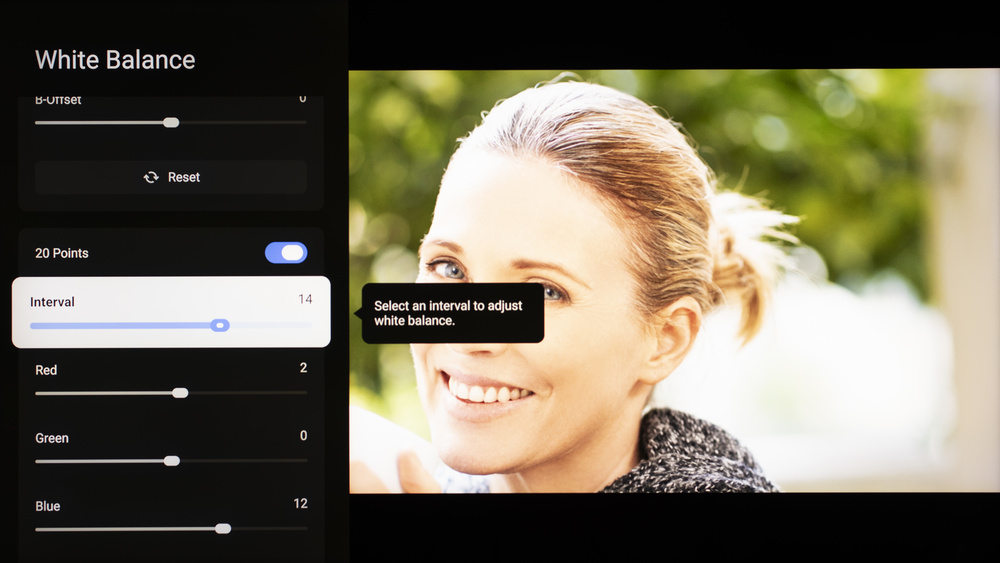
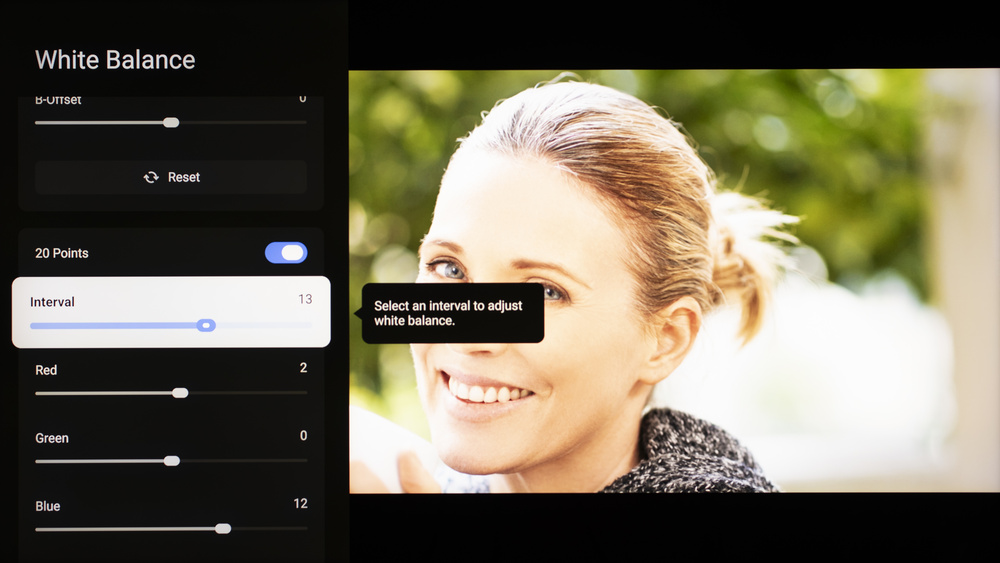
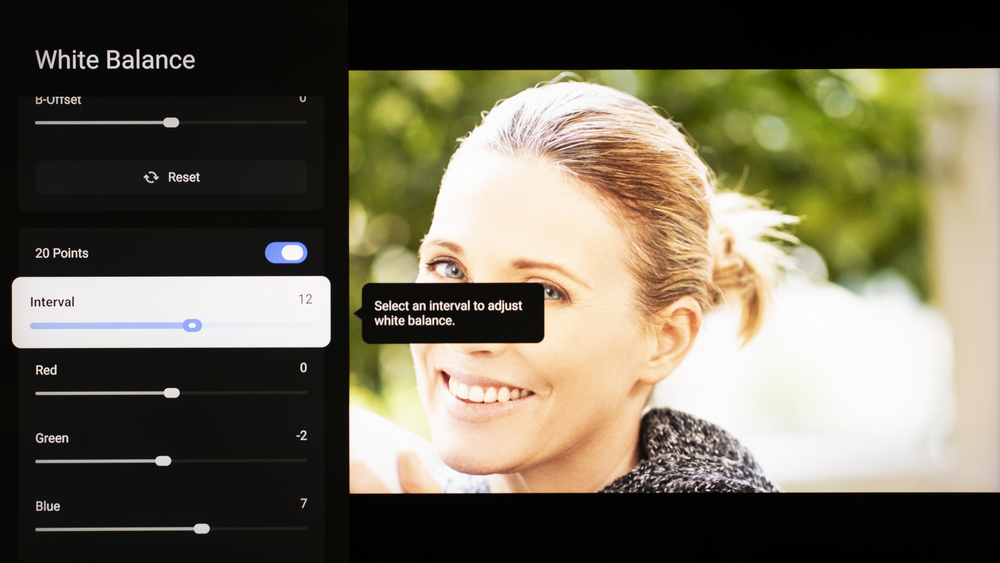
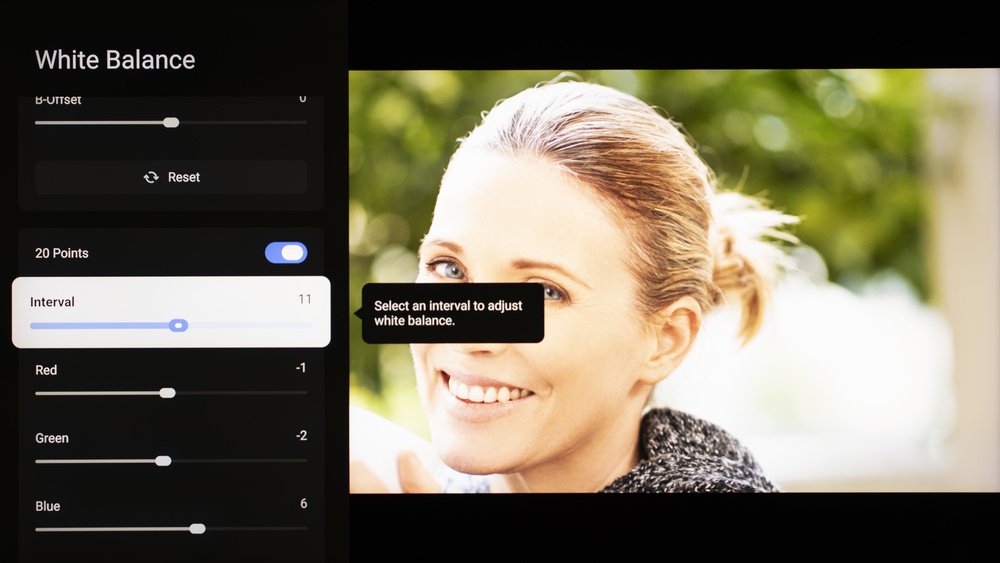
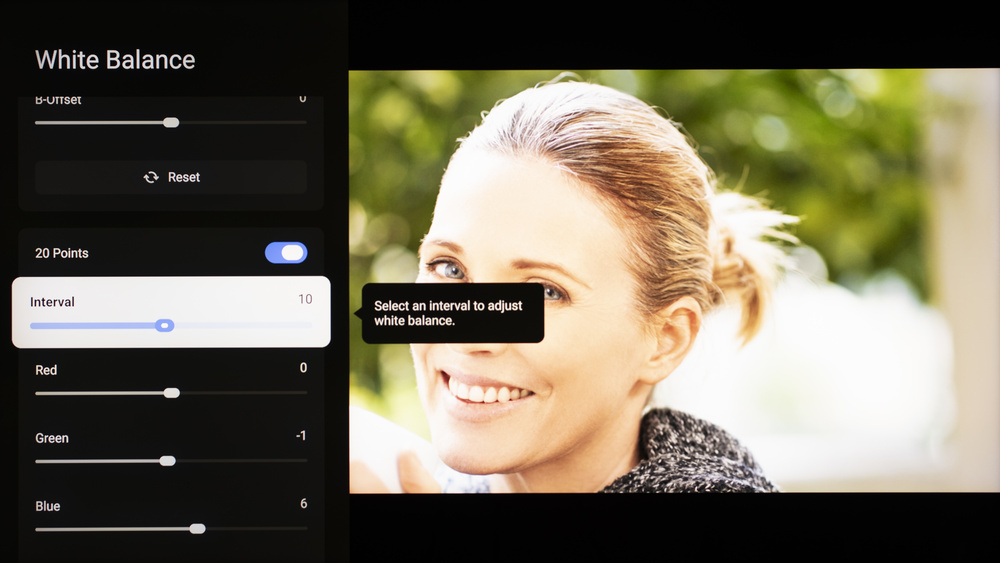
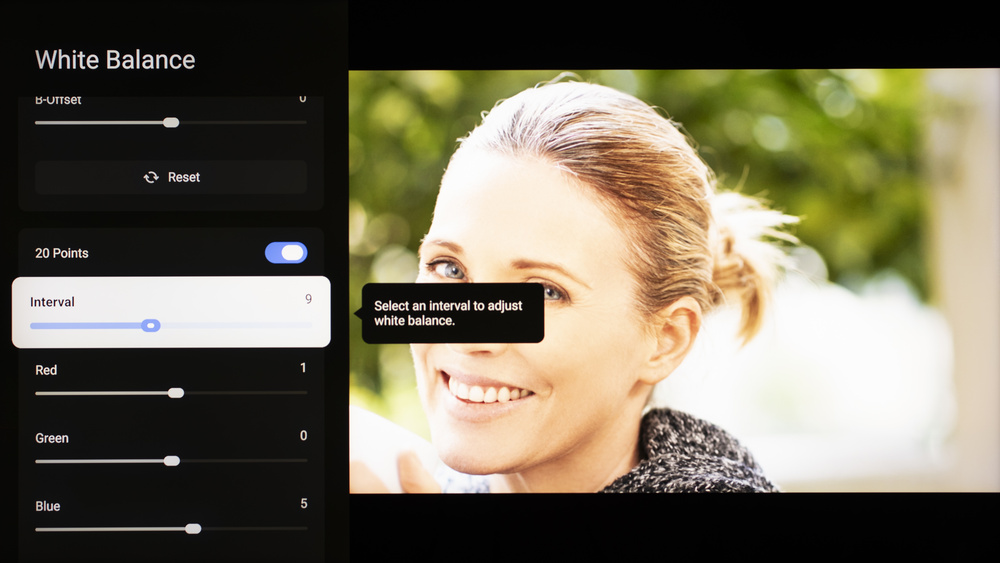
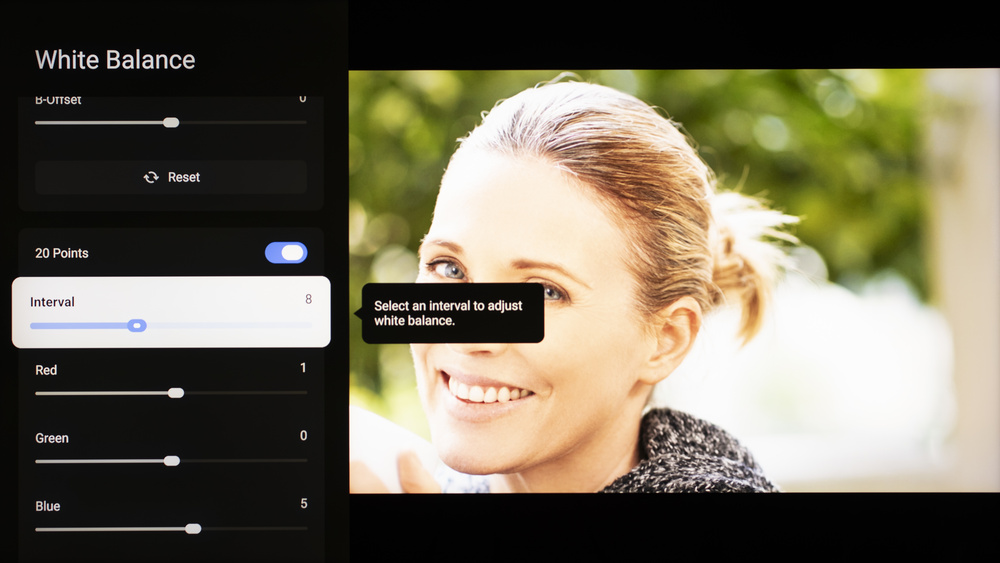
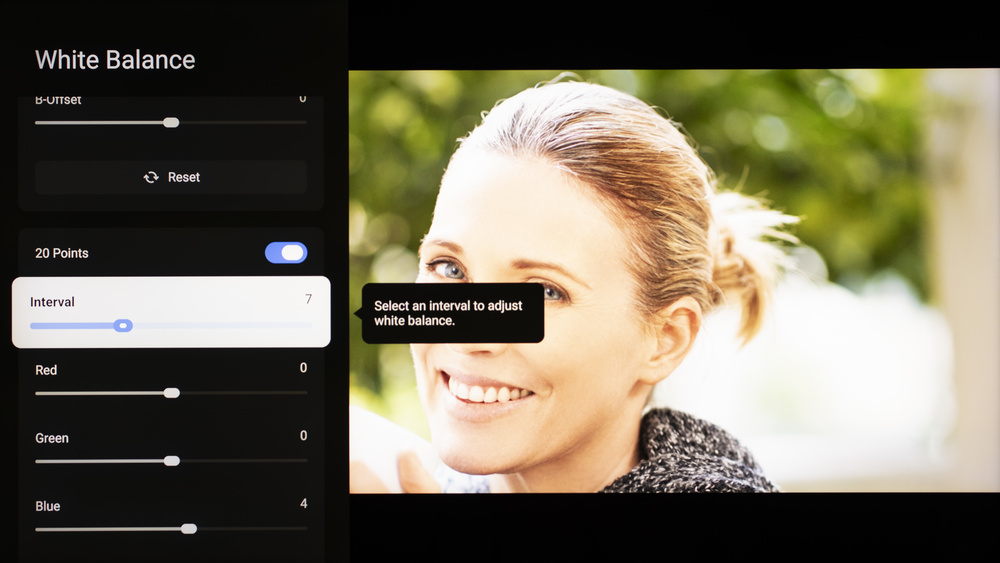
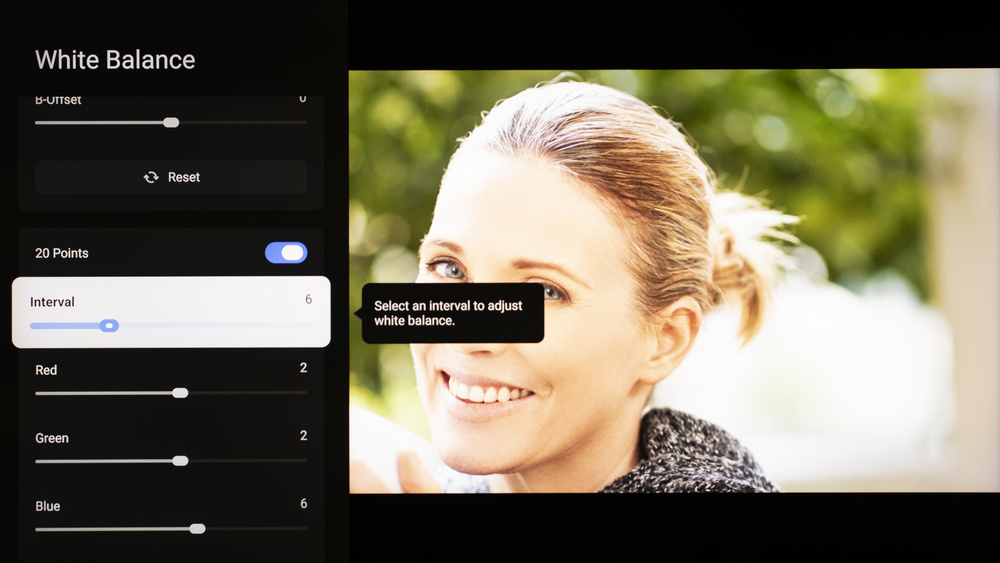
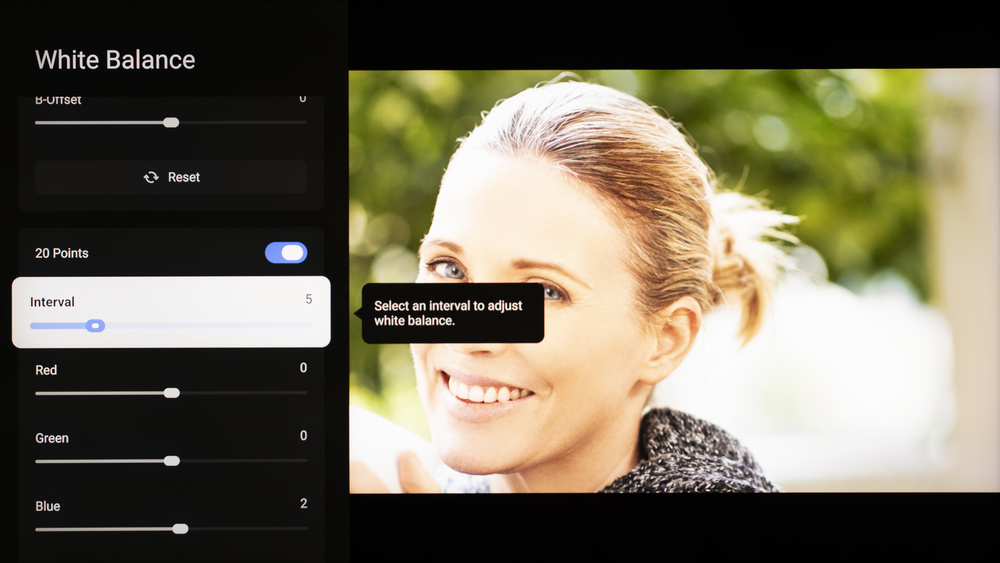
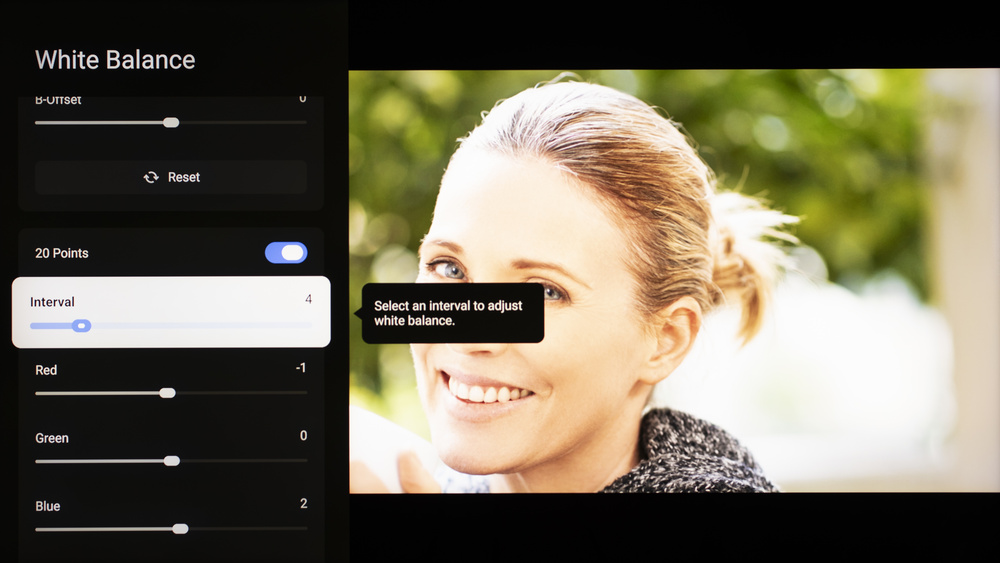
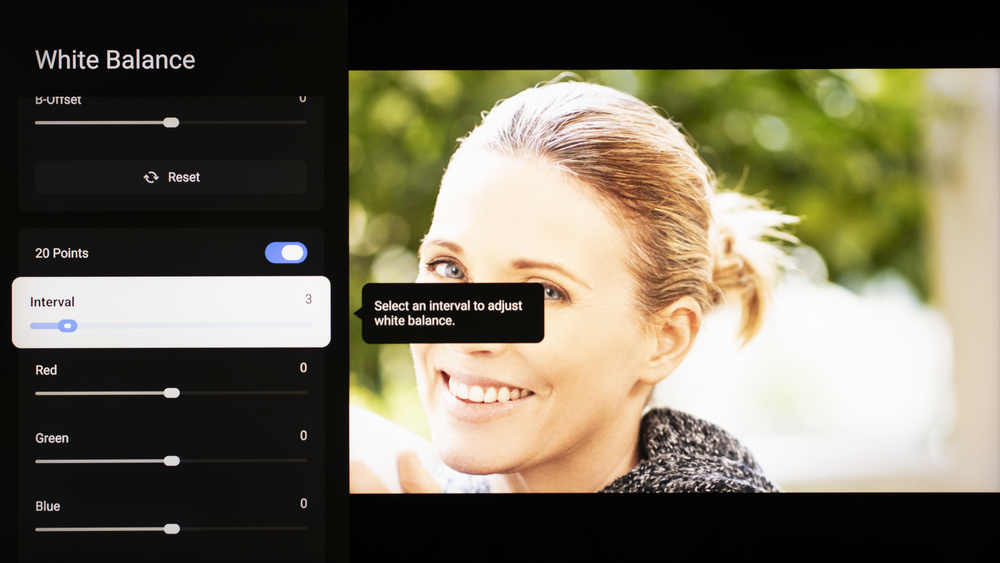
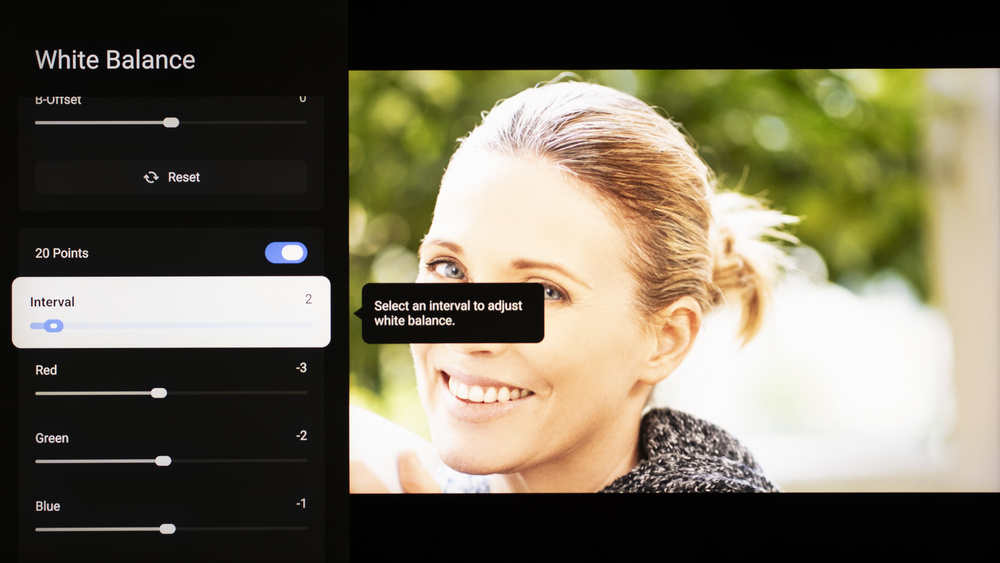
We used the following calibration settings to test the 98-inch TCL QM8K (98QM8K), but they're also valid for the 75 (75QM8K) and 85-inch (85QM8K models. We have a separate settings page for the 65-inch model. These settings apply to most types of content, except for gaming, which requires a few additional changes, listed below.
These settings are meant to provide a starting point; they're not meant to be copied 1:1. They provide the most accurate image in a moderately lit room, but you should adjust them to match your personal preferences and viewing conditions.
SDR Picture Settings
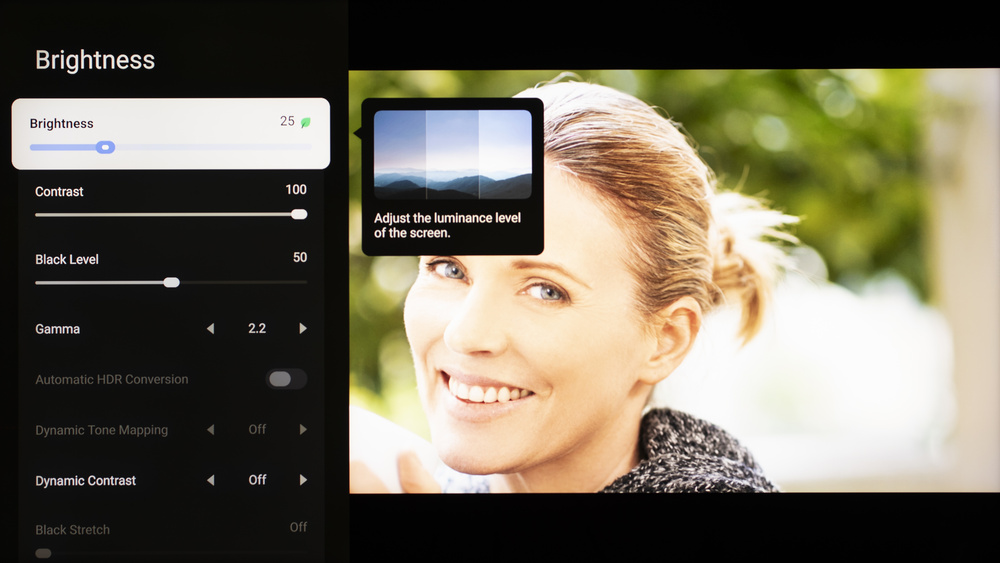
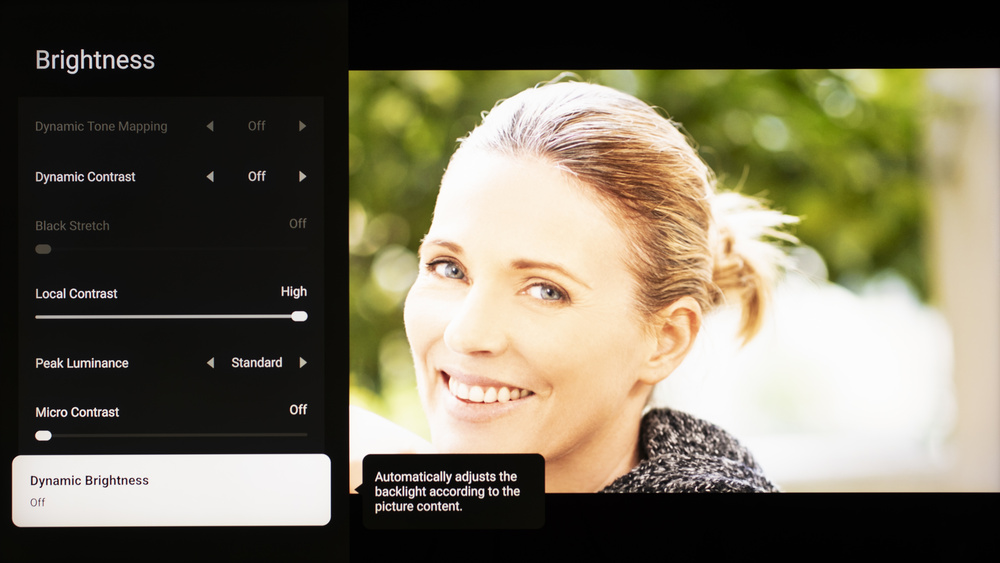
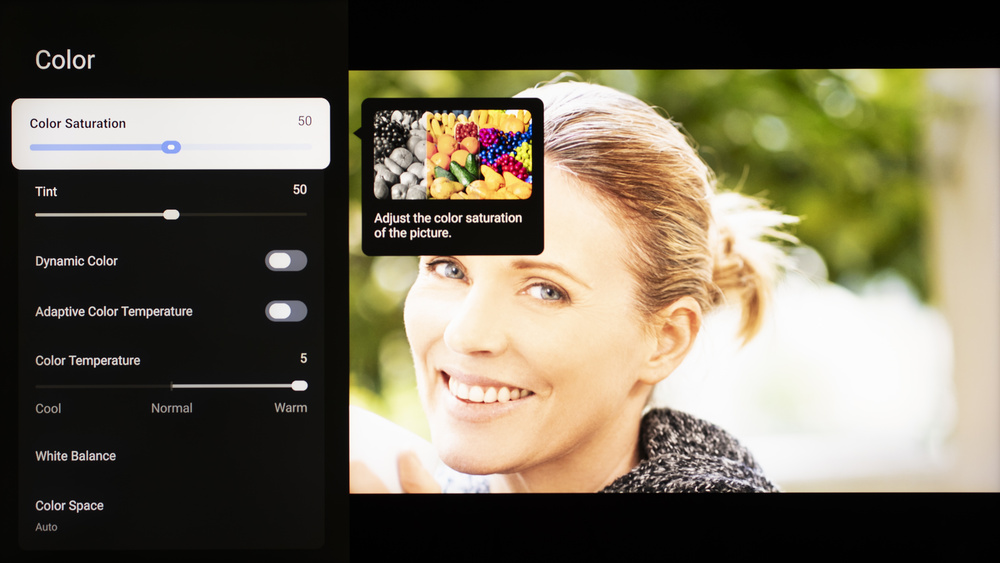
For SDR content, you can choose a few different preset picture modes. We used the 'FILMMAKER MODE' Picture Mode because it's the most accurate out of the box and allows for the most customization. A Brightness setting of '11' corresponds to about 200 nits on our unit, which is our target for a moderately lit room, but you should adjust this setting to your specific viewing conditions. Below are the settings we used for SDR. All other settings were either disabled or left off.
- Picture Mode: FILMMAKER MODE
- Brightness: 11 (200 nits)
- Gamma: 2.2
- Color Temperature: Warm 5
- Contrast: 100
- Local Contrast: High
- Dynamic Contrast: Off
- Peak Luminance: High-Dynamic
HDR10, HDR10+, and Dolby Vision
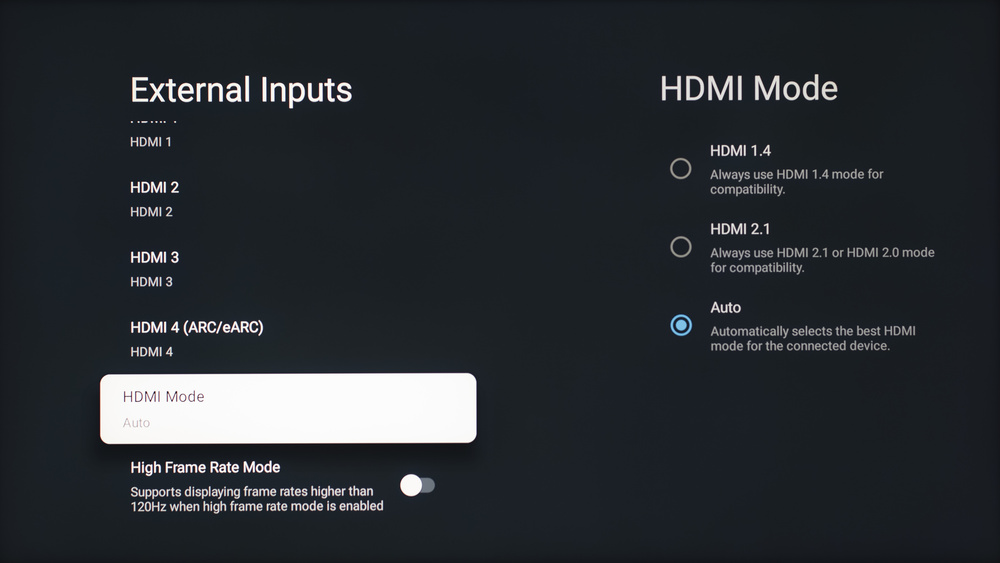
HDR is automatically enabled for native apps. Once you start playing HDR content, some of the settings change automatically. Below are the settings we used for HDR10. All other settings were either disabled or left off. If you're having any issues with HDR content, make sure HDMI Mode is set to 'HDMI 2.1' or 'Auto.'
- HDR Picture Mode: Movie
- Brightness: 100
- Black Level: 50
- Dynamic Tone Mapping: Off
- Dynamic Contrast: Off
- Gamma: 2.2
- Local Contrast: High
- Peak Luminance: High-Dynamic
- Color Temperature: Warm 5
The TV supports HDR10+ and Dolby Vision from native apps and external devices. As with normal HDR content, when you start playing HDR10+ or Dolby Vision content, some settings change automatically. Since we don't specifically test these formats, we don't have exact settings for them, but they should be the same as our HDR10 settings.
HDR White Point
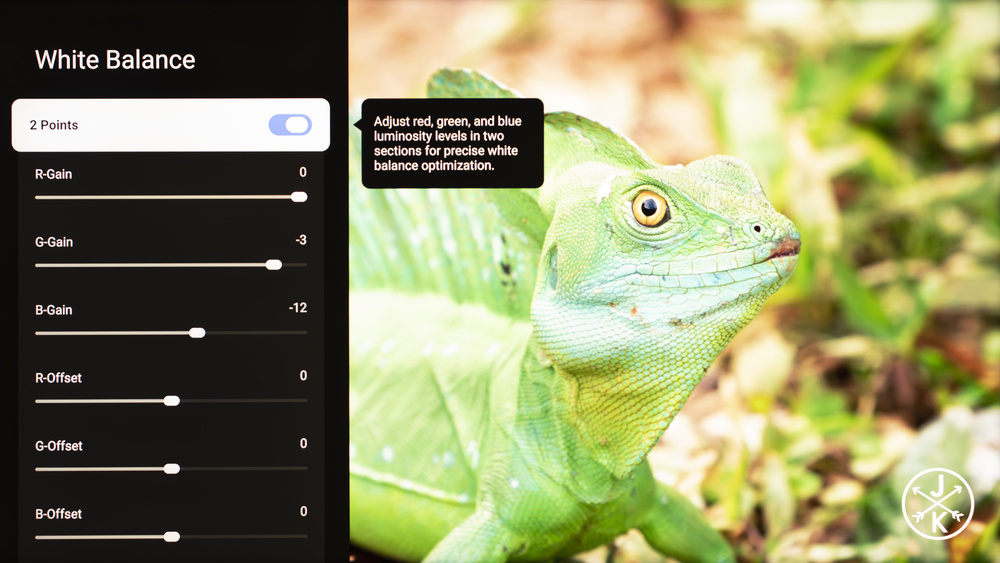
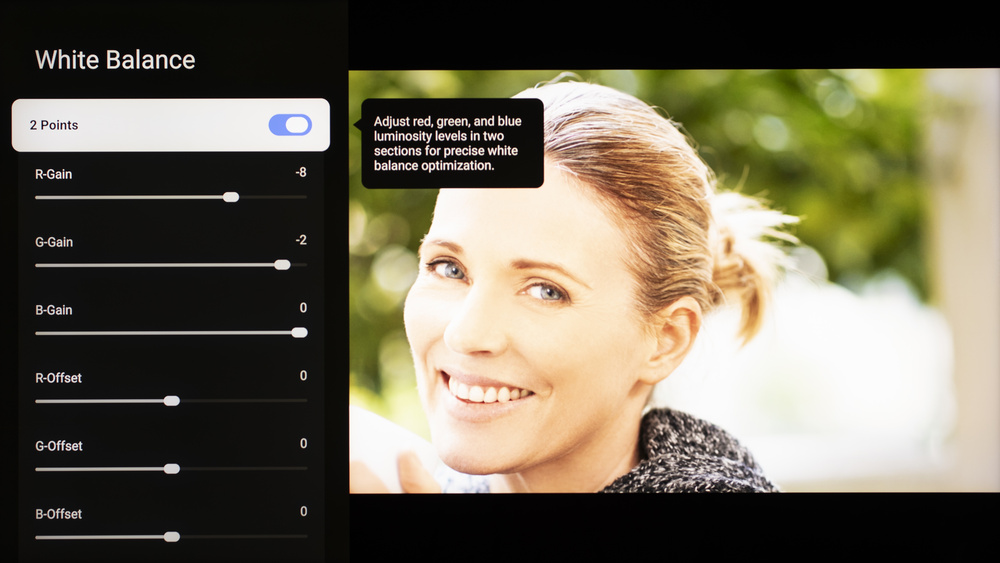
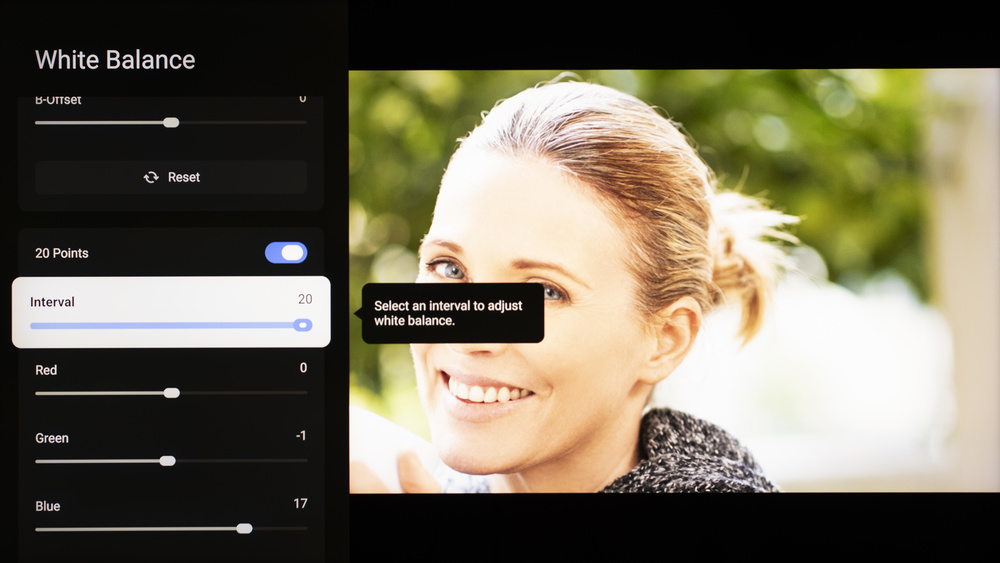
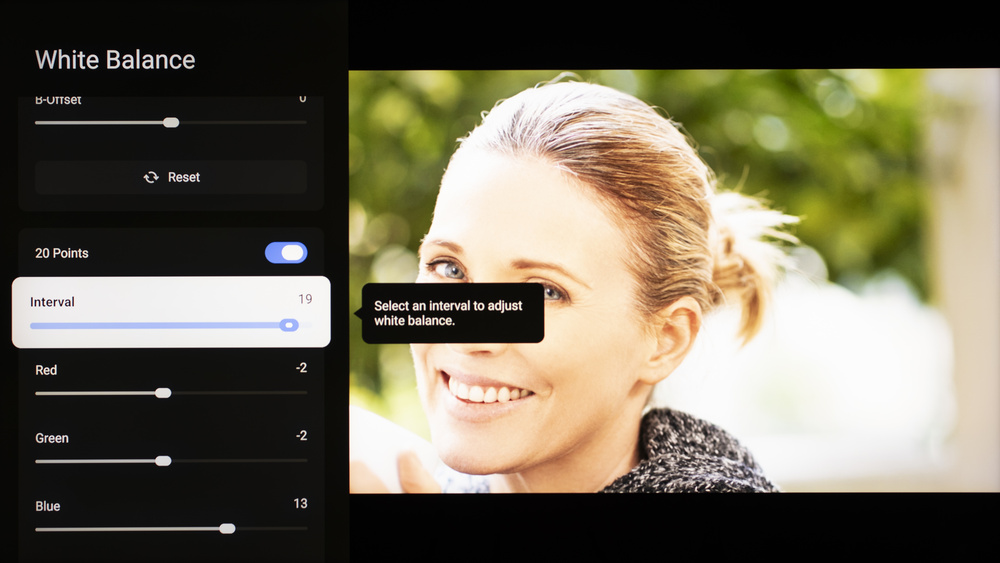
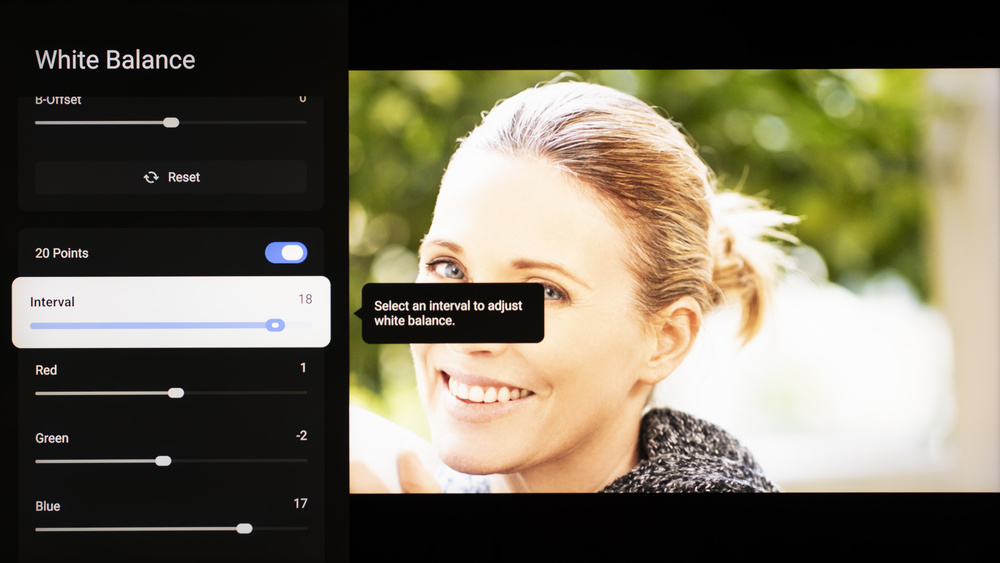
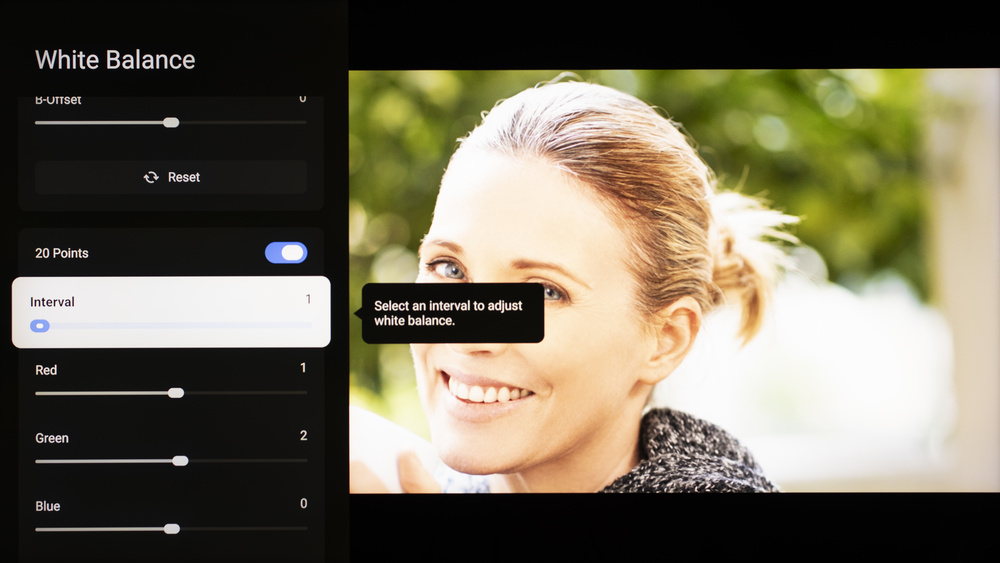
The following are the old results of calibrating the white balance of our unit to 6500K in HDR using the 2-point method. We don't publish the values we used for our new 20-point calibration, as it varies significantly between individual units, so our values wouldn't be valid.
They are provided for reference and shouldn't be copied, as the calibration values vary per individual unit, even for the same model and size as the TV we reviewed, due to manufacturing tolerances. If you want to try them, you'll need to enter all the values shown, as all of them are active simultaneously. If you have worse picture quality, simply reset them to the default values.
Gaming Settings
From the base SDR and HDR settings, very few changes are required for the best gaming experience. When you start gaming, it's best to switch to Game Mode (called Game Master on TCL TVs) to get the lowest input lag and use the recommended settings for SDR or HDR. This TV supports a variable refresh rate. As long as you're in Game Mode, it's automatically enabled.
For HDR gaming, it's important to make sure that HDMI Mode is set to 'HDMI 2.1' for the input you're using.
eARC/ARC
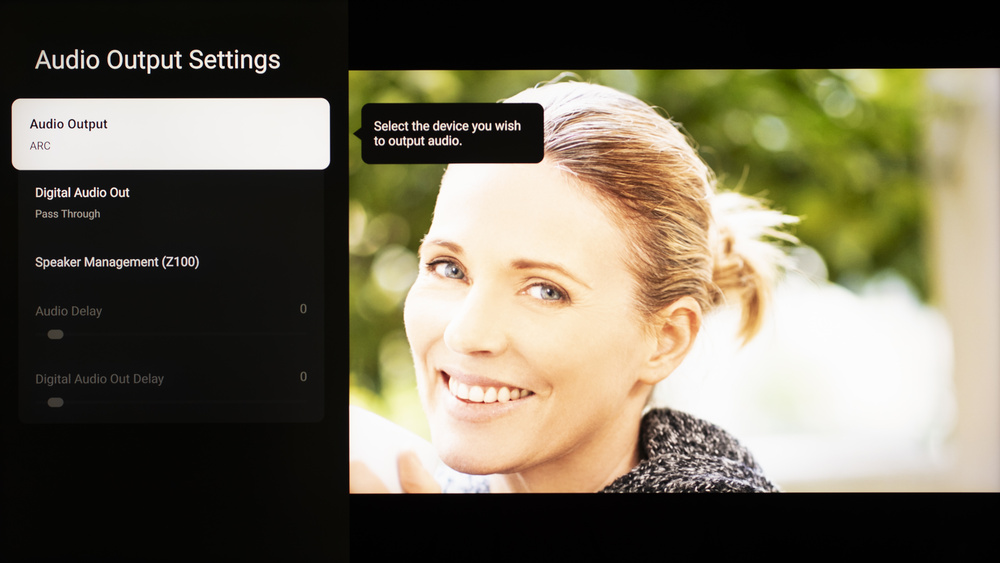
To make eARC work, set Audio Output to 'Auto' or 'ARC.' That setting is found in the Display & Sound section.
Upscaling: Sharpness Processing
For our upscaling test, we set Sharpness to '10.' Sharpness processing was calibrated with no over-sharpening for low-resolution content.
Judder
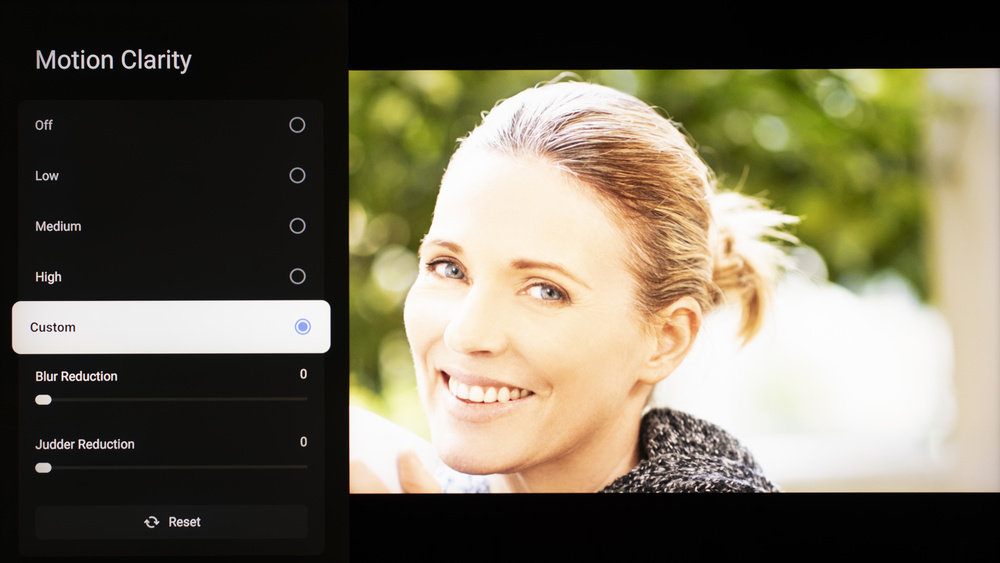
This TV automatically removes judder from 24p sources and from the internal apps. To remove judder from 60Hz sources without interpolation, enable the Motion Clarity setting and set both Blur Reduction and Judder Reduction to '0.'
Other Settings
For information on any other settings or features that fall outside of the scope of our testing, please refer to the quick start guide on the product's downloads page.
White Balance Settings
The following are the results of the white balance and colorspace calibration in SDR on our unit. They are provided for reference and should not be copied, as the calibration values vary per individual unit, even for the same model and size as the TV we reviewed, due to manufacturing tolerances. If you want to try them, you will need to enter all the values shown, as all of them are active at the same time. If you end up with worse picture quality, simply reset them to the default values.