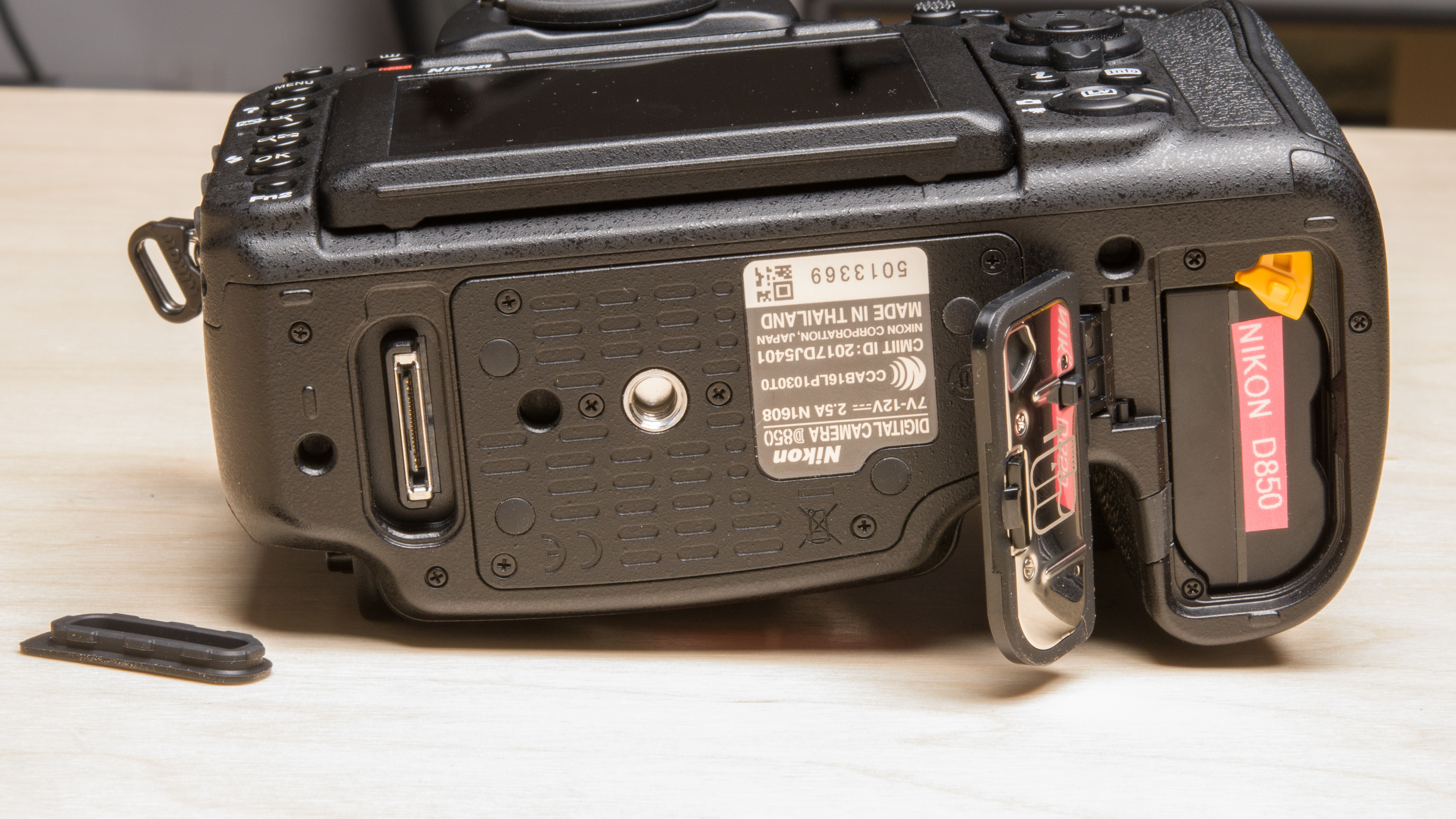
The Nikon D850 is a full-frame DSLR from 2017. This pro-grade camera is widely regarded as one of the best DSLRs, if not the best, ever produced—and with most manufacturers leaving the DSLR game behind, it may hold onto that title indefinitely. With a fantastic 45 MP sensor that's been adapted to newer models like the Nikon Z 7II, it's a mainstay for photography for a reason, and its robust, weather-sealed build and extensive physical controls are designed for pro-level use. That said, if you're looking for portability or advanced video features, this is not the camera for you.
Our Verdict
The Nikon D850 is good for travel photography if you don't mind a bulkier kit. It's a hefty camera that takes up space, as will full frame lenses, but the excellent image quality, amazing ergonomics, and durable build quality make it a fantastic choice for high-level photography. It also has a superb battery life that can last through long days on the go. Still, those benefits may not be worth the fatigue of traveling with such a large cumbersome model.
Very high resolution sensor.
Excellent build quality with weather-sealing.
Amazing ergonomics, with extensive customizable physical controls.
Great autofocus system for photography.
Heavy and bulky.
The Nikon D850 is great for landscape photography. Its high-resolution full frame sensor captures remarkably sharp and detailed images with incredible dynamic range for high-contrast landscapes. Its ergonomics and build quality are excellent, with a robust, weather-sealed build and plenty of physical controls for hands-on shooting. That said, this isn't the most portable option for long hikes or shoots at remote locations.
Very high resolution sensor.
Fantastic dynamic range.
Excellent build quality with weather-sealing.
Amazing ergonomics, with extensive customizable physical controls.
Heavy and bulky.
The Nikon D850 is great for sports and wildlife photography. It has a great autofocus system, with effective '3D Tracking' that accurately tracks moving subjects despite lacking the automatic AI-driven subject detection modes of newer models. It also has decently quick burst shooting for those who rely on quick burst rates to capture fleeting moments, though it isn't as fast as modern pro cameras. Thankfully, there are also a wide range of telephoto lenses to choose from within Nikon's F mount ecosystem. However, the camera is quite heavy and bulky, which could lead to fatigue through longer shooting days.
Very high resolution sensor.
Excellent build quality with weather-sealing.
Amazing ergonomics, with extensive customizable physical controls.
Great autofocus system for photography.
Burst shooting isn't very fast for its class by today's standards.
Heavy and bulky.
The Nikon D850 isn't intended for vlogging. This is a large bulky camera, with limited video features compared to more current cameras that are designed for vlogging and video. The tilting screen makes it difficult to monitor yourself, and its autofocus system is unreliable in video mode.
Excellent build quality with weather-sealing.
Great video quality.
Heavy and bulky.
No articulating screen.
Poor autofocus performance in video.
Noticeable rolling shutter distortion in 4k.
30-minute time limit on recording.
The Nikon D850 isn't intended for studio video. It can record video in 4k, and its video quality is fantastic overall, but it has some limitations. It's limited to 8-bit recording and doesn't support any Log formats, which means less dynamic range and reduces your flexibility to color-grade and edit footage. Its autofocus system also isn't smooth or consistent in video mode, and there's noticeable rolling shutter effect when panning the camera.
Excellent build quality with weather-sealing.
Great video quality.
Full suite of inputs for videography peripherals.
Limited to 8-bit recording, with no Log profiles.
Poor autofocus performance in video.
Noticeable rolling shutter distortion in 4k.
30-minute time limit on recording.
The Nikon D850 isn't intended for action video. Its high frame rate and slow-motion recording options are limited, especially in 4k. It also doesn't support more advanced video features like Log recording and 10-bit capture. Plus, there's a 30-minute cap on recording and a heavy rolling shutter effect in video. It's also heavy and bulky.
Excellent build quality with weather-sealing.
Great video quality.
Heavy and bulky.
Poor autofocus performance in video.
Noticeable rolling shutter distortion in 4k.
High frame rate options are limited.
30-minute time limit on recording.
The Nikon D850 captures impressive RAW image quality. Its high-resolution sensor captures an excellent level of fine detail, with room to crop in your images if needed. It also has a remarkably wide dynamic range to capture more detail in high-contrast scenes. Its noise handling is good overall.
Very high resolution sensor.
Fantastic dynamic range.
Performance Usages
Changelog
- Updated Aug 11, 2026: We've updated this review to Test Bench 0.13.1. The Sample Picture Gallery, 4K/FHD Video Quality, and Luminosity Patch Detection Chart have been removed, and our Video Dynamic Range test has been streamlined. You can see the full changelog summarizing these changes.
-
Updated Feb 20, 2025:
We wrote text for the new tests added in Test Bench 0.13 and updated the Verdict section accordingly.
- Updated Feb 11, 2025: We've converted this review to Test Bench 0.13. We've added new tests for Video Dynamic Range and Luminosity Patch Detection. You can learn more about these updates in the changelog.
- Updated Jan 10, 2025: Review published.
Check Price
Differences Between Sizes And Variants
The Nikon D850 comes in one color: Black. Here's a picture of our unit's label.
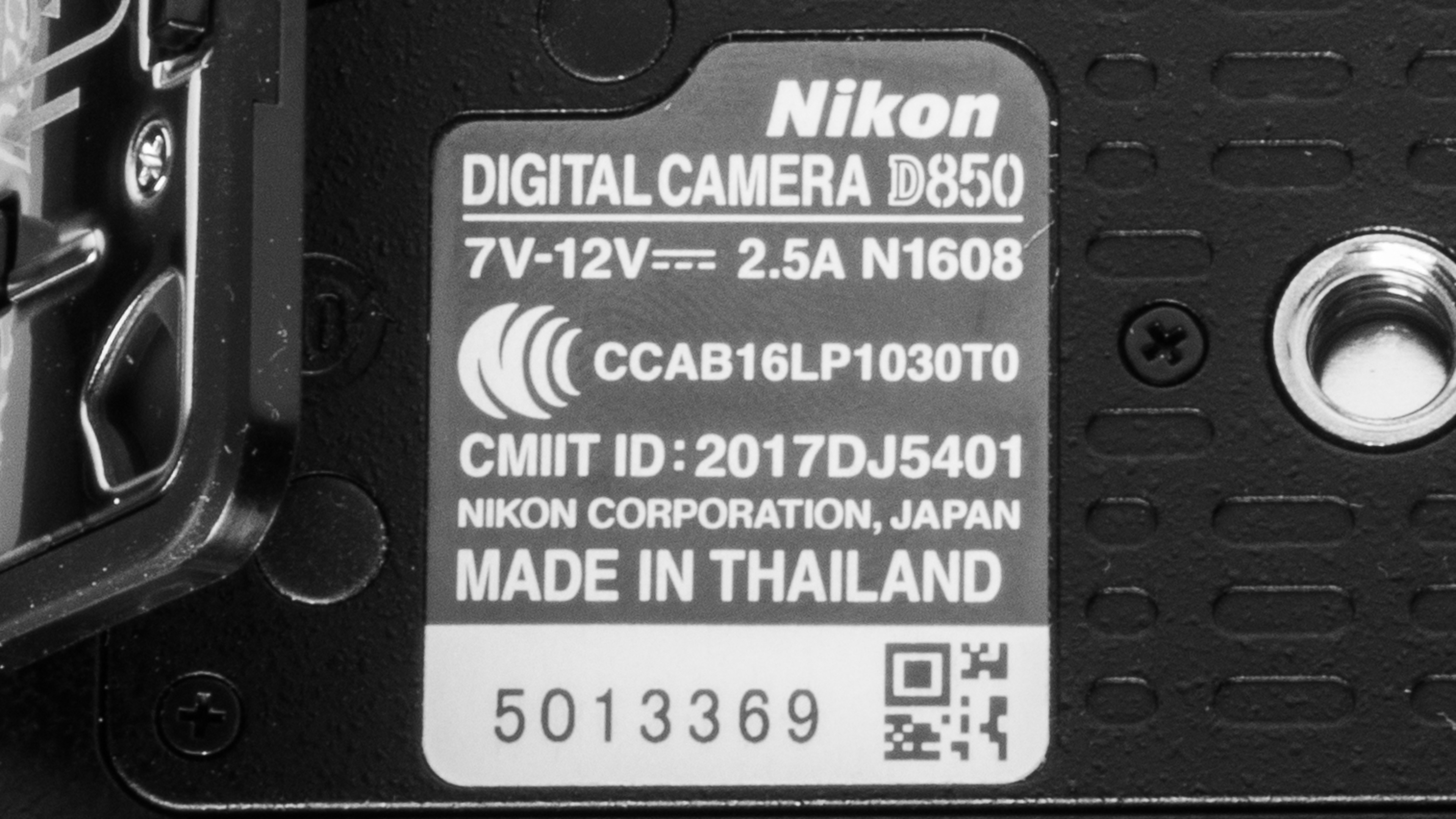
These days, the camera is mostly only available to purchase the body, though you may still be able to find models bundled with a lens depending on the retailer.
Popular Camera Comparisons
The Nikon D850 is a powerhouse DSLR and maybe one of the last truly great DSLRs we see from a major manufacturer. But does it make sense to buy in today's camera market? For most people, the answer will be no, as there are comparable and even more advanced mirrorless models available now that take advantage of the latest camera technology, particularly when it comes to autofocus and video—not to mention portability. That said, if you're primarily a photographer, the sensor here is undeniably excellent, and with a wide range of relatively affordable lenses available within the well-established F mount system, the D850 still offers amazing value.
For more options, check out our recommendations for the best DSLR cameras, the best mirrorless cameras, and the best cameras for photography.
The Nikon D850 is better overall for photography than the Nikon D780, with a higher-resolution sensor that captures more fine detail and gives you more room to crop your images. The D780, on the other hand, is the better option if you're looking for a high-end DSLR that's better for video, as it has a more reliable Live View autofocus system and slightly more advanced specs, like 10-bit external video output via HDMI.
The Nikon D850 is better overall than the Canon EOS 5D Mark IV, though both are excellent pro-grade DSLRs with well-established lens ecosystems. The Nikon's backside-illuminated sensor gives it a wider dynamic range and higher resolution than the Canon's sensor. Aside from the differences in their sensors, however, both cameras are robust, with excellent ergonomics, and capable of capturing professional-quality images.
While one is mirrorless and the other is a DSLR, the Nikon Z 6III is a better overall camera than the Nikon D850. It's newer, which means it has all the benefits of newer camera tech, including a better processor, a faster readout speed, better high ISO performance, and more advanced autofocus and, especially, video features. It's also significantly more portable. Having said that, the D850 is one of the best cameras of its time, and its sensor has a higher dynamic range as well as a higher resolution, so if you don't mind a bulkier camera and don't need video features, it may offer better value, depending on the type of photography you do.
The Sony α7 III and the Nikon D850 are suited to different uses. The Sony, being mirrorless, is much more portable and has better overall video features and performance. However, the Nikon is a fantastic option for high-level photography, with a higher-resolution sensor that gives you a bit more room to crop your images. It also has a longer battery life and a more robust build quality. So, if you prioritize speed and portability, get the Sony, but if you want a workhorse and prefer the battery life and optical viewfinder of a DSLR, get the Nikon.
Test Results
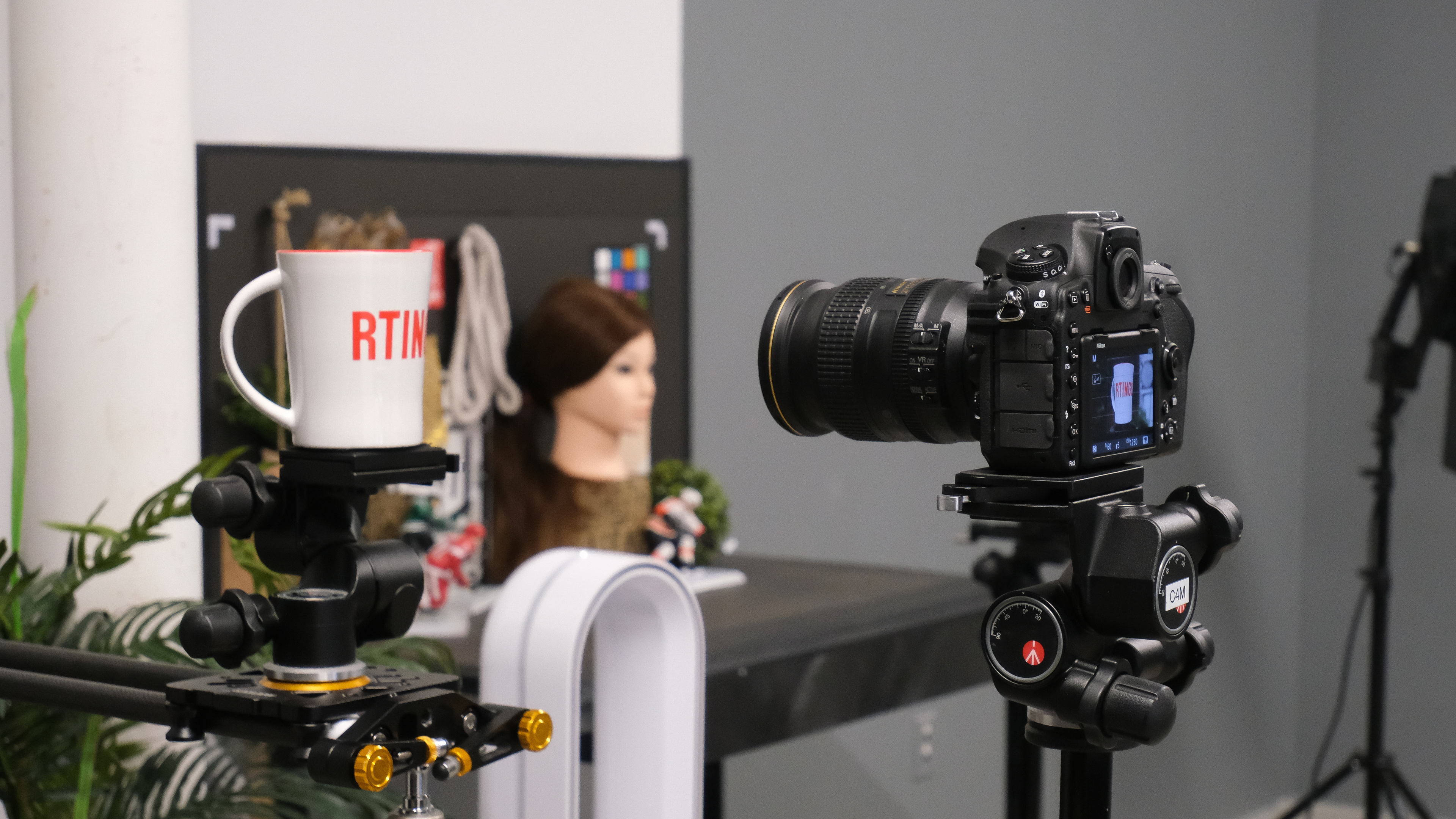
The Nikon D850 isn't very portable. Even among full-frame DSLR cameras, it's got some real heft to it. Make no mistake, this is a professional camera, built to withstand whatever you can throw at it, and its size and weight reflect that.
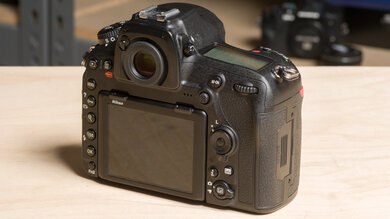
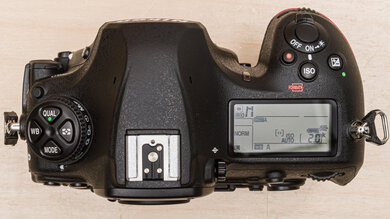
The camera's build quality is excellent. It uses durable materials like carbon fiber and magnesium alloy, and the body feels very robust overall.
It's weather-sealed to resist dust and moisture, and most of the inputs and compartments are secure, with hinged doors for most of the inputs and locking doors for the battery compartment and memory card slots. That said, some inputs, like the flash sync and 10-pin remote terminal, use flimsier rubber flaps, and there's no included hot shoe cover.
Beyond that, the grip is large and well-textured for a secure hold, while the dials, buttons, and screen mechanism all have a solid, rigid feel. All in all, it feels very well-constructed and built to last.
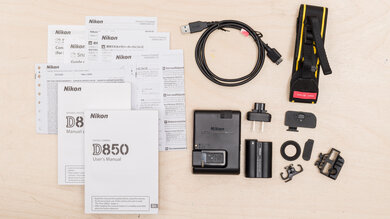
- USB-A to Micro-B USB cable
- 1x Nikon EN-EL15a Rechargeable Li-ion Battery
- MH-25a Battery Charger
- Battery charger plug adapter
- Shoulder strap
- Battery compartment cover
- Battery grip connector cover
- DK-17F Fluorine-Coated Finder Eyepiece
- Cable clips
- User manual and documentation
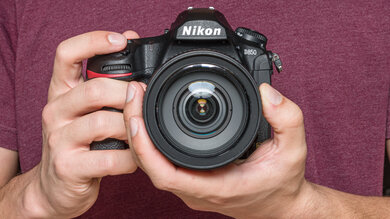
The Nikon D850 has excellent ergonomics, especially for those with moderate to larger hands. Its large, textured hand grip feels great, and despite the camera's weight, the grip feels secure thanks to a highly rubberized finish. The camera has a ton of physical controls, making it easy to adjust settings without diving into menus, though most settings require multiple inputs, i.e. holding down one button while turning a dial. The extensive controls and layout can also take some getting used to, especially for those coming from a different system. The camera's weight could also cause fatigue throughout longer shooting days.
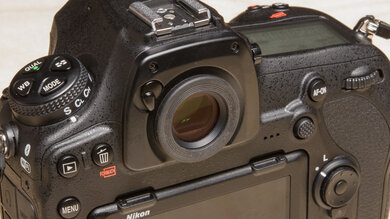
The camera's optical viewfinder (OVF) is nice and large, with full coverage and a high magnification, so you can accurately frame your shots. The eye cup around the viewfinder isn't especially soft, but the flatness of the eye piece is well-suited to those who shoot with glasses. There's also a switch that toggles a cover over the viewfinder, which is handy for preventing light leaks during long exposures.
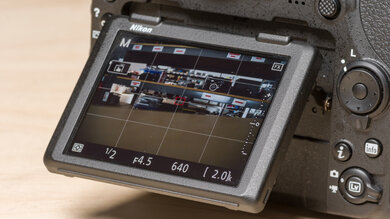
The camera has a tilting touchscreen, which is great for waist-level shooting or shooting from a tripod. It's large and gets bright enough to overcome glare, with a very high resolution so you can accurately review your images or shoot in Live View mode.
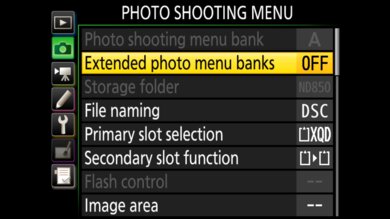
The camera has an excellent menu system. It's easy to navigate using either the touchscreen or the D-pad. It also remembers the last option you selected, so you can easily jump back in and adjust settings where you left off. Overall, the menus are well organized, with separate photo and video tabs and clear labels. However, some more advanced settings are a bit harder to find, with many different categories of settings under the 'Custom Setting Menu' tab. Some settings can also only be adjusted through physical controls, such as toggling between manual and autofocus or changing the AF mode/zone. Thankfully, you can access frequently used settings through the quick menu.
The Nikon D850 was one of the first DSLRs from Nikon to feature a backside-illuminated sensor. It's essentially the same 45 MP sensor that Nikon later adapted for the Nikon Z 7II, although the D850 uses an older EXPEED 5 processor. All in all, it's a fantastic full-frame sensor with plenty of resolution and a wide ISO range.
The camera's battery life is fantastic, with a CIPA rating of approximately 1840 photos on a full charge. These ratings aren't necessarily representative of real-world usage, so depending on how you use your camera, you're mileage will vary. However, it's rated far above any mirrorless alternative and can last you through heavy shooting days.
Its video battery life, meanwhile, is just decent, lasting for about an hour and a half of 4k video recording.
Unfortunately, the camera doesn't support USB charging. You'll have to take out the battery and use the included battery charger. It also doesn't support power delivery, since there's no USB power delivery port, but you can get around this by using a dummy battery or AC adapter if needed.
The camera doesn't have the fastest burst rate by today's standards, but it certainly isn't bad, and in the right hands, its high-speed 7 fps burst rate will be enough to capture sequential bursts of relatively fast subjects.
Because it's a DSLR, silent shooting is only available in Live View mode, with two available options: 'SL1' and 'SL2'. 'SL1' can shoot at up to about six fps, with no restrictions on quality or settings. 'SL2', meanwhile, shoots at approximately 30 fps but has several limitations; images are cropped to APS-C size, with an effective resolution of about 8.6 MP and image quality locked to 'JPEG Normal'. This is handy if you need very quick burst rates and don't mind the hit in image quality and resolution. Additionally, there's a 'Quiet Continuous' mode that can be used through the viewfinder, but it's not completely silent and only shoots at a rate of about 3-4 fps.
The buffer has a hard limit of 200 frames. However, when shooting in RAW format, you'll fill the buffer after about 65 shots when using a CFexpress card. Thankfully, the buffer is quick to empty as well. That said, if using a UHS-II SD card, the RAW buffer fills up after only 10 shots and takes about 5s to clear. So, if you're looking to do intensive burst shooting, timing is critical. For example, when shooting wildlife, using a CFexpress card is your best bet.

The camera has a great autofocus system. Similar to models like the Nikon D5, it has a dedicated processor for autofocus and uses a hybrid system with a majority of cross-type AF points. Nikon's 3D Tracking system works very well to continuously track moving subjects in continuous shooting mode, with a very high rate of usable images. While it doesn't nail focus perfectly every time, especially with more erratic movement, it's a very effective AF system overall. Note that 3D Tracking is only available when shooting through the viewfinder.

If you prefer to track subjects manually using a single center focus point, the camera is remarkably reliable. It has no trouble keeping up with subjects moving at a moderate pace, and as long as you can keep your subject under the focus point, you'll get excellent results.
The Nikon D850 doesn't have in-body image stabilization, or Vibration Reduction, as Nikon calls it, though many F mount lenses do have optical stabilization. We tested image stabilization using the AF-S Nikkor 24-120mm f/4G ED VR, which does have optical Vibration Reduction, and the camera did an impressive job of stabilizing handheld shots. Given its weight, it's a fairly stable camera, and you can get clear images at very slow shutter speeds handheld, especially with the right lens. Note that other factors, including but not limited to focal length and the steadiness of your hands, can impact stabilization performance.
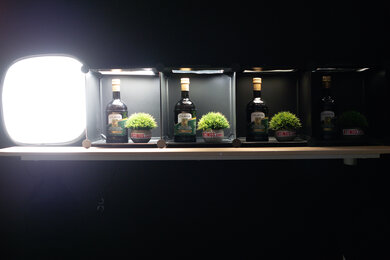
The Nikon D850 has incredible dynamic range overall. It preserves a very wide range of highlight and shadow detail in high-contrast scenes, so it's well-suited to photography in trickier lighting conditions.
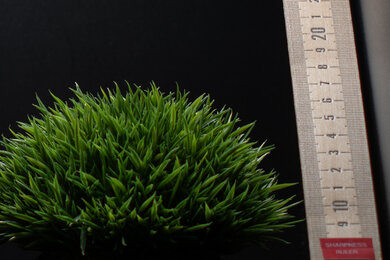
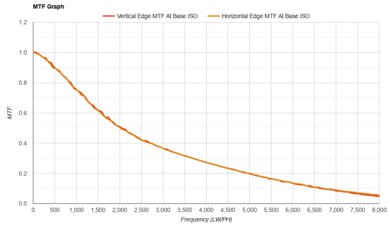
Given the camera's high-resolution sensor, it unsurprisingly does an excellent job of resolving fine detail. Photos look very sharp, and you have some room to crop in without losing too much fine detail and texture.

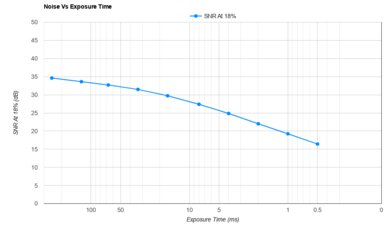
The camera's noise handling is good overall, though it doesn't do the greatest job of managing noise in very dim lighting conditions or with shorter exposures. Thankfully, due to its high-resolution sensor, the structure of noise is very fine, and the overall image remains sharp.
The Nikon D850 is, first and foremost, a photography camera, though it does support some basic video features, like 4k video recording. By current mirrorless and hybrid camera standards, however, it's quite limited. There's no Log recording option, and its external video output is limited to 8-bit.
The camera can record 4k video at up to 30 fps without a crop. That's good for most everyday video recording, but there are no higher frame rate options for slow-motion video.
The Nikon D850 has good overall internal video recording specs, though it isn't really intended for advanced video work. For one, it's limited to 8-bit 4:2:0 internal recording and imposes a 30-minute time limit. Even if you record up to the 30-minute cap, video files are saved as shorter individual clips.
While the Nikon D850's autofocus system is great for photography, it doesn't perform nearly as well in video mode. Its face-tracking feature is disappointing, with jerky transitions and a lot of hunting to find the subject. Compared to newer mirrorless models like the Nikon Z 6III, it falls short.
Unfortunately, rolling shutter effect is very noticeable in 4k, with heavily skewed lines when panning the camera.
In 1080p, the Nikon D850 can record at up to 60 fps for normal video, with an option to record slow-motion footage at 120 fps. Playback for the slow-motion option is at 30 fps, and the camera incurs a 1.5x crop. Additionally, recording is limited to three minutes when using the slow-mo setting.
As with 4k, the camera's limited to 8-bit 4:2:0 recording internally, with a 30-minute cap on recording. Compared to newer models intended for video, its bit rate options and internal recording capabilities are quite limited.
The AF isn't very reliable in video, even in 1080p. The camera struggles heavily to keep up with moving subjects, with noticeable hunting and inconsistent tracking.
There's less rolling shutter distortion in FHD, but there's still some noticeable wobbling or skewing with quicker camera movements.
The Nikon D850 doesn't support Log recording, so its dynamic range is limited. You'll have little flexibility to adjust the exposure in post, and the total range of highlight and shadow detail the camera can capture is limited.
Tested settings:
- Resolution: 4k
- Frame Rate: 30 fps
- Log Format: N/A
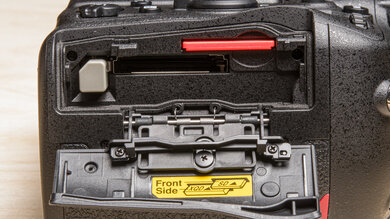
The Nikon D850 has one SD card slot, rated for UHS-II cards, and a CFexpress card slot. The memory cards are well-placed and easy to switch out on the side of the camera, under a secure locking door.
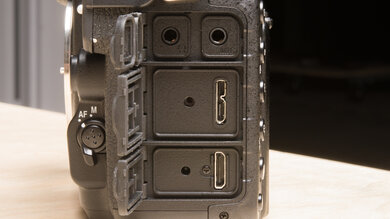
Unlike most cameras, the D850 uses a Micro-B USB port to connect it to a computer for file transfers. There's also a Mini HDMI (Type C) port to connect to an external display, as well as a headphone jack and microphone input. Additionally, there's a battery grip connector on the bottom and sync ports on the front shoulder of the camera. The camera also supports both Bluetooth and Wi-Fi for wireless connectivity.