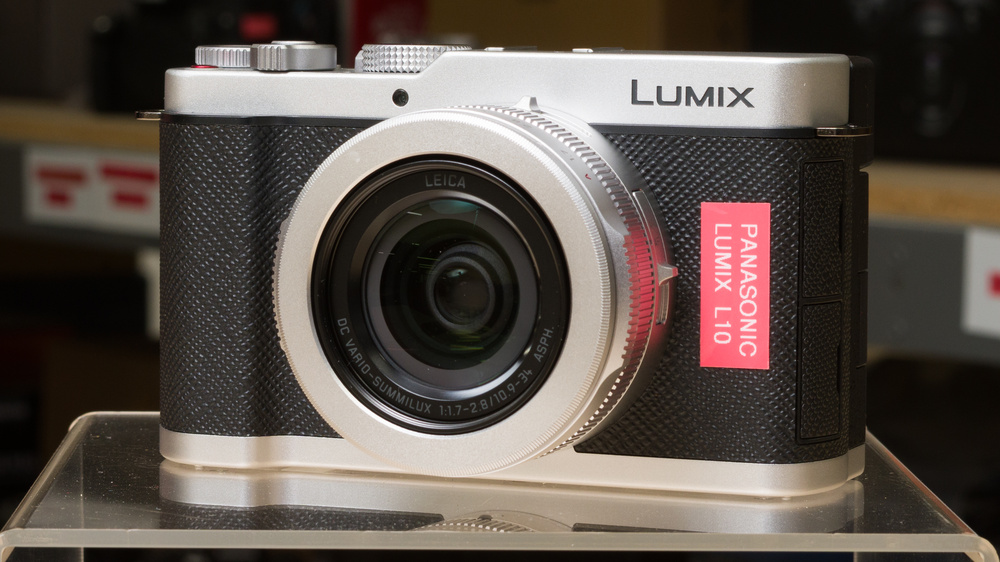
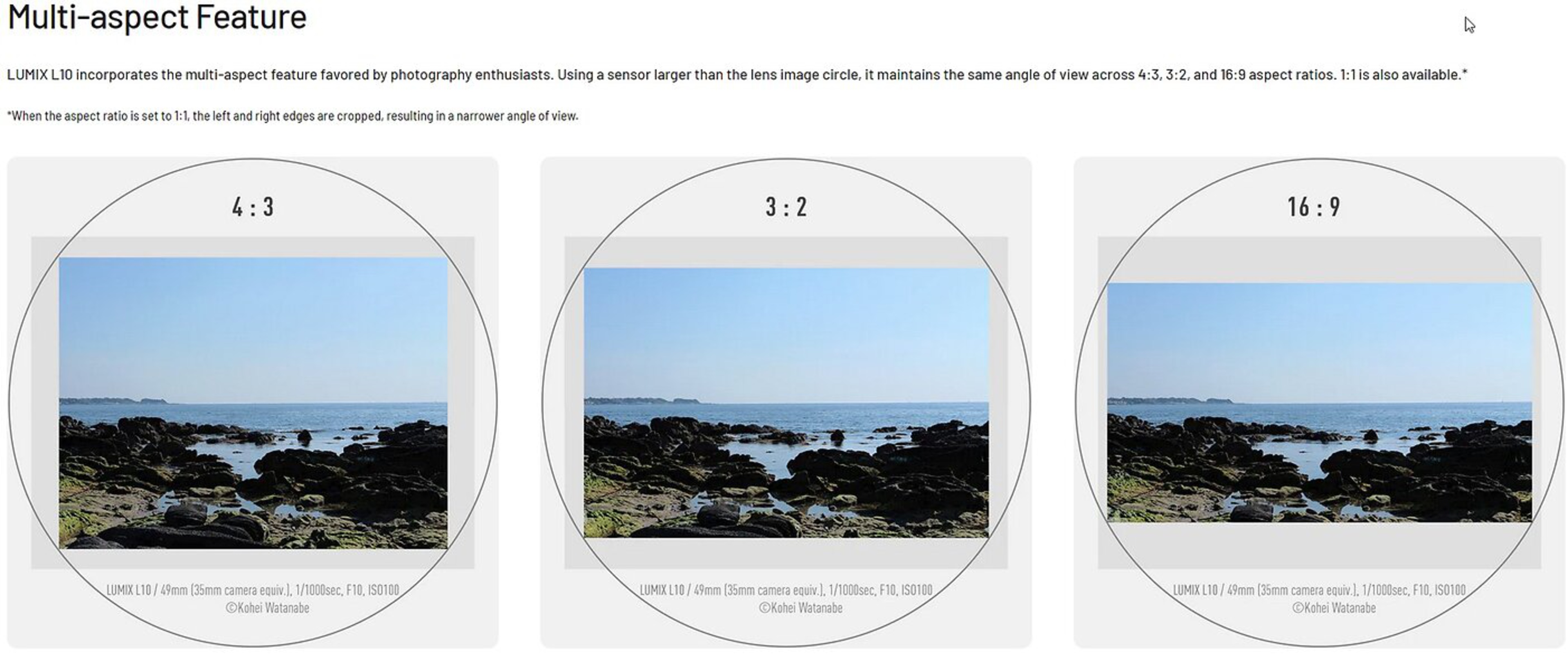
The Panasonic LUMIX L10 is a premium fixed-lens compact that Panasonic released to celebrate 25 years of its LUMIX brand. It's the spiritual successor to the Panasonic LUMIX LX100 II and keeps the same formula, pairing a Four Thirds sensor with a bright Leica 24-75mm equivalent f/1.7-2.8 zoom lens in a slightly larger package. A sliding switch on the lens barrel switches between the 4:3, 3:2, 16:9, and 1:1 aspect ratios. On most cameras, changing the ratio simply crops the frame, but the L10's sensor is larger than the lens's image circle. Each ratio uses a different area of the sensor, so 3:2 and 16:9 shots keep the same angle of view and nearly the same resolution as 4:3. An aperture ring and top mode dial also give you hands-on control. You also get an electronic viewfinder, a fully articulated touchscreen, and phase-detection autofocus with subject recognition. On the video side, it supports V-Log and uncropped 4k at up to 120 fps, while a dedicated LUT button and film-inspired color profiles help you customize your colors directly in-camera.
Our Verdict
The Panasonic LUMIX L10 is good for travel photography. Its built-in 24-75mm equivalent zoom lens covers wide street scenes and tighter portraits, and its bright f/1.7 maximum aperture helps in dim interiors. Battery life is excellent, so a single charge easily lasts through a long day of sightseeing. It also takes sharp photos with great dynamic range, and its electronic viewfinder helps you frame shots in bright sunlight. However, it's thicker and heavier than most compacts, and its shallow grip isn't the most comfortable. The body also isn't weather-sealed, so you should be cautious even in light rain or on sandy terrain.
Versatile 24-75mm equivalent f/1.7-2.8 Leica zoom lens.
Multi-aspect sensor keeps the same angle of view across aspect ratios.
Great dynamic range in photos.
Excellent battery life.
Fully articulated touchscreen.
Thicker and heavier than most compacts.
Minimal grip.
Not weather-sealed.
The Panasonic LUMIX L10 is good for landscape photography. At base ISO, its sensor holds onto detail in both a bright sky and a darker foreground, and its photos look sharp. The 24mm equivalent wide end fits sweeping views into the frame, and the multi-aspect sensor keeps that same angle of view when you switch to a 3:2 or 16:9 ratio. You can also angle the fully articulated screen to compose shots close to the ground. On the downside, the body lacks weather sealing, and you can't swap the SD card while the camera is mounted on a tripod.
Versatile 24-75mm equivalent f/1.7-2.8 Leica zoom lens.
Multi-aspect sensor keeps the same angle of view across aspect ratios.
Great dynamic range in photos.
Excellent battery life.
Minimal grip.
Not weather-sealed.
The Panasonic LUMIX L10 is good for sports and wildlife photography, but it has clear limits. Its electronic shutter shoots bursts at up to 30 fps, and its single center focus point keeps predictable subjects sharp almost every time. However, its tracking autofocus is disappointing and often loses moving subjects. The 30 fps mode also stops after 45 frames, which is only about a 1.5-second burst. It does also include pre-capture, which can be quite useful for this use case by recording up to half a second before you fully press the shutter to help capture the key moment that you might miss otherwise. The 75mm equivalent reach is too short for distant wildlife or field sports.
Fast 30 fps bursts with the electronic shutter.
Outstanding center-point autofocus in photos.
Minimal grip.
Disappointing tracking autofocus in photos.
Limited 75mm equivalent reach.
The Panasonic LUMIX L10 is decent for vlogging. Its fully articulated screen flips around so you can frame yourself, and its video autofocus reliably keeps your face sharp as you move. The 24mm-equivalent wide end works well enough for arm's-length shots, though it shows less of your surroundings than wider vlogging cameras do. There's a microphone input, but no headphone jack to monitor your audio and no recording light. It's also heavy for a compact. Its grip is minimal, and rolling shutter is noticeable when you pan quickly in 4k.
Versatile 24-75mm equivalent f/1.7-2.8 Leica zoom lens.
Excellent battery life.
Fully articulated touchscreen.
Internal 10-bit 4:2:2 recording with V-Log.
4k at up to 120 fps and 1080p at up to 240 fps with no crop.
Outstanding autofocus in video.
Thicker and heavier than most compacts.
Minimal grip.
Not weather-sealed.
No headphone jack or HDMI port.
Overheated during a long 4k recording.
Noticeable rolling shutter in 4k.
The Panasonic LUMIX L10 is excellent for studio video. It records 10-bit 4:2:2 footage internally, and its V-Log profile delivers excellent dynamic range, giving you plenty of room to grade. It can also record 4k at up to 120 fps without a crop, and its video autofocus is outstanding. You can power it over USB-C while you record. However, it's prone to overheating during extended 4k recordings, which can interrupt longer shoots. There's also no HDMI port for an external monitor or recorder, and no headphone jack. This makes it more limited for serious video work, but it still delivers excellent results for casual videographers.
Fully articulated touchscreen.
Internal 10-bit 4:2:2 recording with V-Log.
4k at up to 120 fps and 1080p at up to 240 fps with no crop.
Outstanding autofocus in video.
Minimal grip.
No headphone jack or HDMI port.
Overheated during a long 4k recording.
Noticeable rolling shutter in 4k.
The Panasonic LUMIX L10 is okay for action video. It records 4k at up to 120 fps and 1080p at up to 240 fps without a crop, which is great for slow-motion clips. However, it isn't made for POV-style shooting. The body isn't rugged or waterproof, and mounting it on a helmet or handlebars isn't practical. Rolling shutter is also pretty noticeable during fast pans.
4k at up to 120 fps and 1080p at up to 240 fps with no crop.
Noticeable rolling shutter in 4k.
Not designed for action cam mounting.
The Panasonic LUMIX L10 is good for RAW photos. Its great dynamic range lets you pull back detail from shadows and highlights when you edit, and images look sharp. However, noise handling is only okay, and grain appears quickly as you increase the ISO.
Great dynamic range in photos.
Performance Usages
Check Price
Differences Between Sizes And Variants
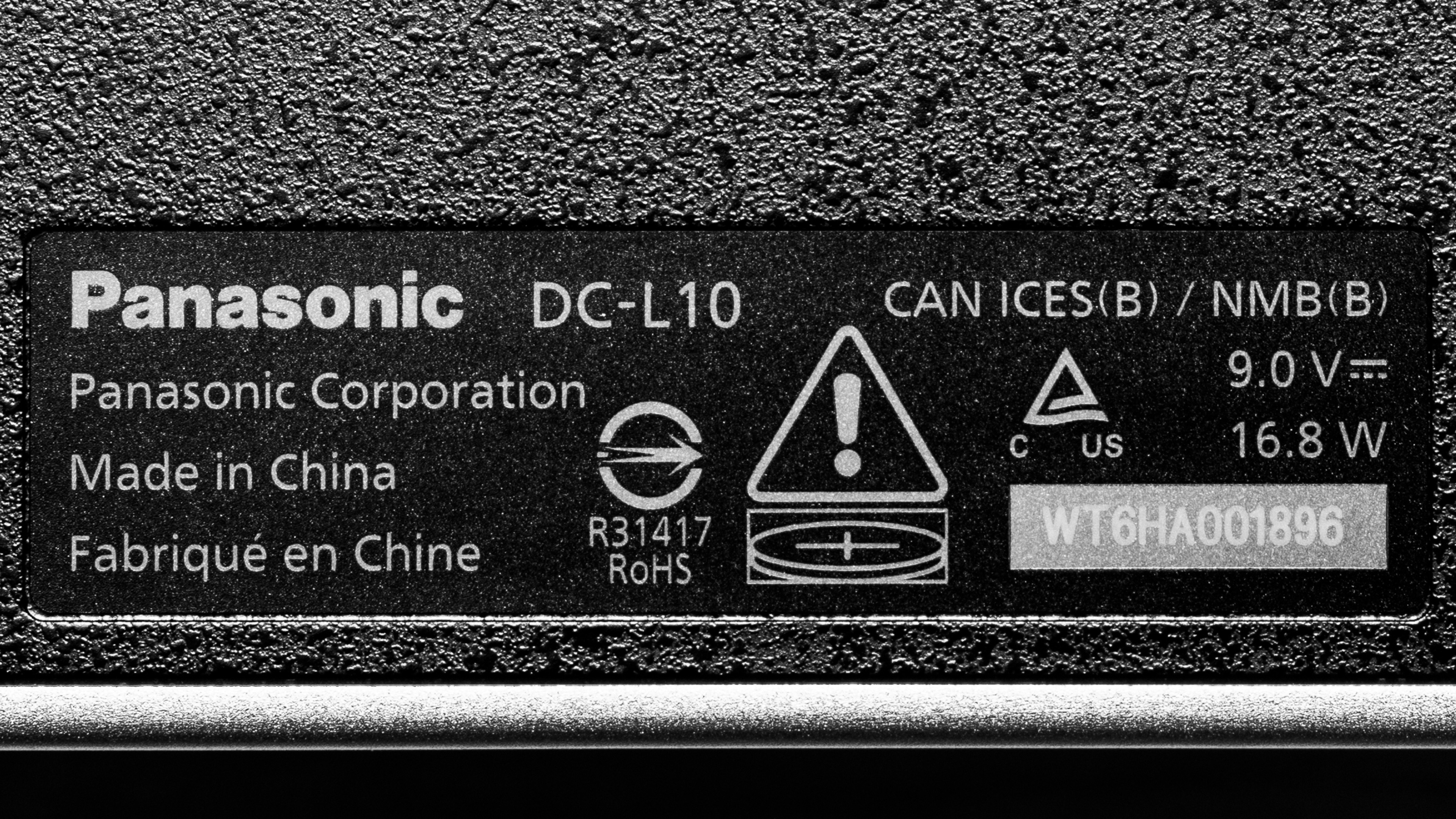
The Panasonic LUMIX L10 comes in 'Black' and 'Silver,' and we tested the 'Silver' model. Panasonic also sells a slightly more expensive 'Titanium Gold' limited edition to mark the LUMIX brand's 25th anniversary, mostly through its own online store. This version includes a titanium-colored automatic lens cap, a leather strap, a lens cloth, and a gold-themed menu, and its shutter button accepts screw-in release buttons. Here's a photo of our unit's label.
Popular Camera Comparisons
The Panasonic LUMIX L10 is a relatively unique camera. Few compacts pair a zoom lens with a sensor as large as its Four Thirds sensor. The L10 does it in a premium package, with a bright Leica 24-75mm equivalent lens. It takes great photos, with sharp detail and wide dynamic range. Its video features are just as strong, with V-Log, internal 10-bit 4:2:2 recording, outstanding video autofocus, and 4k at up to 120 fps. That said, its photo tracking autofocus is disappointing, and it lacks a headphone jack and an HDMI port for more serious videographers. It remains an extremely versatile little camera.
Most of its closest rivals give up either the zoom or the large sensor. The Fujifilm X100VI and the RICOH GR IV use larger APS-C sensors, but both have fixed lenses and focal lengths, and the GR IV can't even record 4k video. The Canon PowerShot V1 pairs a zoom with a similarly sized 1.4-inch sensor and costs much less, but its body is made of lightweight plastic, and it has no viewfinder. Overall, if you want a compact zoom camera that handles both photos and video well, the L10 is a versatile choice. Its bright zoom covers most everyday situations, its large sensor delivers great image quality, and its video features go well beyond what most compacts offer. It isn't the best fit if you shoot fast action, need a camera that slips into a pocket, or want to monitor audio with headphones. Still, few compacts cover as much ground, especially in such a stylish little package.
If you're looking for other options, be sure to check out our recommendations for the best point-and-shoot cameras, the best travel cameras, or the best digital cameras we've tested overall.
The Panasonic LUMIX S9 and the Panasonic LUMIX L10 are both compact, style-focused cameras that let you apply custom LUTs in-camera, but the S9 uses interchangeable lenses and a larger full-frame sensor. With a kit lens, it costs about the same as the L10, but is noticeably larger. For photos, the S9 resolves more detail with less noise, and its in-body stabilization works with any lens. Its tracking autofocus is also a bit more reliable. However, it has no viewfinder, no mechanical shutter, and no hot shoe, and its build quality and ergonomics are a step below the L10's. The L10 also has a bright built-in zoom, more reliable center-point autofocus, and much faster bursts. For video, the S9 offers a 6k open gate mode and captures slightly wider dynamic range in Log. However, it only records 4k at up to 60 fps with a crop, while the L10 records 4k at up to 120 fps without a crop and shows much less rolling shutter.
The Panasonic LUMIX L10 and the Fujifilm X100VI are both premium compacts, but they suit different photographers. The Fujifilm's APS-C sensor resolves much more detail and captures a slightly wider dynamic range. It also has in-body stabilization, a hybrid optical and electronic viewfinder, and a micro HDMI port. However, its lens is fixed at a 35mm equivalent focal length, while the Panasonic's zoom covers 24-75mm, which will be much more versatile. The Panasonic also handles noise better, has a fully articulated screen instead of a tilting one, and lasts much longer on a charge. In video, its autofocus is more reliable, and it's less prone to overheating.
The Canon PowerShot V1 and the Panasonic LUMIX L10 both pair a zoom lens with a large sensor, but they lean in different directions. The Canon costs much less and suits vlogging better, while the Panasonic offers a more premium, photo-focused experience. For photos, the Panasonic feels more upscale, with a magnesium alloy front case and hands-on controls like an aperture ring and an aspect ratio selector. It also has an electronic viewfinder, a brighter lens with more reach, more reliable center-point autofocus, and longer battery life. The Canon is smaller, lighter, and more comfortable to hold, and its sensor captures a bit more dynamic range with less noise to deliver great pictures in its own right. For video, the Canon's 16mm equivalent wide end, headphone jack, micro HDMI port, and built-in cooling fan make it the more practical vlogging camera. However, the Panasonic records 4k at up to 120 fps without a crop, shows less rolling shutter, and captures wider dynamic range in V-Log.
Test Results
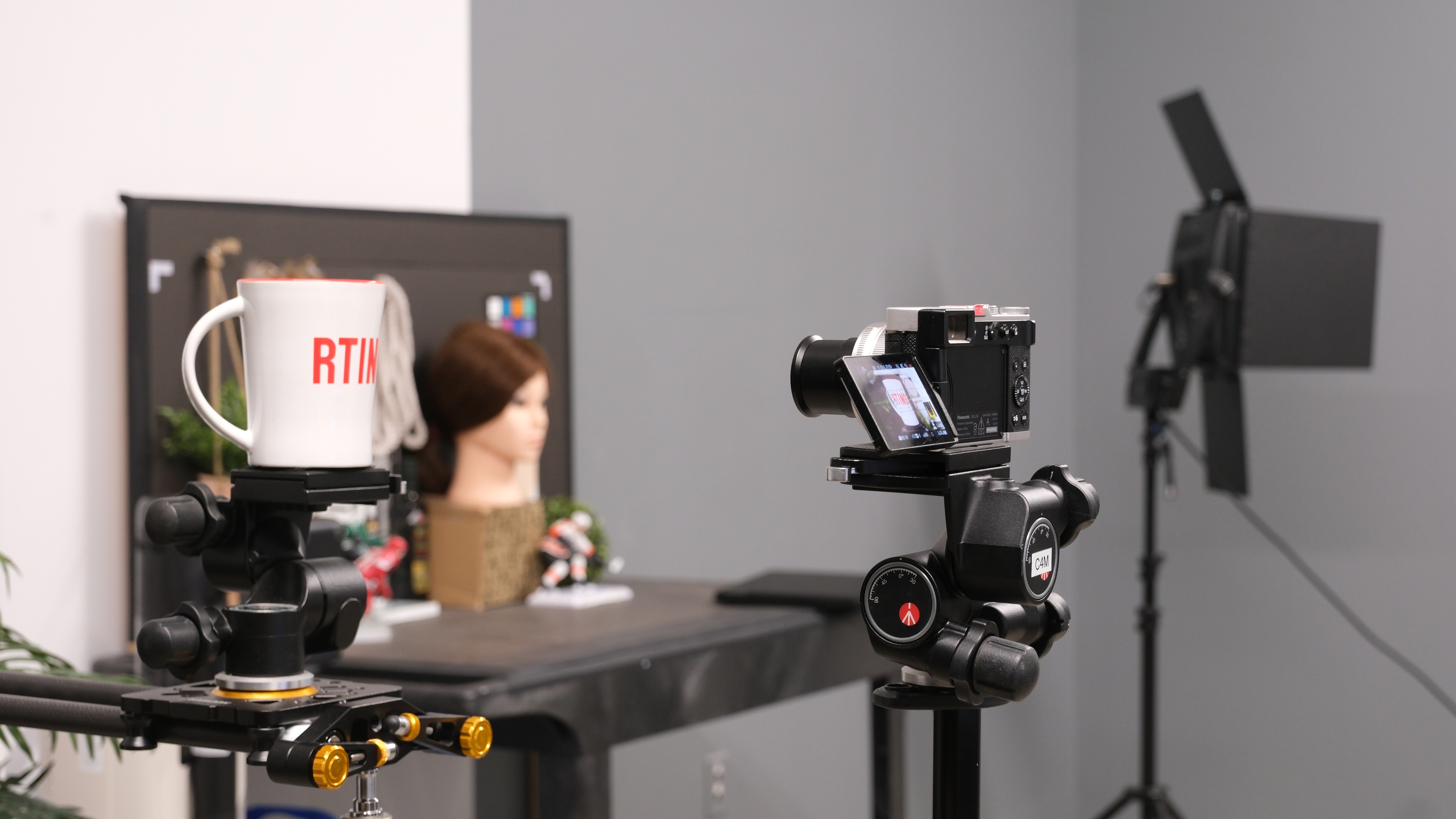
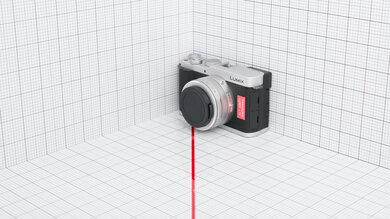
The Panasonic LUMIX L10 has okay portability. It's compact next to an interchangeable-lens camera with a similar zoom, and it fits easily in a small bag. However, it's thicker and heavier than most compacts, so it doesn't fit in a pocket. The lens also extends when you turn the camera on, and it sticks out further as you zoom in. Here it is at max zoom. If you want something truly pocketable, the RICOH GR IV is a better fit.
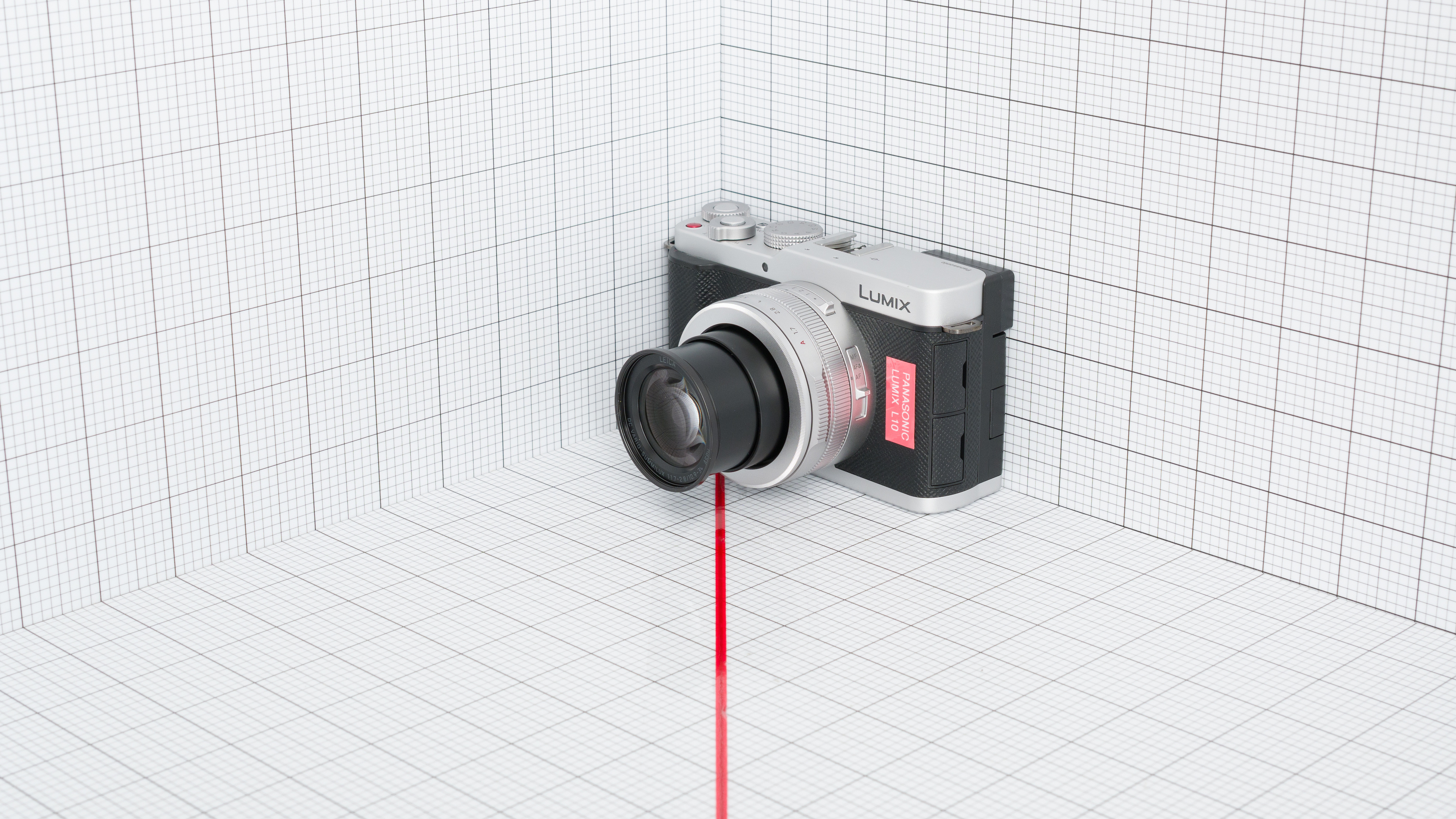
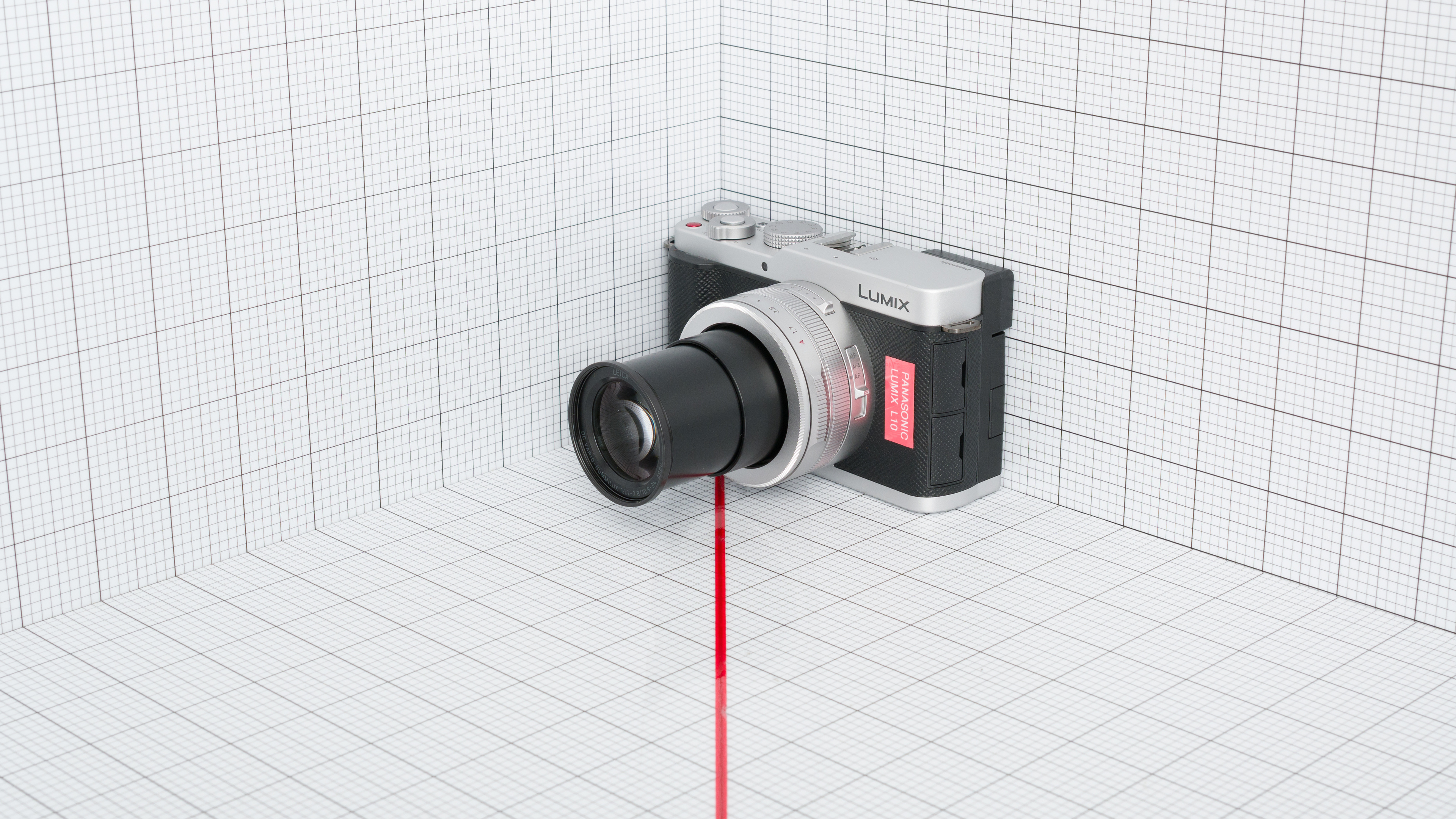
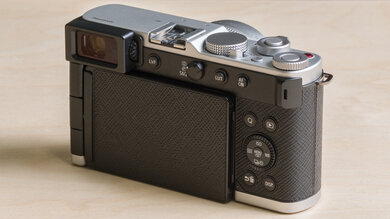
The Panasonic LUMIX L10 has decent build quality. Its body combines plastic with a magnesium alloy front case, and both its fixed and moving parts feel well assembled. The buttons are clicky with good tactile feedback, and the top dial is easy to use. However, the control ring around the lens and the zoom lever around the shutter button are both very sensitive. The back dial is also easy to press by accident whenever you try to turn it. The battery and SD card sit behind two separate spring-loaded locking doors on the bottom, and rubber flaps cover the ports. The camera isn't weather-sealed.
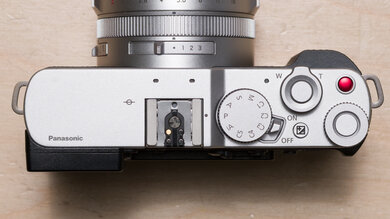
The Panasonic LUMIX L10 has a mode dial on its top plate, plus a dedicated switch to move between photo, video, and Slow & Quick (S&Q) modes. The aperture ring on the lens sets the aperture, while the rear dial adjusts shutter speed by default. The top dial changes function based on the shooting mode and also scrolls through menus. The control ring around the lens handles zoom by default, but you can set it to step zoom, exposure compensation, ISO, white balance, and several other settings. A switch on the lens barrel adjusts the aspect ratio, and a dedicated LUT button on the back gives you quick access to your custom color profiles.
On top, there's a hot shoe for flashes, microphones, and other accessories, and Panasonic includes a cover for it. There's no recording light. Shutter speeds reach 1/2,000s with the mechanical shutter and 1/32,000s with the electronic one.
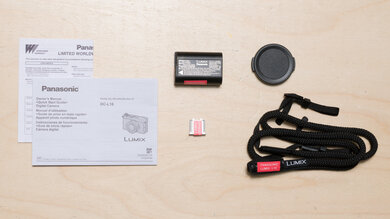
- Panasonic LUMIX L10 camera
- Panasonic DMW-BLK22 battery
- Lens cap
- Hot shoe cover
- Shoulder strap
- Quick start guide

The Panasonic LUMIX L10 has mediocre ergonomics. Its grip is minimal, and there's little clearance between it and the lens, so it suits only small and medium hands. A rubbery texture covers the body, and the small thumb rest leaves just enough room on the back of the camera to hold it without pressing buttons by accident. The grip is fine for carrying the camera around.
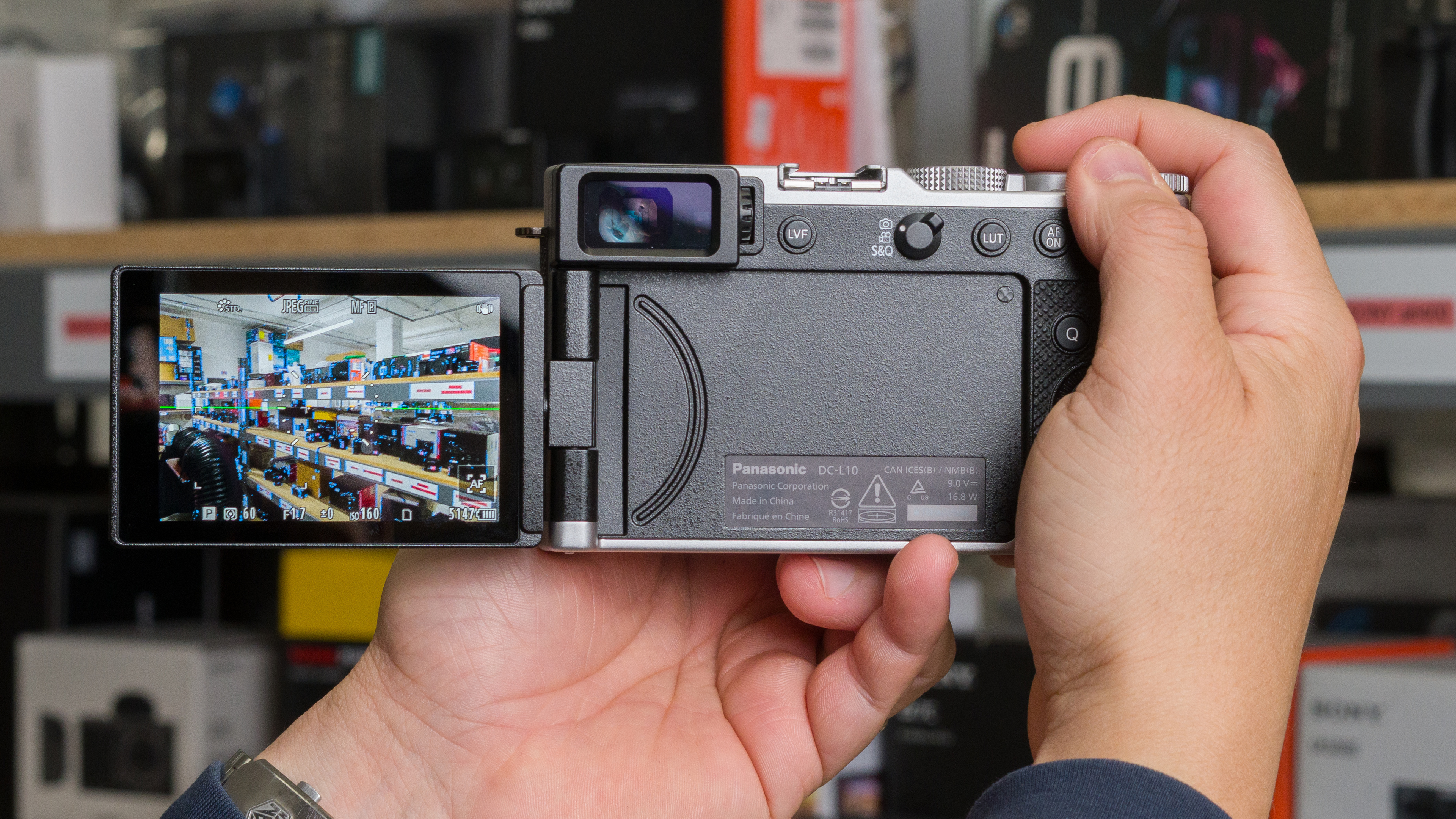
Your thumb can reach every button, and changing the aperture and shutter speed is easy. However, ISO has no dedicated control, so you have to press the rear directional pad and then turn a dial. The rear dial also presses in easily when you try to turn it, which activates the directional pad by mistake. The shutter button has a good half-press, but its full press is very sensitive, so it's easy to take a photo when you don't mean to. Finally, the SD card sits right next to the tripod mount, so you can't swap it while the camera is on a tripod.
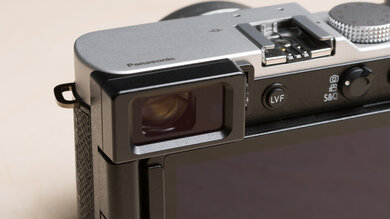
The Panasonic LUMIX L10 has an OLED electronic viewfinder that's quite usable, even if it can be a bit uncomfortable. It's handy for framing shots in bright sunlight, when the screen is harder to see.
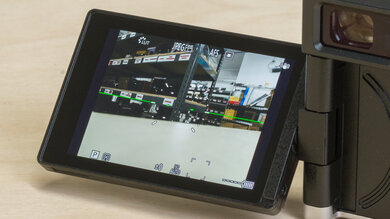
The Panasonic LUMIX L10's fully articulated screen is outstanding. It swings out to face you when you vlog, tilts for overhead and waist-level shots, and folds against the body to protect the display. It looks sharp, and it gets very bright to stay easy to see outdoors. As a touchscreen, it lets you pick your focus point, take photos, and navigate menus.
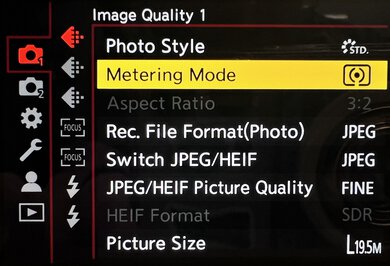
The Panasonic LUMIX L10 has an excellent menu system. Both the full menu and the Quick menu are easy to navigate with the touchscreen or the physical controls, and the options are clearly labeled and well laid out. A guide mode explains the more complex settings, and you can build a personal menu with the settings you use most. The menu also remembers your last position in each tab, so you can quickly return to a setting you change often.
When you set the video resolution and frame rate, a filter lets you narrow the long list of combinations by frame rate, resolution, variable frame rate, or codec. However, that filter also applies to the Quick menu, so you have to go back into the full menu to clear it. The default Quick menu also focuses on image settings like highlights, shadows, contrast, and saturation, but you can customize it with the settings you need. The camera works with the LUMIX Lab app, which lets you transfer photos to your phone, edit RAW files, and create or import LUTs.
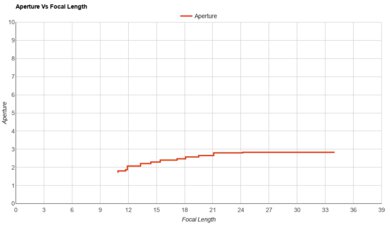

The Panasonic LUMIX L10's built-in Leica DC Vario-Summilux lens is very good. Its 24-75mm equivalent focal length range covers wide landscapes, everyday scenes, and portraits. The f/1.7 maximum aperture at the wide end is bright, and it narrows gradually to f/2.8 by about the middle of the zoom range. The lens also has optical image stabilization. Vignetting is minimal, with corners that stay almost as bright as the middle of the frame. It can focus as close as 3cm at the wide end, which is handy for close-up shots.
The Panasonic LUMIX L10 uses a 20.4-megapixel Four Thirds BSI CMOS sensor with a multi-aspect design. The sensor is larger than the lens's image circle, so it keeps the same angle of view in 4:3, 3:2, and 16:9. Only the 1:1 ratio crops the sides.
Panasonic has also included its Dynamic Range Boost feature to help preserve detail in shadows. It reads each pixel through both a low-ISO circuit, which protects highlights, and a high-ISO circuit, which keeps shadows clean. The camera then blends the two signals based on the amount of light each pixel receives.
The Panasonic LUMIX L10 has excellent battery life. It uses Panasonic's DMW-BLK22 battery, the same one as the Panasonic LUMIX GH7. Panasonic rates it for 420 shots per charge with the screen, or 410 with the viewfinder. CIPA ratings come from a standardized test, so your own results will vary with your settings and habits.
For video, it recorded 4k for well over two hours on a single charge in our test, which is an outstanding result.
The Panasonic LUMIX L10 has very good shooting speeds. Its electronic shutter reaches 30 fps in the 'SH30' mode, which is fast enough to catch most action. However, all three 'SH' modes only shoot short bursts, and 'SH30' stops after 45 frames. For continuous shooting, the 'H' mode reaches 11 fps with either the mechanical or the electronic shutter, or 9 fps if you want to use continuous autofocus. In RAW, the buffer holds 64 photos before the camera slows down, and it empties in about seven seconds. The JPEG buffer is deeper, at 166 photos, and the SD card slot supports faster UHS-II cards, which we used for these tests.

Photo tracking autofocus is disappointing. The camera recognizes people, animals, and vehicles, but it often loses moving subjects, and only about a third of our test shots came out perfectly sharp. Still, about seven in ten shots were usable, which makes it workable for slower subjects or ones that move predictably.

Using a single focus point gives you outstanding results with a much more reliable output. Nearly all of our test shots came out perfectly sharp, and none were unusable. If your subject follows a predictable path, like a runner heading straight toward you, this mode is far more dependable than tracking.
The Panasonic LUMIX L10 has great image stabilization. It doesn't have in-body stabilization, but the optical stabilization in its lens lets you take sharp handheld photos at shutter speeds as slow as 1/8s. Your results depend on your technique and focal length, so you'll get the most out of it at the wide end.

The Panasonic LUMIX L10 has great dynamic range. At base ISO, it keeps detail in both the bright and dark parts of a high-contrast scene, like a sunset over a city skyline. Results stay strong at 1/500s, but they drop noticeably at faster shutter speeds, so you have less room to recover detail when you freeze fast action.

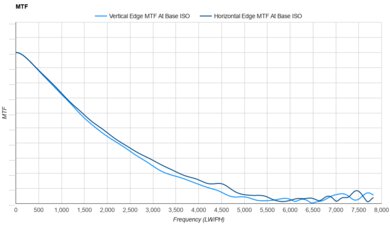
The Panasonic LUMIX L10 takes great, sharp photos. Fine details look crisp across the frame. That said, its 20.4-megapixel resolution leaves you less room to crop than higher-resolution compacts like the Fujifilm X100VI.

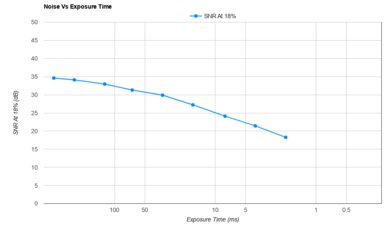
The Panasonic LUMIX L10 has okay noise handling. Grain stays low with longer exposures, but it becomes noticeable quickly at faster shutter speeds, like when you freeze motion indoors.
The Panasonic LUMIX L10 has a strong set of video features for a compact camera. It records 4k and 1080p video, plus 5.6k video in a 17:9 aspect ratio. For grading, you get V-Log and HLG, and Panasonic's 'REAL TIME LUT' feature lets you preview or bake in custom color profiles as you record. You can stack up to two LUTs at once and reach them quickly with the dedicated LUT button. A waveform monitor also helps you judge exposure as you shoot.
However, there's no HDMI port, so you can't connect an external monitor or recorder, and there's no recording light. The camera records stereo audio and shows your microphone levels on the screen. It also offers an 'MP4 (Lite)' format for smaller files that are quicker to share.
The Panasonic LUMIX L10 records in both the MOV and MP4 containers, with a choice of H.264 or H.265 compression in each. It captures 10-bit 4:2:2 footage internally, and All-I compression is available for higher-quality files that are easier to edit.
4k frame rates are outstanding. The Panasonic LUMIX L10 records 4k at up to 120 fps using the full width of the sensor, so you can capture smooth slow-motion footage without losing the lens's wide-angle.
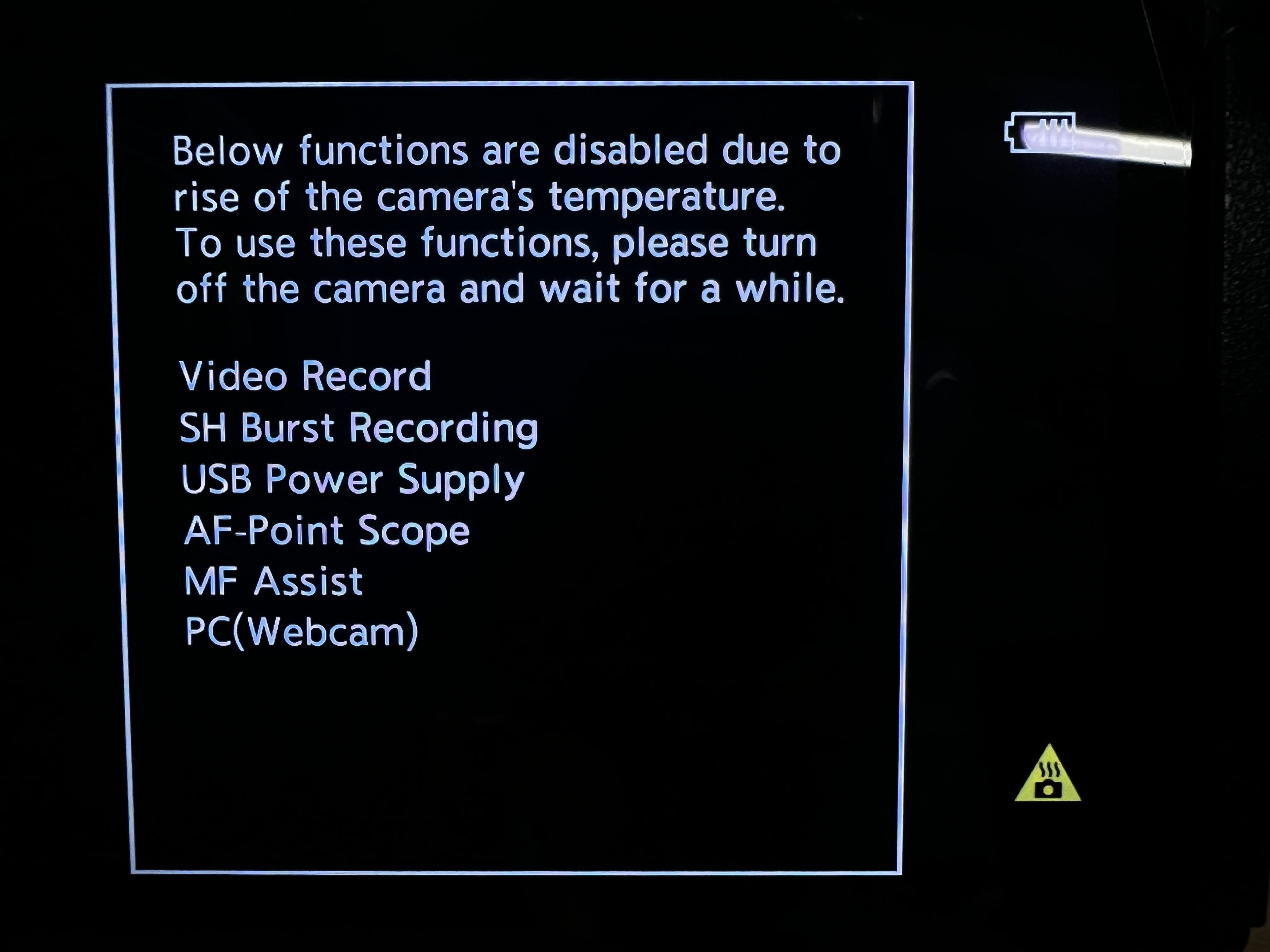
The Panasonic LUMIX L10 has excellent 4k internal recording. It captures 10-bit 4:2:2 footage at high bit rates, which holds up well to heavy color grading. There's no maximum recording cap, but file limits still apply. With an SDXC card, clips are limited to just over three hours or 192GB, while an SDHC card limits them to 30 minutes or 4GB. When the limit is reached, a new file is created to continue the recording, which makes these limits much less troublesome. However, the camera overheated three times during our long 4k recording test. Each time, it stopped recording and displayed a warning without shutting down, so we turned it off for five minutes before continuing. It's better suited for shorter high-quality clips rather than very long takes.
Video autofocus is outstanding in 4k. The Panasonic LUMIX L10 keeps moving objects in focus almost perfectly, and its face and eye detection stay locked on people as they walk toward and away from the camera.
Rolling shutter is mediocre in 4k. Vertical lines lean visibly when you pan quickly or film fast-moving subjects, which is especially noticeable in quick-moving handheld footage. It's still noticeably better than compacts with slower sensor readouts, like the Canon PowerShot V1 and the Fujifilm X100VI.
The 1080p rolling shutter effect is okay. It's only slightly better than in 4k, so vertical lines still lean when you whip the camera around or film fast-moving subjects.
Video dynamic range is excellent. In V-Log, the Panasonic LUMIX L10 captures a lot of detail with very little noise, resulting in a very wide dynamic range, even with a strict noise threshold. That gives you plenty of room to recover bright skies and dark shadows when you grade.
Tested settings:
- Resolution: 4k
- Video Format: MOV, All-I, 10-bit, 4:2:2, 400 Mbps
- Frame Rate: 30 fps
- Log Format: V-Log
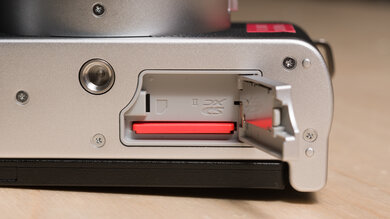
The Panasonic LUMIX L10 has a single SD card slot that supports faster UHS-II cards. It sits on the bottom of the camera behind its own locking door, separate from the battery.
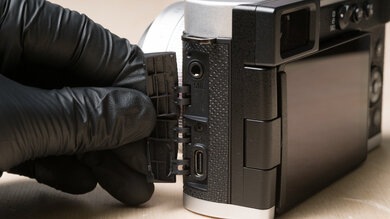
The Panasonic LUMIX L10's inputs and outputs are okay. Rubber flaps cover a USB-C port and a 3.5mm microphone input. The USB-C port charges the battery, powers the camera, and supports fast 10Gbps transfers. However, there's no headphone jack to monitor your audio, and there's no HDMI port.