Choosing a mattress that's 'just right' can be a frustrating and expensive experience. The best option for you depends on your sleeping habits, individual preferences, and your sleeping position and body. While many aspects of mattress selection are subjective, that doesn't mean you can't narrow your search based on objective, measurable criteria. Whether you plan to buy your next mattress online or prefer to take one for a test drive in person first, you can use our reviews to find one that suits you, based on its performance and the characteristics of its components.
Keep reading for our overview of how to choose the right mattress for your needs.
Price, Size, And Other First Steps
 |
 |
 |
You'll probably have a price range in mind when you begin your search. While you can spend a small fortune on a mattress, there's a wide range available. The cheapest mattresses are often all-foam bed-in-a-box options or innerspring mattresses with simpler designs, while many higher-end mattresses have a hybrid design. Just remember that more expensive doesn't always mean better quality!
We review Queen-sized mattresses, and mattresses may perform differently in different sizes. Our reviews are most useful if you're looking for a Queen mattress, but if you're undecided, you can check out our mattress size guide.
Decide On Subjective Attributes: How Do You Want Your Mattress To Feel?
 |
 |
Once you have a price range in mind, you can consider how you want your mattress to feel. There isn't a singular 'best' mattress since one person's peaceful sleep can be someone else's nightmare. That's why some of our mattress tests are not assigned a score from 1 to 10. These include firmness, bounciness, sinking, and contouring.
We assign a level instead of a score because the best result depends on your specific needs and preferences. You can narrow down your search by deciding which subjective aspects you want.
Select A Firmness Level Based On Your Body Type And Sleeping Position
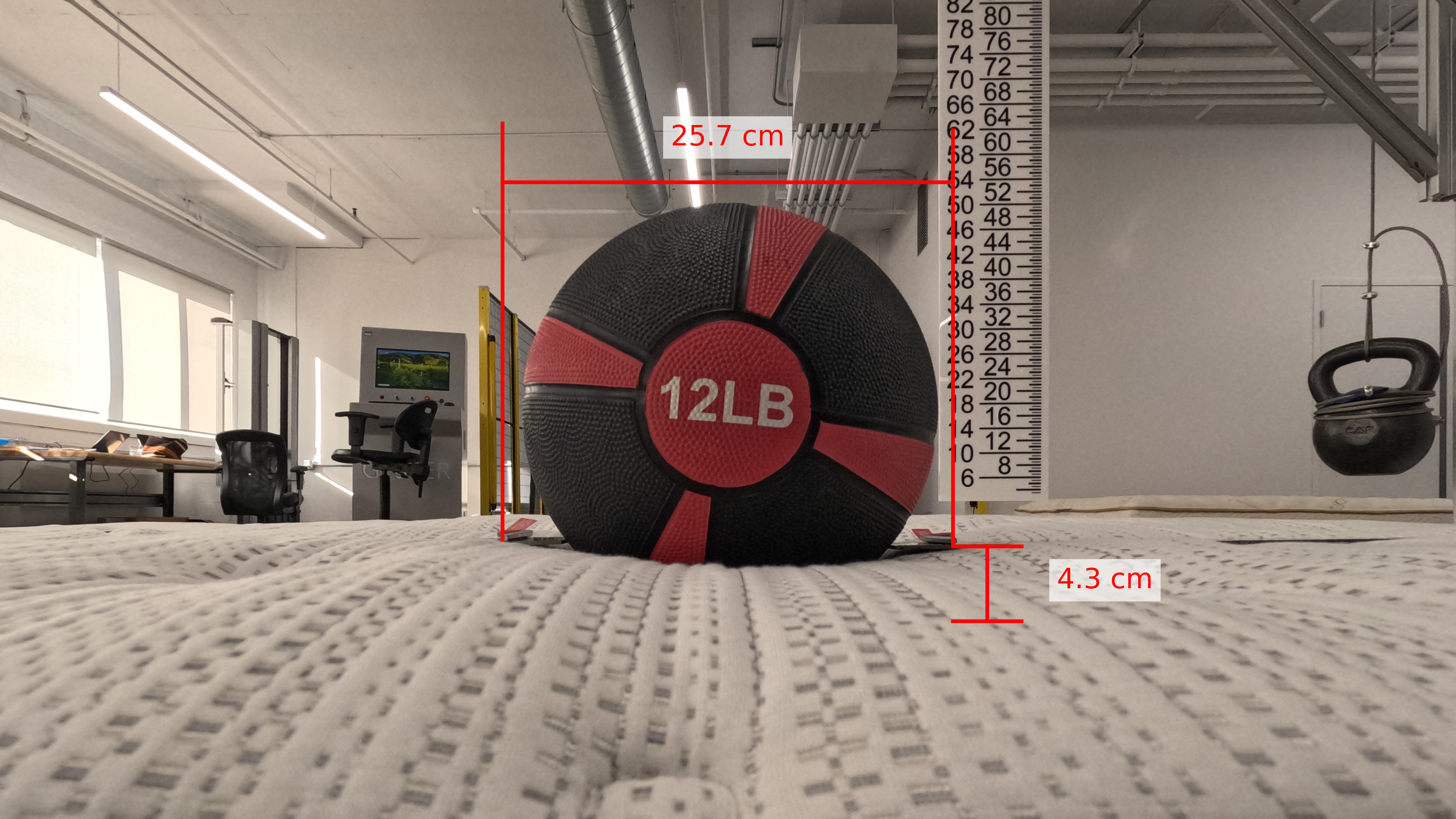
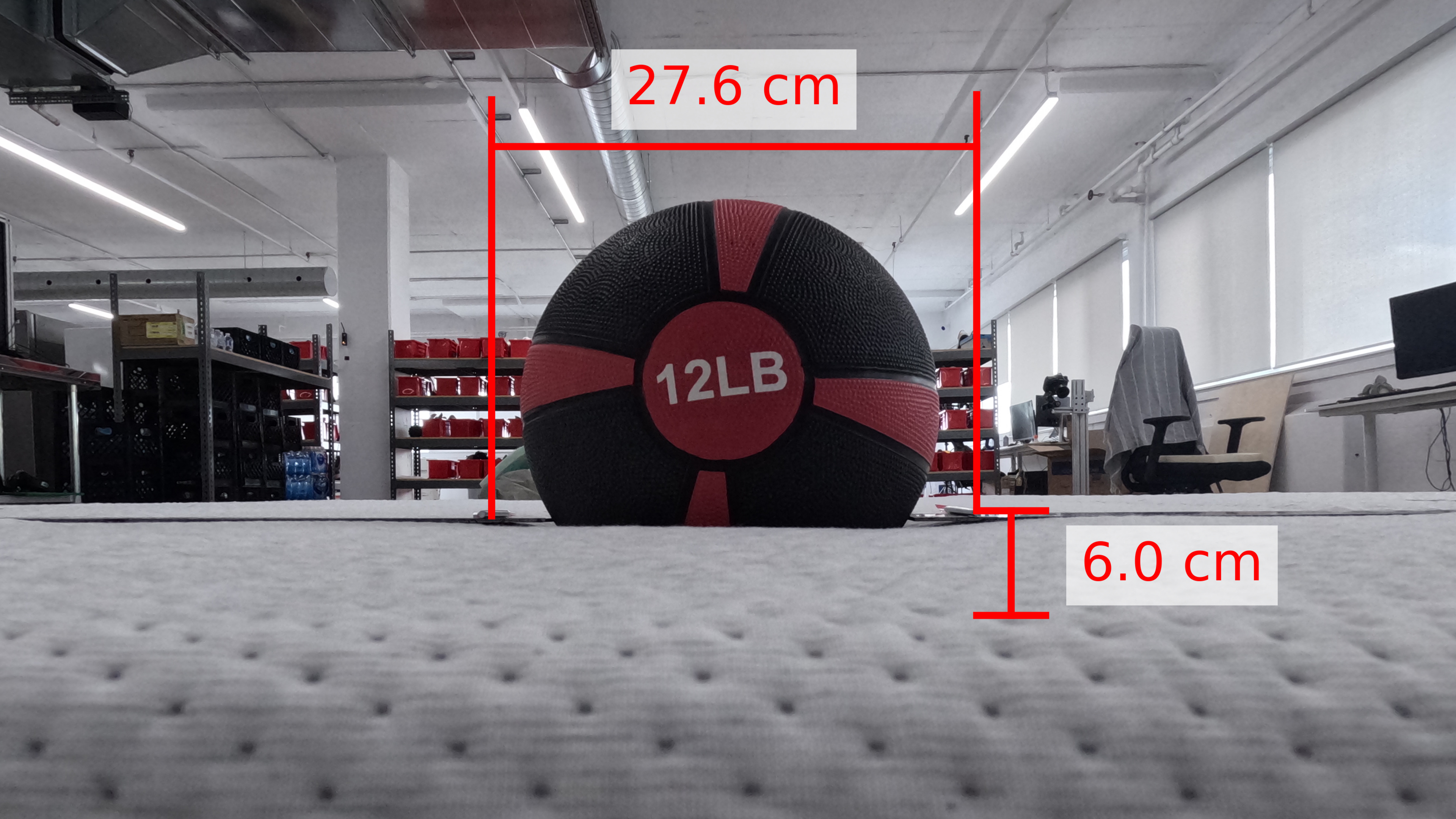
While we don't score firmness, we assign each mattress a firmness level based on the average amount of pressure needed to compress the mattress by one millimeter (Pa/mm). Most people prefer a medium feel, but it depends on your sleeping position, body size, and personal preferences.
Which firmness of mattress you prefer is an individual choice, but how you perceive a specific mattress's firmness depends on your sleeping position and body. Heavier people will perceive mattresses as softer, so if you want something medium-firm, you might want a mattress with a "Firm" rating. Similarly, lighter people perceive mattresses as firmer, so a lighter person seeking a medium feel might seek out a "Medium-Plush" rating.
| Sleeping Positions and Firmness | ||
| Back sleepers | Stomach sleepers | Side sleepers |
| Back sleepers will want a mattress firm enough to keep their lumbar area in line with the rest of their body. | It's particularly important for stomach sleepers to have a firm enough mattress that their spine stays aligned. | Since a lot of weight is concentrated on your shoulder when you sleep on your side, you'll want a mattress that can sink in and relieve that pressure. If you sleep on your side, consider avoiding a very firm mattress. |
Do you want a bouncy mattress?
Bounciness can be good or bad, depending on your personal preferences. Bouncy mattresses are easier to move around on, but if you like the feel of memory foam, you might prefer a more static mattress. Traditional innerspring mattresses have a bouncier feel, while most memory foam mattresses have a 'deader' feel.
Do you want to sleep 'on' or 'in' your mattress?
Our sinking and contouring results can give you an idea of how a mattress feels beyond its firmness. Do you sink deeply into it and feel enveloped, or does it barely contour your body, eliminating any hugging feeling? If you like to sink into your mattress without feeling hugged, you might prefer high sinking and lower contouring, and if you prefer a hugging feel, you might want a memory foam mattress, which forms itself around your body. If you feel constricted by memory-foam-like materials, you may want to look for a mattress with minimal sinking and minimal contouring.
While we don't assign a score for subjective attributes, each mattress is assigned a 'Level' for firmness, bounciness, sinking, and contouring. This can be used like a score to find a mattress with the right feel for you, and to compare mattresses.
Find A Mattress With A Good Performance (Scored Tests)
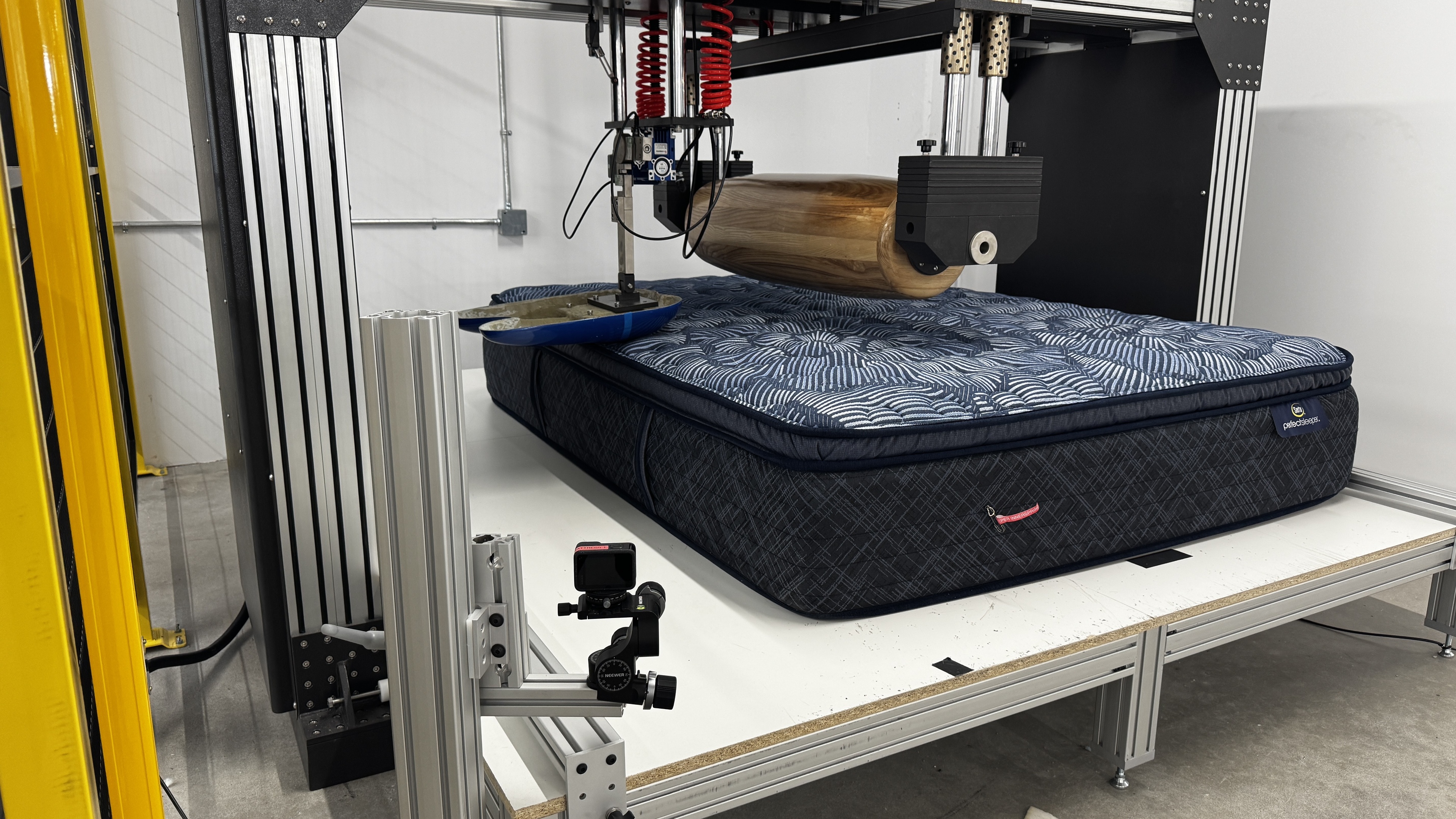 |
Once you have an idea of what subjective attributes you're looking for, our performance testing can help you understand the real-world differences between models. We assign scores for responsiveness, motion isolation, and cooling, since most people prefer a mattress that performs well in those aspects.
Higher motion isolation is better for most, since it means you won't feel your partner moving. Similarly, generally, most people want better cooling, or in other words, a mattress that doesn't hold onto a lot of heat as you sleep. Better edge support means you can sit on the side of the bed without slipping off, and maybe more importantly, it means you won't feel at risk of rolling off when you're sleeping on the edge. Responsiveness is about how quickly a mattress recovers from being compressed, and high responsiveness avoids a 'stuck-in' feeling. However, memory foam responds slowly, and you might like it, especially if you don't switch positions much as you sleep.
Edge Support
A mattress with good edge support is easier to climb in and out of, since its sides don't compress much when pressure is applied. This is a particular concern for people with mobility issues. Poor edge support can make you feel like you're about to slide off the mattress, and can reduce the available sleeping surface, so it's also a concern if you sleep with a partner or if you often find yourself sleeping on the edge of the mattress.
|
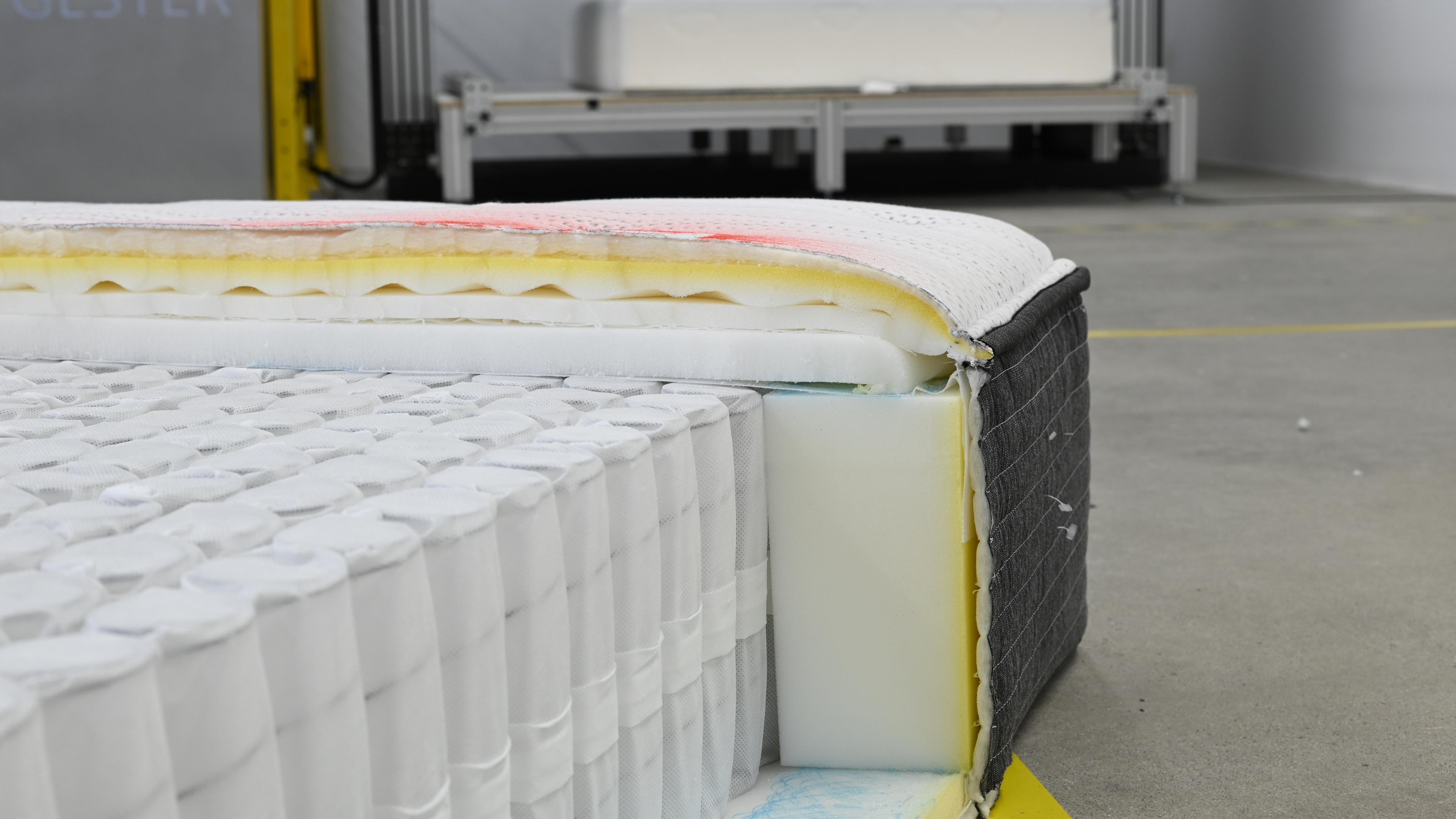
The Beautyrest Silver BRS900 has fantastic edge support (Score: 9.8). Its sides are reinforced with firm polyfoam and are not easy to compress, making it a good option for people with mobility issues, or just people who often end up sleeping near the side of the mattress. |
 |
|
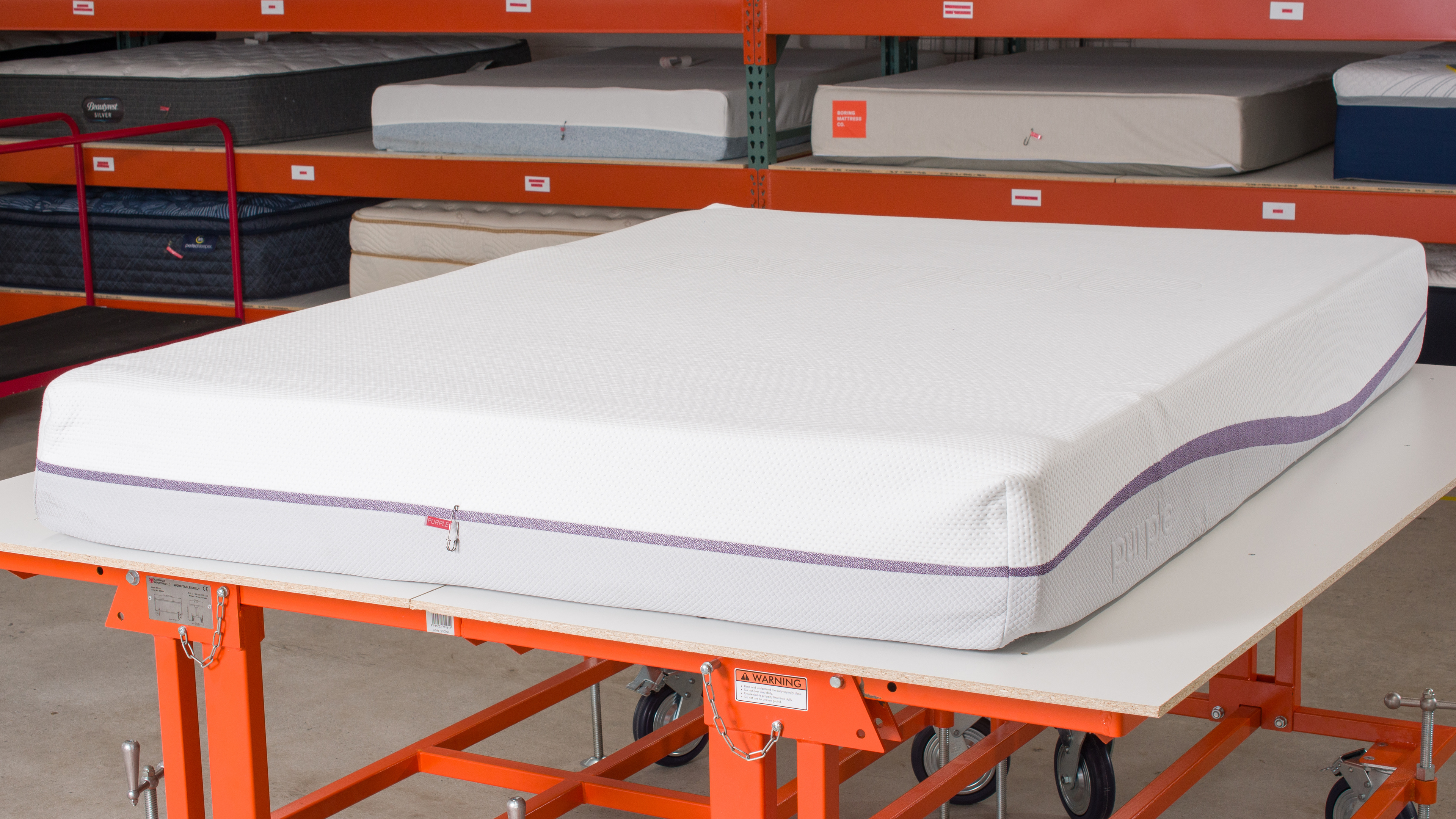
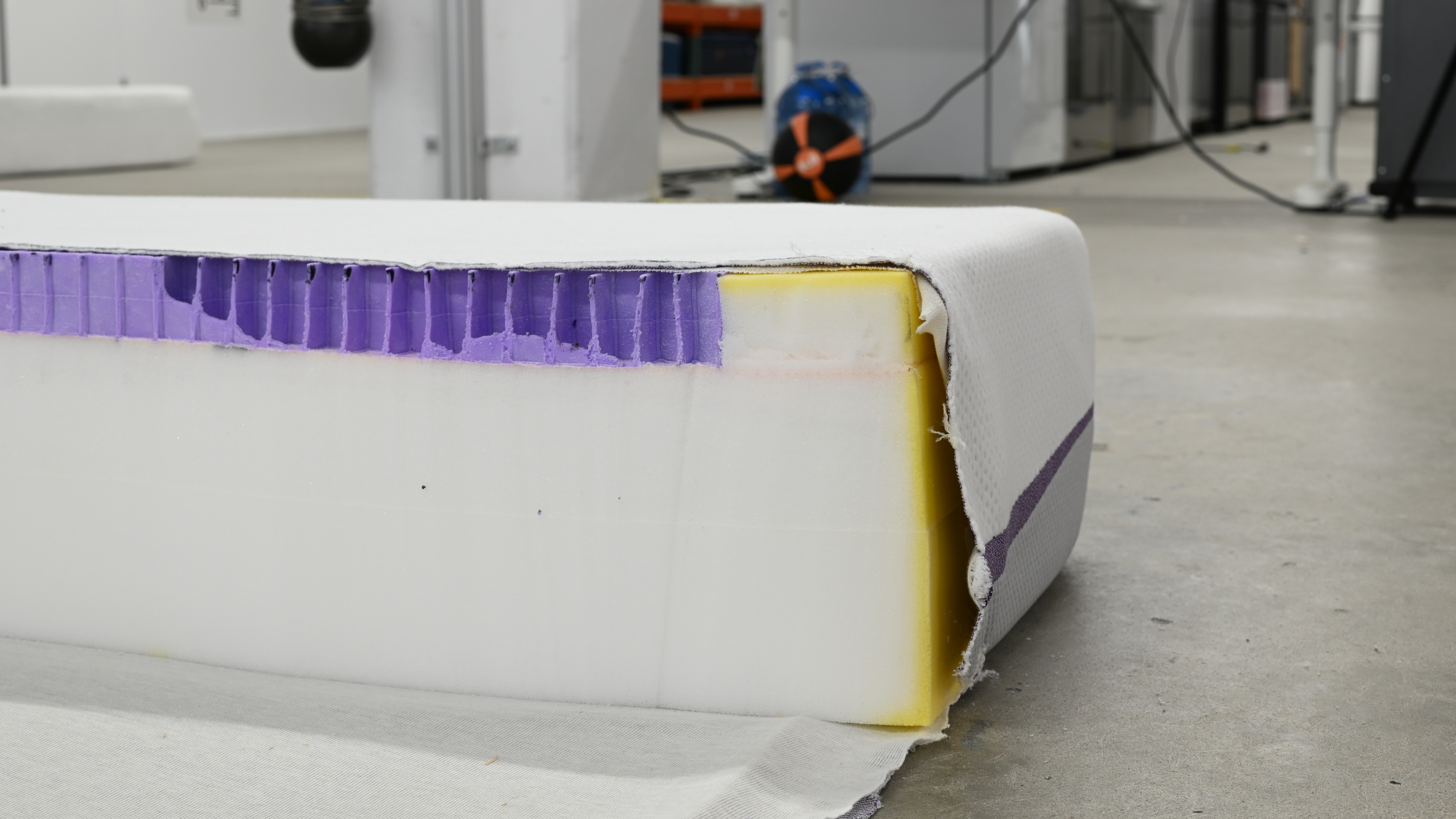
The Purple Mattress has decent edge support. It has polyfoam built into the edges for reinforcement, but you can still feel at risk of slipping off the mattress when sleeping or sitting near the side. |
 |
Motion Isolation
The motion isolation score is made up of two parts: motion isolation and motion dissipation. Motion isolation is about how much motion is transferred across the mattress from wherever the motion originates. Motion dissipation is a measurement of how long the movement lasts. If motion dissipates slowly, you may feel like the mattress is wobbly or jiggly.
Motion isolation is most important if you sleep with a partner, especially if you're a light sleeper. It's also worth considering if you have a pet that sometimes hops into bed with you.
|
The Saatva Classic's motion isolation is just decent (Score: 7.3). You'll feel most movements, and might feel like the mattress wobbles around with bigger movements. |
|
The Casper Snow has excellent motion isolation (Score: 8.5). You'll mostly feel bigger movements, and only briefly and near the source. This makes it a good choice for light sleepers who sleep with a partner. |
Responsiveness
Responsiveness has to do with how quickly a mattress regains its shape after being compressed. High responsiveness makes moving around in your sleep easier and prevents the feeling of being stuck or constricted. Most people prefer a responsive mattress, but some also like the slow-moving feel of memory foam. If you want a mattress that makes moving around feel effortless, you may want a mattress with high responsiveness and high bounciness, since bounciness also affects how easy it is to roll over in your sleep.
|
The Tempur-Pedic TEMPUR-Adapt has very low responsiveness (Score: 3.5). You can see it slowly regain its shape after being compressed. This creates a hugging feeling that some people find constricting. |
|
The Saatva Latex Hybrid has very high responsiveness (Score: 9.8). It doesn't feel hugging or enveloping, but bounces back almost immediately after being compressed, which helps make moving around in your sleep feel effortless. |
Cooling
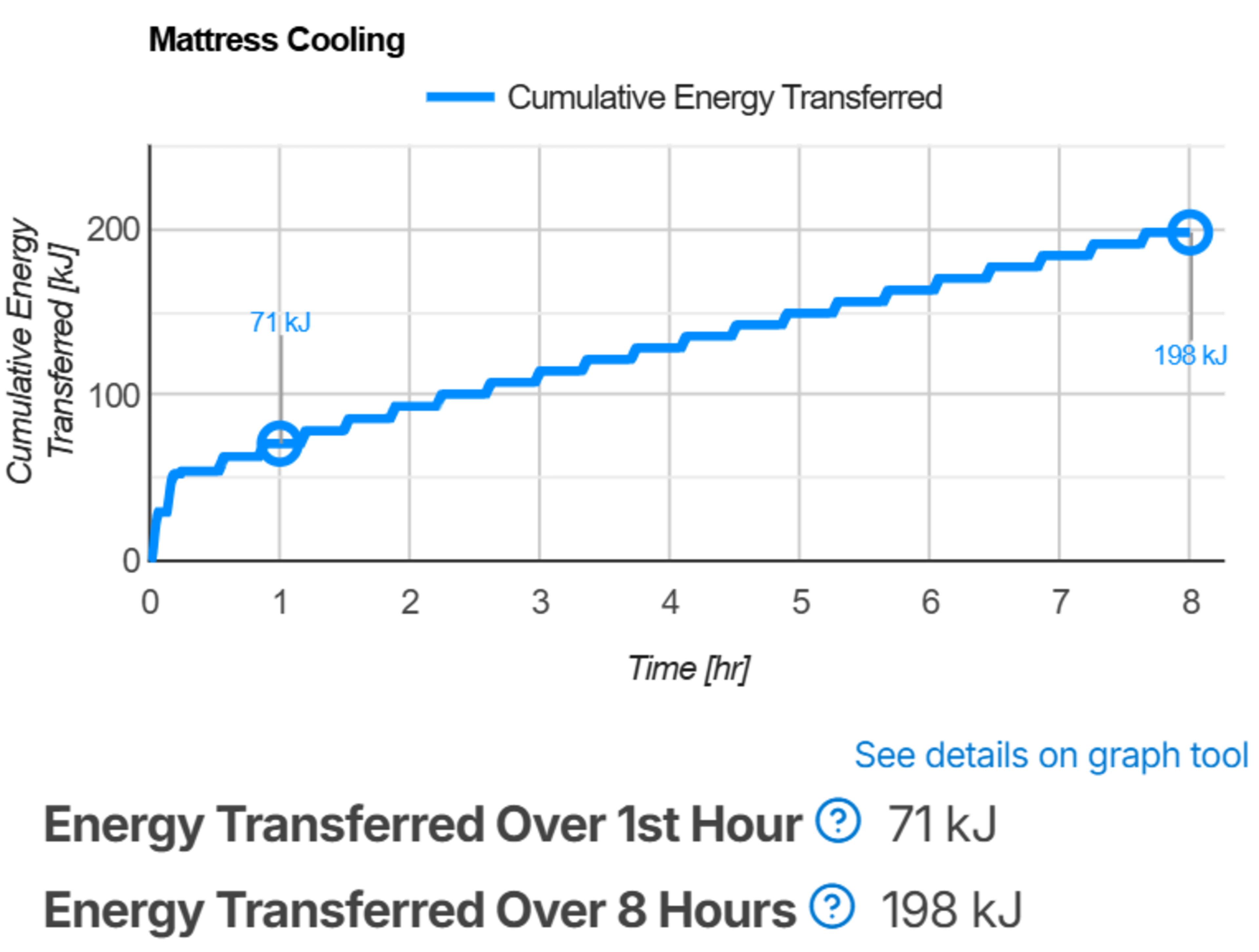
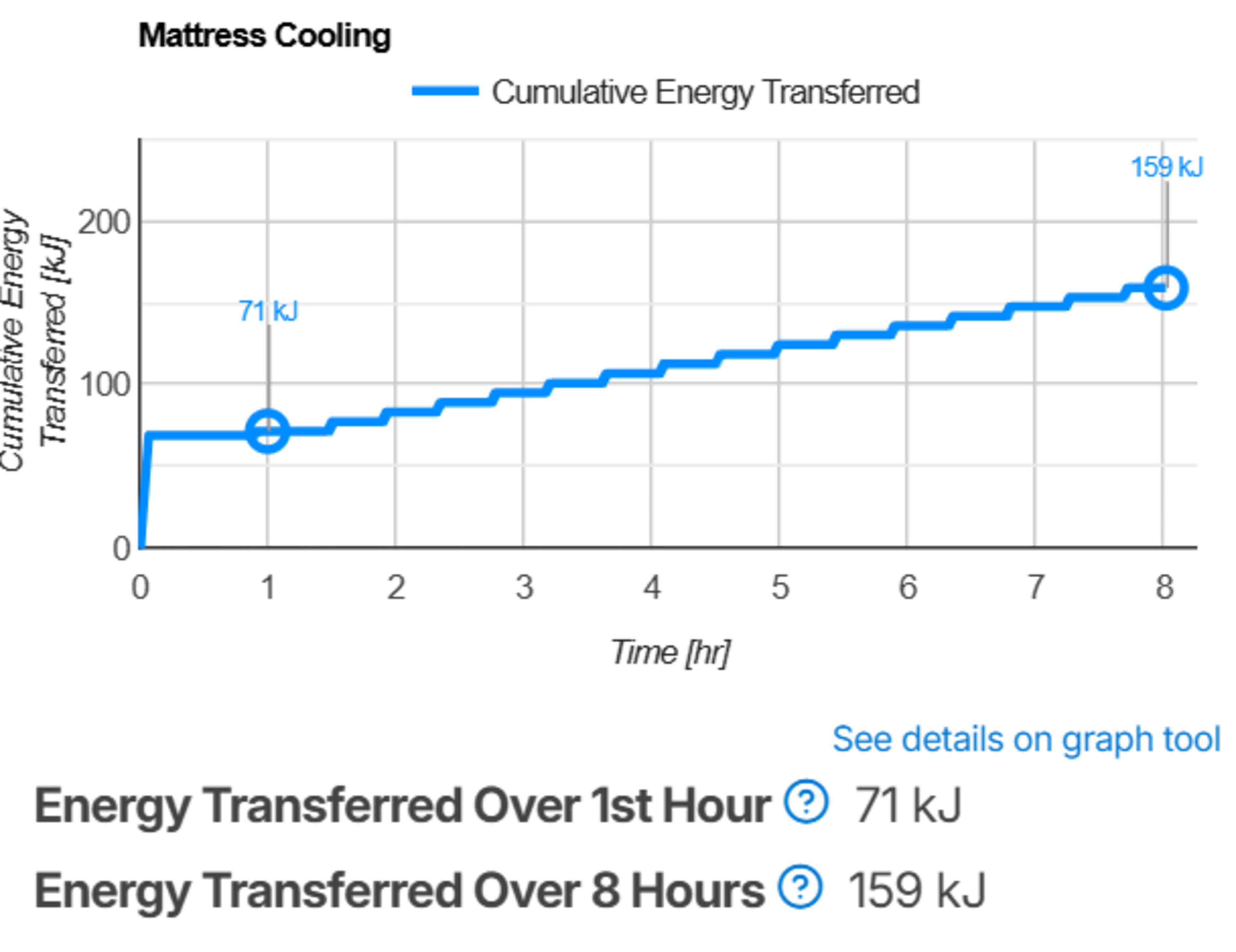
Cooling is about how well a mattress can dissipate heat overnight. It's particularly important if you usually sleep hot or live in a warm climate, as a mattress with poor cooling will worsen your problem. Generally, all-foam mattresses are the worst performers, while hybrid and innerspring mattresses offer better cooling. Some mattresses have a cooler 'feel' earlier in the night but hold onto a lot of heat after a few hours in bed, while others offer steady cooling all night.
If you usually sleep hot, you may want to look for a mattress with a strong cooling performance (score of 8 and above). Less cooling mattresses may disturb your sleep by making you feel even warmer.
 |
 |
Narrow Down Your Search: Types Of Mattresses And Materials
Certain mattress types have different characteristics and price points. If you have an idea of what you're looking for, you can narrow your search by deciding what kind of mattress and materials might suit you best. We'll let you know the essentials here, and you can also check out our more detailed guide on mattress types.
Types Of Mattresses
 |
 |
 |
Innerspring
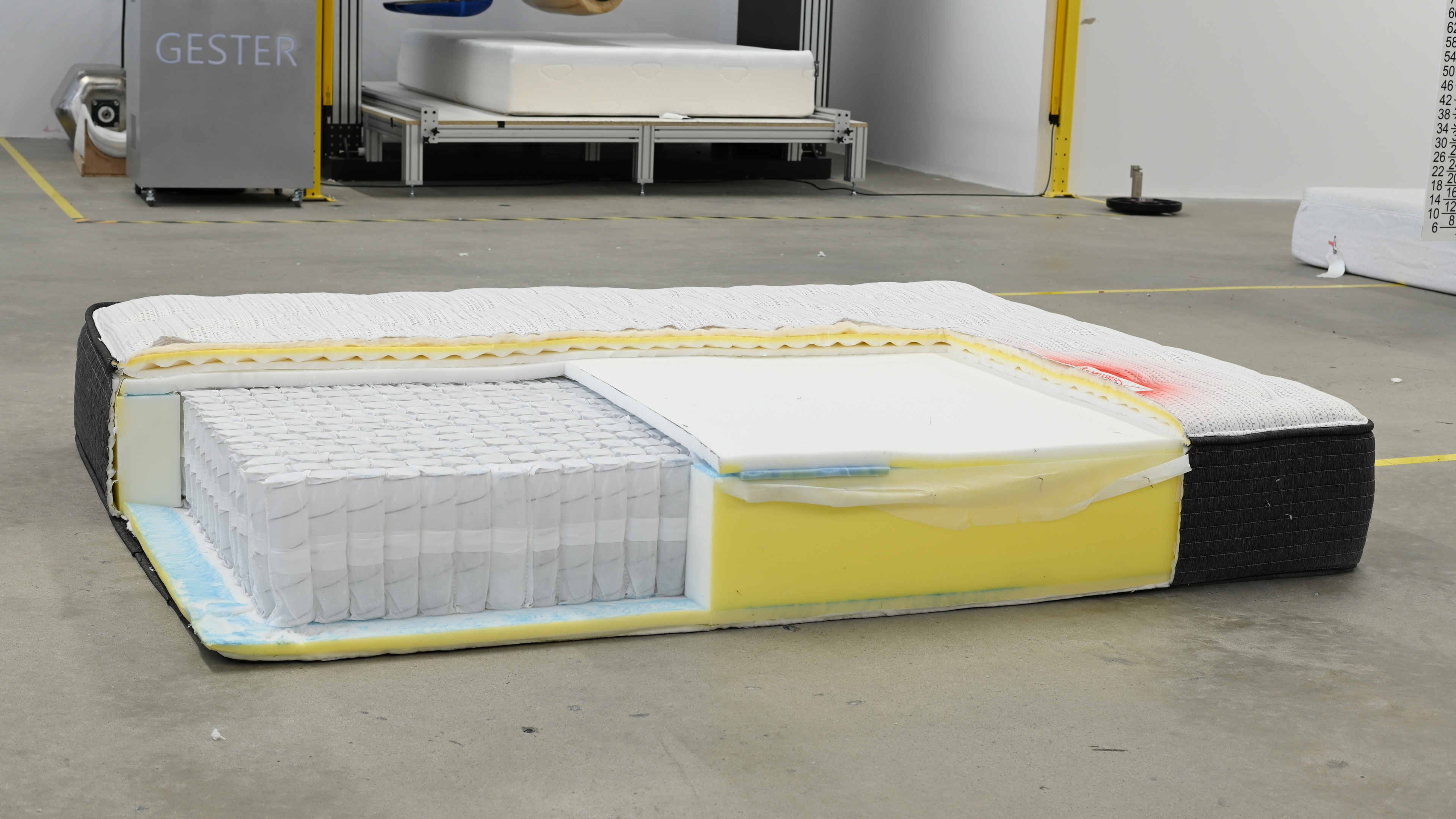
You might think of this as the classic mattress. It uses springs for a support layer, and a small amount of foam (less than 2 inches) as a comfort layer.
Innerspring mattresses are generally bouncy, which makes it easier to move around in your sleep. With fewer foam layers, it's less likely that a layer of low-resilience foam will dampen the mattress's bounciness. The spring layer may also dissipate heat more efficiently compared with solid layers of foam, although it depends on the model. Innerspring mattresses tend to have poorer motion isolation compared with all-foam mattresses.
Hybrid
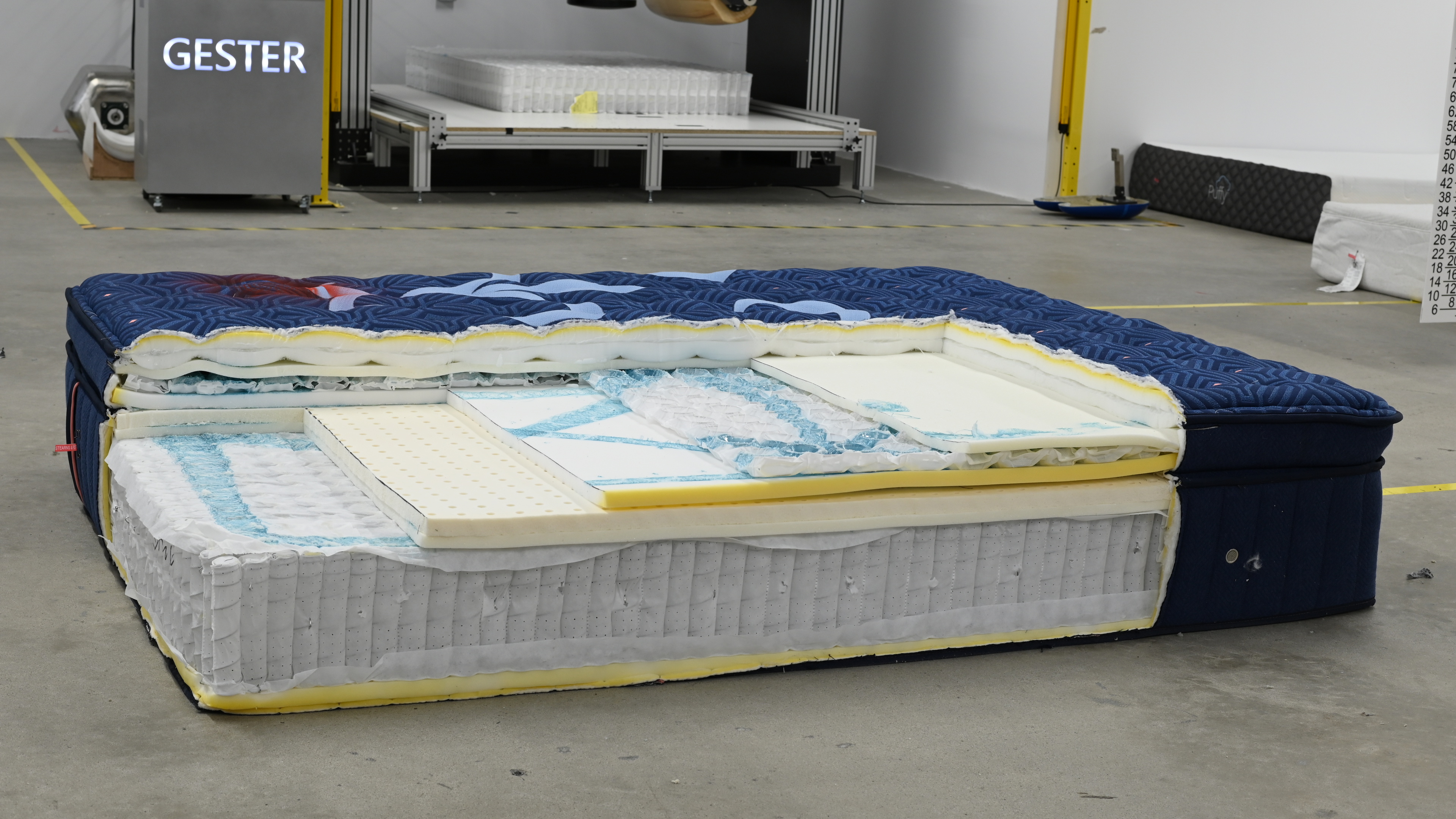
Hybrid mattresses have springs for a support layer, and over 2 inches of foam as a comfort layer or layers.
Many higher-end mattresses have a hybrid design. They may have poorer motion isolation versus all-foam, and may be less cooling than innerspring mattresses (depending on the comfort layers). For more information about hybrid mattresses, check out our in-depth guide.
All-Foam
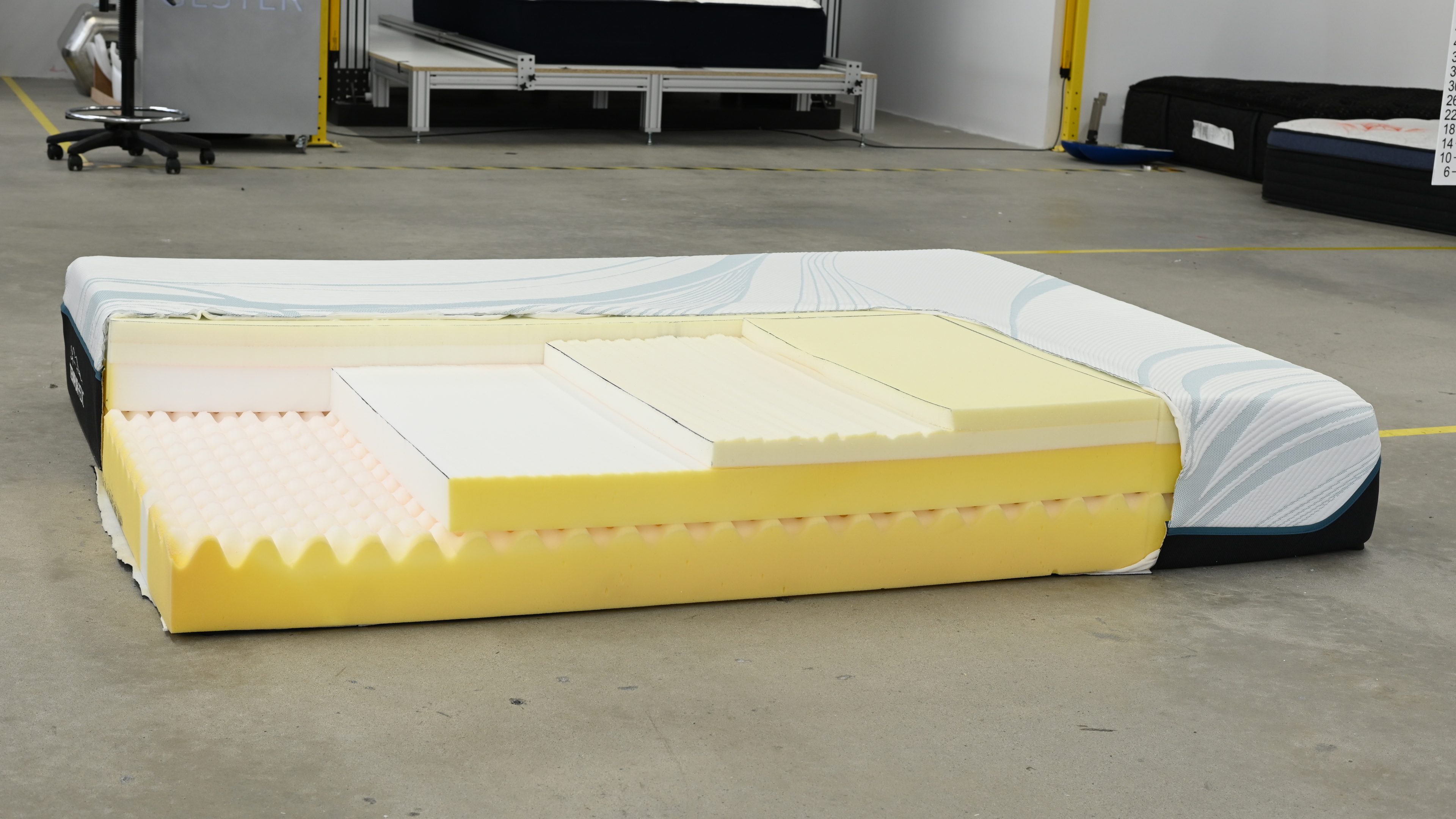
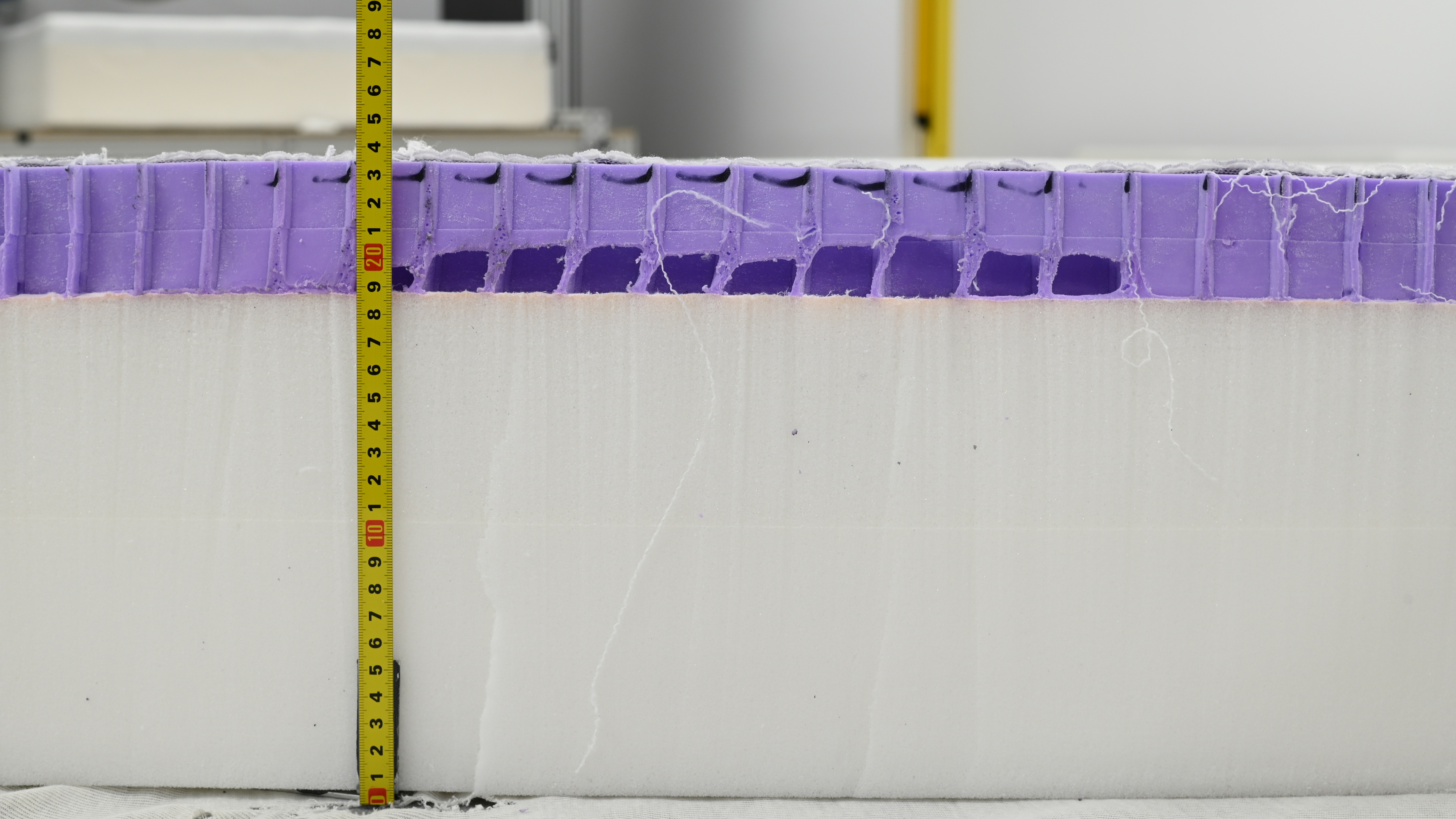
Naturally, all-foam mattresses are completely made of foam. They usually include some combination of polyfoam, memory foam, and latex. Foam mattresses often offer better motion isolation. They can be less cooling, but it depends on the model. Despite having an all-foam construction, the Purple Mattress's grid-shaped comfort layer helps make it fantastic for cooling. Some all-foam mattresses, especially those with memory foam, have lower responsiveness and bounce, which can make you feel stuck in place.
Plus-Size Mattresses
Plus-size mattresses are designed for plus-sized people and are meant to support up to 500 pounds per sleeper. Many queen-sized mattresses have a more limited advertised weight capacity of 500-700 pounds overall. Plus-size mattresses can have an all-foam, hybrid, or innerspring design.
Types Of Foam
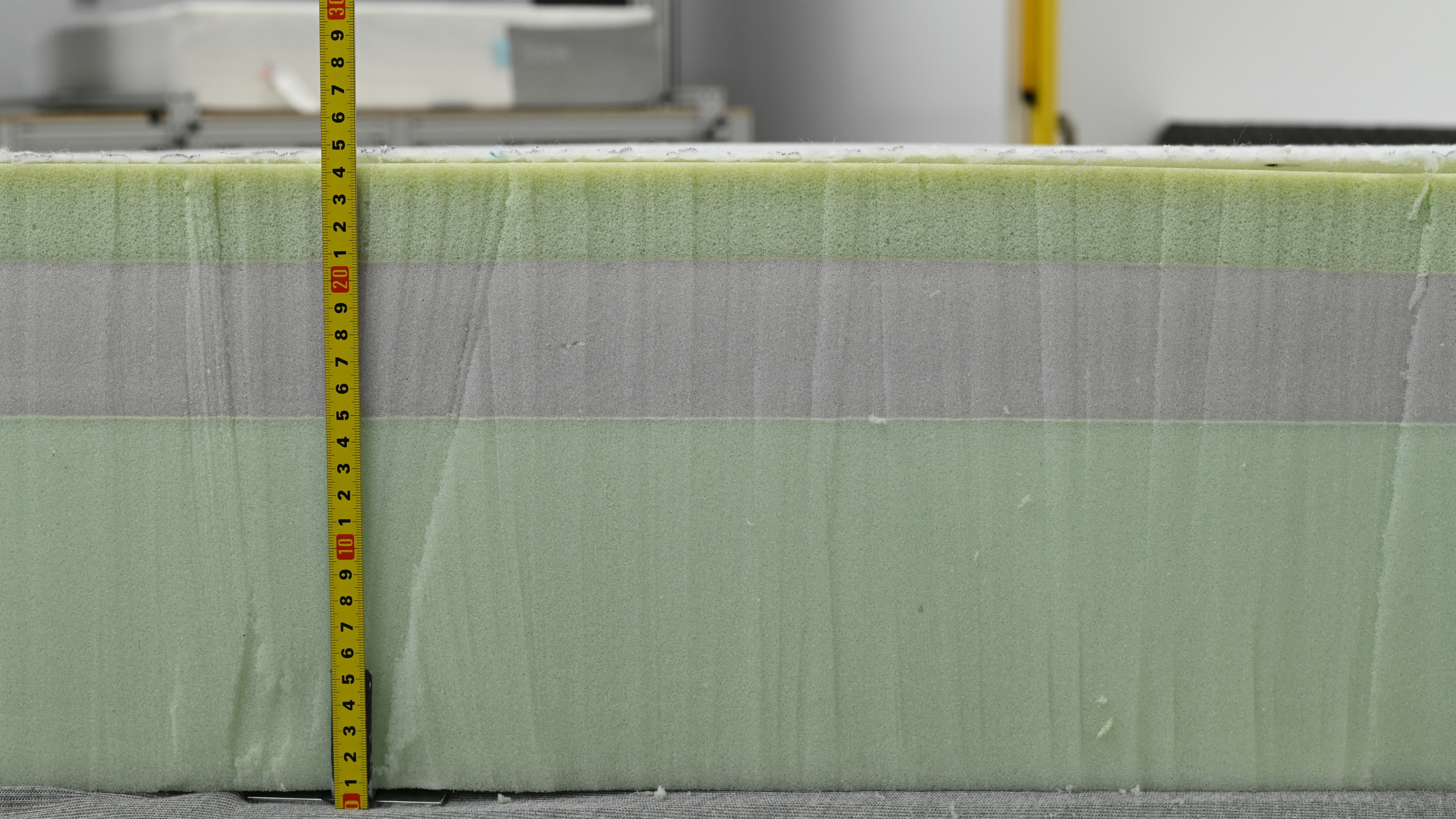
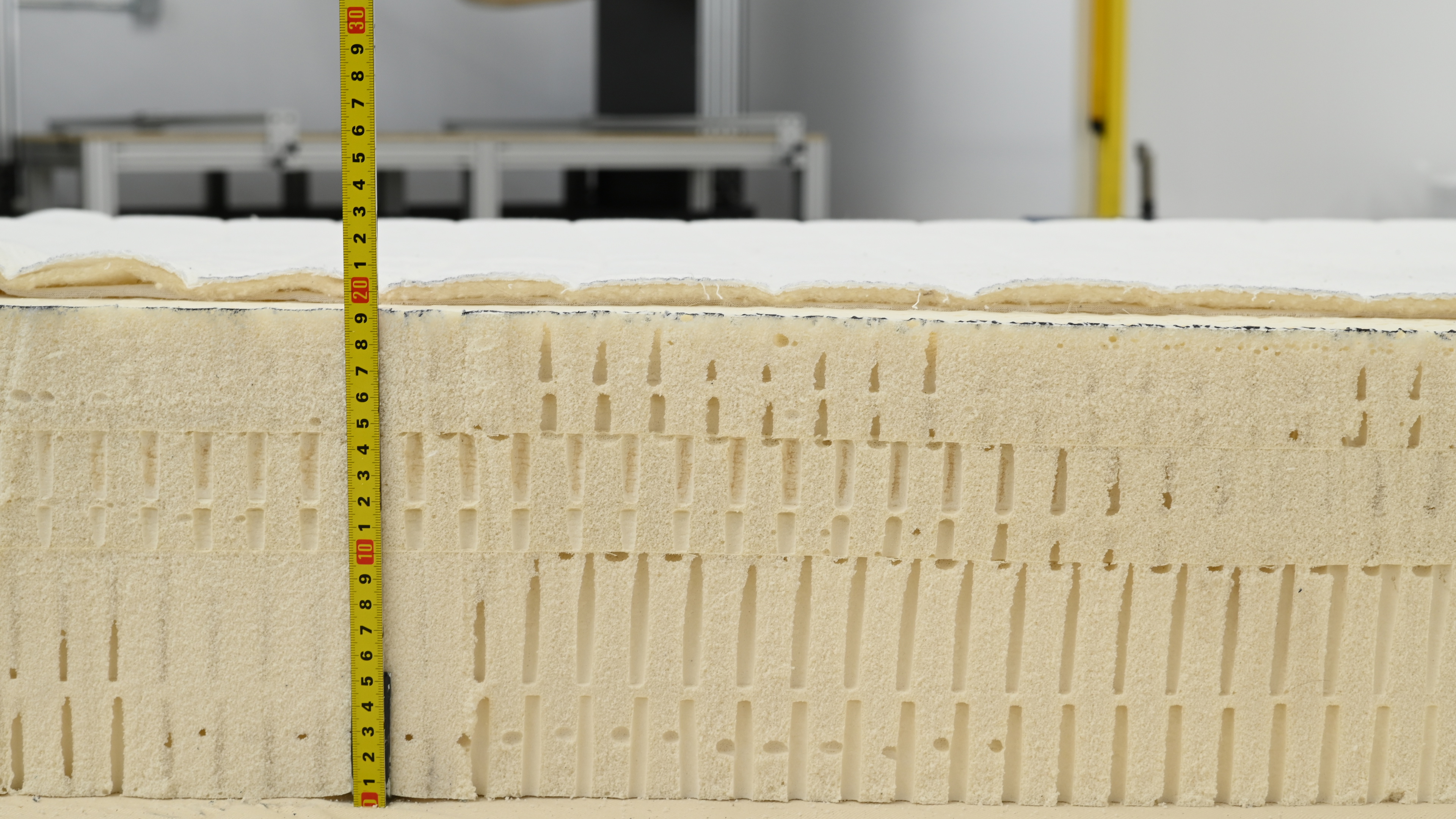
There are a few types of foam you'll commonly find in mattresses, either as the comfort layers or in every layer for all-foam mattresses. These foams each have different characteristics.
 |
 |
 |
Memory Foam
Often used as an upper comfort layer, and sometimes placed under polyfoam or fiber-fill comfort layers for added pressure relief, memory foam is the most contouring foam, and the least responsive and bouncy. If it's the upper layer of your mattress, it'll give it a slow-moving, hugging feel. You might like the feeling of your mattress molding around you, or it might make you feel constricted. However, memory foam is often used underneath a more responsive layer of polyfoam and fiber fill, adding contouring and plushness, but not making the whole mattress feel sluggish like a more memory-foam forward design.
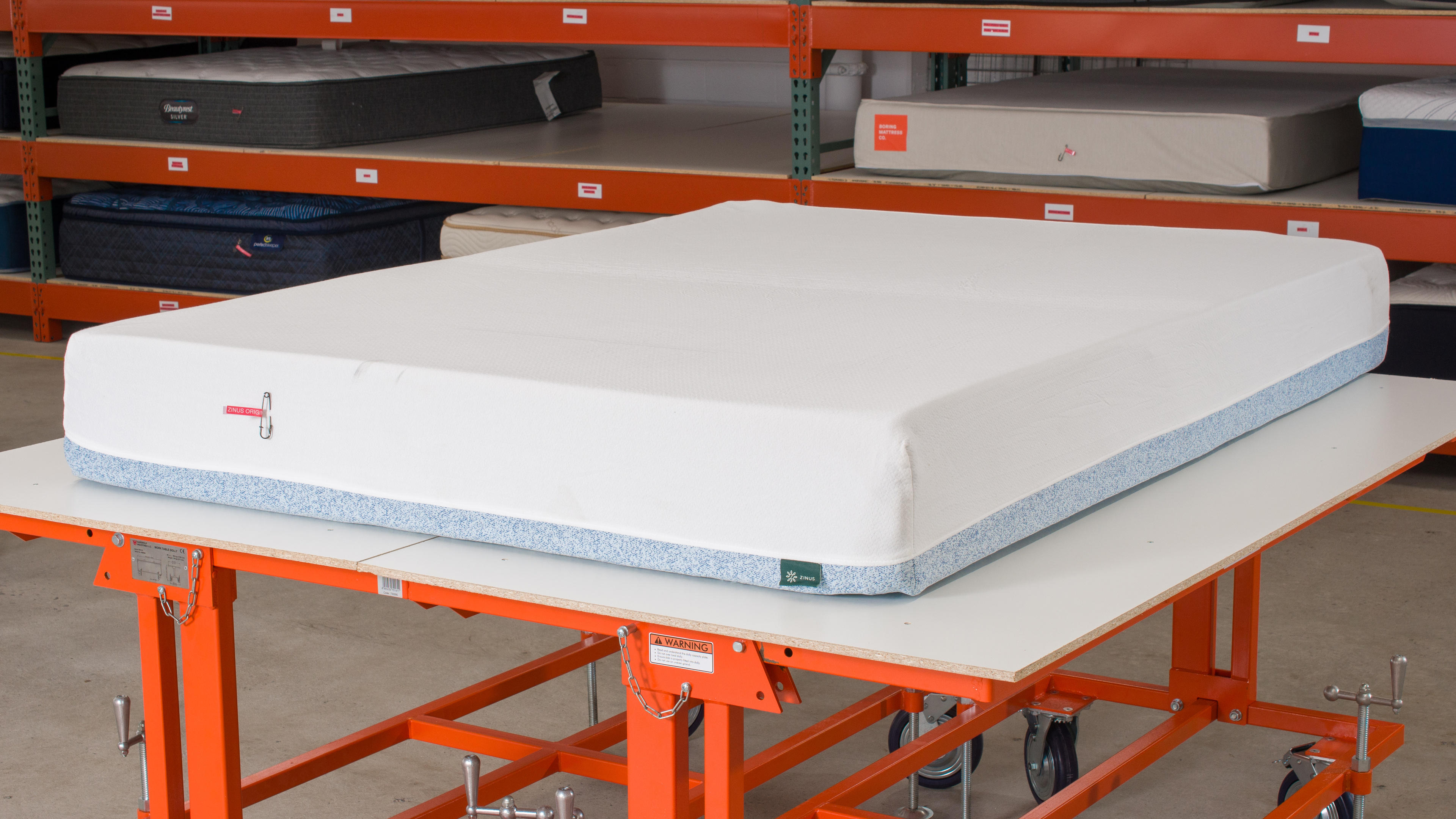
While memory foam has a reputation for being less cooling, it depends on the model. The Zinus Green Tea and Puffy Lux are memory foam mattresses and aren't very cooling. However, models like the Casper Snow, which is made of memory foam and pocket coils, are very cooling, partly because it has aluminum graphite bands for heat dissipation. Overall, if you like the feeling of memory foam and are a hot sleeper, you have to pick your mattress carefully, but you're not completely out of luck.
Polyfoam
A very common foam in mattresses, polyfoam is usually more bouncy and responsive than memory foam. It can be durable or not, depending on its density. It's often used as a comfort layer and as a support layer in all-foam mattresses. You'll find very soft polyfoam in many mattresses' quilted upper layers, and very firm polyfoam as a support layer in all-foam mattresses. Unfortunately, many mattresses contain layers of lower-quality polyfoam.
Latex
Latex can be either naturally derived from sap or synthetic. It's known for its springy, responsive feel and offers a lot of 'push back'. You sleep on latex versus in memory foam. Natural latex mattresses can be pricey, and latex is heavy. However, it's also considered durable and cooling. People who sleep hot or live in warm climates should consider mattresses that use latex, as this type is inherently more cooling than memory foam or poly foam.
Foam Durability
You can look at the components section of our reviews for more details about how a mattress is constructed and the attributes of each layer. If you're considering a DIY mattress project, it might be useful to check out the construction of a mattress you like (or don't like, so you can avoid making the same mistakes).
Even if you're not interested in looking into the details of a mattress's construction, this is where you can check out the density of the foam used in a mattress. This can be useful for almost anyone, since foam quality affects durability. We measure the density of each foam layer and provide the density as a result in foam layer density. Foam density corresponds to polyfoam and memory foam durability, with less dense foam at risk of sagging or forming indentations sooner. However, while it's usually quite dense and considered durable, density isn't used as a marker for quality in the same way for latex foams.
Choose A Mattress
For a quick assessment of a mattress, you can check its 'Sleeping' score, which considers motion dissipation, responsiveness, edge support, and cooling.
If you care more about one aspect, you can also quickly see each score separately. This might be useful if cooling is an utmost priority or if you don't mind a mattress with low responsiveness (if you like the slow-moving feel of memory foam, for example). Motion dissipation is probably less of an issue if you're not usually sharing with a partner.
Conclusion
Now that you know how to choose a mattress based on our reviews, you might be interested in our deeper dive into mattress firmness and how we assess it. You can also learn about some popular mattress certifications or see our recommendations for the best mattresses. Our R&D article delves into how a mattress's components affect its performance. You can also read our findings on unit-to-unit differences in mattresses.