If you're shopping for a new mattress, one of the first hurdles is figuring out what type of mattress is right for you: foam, innerspring, latex, or hybrid. It's not an easy decision. Each type has benefits and drawbacks, and your answer will vary depending on a range of personal factors, including your budget, sleeping position, body type, and, of course, preferences. Read on to learn about different mattress types and which you should choose or skip based on popular sleeping preferences to be one step closer to the mattress of your dreams!
Foam
Inside a foam mattress, you'll find polyfoam, memory foam, or both.
 |
 |
 |
Foam mattresses have gained much popularity over the past decade, partly thanks to the direct-to-consumer bed-in-a-box model of mattress sales. Generally speaking, foam mattresses have fairly simple constructions. Firmer foam is usually used in the lower layers and helps support the heavier parts of your body, like the shoulders, hips, or lumbar, depending on your sleeping position. In comparison, softer foam is usually used in the comfort layer or layers and helps to relieve pressure and cushion the recessed parts of your body that don't sink very far into the mattress. One thing to note about the foams used in mattresses is that foam density and durability are correlated. For polyfoam, look for a density above 26 kg/m³ (1.6 lbs/ft³); for memory foam, look for a density over 48 kg/m³ (3 lbs/ft³). Foams with densities lower than these markers can degrade more quickly, leading to indentations and sagging. Since all types of mattresses can contain foam, it's important to remember this regardless of which type you choose.
One of the biggest benefits of foam mattresses is that they can be very affordable. As mentioned, they're popular bed-in-a-box options, so foam mattresses offer a convenient solution to getting your new mattress home, too. Beyond affordability and convenience, however, they also often have great motion isolation, making them well-suited to sleeping with a partner who tosses and turns, as you notice less of their movements.
On the other hand, foam mattresses are usually less cooling, so if you sleep hot, you may have limited options with decent cooling. Some foam mattresses, especially those with a lot of memory foam, can also have lower responsiveness and bounce. While you may or may not enjoy this slow, static sensation, it's definitely something to keep in mind when considering a foam mattress. It can offer a hugging feeling that many appreciate, but also makes it more difficult to move around, which can result in a 'stuck' feeling.
There are two main types of foam to consider when shopping:
Polyfoam
Polyfoam is short for polyurethane foam; it's the most common type of foam used in mattresses. It can be made in a variety of firmness levels and densities, which, along with its relatively low price tag, is why you can readily find it in any layer of a mattress. It can exhibit a range of properties, but in general, it's fairly responsive and bouncy and offers light contouring. It's ideal for those shopping on a budget, as you can find polyfoam mattresses with a range of characteristics.
Memory Foam
Memory Foam, also known as viscoelastic foam, is a kind of polyurethane foam that is both slow-moving and elastic. As you may be familiar with, when you compress memory foam, it slowly rises back to its original shape. This allows it to contour your body very closely, relieving pressure and creating that 'hugging' sensation. It's often used in the comfort layers of mattresses and offers low bounce and responsiveness, which, as mentioned, can make it difficult to move around or change sleeping positions, a feeling people tend to love or hate.
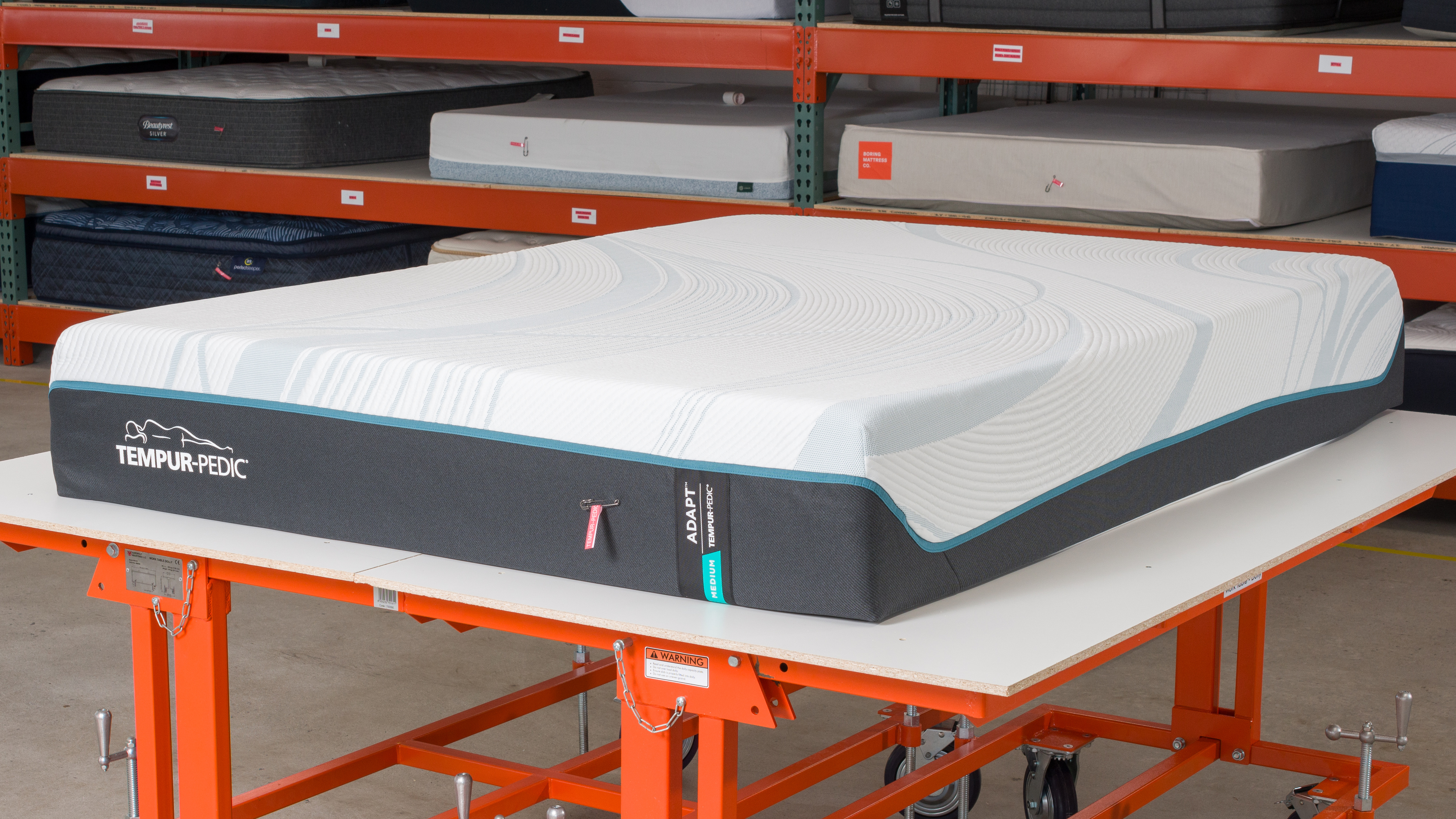
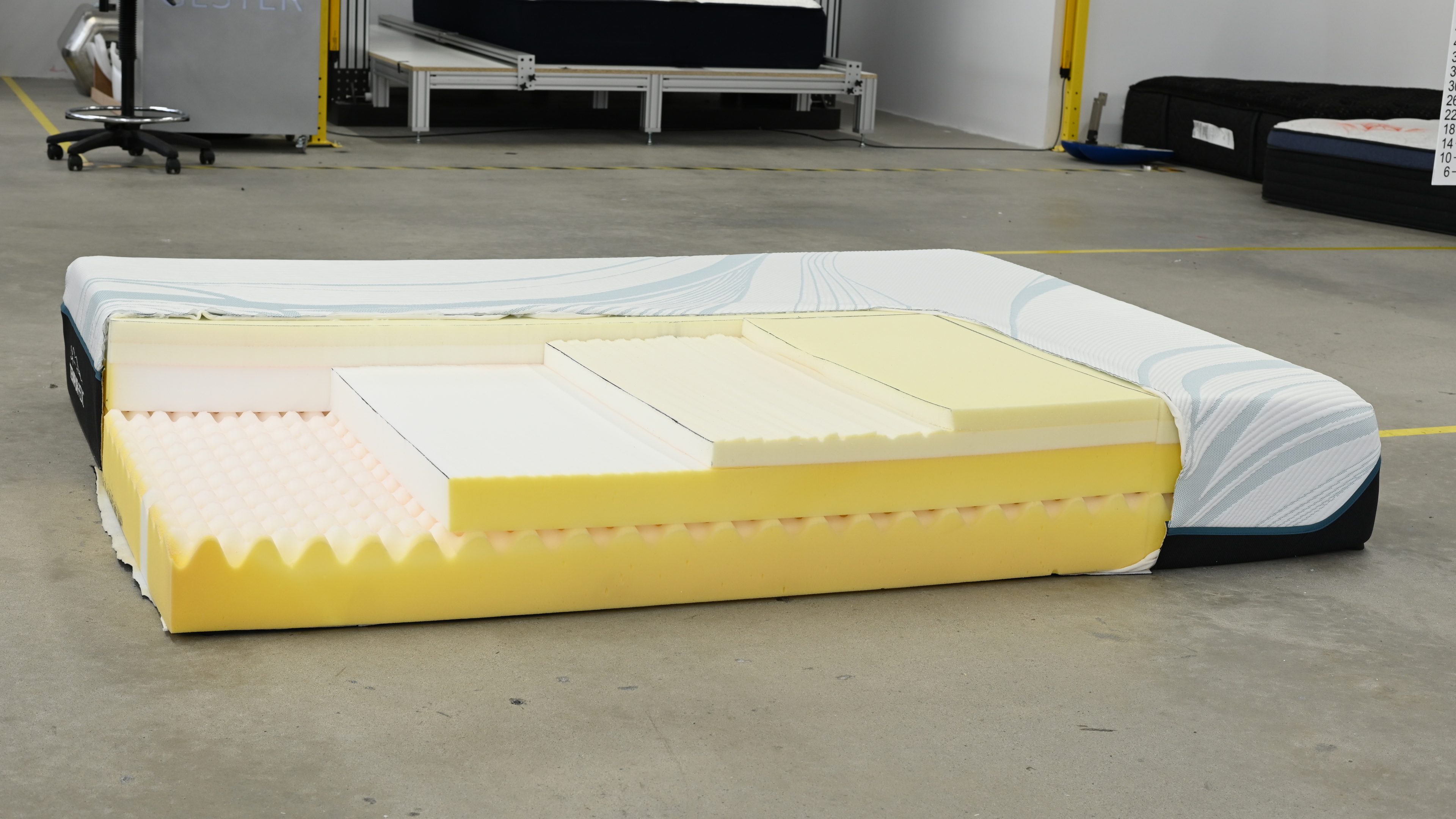
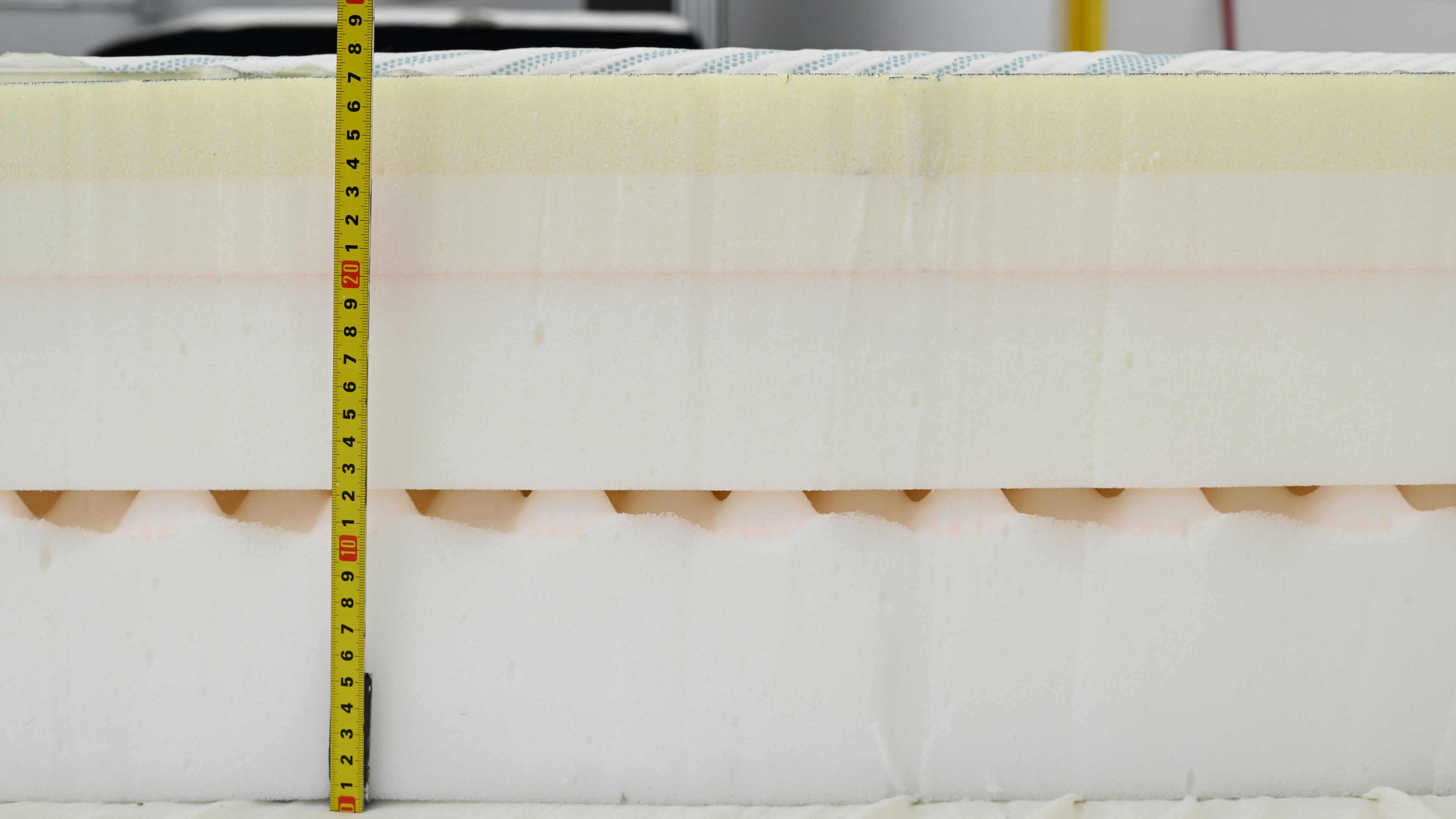
A great example of a quintessential foam mattress is the Tempur-Pedic TEMPUR-Adapt. It uses firmer polyfoam for its support and transition layers, and softer memory foam for its comfort layers.
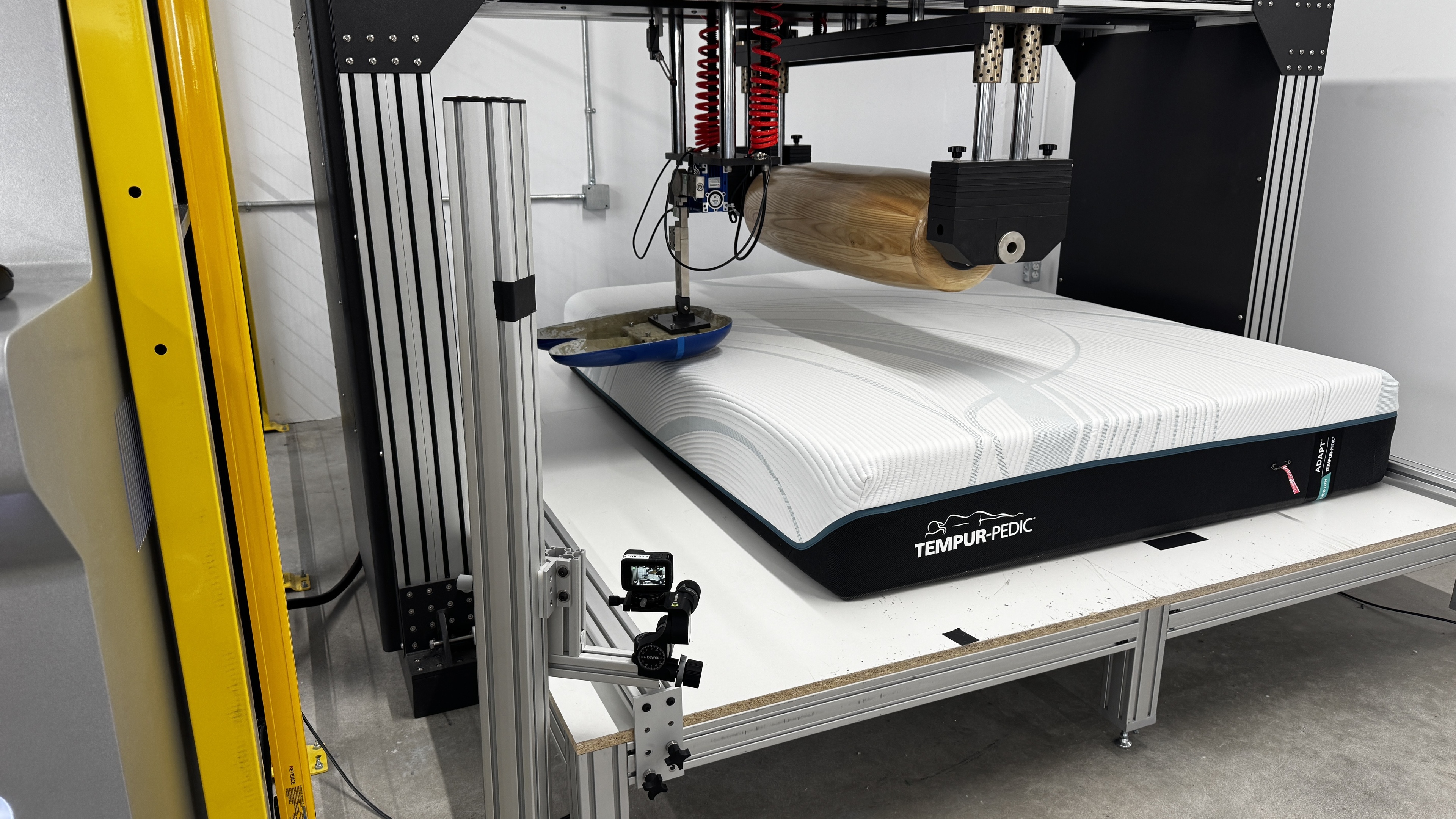
Typical of a foam mattress, the Tempur-Pedic TEMPUR-Adapt excels at motion isolation and dissipation. While polyfoam already absorbs a lot of motion, the memory foam upper layers really stand out in this respect, isolating nearly all the movement when your sleeping partner shifts positions, making you much less likely to wake up. This mattress struggles with edge support, and while this can be partially explained by the lack of an additional edge component, foam mattresses tend to perform poorly in this area as foam is generally easier to compress than springs. This makes it harder to get in or out of bed and limits the comfortable sleeping surface since you feel like you're slipping off when sleeping too close to the edge. It also lacks responsiveness, which is typical of memory foam, though it's even less responsive than most memory foam mattresses. That said, whether you enjoy a responsive mattress really does depend on your personal preference—some experience low responsiveness as a constricted or stuck feeling, while others compare it to a cozy hug.
What makes this mattress stand out is the fact that it's pretty good at keeping you cool as you sleep. This is uncommon for foam mattresses and makes this mattress a great choice if you sleep hot, but prefer the slow-moving feeling of memory foam. As for foam quality, this mattress contains a mix of good and low-quality foams. The support layer and upper comfort layer are of lower quality, while the two layers in between are just dense enough to be considered good quality. The lower-density foam could be prone to sagging and indentations, especially the memory foam upper comfort layer, as this is the layer closest to you as you sleep.
Choose a foam mattress if:
- You're shopping on a budget or want the convenience of a bed-in-a-box mattress.
- You sleep with a partner, as foam mattresses tend to isolate movement better than other mattress types.
- You sleep on your side, since foam allows your shoulders and hips to sink into the mattress, keeping your spine aligned.
- You prefer a less responsive option and like the slow-moving, hugging sensation of memory foam.
Skip it if:
- You sleep hot, as foam can trap heat.
- You sleep on your stomach, as you may sink too far into the mattress to keep your spine aligned.
Innerspring
Inside an innerspring mattress, there's at least one layer of springs and a small amount (less than 2"/5 cm) of comfort foam.
 |
 |
 |
Innerspring mattresses are generally considered 'traditional' mattresses. They've been around for a long time, so most people are familiar with the springy, sometimes stiff, and often creaky innerspring mattresses of the past. However, while they may not be as common these days, modern spring models have advanced well past their squeaky predecessors. Today's innerspring units can hold their own compared to newer styles, and there are still some inherent benefits to this classic mattress type.
Since springs are, by nature, very bouncy and responsive, innerspring mattresses tend to have these characteristics as well. They're quick to respond when compressed, making it easy to move around or change sleeping positions, and they offer a bouncy, buoyant feeling. This type of mattress tends to do a good job of keeping you cool, thanks to the airy spring layer that allows heat to dissipate fairly quickly. The springs also help bolster the sides of a mattress, which often means that innerspring options have good edge support when compared with other mattress types. This ensures you don't feel like you might roll off the side, makes it easier to get in and out of bed, and means you can comfortably take advantage of more of the mattress surface. Innerspring mattresses are also generally fairly inexpensive owing to their relatively simple construction.
This type of mattress also has its drawbacks. For one thing, the bounciness of springs can lead to poorer motion isolation. If you sleep with a partner, you'll feel more of their movements across the mattress, and the motion will dissipate more slowly, so it may wake you. Spring mattresses can also produce pressure points as the springs age, which can impact comfort and cause uneven support over time.
Here's a quick breakdown of the most common types of springs used in innerspring mattresses:
Pocket Coils
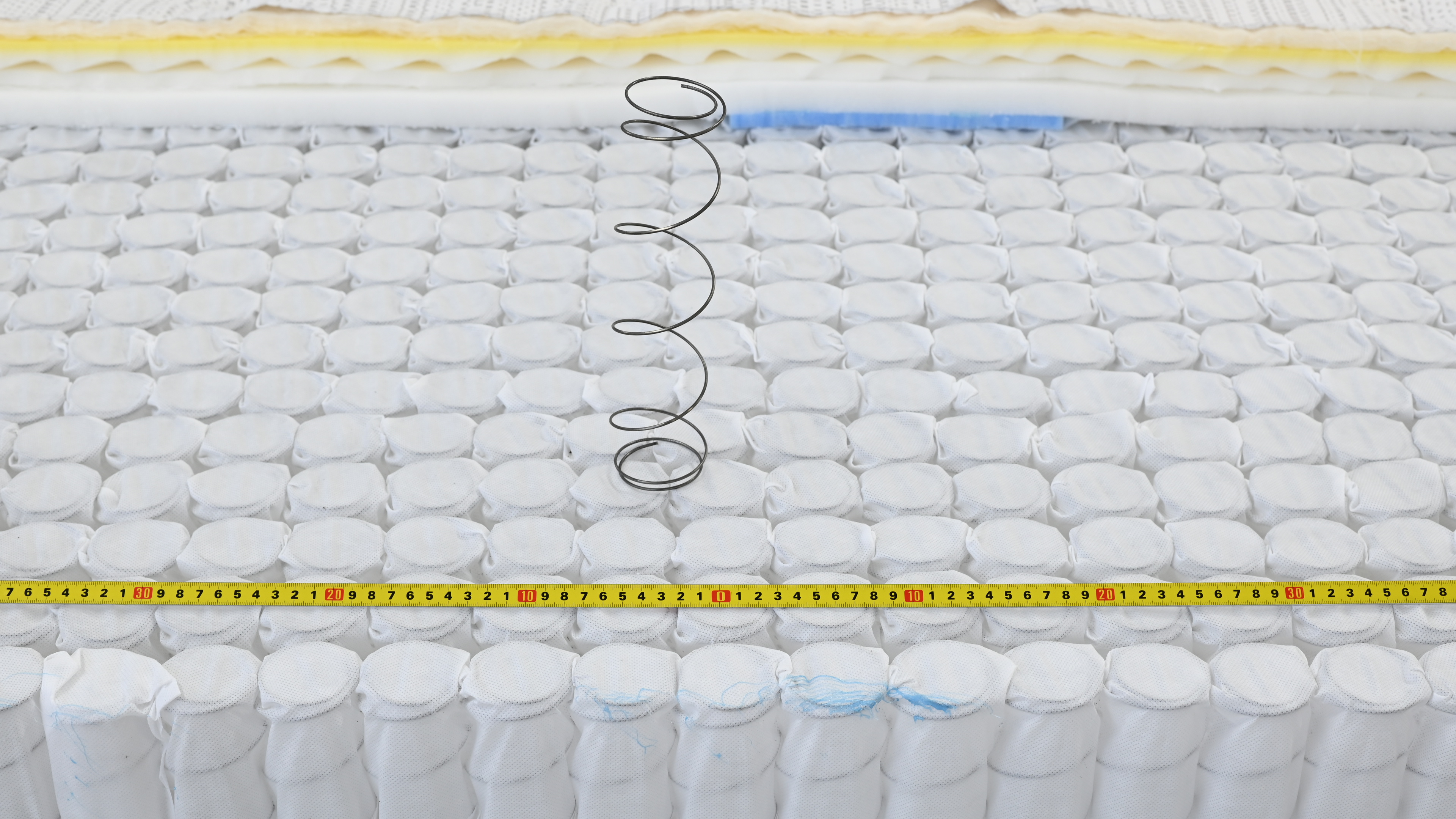
Pocket coils are individually wrapped springs that can be compressed independently, so when you press on one spring, the motion doesn't affect the neighboring coils. This allows for better motion isolation, which is important if you sleep with a partner or have a pet who likes to jump on the bed in the middle of the night. With good motion isolation, you'll feel less of their movements, and the motion will dissipate more quickly, so it's less likely to keep you up. Pocket coils are also more contouring, which can help relieve pressure and keep you comfortable.
Micro Coils
Like pocket coils, micro coils are usually individually wrapped in fabric; however, they're much smaller and thinner, making them a good choice for a mattress's comfort layers. Like pocket coils, they provide good motion isolation, so you don't feel every little shift your sleeping partner makes. Similarly, they contour the body closely, relieving pressure and helping to distribute weight evenly across the mattress.
Bonnell Coils
Bonnell coils are hourglass-shaped springs that are often found in innerspring mattresses. Their shape, which is wider at the top and bottom, offers strong support and high responsiveness, ensuring you don't sink too far into the mattress and that it's easy to move around on the surface. However, since they're connected by spiral (or helical) wires, they tend to have poor motion isolation—when you compress one spring, the neighboring springs move too, so you feel it every time your partner tosses and turns.
Offset Coils
With hourglass-shaped springs connected by spiral wires, offset coils are similar to Bonnell coils. Unlike Bonnell coils, however, they have squared edges that connect and act as hinges. This helps provide better contouring and motion isolation, so you don't feel as much movement from your sleeping partner and benefit from moderate pressure relief. That said, offset coils can't compete with pocket coils in either regard.
Continuous Coils
Continuous coils are made from one long wire that is formed into coils and connected by helical wires to keep them in place. They offer consistent support throughout the mattress and keep costs low. However, since they're so closely connected, they don't isolate motion well, so you feel even smaller movements throughout the night.
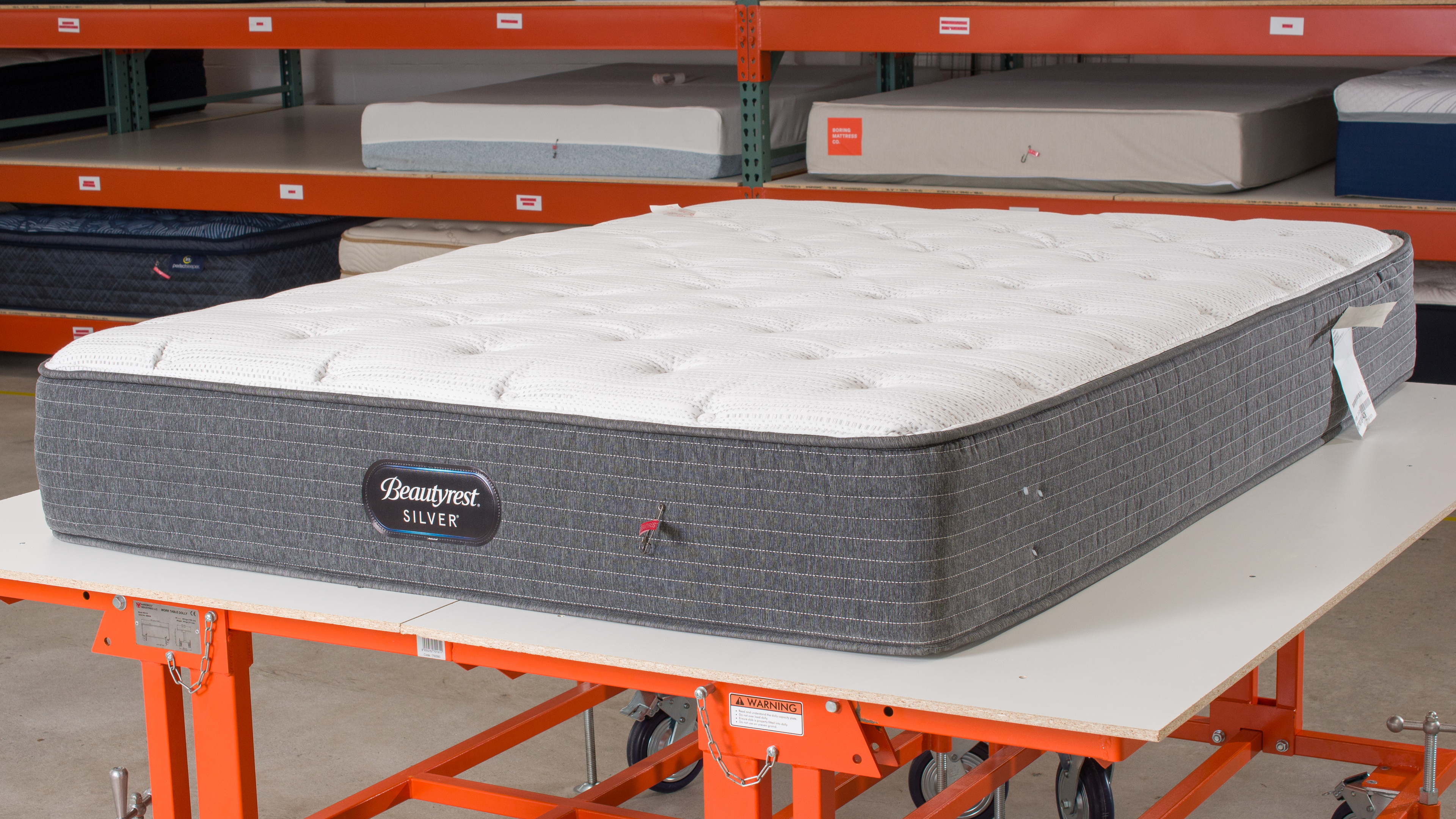
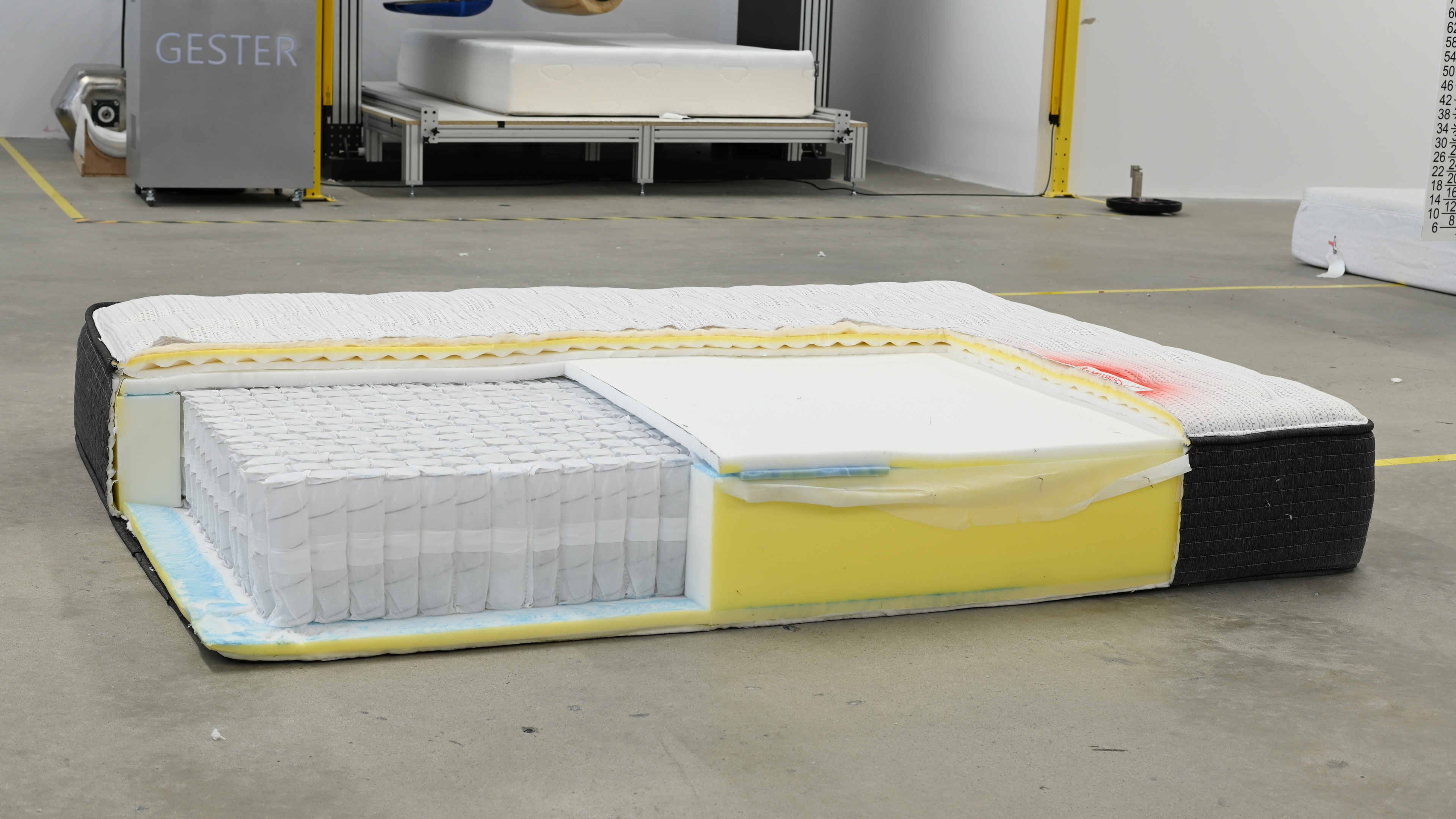
The Beautyrest Silver BRS900 is a typical innerspring mattress with excellent performance. Starting from the bottom, it has a layer of pocket springs, a 0.5" (1.2 cm) layer of memory foam, a 1" (2.6 cm) layer of polyfoam, and a 2" (5 cm) polyfoam and fiber fill quilted top.
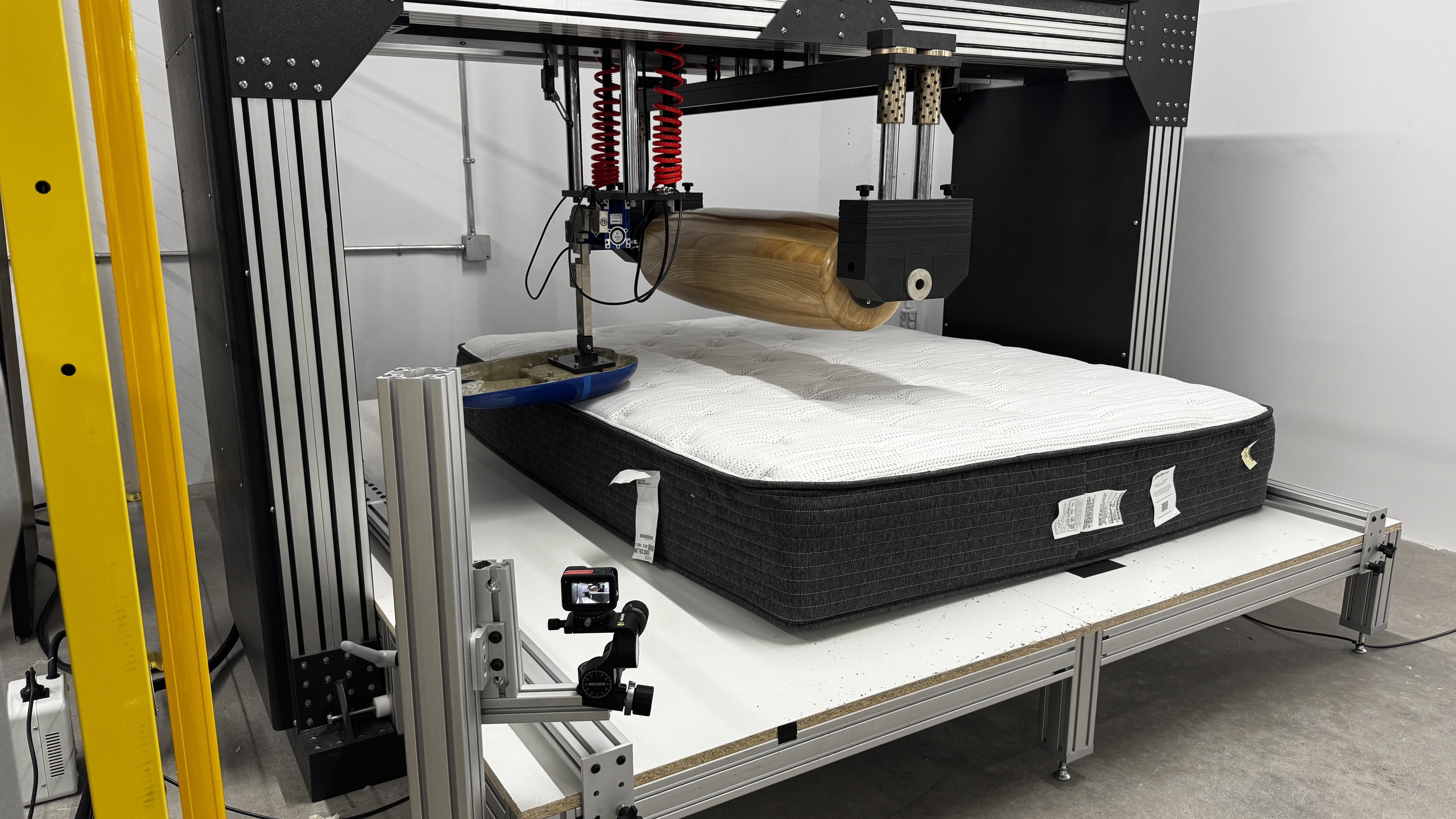
As for this mattress's performance, the 15-gauge pocket springs are on the softer side, but this layer is fairly dense, increasing the overall firmness level. This helps give the mattress its outstanding responsiveness and edge support, making it easy to move around, roll over, and get in or out of bed. It's quite cooling as well, thanks to the airy spring layer. While heat collects a bit as you fall asleep, it dissipates pretty quickly after that, so you're not likely to wake up overheated unless you sleep very hot. Like many innerspring mattresses, the Beautyrest Silver struggles with motion isolation and dissipation. This isn't surprising when you consider the bouncy nature of springs—there simply isn't enough foam in an innerspring mattress to dampen this effect, so when your partner shifts sleeping positions or your dog hops on the bed late at night, you feel it more than with other mattress types. Another downside to this mattress is that it uses low-density, poor-quality foam in its quilted top and comfort layers, so you can expect it to break down quicker than mattresses with higher quality foam.
Choose an innerspring mattress if:
- You sleep on your back or stomach since the firmer support of springs can help keep your spine aligned in these positions.
- You sleep hot or live in a hot climate, as the airy spring layers allow heat to dissipate faster.
- You're shopping on a budget; innerspring mattresses tend to be on the less expensive end.
- You need good edge support—the firmer support springs tend to work well for this purpose.
- You prefer a responsive feeling, since springs bounce back very quickly when pressure is applied.
Skip it if:
- You sleep on your side, as the coils may not allow your hips and shoulders to sink far enough into the mattress.
- You prefer more contouring—springs typically don't offer as much 'hug' as foam.
- You sleep with a partner, since innerspring mattresses tend to have poorer motion isolation than other types of mattresses.
- You suffer from back pain, as springs can cause pressure points and offer uneven support as the springs age.
Latex
Latex mattresses can be all-foam or hybrids, but will contain a significant amount of latex foam.
 |
 |
 |
While a latex mattress is technically a type of foam mattress, latex is distinct enough in performance and feel to warrant its own category. Latex is a natural material made from the sap of the rubber tree. Many shoppers prefer it for its inherent eco-credentials alone, but latex offers a few other benefits.
The most notable benefit of latex is probably its durability when compared with polyfoam and memory foam. Latex is a dense, elastic material with an open-cell structure, meaning that air can pass through the interconnected cells within the foam. While density, on its own, isn't an indicator of quality or durability like it is for polyfoam and memory foam, together, these attributes help explain why latex lasts longer than polyurethane foams. You can expect a latex mattress to last upwards of 15 years, significantly longer than the 7-10 years often cited for spring and polyurethane models.
Beyond durability, latex is also more cooling than memory or polyfoam, making it a great choice for anyone who sleeps hot, but still wants a foam mattress. It's also more responsive, so if you tend to toss and turn or just dislike the slow-moving feel of memory foam, latex is a good option.
Unfortunately, latex mattresses can be quite expensive simply because latex is a more expensive material. They're also very heavy, so moving one requires at least a couple of people. Finally, latex can be quite firm, which may not be ideal for lighter people or side sleepers.
There are three different types of latex: Dunlop and Talalay, which are both natural and synthetic latex.
Dunlop
The process of making natural latex starts out the same way, regardless of the type. Simply put, sap is collected from a rubber tree, mixed with necessary additives, and then whipped into a foam. However, at this point, the process diverges. To finish making Dunlop latex, the foam is poured into a mold and baked in an oven to cure. This produces a material that is firm, dense, and very durable. It's best suited for use in the support layers of a mattress, but can also work well in the comfort layer. Many people find Dunlop latex very firm, so it's best for heavier back and stomach sleepers.
Talalay
Talalay latex, on the other hand, undergoes a more complicated process after it's whipped into foam. Before this type of latex is baked, it's vacuum-sealed and flash-frozen. This results in a more uniform, less dense, and softer foam. Talalay latex works well in a mattress's comfort layers. Since it's softer than Dunlop latex, it's a good choice for lighter people and side sleepers.
Synthetic
Synthetic latex is a product made from petroleum derivatives to imitate natural latex. It feels firm, though it can also be blended with natural latex to create a range of firmness levels. It's less expensive than natural latex. Synthetic latex is a good option for those who want the characteristics of natural latex but either have a latex allergy or prefer to shop on a budget.
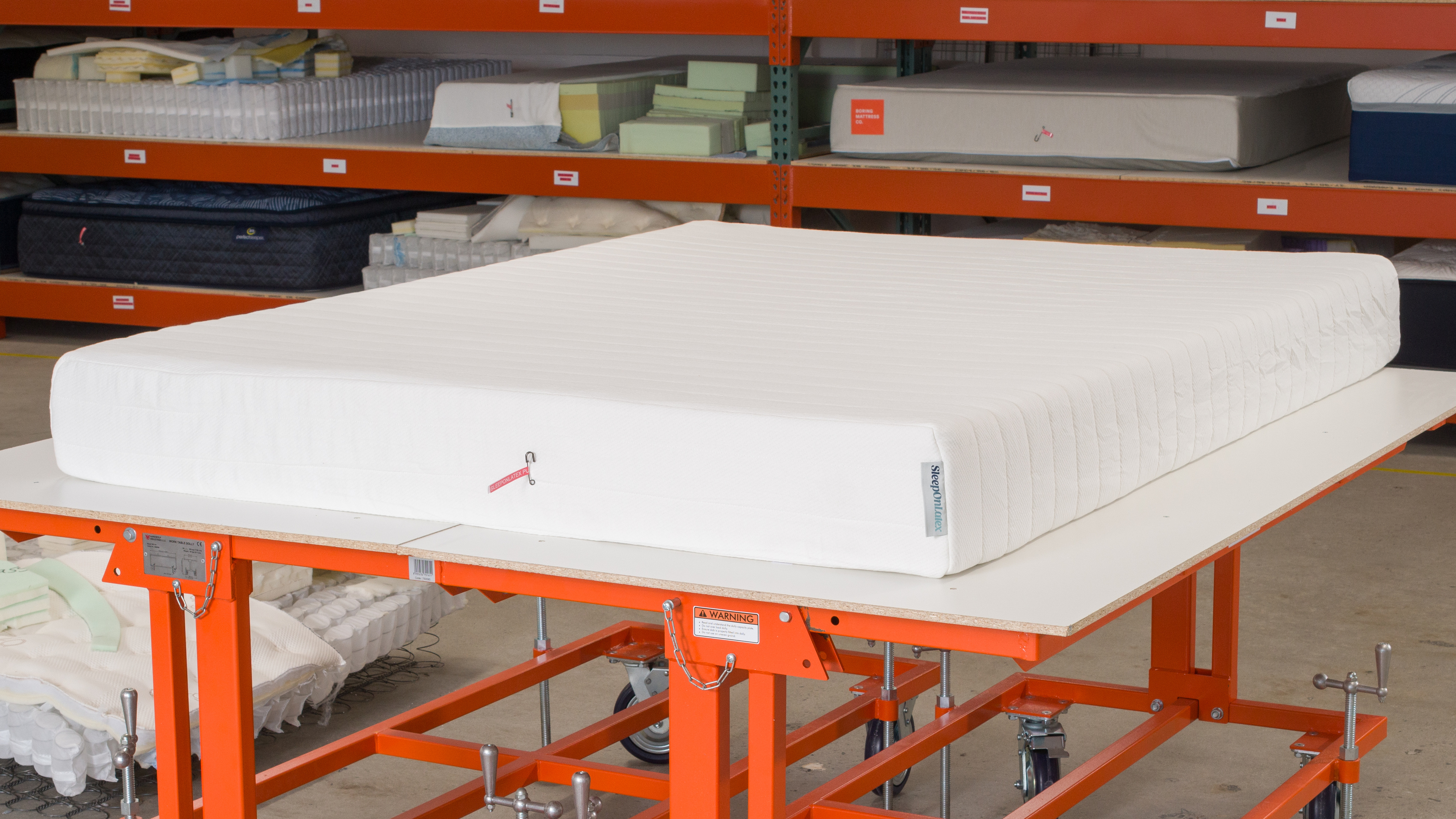
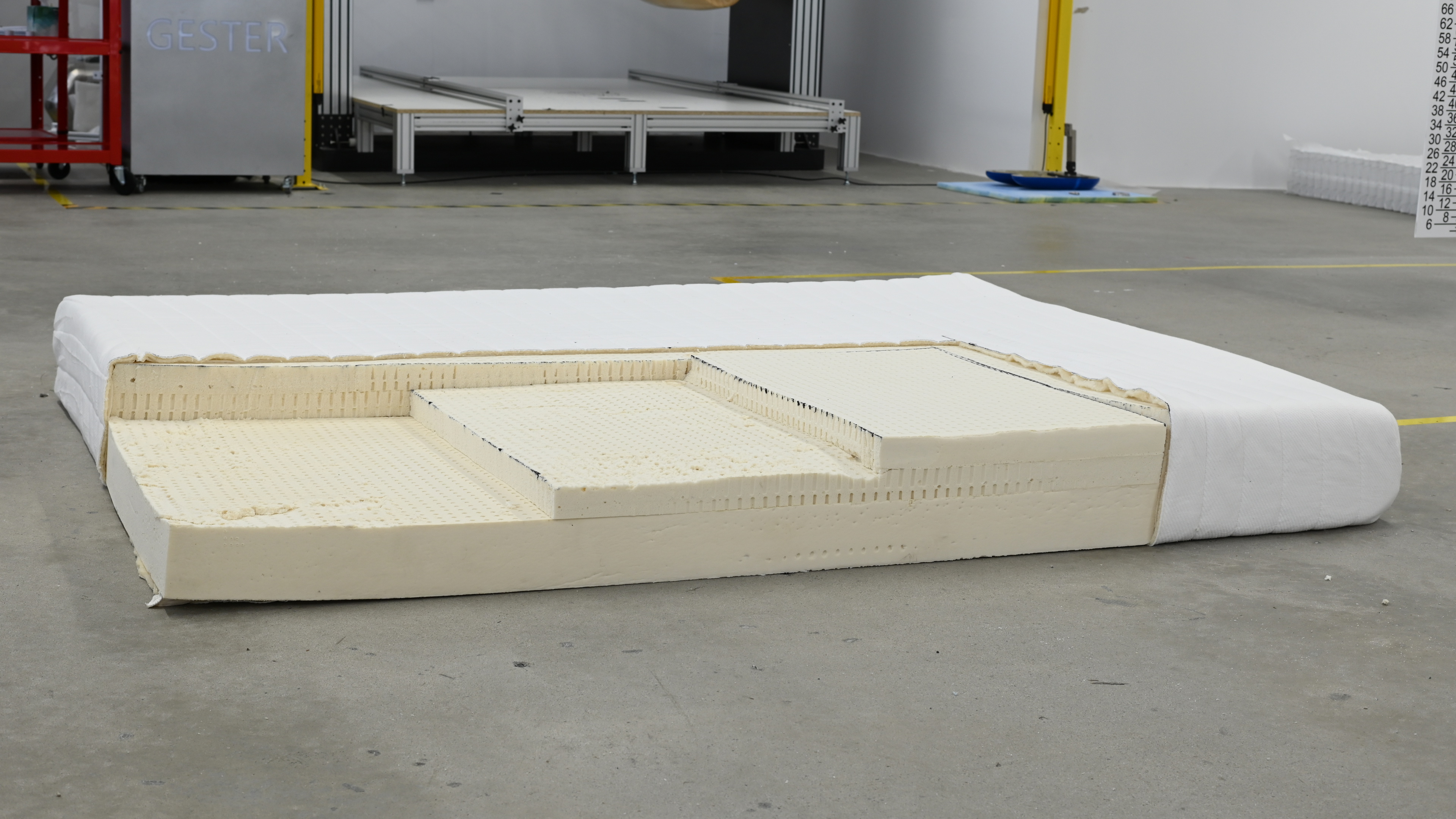
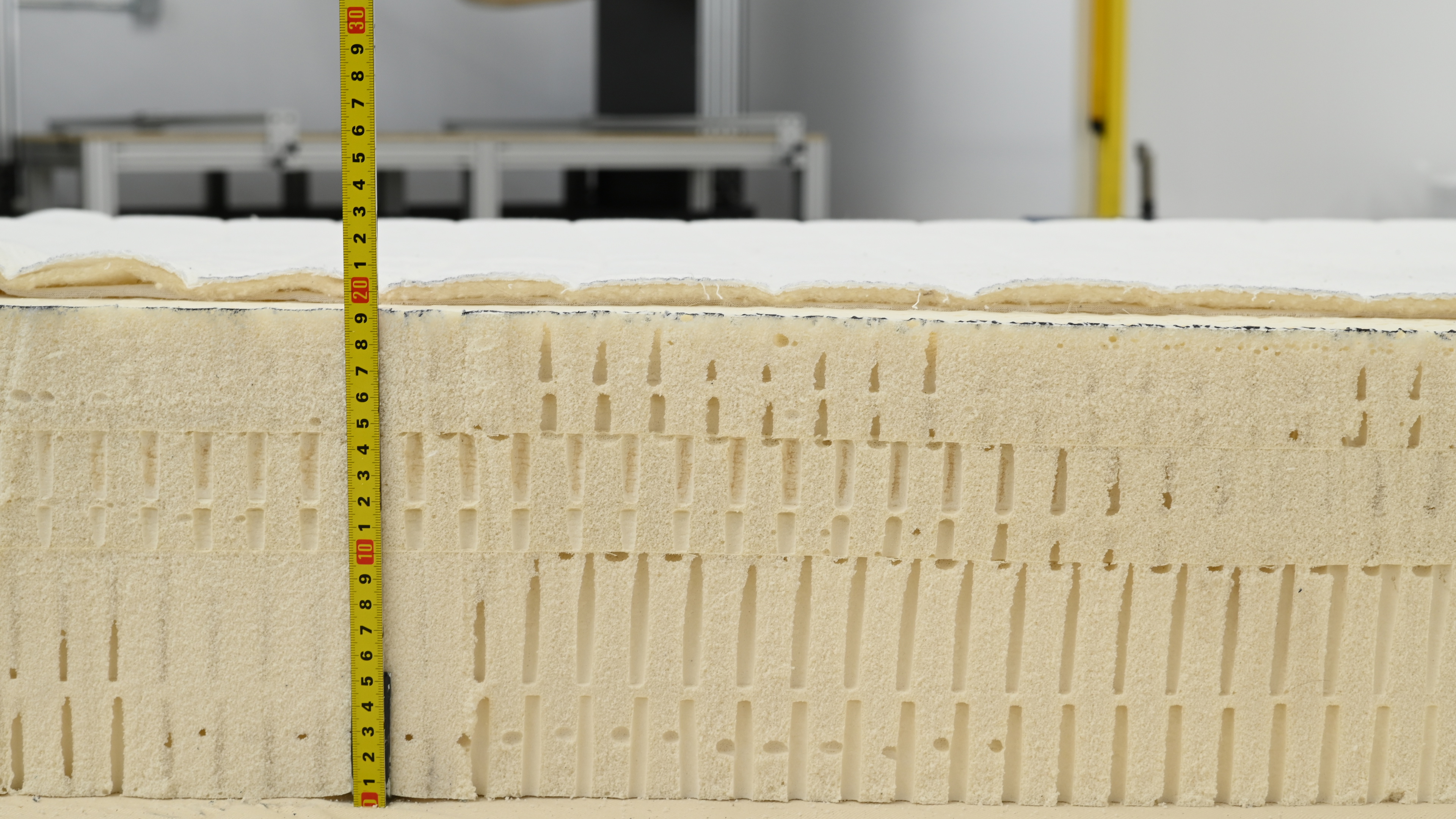
The Sleep On Latex Pure Green Organic has three layers of latex in varying densities. Because it's made entirely of latex foam (except for the organic cotton cover and wool fire barrier), it exemplifies the usual qualities of latex well.
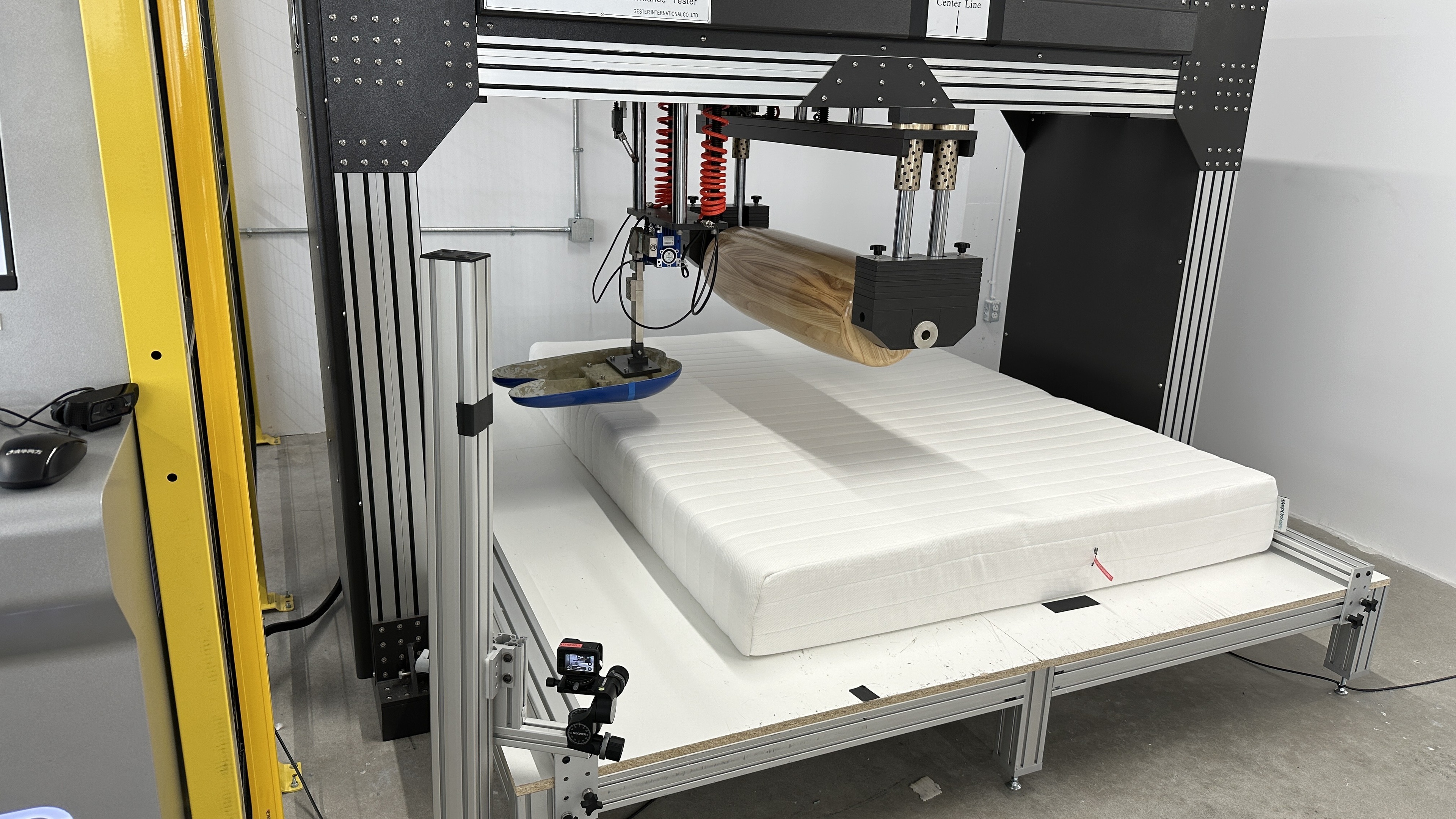
Latex tends to be very responsive, providing a lot of 'push back,' and this is the area where the Sleep On Latex mattress performs the best. It responds instantly when you compress it, making it very easy to shift sleeping positions and move around on the mattress's surface. This mattress has excellent edge support as well, so it's also easier to get in or out of bed, and you can sleep right next to the edge without feeling like you're going to slide off. Latex is also very cooling—despite its all-foam construction, this mattress keeps you cool at the beginning of the night and continues to dissipate heat throughout the night, so you're unlikely to wake up overheated. The worst aspect of this mattress is its motion isolation and dissipation, but it still performs pretty well in this regard. When your sleeping partner tosses and turns, you feel it a bit in the lumbar, but very little of the movement transfers to the head or foot of the mattress, and it dissipates quickly, so it's not very likely to wake you. As mentioned above, the density of latex doesn't correlate to quality the same way it does for polyfoam and memory foam. That said, latex is widely considered to be the most durable type of mattress foam, so you should expect it to resist indentations and sagging.
Choose a latex mattress if:
- You want a mattress made from natural materials—though latex can also be synthetic, many manufacturers of latex mattresses focus on using organic and natural materials, like organic cotton and wool.
- You prefer a responsive mattress, since latex 'pushes back' when compressed.
- You're looking for a long-term investment, as latex mattresses tend to be more durable.
- You have back pain, since latex offers a good balance of support and pressure relief.
- You sleep on your back or stomach, since firm support helps keep your spine aligned.
- You sleep hot—latex offers better cooling than other types of foam.
Skip it if:
- You prefer a softer bed; latex can be very firm.
- You're shopping on a budget—while you can find latex mattresses at various price points, they tend to be expensive compared to other types.
- You're a side sleeper or have a lighter body weight, since you'll likely find it too firm.
Hybrid
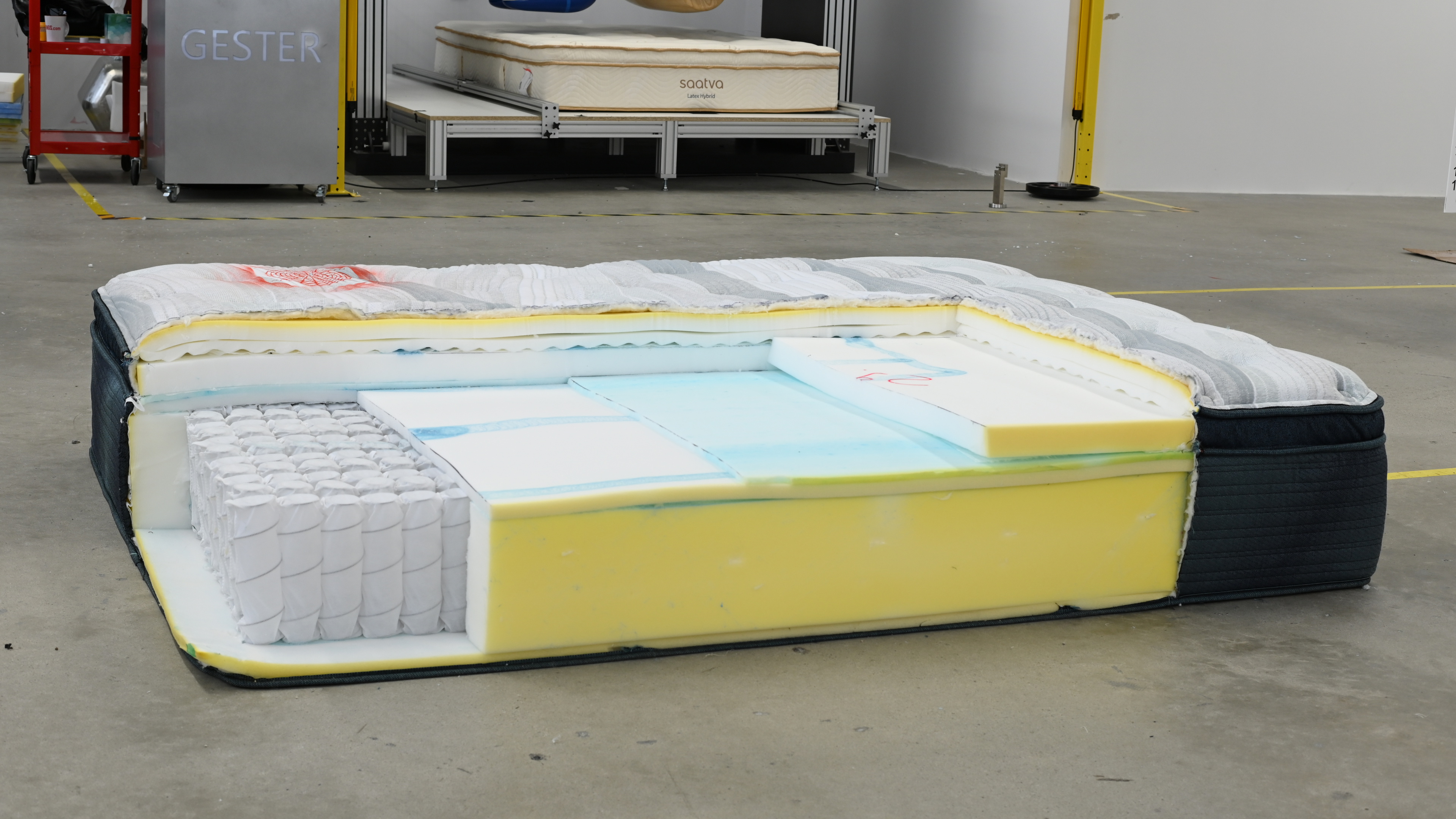
In a hybrid mattress, you'll find a spring support layer and more than 2" (5 cm) of foam in the comfort layers.
|
 |
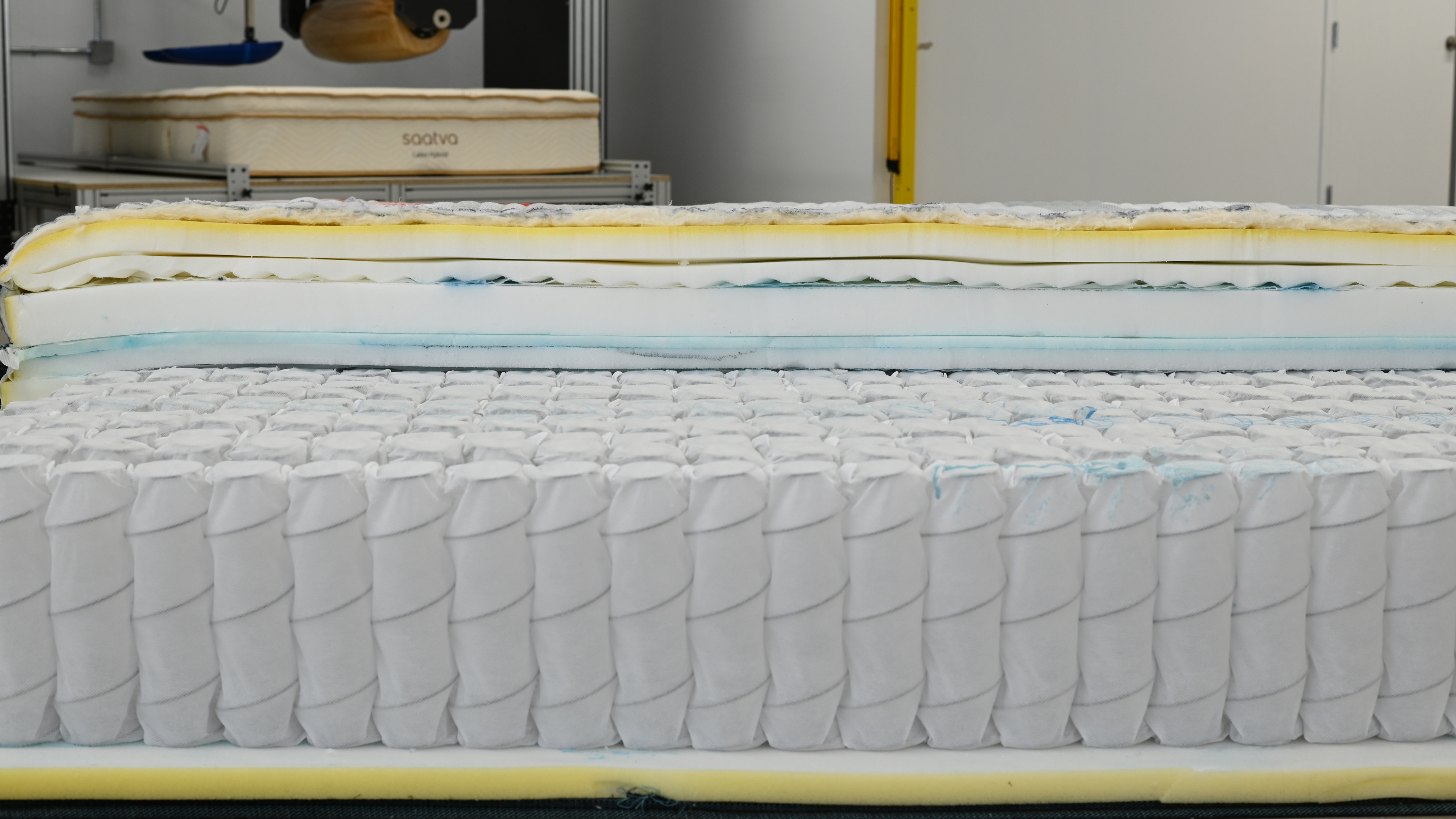 |
Hybrid mattresses are the newest type on the market. As the name suggests, they combine materials from innerspring and foam mattresses to (hopefully) achieve the best of both worlds. They typically have a layer of pocket springs for support, topped with a series of foam layers, though the configuration and type of foam vary between models.
Since hybrids use both foam and springs, they tend to have a good balance of pressure relief and support. This ensures that you stay comfortable while the heavier parts of your body are supported to keep your spine aligned. Compared to innerspring models, hybrids tend to offer better motion isolation, so you don't feel too much of your sleeping partner's movement. Compared to all-foam models, they tend to offer more responsiveness and bounce, so it's easier to move around, and they usually have better cooling, too.
Naturally, there are some compromises to consider with this type of mattress as well. The drawbacks of a hybrid mattress can be seen as the inverse of its benefits. While they offer better motion isolation than innerspring mattresses, all-foam models will perform better still. Similarly, they may offer better cooling than most foam models, but innerspring mattresses tend to be even more cooling. One other consideration is that, like latex mattresses, hybrids tend to be quite heavy.
The Beautyrest Harmony Lux is a hybrid mattress with excellent performance. It has a pocket spring support system, a polyfoam transition layer, polyfoam and memory foam comfort layers, and a polyfoam and fiberfill quilted top.
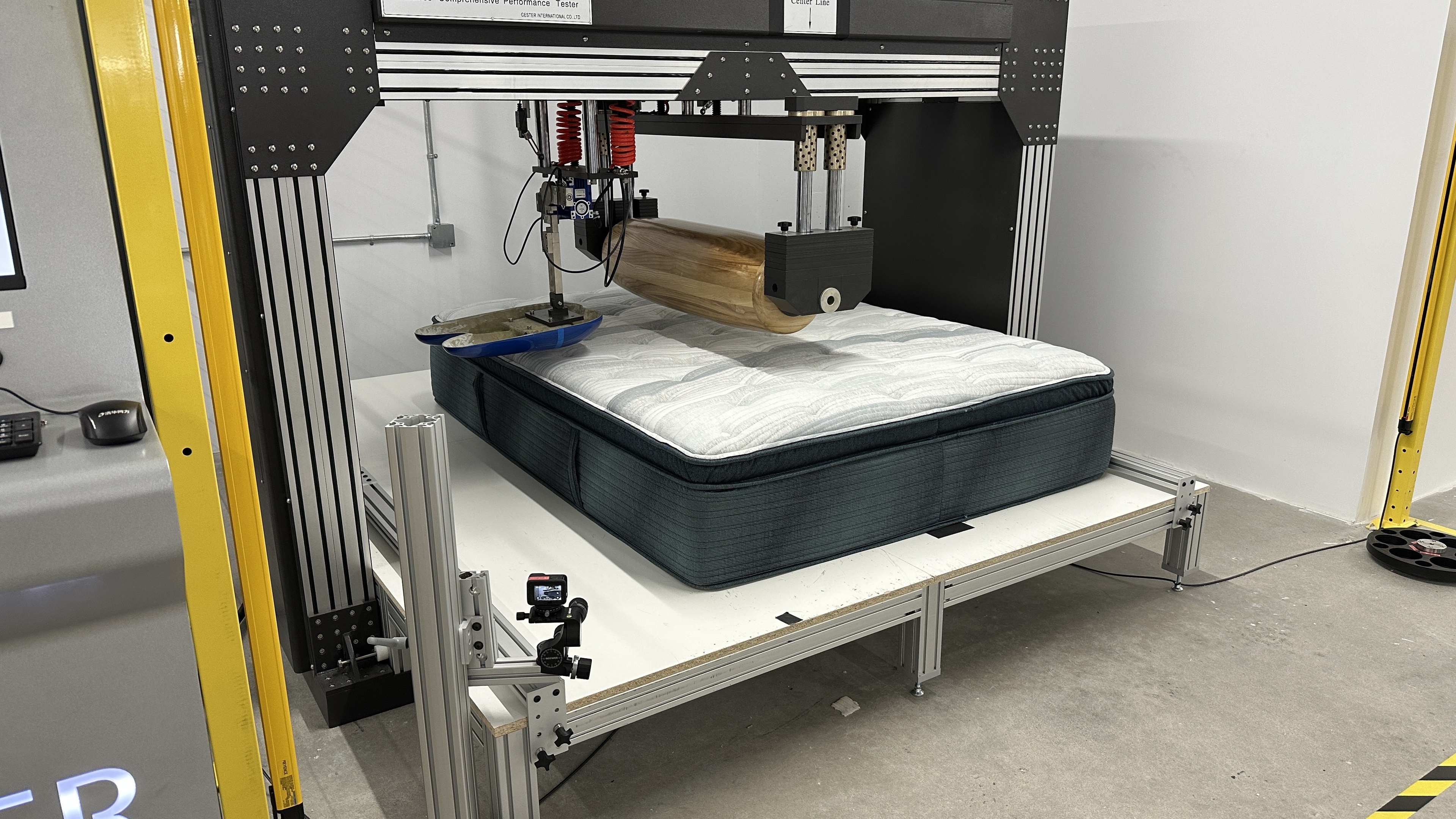
Like many hybrid mattresses, the Beautyrest Harmony Lux performs well in many different areas. While it does have a layer of memory foam, it's beneath two layers of polyfoam, which helps give it fantastic responsiveness. When you compress it, it responds in less than a second, so shifting sleeping positions is virtually effortless. It's easy to get in or out of bed as well, thanks to its superb edge support, and you can sleep close to the edge without worrying that you might slip off. This mattress also provides great motion isolation, so if you have a sleeping partner who tosses and turns or a pet that likes to hop on and off the bed late at night, their movements are less likely to disturb you. You still feel larger motions close to their place of origin, but they dissipate quickly, so you're not left bouncing around. Finally, the Beautyrest Harmony Lux is also very good at keeping you cool, especially at the beginning of the night, and while it does collect a bit more heat as the night goes on, it stays cool enough for all but the hottest sleepers. Unfortunately, like some options above, this mattress also uses low-quality foam. While you may not be able to feel a difference right away, poor-quality foam can cause premature sagging and indentations, which can seriously limit the lifespan of your mattress.
Choose a hybrid mattress if:
- You sleep with a partner, as hybrids tend to offer good motion isolation and edge support.
- You sleep hot; the spring layer in hybrid mattresses allows heat to dissipate fairly quickly.
- You have back pain, since the balance of pressure relief and support can help keep your spine aligned.
- You're a combination sleeper, as the balanced support is a good choice for various sleeping positions.
Skip it if:
- You're shopping on a budget; hybrids tend to be more expensive than other types.
- You need excellent motion isolation, as all-foam options tend to outperform hybrids in this respect.
- You sleep very hot, since innerspring mattresses tend to sleep cooler.
For more details on this type of mattress, check out our hybrid mattress guide.
Conclusion
Now that you have a solid grasp of the types of mattresses you'll find in stores and online, you should have a good idea about what kind of mattress is best for your needs.
For the next steps in choosing a mattress, take a look at our mattress firmness guide, read about common mattress certifications, or check out our mattress buying guide. If you're curious to see what we recommend, look at our picks for the best mattresses.
You can also learn more about how a mattress's components affect its performance in our R&D article, or read more about what we've found out by cutting open mattresses in our article about unit-to-unit differences in mattresses.