Products
Tested using Methodology v1.2
Updated Jul 17, 2026 05:05 PM
SEARCH
Amazon
Tested using Methodology v1.2
Updated Jul 14, 2026 06:21 PM
SEE PRICE
Sealy
Mattress Type
Hybrid
Bed-In-A-Box
Yes
Upper Comfort Foam @ LumbarMemory Foam
Firmness Level
Medium-Plush (39 Pa/mm)
Mattress Type
Hybrid
Bed-In-A-Box
No
Upper Comfort Foam @ LumbarMemory Foam
Firmness Level
Medium-Plush (38 Pa/mm)
Our Verdict
Nolah Evolution
Sealy Posturepedic Hybrid
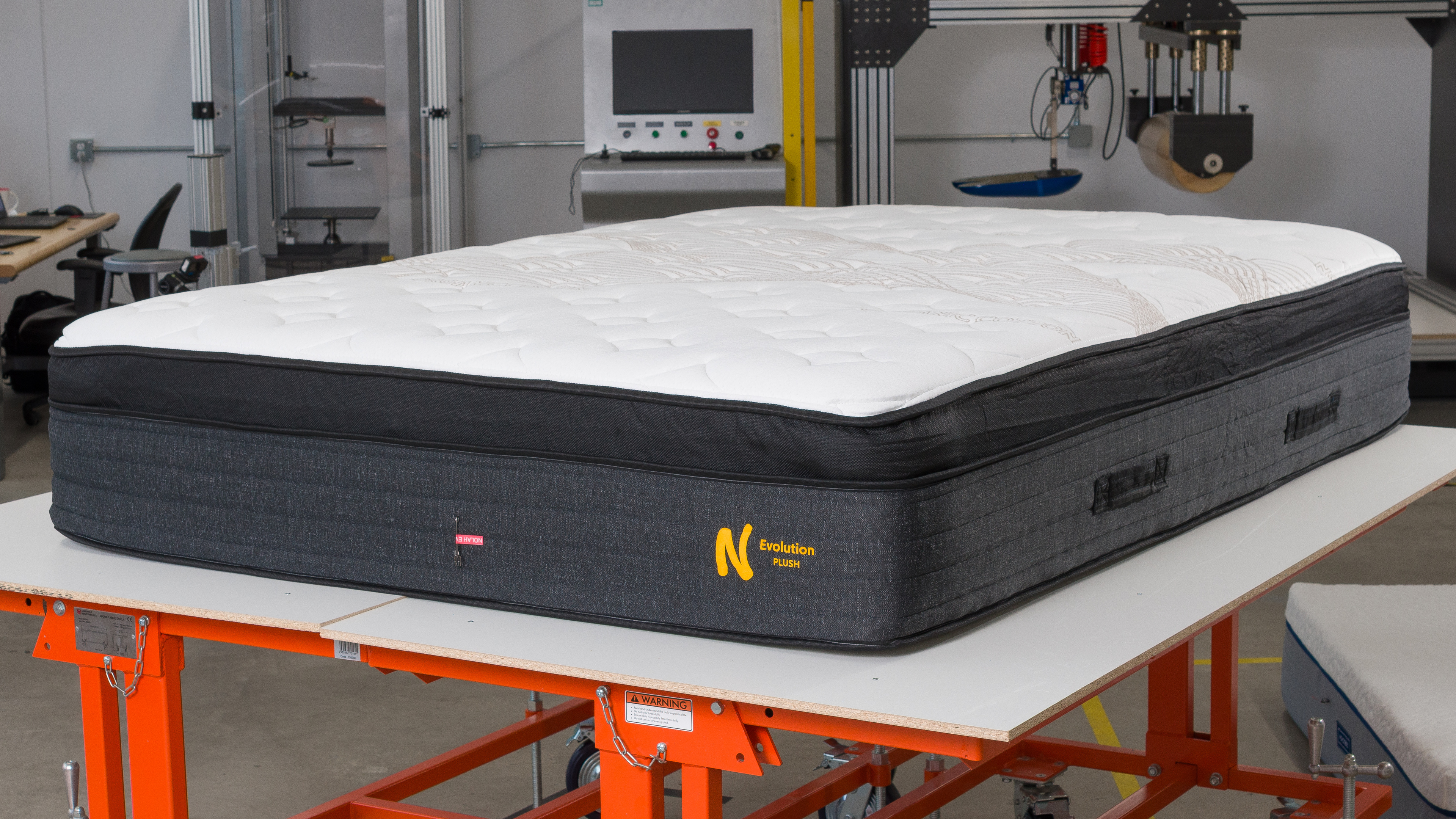
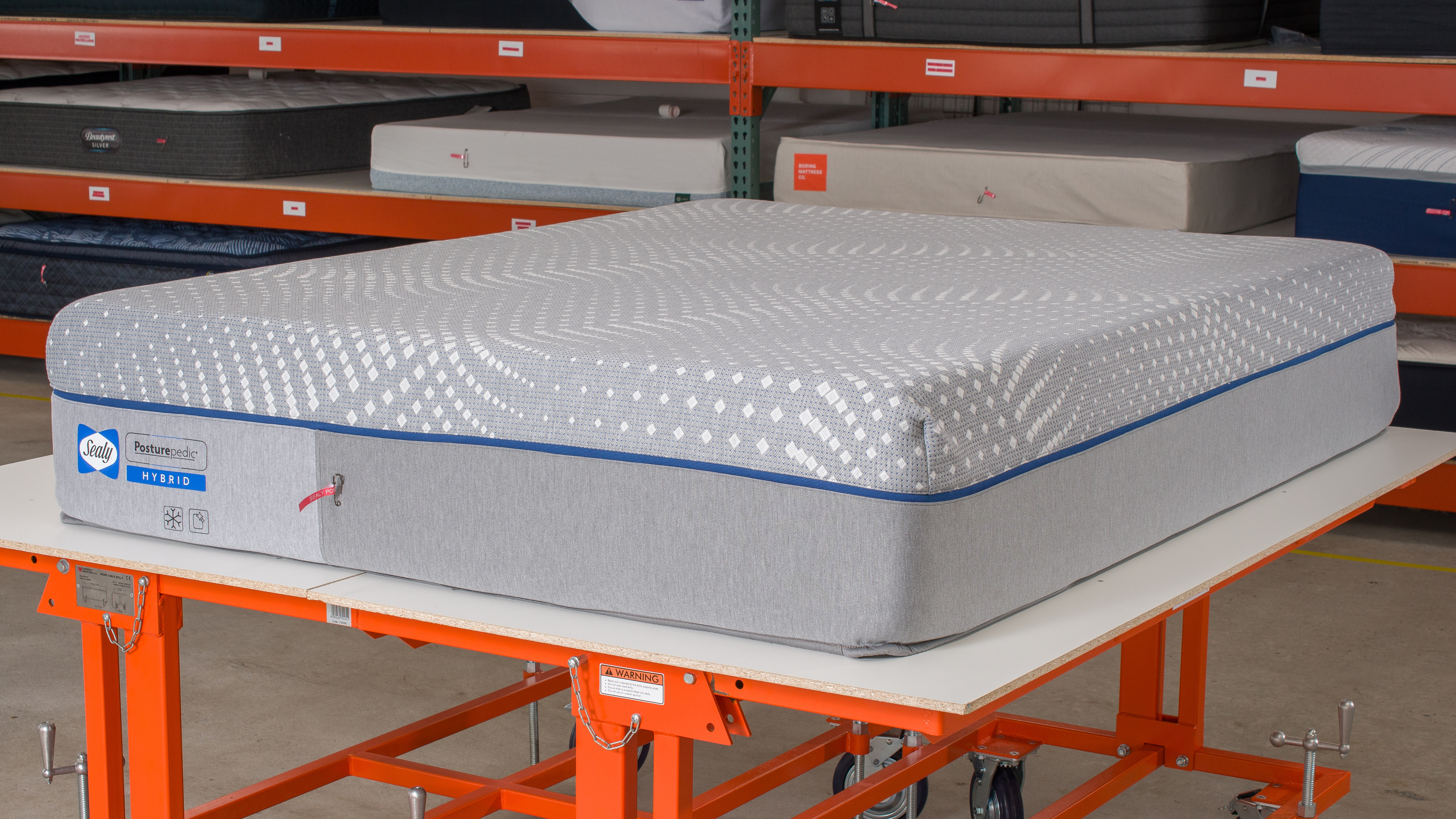
The Sealy Posturepedic Hybrid and Nolah Evolution have different strengths. Both are best for average-weight or heavier side sleepers and offer impressive motion isolation. The Sealy offers significantly better cooling and is more responsive, which makes it easier to move around on. On the other hand, the Nolah has a more hugging feel that helps it offer better pressure relief. You might prefer it if you like an enveloping mattress.
Variants
- Evolution (Plush) (California King)
- Evolution (Plush) (Full)
- Posturepedic Hybrid (Soft) (California King)
- Posturepedic Hybrid (Soft) (Full)
Check Price
California King
Evolution (Plush)
SEARCH
Amazon
California King
Posturepedic Hybrid (Soft)
SEE PRICE
Sealy
Full
Evolution (Plush)
SEARCH
Amazon
Full
Posturepedic Hybrid (Soft)
SEE PRICE
Sealy
King
Evolution (Plush)
SEARCH
Amazon
King
Posturepedic Hybrid (Soft)
SEE PRICE
Sealy
Queen
Evolution (Plush)
SEARCH
Amazon
Queen
Posturepedic Hybrid (Soft)
SEE PRICE
Sealy
Split California King
Posturepedic Hybrid (Soft)
SEE PRICE
Sealy
Split King
Evolution (Plush)
SEARCH
Amazon
Split King
Posturepedic Hybrid (Soft)
SEE PRICE
Sealy
Twin
Evolution (Plush)
SEARCH
Amazon
Twin
Posturepedic Hybrid (Soft)
SEE PRICE
Sealy
Twin Long
Posturepedic Hybrid (Soft)
SEE PRICE
Sealy
Twin XL
Evolution (Plush)
SEARCH
Amazon
Main Differences for
Side Sleeping
Side Sleeping
Threshold
Side Sleeping
8.1
7.2
Full Comparison
Design
Style
Style Picture
Compare High-Res
Compare High-Res
Mattress Type
Hybrid
Hybrid
Bed-In-A-Box
Yes
No
Quilted Top Layer
Yes
No
Grab Handles
Yes
No
Thickness
35.7 cm (14.1")
34.5 cm (13.6")
Performance
Firmness
Head/Feet Firmness
Preview Graph
Preview Graph
Lumbar Firmness
Preview Graph
Preview Graph
Firmness Video
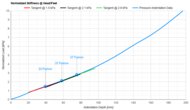
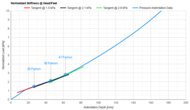
Normalized Stiffness @ Head/Feet
36 Pa/mm
39 Pa/mm
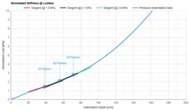
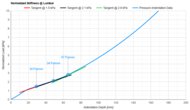
Normalized Stiffness @ Lumbar
39 Pa/mm
38 Pa/mm
Firmness Level
Medium-Plush (39 Pa/mm)
Medium-Plush (38 Pa/mm)
Body Conformity
8.3
7.3
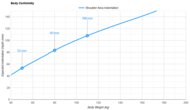
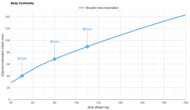
Shoulder Indentation vs. Body Weight
Preview Graph
Preview Graph
Body Conformity Picture 1
Body Conformity Picture 2
Indent @ 50 kg (110 lb)
53 mm (2.1")
40 mm (1.6")
Indent @ 80 kg (176 lb)
83 mm (3.3")
68 mm (2.7")
Indent @ 110 kg (242 lb)
108 mm (4.2")
89 mm (3.5")
Support
6.9
6.3
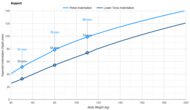
Pelvis Indentation vs. Body Weight
Preview Graph
Preview Graph
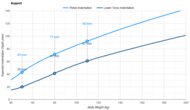
Indent Difference @ 50 kg (110 lb)
19 mm (0.7")
23 mm (0.9")
Indent Difference @ 80 kg (176 lb)
24 mm (1.0")
30 mm (1.2")
Indent Difference @ 110 kg (242 lb)
25 mm (1.0")
31 mm (1.2")
Bounciness
7.1
7.6
Bounciness Video
Maximum Rebound Height
13.0 cm (5.1")
17.0 cm (6.7")
Comfort Layers Envelopment
8.2
7.5
Sinking & Contouring Picture
Compare High-Res
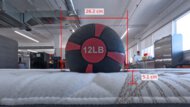
Compare High-Res
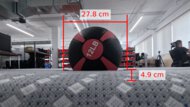
Sinking Depth
5.1 cm (2.0")
4.9 cm (1.9")
Diameter Of Distortion
26.2 cm (10.3")
27.8 cm (10.9")
Responsiveness
6.3
8.5
Responsiveness Video
Response Time
1.8 s
0.7 s
Motion Isolation
8.1
8.0
Motion Isolation Video
Head/Feet Motion Isolation
Preview Graph
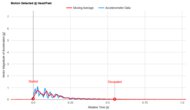
Preview Graph
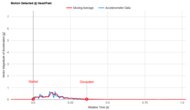
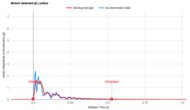
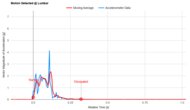
Lumbar Motion Isolation
Preview Graph
Preview Graph
Peak Acceleration @ Head/Feet
1.11 g
0.69 g
Dissipation Time @ Head/Feet
0.55 s
0.36 s
Peak Acceleration @ Lumbar
2.41 g
4.16 g
Dissipation Time @ Lumbar
0.53 s
0.32 s
Edge Support
8.8
9.0
Naturalistic Loading Pad Video
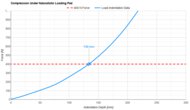
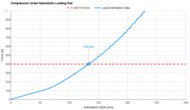
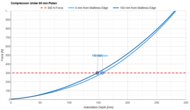
Naturalistic Loading Pad
Preview Graph
Preview Graph
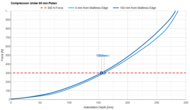
Small Platen
Preview Graph
Preview Graph
Naturalistic Loading Pad Indentation
134 mm
133 mm
Small Platen Indentation @ 0 mm From Edge
157 mm
160 mm
Small Platen Indentation @ 150 mm From Edge
148 mm
155 mm
Increased Indentation @ Mattress Edge
9 mm
4 mm
Cooling
6.4
7.9
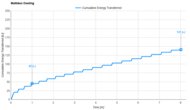
Cooling Graph
Preview Graph
Preview Graph
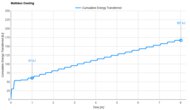
Energy Transferred Over 1st Hour
45 kJ
61 kJ
Energy Transferred Over 8 Hours
141 kJ
167 kJ
Components
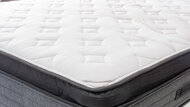
Cover
Cover Picture
Compare High-Res
Compare High-Res
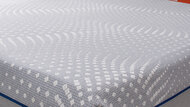
Sleeping Surface Material
Organic Cotton
Not Provided by Manufacturer
Removable
No
No
Machine Washable
No
No
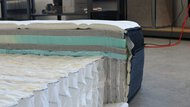
Edge Construction
Edge Support Picture
Compare High-Res
Compare High-Res
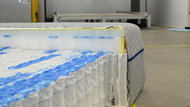
Edge Component
Pocket Coils
Pocket Coils
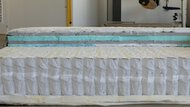
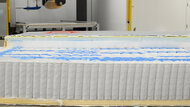
Foam Layer Material
Foam Layer Material Picture
Compare High-Res
Compare High-Res
Quilted Top Fill
Polyfoam + Fiber Fill
N/A
Upper Comfort Foam @ Head/Feet
Memory Foam
Memory Foam
Upper Comfort Foam @ Lumbar
Memory Foam
Memory Foam
Lower Comfort Foam @ Head/Feet
Memory Foam
N/A
Lower Comfort Foam @ Lumbar
Memory Foam
N/A
Transition Foam
Polyfoam
Polyfoam
Support Foam
Polyfoam
N/A
Foam Layer Mass Density
5.6
2.9
Quilted Top Fill
24 kg/m³ (1.5 lb/cu.ft.)
N/A
Quilted Top Fill Foam Density vs. Reference
0.6
N/A
Upper Comfort Foam @ Head/Feet
68 kg/m³ (4.2 lb/cu.ft.)
38 kg/m³ (2.3 lb/cu.ft.)
Upper Comfort Foam @ Head/Feet Density vs. Reference
1.1
0.6
Upper Comfort Foam @ Lumbar
68 kg/m³ (4.2 lb/cu.ft.)
38 kg/m³ (2.3 lb/cu.ft.)
Upper Comfort Foam @ Lumbar Density vs. Reference
1.1
0.6
Lower Comfort Foam @ Head/Feet
42 kg/m³ (2.6 lb/cu.ft.)
N/A
Lower Comfort Foam @ Head/Feet Density vs. Reference
0.7
N/A
Lower Comfort Foam @ Lumbar
42 kg/m³ (2.6 lb/cu.ft.)
N/A
Lower Comfort Foam @ Lumbar Density vs. Reference
0.7
N/A
Transition Foam
30 kg/m³ (1.9 lb/cu.ft.)
18 kg/m³ (1.1 lb/cu.ft.)
Transition Foam Density vs. Reference
1.0
0.3
Support Foam
22 kg/m³ (1.4 lb/cu.ft.)
N/A
Support Foam Density vs Reference
0.5
N/A
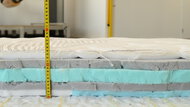
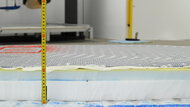
Foam Layer Thickness
Foam Layer Thickness Picture
Compare High-Res
Compare High-Res
Quilted Top
2.3 cm (0.9")
N/A
Upper Comfort Foam @ Head/Feet
2.5 cm (1.0")
3.5 cm (1.4")
Upper Comfort Foam @ Lumbar
2.5 cm (1.0")
3.5 cm (1.4")
Lower Comfort Foam @ Head/Feet
3.8 cm (1.5")
N/A
Lower Comfort Foam @ Lumbar
3.8 cm (1.5")
N/A
Transition Foam
2.5 cm (1.0")
6.0 cm (2.4")
Support Foam
2.0 cm (0.8")
N/A
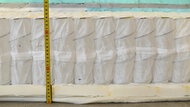
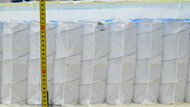
Spring Layer Dimensions
Spring Layer Height Picture
Compare High-Res
Compare High-Res
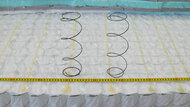
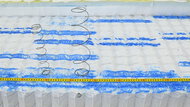
Spring Layer Density Picture
Compare High-Res
Compare High-Res
Comfort Layer Height
N/A
N/A
Comfort Layer Coil Density
N/A
N/A
Comfort Layer Coil Gauge
N/A
N/A
Support Layer Height
21.2 cm (8.3")
21.9 cm (8.6")
Support Layer Coil Density
248 coils/m² (23 coils/ft²)
233 coils/m² (22 coils/ft²)
Support Layer Coil Gauge @ Head/Feet
14 gauge
15 gauge
Support Layer Coil Gauge @ Lumbar
13 gauge
15 gauge
Foam Layer Firmness
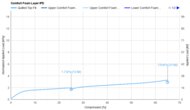
Comfort Layer IPD
Preview Graph
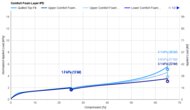
Preview Graph
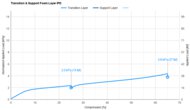
Transition & Support Layer IPD
Preview Graph
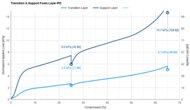
Preview Graph
Quilted Top Fill 25% IPD
1.8 kPa
N/A
Upper Comfort Foam @ Head/Feet 25% IPD
1.6 kPa
1.7 kPa
Upper Comfort Foam @ Lumbar 25% IPD
1.6 kPa
1.7 kPa
Lower Comfort Foam @ Head/Feet 25% IPD
1.7 kPa
N/A
Lower Comfort Foam @ Lumbar 25% IPD
1.7 kPa
N/A
Transition Foam 25% IPD
2.4 kPa
2.0 kPa
Support Foam 25% IPD
6.0 kPa
N/A
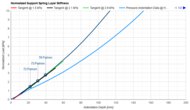
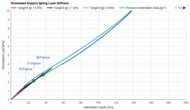
Spring Layer Firmness
Comfort Layer Firmness

Support Layer Firmness
Preview Graph
Preview Graph
Spring Layer Firmness
Normalized Comfort Layer Stiffness @ Head/Feet
N/A
N/A
Normalized Comfort Layer Stiffness @ Lumbar
N/A
N/A
Normalized Support Layer Stiffness @ Head/Feet
50 Pa/mm
77 Pa/mm
Normalized Support Layer Stiffness @ Lumbar
74 Pa/mm
68 Pa/mm
Foam Layer Resilience
Foam Layer Resilience Video
Quilted Top Fill
55%
N/A
Upper Comfort Foam @ Head/Feet
2%
16%
Upper Comfort Foam @ Lumbar
2%
16%
Lower Comfort Foam @ Head/Feet
5%
N/A
Lower Comfort Foam @ Lumbar
5%
N/A
Transition Foam
37%
42%
Support Foam
39%
N/A
Spring Layer Bounciness
Comfort Spring Layer Bounciness Video
Support Spring Layer Bounciness Video
Comfort Spring Layer Maximum Rebound Height
N/A
N/A
Support Spring Layer Maximum Rebound Height
39.0 cm (15.4")
44.0 cm (17.3")
Check Price
California King
Evolution (Plush)
SEARCH
Amazon
California King
Posturepedic Hybrid (Soft)
SEE PRICE
Sealy
Full
Evolution (Plush)
SEARCH
Amazon
Full
Posturepedic Hybrid (Soft)
SEE PRICE
Sealy
King
Evolution (Plush)
SEARCH
Amazon
King
Posturepedic Hybrid (Soft)
SEE PRICE
Sealy
Queen
Evolution (Plush)
SEARCH
Amazon
Queen
Posturepedic Hybrid (Soft)
SEE PRICE
Sealy
Split California King
Posturepedic Hybrid (Soft)
SEE PRICE
Sealy
Split King
Evolution (Plush)
SEARCH
Amazon
Split King
Posturepedic Hybrid (Soft)
SEE PRICE
Sealy
Twin
Evolution (Plush)
SEARCH
Amazon
Twin
Posturepedic Hybrid (Soft)
SEE PRICE
Sealy
Twin Long
Posturepedic Hybrid (Soft)
SEE PRICE
Sealy
Twin XL
Evolution (Plush)
SEARCH
Amazon
To access
Become a member
unlimited full product reviews,
product prices, and
other exclusive site features
Nolah Evolution
Sealy Posturepedic Hybrid
Comments
Nolah Evolution vs Sealy Posturepedic Hybrid: Main Discussion
What do you think of these products? Let us know below.
Looking for a personalized buying advice from the RTINGS.com experts? Members have direct access to buying advice on our member forum.