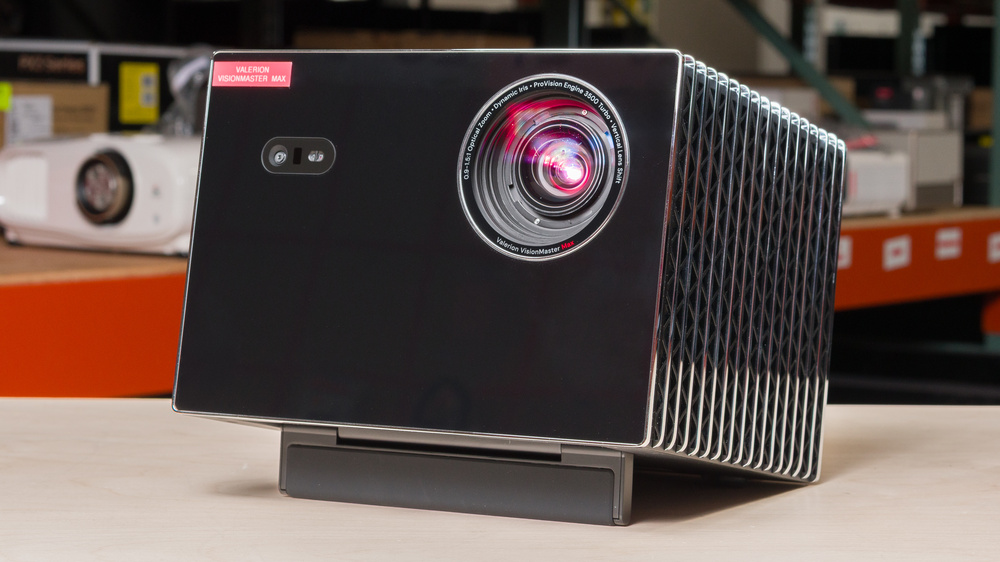
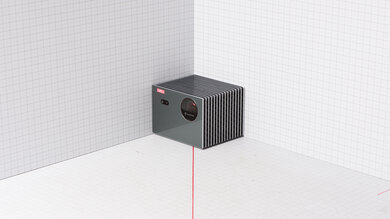
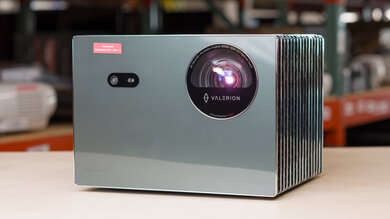
The Valerion VisionMaster Max is a DLP projector with a laser light source and a pixel-shifted 4k resolution. For setup flexibility, it includes auto focus and auto keystone, a motorized zoom lens with a 0.90–1.50:1 throw range, and a large ±105% vertical optical lens shift to help place and center the image without physically tilting the projector. Connectivity is also robust, with three HDMI inputs (two HDMI2.1 at up to 48Gbps), two USB data ports, a 3.5 mm audio out, an optical (S/PDIF) output, Wi-Fi, and a 1Gbps Ethernet port. It runs an Android-based smart OS with casting support and includes two 12W built-in speakers.
Our Verdict
The Valerion VisionMaster Max is excellent for a home theater setup. The great contrast gives movies deep-looking blacks and convincing depth in dark and mixed scenes; scenes with large light areas are a little less rich, but still look good. It also has one of the best dynamic contrast features on a projector, and it's usually worth enabling. Movie motion is smooth with most sources, although some international video content played through an older streamer remains choppy. The very accurate, richly saturated colors look natural without calibration, and its RBE Reduction mode makes rainbow flashes essentially invisible to most viewers.
Accurate, richly saturated colors.
Great contrast gives dark and mixed scenes strong depth.
Flexible setup makes precise placement easy.
RBE Reduction makes rainbow flashes much less noticeable.
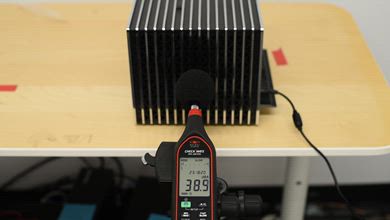
Quiet fan is unlikely to distract from typical viewing.
Lighter scenes lose some contrast depth.
25p content from a 60Hz external source remains juddery.
RBE Reduction can add a faint high-pitched fan noise.
The Valerion VisionMaster Max is decent for outdoor use. It produces a large, colorful image after sunset or in an area with some ambient light. Its automatic screen adaptation and flexible physical setup make it relatively quick to align once it is in place. However, it is a heavy projector with no carrying features and requires AC power, so it's better for planned patio movie nights near an outlet than frequent grab-and-go use.
Bright, uniform image remains colorful with some ambient light.
Excellent screen adaptation makes temporary placement quick and forgiving.
Flexible setup makes precise placement easy.
Built-in Google TV and casting let you stream without an external stick.
Heavy design with no battery or carrying features.
No horizontal lens shift and tripod-only mounting limit placement.
The Valerion VisionMaster Max is good for bedroom use if you plan to leave it in one place. Its excellent screen adaptation and flexible physical setup make it easy to align on a dresser or stand, while its quiet fan is unlikely to distract from typical viewing. However, it is heavy and lacks carrying features, so it's not the most practical option if you're looking for a projector that you can regularly move between rooms.
Excellent screen adaptation makes temporary placement quick and forgiving.
Flexible setup makes precise placement easy.
Quiet fan is unlikely to distract from typical viewing.
Built-in Google TV and casting let you stream without an external stick.
Heavy design with no battery or carrying features.
No horizontal lens shift and tripod-only mounting limit placement.
RBE Reduction can add a faint high-pitched fan noise.
The Valerion VisionMaster Max is excellent for gaming. It accepts high-refresh-rate signals, and its DLP imaging keeps fast motion crisp, while its input lag is responsive enough for most casual and competitive players. Its bright image, great contrast, and outstanding color volume give games a strong visual impact. Its RBE Reduction mode also makes it a more comfortable DLP choice for viewers who notice rainbow artifacts. Serious esports players should know that it is a little slower at 60Hz and 120Hz than the fastest gaming projectors.
Accurate, richly saturated colors.
Great contrast gives dark and mixed scenes strong depth.
Bright, uniform image remains colorful with some ambient light.
High-refresh support and crisp DLP motion suit fast-paced games.
RBE Reduction makes rainbow flashes much less noticeable.
No VRR support.
Lighter scenes lose some contrast depth.
60Hz and 120Hz input lag trails the fastest gaming projectors.
RBE Reduction can add a faint high-pitched fan noise.
The Valerion VisionMaster Max has great brightness. It delivers a large image that remains vibrant with some ambient light, and saturated colors stay as bright as white highlights, so colorful scenes avoid looking washed out.
Bright, uniform image remains colorful with some ambient light.
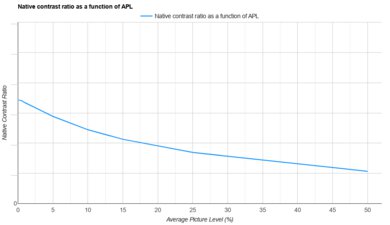
The Valerion VisionMaster Max has great contrast. It keeps dark and mixed scenes rich, with deep blacks and clear separation between highlights and shadows. It loses a little depth in scenes dominated by large light areas, though they still look good. Its dynamic contrast feature can enhance the contrast, but the change is most obvious in fades or blank screens rather than in typical content. Still, it works well and is usually worth enabling.
Great contrast gives dark and mixed scenes strong depth.
Lighter scenes lose some contrast depth.
The Valerion VisionMaster Max is sub-par for portability. Its footprint is manageable on a shelf or media console, but it is heavy enough that you will not want to move it casually. There is no handle, carrying case, or lens protection, so you need to carry and protect it yourself. Its automatic screen adaptation and flexible setup make it easier to realign after moving it, but not easier to transport.
Excellent screen adaptation makes temporary placement quick and forgiving.
Flexible setup makes precise placement easy.
Built-in Google TV and casting let you stream without an external stick.
Heavy design with no battery or carrying features.
No horizontal lens shift and tripod-only mounting limit placement.
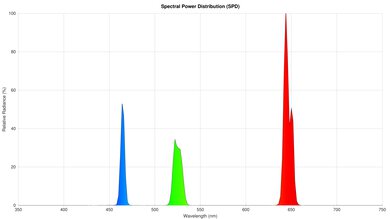
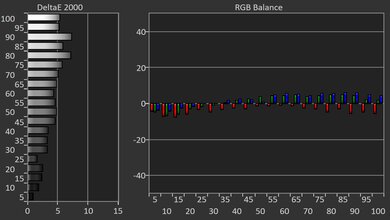
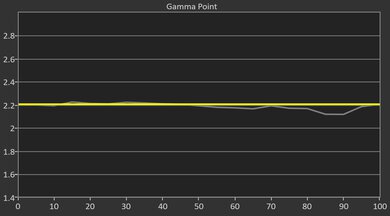
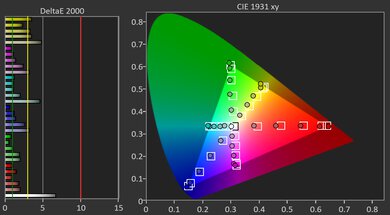
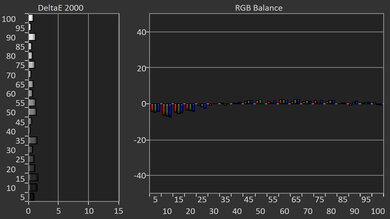
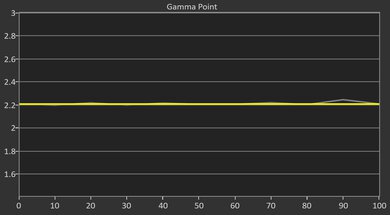
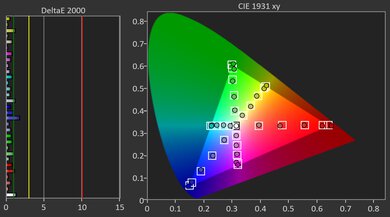
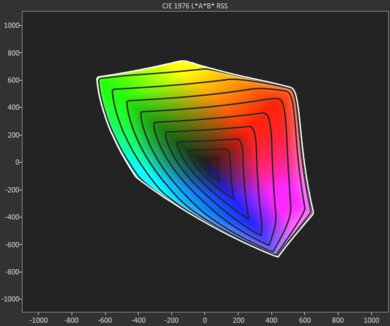
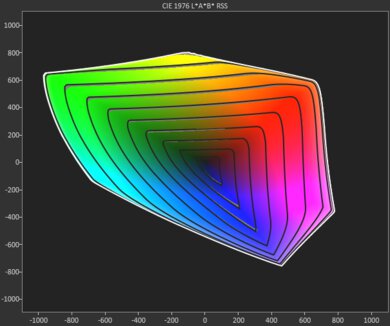
The Valerion VisionMaster Max has excellent color performance. Its colors are very accurate out of the box, so familiar colors such as skin tones and natural scenery look realistic without calibration. It also keeps saturated colors rich from dark shades to bright highlights, so things like colorful animation retain their intensity rather than looking faded or washed out.
Accurate, richly saturated colors.
The Valerion VisionMaster Max has great gaming responsiveness. Its DLP imaging keeps fast motion crisp, and its high-refresh-rate support lets games feel more immediate than at 60Hz. Input lag is responsive enough for most players, including most competitive gamers, but it isn't quite as fast at 60Hz and 120Hz as the best gaming projectors. Very serious players may notice the difference, but most gamers likely won't.
High-refresh support and crisp DLP motion suit fast-paced games.
No VRR support.
60Hz and 120Hz input lag trails the fastest gaming projectors.
Performance Usages
Changelog
-
Updated Aug 21, 2026:
Mentioned the newly reviewed XGIMI TITAN Noir in the Input Lag section.
-
Updated Aug 19, 2026:
We mentioned the newly reviewed XGIMI TITAN Noir Max in the Input Lag section.
-
Updated Aug 17, 2026:
We've added text back to our Brightness and Effective Contrast test boxes that provide more details on how the projector performs at different Iris Size levels and explain that we used an Iris Size of 4 for our tests.
- Updated Jul 28, 2026: We've converted the review to Test Bench 1.0, which replaces our Color Gamut test with Color Volume and adds a new Rainbow Effect test box. We also updated Effective Contrast (formerly Native Contrast) to account for projector brightness and reworked Judder scoring. The new bench also adds Outdoors and Bedroom usages, plus Portability, Color, and Gaming Responsiveness Performance Usages; Movies is now Home Theater, and all existing usage scores have been updated. See the 1.0 changelog.
Check Price
Differences Between Sizes And Variants
Valerion sells multiple VisionMaster models, and the Valerion VisionMaster Max sits at the higher end of the lineup. Compared with the Valerion VisionMaster Pro 2, the Max is the more full-featured option for placement and connectivity, thanks to its motorized zoom lens, vertical lens shift, iris control, and more extensive input set.
| Model | Brightness | Contrast (Dynamic) | Native Contrast | Vertical Lens Shift |
|---|---|---|---|---|
| Valerion VisionMaster Max | 3500 ISO Lumens | 50000:1 with Dynamic IRIS | 7000:1 | Yes |
| Valerion VisionMaster Pro 2 | 3000 ISO Lumens | 15000:1 | 4000:1 | No |
| Valerion VisionMaster Pro | 2500 ISO Lumens | 15000:1 | 3000:1 | No |
| Valerion VisionMaster Plus 2 | 2000 ISO Lumens | 10000:1 | 3000:1 | No |
| Valerion VisionMaster Plus | 1650 ISO Lumens | 10000:1 | 3000:1 | No |
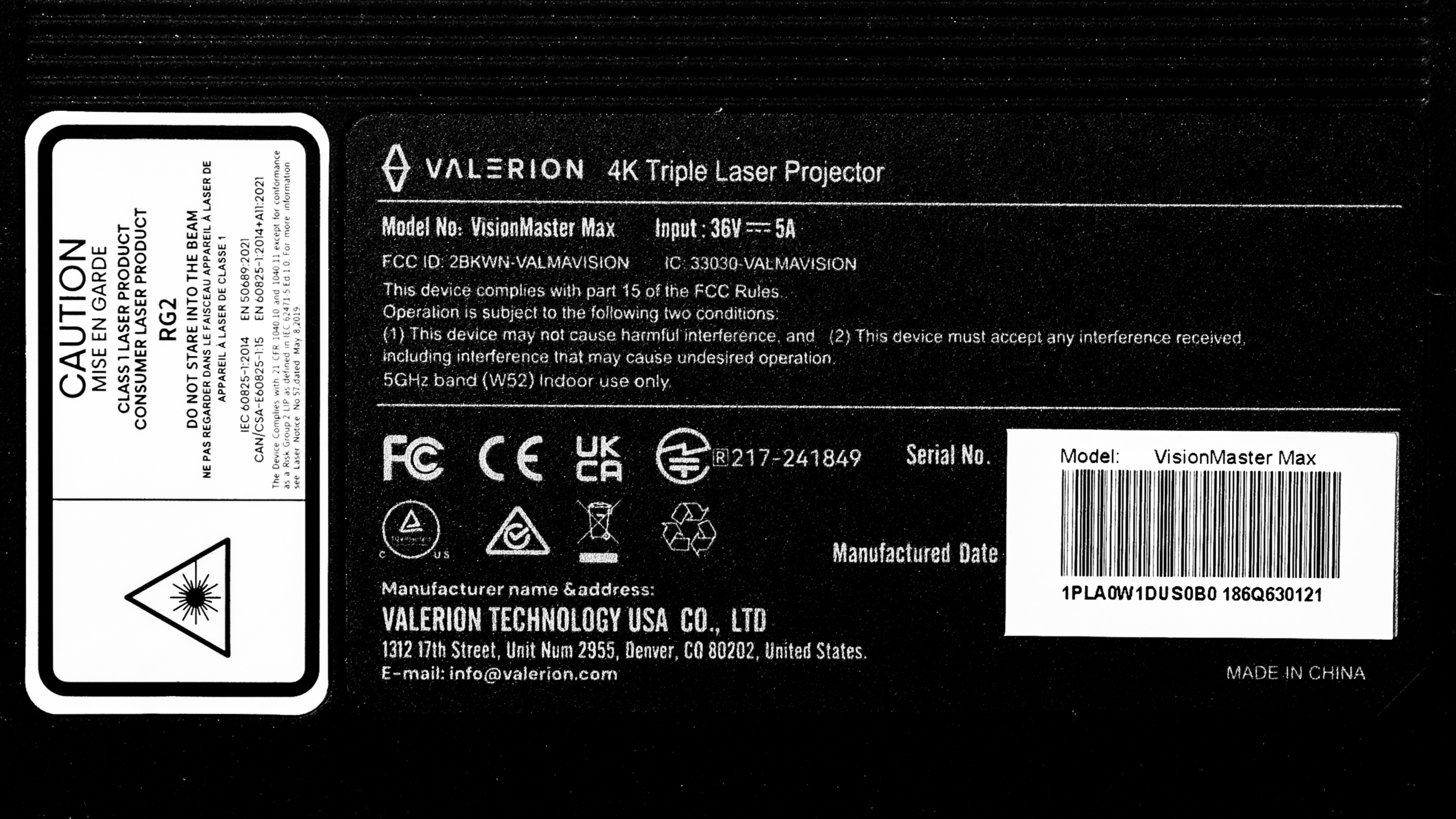
Our unit was manufactured in China.
Popular Projector Comparisons
The Valerion VisionMaster Max is a premium projector with excellent overall image quality, very strong brightness and color, and a feature set that targets both movies and gaming. It also includes an RBE Reduction option that can make rainbow artifacts less noticeable for some viewers. The trade-off is price: it's positioned as a high-end option, and you're paying for that extra polish and feature set. At this price, the XGIMI HORIZON 20 Max is the more compelling value pick, with similarly flexible placement tools and stronger overall performance for less money. If you're comparing within Valerion's lineup, the Valerion VisionMaster Pro 2 gets you a very similar experience for less if you don't need the Max's step-up features. Still, the Valerion VisionMaster Max is certainly no slouch, and its RBE reduction and iris control features might be worth the extra cost for some.
Check out our recommendations for the best 4k projectors, the best projectors for home theater, and the best projectors overall. If you're shopping for a projector for smaller rooms or want to place the unit close to the screen or wall, consider the best short-throw projectors.
The XGIMI TITAN Noir Max is better than the Valerion VisionMaster Max in most ways. The XGIMI is brighter and has better contrast, so it provides a punchier image with more depth to it. The XGIMI is also better for gaming, since it supports VRR to reduce screen tearing and has significantly lower input lag. Additionally, the XGIMI offers both horizontal and vertical lens shift, while the Valerion is limited to vertical lens shift only, making it easier to set up. The Valerion's primary advantage is its built-in smart OS, since the XGIMI requires an external device to watch content.
The XGIMI HORIZON 20 Max is a bit better and cheaper than the Valerion VisionMaster Max, although the Valerion is a bit better for gaming. The XGIMI is incredibly bright, giving it a very striking image. Still, the Valerion has tricks up its sleeve: a solid dynamic contrast option and an RBE reduction feature that truly works, at the cost of more audible noise from the unit. For gaming, they're both solid, but the Valerion has much lower input lag at 60Hz, which makes it better for console gamers who like to game at 4k/60. For 120Hz and 240Hz gaming, the XGIMI has a very small edge, but they're very close.
The Valerion VisionMaster Max and XGIMI TITAN are about equally as good, but for different reasons. The XGIMI is one of the brightest projectors you can get and is noticeably brighter than the Valerion. Still, if you're using your unit in a blacked-out room, that brightness isn't as important, and there the Valerion has the edge when it comes to contrast and color accuracy. If you like to game, the Valerion is also far more responsive than the XGIMI. The Valerion is also more fully featured due to having a smart OS and casting support, while the XGIMI requires a streaming device to get the same features.
The Hisense C2 Ultra and Valerion VisionMaster Max are very closely matched; the Valerion edges the Hisense by a small margin, but also costs much more. The biggest difference between the two is contrast: the Hisense is great there, but the Valerion is best in class.
We've independently bought and tested over 100 projectors and published detailed results for each, so you can decide which one to buy. These have all been tested under the same standardized methodology, allowing you to compare them side by side. We still have all these projectors in our lab, so we can continually go back and compare them to ensure our reviews are still accurate. All our test methodologies are also public on our website, so you can validate the results yourself.
Throw Calculator
Global Controls
Test Results
for pictures & test results
for pictures & test results



for pictures & test results