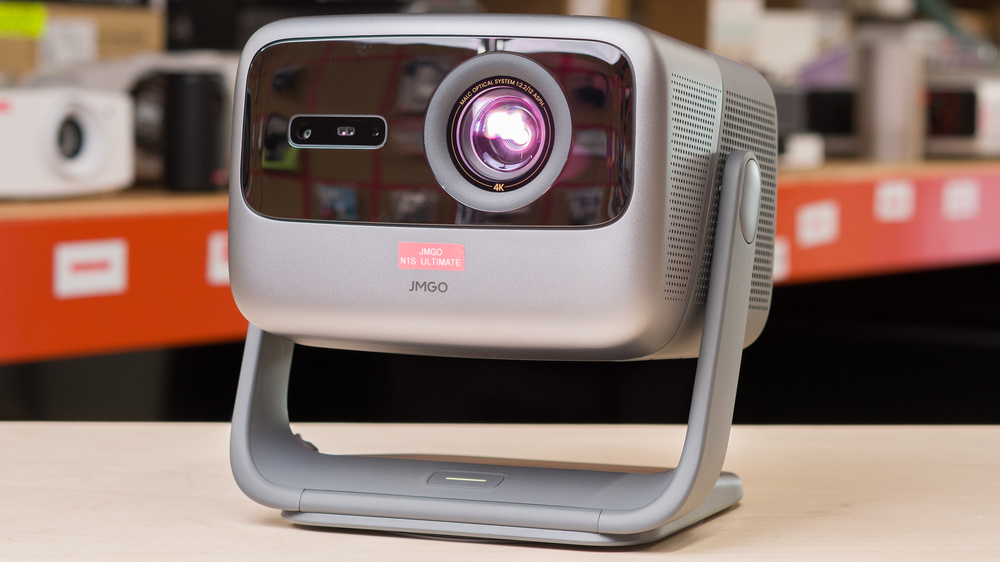
The JMGO N1S Ultimate is a 4k DLP projector that uses JMGO's MALC 2.0 triple-laser light engine and a built-in gimbal mount for quick, flexible setup. It has a full suite of image correction features and can project a 40-inch image from roughly 3.5 ft from the screen, up to a massive 300-inch image from roughly 26.2 ft. It runs certified Google TV with native Netflix and Chromecast built in, and includes Wi-Fi 6 and Bluetooth 5.2. I/O consists of two HDMI 2.1 ports (one with eARC) and a USB-A port. Audio is handled by an internal 20W system, and the projector can pass multichannel audio over eARC; HDR playback supports HDR10.
Our Verdict
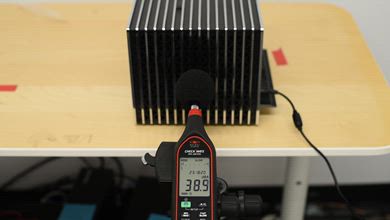
The JMGO N1S Ultimate is an acceptable projector for home theater use. It's an amazingly bright projector with good contrast. However, letterbox bars and deep shadows in darker scenes look a bit lifted in a pitch-black room. It's also inaccurate out of the box and has disappointing color volume, so colors look more muted than vibrant. It's also unable to remove judder from any source, so motion and camera pans look choppy in movies and shows. Also, as is common with single-chip DLP projectors, those sensitive to rainbow flashes may be bothered by them when using this projector. Finally, even at max brightness, its fan is very quiet and easily masked by a soundbar or AVR, so you won't hear it except in very quiet scenes.
Good contrast in brighter scenes, with good shadow detail.
Bright enough even for moderately lit environments.
Very little fan noise, even at max brightness.
Color accuracy is excellent after calibrating the projector.
Dark scenes only have decent depth.
Colors look muted unless you use the less accurate 'Vivid' picture mode.
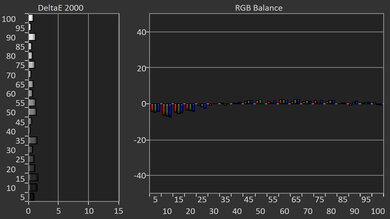
Not very accurate out-of-the-box.
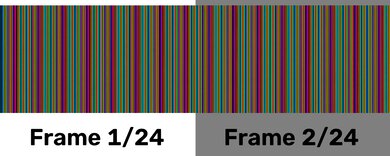
Rainbow flashes will bother those who are sensitive to them.
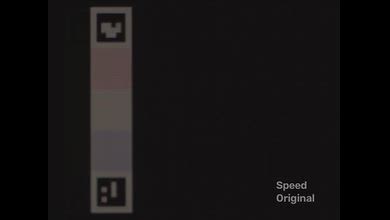
Motion and camera pans look choppy, regardless of how you watch content.
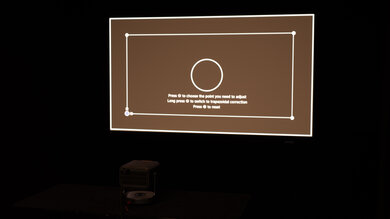
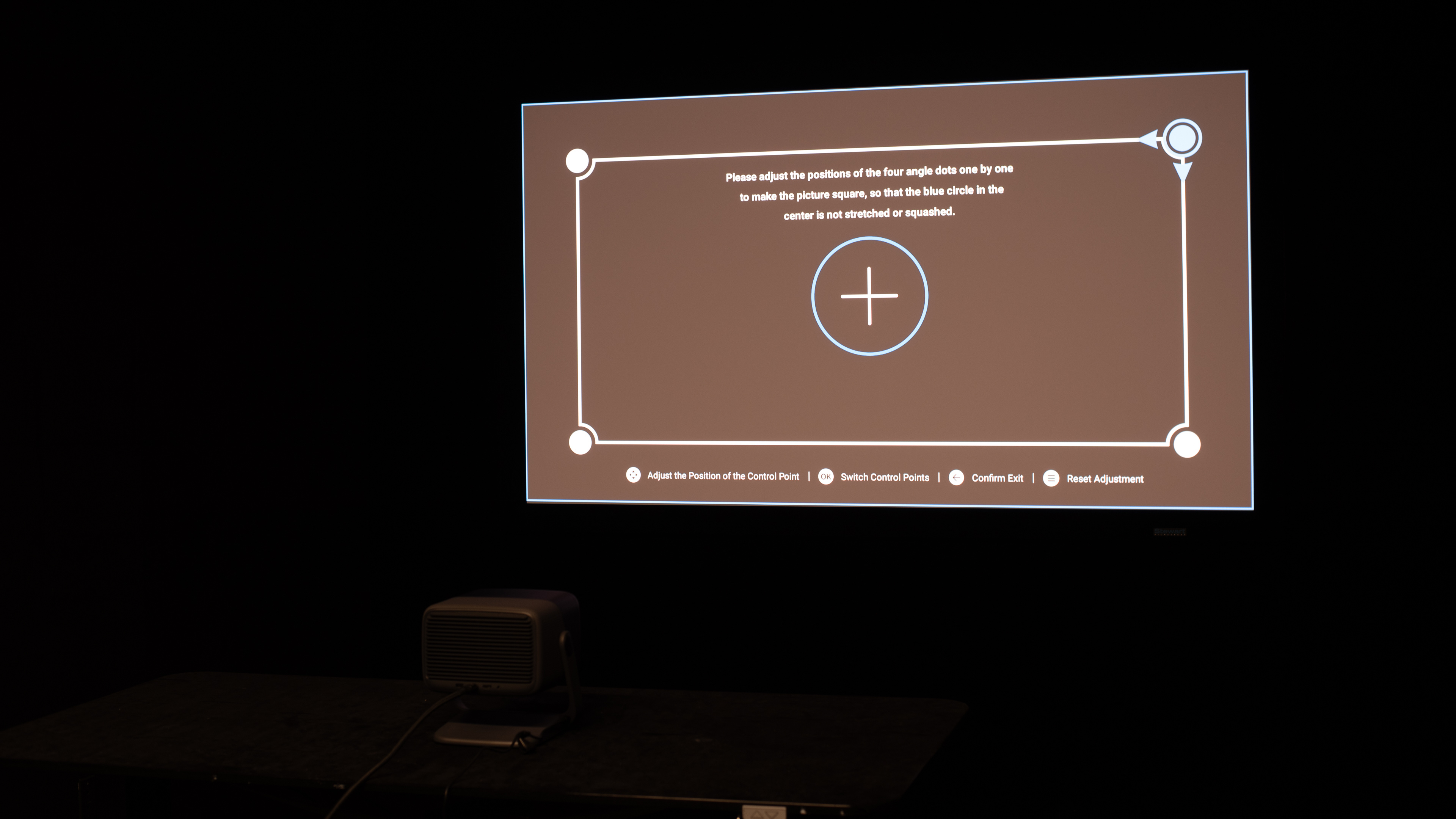
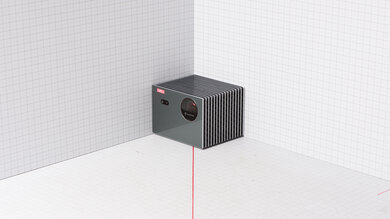
The JMGO N1S Ultimate is a decent outdoor projector. One of its biggest strengths is its brightness, which is sufficient to handle some ambient light without the image washing out. It's not the easiest to move outside for an impromptu movie night. It's fairly bulky and lacks a carrying handle, and it doesn't have lens shift or optical zoom, so the projector needs to be centered to the screen to get the cleanest image. However, if that's not possible, it offers a suite of automated tools to simplify setup and adapt the image to specific configurations, including auto-keystone, auto-focus, post-movement auto-correction, obstacle avoidance, and auto screen fit.
Bright enough even for moderately lit environments.
Versatile gimbal stand with a full suite of image correction features.
Color accuracy is excellent after calibrating the projector.
No lens shift means it's ideal to center it to the screen or wall.
Isn't very convenient to move due to its size and lack of carrying features.
No built-in battery.
The JMGO N1S Ultimate is a satisfactory projector for the bedroom. Moving it into the bedroom and setting it up for a movie night is more involved than with truly portable projectors. It's a fairly bulky projector that needs a decent amount of space on a nightstand, but its compact shape lets it fit on a shelf. It also lacks lens shift and optical zoom, so it needs to be centered to the screen or wall for the cleanest image. However, it has several automated tools to adapt the screen to specific setups as needed. It also has a quiet fan that's only audible during very quiet scenes, so it won't disturb most people when used at night.
Versatile gimbal stand with a full suite of image correction features.
Very little fan noise, even at max brightness.
Color accuracy is excellent after calibrating the projector.
No lens shift means it's ideal to center it to the screen or wall.
Isn't very convenient to move due to its size and lack of carrying features.
No built-in battery.
The JMGO N1S Ultimate is a solid casual-gaming projector at 60Hz. It accepts 4K @ 60Hz and 1080p @ 60Hz with decently low input lag in Game Mode, so action games feel responsive. However, 120Hz and 240Hz aren't truly supported: the projector handshakes those modes but still outputs 60Hz, so you don't get higher frame-rate motion. This means that the unit is better suited for single-player 60Hz games. It also projects a good-looking image, as it's very bright and has good contrast, especially in bright scenes. It's inaccurate out of the box, and, combined with its subpar color volume, it keeps colors from looking especially vibrant.
Low enough input lag for single player games.
Good contrast in brighter scenes, with good shadow detail.
Bright enough even for moderately lit environments.
Color accuracy is excellent after calibrating the projector.
No 120Hz mode to make the unit even more responsive.
Dark scenes only have decent depth.
Colors look muted unless you use the less accurate 'Vivid' picture mode.
Not very accurate out-of-the-box.
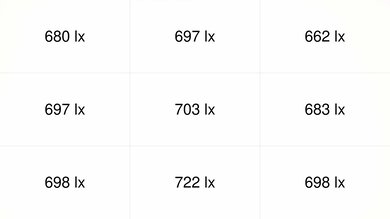
The JMGO N1S Ultimate is a very bright projector with fantastic brightness uniformity, so the image looks even from edge to edge. It's easily bright enough to look good in moderately lit rooms, and when you dim the lights, its peak output helps colors really pop on screen.
Bright enough even for moderately lit environments.
Very even brightness across the screen.
Color accuracy is excellent after calibrating the projector.
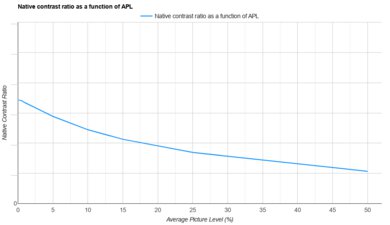
The JMGO N1S Ultimate has good contrast. Dark scenes only have decent separation between bright and dark areas, making letterbox bars and deep shadows look a little lifted in a pitch-black room. In almost everything else, though, it performs well. Once the image has some brightness, blacks still look deep, giving images a good amount of depth.
Good contrast in brighter scenes, with good shadow detail.
Color accuracy is excellent after calibrating the projector.
Dark scenes only have decent depth.
The JMGO N1S Ultimate is passable as a portable projector. It's too bulky to be truly portable, especially without a carrying handle. It doesn't have a lens shift or optical zoom, so it needs to be centered to the screen or wall for the cleanest image, and since it has no built-in battery, it makes placement even more important. If that's not possible, or for more casual setups, it offers many automated tools to simplify setup and adapt the image to specific configurations, including keystone, focus, post-movement auto-correction, obstacle avoidance, and auto screen fit.
Versatile gimbal stand with a full suite of image correction features.
Color accuracy is excellent after calibrating the projector.
No lens shift means it's ideal to center it to the screen or wall.
Isn't very convenient to move due to its size and lack of carrying features.
No built-in battery.
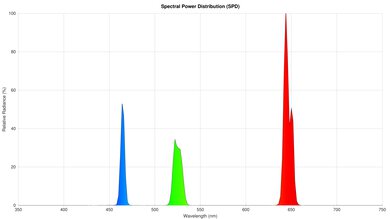
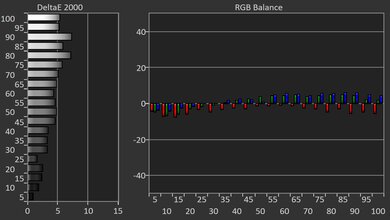
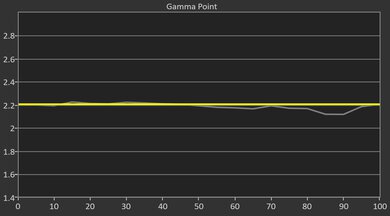
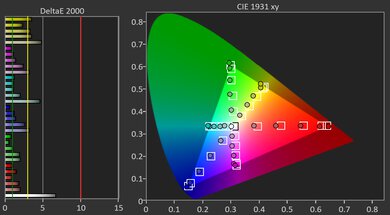
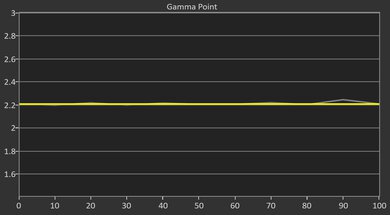
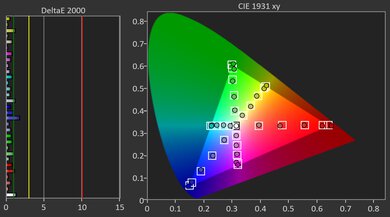
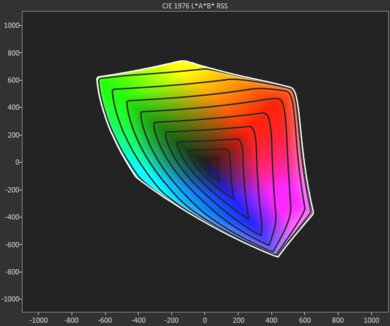
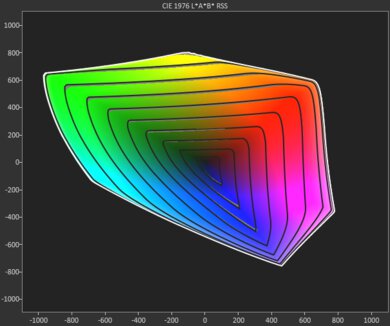
The JMGO N1S Ultimate has poor colors. It's inaccurate out of the box, giving images a very cold tint, though calibration vastly improves this. That said, its sub-par color volume, especially with bright shades, makes saturated colors look muted. Switching to the projector's 'Vivid' mode vastly improves its color volume, but comes at the cost of lower accuracy.
Color accuracy is excellent after calibrating the projector.
Colors look muted unless you use the less accurate 'Vivid' picture mode.
Not very accurate out-of-the-box.
The JMGO N1S Ultimate has good gaming responsiveness. It accepts 4k@60Hz and 1080p@60Hz with decently low input lag in its Game Mode, so it's a solid projector for casual gaming at lower refresh rates. While it also accepts 120Hz and 240Hz high-refresh-rate modes, the projector still outputs 60Hz. Finally, this projector's DLP imaging technology helps keep excessive motion blur to a minimum.
Low enough input lag for single player games.
No excessive motion blur.
Color accuracy is excellent after calibrating the projector.
No 120Hz mode to make the unit even more responsive.
Performance Usages
Changelog
-
Updated Sep 15, 2026:
We mentioned the newly reviewed JMGO N1S 4K in the Size section.
- Updated Aug 18, 2026: We've converted the review to Test Bench 1.0, which replaces our Color Gamut test with Color Volume and adds a new Rainbow Effect test box. We also updated Effective Contrast (formerly Native Contrast) to account for projector brightness and reworked Judder scoring. The new bench also adds Outdoors and Bedroom usages, plus Portability, Color, and Gaming Responsiveness Performance Usages; Movies is now Home Theater, and all existing usage scores have been updated. See the 1.0 changelog.
-
Updated May 22, 2026:
We mention the newly reviewed JMGO N3 Ultimate in the Pre-Calibration Color Accuracy section of this review.
-
Updated May 11, 2026:
We've added text to some test boxes as a result of our latest test bench. We've also updated Inputs & Connectivity to include Bluetooth support checks.
Check Price
Differences Between Sizes And Variants
The N1S family shares a 1.2:1 throw ratio, a gimbal stand (≈135° vertical/360° horizontal), Google TV with native Netflix, and tri-laser engines. The main differences are brightness (ISO/ANSI claims), price tier, and minor connectivity/audio tweaks.
| Model | Brightness (ISO) | Image Size | Speakers | Ports | Wireless |
|---|---|---|---|---|---|
| JMGO N1S Ultimate | 3300 lm | 40–300" | 20W | 2× HDMI 2.1 (1× eARC), USB-A 2.0, 3.5 mm | Wi-Fi 6, BT 5.2 |
| JMGO N1S Ultra | 2800 lm | 40–300" | 20W | 2× HDMI 2.1 (1× eARC), USB-A 2.0, 3.5 mm | Wi-Fi 6, BT 5.2 |
| JMGO N1S Pro 4K | 2250 lm | 40–300" | 20W | 2× HDMI 2.1 (1× eARC), USB-A 2.0, 3.5 mm | Wi-Fi 6, BT 5.1 |
| JMGO N1S 4K | 1100 lm | 40–200" | 2× 5W | 2× HDMI 2.1 (1× eARC), USB-A 2.0 | Wi-Fi 6, BT 5.1 |
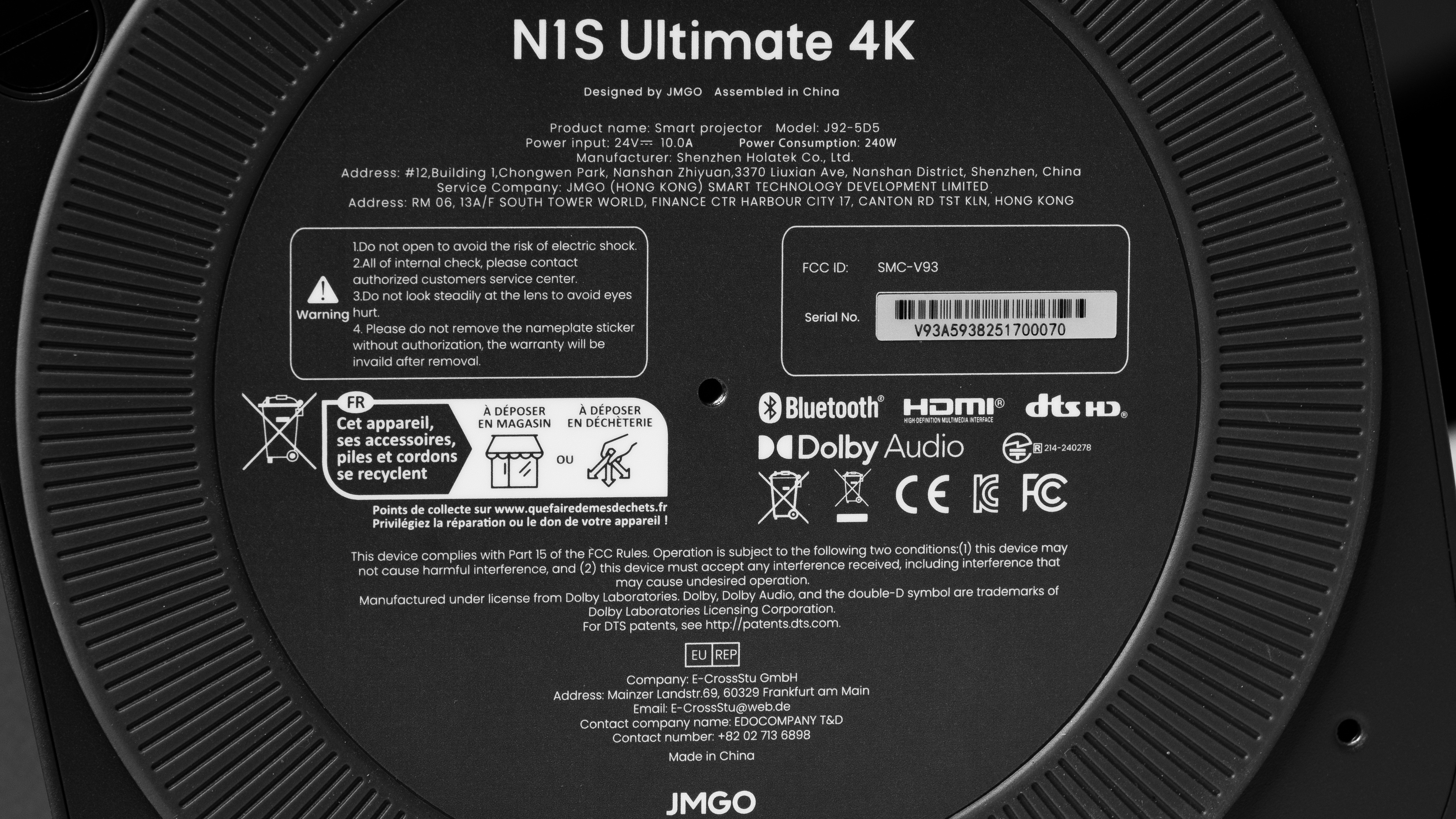
You can see a photo of our unit's label here.
Popular Projector Comparisons
The JMGO N1S Ultimate is a versatile home theater unit with a fully rotating gimbal stand. It has very solid image quality, anchored by its top-notch brightness. Still, it has a few weaknesses: it's inaccurate out of the box, is limited to HDR10 support, and can only display proper Rec. 2020 when in the 'Vivid' Picture Mode. Also, although its stand is versatile, it lacks optical zoom or lens shift. Overall, even though it's a solid unit, there are better options. The Hisense C2 Ultra and the XGIMI Horizon S Max are very similar projectors, as both also have a rotating stand. Still, the Hisense has better overall image quality, and the XGIMI is generally sold at a lower price. Both support Dolby Vision, and the Hisense model also supports HDR10+. However, the JMGO can be worth it if you find it on a huge sale, and it's better for gaming than the Hisense due to its lower input lag.
For more, check out our recommendations for the best 4k projectors, the best projectors for home theater, and the best portable projectors. If you're really looking for a product to use outside, consider the best outdoor projectors as well.
The XGIMI HORIZON 20 Max is generally better than the JMGO N1S Ultimate, although the JMGO has some advantages. The XGIMI is brighter, has better contrast, and is far more accurate out of the box. Still, the JMGO isn't as noisy under load, and its input lag at 4k @ 60Hz is noticeably lower than the XGIMI, which is helpful if you like to play single-player games at 4k. Still, the JMGO is limited to 60Hz, while the XGIMI offers 120Hz and 240Hz support at 1080p, giving it the edge for competitive gaming.
The Hisense C2 Ultra is better than the JMGO N1S Ultimate, mainly because it's more accurate right out of the box. The Hisense also supports Dolby Vision and HDR10+, while the JMGO is limited to HDR10. Otherwise, the two units are neck-and-neck in terms of image quality. The JMGO is a bit smaller, making it easy to carry around, but the Hisense has a 1.67x optical zoom, making it easier to get the image you want when setting it up.
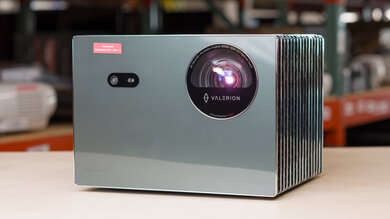
The Valerion VisionMaster Pro 2 is a bit better than the JMGO N1S Ultimate, but they're different. The Valerion is bigger and heavier, and doesn't have the JMGO's versatile gimbal stand. The Valerion still has a suite of image correction features and has a 1.67x optical zoom, which the JMGO lacks. That said, the JMGO is a bit brighter and has slightly deeper blacks. The Valerion, however, is more accurate out of the box. What really pushes the Valerion ahead is its Dolby Vision and HDR10+ support; the JMGO is limited to HDR10.
Choosing between the XGIMI Horizon S Max or the JMGO N1S Ultimate depends on what you value most: brightness or accuracy? The XGIMI is more accurate than the other unit and is also easier to calibrate. In turn, the JMGO is noticeably brighter than the XGIMI, but it's not accurate out of the box. The kicker, however, is the XGIMI's Dolby Vision support; the JMGO is limited to just HDR10. Overall, the XGIMI is a bit better, but you should probably just get the cheapest one you can find.
We've independently bought and tested over 80 projectors and published detailed results for each, so you can decide which one to buy. These have all been tested under the same standardized methodology, allowing you to compare them side by side. We still have all these projects in our lab, so we can continually go back and compare them to ensure our reviews are still accurate. All our test methodologies are also public on our website, so you can validate the results yourself.
Throw Calculator
Global Controls
Test Results
for pictures & test results
for pictures & test results



for pictures & test results