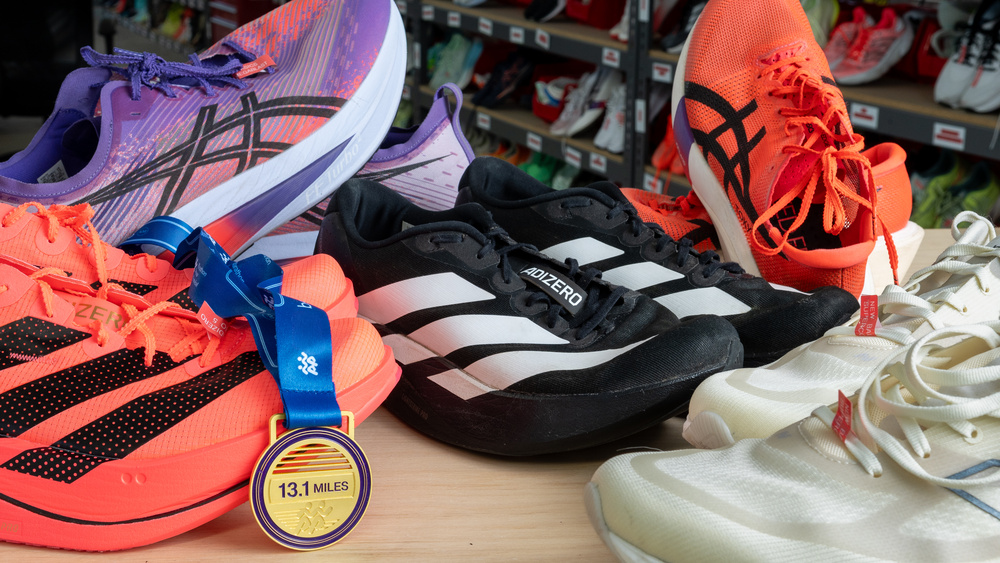
Half-marathons require a balance of speed and comfort. You typically maintain a slower pace than in shorter races, but a faster pace than in a full marathon, where cushioning and stability become more important. The lightest, most efficient shoes are designed to race the distance as quickly as possible; they're also usually less forgiving than heavier, more stable options. If your priority is completing the distance rather than racing it, a more protective and stable shoe will be a better choice. More relaxed options can often handle regular training as well, so you won't necessarily need a separate shoe for race day. Many characteristics can affect a shoe's performance, but these are the main factors you should consider when looking for the best running shoes for a half marathon:
Weight: A heavier shoe takes more effort to turn over with every step. Low weight matters most if you're trying to race quickly, while runners focused on completing the distance may accept some extra weight in exchange for better cushioning or stability.
Energy Return: An efficient midsole returns more of the energy it absorbs, making it easier to sustain a faster pace. A score of 8 or higher is impressive, while 8.5 or better is amazing.
Cushioning: Cushioning measures how much impact the shoe absorbs as its midsole compresses. Our simulated long-run cushioning test also measures how well that protection holds up as the distance accumulates, helping reduce stress on your muscles and joints so you can focus on completing your half-marathon with fresher legs.
Stability: Your running form can become less precise as fatigue builds, making a steady platform important. However, because you spend less time on your feet than during a marathon, your form typically won't deteriorate as much.
We've tested over 300 running shoes and selected options for racing quickly, finishing comfortably, and for different budgets. See our recommendations for the best marathon running shoes for longer races, the best long-distance running shoes for regular long runs, and the best running shoes for 5K and 10K racing for shorter events.
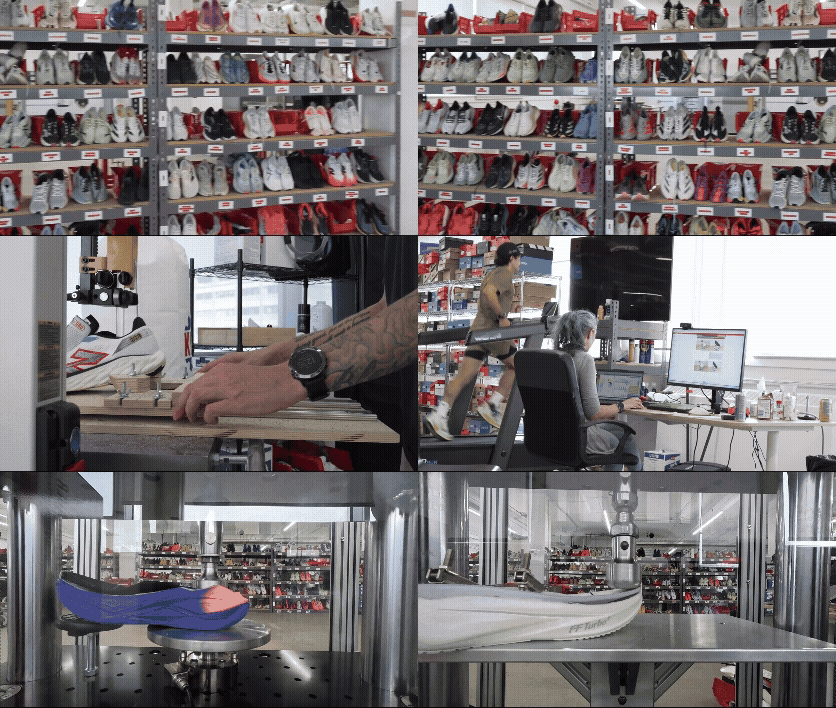
We've bought and tested more than 300 running shoes. Every pair purchased with our own money, never supplied or sponsored by brands. Our data-driven tests are designed to go beyond marketing claims, and since every shoe goes through the exact same methodology, you can directly compare results to find the right pair for your needs.
-
Best Half-Marathon Running Shoe

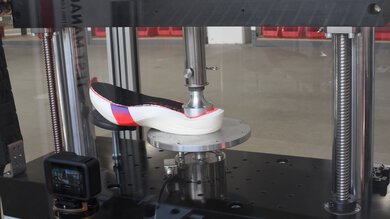
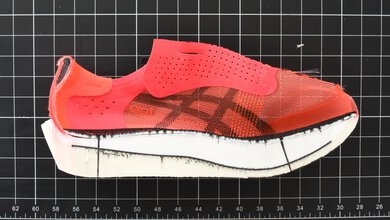
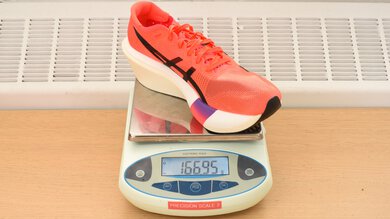
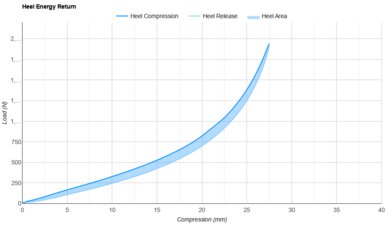
 Half/Full Marathon Racing8.6Energy Return8.4Cushioning8.3Stability6.0Weight:165.5 g (5.84 oz)Heel Stack Height:39.5 mmSee all our test resultsPlate:Carbon Fiber
The ASICS METASPEED EDGE TOKYO is the best half-marathon running shoe we've tested. It's built for experienced, efficient runners who want to race the distance as quickly as possible and chase a personal best. Its exceptionally low weight and strong energy return make it easier to sustain a high cadence, while its cushioning remains highly protective for more than the half-marathon distance, helping your legs stay fresher into the final few kilometers.
However, its carbon plate and aggressive ride work well for racing at fast paces but feel less natural during slower running and regular training. Its platform is also quite unstable. This tall shoe has a soft, extremely narrow heel, so rearfoot landings can become harder to control as fatigue builds. It's best suited to runners with efficient, consistent form who want a dedicated race-day shoe rather than an all-purpose option.
-
Best Upper Mid-Range Half-Marathon Running Shoe



 Half/Full Marathon Racing8.1Energy Return8.3Cushioning9.3Stability6.7Weight:229.9 g (8.11 oz)Heel Stack Height:44.6 mmSee all our test resultsPlate:None
If you don't want to spend top dollar on a plated racing shoe or want an option that can handle both training and race day, the ASICS MEGABLAST is the better choice. It provides more cushioning than our top pick, the ASICS METASPEED EDGE TOKYO, with slightly more protection remaining by the end of the half-marathon. However, it's substantially heavier and doesn't feel as quick or efficient as our top pick, though it's still capable of handling faster efforts. It's also more stable, but its tall, soft platform still isn't the best choice if you need a highly stable ride.
Its versatility is what really sets it apart. You can use it throughout your half-marathon training block, from daily mileage and longer runs to faster workouts, before racing in the same familiar pair on race day. This makes it a practical choice for runners who want a single shoe that can handle the entire process without sacrificing too much performance.
For other protective training options, see our picks for the best cushioned running shoes.
-
Best Mid-Range Half-Marathon Running Shoe

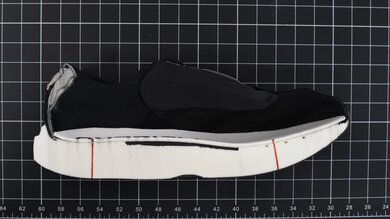
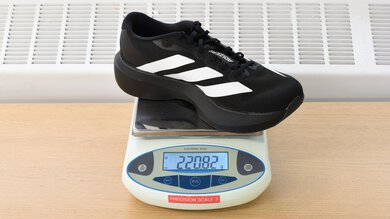
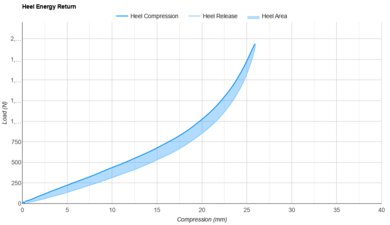 Half/Full Marathon Racing7.6Energy Return8.3Cushioning8.0Stability6.6Weight:220.0 g (7.76 oz)Heel Stack Height:36.9 mmSee all our test resultsPlate:Plastic Shank
If you want a strong balance of performance and value, the adidas Adizero Evo SL is a lively option for everyday training and your half-marathon. It delivers strong rebound in a lightweight package, while its plastic shank feels less rigid than the full carbon plate in our top pick. That makes it easier to use for normal training while still feeling quick enough for race day. However, the Evo SL doesn't retain as much forefoot protection as the ASICS MEGABLAST as the distance builds, making the latter worth considering if you prioritize more protection.
Alternatively, if you prefer a more planted and stable feel, check out the Saucony Endorphin Azura. It serves a similar train-and-race role and is heavier than the adidas, but it feels firmer and more controlled while providing better stability and protection. That said, while it's more stable than the adidas shoe, it lacks dedicated guidance features for runners who need additional support. If that's a priority, check out our stability pick further down.
-
Best Budget Half-Marathon Running Shoe
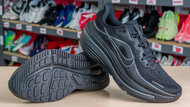
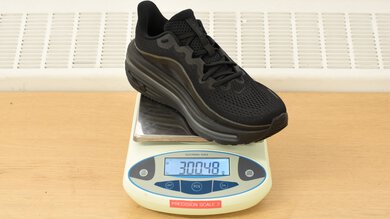
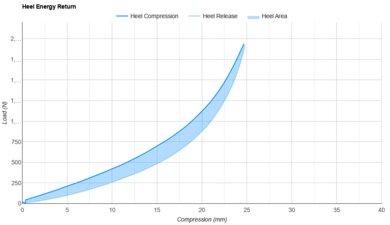 Half/Full Marathon Racing6.6Energy Return6.8Cushioning7.3Stability8.4Weight:296.7 g (10.47 oz)Heel Stack Height:44.3 mmSee all our test resultsPlate:None
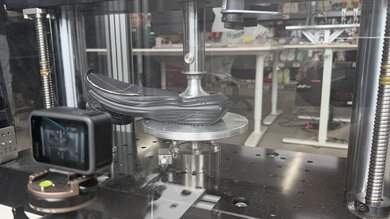
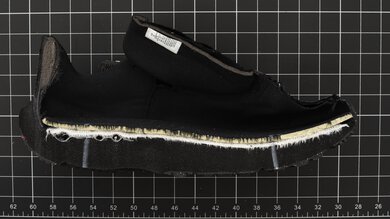
If you're simply trying to finish a half marathon and don't want to spend much, the Nike Winflo 12 is the best budget option. Its stable platform works well for relaxed efforts and run-walk strategies, making it a particularly good choice for first-time half-marathon runners focused on completing the distance. It's also a practical option for the training leading up to the event.
That said, this shoe is much heavier, less energetic, and less protective than all of the more expensive picks above. It won't provide the nimble, dynamic sensation that makes fast paces feel easier. It's a shoe geared more toward completing the race than racing it competitively, so runners chasing faster times should look toward the picks above. Still, it gets the job done over the half-marathon distance and won't hurt your wallet as much.
For additional low-cost options, see our picks for the best cheap running shoes. If you're just starting out, check out our picks for the best running shoes for beginners.
-
Best Half-Marathon Running Shoe For Wide Feet
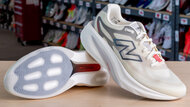
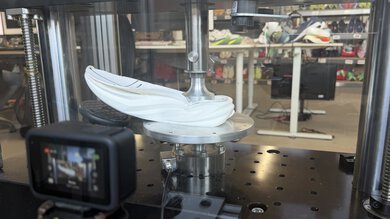
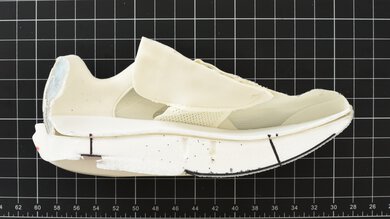
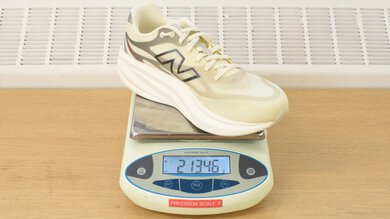
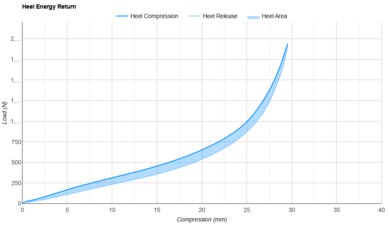 Half/Full Marathon Racing8.0Energy Return8.7Cushioning8.7Stability6.2Weight:213.3 g (7.52 oz)Heel Stack Height:40.2 mmSee all our test resultsPlate:Plastic
If you need more room for your feet, get the New Balance SuperComp Rebel in a Wide version. Men's 2E and women's D versions are on offer, making it one of the few performance-oriented shoes available in wide sizes. It combines a relatively light build with excellent energy return and forefoot cushioning that remains protective for the half-marathon distance and beyond. Its plastic plate adds some structure without the aggressive feel of a carbon-plated racing shoe, making it a great option for recreational runners who want a capable race-day shoe without the demands of a more aggressive, competition-focused model.
If you're a faster runner who wants a carbon racing shoe in a wide size, consider the New Balance SuperComp Elite v6 Wide instead. It's lighter and more energetic, but it gives up stability and much of the Rebel's forefoot protection near race distance. It's also the closest wide-size counterpart to our top pick, the ASICS METASPEED EDGE TOKYO. The energy return is even stronger than that of the ASICS shoe, but it's heavier, marginally less stable, and far less protective for the entire half-marathon distance. It's a capable super shoe, but not as complete a half-marathon racer as the ASICS shoe.
-
Best Stability Half-Marathon Running Shoe
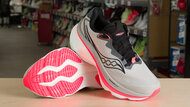
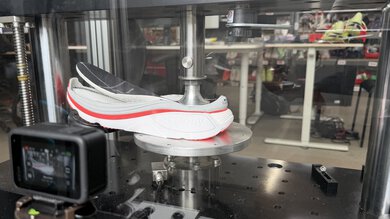
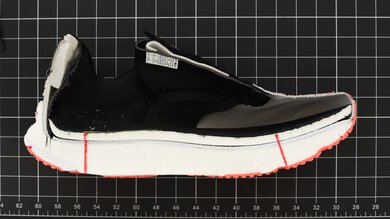
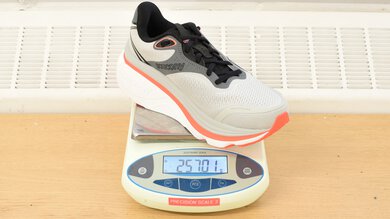
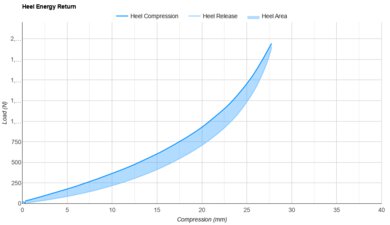 Half/Full Marathon Racing7.6Energy Return8.0Cushioning8.4Stability7.8Weight:260.6 g (9.19 oz)Heel Stack Height:41.4 mmSee all our test resultsPlate:None
If your feet roll inward excessively and you want dedicated guidance features to keep them centered, check out the Saucony Hurricane 26. Its wide base and raised foam sidewalls guide your foot gently through each stride, while its generous cushioning provides plenty of protection for a half-marathon. The guidance feels less intrusive than the rigid correction found in some stability shoes.
This shoe is much heavier and less nimble than our top pick, the ASICS METASPEED EDGE TOKYO, so it won't feel as quick when you're chasing a fast time. The trade-off is a substantially more stable and controlled platform for runners who benefit from that guidance.
See our best stability running shoes for more options with dedicated stability features.
Notable Mentions
-
PUMA Fast-R NITRO Elite 3:
The PUMA Fast-R NITRO Elite 3 provides more rebound and a more pronounced forward-rolling sensation than our top pick, the ASICS METASPEED EDGE TOKYO. However, its weaker stability makes it less suitable for a broad range of runners. It's best reserved for efficient forefoot strikers who can handle its aggressive design.
See our review -
Nike Alphafly 4:
The Nike Alphafly 4 provides more forefoot cushioning and stronger energy return than the ASICS METASPEED EDGE TOKYO. However, it's heavier and marginally less stable, so the ASICS remains the better choice if keeping weight low is most important.
See our review -
Dynafish Xiaonian:
The Dynafish Xiaonian is a good unplated train-and-race alternative to the adidas Adizero Evo SL. It's lighter, more stable, more cushioned, and slightly more energetic, but it can be harder to order through Western retailers, and delivery can take longer.
See our review
All Reviews
Our recommendations above are what we currently consider the best running shoes for a half marathon for most runners, covering different budgets, fits, and priorities. We consider performance, comfort, price, and availability, and we exclude models that are exceptionally difficult to find.
If you'd rather compare the options yourself, see our complete running shoe table below. Keep in mind that no shoe is perfect for everyone, so your fit, running form, goals, and personal preferences should remain central to the decision.