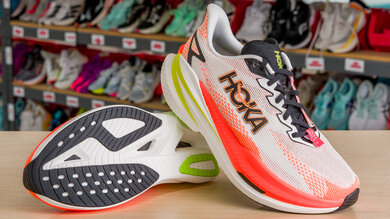
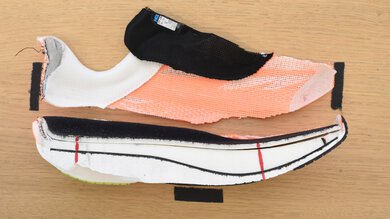
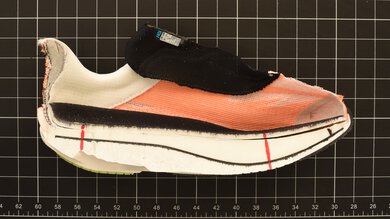
The HOKA Mach X 3 is a plated super trainer that matches maximum cushioning with a Pebax plate for a springy ride that comes alive at faster paces. The PEBA-based midsole is similar to the HOKA Mach X 2, but the upper has been significantly reworked to add structure and padding around the heel. This update was meant to address complaints about heel slippage in the Mach X 2, and the new upper has improved lockdown, but added weight. Although the lofty stack height of the Mach X 3 puts it in the max-cushioned category, the foam does not feel excessively soft or squishy. Indeed, with its rockered geometry and spoon-shaped plate, the Mach X 3 feels more comfortable at moderate or faster paces than during easy runs.
Our Verdict
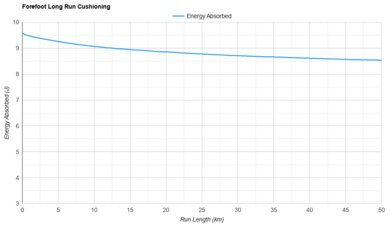
The HOKA Mach X 3 is a decent option for a marathon shoe. The rockered, plated midsole provides some propulsion, and the cushioning holds up well over long distances. For a competitive race or PB attempt, however, there are more streamlined, race-optimized options.
Pebax plate in midsole.
Deeply cushioned.
Heavy for a super trainer.
The HOKA Mach X 3 is a reasonable option for a 5k or 10k race. The midsole has enough spring to reward intense effort, and the shoe's overall geometry feels comfortable at faster paces. However, the weight will hold you back from hitting top speed.
Pebax plate in midsole.
Forefoot is firm enough for stable toe-offs
Heavy for a super trainer.
Changelog
- Updated Jun 17, 2026: We've converted this review to Test Bench 0.12, which fixes how we measure firmness, a component of the Stability and 5K/10K Racing usages. There may be inconsistencies between the text and the scores for these usages, but the scores should still be considered valid. We've also brought back the Energy Return score and added two new usages: Daily Training and Long Run. To read more about the changes, see the changelog.
-
Updated Apr 15, 2026:
We've replaced the Energy Return usage box with Responsiveness, which incorporates four additional tests, and updated the text accordingly.
- Updated Apr 15, 2026: We've converted this review to Test Bench 0.11, adding two new rocker measurements to the Design section, and three new responsiveness tests to the Performance section. The Energy Return usage score has been replaced with Responsiveness. Check out the details in our changelog.
-
Updated Feb 27, 2026:
We updated the review to include text for the new Fit usage box, which was recently added to our test bench.
- Updated Feb 20, 2026: We've converted this review to Test Bench 0.10, adding a new set of fit tests to the Design section and an overall fit performance usage. Check out the details in our changelog.
-
Updated Feb 02, 2026:
We updated the Popular Running Shoe Comparisons section of the review to include the latest iteration of the HOKA Cielo X1.
- Updated Oct 28, 2025: We've converted this review to Test Bench 0.9, which adds a Forefoot Long Run Cushioning test to our performance section. Read more in our changelog.
- Updated Oct 17, 2025: Review published.
- Updated Oct 14, 2025: Early access published.
- Updated Aug 29, 2025: Our testers have started testing this product.
- Updated Aug 28, 2025: The product has arrived in our lab, and our testers will start evaluating it soon.
- Updated Aug 26, 2025: We've purchased the product and are waiting for it to arrive in our lab.

We've bought and tested more than 300 running shoes. Every pair purchased with our own money, never supplied or sponsored by brands. Our data-driven tests are designed to go beyond marketing claims, and since every shoe goes through the exact same methodology, you can directly compare results to find the right pair for your needs.
Test Results
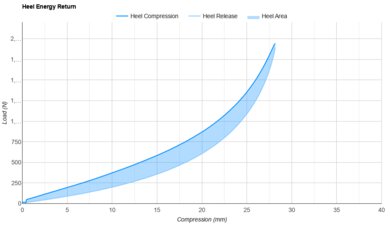
Energy Return
Stability
The HOKA Mach X 3 is fairly stable, although it can feel less than secure when cornering at speed. The tall stack height is somewhat offset by the width of the shoe's platform, but the lack of gusseting in the tongue can compromise lockdown for runners with narrower feet.
Pebax plate in midsole.
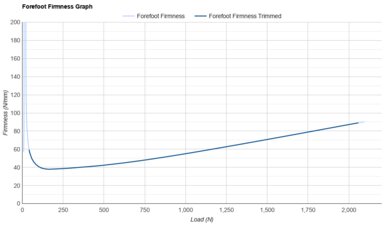
Forefoot is firm enough for stable toe-offs
Lack of gusseted tongue.
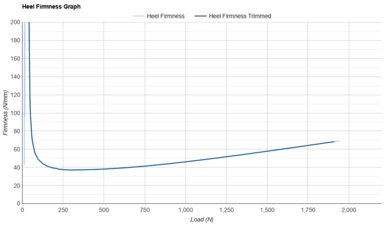
The heel of the HOKA Mach X 3 is not very firm, which can make tight corners a bit dicey for heel strikers.
Cushioning
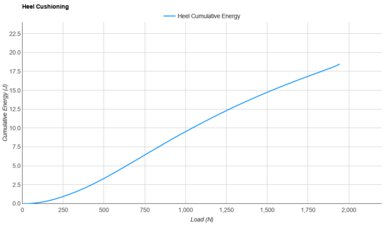
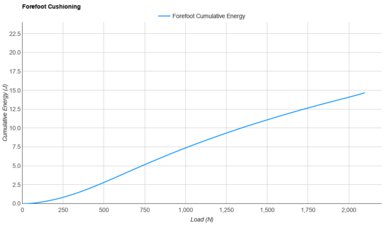
The HOKA Mach X 3 has amazing cushioning. The thick stack of PEBA-based foam does an excellent job of absorbing impact without feeling mushy.
Deeply cushioned.
Responsiveness
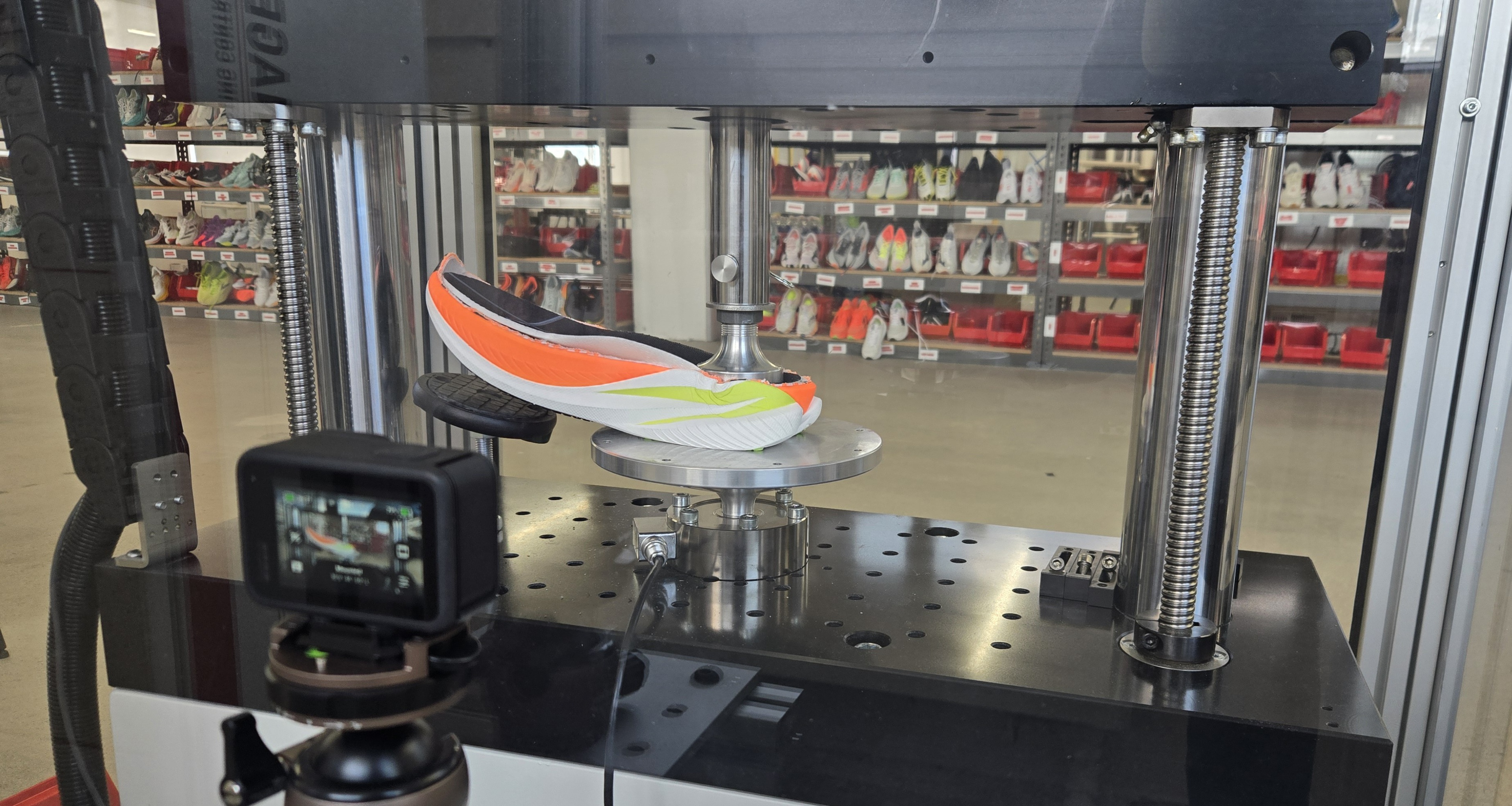
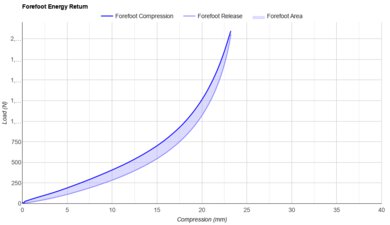
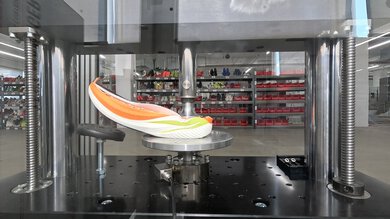
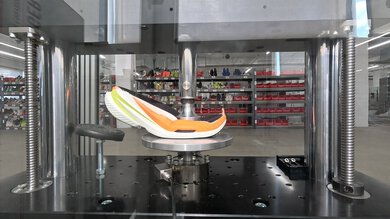
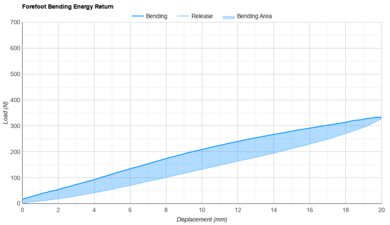
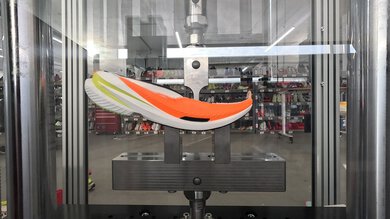
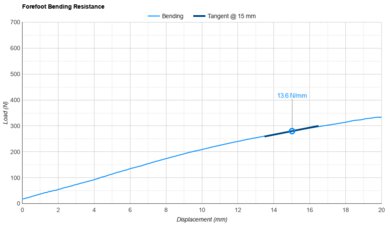
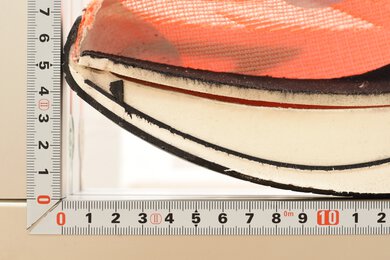
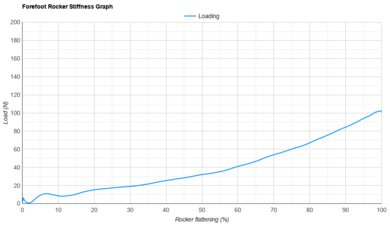
The HOKA Mach X 3 is decently responsive, though the forefoot is much springier than the heel, thanks to a higher concentration of PEBA foam in the front of the shoe. The plastic plate does a good job of maintaining the midsole's rockered shape, which helps keep your foot rolling forward.
Very springy forefoot.
Midsole feels a bit dull and flat under the heel.
True To Size
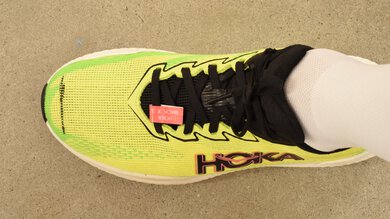
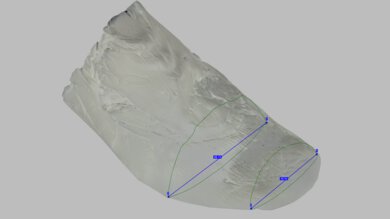
The HOKA Mach X 3 is close to true to size. Like many other HOKA shoes, this one has a very narrow arch, which won't suit wide-footed runners. The forefoot is also a bit narrow, although not as constricting. For runners who don't mind this, the length is good, so you can buy your usual size.
Length is true to size.
Very narrow arch.
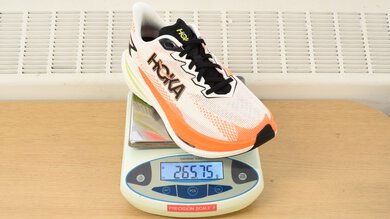
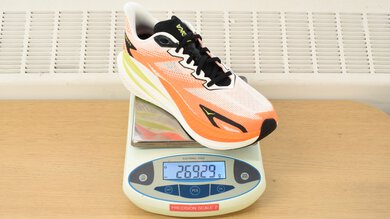
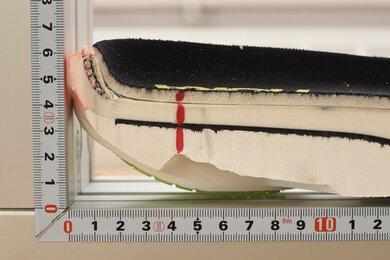
The HOKA Mach X 3 has gained weight since the HOKA Mach X 2, largely due to the more padded upper and added stack height.
Popular Running Shoe Comparisons
The HOKA Mach X 3 is a versatile super trainer that incorporates HOKA's max cushioning design into a performance-oriented plated shoe. The Mach X line is one of the pioneers of the growing class of shoes that use plates to stabilize a deep stack of foam, in an attempt to combine comfort and speed. The Brooks Hyperion Max 3 and ASICS SONICBLAST are two similarly constructed shoes with comparable cushioning, but better energy return. Some plated trainers that offer a firmer ride include the Saucony Endorphin Speed 5 and PUMA Deviate NITRO 3.
Within HOKA's lineup, the Mach X 3 sits in the middle of the performance spectrum in an increasingly crowded pack of plated shoes. The HOKA Rocket X 3 and HOKA Cielo X1 3.0 are lighter, streamlined shoes that are built for racing. At the other end of the spectrum, the HOKA Skyward X is a bigger, bulkier plated shoe that's more suited for long, easy runs.
For more options, check out our recommendations for the best running shoes, as well as the best long-distance running shoes and the best shoes for running a marathon.
The HOKA Mach 6 and HOKA Mach X 3 share a family name, but are rather different shoes. The Mach 6 is at the low end of HOKA's cushioning spectrum, with a light weight build and firmer ride, while the Mach X 3 is much more cushioned, and stands almost 10 mm taller in the heel. As such, the Mach 6 is more suited to shorter runs, as the cushioning starts to bottom out more quickly. The Mach X 3 holds up better over longer distances, but can still handle faster workouts.
The Brooks Hyperion Max 3 and HOKA Mach X 3 are both max-cushioned plated trainers that can be used for a variety of workouts. The Brooks is a bigger and bouncier shoe, with both higher energy return and better cushioning. But the added foam also adds weight, making the Brooks over 20g heavier than the HOKA. Smaller runners may prefer the lighter HOKA, as the Brooks requires a decent amount of force to be applied to reap the benefits of its springy midsole.
The HOKA Rocket X 3 and HOKA Mach X 3 represent the brand's oldest plated shoe series, with the Rocket X 3 being the dedicated racing shoe, and the Mach X 3 a super trainer. The Rocket X 3 is significantly lighter and has a more rigid carbon plate, whereas the Mach X 3 has a Pebax plate. Despite being more streamlined and race-optimised, the Rocket X 3 is more stable than the Mach X 3, due to having a lower stack height and significantly firmer midsole.
The HOKA Mach X 3 and the ASICS SONICBLAST are both plated super trainers, but they emphasize different qualities. The HOKA leans more toward cushioning and softness, with a geometry and bending stiffness that make it particularly well-suited for long runs where rolling efficiency matters most. It's also slightly heavier than the ASICS, though it delivers a more forgiving, cushioned feel over extended miles. The ASICS, on the other hand, is the bouncier option, especially noticeable in the heel, giving it a livelier, more energetic character across a range of paces.
The HOKA Mach X 3 is the successor to the HOKA Mach X 2, and the most notable change is in the upper. While the Mach X 2 was lighter and more streamlined, the lack of structure around the heel counter led to slippage for many runners. The Mach X 3 has added more padding and a more rigid heel counter, which helps with lockdown, but also increases the weight. As such, the Mach X 3 is less nimble than its predecessor, but the ride is more secure.
The HOKA Mach X 3 and the adidas Adizero Prime X3 STRUNG are both super trainers, but they sit at very different ends of the category. The Mach X 3 is noticeably lighter and uses a more traditional setup built around a single plastic plate and a dual-foam midsole, giving it a familiar rocker and a stable, approachable ride. It feels like an enhanced daily trainer that adds just enough propulsion for uptempo work while keeping its geometry smooth and predictable at most other paces. The Prime X3, by contrast, is far more extreme: it has a much higher stack, a double-decker propulsion system with a carbon plate plus Energy Rods, and significantly more bounce and cushioning underfoot. It delivers stronger energy return and a more dramatic rolling sensation at marathon effort, but it's also much stiffer, bulkier, and less forgiving at easy paces.
Differences Between Sizes And Variants
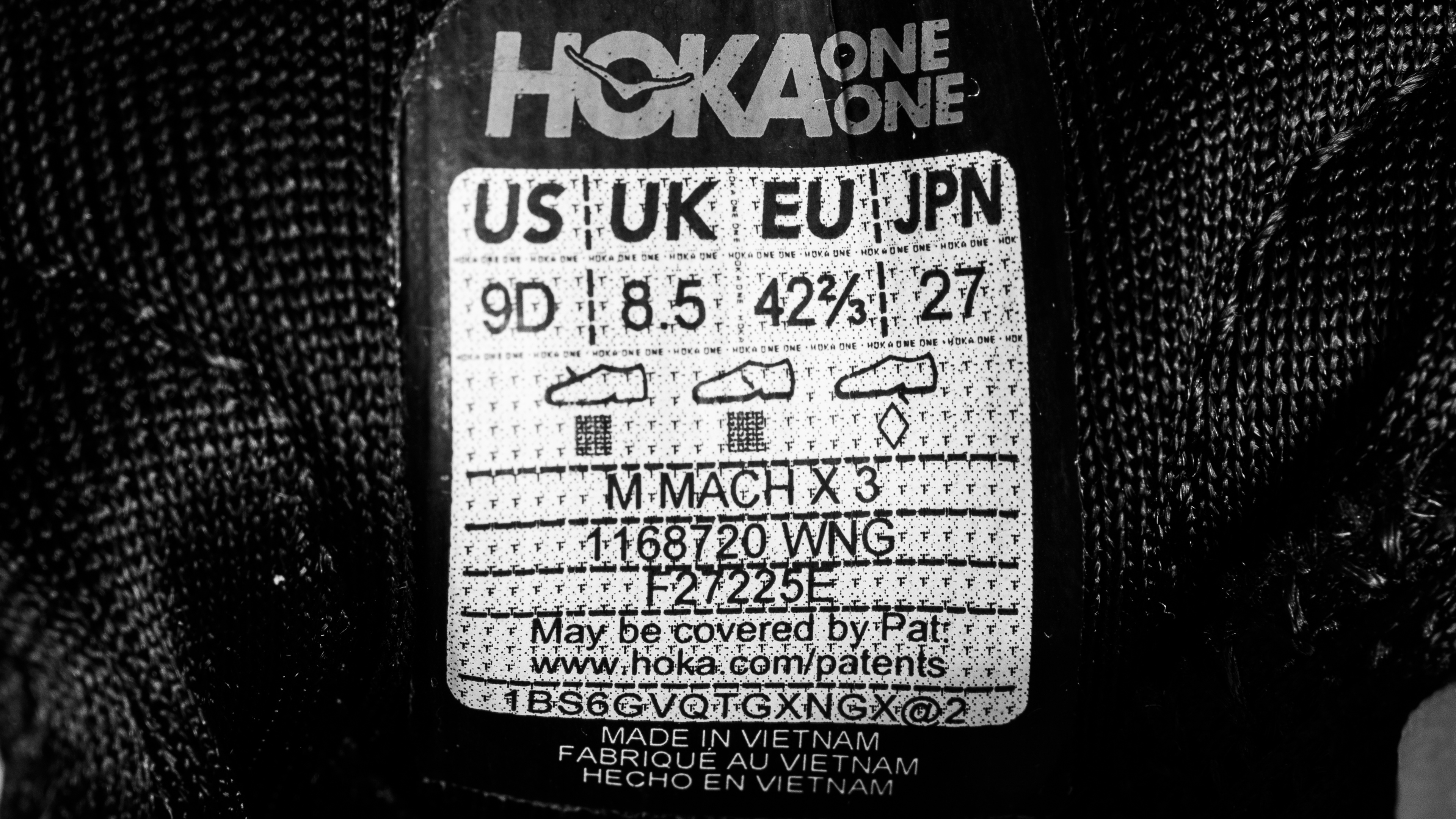
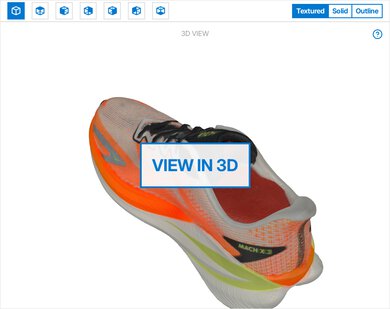
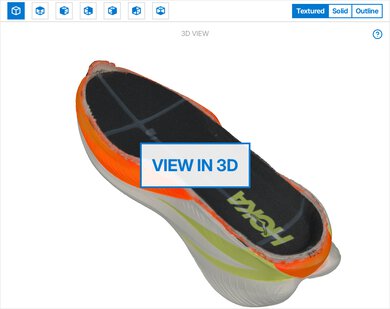
We tested the HOKA Mach X 3 in men's US size 9, as noted on the label for our pair. The color shown here is White/Neon Tangerine. This model is also available in Neon Hoka Citrus / Neon Lime for men and in White/Neon Lime and Neon Rose / Neon Tangerine for women. Unlike some other HOKA shoes, the Mach X 3 is only available in standard width.