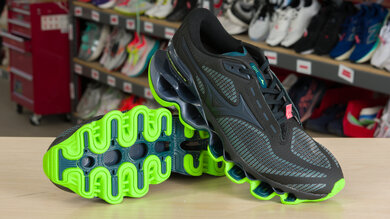
The Mizuno Wave Prophecy 15 is a hybrid lifestyle/running shoe that's light on performance, but heavy in terms of actual weight. Its midsole has more plastic than foam, so you don't get much cushioning or bounce. The rigid plastic does make the shoe very stable, and it rolls decently, but if you want a shoe that is more substance than style, the Prophecy will leave you unfulfilled.
| ✅ Buy If: | ❌ Skip If: |
|
|
Our Verdict
The Mizuno Wave Prophecy 15 is a bad choice of shoe for running a marathon. It's heavy, it has minimal cushioning, and it gives back very little of the energy you put into it. For the exorbitant price of this shoe, you could buy an actual dedicated marathon racing shoe.
Far too heavy for racing.
Lack of energy return dampens your momentum.
Heel energy return is worst of the worst.
The Mizuno Wave Prophecy 15 is not a good shoe for racing, even for shorter distances. The weight of the shoe makes it very inefficient when you're trying to run fast, and although the forefoot is exceptionally firm, it lacks the snap of an actual racing shoe.
Far too heavy for racing.
Lack of energy return dampens your momentum.
Heel energy return is worst of the worst.
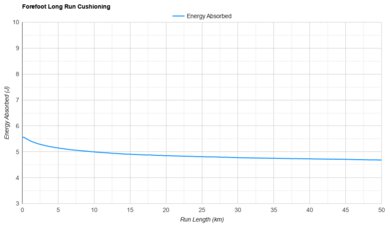
The Mizuno Wave Prophecy 15 is, at best, a mediocre long run shoe. It's very stable, so you don't have to worry too much about the shoe wobbling as your legs get tired, but given the weight of the shoe and the lack of energy return, your legs will tire very quickly. The cushioning starts out bad and only gets worse the farther you run.
Platform is very stable.
Largely plastic midsole provides almost no impact absorption.
Bottom-heavy construction accelerates fatigue in your legs.
The Mizuno Wave Prophecy 15 is inadequate as a daily trainer. The thin layer of foam on top of lots of plastic makes a rather unpleasant landing platform even for easy miles. The shoe is heavy and cumbersome, and the giant holes underfoot just seem to suck the life out of your run.
Platform is very stable.
Largely plastic midsole provides almost no impact absorption.
Bottom-heavy construction accelerates fatigue in your legs.
Changelog
-
Updated Aug 18, 2026:
We've updated this review to add a link to the newly reviewed ASICS GEL-EXCITE 11 in the Forefoot Compression Energy Return box.
- Updated Aug 06, 2026: Review published.
- Updated Aug 04, 2026: Early access published.
- Updated Jul 24, 2026: Our testers have started testing this product.
- Updated Jul 06, 2026: The product has arrived in our lab, and our testers will start evaluating it soon.
- Updated Jun 22, 2026: We've purchased the product and are waiting for it to arrive in our lab.
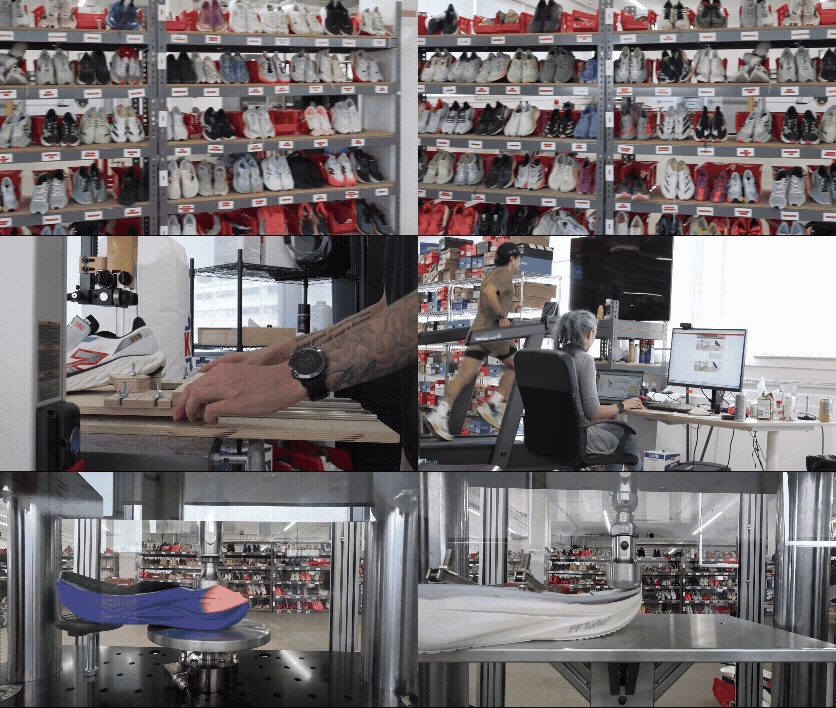
We've bought and tested more than 250 running shoes. Every pair purchased with our own money, never supplied or sponsored by brands. Our data-driven tests are designed to go beyond marketing claims, and since every shoe goes through the exact same methodology, you can directly compare results to find the right pair for your needs.
Test Results
Energy Return
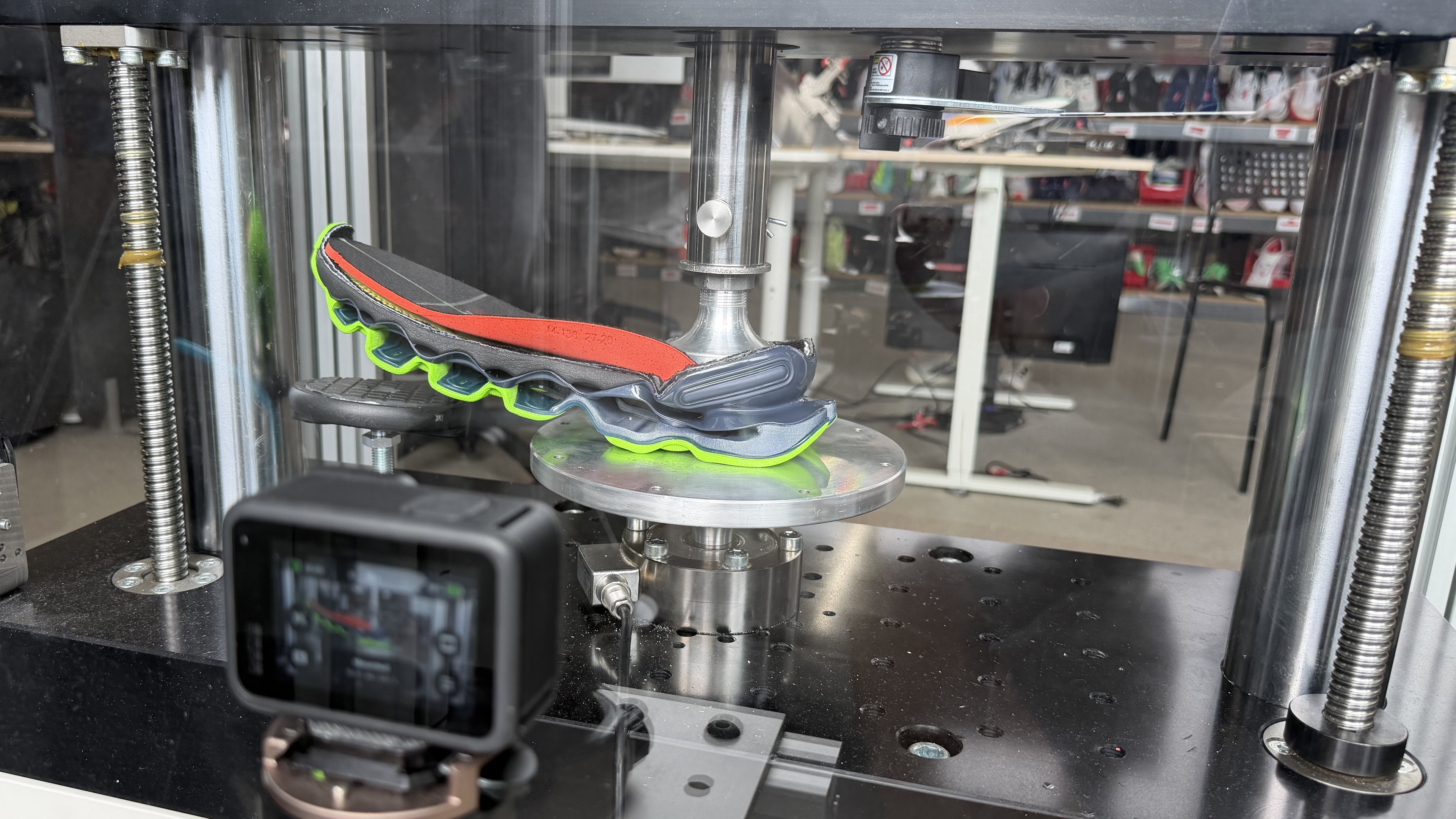
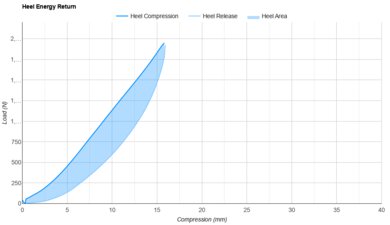
The Mizuno Wave Prophecy 15 has abysmal energy return. The heel is among the worst of any shoe we've tested, and although the forefoot is better by comparison, you won't feel any spring in your step.
Lack of energy return dampens your momentum.
Heel energy return is worst of the worst.
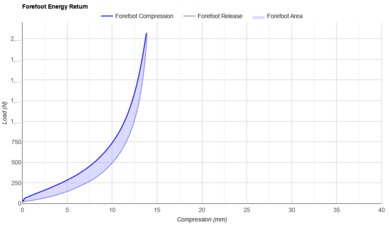
The energy return from the forefoot isn't as abysmal as the heel, but that doesn't mean it's not also terrible. Pushing off in the Wave Prophecy 15 feels about as energetic as running on wet concrete. Even dull, budget shoes like the ASICS GEL-EXCITE 11 perform better.
Stability
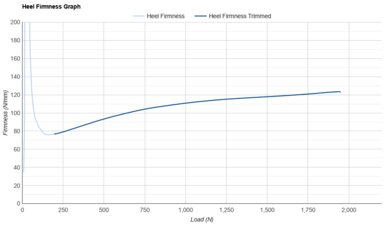
The Mizuno Wave Prophecy 15 has excellent stability. The ultra-rigid material stays firm underfoot, no matter how much pressure you apply, and the base of the shoe is rather wide, even if it is full of holes.
Rigid material keeps the ride steady.
Exceptionally firm heel does not wobble easily.
Cushioning
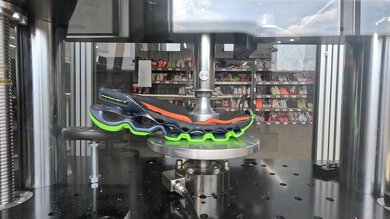
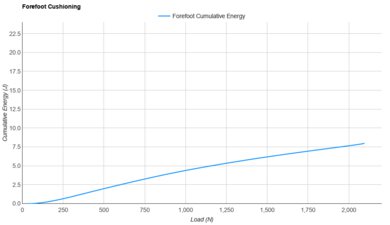
The Mizuno Wave Prophecy 15 has poor cushioning. There's not much foam to soak up the impact of your foot strike, particularly under the heel. If you run in this shoe, be prepared for your feet and your legs to bear most of the brunt of the impact.
Largely plastic midsole provides almost no impact absorption.
Landings feel harsh no matter where you land on your foot.
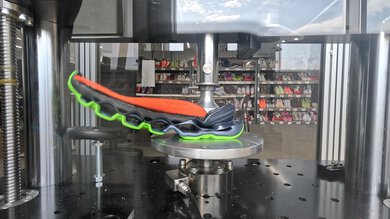
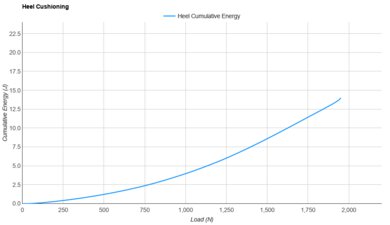
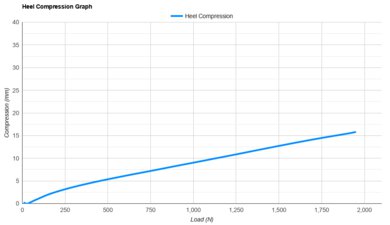
The heel cushioning of the Mizuno Wave Prophecy 15 is absurdly bad. The spoonful of foam sitting in a giant cradle of plastic somehow fails to protect your heel from the impact of striking the pavement.
Bounciness
The Mizuno Wave Prophecy 15 has little to no bounce. Imagine jumping on a trampoline made of rigid plastic, and you will have an idea of the bounciness of this shoe.
Midsole neither absorbs nor gives back energy.
The ride feels dead.
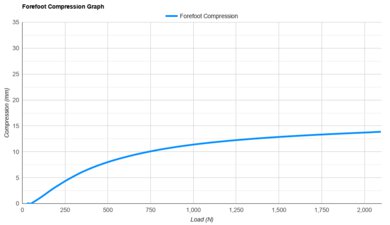
Snappiness
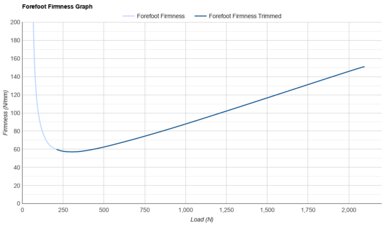
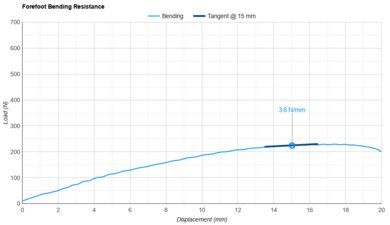
The Mizuno Wave Prophecy 15 does have some snap, but it's unremarkable. Despite being very firm, the forefoot doesn't resist bending enough to give much leverage at toe-off, and the forefoot doesn't return much energy when it unbends.
Forefoot rocker does help toe-off somewhat.
Doesn't return much energy when it unbends.
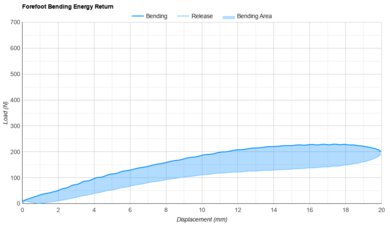
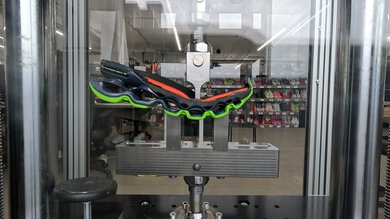
The forefoot returns energy at a middling amount when it unbends, offering little in the way of spring during toe-off.
Roll
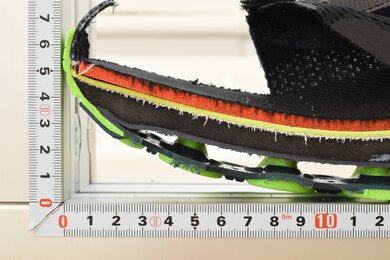
The Mizuno Wave Prophecy 15 actually rolls through the stride decently. The forefoot has a rockered geometry that holds its shape satisfactorily enough to roll toward the toes when you press down. Because the forefoot doesn't resist bending very well, you won't get a lot of leverage when pushing off.
Forefoot rocker does help toe-off somewhat.
Heel rocker is less helpful at rolling forward.
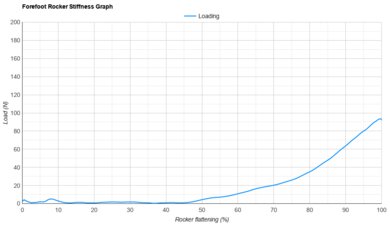
The rocker resists flattening decently well under load, helping the shoe maintain a somewhat consistent shape as you roll through your gait.
True To Size
The Mizuno Wave Prophecy 15 is true to size in terms of length, but its narrow arch and shallow toe box could make the fit restrictive.
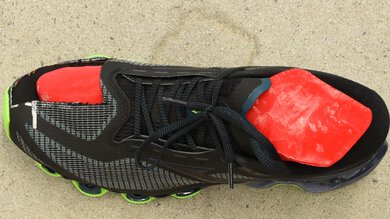
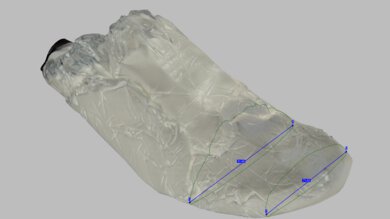
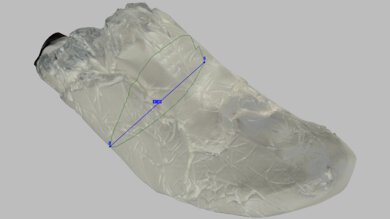
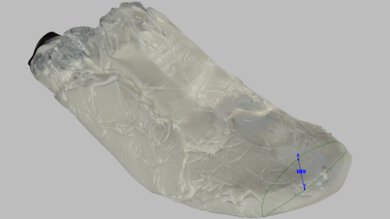
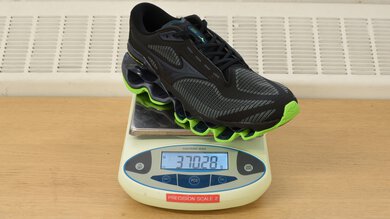
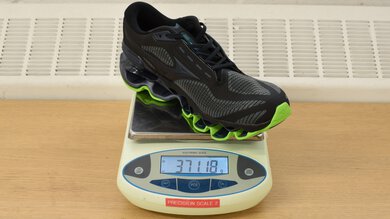
When we put the Mizuno Wave Prophecy 15 on the scale, it was the heaviest shoe we'd ever tested. It simply is not efficient for running.
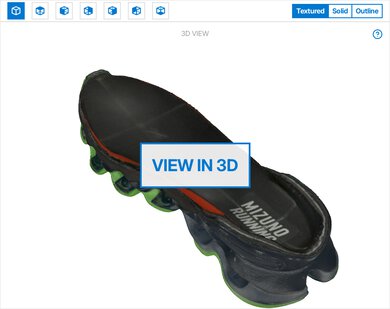


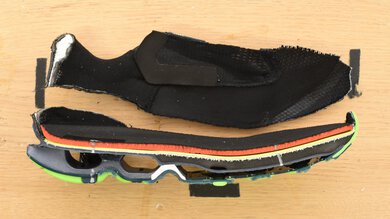
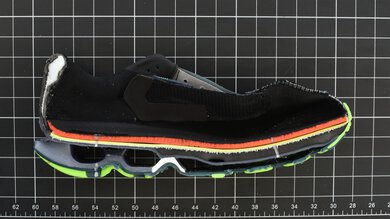
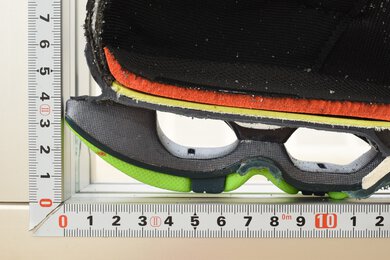
There is not much foam in this shoe, as it's mostly plastic and air underfoot, but there are two different compounds, both called Enerzy NXT. They look different under the microscope, even after accounting for the color difference. The foam in the Mizuno Neo Zen 2 is also called Enerzy NXT, but these are likely different compounds.
Popular Running Shoe Comparisons
The Mizuno Wave Prophecy 15 is an ostentatious shoe that seems to have been designed based on purely aesthetic considerations. If you like the look of this shoe and don't necessarily plan to run that much, go ahead and buy it. If you want a big, attention-grabbing shoe that actually has cushioning and bounce, you might like the Nike Vomero Premium. If you like Mizuno as a brand, and you want a shoe that's more practical for running, check out the Mizuno Neo Vista 3. If you like lots of cushioning, or the Mizuno Wave Rider 30, you want a more stable, classic ride. If you like the "holes in the midsole" concept but want a shoe with that aesthetic that still absorbs the impact of pounding the pavement, check out the On Cloudmonster 3 Hyper.
For more options, check out our recommendations for the best running shoes.
The Mizuno Wave Inspire 22 and Mizuno Wave Prophecy 15 are technically part of the same Mizuno Wave family, but they have gone very different directions. The Wave Inspire 22 is the responsible older sibling that promises a smooth, stable, and fairly boring ride. The Wave Prophecy is the black sheep of the family that has its own edgy, unique style, and doesn't seem too interested in the family running business. Buy the Inspire if you want to do more running than walking, and the Prophecy if you want to get more attention as you walk around town.
The Mizuno Wave Rider 30 and Mizuno Wave Prophecy 15 share parts of a name, but they could not be more different. The Wave Rider 30 is a practical daily trainer that has very good cushioning and is a decent shoe for taking on long runs. The Wave Prophecy 15 is more of a lifestyle shoe with a bold aesthetic, but it's impractical for prolonged runs. Get the Wave Rider if you are going to intentionally run several times a week. Get the Wave Prophecy if you usually just run to catch the bus or the train.
Differences Between Sizes And Variants
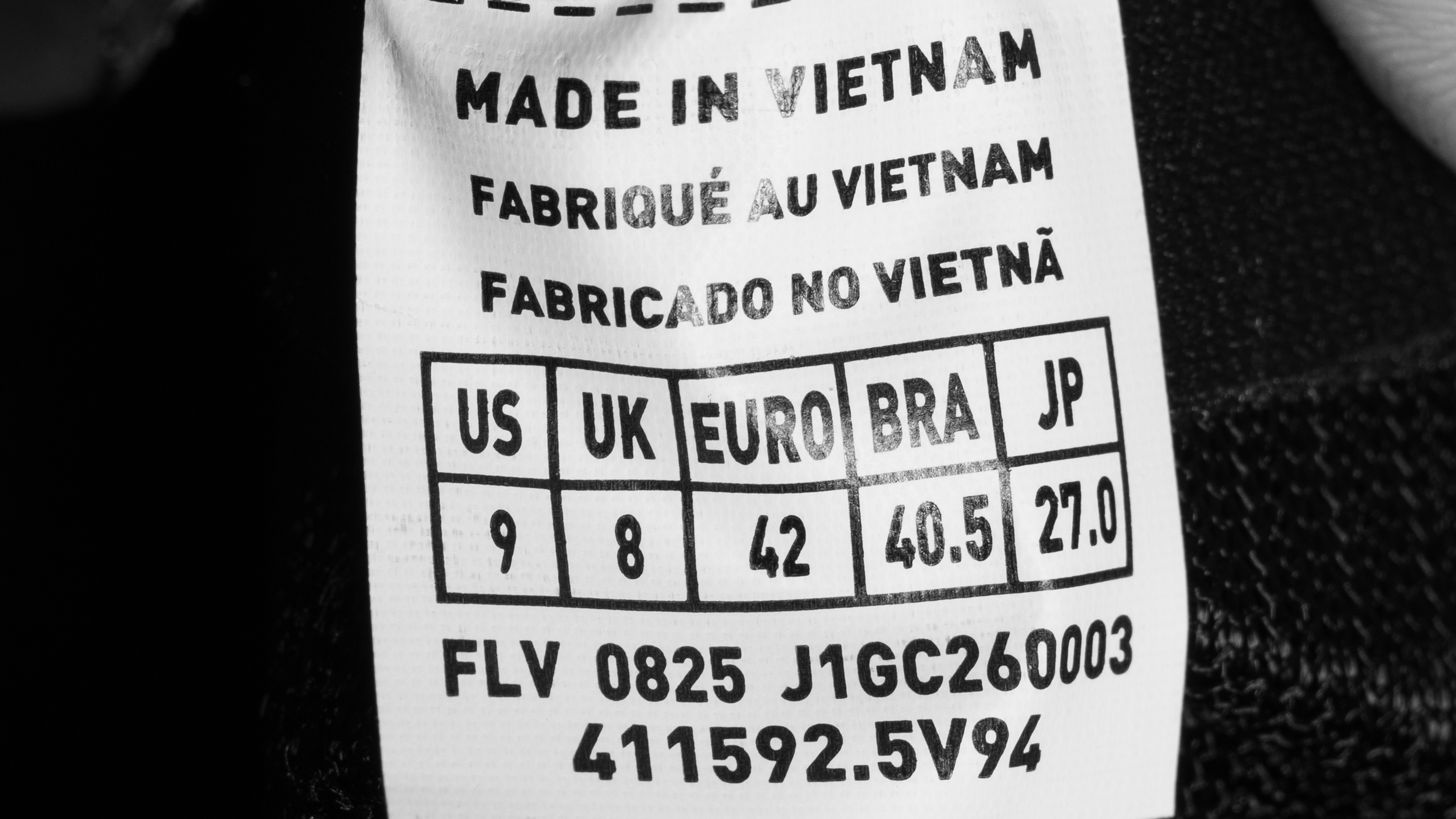
We tested the Mizuno Wave Prophecy 15 in men's U.S. size 9, as indicated on the label of our unit. The colorway shown here is Reflecting Pond-Black Glass, but the shoe is available in other abstractly named colorways like Foggy Dew-Vulcan and Wild Wind-Ice Water, depending on your region. No Wide versions are available for this shoe. The design section applies specifically to the version we tested, but we expect other sizes to perform similarly.