TCL and Samsung are two of the largest TV manufacturers in the world. They each release a wide range of TVs every year, so how do you decide between TCL vs. Samsung TVs? With such a large model lineup, it's difficult to make a clear statement that one brand is better than the other, and each brand is worth considering for different reasons.
Samsung's LCD lineup is significantly overpriced compared to TCL, so for budget and mid-range models, TCL is the way to go. Samsung also produces an impressive array of OLED TVs, so if you're shopping for a home theater TV, Samsung OLEDs are the better choice. We'll break down the key differences between these brands below, but if you're ready to start shopping, check out our picks for the best TCL TVs and the best Samsung TVs.
TCL vs. Samsung TV Lineups
 |
 |
TCL and Samsung both release a wide range of models, from basic 4k models with limited features up to some of the most premium models on the market. Like any brand, they both produce good and bad models. TCL only releases LED TVs in the U.S., whereas Samsung releases both LED and OLED models. Samsung also offers different screen coatings on much of their lineup, including a matte coating on many high-end models.
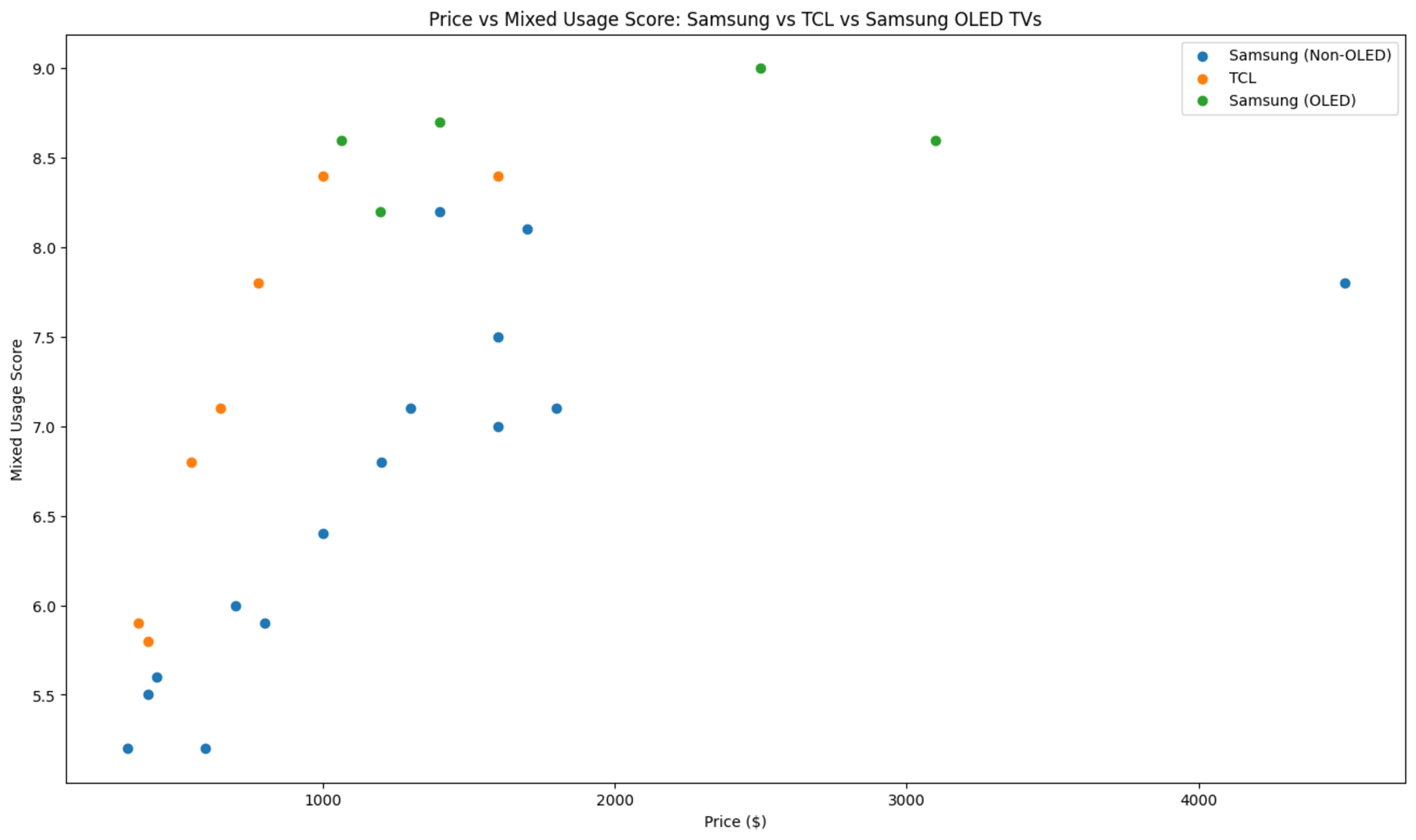
Breaking down their 2024 and 2025 lineups by price and the Mixed Usage score, we can clearly see that TCL TVs (orange) tend to offer much better performance for the price compared to Samsung's LED lineup (blue). This is especially true in the lower end of the scale. TCL's entry-level TVs typically offer higher peak brightness, better local dimming features, and display a wider range of colors compared to similarly-priced Samsung models.
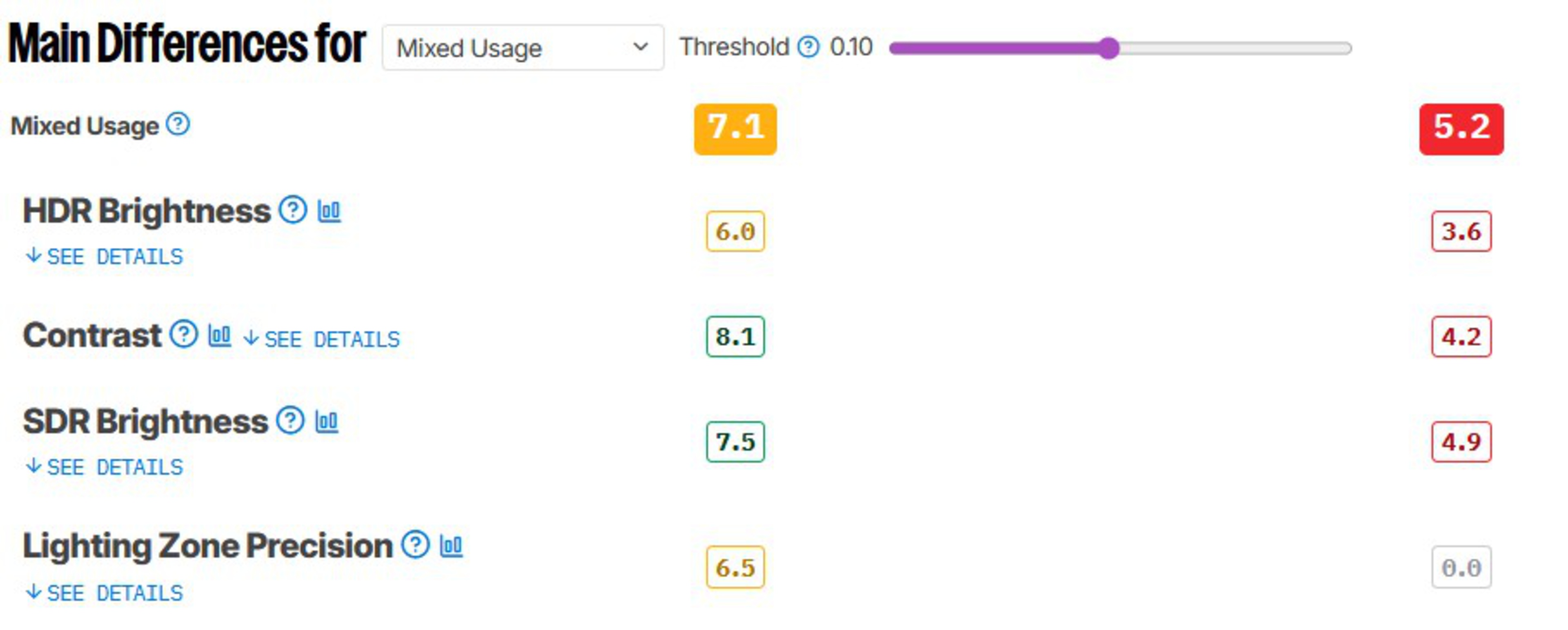
Take two budget models as an example. The TCL QM6K offers far better performance than the similarly-priced Samsung DU8000. You're getting higher peak brightness in both SDR and HDR and a full array local dimming feature, resulting in much deeper, more uniform blacks. These are just the top-scoring differences between them; the QM6K also brings a higher refresh rate, VRR support, and HDMI 2.1 bandwidth for a better gaming experience.
Most Samsung's OLEDs, on the other hand, tend to offer much better performance than even the best TCL TVs, but the barrier to entry is a little higher. Overall, if you're looking for a cheap-to-mid-range TV, a TCL LED is a great option, but if you have a higher budget, it's worth considering a Samsung OLED instead.
Smart Features
You should never buy a TV just because of the smart features it supports, but it's still good to keep this in mind. Compatibility with the services and platform you use definitely makes your life easier, and it means you don't have to worry about adding an extra box to your investment to be able to watch your favorite content. Just keep in mind that these features aren't guaranteed to last forever, and it's pretty much guaranteed that your favorite app will eventually stop working on your smart TV.
Smart OS
 |
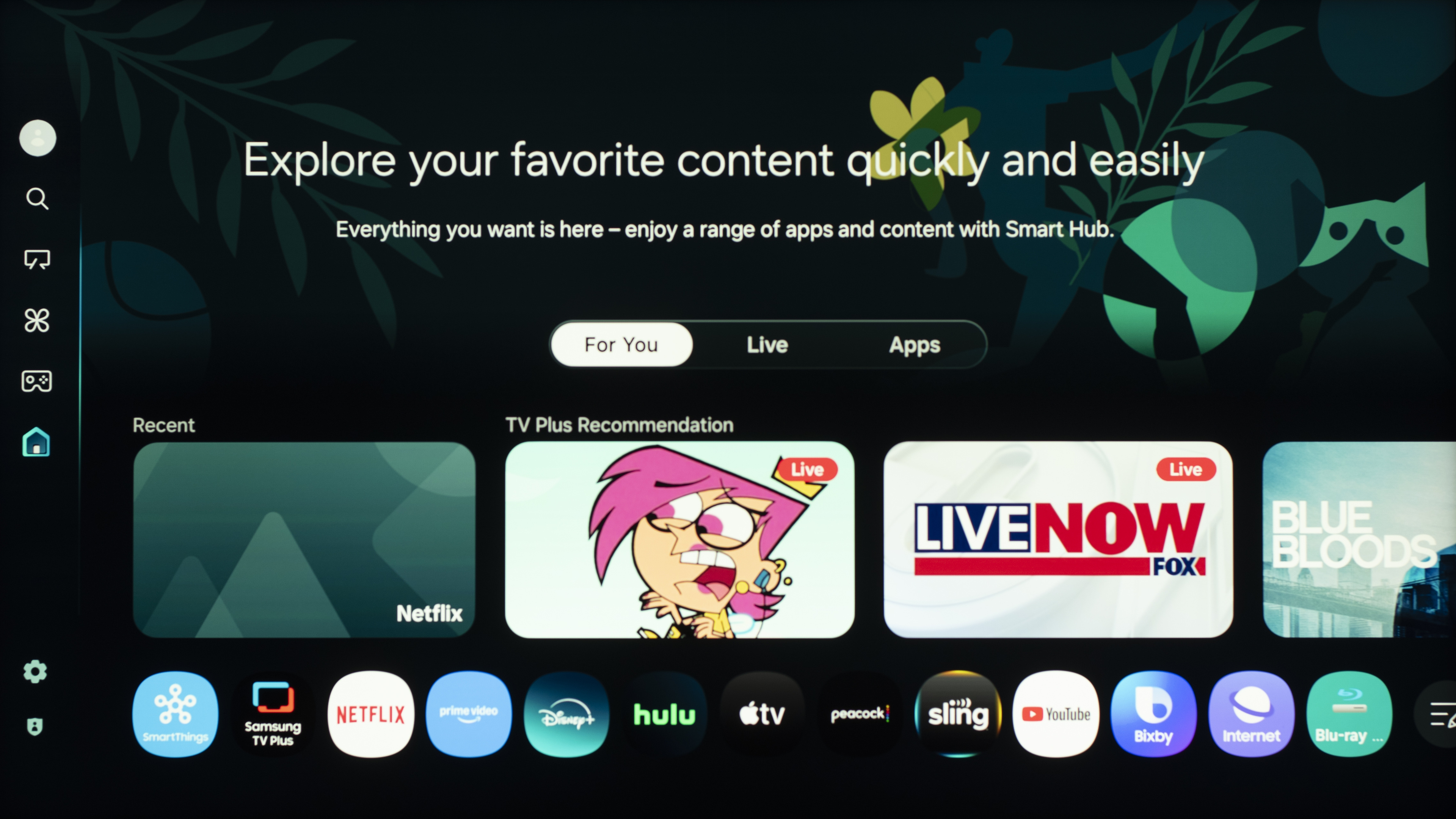 |
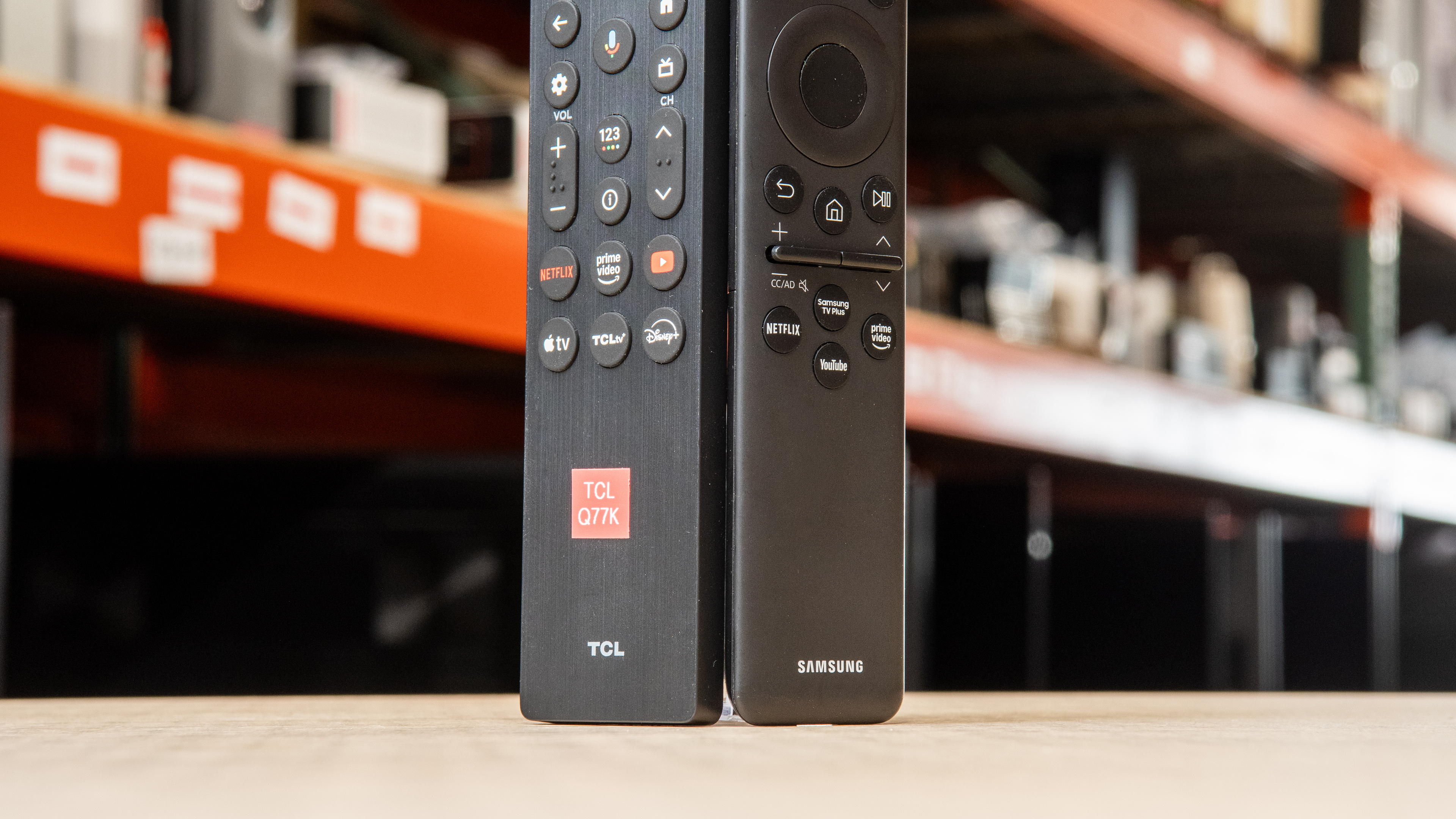
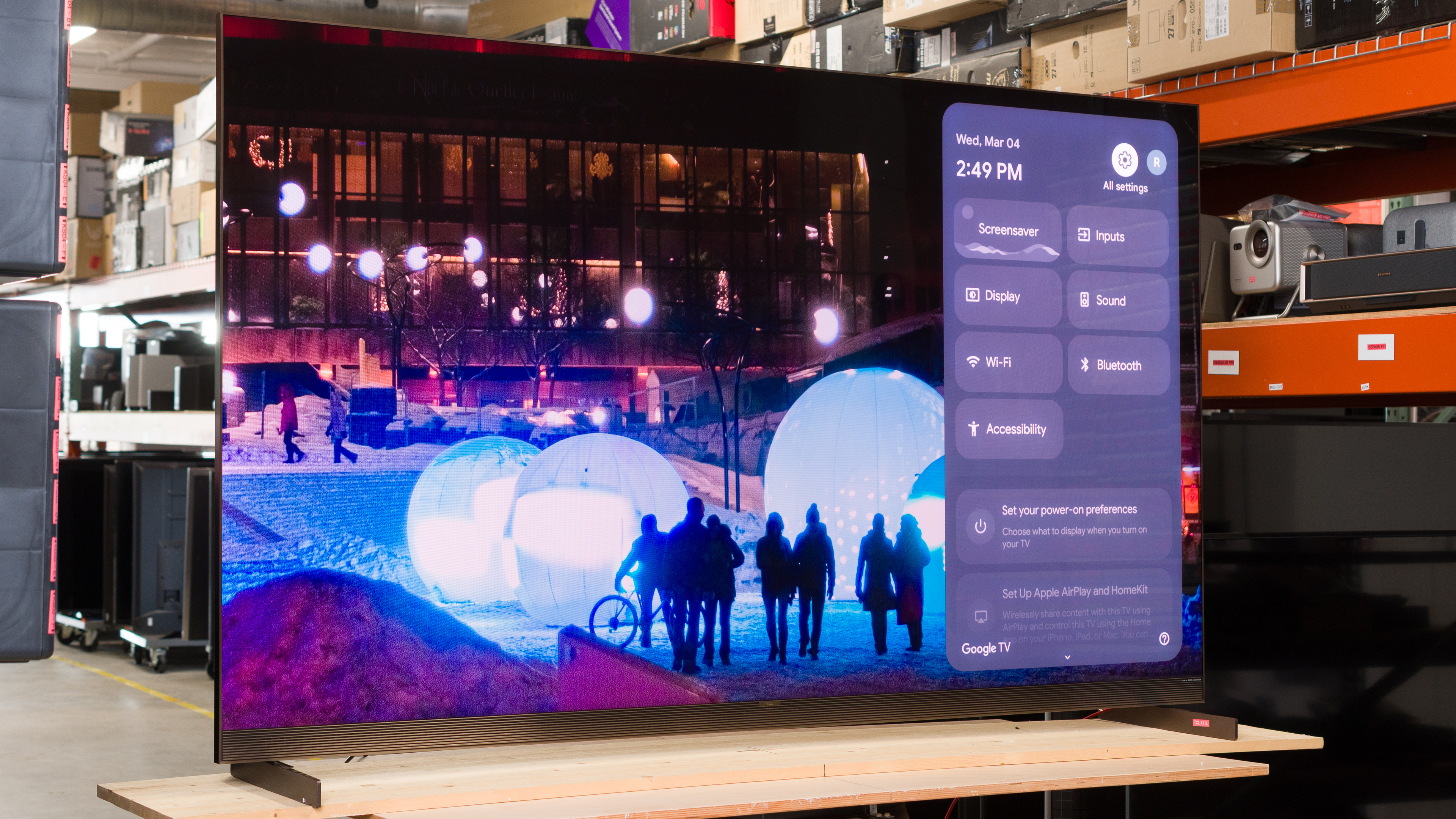
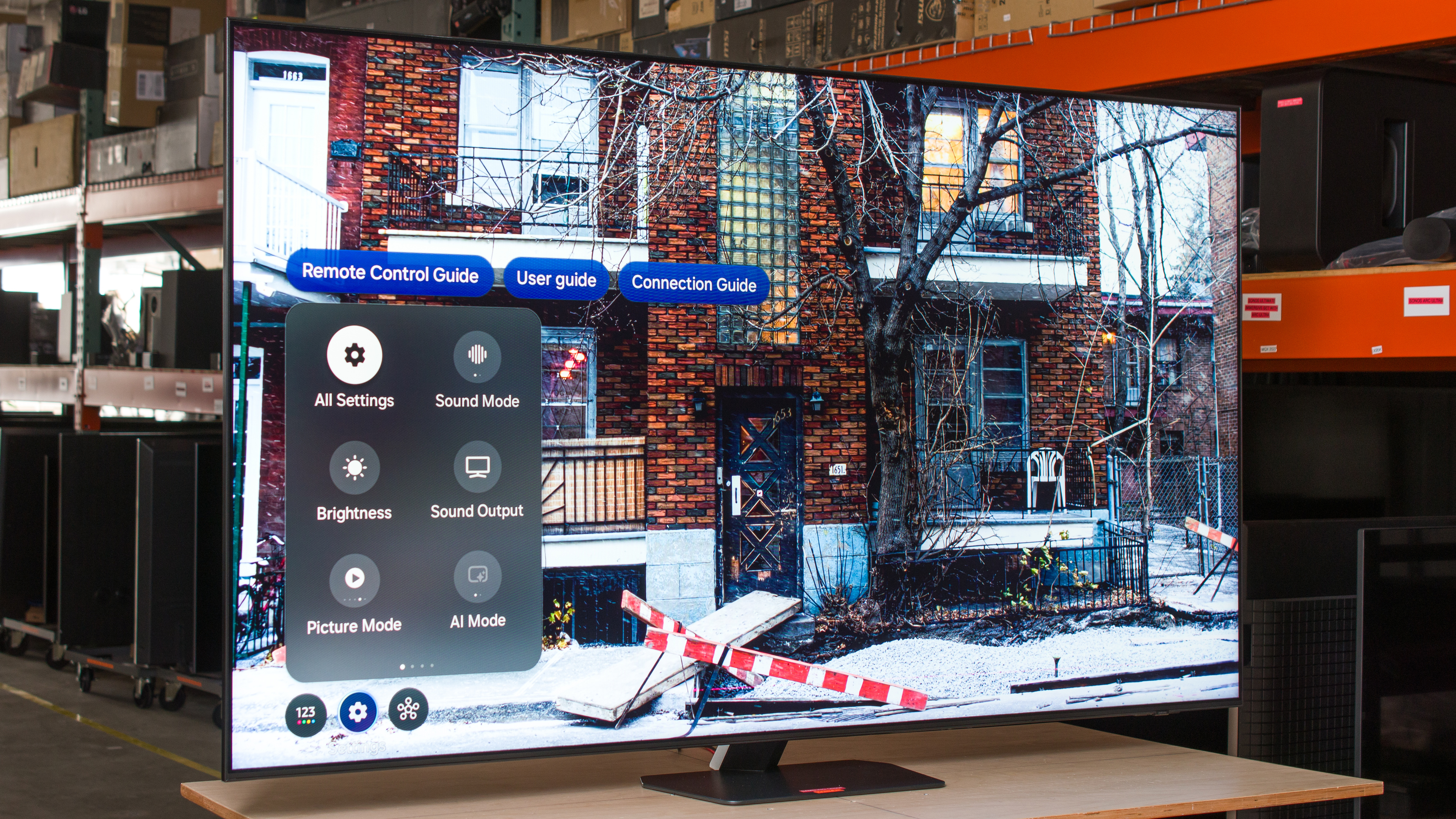
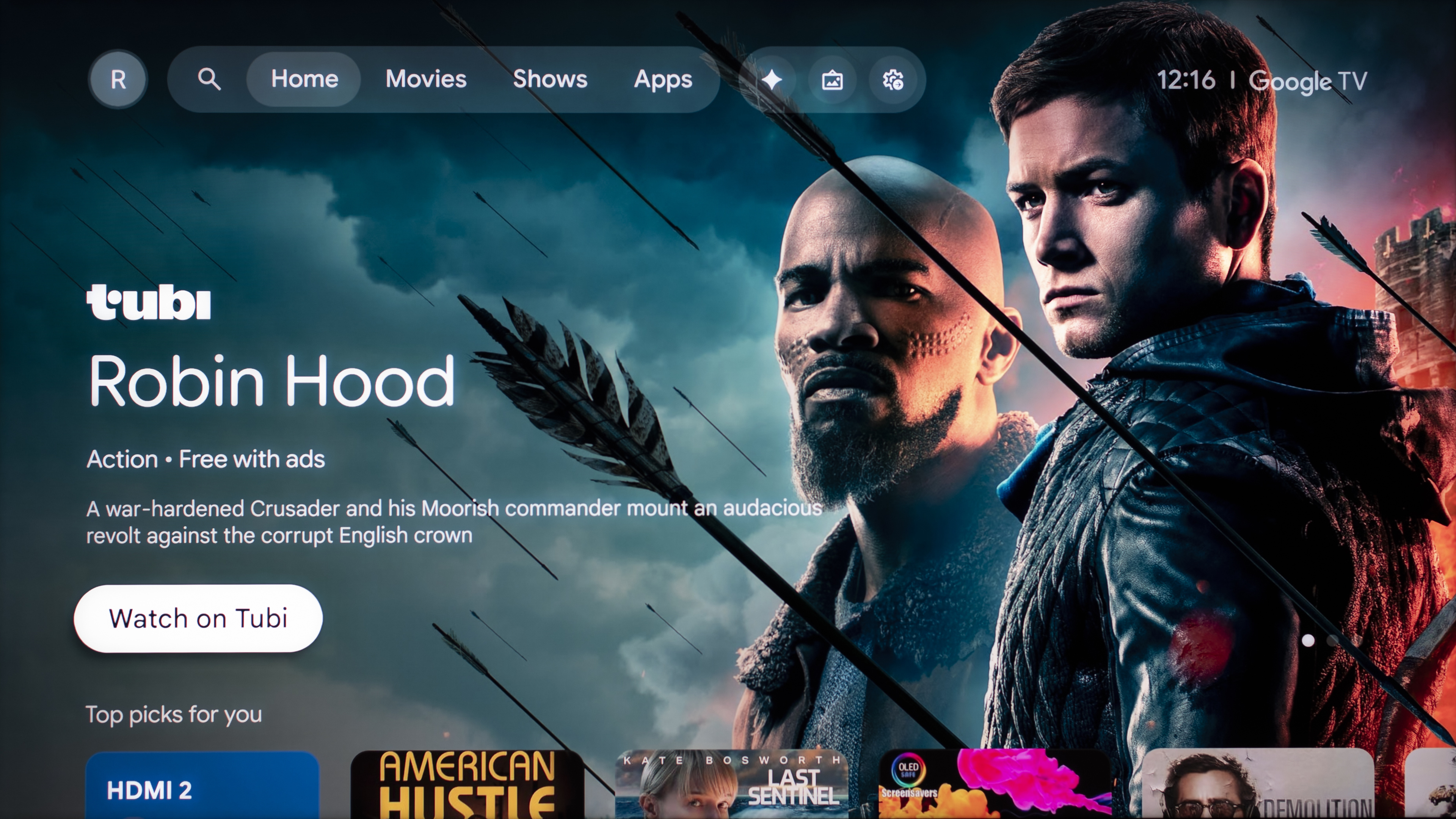
Samsung and TCL use different smart platforms. Most TCL TVs use the Google TV interface, which runs on top of the Android interface, but the exact version may vary depending on the exact model you're looking at. Google TV offers a great selection of features and great customizability. It's not made by TCL, though, so long-term support is a bit of an unknown. Samsung, on the other hand, uses a proprietary interface they call Tizen OS. Both interfaces have their strengths and weaknesses, so there's no real clear winner between them. There are also a few TCL TVs that use the Roku or Fire TV smart interfaces as well, but these are far less common.
In the end, the better choice may be the one most similar to your other devices. If you have other Android devices, like a phone or tablet, then it may be more convenient for you to stay within the Google ecosystem by getting a TCL TV. Samsung doesn't share as much between their other smart devices, which usually run Android, and their TVs, but there are other integrated features that you may wish to carry over from your phone to TV.
App Store
 |
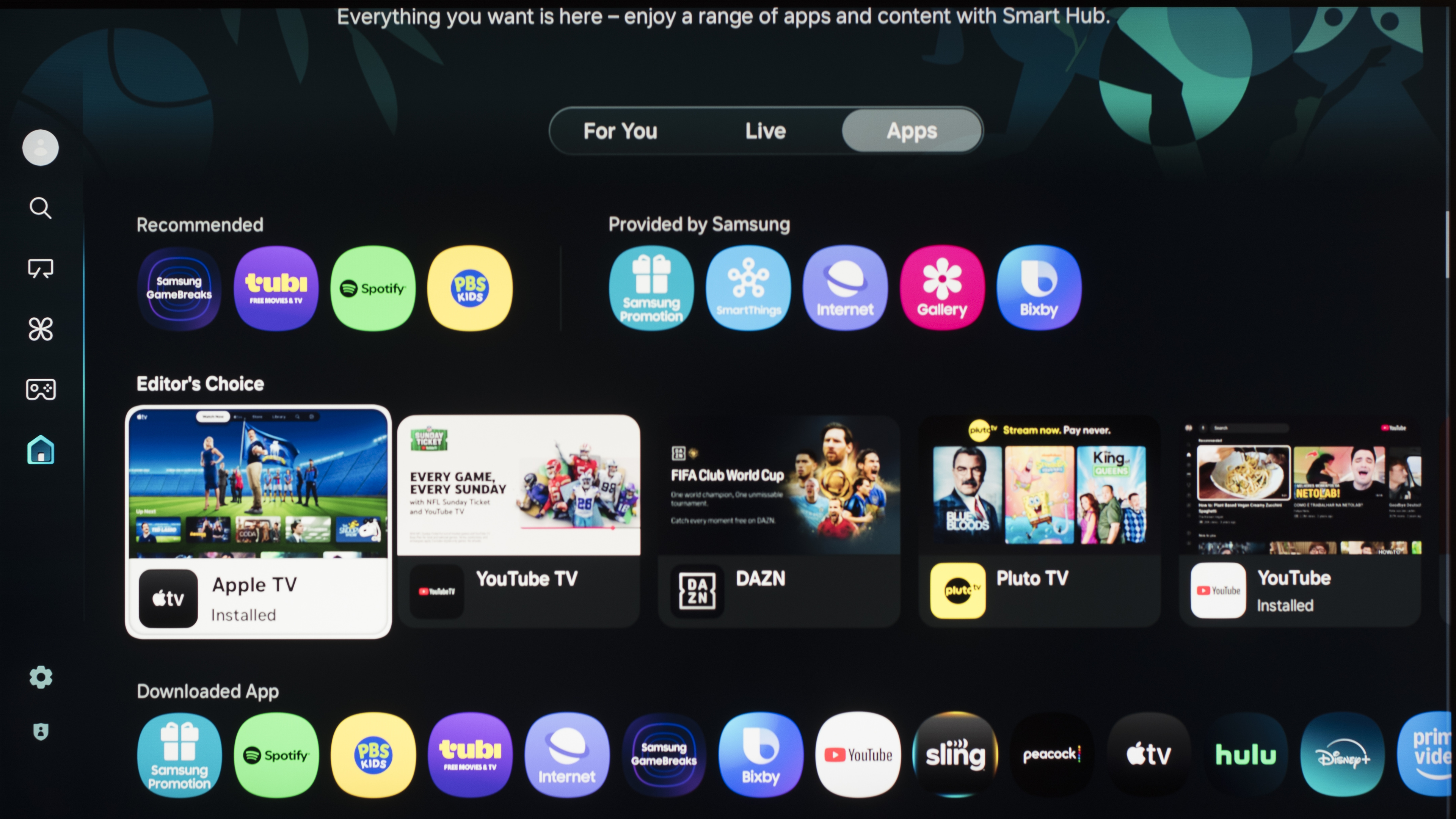 |
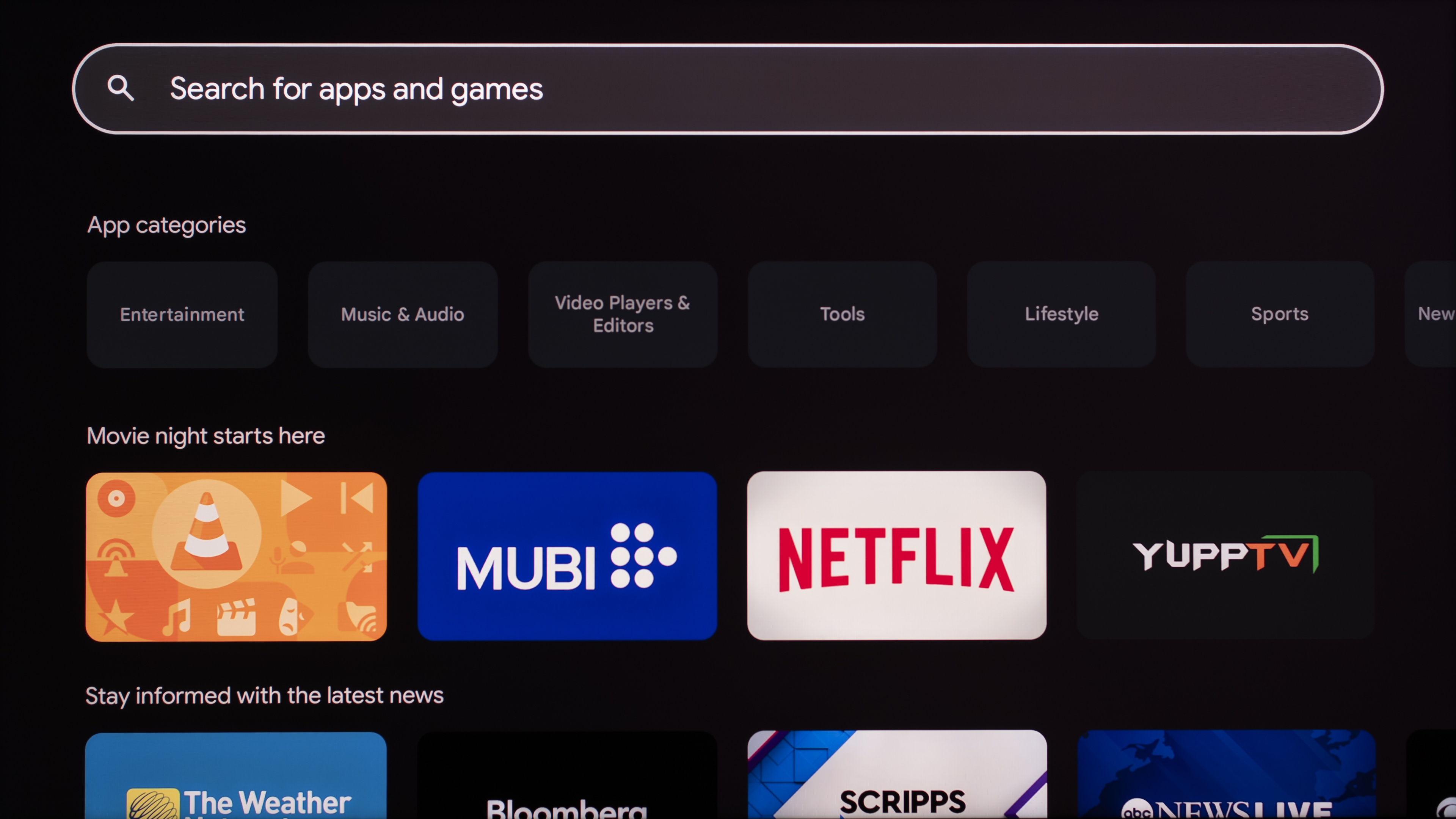
Both app stores offer a wide selection of apps, and you usually won't have any issues finding your favorite streaming service on either platform. There's a slightly wider selection of apps on Google TV, though, and it also offers the possibility to sideload unofficial Android apps, if you know how. Samsung's platform is more locked down.
Updates
Another area where there's a more significant difference between TCL vs Samsung is how they handle updates. Both brands are typically pretty quick to offer firmware updates for the first year or so following a product's launch. This is especially true for the higher-end models within each lineup, as they tweak picture quality and fine-tune the TV based on customer feedback and reviews. When it comes to the core smart interface, though, there's a huge difference.
Samsung promises seven years of updates to its Tizen operating system following the initial release of most new TVs. So if your TV ships with Tizen OS 2026, you should receive updates to at least Tizen OS 2032, including many new features that your TV didn't support at launch. It won't support everything, of course, as many new features will require hardware that your TV lacks, but you'll get some things. For example, Samsung recently started rolling out an update that adds Google Cast support to its TVs, possibly going as far back as some 2023 models.
TCL, on the other hand, rarely offers significant updates to the Google TV operating system. Some models that shipped with Google TV 12 will be updated to Google TV 14, but TCL doesn't make any long-term promises for system updates like this. So you might receive an update for your TV, but you never know.
Gaming
 |
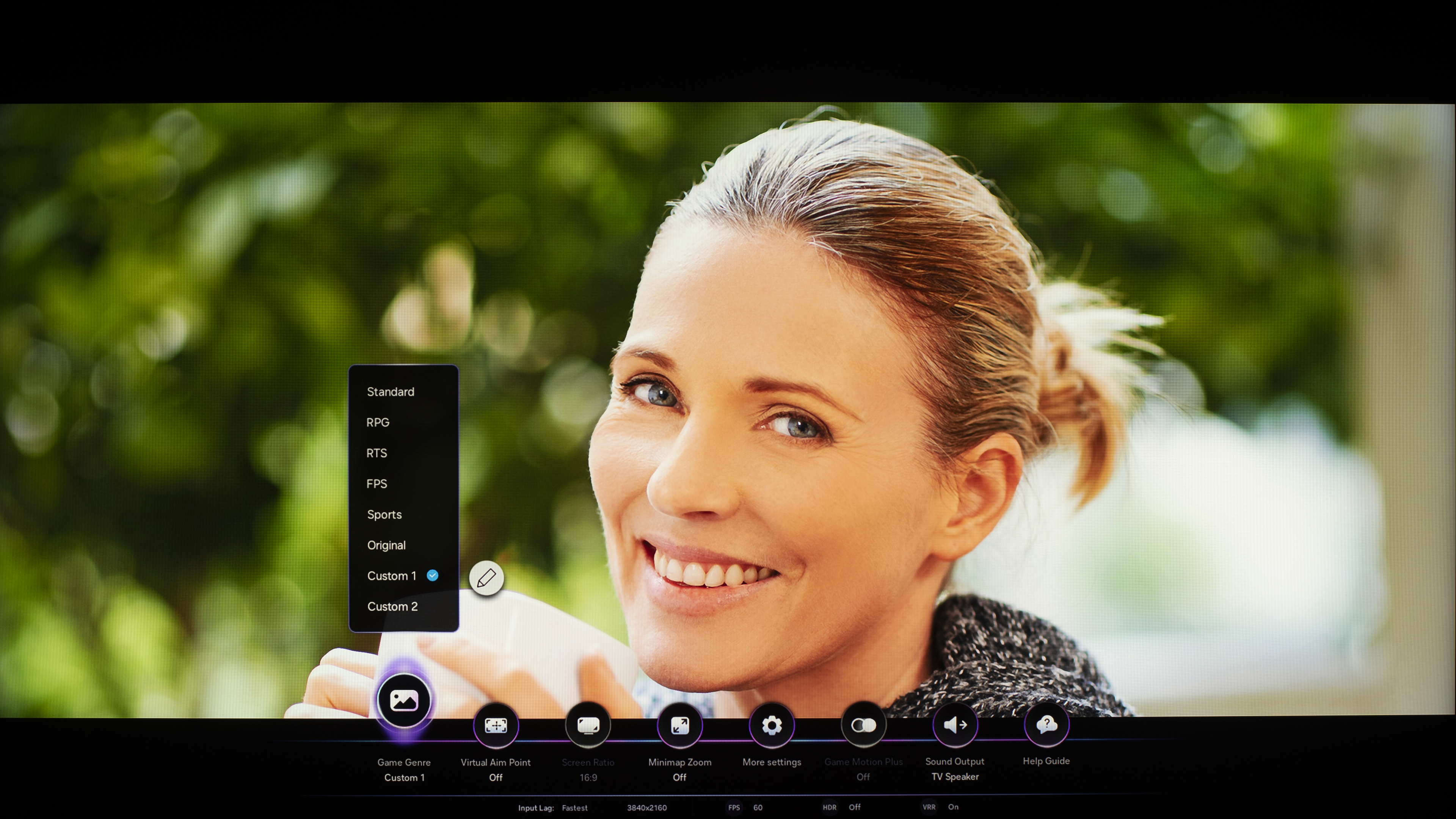 |
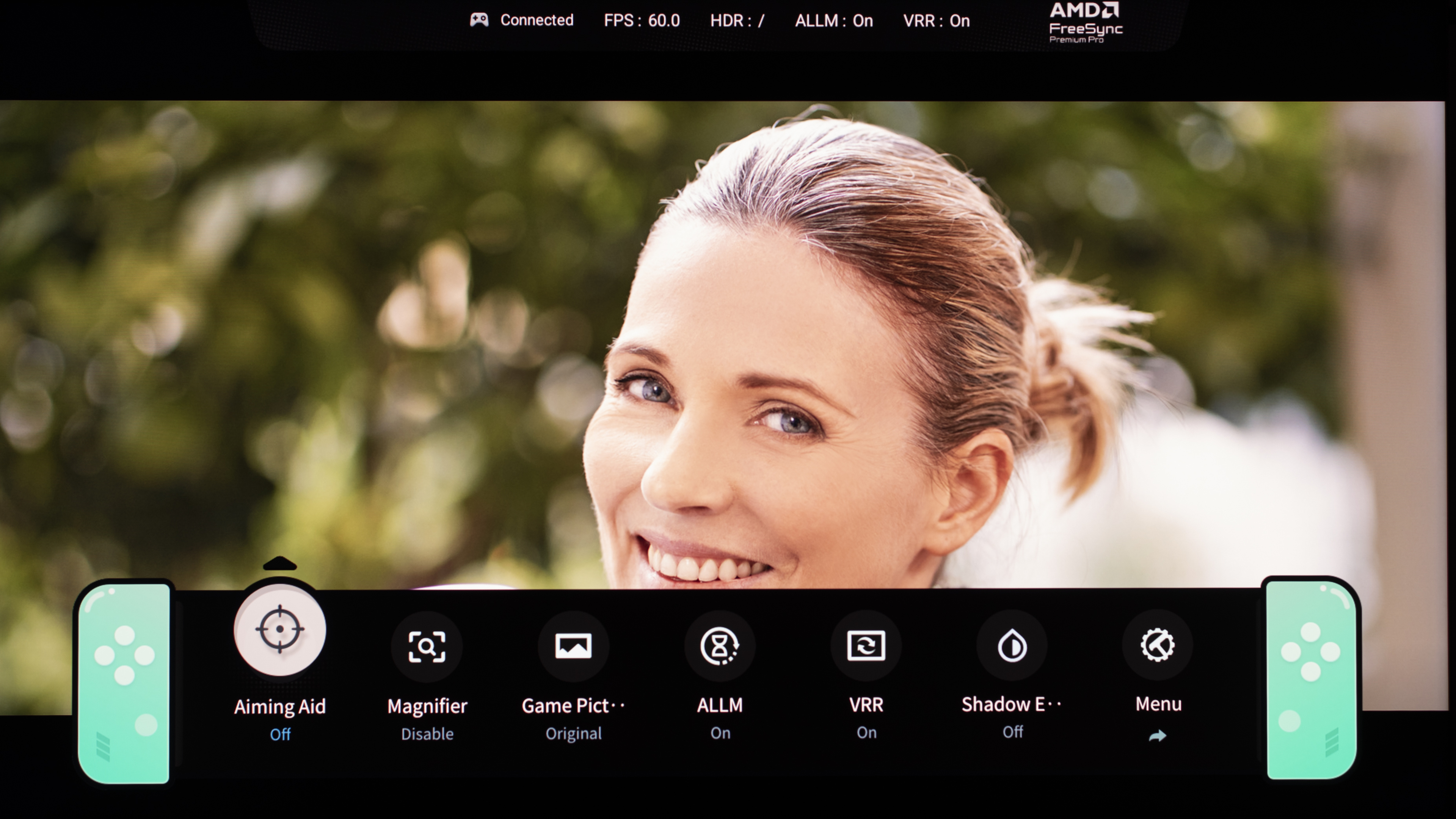
For the most part, you'll find very similar gaming features on both TCL and Samsung TVs. Both brands offer common gaming features like variable refresh rate support (VRR), dedicated gaming modes to reduce input latency, and Game bars with access to quickly change key gaming settings. You'll also find built-in support for cloud gaming apps like GeForce NOW and Xbox.
One key difference between them is the HDMI inputs. Samsung supports full HDMI 2.1 bandwidth on four ports for most of their lineup, whereas TCL usually only supports this on two inputs. This is starting to change for TCL, though, and some of their 2026 models now support it on all four. TCL offers a few extra perks for PC gamers, though, including a dual mode toggle that switches the TV into a lower resolution mode (1080p or 1440p), but at a higher refresh rate. Samsung is adding this feature to some of their 2026 models, so pay close attention to the formats supported for the specific model you're considering before making a buying decision.
Format Support
One key difference between these brands is the formats they support. TCL offers full support for advanced audio and video formats, including Dolby Vision and DTS. Samsung TVs support the HDR10+ standard instead, and most of their TVs don't support DTS audio formats. If you're just streaming shows onto your TV and don't have a dedicated home theater system, then these features don't matter to you. If you're a collector of physical media, though, TCL is by far the better choice of the two brands, as it offers full compatibility with all formats that you'll find on 4K Blu-rays.
Conclusion
Overall, TCL offers incredible value for budget and midrange models, and they're the better choice over Samsung TVs at that price point. If your budget is a bit higher, though, then it's a bit more complicated, as Samsung's OLED models deliver a better overall experience than even the best TCL models. In the end, always look at individual reviews before making a buying decision, as both brands have good and bad models.