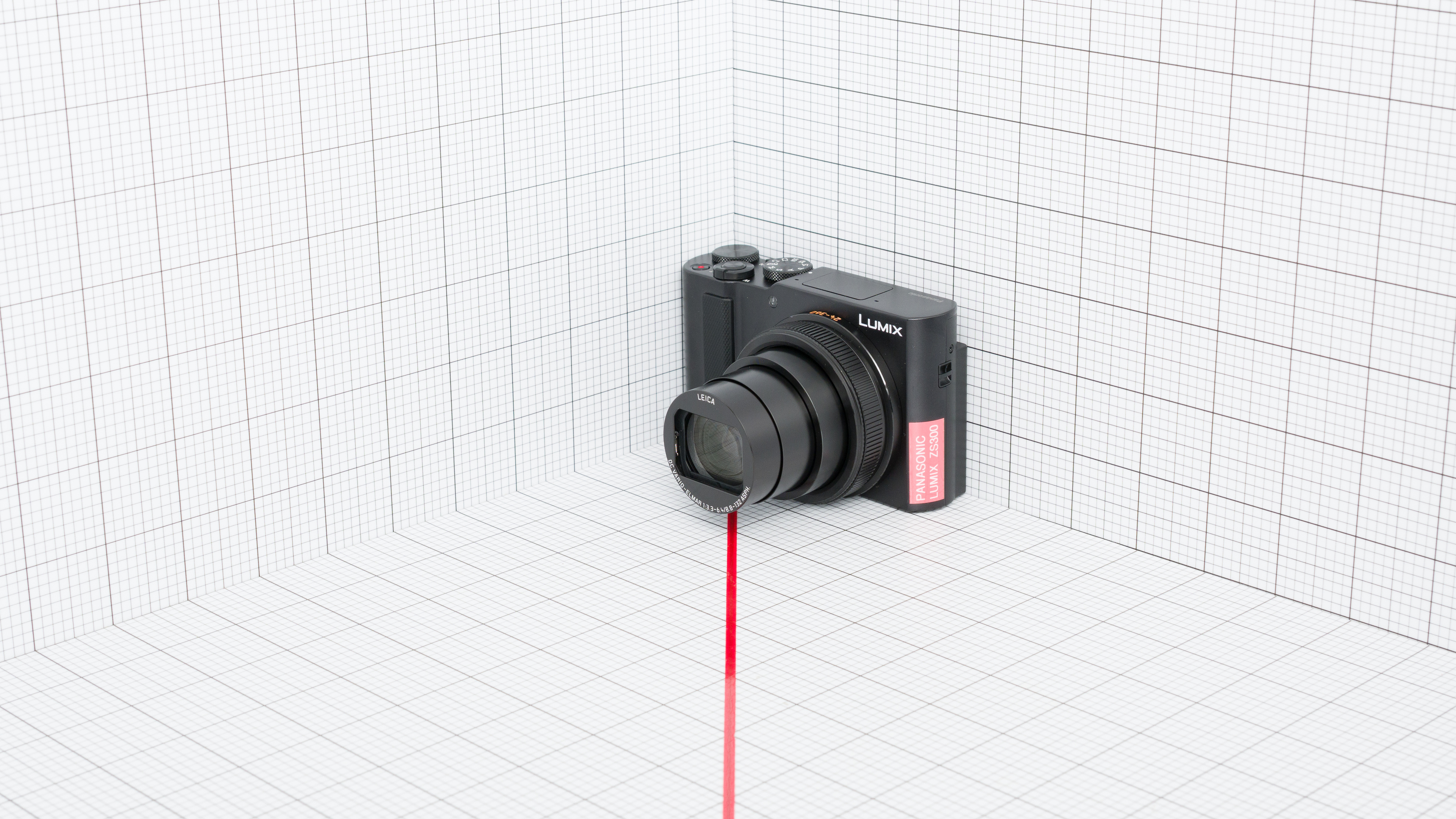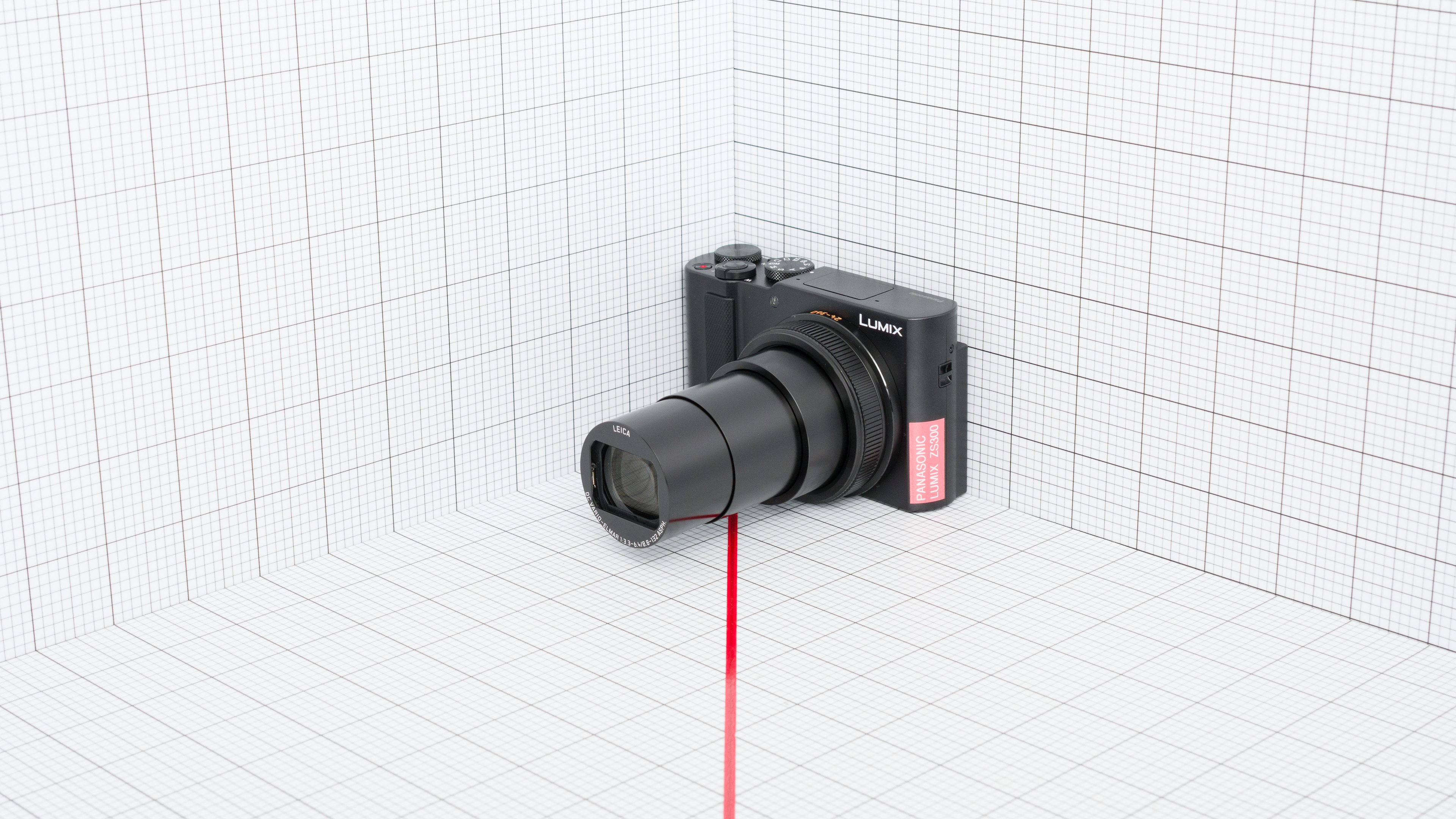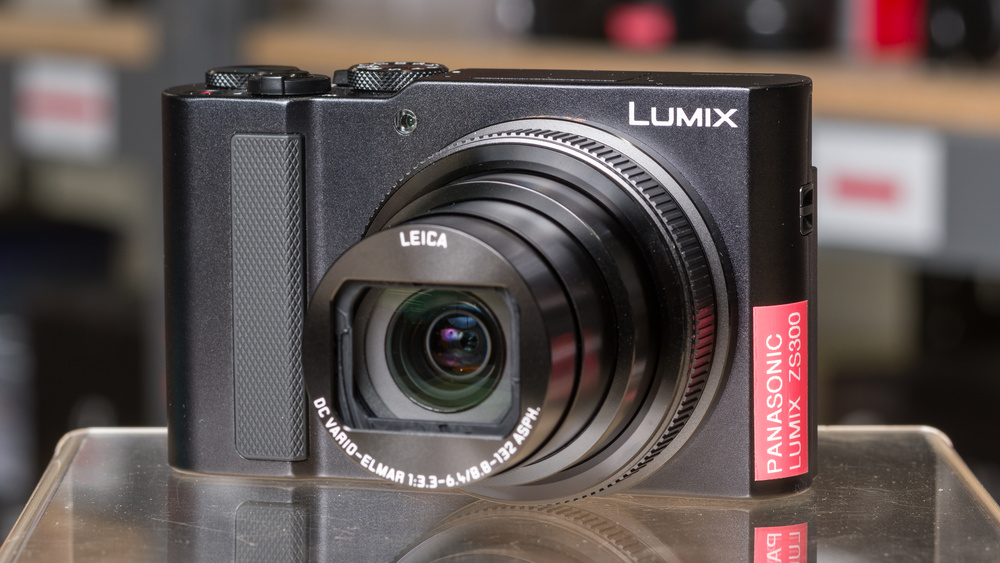
The Panasonic LUMIX ZS300, also sold as the LUMIX TZ300 outside of North America, is a travel zoom compact camera that sits above the Panasonic LUMIX ZS99. It carries over the 20.1 MP 1-inch sensor and the 15x zoom lens from the Panasonic LUMIX ZS200 it replaces. While the ZS300 drops the electronic viewfinder, the overall experience of using the camera is mostly unchanged from its 2018 predecessor. Like other cameras in the ZS lineup, it has a pocketable point-and-shoot design with a fixed touchscreen, a pop-up flash, optical image stabilization, and Wi-Fi and Bluetooth for sending photos to your phone. It also has two command dials and a control ring around the lens, which gives it more manual control than most compacts this size.
Our Verdict
The Panasonic LUMIX ZS300 is decent for travel photography. It's very portable, thanks to a retractable lens that makes the camera easy to slip into a jacket pocket or a small bag. The 15x zoom is extremely versatile: It covers wide street scenes and distant details, and the 1-inch sensor captures more detail and handles noise better than the smaller sensors in most travel zooms. Lens stabilization is effective enough to shoot handheld at longer exposure times, which can help keep the camera usable well into the evening. However, there's no viewfinder, and the screen doesn't move, so framing low and high-angle shots can be a struggle.
Very portable.
Long 15x zoom range.
Effective image stabilization.
10 fps burst with a deep JPEG.
Satisfactory dynamic range at base ISO.
Fixed screen.
No weather sealing.
Unreliable autofocus tracking loses subjects immediately.
Limited fine detail.
Noise quickly creeps in with higher ISO settings.
The Panasonic LUMIX ZS300 is decent for landscape photography. The sensor captures a satisfactory amount of dynamic range at base ISO, so you keep detail in bright skies and shaded foregrounds in the same frame. The wide end of the zoom is wide enough for most scenes, and the lens shows little vignetting. On the other hand, the sensor doesn't resolve much fine detail, which limits how far you can crop or how large you can print. The body has no weather sealing, and the fixed screen makes low-angle compositions awkward.
Very portable.
Long 15x zoom range.
Effective image stabilization.
Satisfactory dynamic range at base ISO.
Fixed screen.
No weather sealing.
Limited fine detail.
Noise quickly creeps in with higher ISO settings.
The Panasonic LUMIX ZS300 is okay for sports and wildlife photography. The 15x lens reaches further than most cameras this size, which helps if you need to shoot from the bleachers, and the camera shoots fast bursts, and the deep JPEG buffer lets you shoot continuous bursts without slowing down. The contrast-based autofocus system is where the camera really shows its limits. The tracking mode drops the subject after a few frames and locks onto the background, so you have to keep your subject under the focus point yourself for better results. The relatively small sensor size, combined with the slow lens at the telephoto end, means you'll need to use a higher ISO setting when shooting indoors or at dusk, when the light is anything but perfect.
Very portable.
Long 15x zoom range.
Effective image stabilization.
10 fps burst with a deep JPEG.
Satisfactory dynamic range at base ISO.
Fixed screen.
No weather sealing.
Unreliable autofocus tracking loses subjects immediately.
Limited fine detail.
Noise quickly creeps in with higher ISO settings.
The Panasonic LUMIX ZS300 isn't a good choice for vlogging. The screen is fixed, so you can't see yourself while recording. There's no microphone input, and recording in 4k comes with a series of limitations: 4k recordings can't exceed 15 minutes, and they use a narrower crop, making framing difficult when you're recording at arm's length. The camera's autofocus also struggles to keep your face in focus when recording in 4k. If you're willing to use full-HD instead, you get an uncropped shot, and the focus performance improves somewhat, though it's still just alright. On the upside, the camera is small and light, and stabilization smooths out handheld footage.
Very portable.
Effective image stabilization.
No overheating.
Fixed screen.
No weather sealing.
Unreliable autofocus tracking loses subjects immediately.
No microphone input.
Heavily cropped 4k with a 15-minute limit.
8-bit 4:2:0 with no Log profile.
No high-speed frame rates.
The Panasonic LUMIX ZS300 is okay for studio video. It records 4k at 30 fps, outputs a clean HDMI signal for an external recorder, and doesn't overheat. However, internal capture is 8-bit 4:2:0 with no Log profile, so you have very little room to grade. The 15-minute cap in 4k interrupts longer takes, there's no microphone or headphone jack, and the camera can't draw power over USB while it records. This makes it very limited for anything but quick point-and-shoot videos.
Effective image stabilization.
No overheating.
Fixed screen.
Unreliable autofocus tracking loses subjects immediately.
No microphone input.
Heavily cropped 4k with a 15-minute limit.
8-bit 4:2:0 with no Log profile.
No high-speed frame rates.
The Panasonic LUMIX ZS300 isn't designed for action video. You can't mount it on a helmet or a chest rig; it has no weather sealing and offers no high-frame-rate modes, even though it has a built-in slow-motion mode. The rolling shutter is also quite noticeable in 4k when you pan.
Effective image stabilization.
No overheating.
No weather sealing.
Unreliable autofocus tracking loses subjects immediately.
Heavily cropped 4k with a 15-minute limit.
8-bit 4:2:0 with no Log profile.
Not meant for helmets or action rigs.
No high-speed frame rates.
The Panasonic LUMIX ZS300's RAW image quality is okay. Dynamic range is satisfactory at base ISO but falls off quickly at higher ISO settings. Noise handling is similarly mediocre, so photos taken in low light conditions appear grainy. The sensor also resolves an unremarkable amount of fine detail next to cameras with larger sensors, though it's a clear step up from the smaller sensors in cheaper travel zooms.
Satisfactory dynamic range at base ISO.
Limited fine detail.
Noise quickly creeps in with higher ISO settings.
Performance Usages
Check Price
Differences Between Sizes And Variants
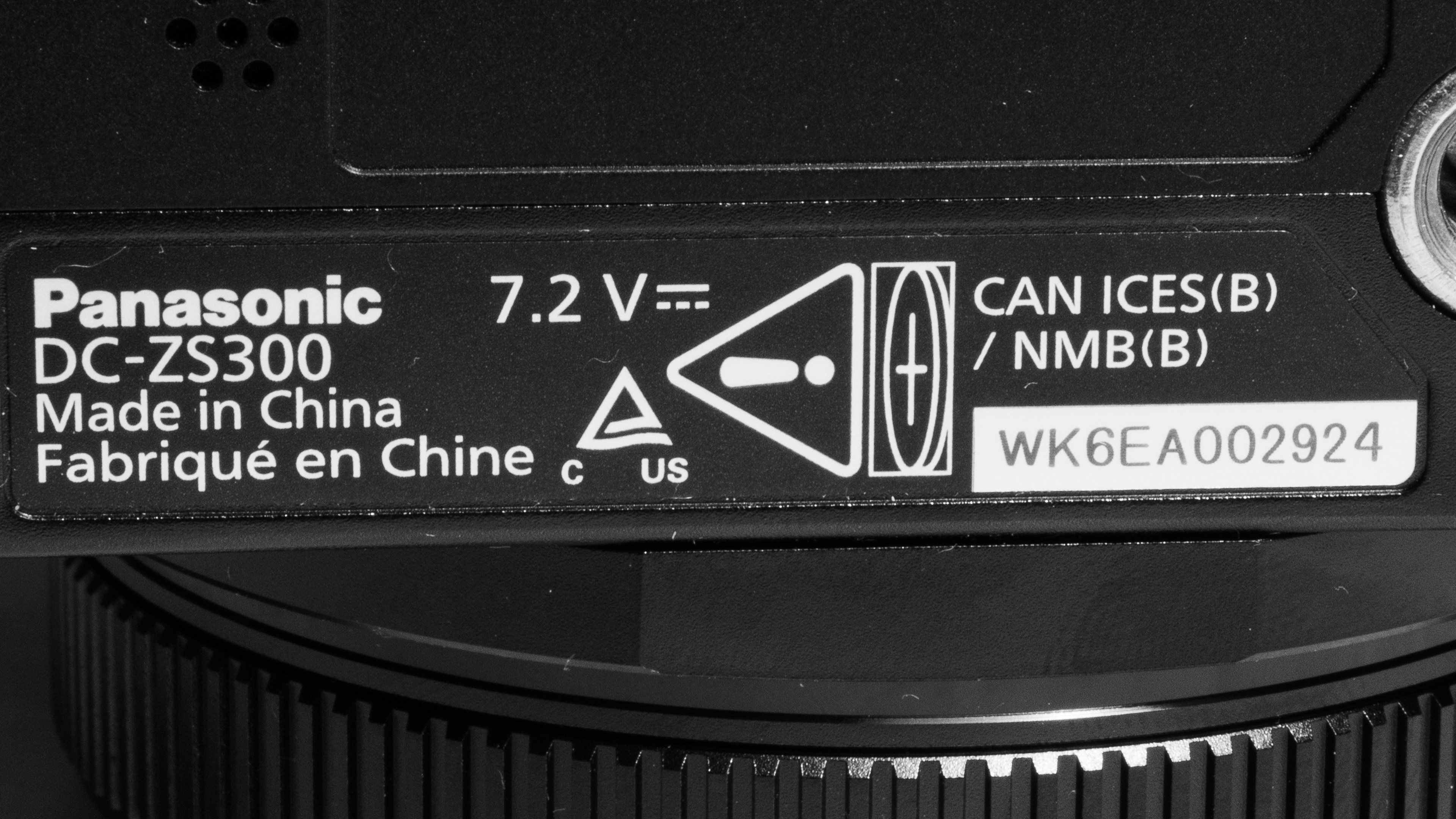
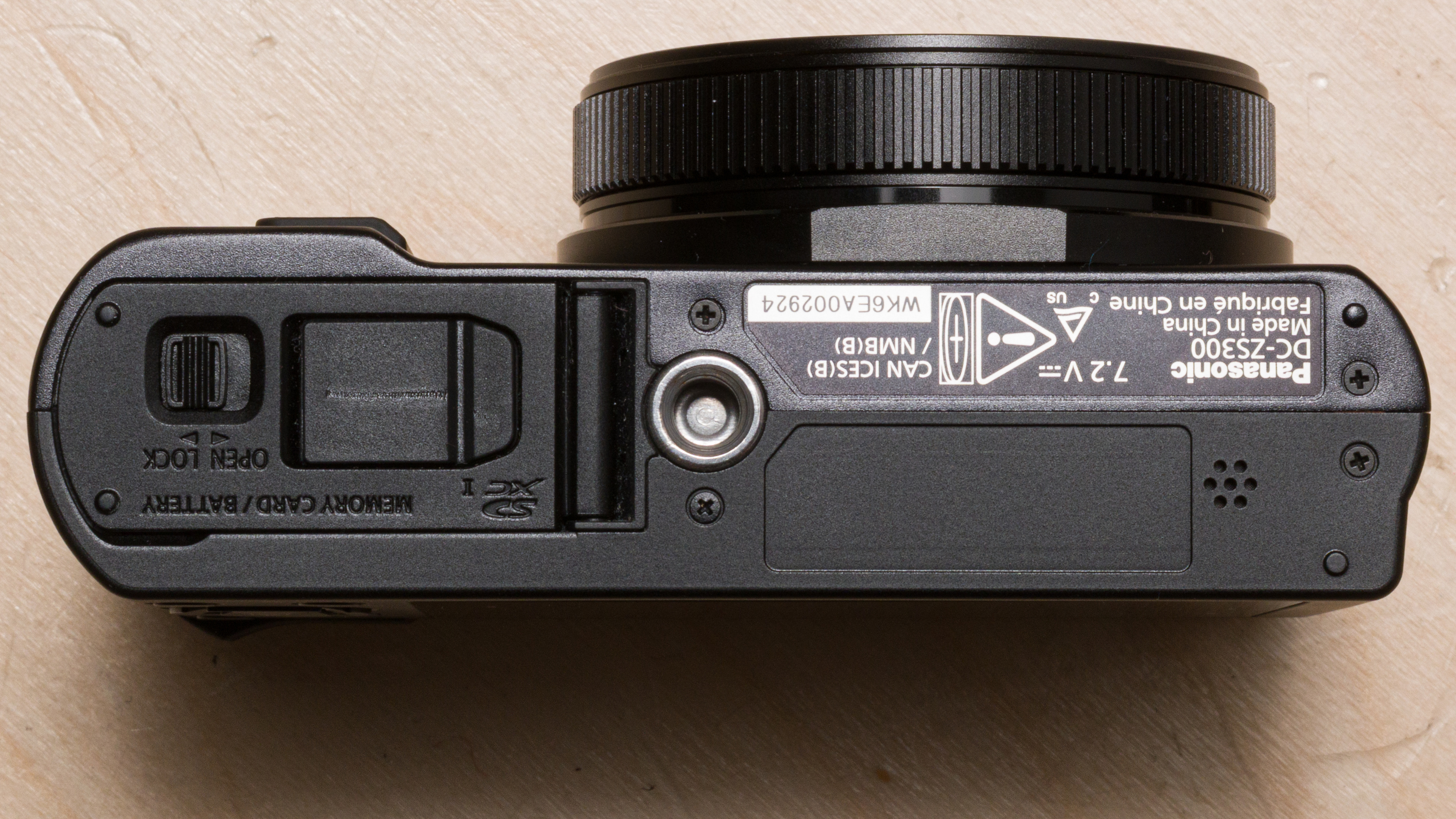
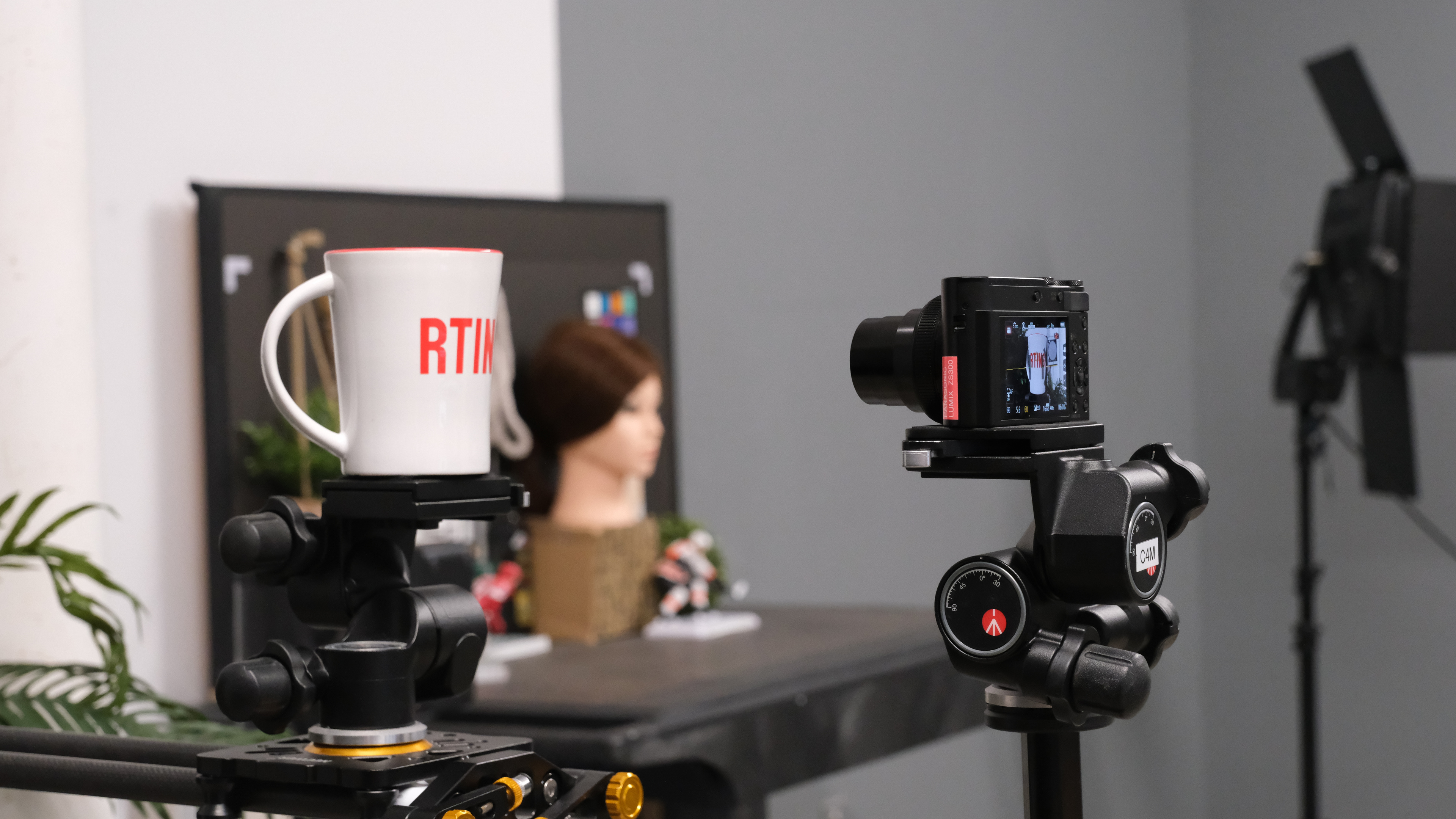
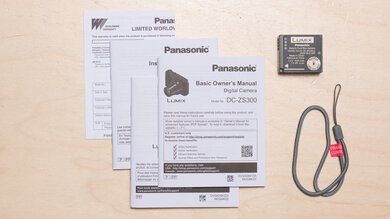
The Panasonic LUMIX ZS300 comes in two color variants: 'Black' and 'Silver'. We tested the black version, and you can see our unit's label here. Panasonic sells the same camera as the LUMIX TZ300 outside North America.
Popular Camera Comparisons
The Panasonic LUMIX ZS300 sits right above the Panasonic LUMIX ZS99 in Panasonic's travel zoom lineup. That smaller model adds a flip-up screen that the ZS300 doesn't have and can reach even farther. However, it builds all of that around a much smaller 1/2.3-inch sensor, which is much less capable in low-light conditions, where noise creeps in quickly. Whether the ZS300 justifies its higher price will depend entirely on whether you plan to shoot in more challenging lighting conditions, as both cameras perform very similarly otherwise.
Compared to other 1-inch compacts, like the Sony RX100 VII, the Panasonic can't quite reach the same heights: The Sony RX100 VII is smaller, adds a pop-up viewfinder and a tilting screen, and focuses far more reliably on moving subjects, but it stops well short of the ZS300's telephoto range and costs considerably more. Similarly, the Canon PowerShot G5 X Mark II, if you can find one near MSRP, is a better performer across the board. Its RAW files are sharper, its 4k recording is uncropped, it includes a viewfinder, and its screen can tilt. That said, you won't get nearly as much reach with this model, and it's become wildly overpriced in the used market.
The harder question is whether a fixed-lens compact is the right category at all, given the image-quality sacrifices you have to make. For similar money, a compact entry-level mirrorless like the Fujifilm X-M5 with a kit lens gives you a much larger sensor, improved autofocus, more extensive video capabilities, and the ability to switch lenses as needed. What it won't do is disappear into a jacket pocket as easily, and it won't cover the ZS300's full range without a lens swap or a considerably bulkier superzoom. That's the whole case for this camera. If you travel light and want one camera that handles everything from wide to distant subjects, the ZS300 is hard to beat.
If you want a simple camera with a built-in lens, see our best point-and-shoot cameras, or our best compact cameras for more small camera options. For trips where you want to swap lenses, check out our best mirrorless cameras for travel.
The Panasonic LUMIX ZS300 and the Panasonic LUMIX ZS99 are both Panasonic travel zooms, but they trade off in opposite directions. The ZS300's 1-inch sensor delivers considerably better RAW image quality, with more dynamic range and cleaner files in low light. The ZS99 has a longer 30x zoom and a flip-up screen you can face forward, which makes it a better pick for selfies and vlogging. The ZS99 is also slightly smaller and lighter. Both cameras use the same menu system, and neither has a viewfinder.
The Sony RX100 VII and the Panasonic LUMIX ZS300 both use 1-inch sensors in a pocketable body. The Sony is smaller and lighter, and it adds a pop-up electronic viewfinder, a tilting screen, and a microphone input, all of which the Panasonic lacks. Its autofocus is also far more reliable for moving subjects. The ZS300 offers a much longer zoom, reaching 357mm compared to the Sony's 200mm equivalent.
The Canon PowerShot G5 X Mark II and the Panasonic LUMIX ZS300 both pair a 1-inch sensor with a pocketable body, but the Canon trades reach for a brighter lens. Its zoom stops well short of the Panasonic's telephoto range, yet its wider aperture gathers more light and gives you more background separation. The Canon also adds a pop-up viewfinder, a flip-out screen, and a built-in ND filter, all of which the ZS300 lacks. The Panasonic lasts longer on a charge and records video more reliably, since the Canon overheats frequently during longer sessions. Unless you really want the extra reach, the Canon is a better overall camera for photography.
Test Results
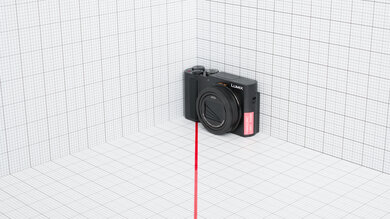
The camera is very portable. The zoom lens retracts into the body when you power it down, keeping the camera flat enough to fit in a jacket pocket or a small bag. It's a little thicker than smaller-sensor travel zooms like the Panasonic LUMIX ZS99 because of the larger sensor and lens assembly, but it's still far easier to carry around all day than any interchangeable-lens camera. Here's the camera powered on, and here's the camera with its zoom lens maxed out.
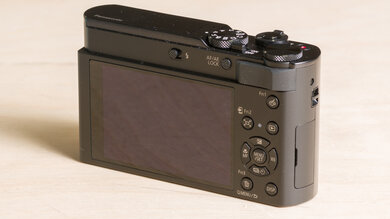
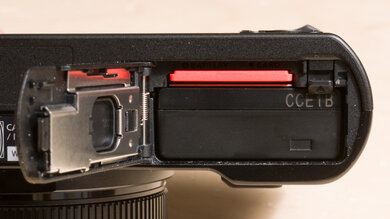
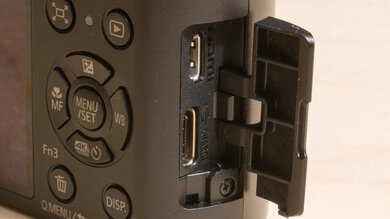
The Panasonic LUMIX ZS300's build quality is decent. The body is made of metal and feels well assembled. The buttons and dials are sturdy with good tactile feedback. A hard plastic flap covers the ports, and a locking hinged door protects the battery and card compartments. The strap lugs sit flush on the body and don't rattle. The camera has no weather sealing, though, so you'll want to keep it out of rain and dust.
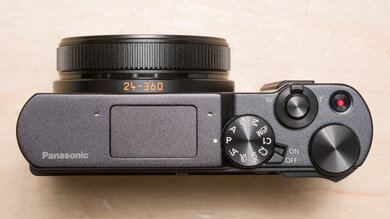
The Panasonic LUMIX ZS300 includes two command dials. In manual mode, the top dial sets shutter speed, and the lens ring sets aperture by default. That said, you can reassign several buttons to find a setup that suits your preferences.
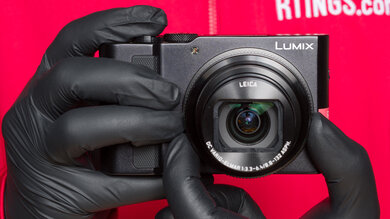
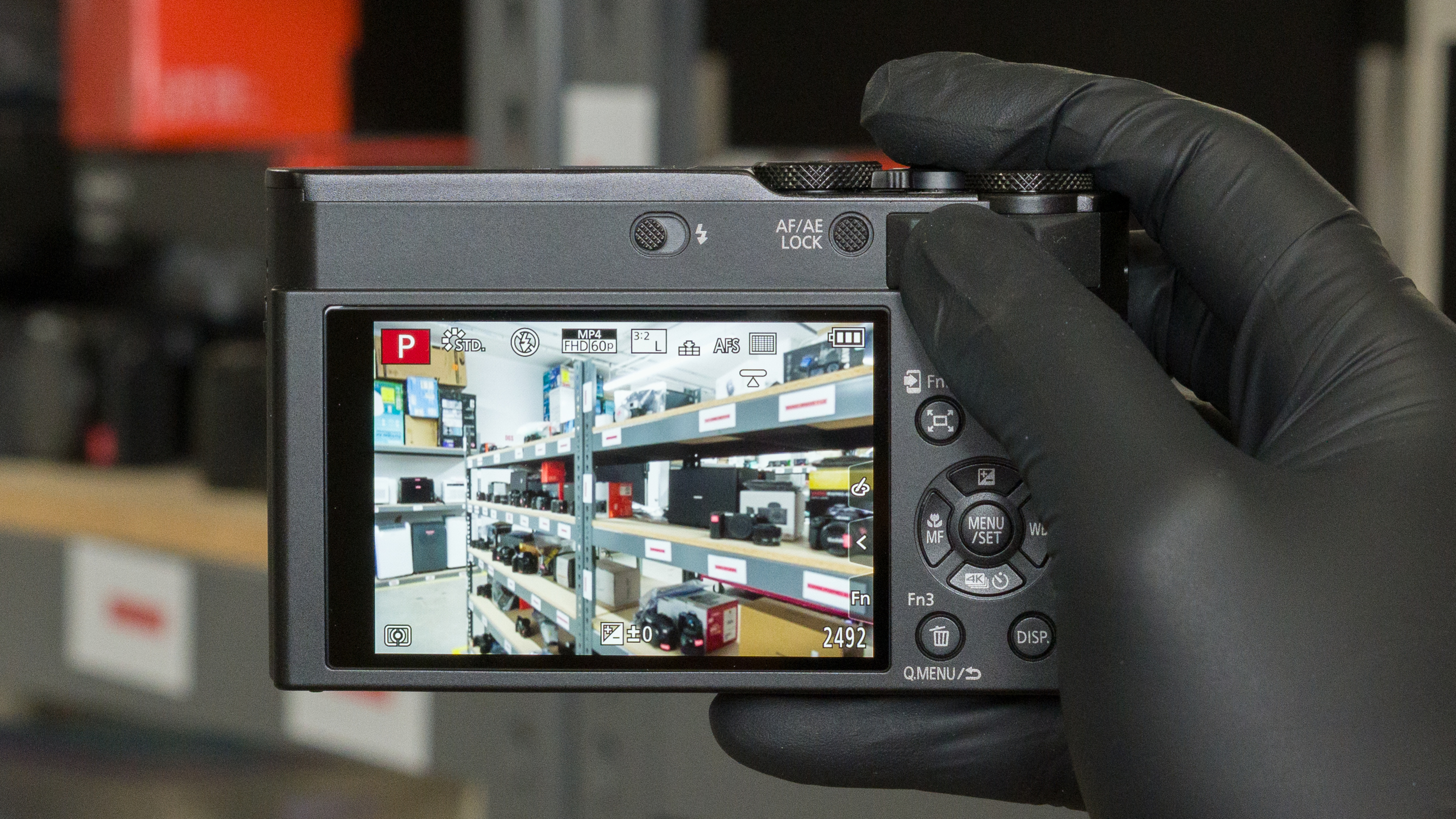
Ergonomics on the Panasonic LUMIX ZS300 are good, especially for a camera of this size. The grip is small but works well, with a rubberized thumb rest and a raised front bump that together give you a secure hold, and there's enough clearance between the lens and your fingers. Every control falls under your thumb, although the buttons themselves are small. Aperture and shutter speed are quick to change with the two dials, but ISO takes a trip to the quick menu or the main menu unless you remap a dial to it. A mode dial also makes it easy to select between photo shooting modes or switch to manual video shooting. However, if you want to shoot video in a mode other than manual, you'll need to go through the menu or assign it to one of the custom mode slots. Since the memory card slot is right next to the tripod mount, you also can't swap the SD card while it's on a tripod.
The Panasonic LUMIX ZS300 doesn't have a viewfinder.
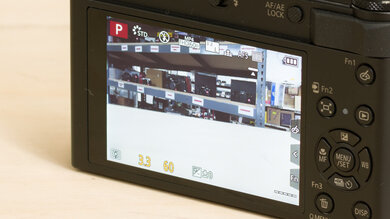
The screen is disappointing. The panel is sharp and supports full touch control, so you can set the focus point, fire the shutter, and navigate the menu by tapping. It's also quite bright, which helps to fight direct sunlight. With no viewfinder to fall back on, this is essential. However, it doesn't articulate at all, so you can't tilt it for low or high angles or turn it forward to frame yourself.
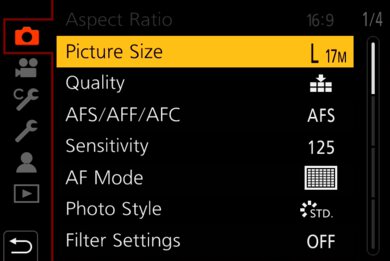
The Panasonic LUMIX ZS300 has an outstanding menu system. It's the same interface as on the Panasonic LUMIX ZS99, and it's easy to navigate with either the touchscreen or navigation buttons. The quick menu puts ISO, drive mode, and exposure compensation a button away, and a tab along the right edge of the screen lets you adjust settings without leaving the frame. There's also a guide mode that explains settings for newer photographers.
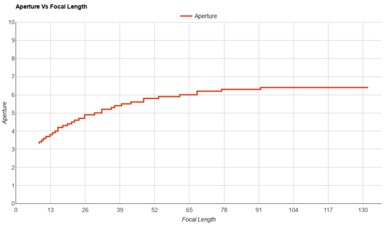

The built-in lens is decent. Its 15x range is extremely versatile. It runs from a useful wide angle through long telephoto, and optical stabilization is built in. That said, it does have its limitations. The aperture narrows considerably as you zoom, and since it sits in front of a relatively small sensor, the full-frame equivalent aperture is very small at the long end. You get almost no background separation, and you'll need to push the ISO up whenever the light drops.
The camera uses a 20.1 MP 1-inch backside-illuminated sensor, which is in line with what you'd find on other point-and-shoot cameras, like Sony's ZV-1 line. However, it covers roughly four times the area of the 1/2.3-inch sensors in many travel zooms, including the Panasonic LUMIX ZS99. That extra surface area is what gives the ZS300 its advantage in noise handling and dynamic range.
Battery performance is decent on the Panasonic LUMIX ZS300. The CIPA rating covers a day of casual shooting, and video runtime holds up reasonably well for a camera this small. You charge in-camera over USB-C, so you can top the battery up from a power bank between outings.
Shooting speed is decent. The high-speed burst mode is quick enough for casual action, and the electronic shutter matches it if you need to shoot quietly. Buffer depth is generous in JPEG, so you can hold the shutter down through a long sequence without stalling, but it fills far sooner in RAW and takes a moment to clear afterward.
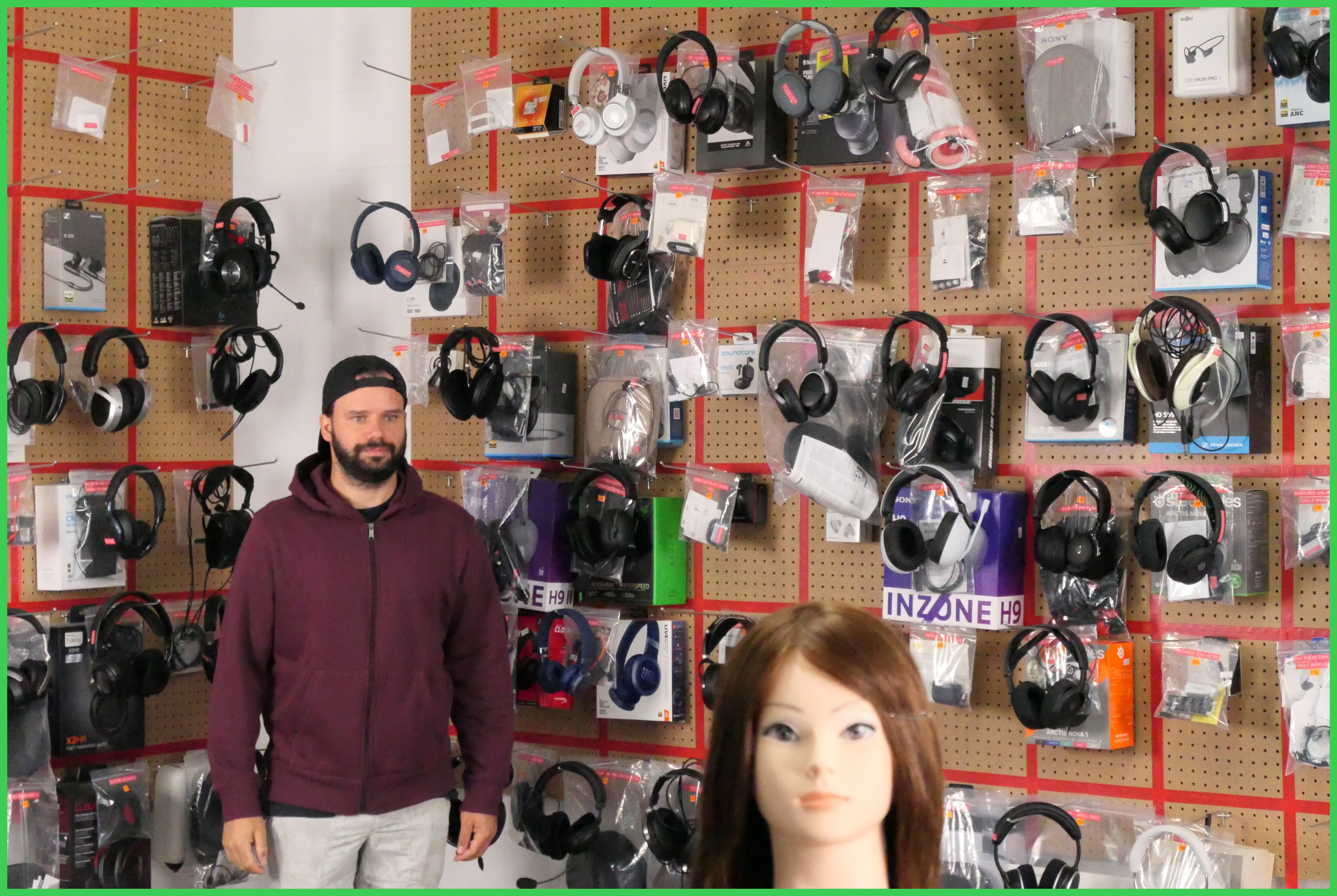
Autofocus tracking is bad on the Panasonic LUMIX ZS300, and the older contrast-based technology used really shows its limits. In every run, the focus point dropped our subject within a few frames and stuck to the background, and it did so before the subject even changed distance. Very few shots came back critically sharp, and most weren't usable at all. Avoid the tracking mode if your subject moves.
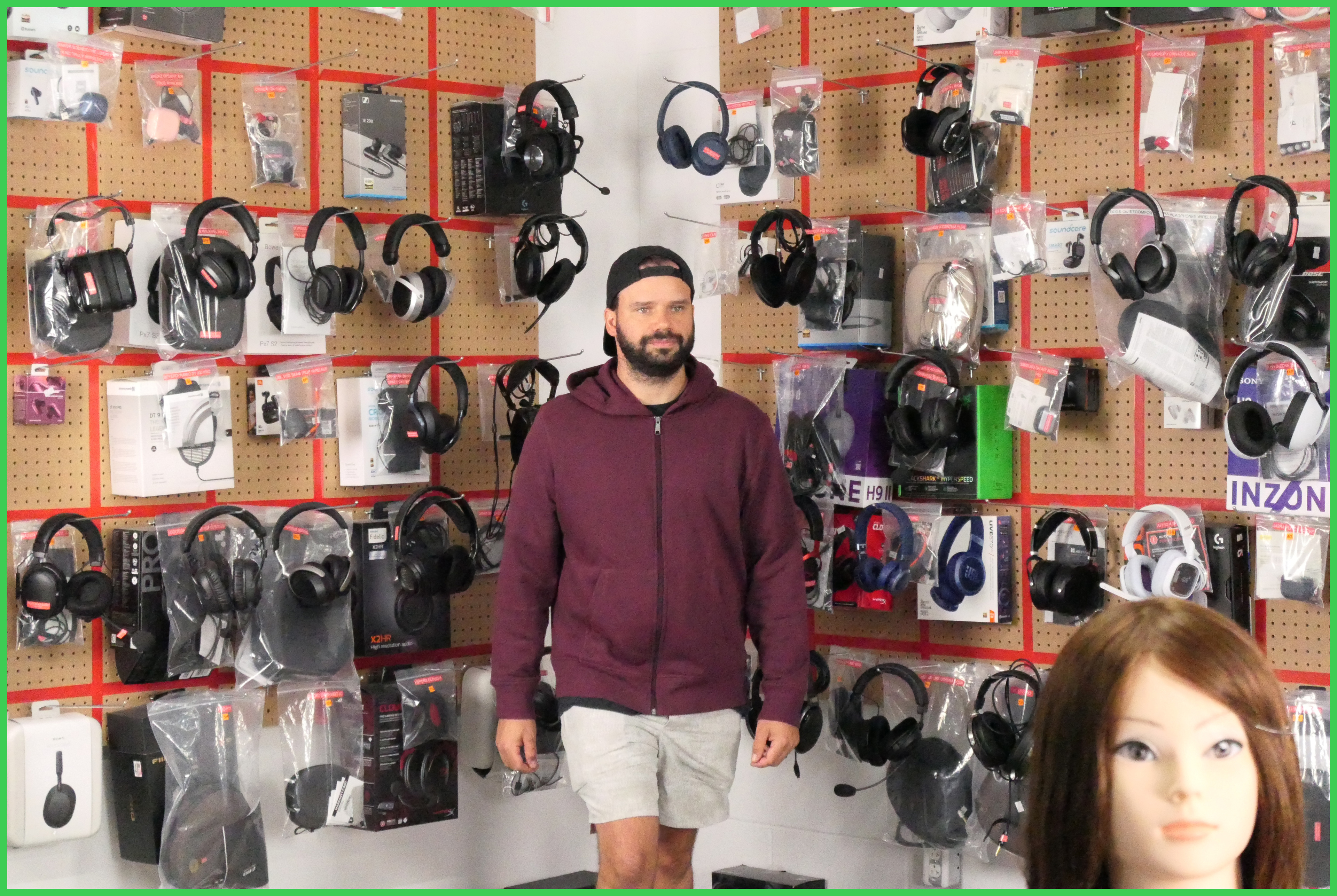
Center point autofocus is middling. Most shots came back usable, but only about half were perfectly sharp. That's workable for subjects moving predictably toward or away from you, as long as you keep them under the center point and shoot a burst so you can pick the sharpest frame.
The Panasonic LUMIX ZS300 has excellent image stabilization. That matters on a camera with a relatively slow lens and a smaller sensor, because it lets you keep the ISO down in dim light instead of pushing the sensor.
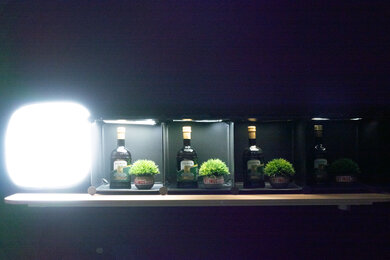
Dynamic range is satisfactory on the Panasonic LUMIX ZS300, and it's among the better performers in its class.

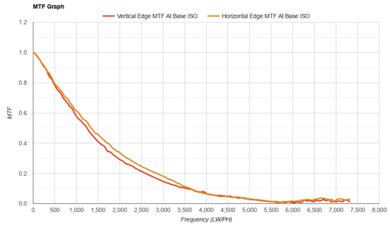
Panasonic LUMIX ZS300 has mediocre sharpness. Photos look fine at web sizes and standard print sizes, but there isn't much room to crop before detail breaks down, especially as the light goes down. Cameras with larger sensors capture noticeably more texture from the same scene.

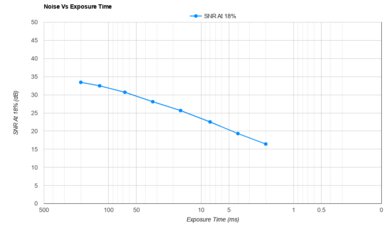
The Panasonic LUMIX ZS300 has passable noise handling. Grain quickly becomes more apparent as the light drops, and the camera compensates by raising the ISO. The 1-inch sensor is a clear step up from the smaller chips in cheaper point-and-shoots, though it can't keep pace with APS-C or full-frame cameras.
Video features are basic. The camera records 4k and Full HD and can send a clean HDMI signal to an external recorder or a capture card. There's no Log picture profile, so you have little room to grade.
Autofocus performance in 4k is middling. Object tracking works reasonably well once you select a subject and hold it through moderate movement. Face tracking is the problem, since the camera repeatedly loses faces even with face and eye detection turned on. That's a real limitation if you plan to record yourself or follow anyone moving through the frame.
The Panasonic LUMIX ZS300 has poor video dynamic range. The camera captures a narrow range even at base ISO, which leaves very little latitude in high-contrast scenes. Highlights clip early, and with no Log profile there's no way to stretch the range or pull them back in post.