Most people are familiar with earbuds. Their lineage can be traced back to the early 20th century, when they were popularized as hearing aids. The launch of the Sony Walkman in 1979 put earbuds on the map as personal listening devices, and this relationship was further cemented with the release of the iPod and the ubiquitous matching earbuds in 2001. Today, they take many forms: from the cheap, wired buds that are handed out in-flight to wireless, noise-cancelling equipped models, like the Apple AirPods 4 with Active Noise Cancellation. Meanwhile, IEMs are a newer phenomenon in the audiophile space, with both high-end manufacturers and cheap Chinese (Chi-Fi) mass production dictating an already very saturated market.
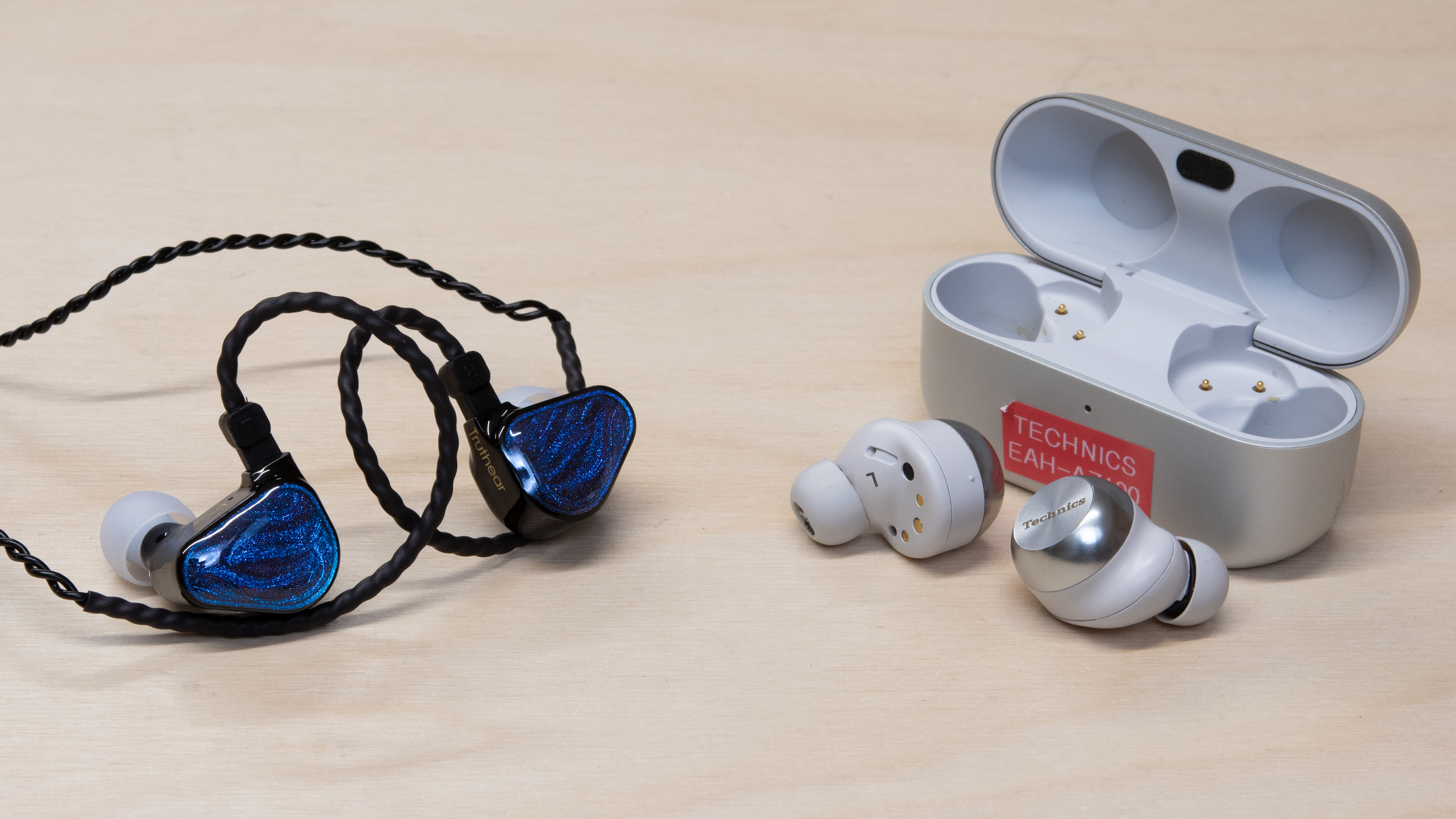
If you're coming from our Which Type Of Headphones Are Best For You article, you'll already be acquainted with the difference between earbuds and IEMs, but this article delves into the finer details. We'll take you through the major differences when it comes to IEMs vs earbuds, explore their respective ergonomics, and discuss more specialized usages for each.
What Are Earbuds?
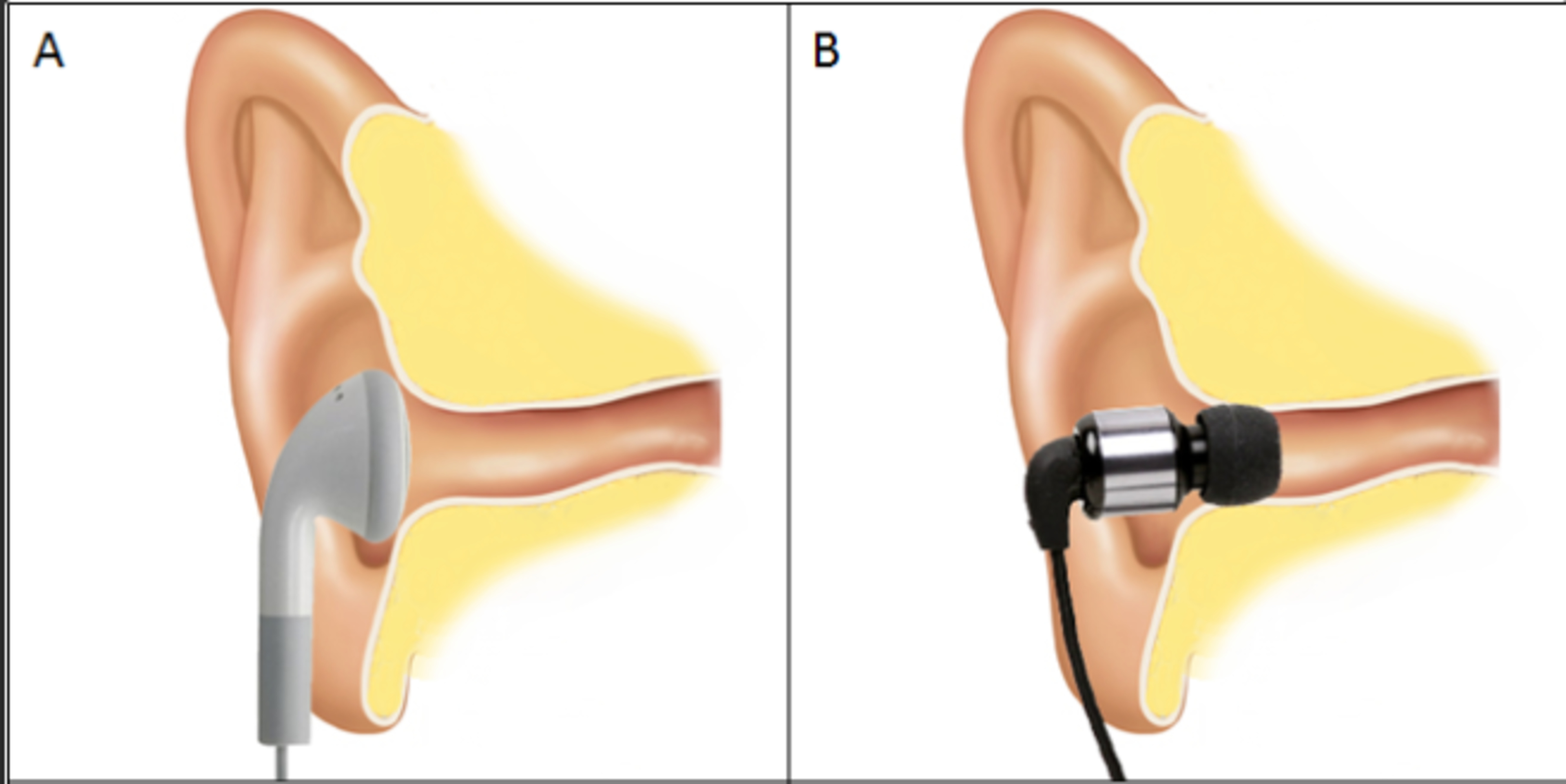
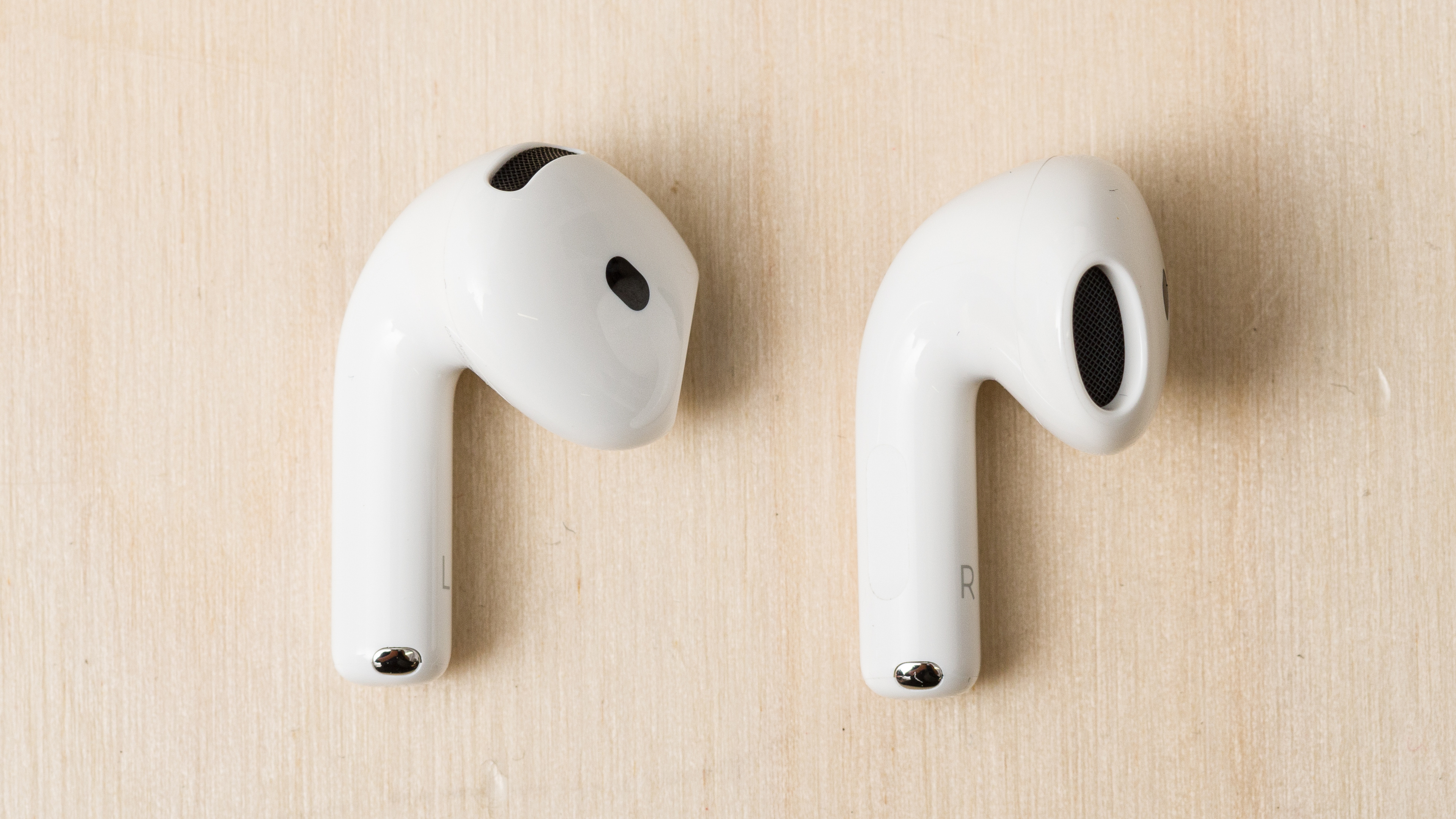
Earbuds will likely be immediately recognizable to you based on their appearance: they look pretty similar to old-fashioned telephones, with a long stem and a rounded earpiece. It's important to note that some of the nomenclature around earbuds and IEMs isn't standardized: many people will use the term 'earbuds' to denote anything that's inserted into your ear (or anything that doesn't have a headband). For the purposes of this article, we'll be defining earbuds by their fit. They fit somewhat loosely, resting in the outer ear, without ever entering the ear canal.
 |
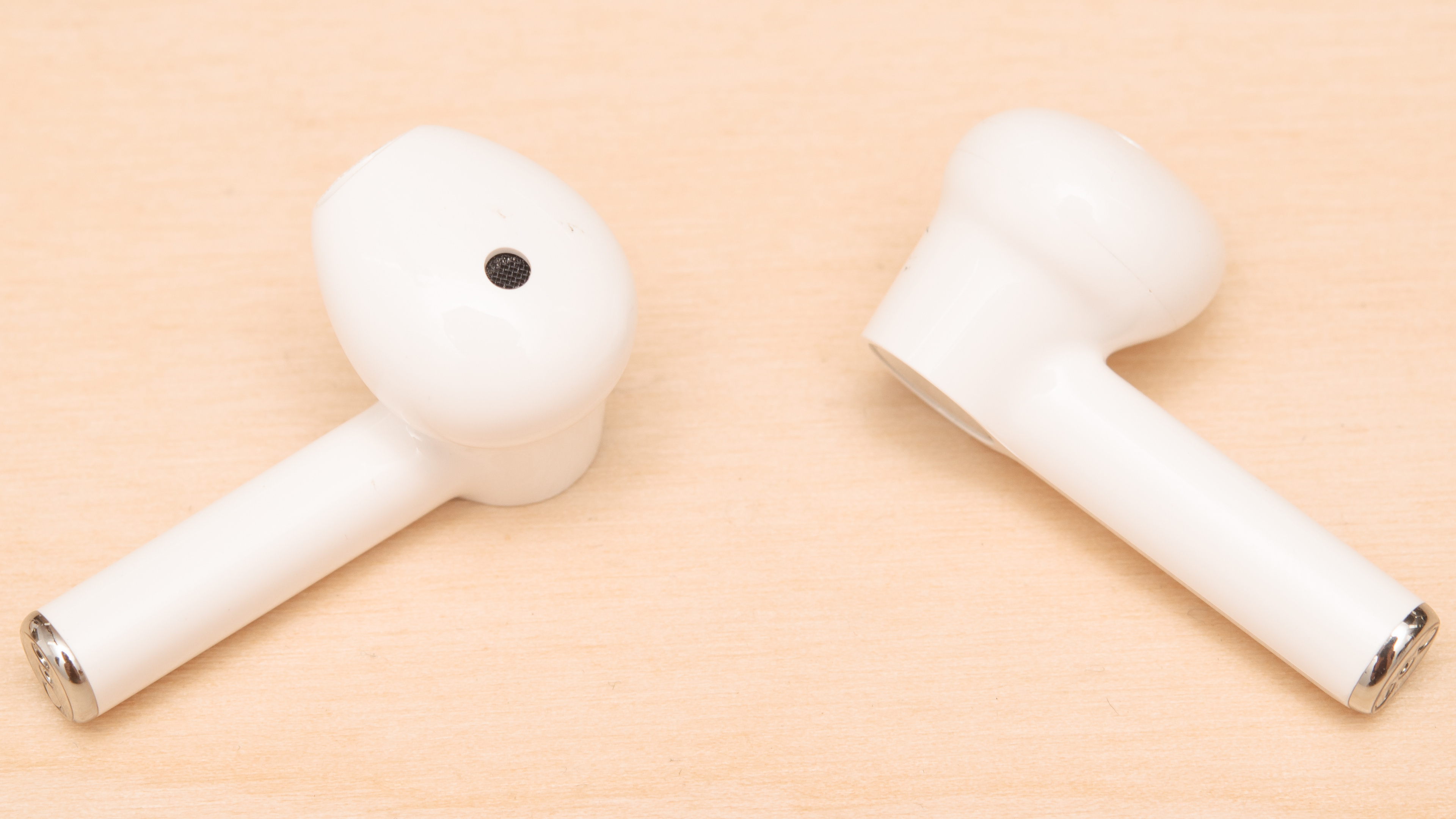 |
This kind of fit is fantastic if the thought of inserting something into your ear canal gives you the ick, but it does come with some drawbacks that we'll explore later. Their fit also results in them having a one-size-fits-all approach. You can't resize earbuds, and manufacturers don't tend to make them in different sizes, so there's no guarantee any given pair will fit you properly. This fit can be a blessing if you and a friend want to watch a movie together on the back of a bus without swapping earwax, but it can be a curse for those with irregularly sized ears. This lack of flexibility in their fit has meant that they've taken somewhat of a backseat to IEMs in recent years.
What Are IEMs?
IEMs also suffer from a somewhat nebulous definition. Their name is an acronym, standing for 'In-Ear Monitors.' The term has its origins in live audio applications, where IEMs emerged as a superior solution to traditional loudspeaker monitoring. In short, IEMs allow for a mix to be personalized and localized to within someone's ears, offering a good mix of isolation, full-range audio reproduction, and flexibility in fit. The emergence of Chinese Hi-Fi (Chi-Fi) brands has also led to wired IEMs being mass-produced at very competitive prices. These advantages have since made them popular in the consumer space.
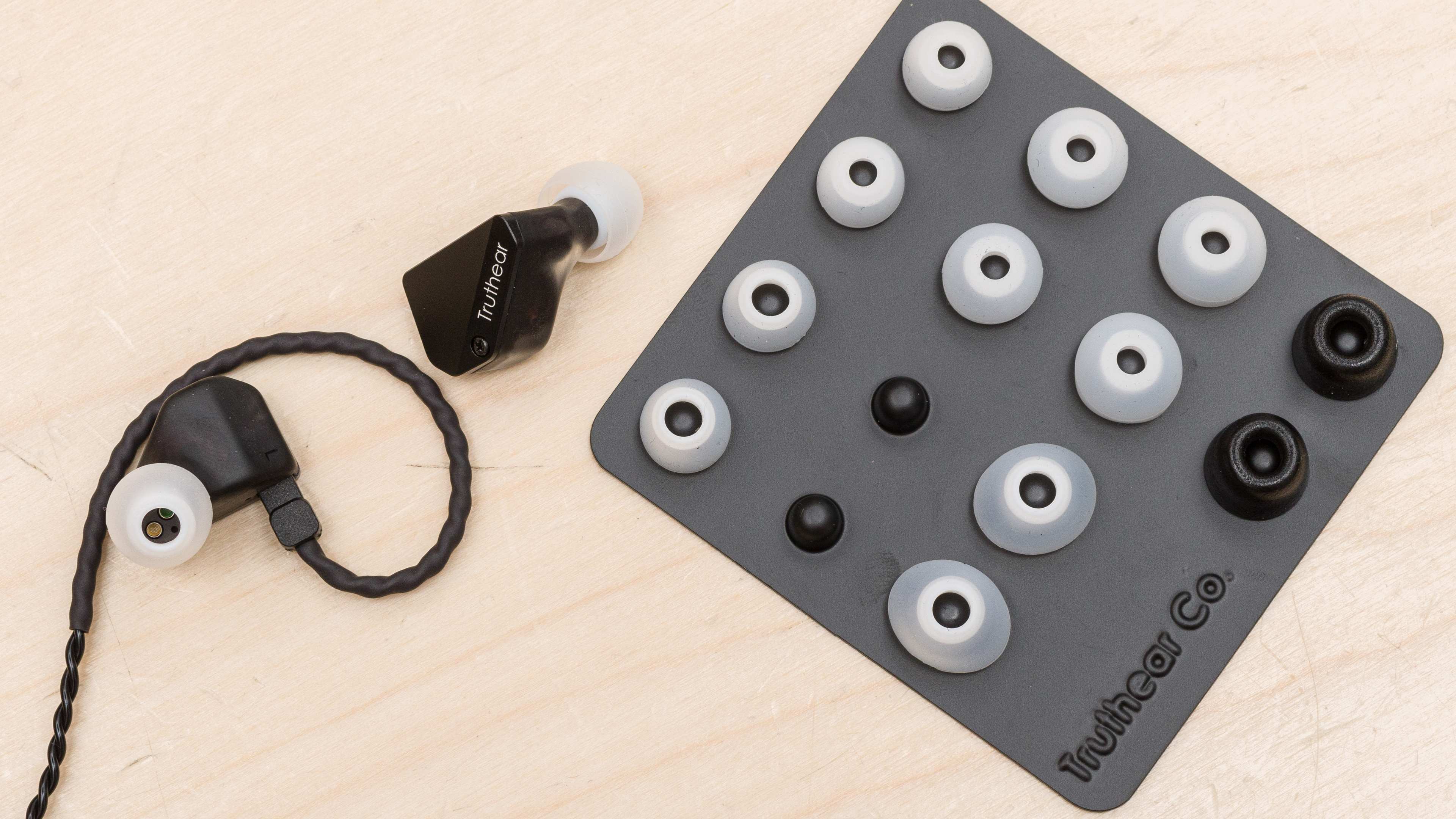
They're defined by their use of ear tips, which act as a sort of funnel between the nozzle and your ear. Given that everyone's ear anatomy is unique, the size and shape of these 'funnels' is extremely important and can define your experience with IEMs. Most IEMs will come with a few different choices of ear tips, with different sizes and materials used. You can even get custom molds made so the ear tips fit perfectly inside your ear canal, though this level of personalization also comes with a steep price.
Variants of both styles
As with other headphone styles, earbuds and IEMs have both wired and wireless variants. The trade-offs of each are well-explained in our Wired vs. Wireless article, but in short, wired designs benefit from low latency and consistently high audio quality, while wireless designs offer more freedom of movement and convenience.
While most earbuds, IEMs, and in-ears are closed-back, open-back variants (like the Apple AirPods 4) do exist, they're just less common. The trade-offs are similar to those described in our open-back vs closed-back article, though less extreme, due to their smaller enclosure compared to over-ears and on-ears. Open-back earbuds might have a slightly more spacious soundstage compared to closed-backs, but they still won't be able to replicate the immersive quality captured by the best open-back over-ears. By the same token, leaked audio from open-back earbuds won't be as noticeable as leakage from open-back over-ears.
An important note about naming conventions
One interesting naming phenomenon is worth noting when it comes to wired and wireless variants. Typically, the term IEMs is used to describe wired, audiophile IEMs, like the TRUTHEAR HEXA pictured above. Wireless variants, such as the Apple AirPods Pro (2nd generation) or the Sony WF-1000XM5, are often referred to simply as 'in-ears' or even lumped in (somewhat confusingly) with earbuds.
Fit, Comfort, and Portability
Without a doubt, the most important point of differentiation, from which all other differences stem, is the difference in fit between conventional earbuds and in-ears/IEMs. As we noted earlier, conventional earbuds sit just outside the ear canal, within the outer ear. Due to natural variations in the anatomy of our ears, earbuds aren't able to completely seal our ear canals, resulting in a loose seal being formed. This has knock-on effects for noise isolation, sound quality, and stability. In-ears and IEMs, by contrast, are lodged firmly within the ear canal and, assuming you use the right size ear tips, they'll form a tight seal in your ear canal.
How this translates to comfort is often a matter of personal preference. Many people simply dislike the idea of inserting ear tips into their ear canals. It can be uncomfortable, sometimes even painful, and extracting them from your ears can cause an unpleasant, plunger-like effect. Using in-ears frequently can also cause earwax buildup, especially if you're not diligent about cleaning your earbuds. Ear tip material can also play a role in comfort: some people will prefer foam ear tips to the standard silicon ones that come with most in-ears.
While earbuds are less likely to feel invasive, there's generally a limit to how comfortably they'll fit, due to their one-size-fits-all design. For example, depending on the shape of your ear, certain earbud designs could put pressure on your outer ear.
How to Wear IEMs
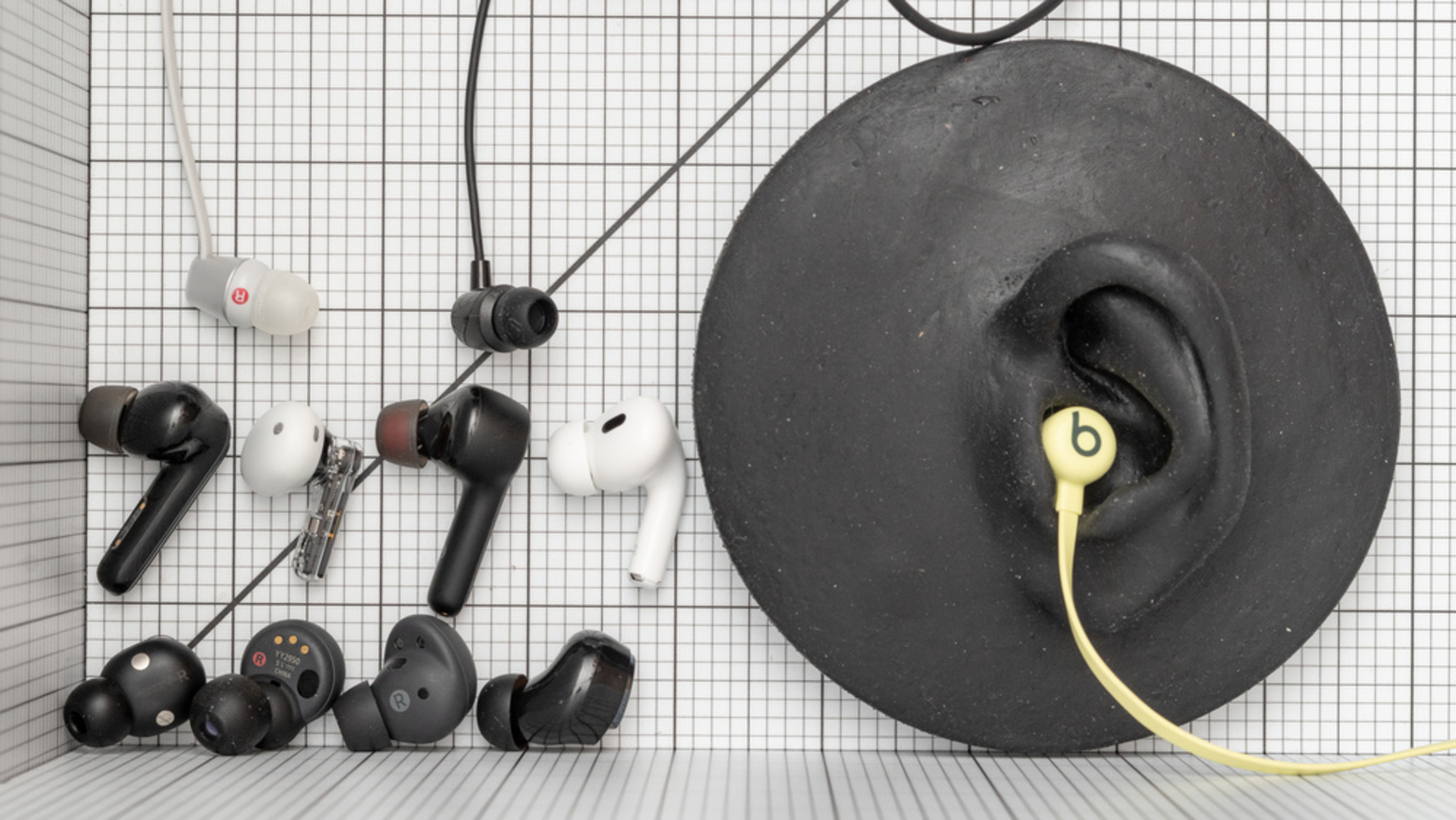
Here's a step-by-step guide to achieving a comfortable, stable fit with your in-ears/IEMs.
- Make sure to differentiate between the left and right bud, as swapping them around will alter the fit and your audio delivery.
- Place the ear tips gently in your ear canals to a depth that feels comfortable.
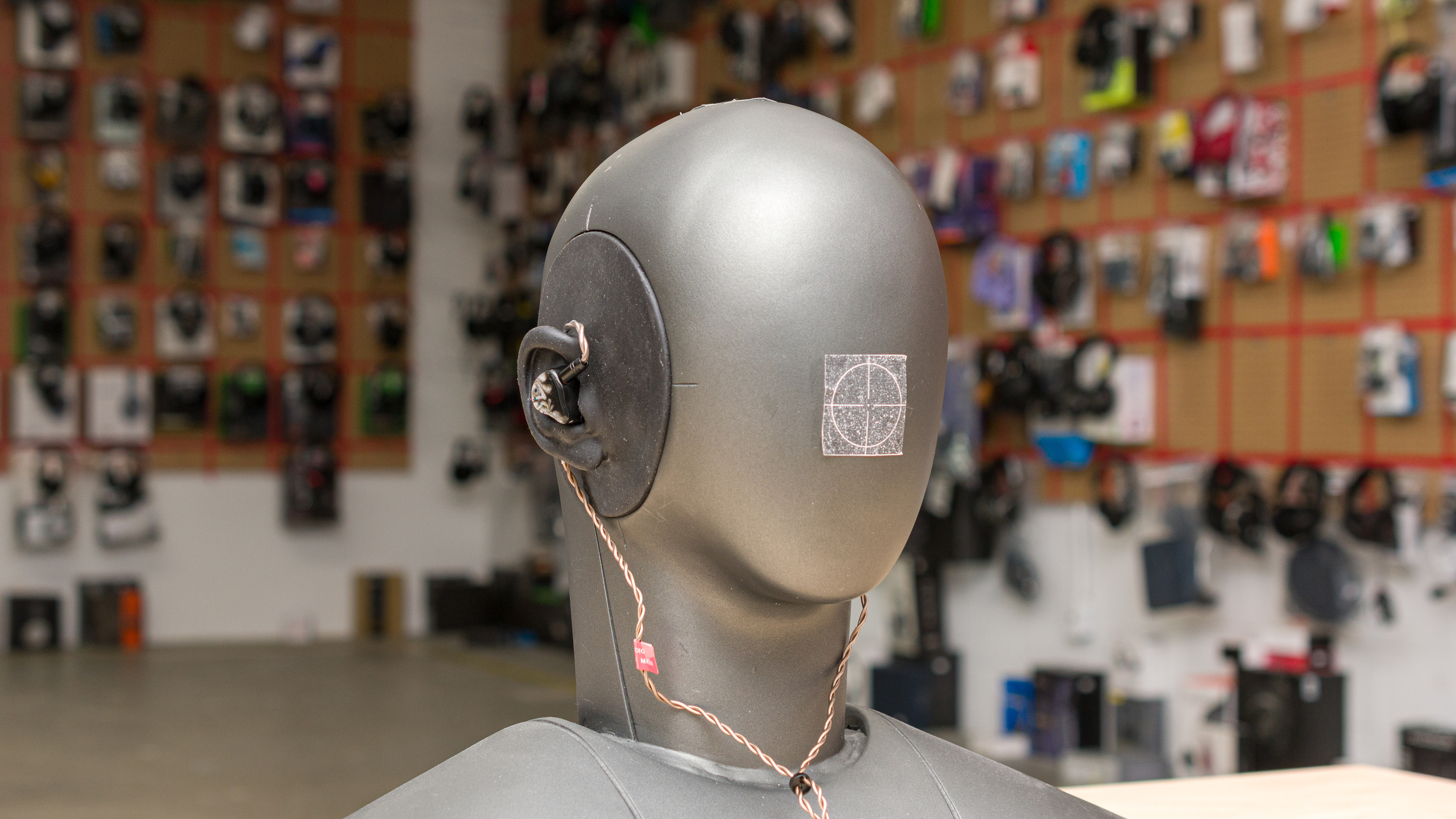
- If using wired IEMs, be aware of cable placement. Some in-ears, like the Beats Flex Wireless above, use a neckband design for stability that requires the cable to run downwards. This will also be the case for certain wired earbuds. However, most wired IEMs (especially the audiophile variety) are designed for the cable to run over the top of your ear, looping around the back, as seen below.
- Adjust the cable as necessary and make sure the ear tips are stable and form a good seal in your ears.
Stability
Generally speaking, in-ears will have superior stability to traditional earbuds, due to the seal they form in your ear canal. Conventional earbuds sit more loosely outside of your ear canal and thus can be jolted out of place by jerky movements, like running or jumping. Wired IEMs also benefit from their cable design: the ability to wrap the cable around your ear actually helps anchor them in place.
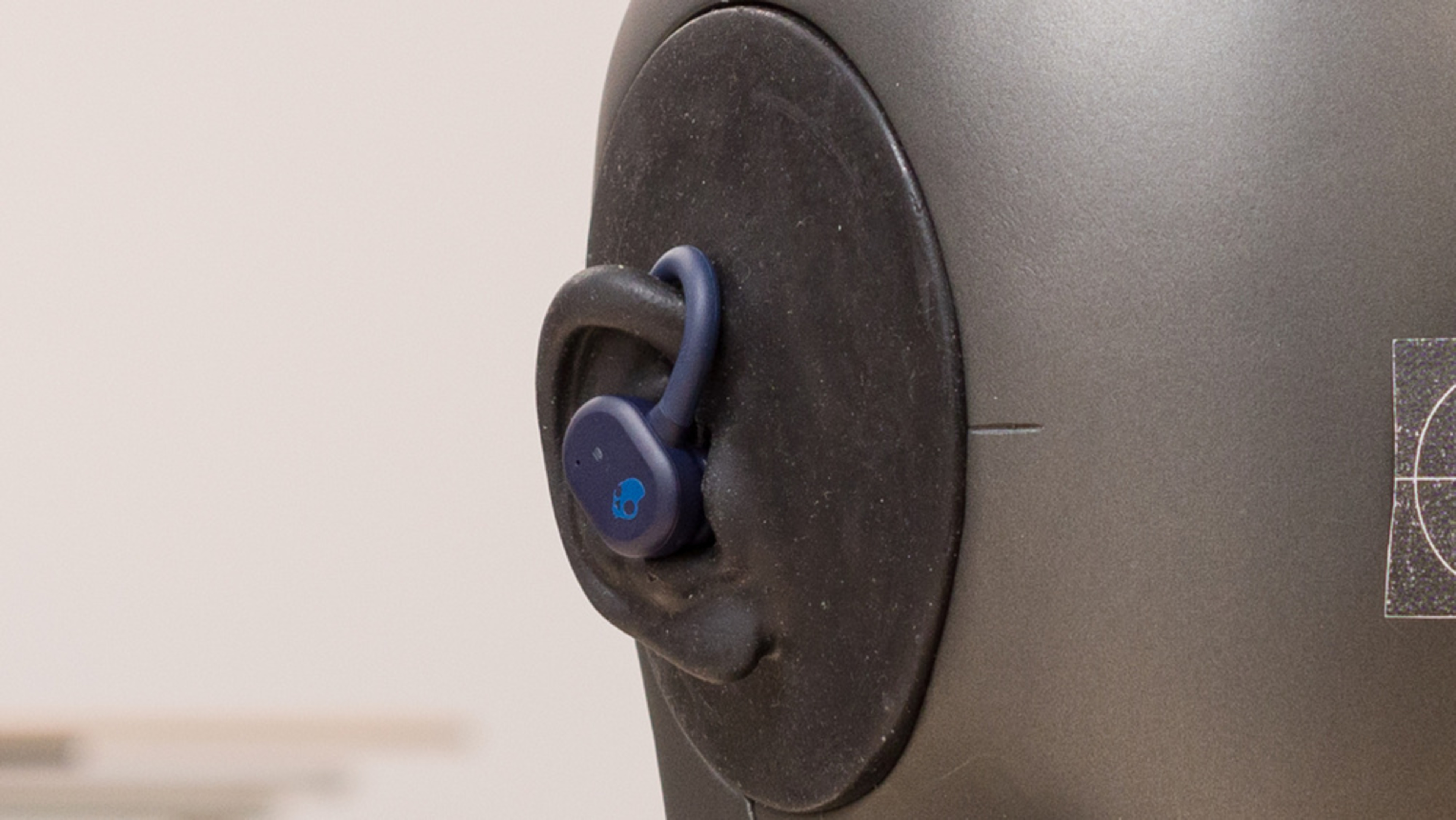
If stability is your top priority, it's worth looking at earbuds or in-ears with stability hooks instead. In-ears, in particular, are more likely to have these stability features that anchor them to your ear. This sub-type of earbuds/in-ears shares the same physical design as regular in-ears but offers a more secure fit thanks to their added fins or over-ear hooks that clip onto your ear.
Noise Isolation and Leakage
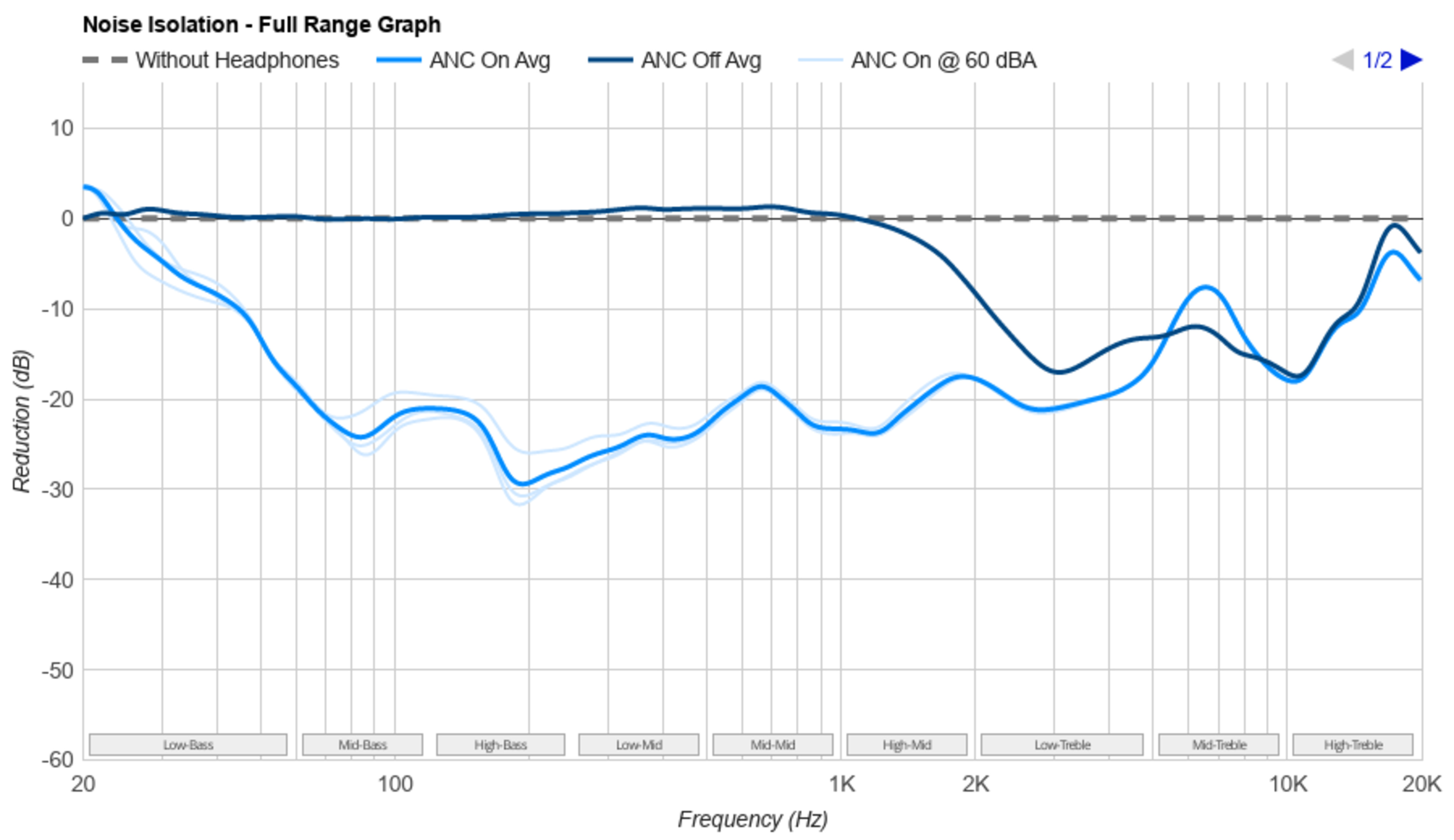
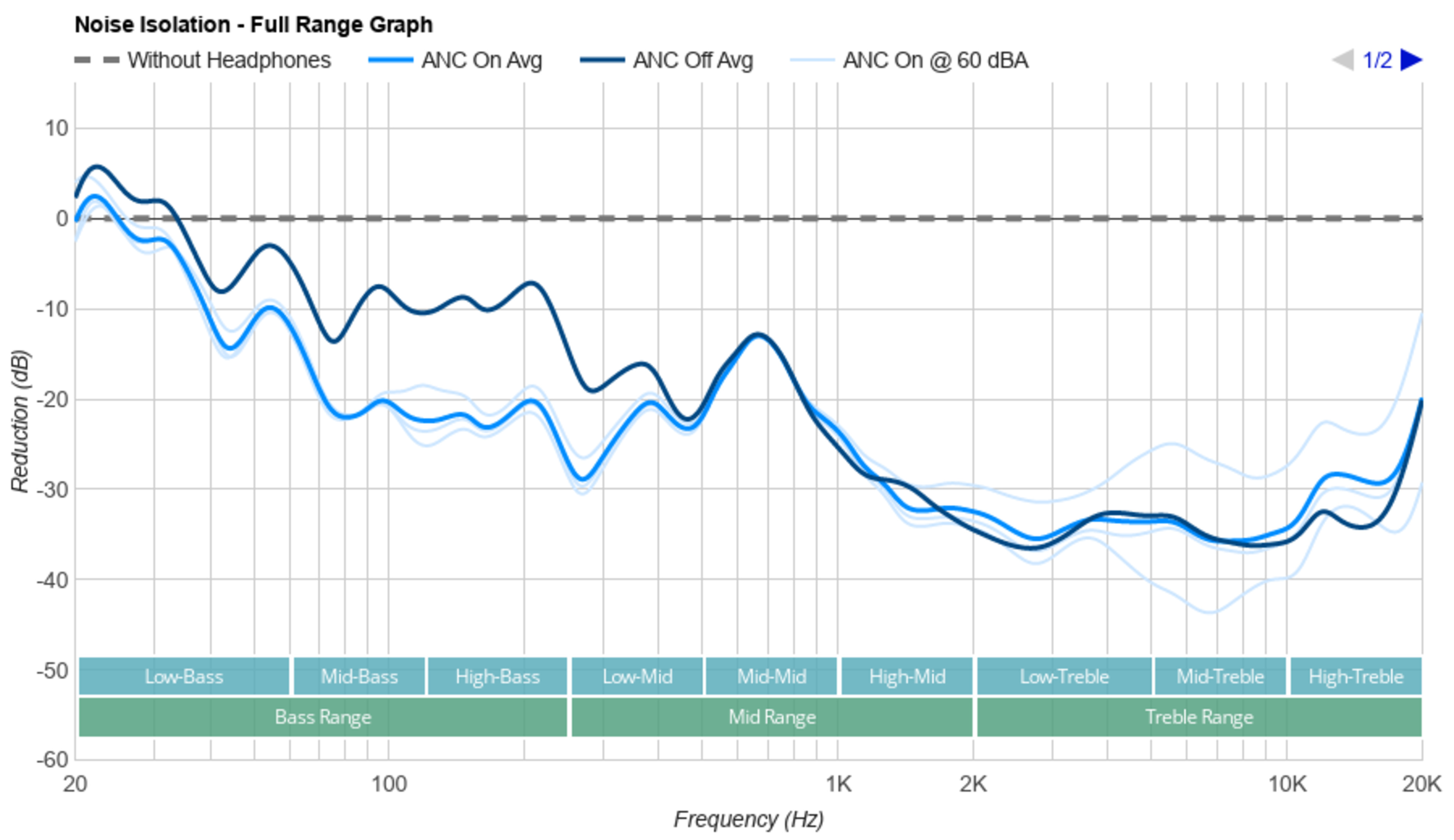
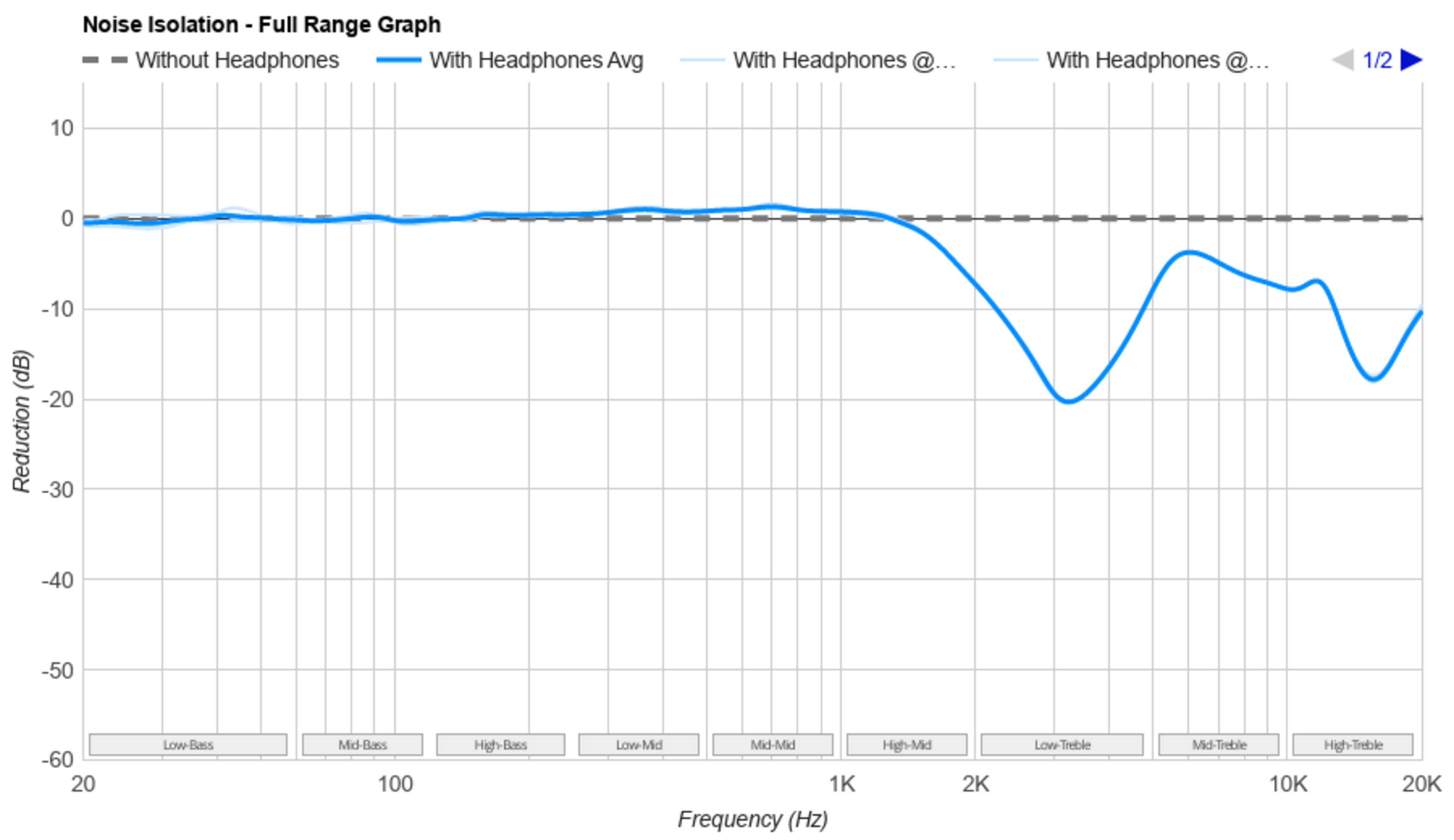
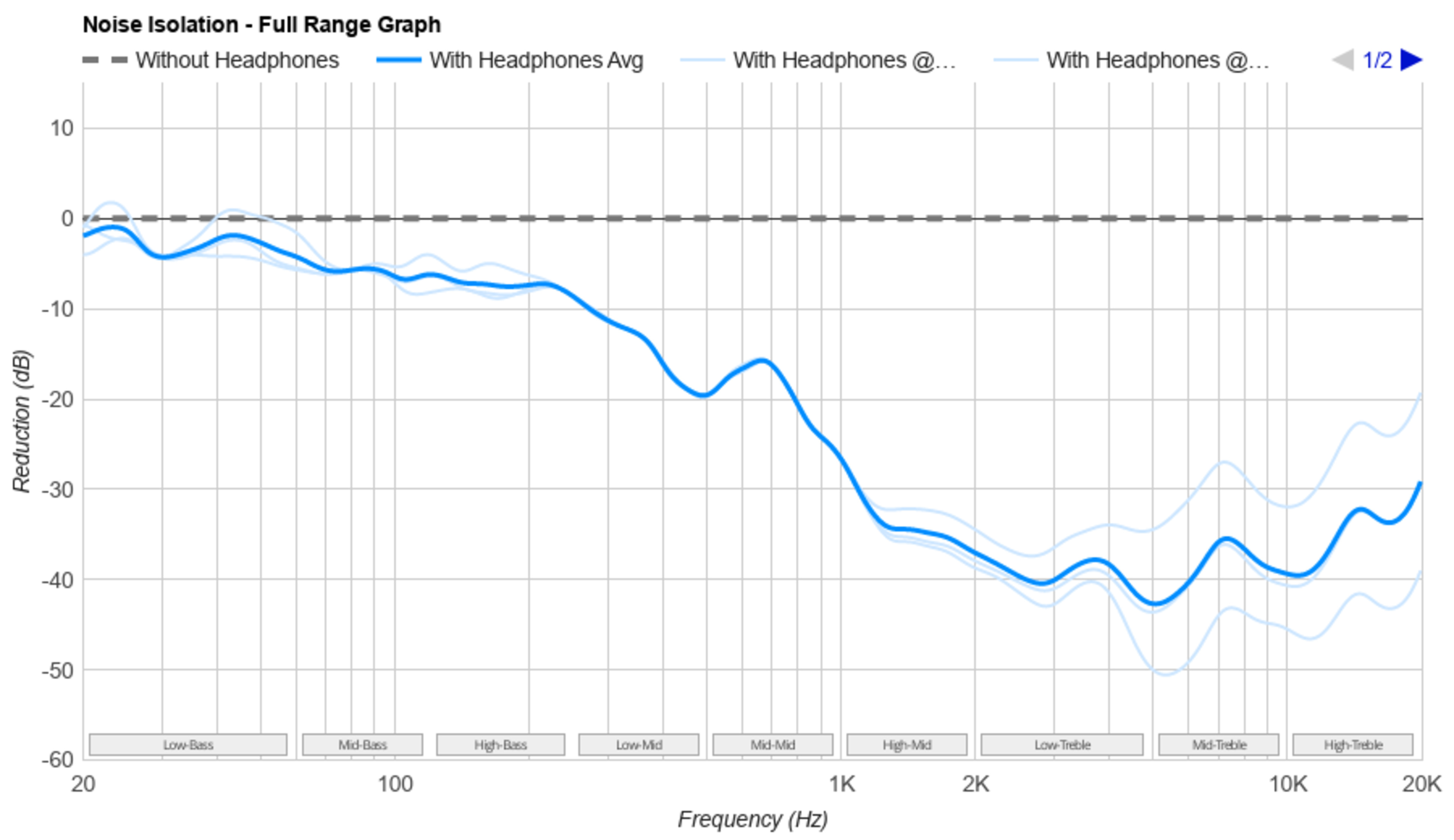
When it comes to in-ear monitors vs earbuds for noise isolation, in-ear monitors are a clear winner due to the passive isolation provided by their in-ear fit. This extends beyond IEMs, as any headphones with an in-ear fit will create a seal that's conducive to attenuating external noise. Of course, passive noise isolation can be supplemented by an active noise cancellation (ANC) system.
The very best noise isolating in-ears will rely on a combination of these two, as the passive seal can effectively attenuate treble and mid-range sounds, while ANC systems can more effectively tackle bass and mid-range noise. The ceiling is a little lower with earbuds, as their loose seal allows much more noise to filter in, even if there's an ANC system doing some heavy lifting.
 |
 |
 |
 |
Sound quality
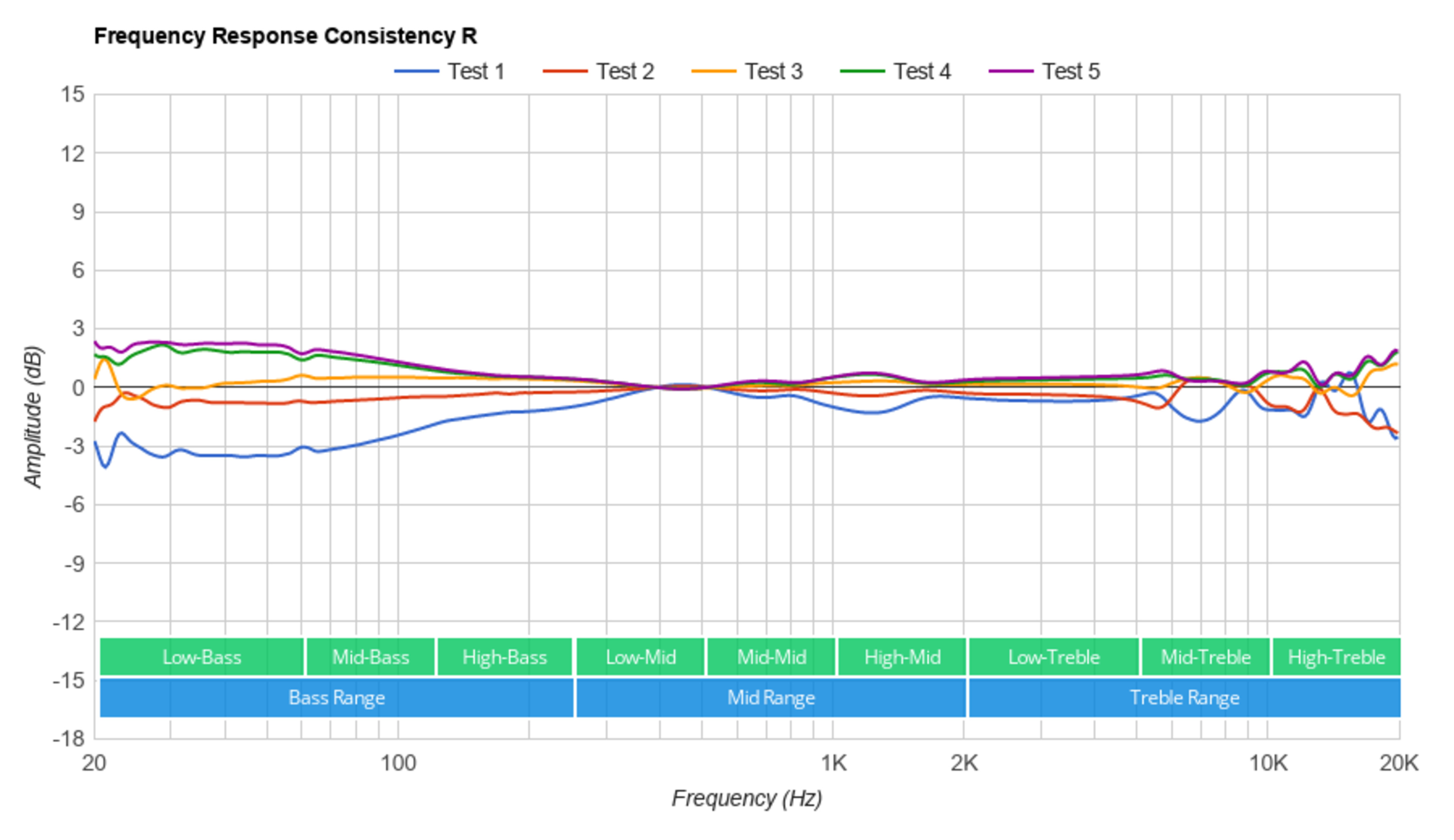
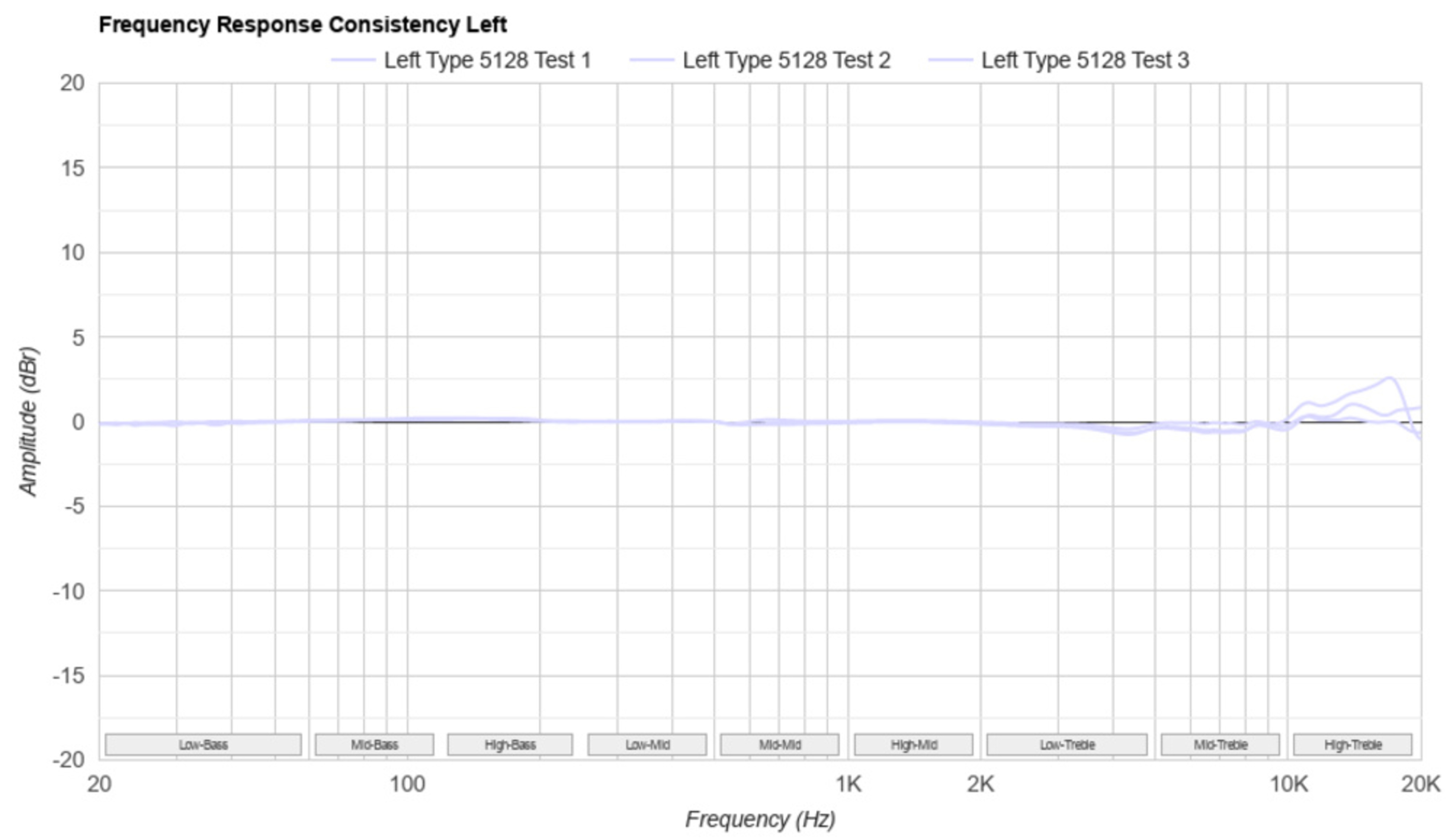
As with other points of comparison between earbuds and IEMs, the seal provided by IEMs' in-ear fit is a crucial point of differentiation when it comes to sound quality, too. The snug, secure in-ear seal and ability to personalize the fit are crucial in enabling consistent audio delivery. The loose fit that's often an unwanted byproduct of conventional earbuds' one-size-fits-all approach often results in inconsistencies in bass and treble delivery. We use our Frequency Response Consistency test to determine how consistently earbuds and IEMs deliver audio between different listening sessions. The examples below use slightly different methodologies but still illustrate how IEMs are able to deliver audio more reliably.
 |
 |
One other factor that differentiates conventional earbuds' audio reproduction from their IEM counterparts is driver configuration. Drivers are the tiny components inside headphones that act as mini speakers: they're responsible for creating the sound waves that make it to your ears. Earbuds typically use a single-driver configuration, which requires one of these components to produce the full spectrum of the audio you're listening to. Though earbud driver technology has come a long way, this can still be somewhat of a tall order.
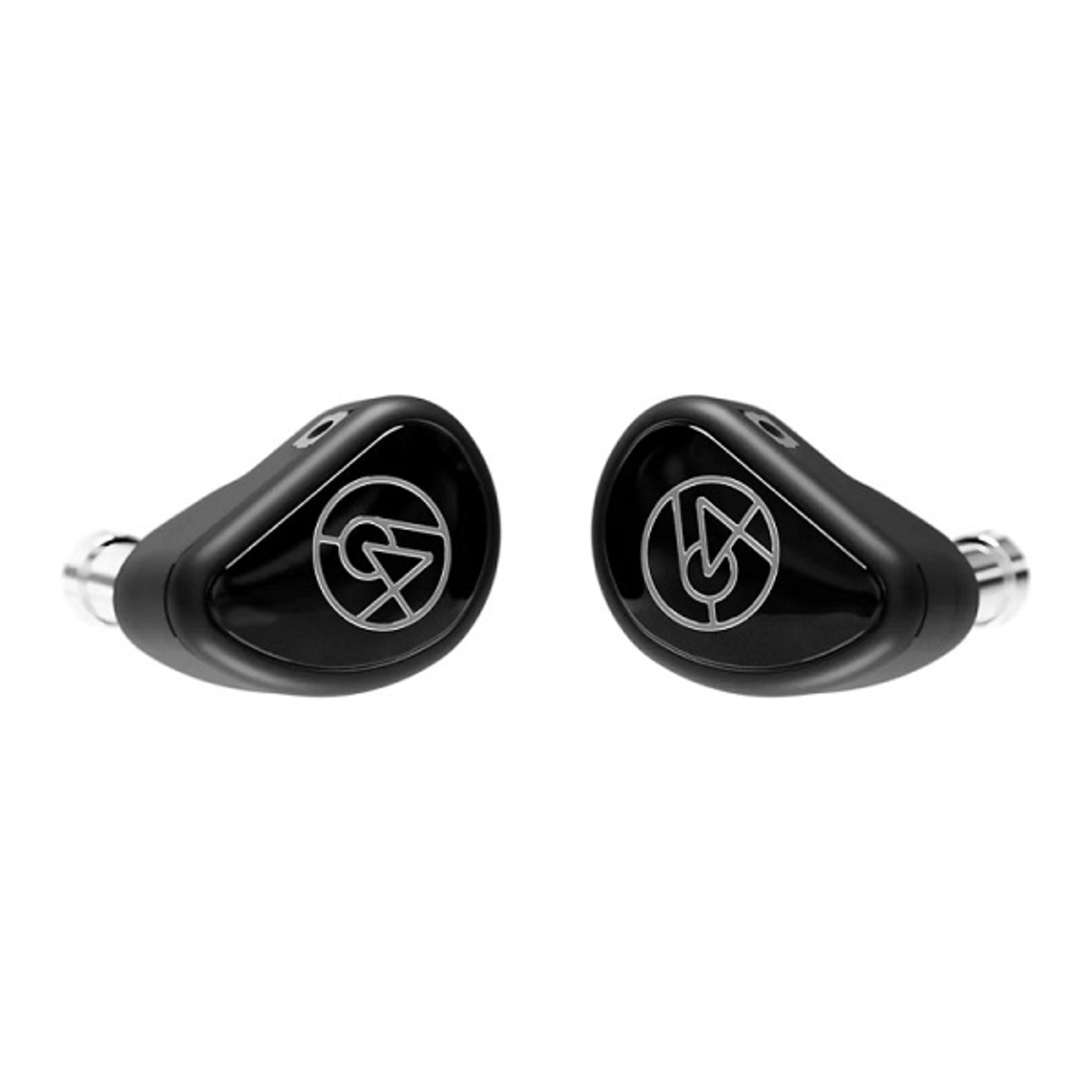
By contrast, IEMs are often designed with multiple drivers working in concert to reproduce different frequency ranges. They'll often employ a combination of dynamic drivers (a more common, larger driver type that's easily mass-produced) with balanced armature drivers (smaller, more precise drivers that are better suited to reproducing crisp, mid- and treble-range frequencies). High-end IEMs will often feature up to four different drivers within a single IEM, each of which is tasked with reproducing a different frequency range.
That said, conventional earbuds can sometimes create a more spacious sound than IEMs due to their fit. Since they sit outside of the ear canal, they produce audio that interacts with your outer ear, which can make the audio feel more immersive. But soundstage is affected by many variables, so take that observation with a pinch of salt.
Ultimately, sound quality is highly subjective. Just because a pair of IEMs feature four drivers that can very accurately reproduce your audio across the full spectrum doesn't mean that you'll like them more than, say, your trusty Apple AirPods (3rd generation). There are a myriad of factors that influence your perception of audio quality, and it's important to acknowledge the role of personal taste in all of this.
Professional Audio applications/live performance
Before IEMs became commonplace in the audiophile space, they were used predominantly in professional audio environments. They've become a mainstay for live performers, who benefit immensely from their mix of customizability, noise isolation, and high-fidelity audio reproduction. IEMs give performers the ability to perform with individual monitor mixes that let them hear what's important to them, so they can focus on the performance. At higher levels, artists and live sound engineers will opt for custom-molded IEMs that are tailored to their ear shape, ensuring an optimal seal is created. So next time you watch your favorite performers on stage, keep an eye out for what's in their ears!

Sports/Gym/Exercise
When it comes to getting a sweat on, both earbuds and IEMs will do in a pinch and are better suited than over-ears or on-ears. That said, you'll want to opt for wireless designs over wired ones to avoid getting the cable snagged on a barbell or passing lamp post. But if you simply must use your wired IEMs for running, you'll find that the over-the-ear cable loop helps keep them in place. Higher-end IEMs also come with sturdier cables that are somewhat resilient to being pulled or snagged.
The absolute king of workout headphones is undoubtedly in-ears with stability hooks. As previously mentioned, these provide the right combination of stability, noise isolation, consistent audio delivery, and flexibility.
Gaming
With the rise of mobile gaming and portable consoles has come a surge in popularity for gaming earbuds. While gamers have traditionally opted for over-ear headphones, manufacturers are increasingly creating more earbuds catered specifically to gamers. Many of these are wireless, in-ear affairs that use dongle transmitters, but there's also a subset of gamers that swear by wired IEMs, likely due to their combination of portability, low-latency, comfort, audio fidelity, and low price point (especially compared to dedicated gaming headsets).
Check out our list of the best earbuds for gaming for more details.
Conclusion
The nomenclature surrounding earbuds and IEMs can be confusing at times. While earbuds can be used to refer to a whole spectrum of products, from conventional earbuds that sit outside your ear to wireless in-ears, IEMs are generally wired, audiophile in-ears. Conventional earbuds have their place within headphone history, but are less commonly produced these days, due to the benefits provided by an in-ear fit. Still, if you dislike the in-ear fit, feel nostalgic, or like passing your earbuds around, conventional earbuds are still a viable choice.
Meanwhile, the wired IEM market keeps growing each year as models hit the shelves with new driver configurations, eye-catching designs, and novel ear tip materials. They look to remain a mainstay in the audiophile community and a crucial part of live performances.