If you've read Which Type Of Headphones Are Best For You, you'll already be familiar with the four main varieties of headphones. Assuming you've ruled out earbuds and in-ears in favor of something with a headband and ear cups, this article narrows the scope down to over-ears and on-ears. Both of these headphone types remain perennial favorites; thanks to their ergonomic design and (usually) comfortable fit, though over-ear headphones have pulled ahead in popularity in recent years.
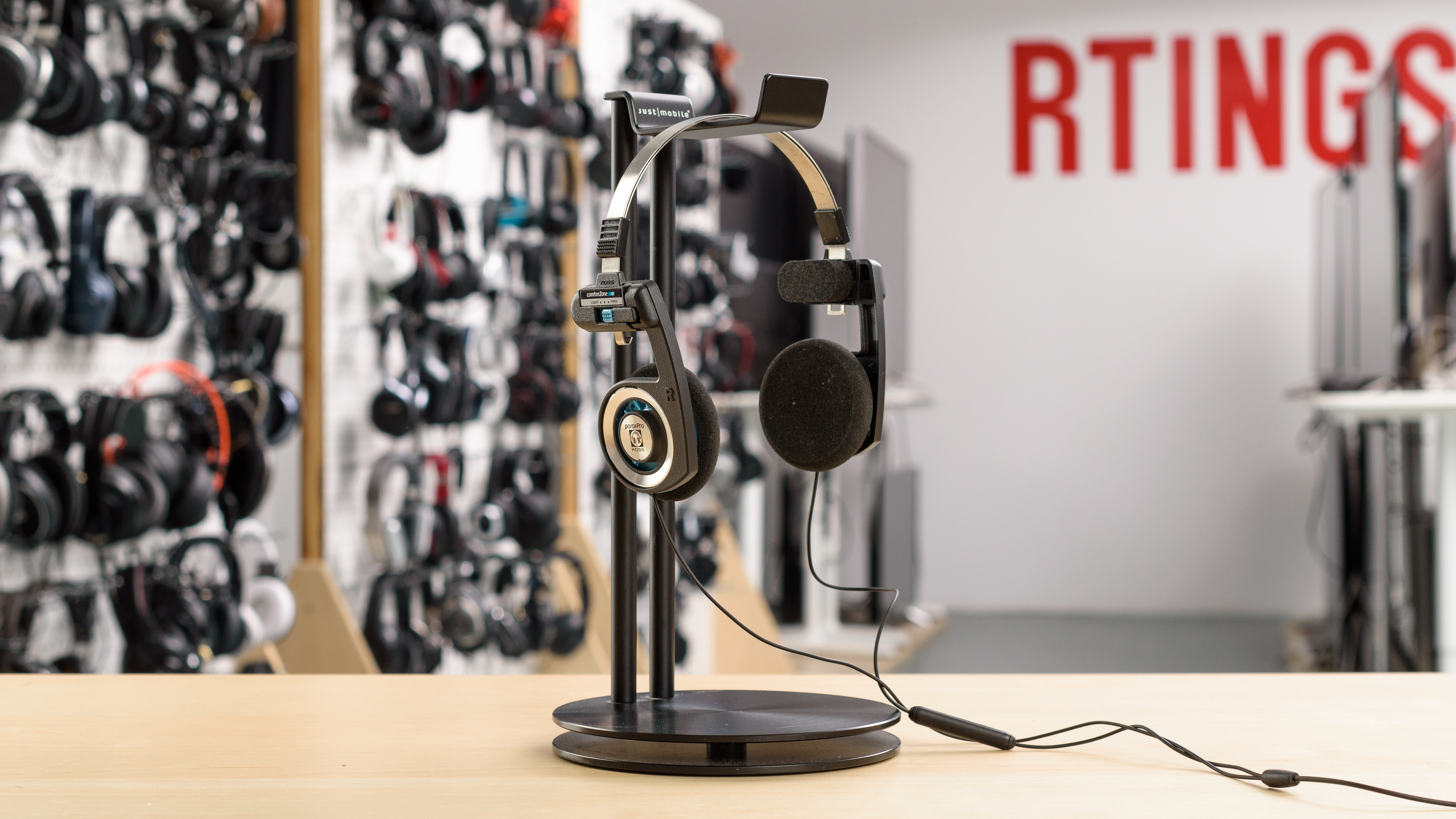
Even within these two styles, there's a myriad of variations on similar themes. A pair of open-back on-ears will perform very differently from closed-back, ANC-equipped over-ears. By the same virtue, a pair of modern wireless on-ears will appeal to a very different crowd than those who faithfully sport the wired-only Koss Porta Pro KSC. Read on as we explore the key differences between over-ears and on-ears, their many different variants, as well as potential usages for each.
What Are Over-Ear Headphones?
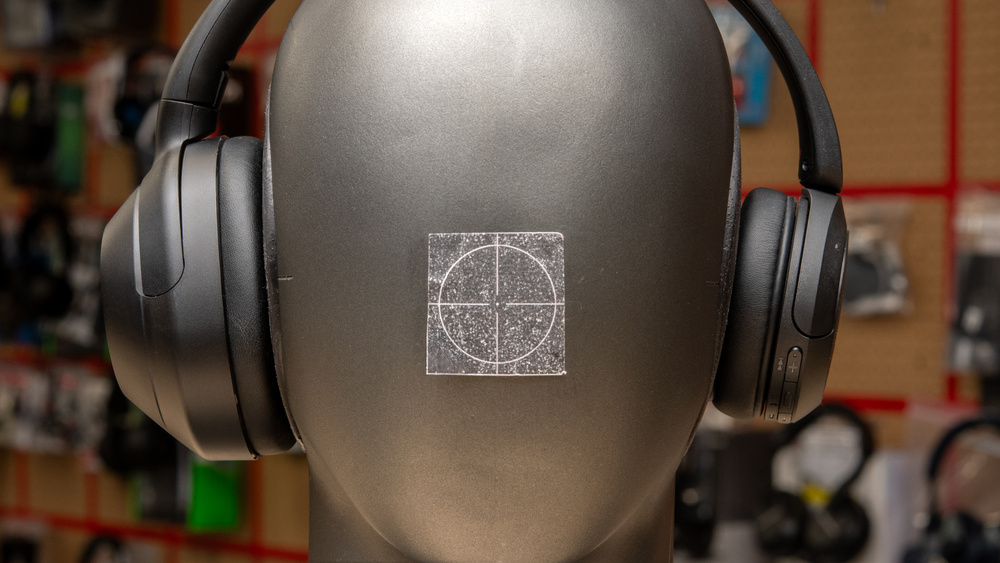
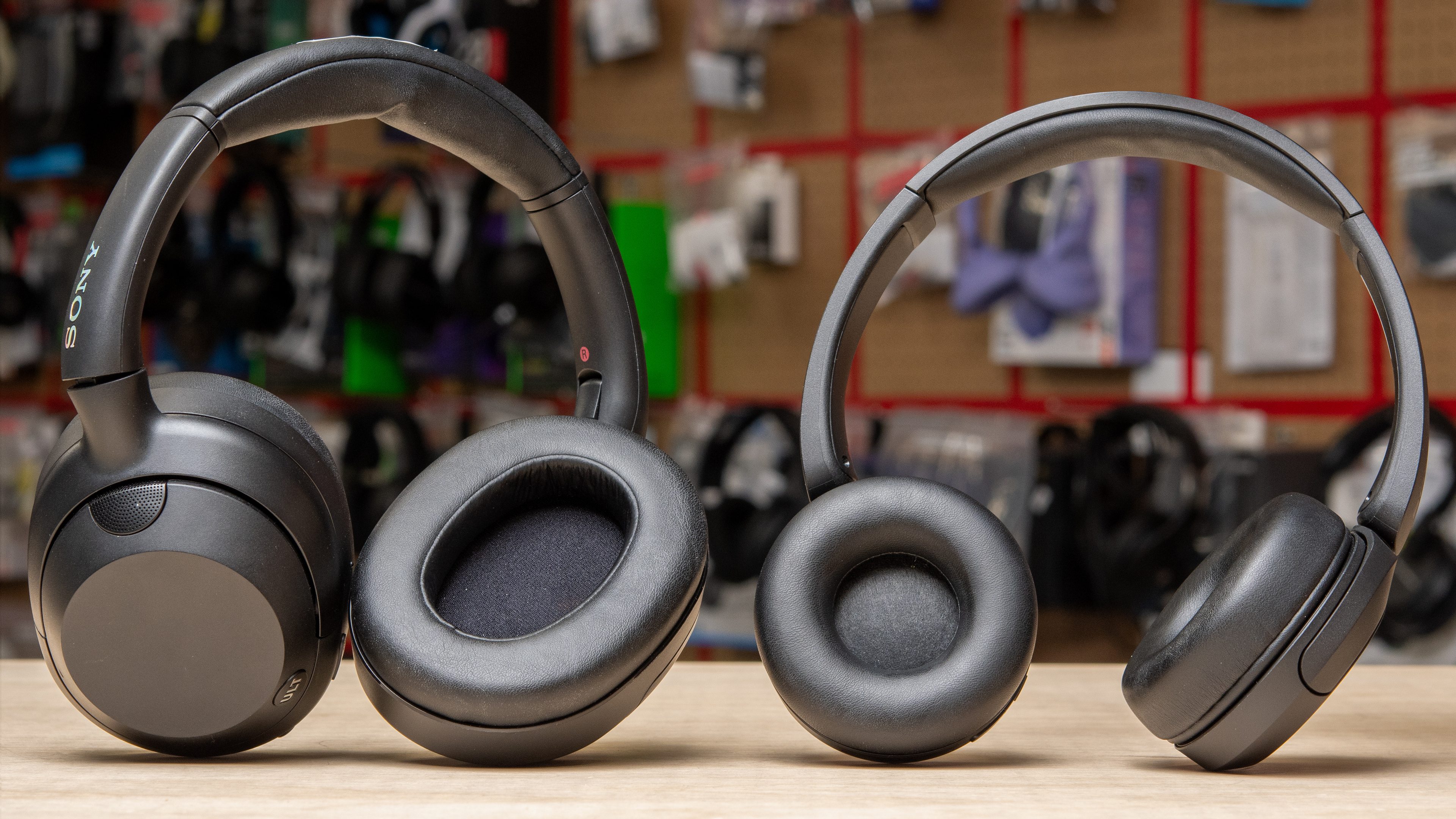
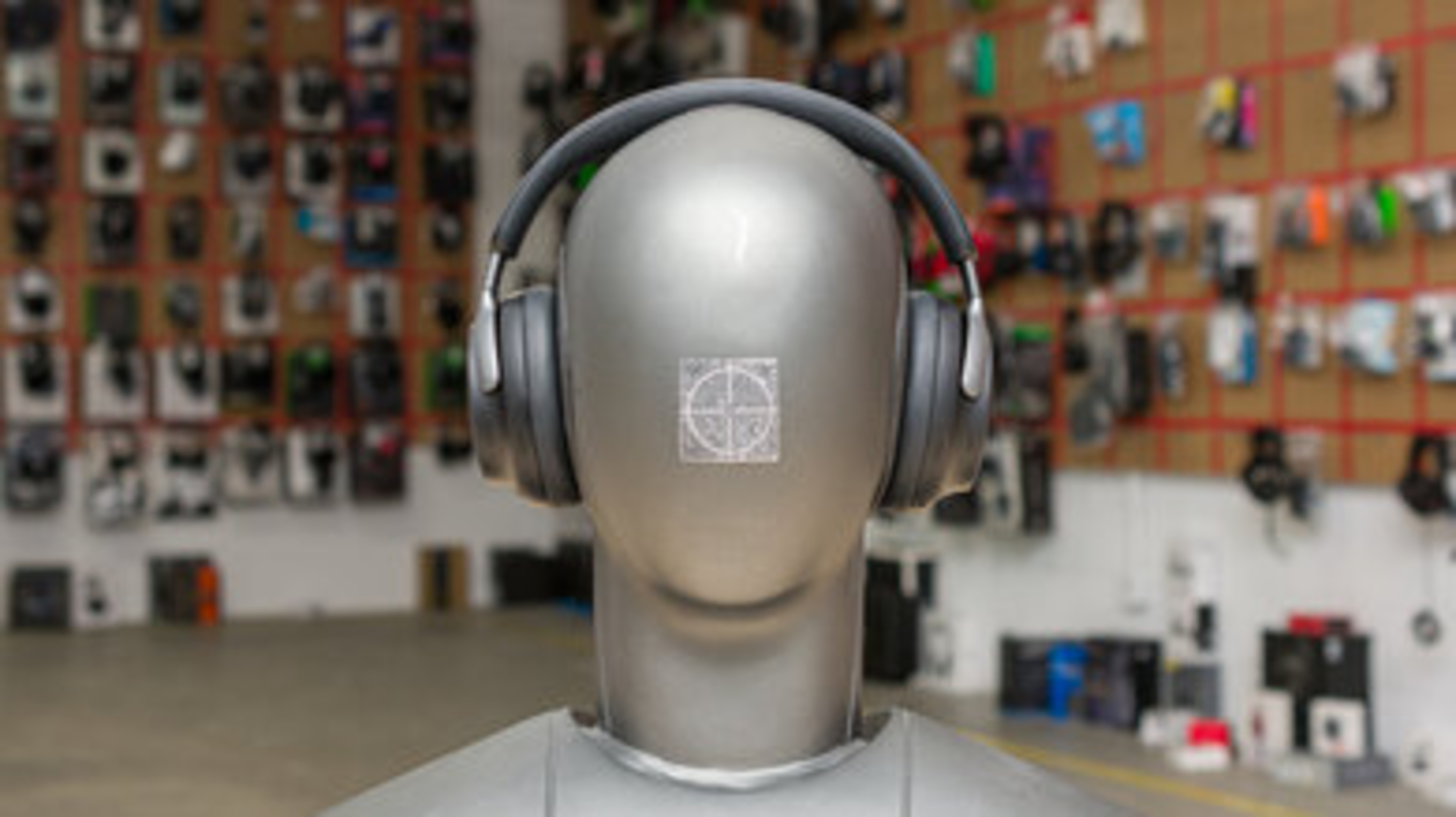
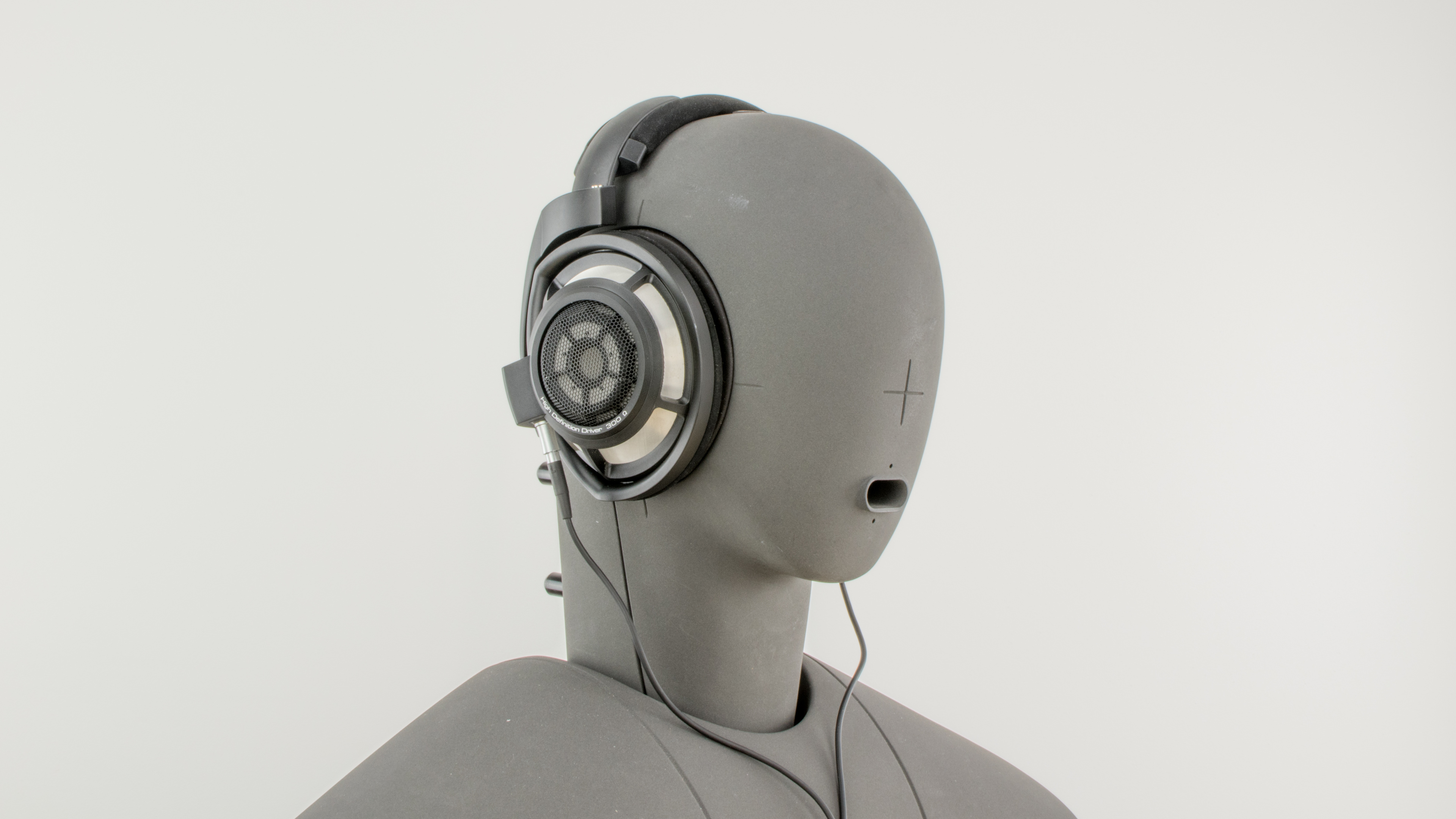
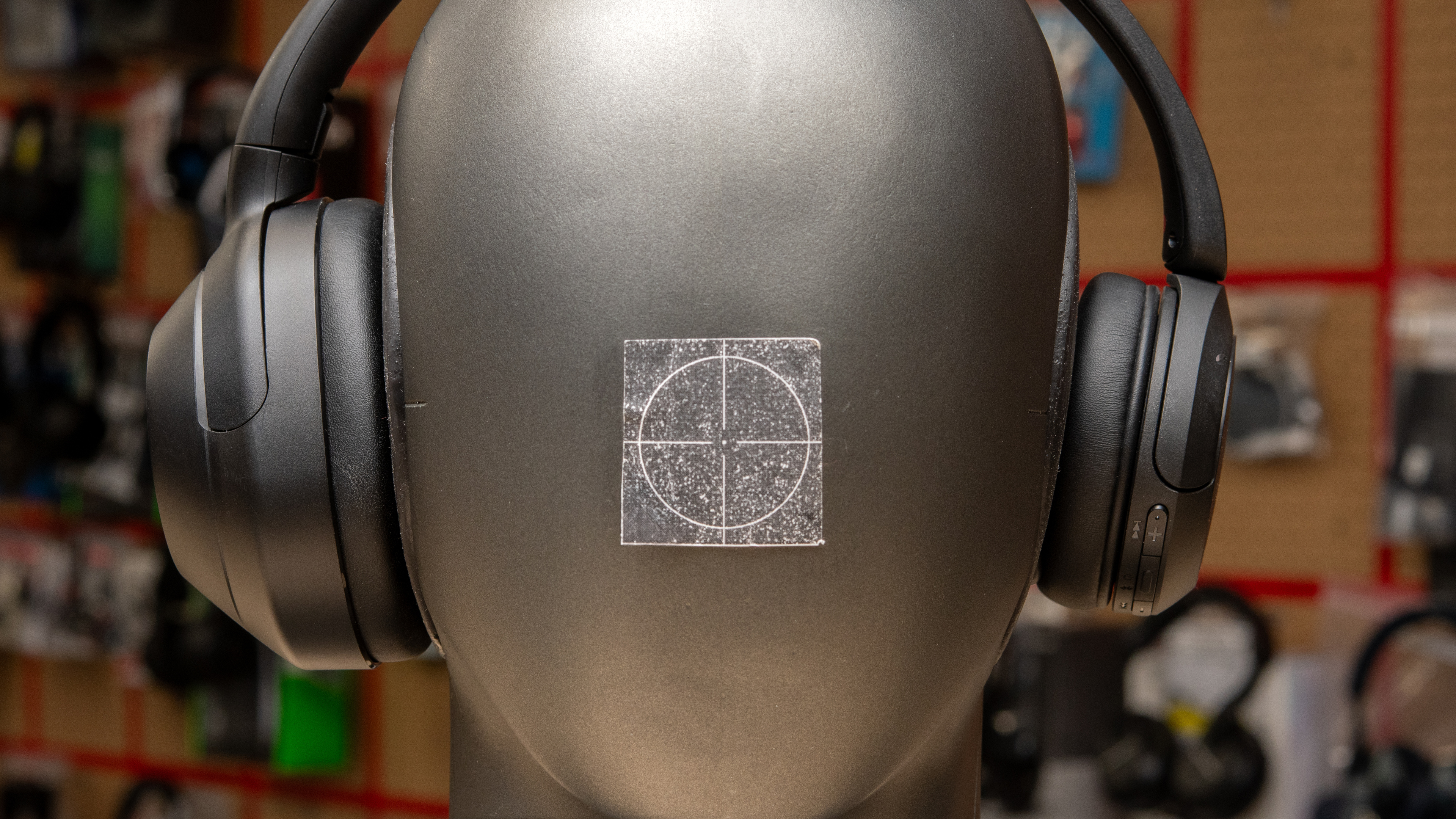
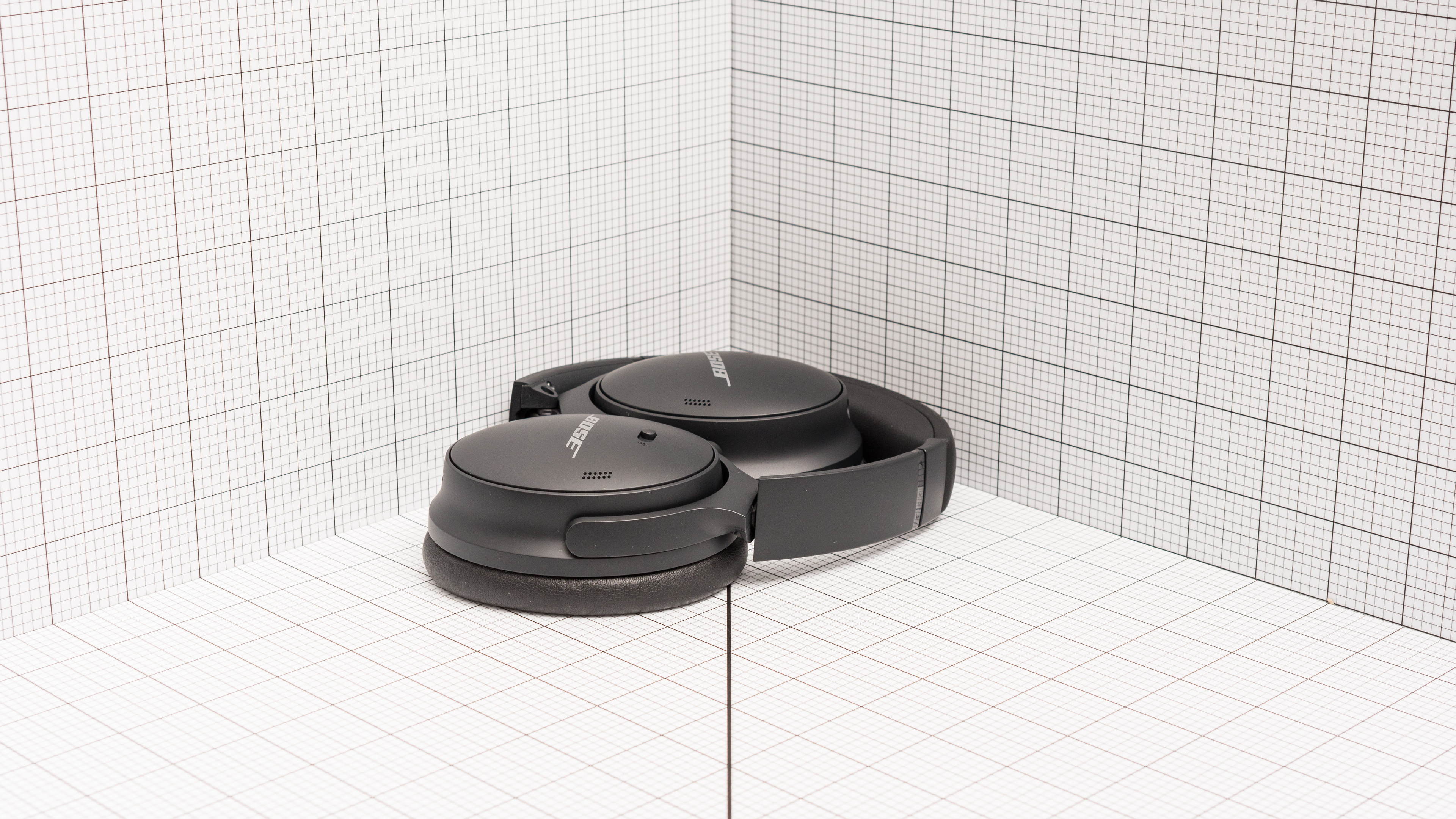
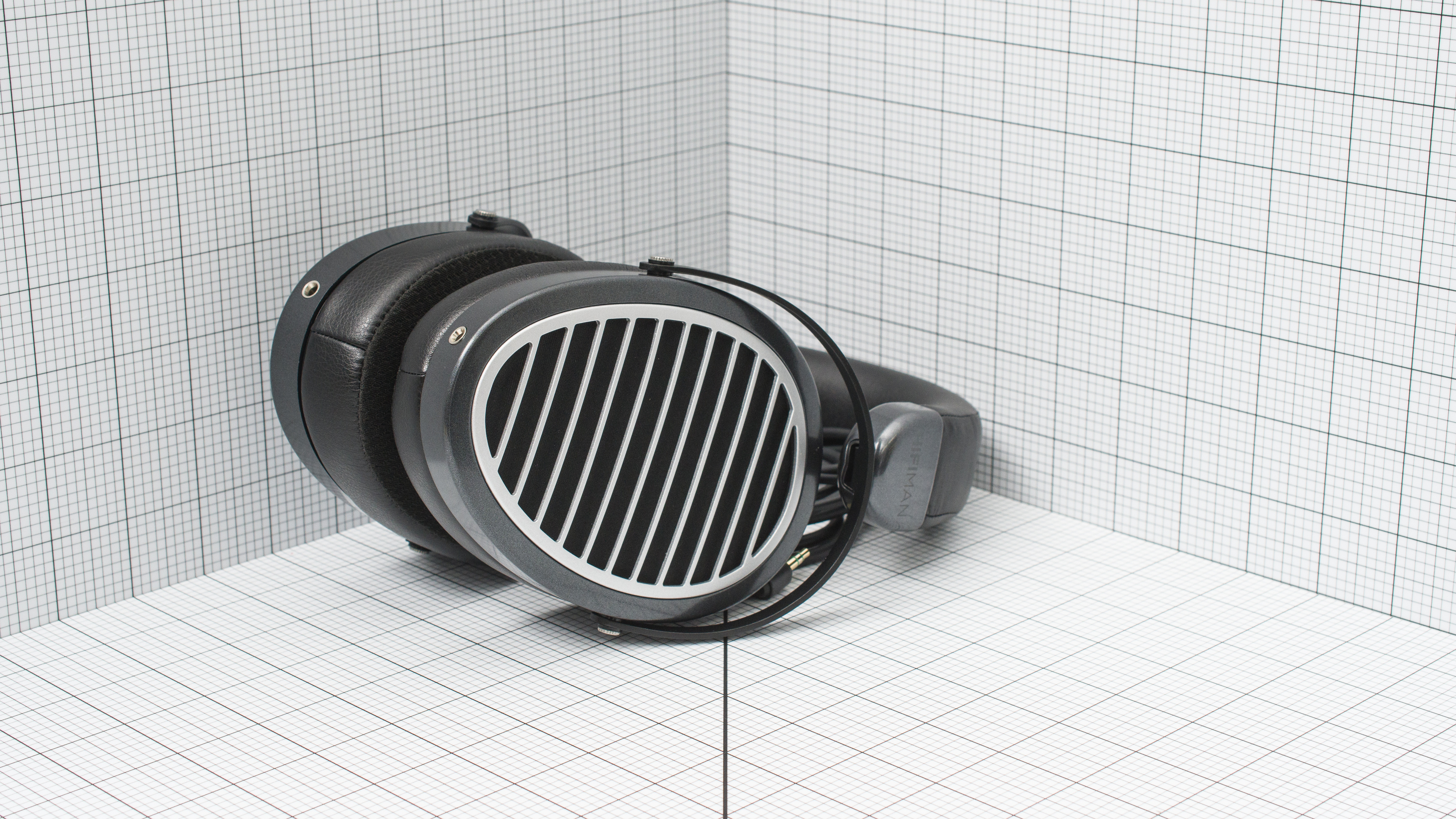
Over-ear, or circumaural, headphones are usually the bulkiest of all headphone types, due to their large ear cups. These ear cups are designed to completely cover your outer ear (otherwise known as a pinna), creating a seal in the process. There are a couple of notable advantages that are derived from this seal, some of which are exclusive to over-ears, which we'll explore later. The large ear cups mean there's more space for larger drivers to be housed, too, allowing for a more powerful bass sound and the potential for a wider soundstage. These ear cups are usually covered in soft materials, like cloth, velour, or leather, to ensure they stay comfortable on your head. That said, these kinds of materials are also prone to making your ears sweat, especially if you're exercising or using them in warm conditions.
 |
 |
What Are On-Ear Headphones?
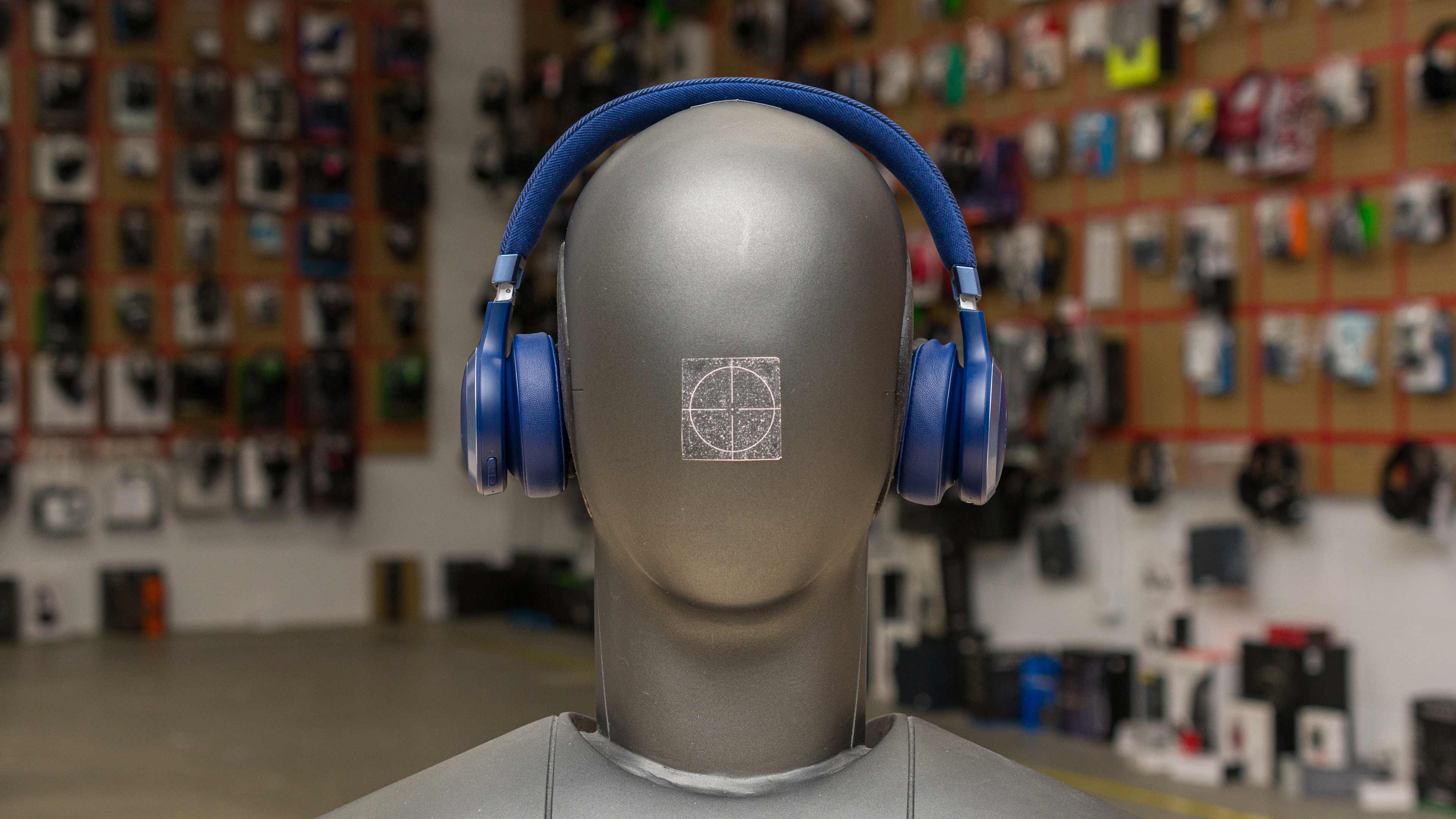
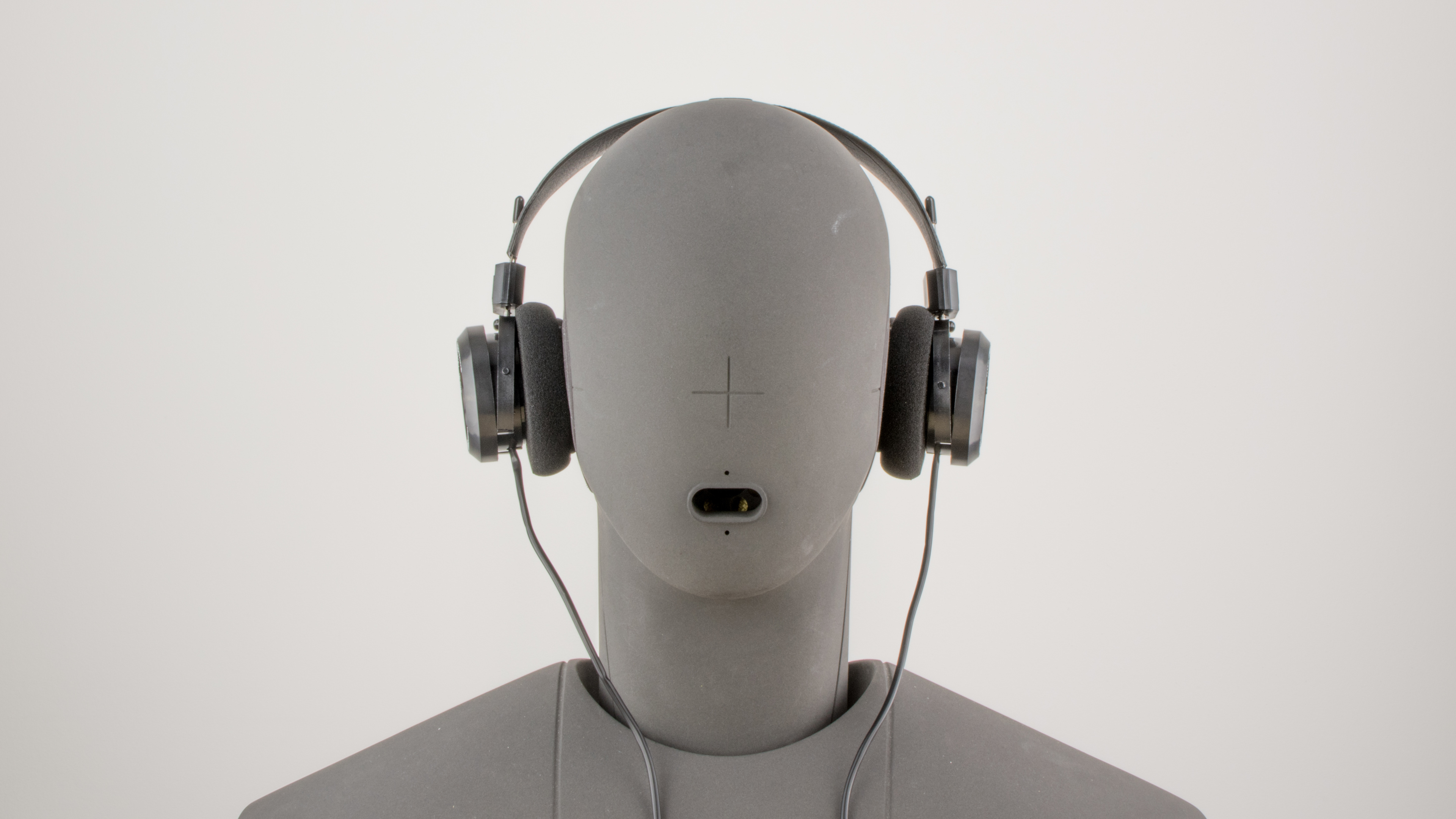
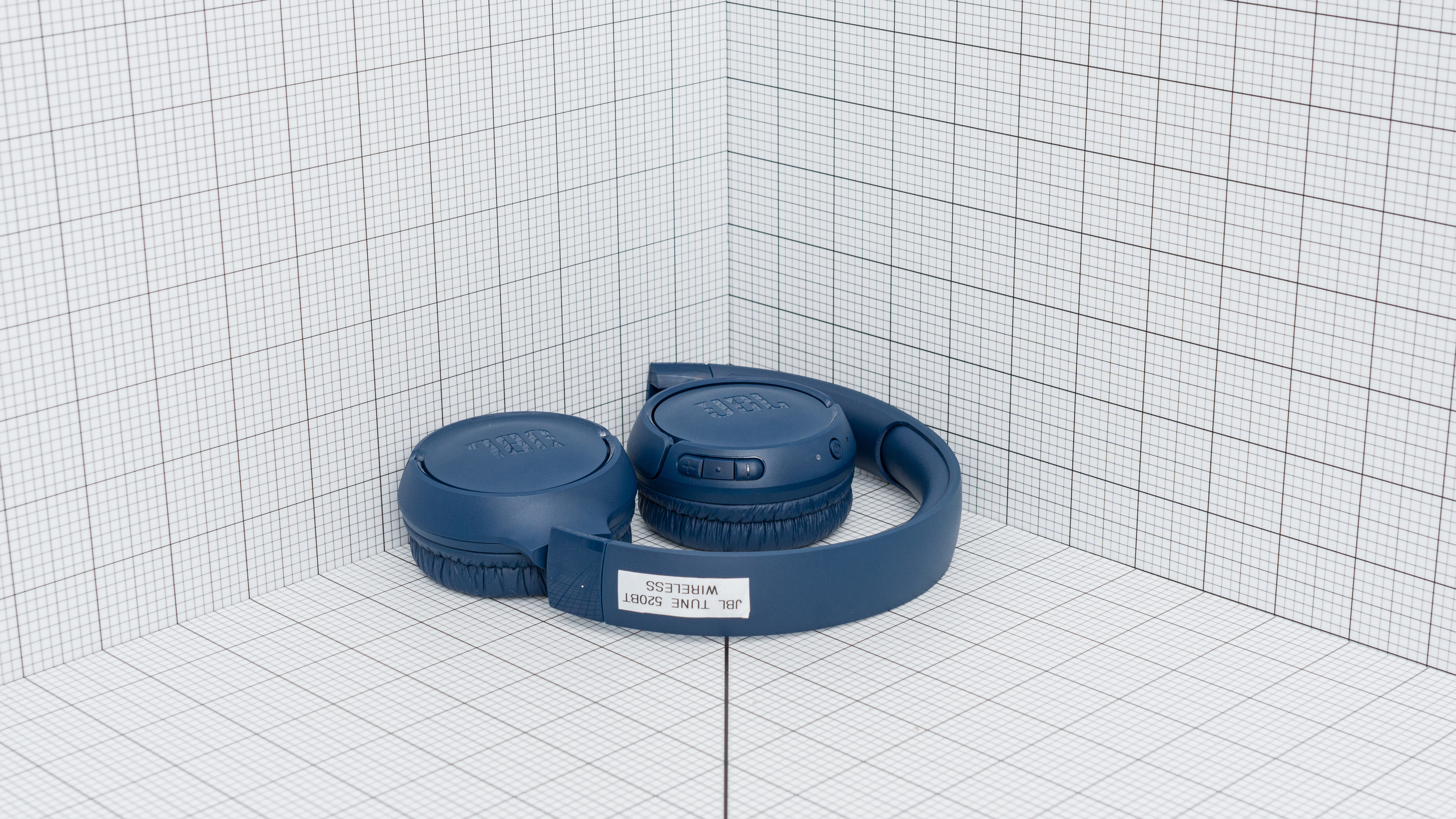
On-ear, or super-aural, headphones are usually slimmer and more portable than their over-ear counterparts. Their ear cups are flatter and shallower, as they're designed to sit on top of the ear, relying primarily on clamping force to stay on your head. Given their positioning on your ear, they don't allow for much interaction with the pinna and don't create a seal in the same way as over-ears. As a result, they don't offer much in the way of noise isolation. While the ear cups are usually padded, leather and leather-like fabrics are more common than velour and cloth. In many ways, on-ears are a halfway point between over-ears and in-ears: they sacrifice some of the portability of in-ears in favor of a less intrusive fit and a slightly more immersive sound.
 |
 |
Variants of both headphone styles
There are a few different variants of over-ear and on-ear headphones, most notably Open-Back vs Closed-Back and Wired vs Wireless. Each involves some trade-offs as closed-backs offer better passive noise isolation, less leakage, and a typically more bass-heavy sound, while open-backs can create a wider, more immersive soundstage. Wired headphones offer a no-nonsense, low-latency performance with the caveat of reduced mobility due to the possibility of snagging the cable on something. Wireless headphones let you headbang with absolute freedom, but leave you at the mercy of your headphones' battery life. Plus, you run the risk of introducing latency. The trade-offs are largely the same between the two headphone styles, though even closed-back on-ears will struggle to provide a level of passive isolation that's comparable to closed-back over-ears, due to their inability to create the same kind of seal.
Fit and comfort
Generally speaking, over-ears are more comfortable than on-ears, though some of this may come down to personal preference. Over-ears' larger ear cups tend to distribute weight more evenly around the ear and allow for thicker, more comfortable ear padding material. By contrast, on-ears' ear cups will press directly against your ears, which can make them more uncomfortable to wear over longer listening sessions. That said, over-ears' larger ear cups and thicker padding can often result in decreased breathability, as sweat can easily be trapped between your ears and the ear cups, especially in hotter environments. While we no longer test breathability, our previous testing indicated that this was usually less of an issue with on-ears, as their design allows for better airflow.
Ultimately, much of this will come down to your anatomy. Those with larger ears, for example, might find that on-ear headphones squish their ears too much, and the high clamping force needed to keep them on their head exerts too much pressure on the outer ear. Those with smaller ears might find the opposite to be true, as their ears are the perfect size to accommodate an on-ear fit. On-ears are also usually a fair bit lighter than their over-ear counterparts, too, so they can exert less pressure on the top of your head.
Portability
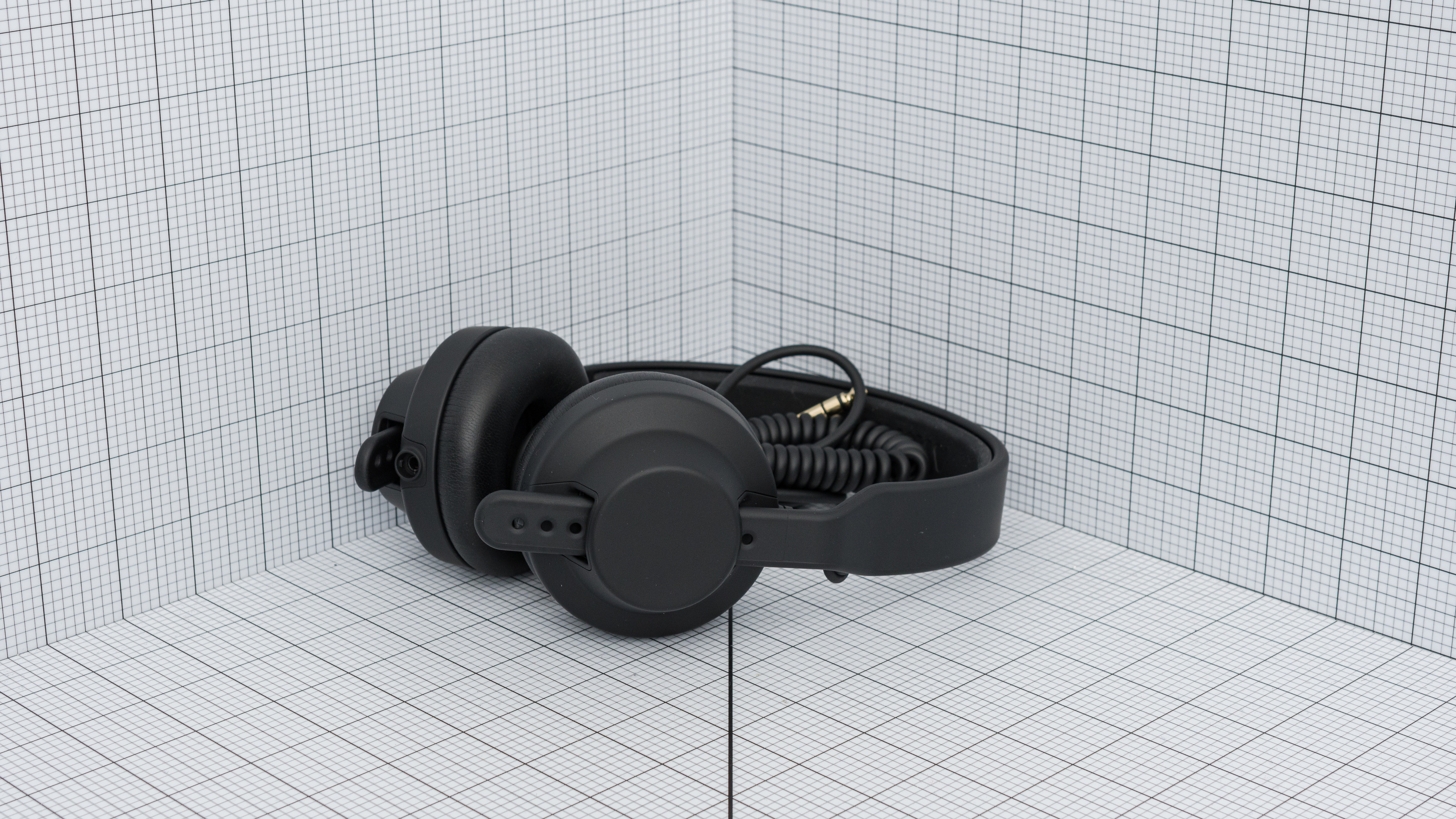
On-ears are usually more compact, lightweight designs that can often be folded up for easy portability. While over-ear models vary massively, from sleek, commuter-oriented wireless headphones to bulky studio cans, their large ear cups often take up much more space in a bag or backpack. There are other factors that affect portability, as wireless designs will generally be easier to bring on the go than wired designs. Portability will also depend on what kind of case is provided with your headphones, as this can make it easier to stow your headphones away.
 |
 |
 |
 |
Noise isolation and leakage
When it comes to attenuating external noises, over-ears generally have a slight edge over on-ears, due to the seal they're able to create around your ears. This seal helps block out external noise through an effect known as passive noise isolation, which can be supplemented by an active noise cancellation (ANC) system. You can read more about how our noise isolation testing works, or look through our recommendations for the best noise cancelling headphones. The Sony WH-1000XM6 are among our best performing over-ears when it comes to noise isolation, while the JBL Live 670NC score highest among on-ears. That said, it's worth noting that we've tested far more over-ears than on-ears with recent test benches.
Again, there are a number of factors beyond headphone style that can influence noise isolation. Open-back designs, for example, generally do a worse job of isolating you than open-backs. So, although over-ears usually have better attenuation of external sounds, a pair of closed-back on-ears will usually outperform a pair of open-back over-ears in this regard.
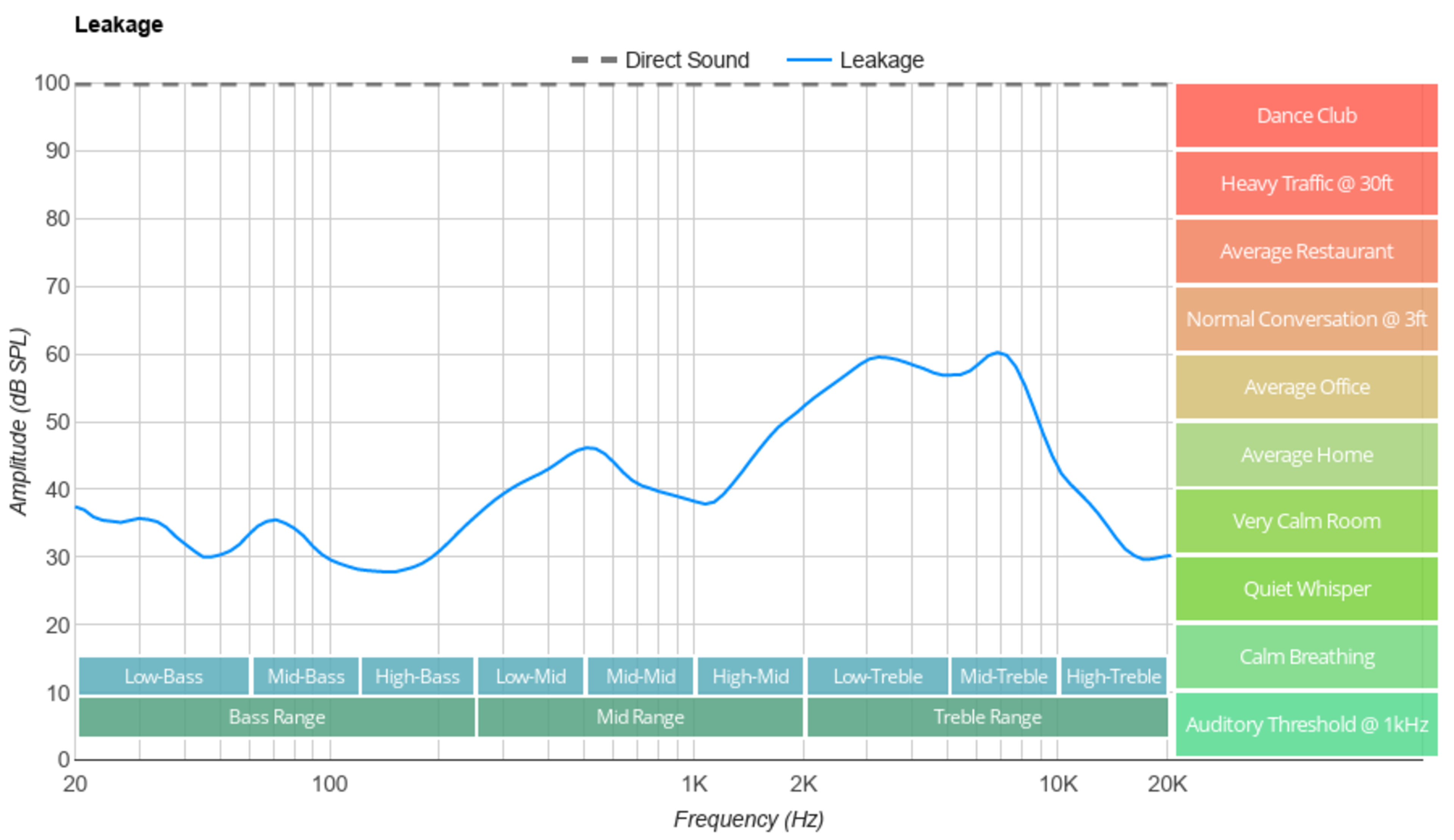
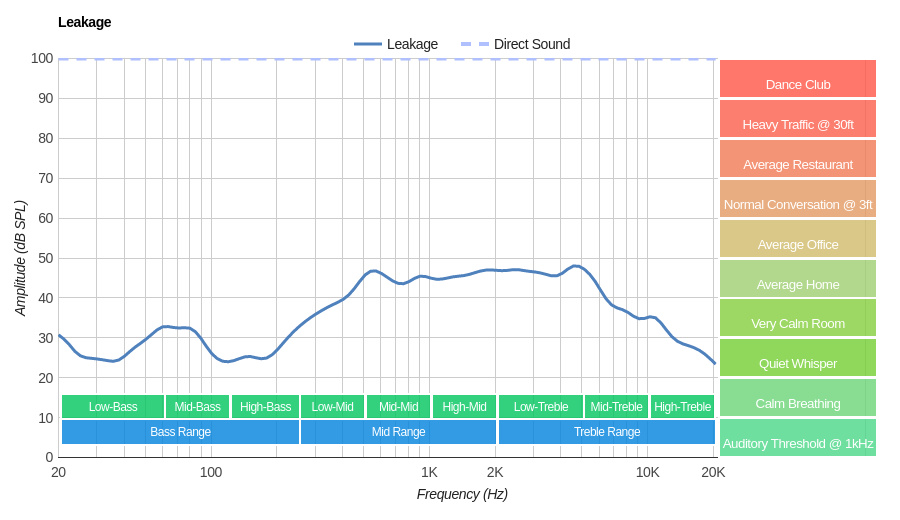
It's a similar story with leakage too, which can be heavily dependent on headphones' design, regardless of whether they're on-ears or over-ears. Open-back headphones leak audio by design, while closed-back headphones are better at ensuring your audio stays confined between your ears and ear cups. That said, the seal created by over-ear headphones is conducive to leaking less audio. So if you need a pair of headphones for studying in the library, closed-back over-ears are a better choice than closed-back on-ears for this purpose.
 |
 |
sound quality
Preferences for sound can be incredibly personal, varied, and even mercurial, depending on what kind of mood you're in or what you're listening to. We published an article with our 1.8 Test Bench that demonstrates just how diverse people's listening preferences can be. As a result, choosing between over-ears and on-ears based on sound quality can be entirely subjective (though some research indicates that comfort and ergonomics could play a role in perceived sound quality).
While the subjective nature of sound quality means that it's difficult to determine whether a pair of headphones' style can correspond with how much you'll like the sound, there are some other correlations that are worth noting. As mentioned earlier in this article, over-ear headphones usually have larger ear cups that can house bigger drivers like planar magnetic ones, which often produce better bass with lower harmonic distortion.
Over-ears are capable of creating a more spacious sound, due to less restricted interaction with the pinna. The larger cup enclosure also allows for greater variety in the positioning of the drivers, which can be a major factor in producing a more immersive soundstage. This can come in handy for certain usages, like gaming or listening to your favorite live concert recordings, but that doesn't necessarily mean you'll like the sound. There are plenty who will prefer the punchy sound of the Beats Solo 4 over the expansive soundstage of the Sennheiser HD 800 S.
Call quality
When it comes to rendering your voice in a clear and understandable way, there's not a great deal of correlation between headphone style and call quality. The quality of the mic is usually the biggest factor in determining call quality, so it's worth looking for headphones with a dedicated boom mic if you're looking for the best recording quality from your microphone (short of using a standalone microphone). These exist for both over-ears and on-ears, as their design can easily accommodate a boom arm. On-ear models like the Jabra Evolve2 65 Wireless are excellent at reproducing your voice naturally, while you can opt for gaming headsets like the Drop + Sennheiser/EPOS PC38X if you prefer the over-ear fit.
For glasses-wearers
If you wear glasses, you'll understand the struggle of trying to get the arms to fit in and around the headphones' earpads. Generally speaking, over-ears are better-suited for those who wear glasses, as there's often a little more room for maneuverability with their larger earcup size and thicker padding. The pressure they exert on your head is also more evenly distributed, across both the ears and the headband, while on-ears can crush the arms of your glasses against your ear lobes, which most people will find unpleasant.
There are a range of other factors that can influence how comfortable headphones are for glasses-wearers, though, so it's best to take things on a case-by-case basis. Factors like clamping force, earpad material, and ear cup size can greatly affect how easily headphones accommodate glasses. Variables like your head shape and glasses' material also come into play here, meaning everyone will have a slightly different experience.
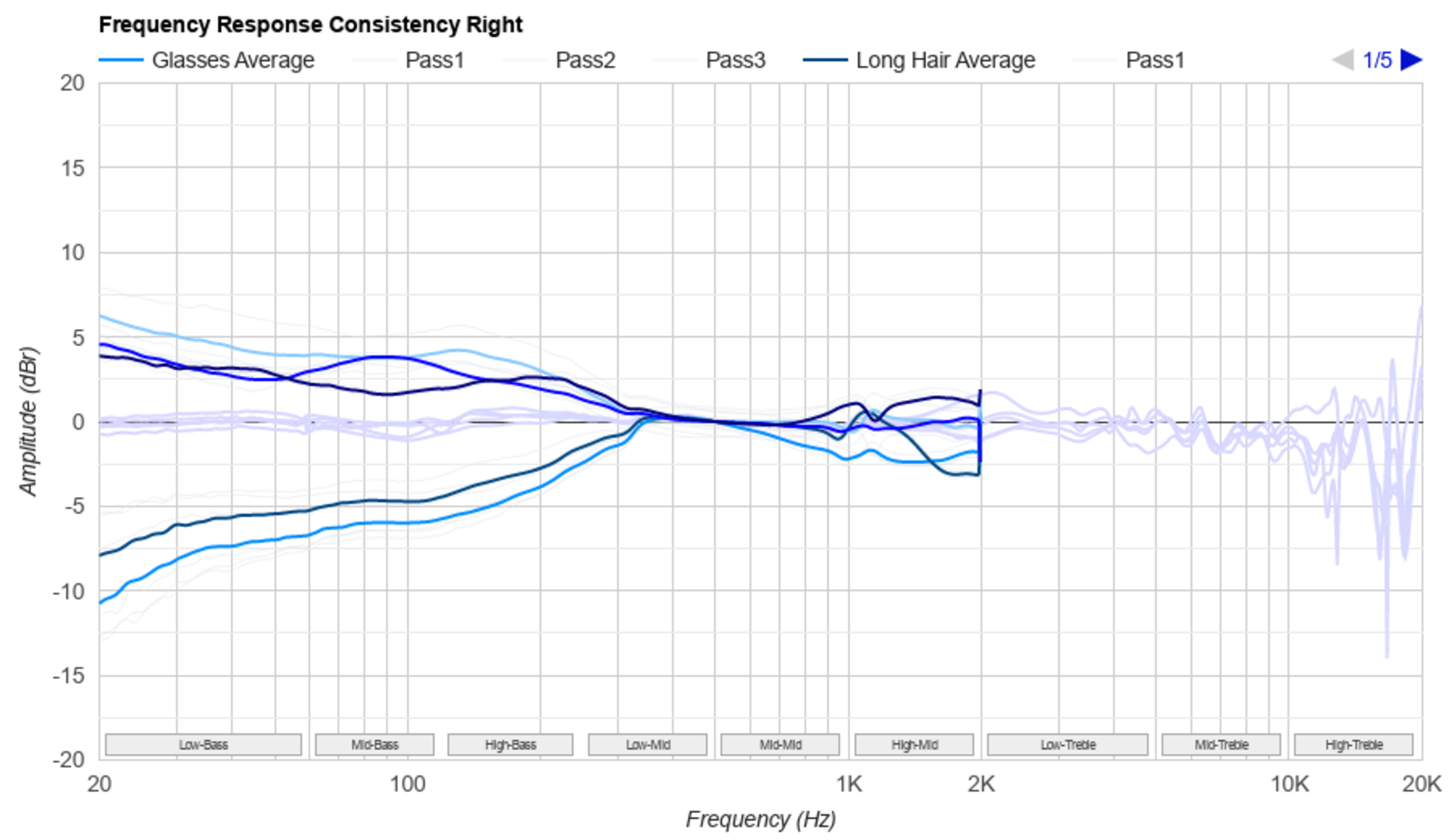
Glasses can impact your listening experience beyond just comfort and fit, as they can disrupt the seal created by your headphones on or over your ears. This can result in inconsistencies in audio delivery, like drop-offs in the bass range. You can read more about this in our Frequency Response Consistency article.
Usages For Over-Ears
Professional Audio Applications
Over-ear headphones have been a staple in music studios over the years, for a very good reason, and they're a great choice for both monitoring and mixing. When it comes to monitoring, the passive isolation provided by closed-back, over-ears allows a performer to focus on the mix they're hearing, without being distracted by external noise. These types of headphones also don't leak much audio, so there's minimal chance of any unwanted audio from your cue mix bleeding into your takes, if you're monitoring a live audio source.
On the mixing front, open-backs tend to be favored by mix engineers, especially those with larger drivers. Such headphones allow you to hear small details that can translate to other systems, often complementing a pair of studio near-field monitors. The larger earcup size can also create an acoustic environment that allows for a better perception of depth and distance in your audio, especially when the drivers are angled. Plus, over-ears are often designed for comfort, making them a good choice for long, all-day mixing sessions.
Travel/Commuting
Over-ear headphones dominate our best travel headphones recommendations and for good reason. While they're not as portable as on-ear headphones, the seal they create is more conducive to passive noise isolation. When supplemented with a cutting-edge ANC system, like the one found in the Sony WH-1000XM6, stellar noise isolation can make busy airports, crowded cabins, and bustling trains much more manageable. Combine that with comfortable earpads and a long battery life, and you'll find that really takes the sting out of red-eye flights and cross-city commutes.
Usages For On-Ears
Djing
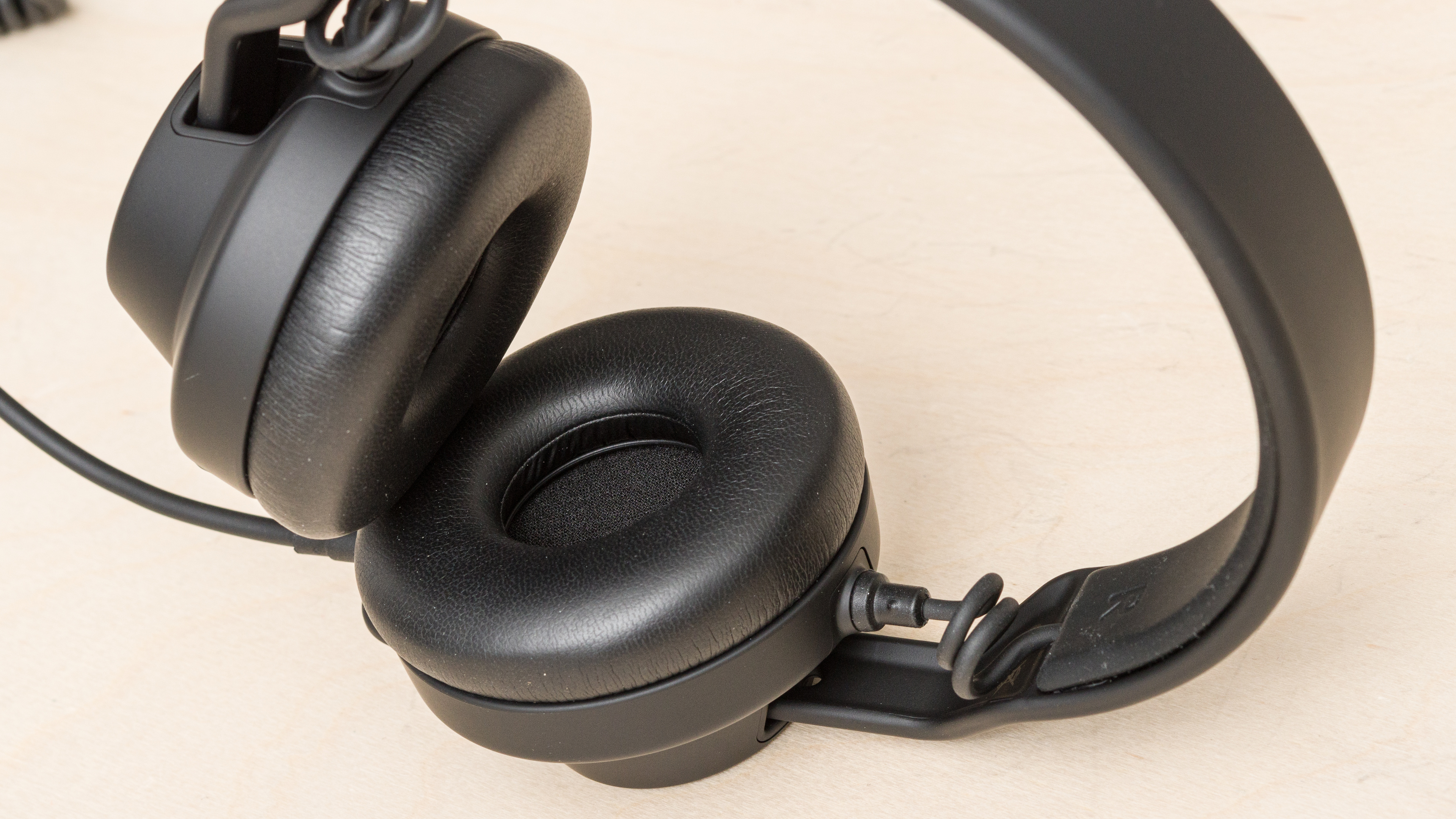
One of the more specialized usages we'll be exploring today, DJing is quite different from mixing or tracking, requiring you to follow two separate mixes: one in the monitors and one in your headphones, allowing you to 'cue' tracks for later on. DJs will therefore look for very specific criteria in their headphones: a prominent bass response to line up kicks and a lightweight design that allows you to switch between one-ear and two-ear monitoring. The flexibility of the on-ear style makes them a favorite for DJs, allowing you to quickly switch between what you're hearing in the room and the sound in your headphones. It's also easier to swivel the smaller ear cups found on on-ears, leading to less wear and tear on the hinges over time.
Sports/Exercise
While in-ears and earbuds are generally recommended for sports and exercise, due to their lightweight and stable design, on-ears are definitely preferable to over-ears in a pinch. Compared to over-ears, they generally have lighter frames, more breathable earpads, and the lack of an over-ear seal reduces the chance of your ears overheating. That said, no on-ear headphones will come close to in-ears with stability hooks when it comes to ensuring a stable fit. That doesn't seem to stop gym-goers from sporting brightly-colored on-ears, like the Beats Solo 4, though.
Conclusion
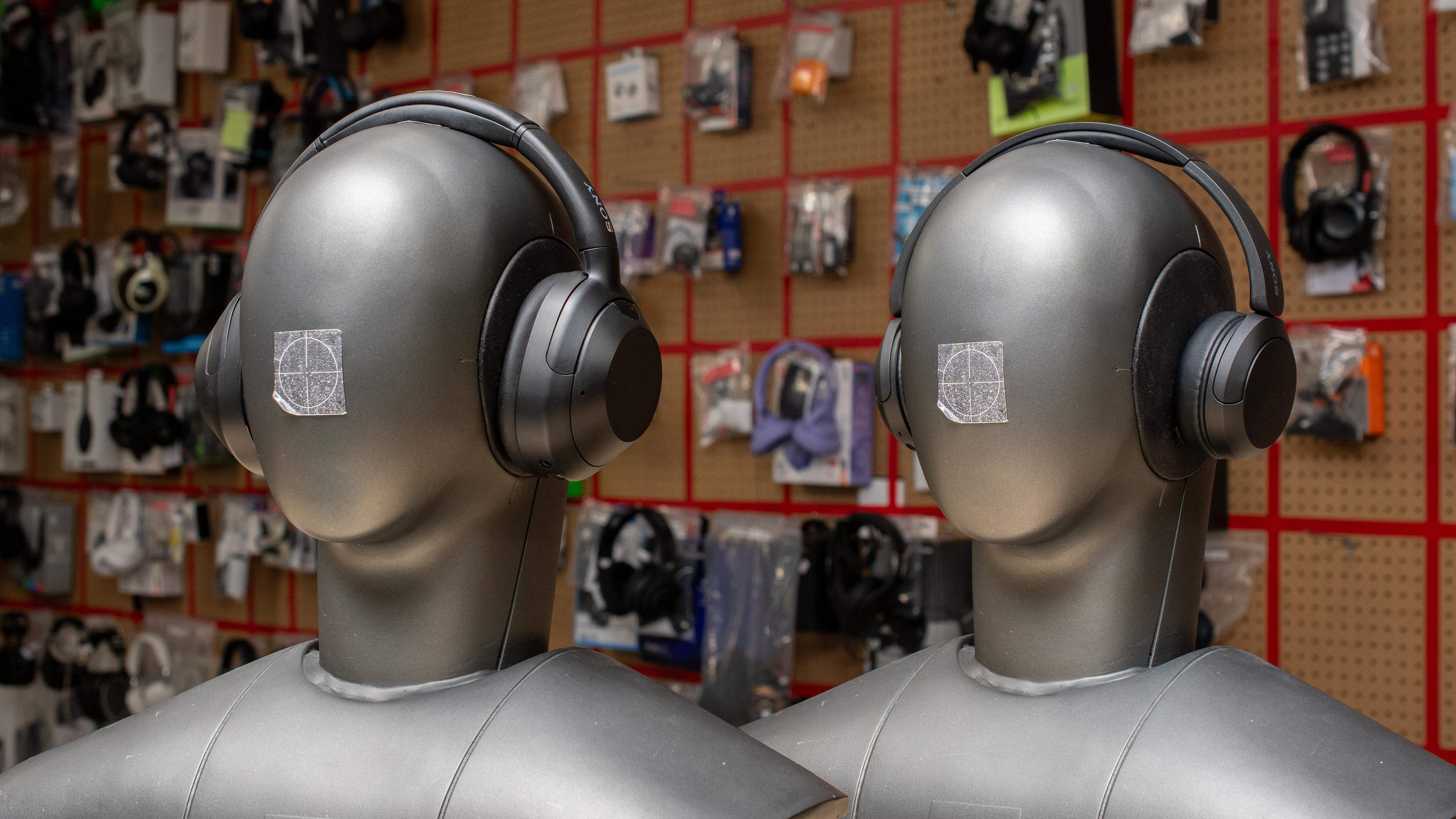
So there you have it! If you're currently deliberating between picking up a pair of over-ears or purchasing some on-ears, these are the key considerations to keep in mind. In summary:
Over-ears are bulkier, often have larger drivers, and their ear cups totally cover your ear. This can make for a more immersive, powerful sound that's great for listening to media and professional audio applications alike. They're usually more comfortable than on-ears, and closed-back variants will provide some passive noise isolation without leaking much audio. Wireless, closed-back variants equipped with ANC often make for the best travel headphones.
On-ears are more portable and lighter on the head, with ear cups that sit on your ear without fully covering it. While some people find them to be more comfortable than over-ears, this is highly dependent on your anatomy. This type of fit means there's more restricted interaction with your outer ear (pinna), limiting the perceived size and depth of your audio, and a smaller frame typically means there's less space to house larger drivers. That said, the on-ear fit traps less sweat around your ears, which can be a bonus if you plan on using your headphones for sports or fitness. They don't block much external noise, though, and can leak more than over-ears.