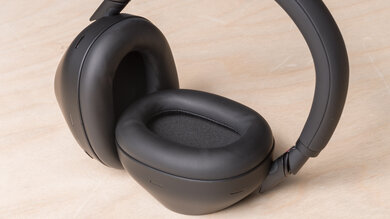
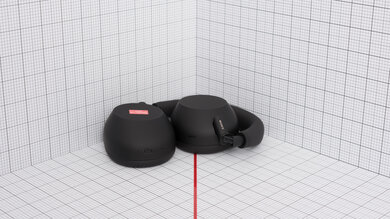
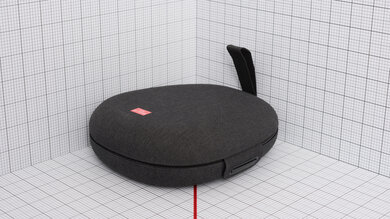
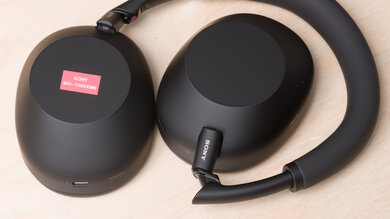
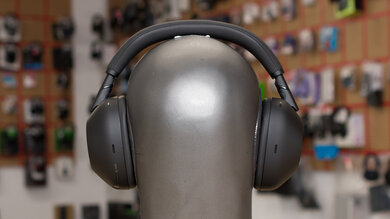
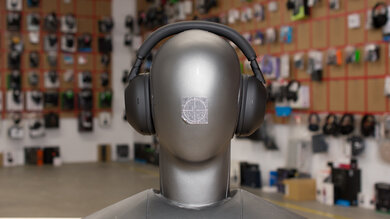
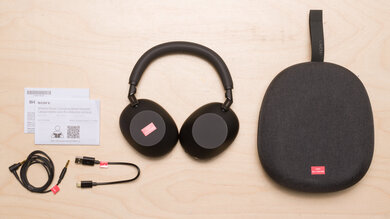
The AKG K361 are lightweight, closed-back, over-ear headphones. Like their sibling, the AKG K371, they're positioned as headphones for professional studio monitoring and at an affordable price. While they do away with premium materials and stylistic embellishments found on higher-end headphones, they still deliver balanced audio with a touch of extra bass for added warmth. They're also usable with most devices without needing an amp, making them a versatile option for both casual listeners and creators on the go.
Our Verdict
The AKG K361 are sub-par for sports and fitness use. Although they're comfortable and somewhat portable (as over-ears go anyway), ultimately, these headphones aren't stable enough to handle much more than upright isometric movements. Their wired-only design isn't very practical either.
Comfortable and lightweight.
Not very stable.
Wired design is cumbersome around equipment.
The AKG K361 aren't bad for travel. As passive over-ear headphones go, they're one of the better pairs of headphones for airplanes. However, they still have poor noise isolation, so you'll still hear all the fatiguing noise and din in a cabin without the relief of active noise cancellation tech. Upsides include their folding, lightweight design with a comfortable fit. Since they don't need an amp to push them, you can plug them into most airplane entertainment systems.
Comfortable and lightweight.
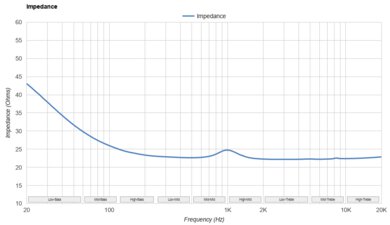
Don't need a headphone amp.
Poor frequency response consistency.
Disappointing noise isolation.
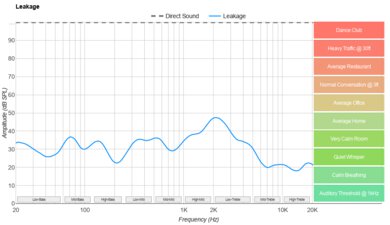
The AKG K361 are poor for office work. Despite feeling lightweight and comfortable, they otherwise lack versatility. They leak audio into the office area, and they don't isolate you very well from the sounds of your workplace. While the passive design negates concerns about battery life, these headphones also lack a microphone, so you'll need a separate mic for online work meetings.
Comfortable and lightweight.
Don't need a headphone amp.
No microphone.
Poor frequency response consistency.
Disappointing noise isolation.
The AKG K361 are wired-only headphones.
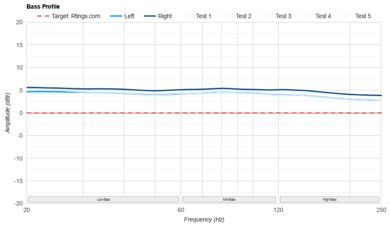
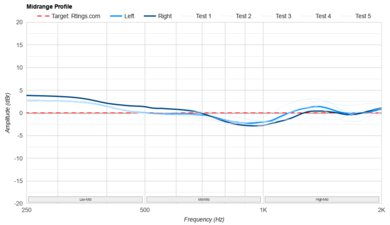
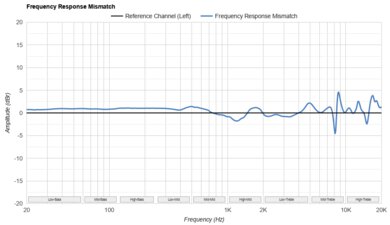
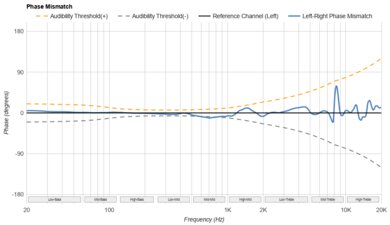
The AKG K361 are acceptable for wired gaming. Your PC and consoles can drive the passive headphones without needing additional amplification. They reproduce lows with an extra dose of emphasis so you'll feel the rumble in the center of the action, though this depends: if you wear glasses, the bass is rather anemic. Mids are very flat, so dialogue sounds natural, and upper frequencies are more or less clear. Since they're decently well-matched between the L/R, you can reliably locate direction in the mix. However, they don't interact with your outer ears much, so relative distance in space isn't very obvious. They also don't include a microphone, which limits their versatility, but if you don't need one, the Audio Reproduction Accuracy section of this review is also worth a look.
Comfortable and lightweight.
Don't need a headphone amp.
No microphone.
Poor frequency response consistency.
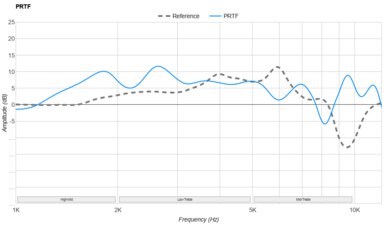
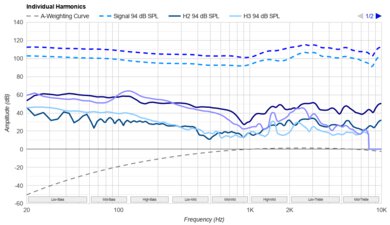
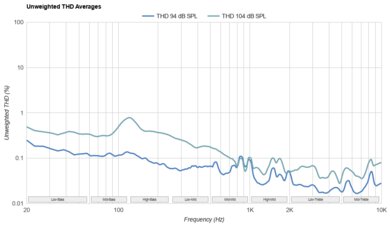
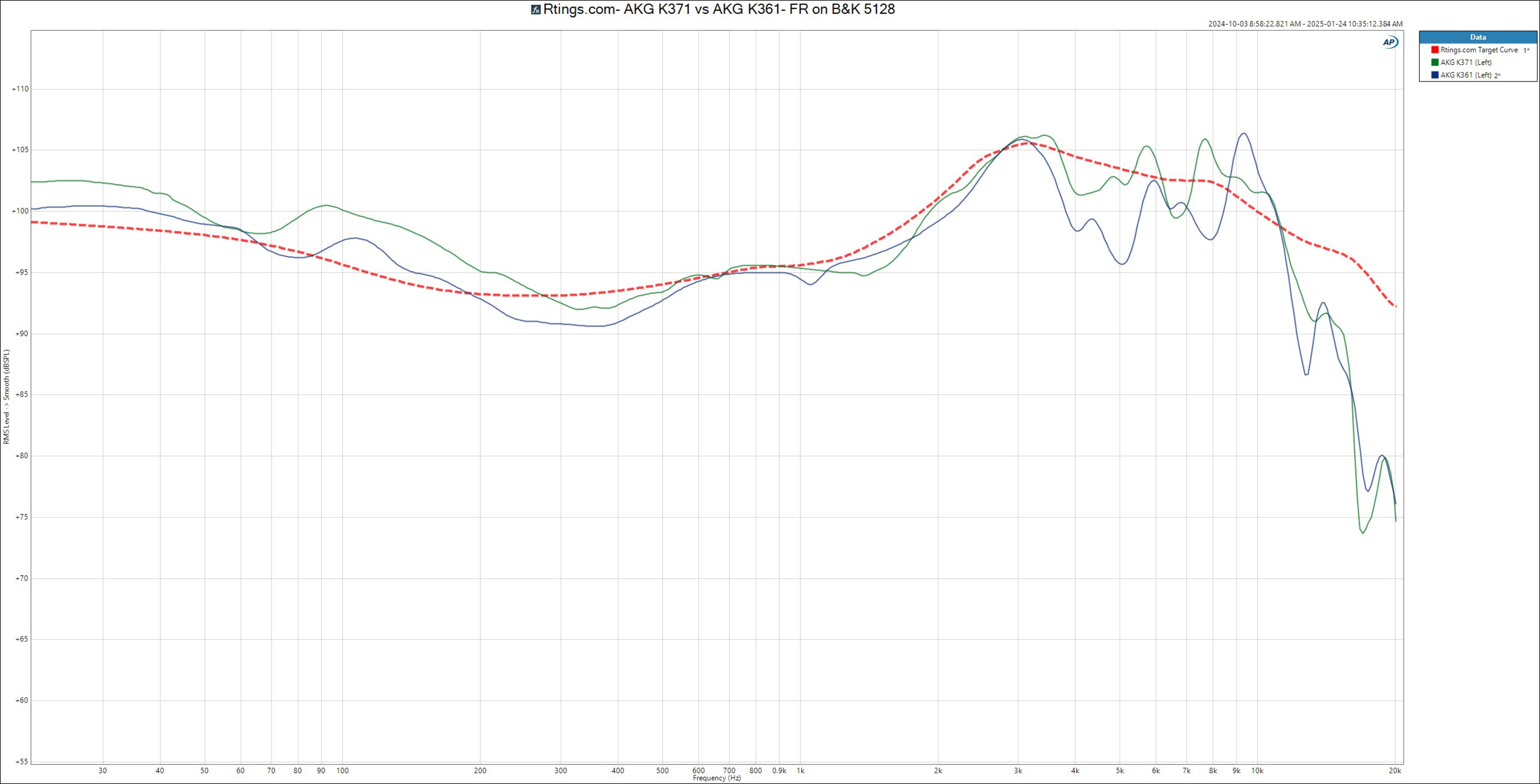
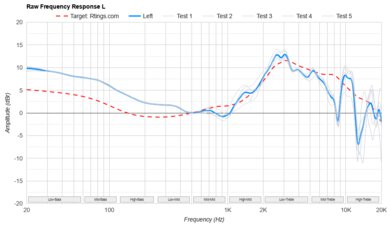
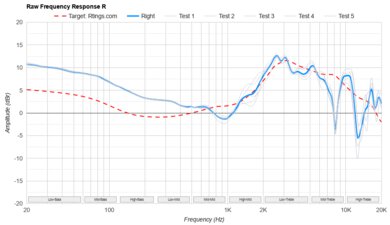
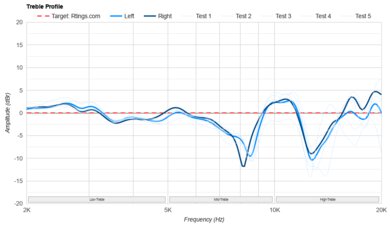
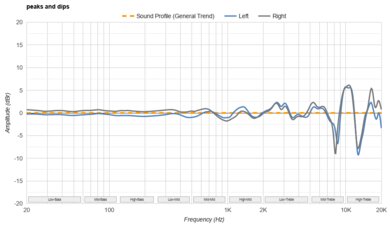
The AKG K361 are satisfactory for audio reproduction accuracy. They comply well with our target curve with a bit of extra low-end weight and a somewhat warm top-end. They produce no audible harmonic distortion, either. However, their sound signature isn't the smoothest, due to narrow peaks and dips in the treble. Unfortunately, the headphones' fit and seal are susceptible to variations between people's characteristics (such as long hair, glasses, and head size), resulting in either relatively weak bass or even punchier bass.
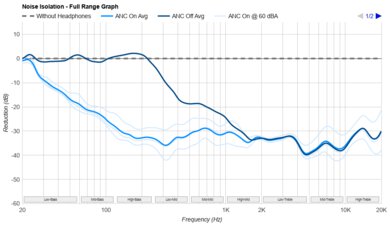
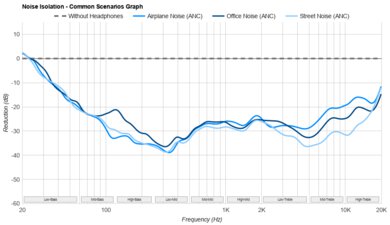
The AKG K361 have sub-par noise isolation, which isn't unexpected for passive isolating headphones. Since they're closed-backed, though, they still tame sharp, high-pitched background noises somewhat. But without the aid of active noise cancellation, they don't meaningfully filter out low rumbles or people talking.
The AKG K361 don't have a microphone.
The AKG K361 have poor frequency response consistency. It's difficult for all people to get an unbroken over-ear seal, which leads to people with long hair and glasses hearing a weak bass response compared to people with average-sized heads. These need extra attention to ensure they're perfectly sealing around your ears.
Performance Usages
Changelog
- Updated Jun 23, 2026: This review has been updated to Test Bench 2.3, which removes the Virtual Soundstage, Base/Dock, and some comparisons from Bluetooth Connection. Have a look at our changelog for more info.
- Updated Apr 20, 2026: This review has been updated to Test Bench 2.2, which removes the Cumulative Spectral Decay (CSD) test, retiring its waterfall plot visualization from our reviews. You can read more about this change in the changelog.
-
Updated Mar 26, 2026:
This review has been updated to Test Bench 2.1, which removes the Group Delay test and rebalances scoring for the Harmonic Distortion test and Audio Reproduction Accuracy performance usage. For more details, consult our full changelog.
- Updated Mar 24, 2026: We've converted this review to Test Bench 2.1, which features minor updates to our sound tests.
Check Price
Differences Between Sizes And Variants
These headphones have one variant, 'Black,' which is primarily plastic with a matte-black finish. They also have a Bluetooth variant, the AKG K361-BT, but we haven't tested whether they perform the same.
If you encounter another variant of these headphones, please let us know in the comments, and we'll update our review.
Popular Headphone Comparisons
The AKG K361 are closed-back headphones positioned as professional studio monitors that are easier on the wallet. They're a member of a continually growing class of value-oriented headphones that don't sacrifice sound quality for savings. While their sibling, the AKG K371, are similar in performance and tier, the K361 maximize on savings by cutting out external metal components and detailing, opting for a full plastic construction. The K361 also directly compete against the Beyerdynamic DT 770 PRO and trade blows in comfort and compliance to our target, but fall short in consistency between wears. In the realm of passive soundstage, however, both the AKG and Beyerdynamic are closed-back headphones and don't offer as immersive or open an experience as open-back headphones like the Philips Fidelio X2HR and Philips SHP9600.
For more recommendations, check out the best studio headphones for mixing and recording, the best audiophile headphones, and the best closed-back headphones.
The AKG K371 are very similar to the AKG K361. Both are closed-back headphones intended for studio monitoring and have balanced sound profiles. The K371 reproduces sound with a touch more excitement, making them a good choice for more casual listening. They also use a detachable Mini XLR connector rather than the 1/16" TRS to 1/8" TRS of the AKG K361. While the K371 incorporates more premium materials, such as a faux leather headband and metal components in its hinges, both siblings are similar in their ergonomics: the two are equally comfortable, have acceptable stability, and decent build quality.
The Sony MDR-7506 are similar in performance to the AKG K361. The Sony are closed-backs intended for use as professional headphones and also use dynamic drivers to reproduce their sound. They have a bright sound compared to the warm sound from the AKG. While the Sony are less stable and comfortable compared to the AKG, they do have a much more consistent frequency response, meaning you'll encounter less variation in sound between sessions even if you have a larger head or wear glasses.
The Beyerdynamic DT 770 PRO are German-made closed-back headphones for monitoring. Unlike the AKG K361, they have a better build quality, with a solid metal frame and velour earpads. The Beyerdynamic are also more stable while retaining similar comfort compared to the AKG. In terms of sound, the Beyerdynamic have a more subdued low and mid-bass, lacking some thump and punch that the AKG provide. They also have a higher clamping force, which isn't necessarily uncomfortable but might be more fatiguing over time.
The Philips Fidelio X2HR are over-ear headphones that, in contrast to the closed-backed AKG K361, have an open-back design. As expected from open-backs, the Philips have a more immersive sound; audio also sounds more like it originates from speakers in the room rather than from in your head. While they sacrifice some thump in the low-bass compared to the AKG, the Philips reproduce sound more consistently from wear to wear and are also more comfortable.
Our How We Test Headphones article takes you behind the scenes in our lab. You'll learn how we choose and purchase products and dive into the details of our review philosophy, from testing and scoring to writing and editing.
You can also discover how we produce recommendations like this one so that you can find the best headphones (or earbuds!) for your needs.
Test Results
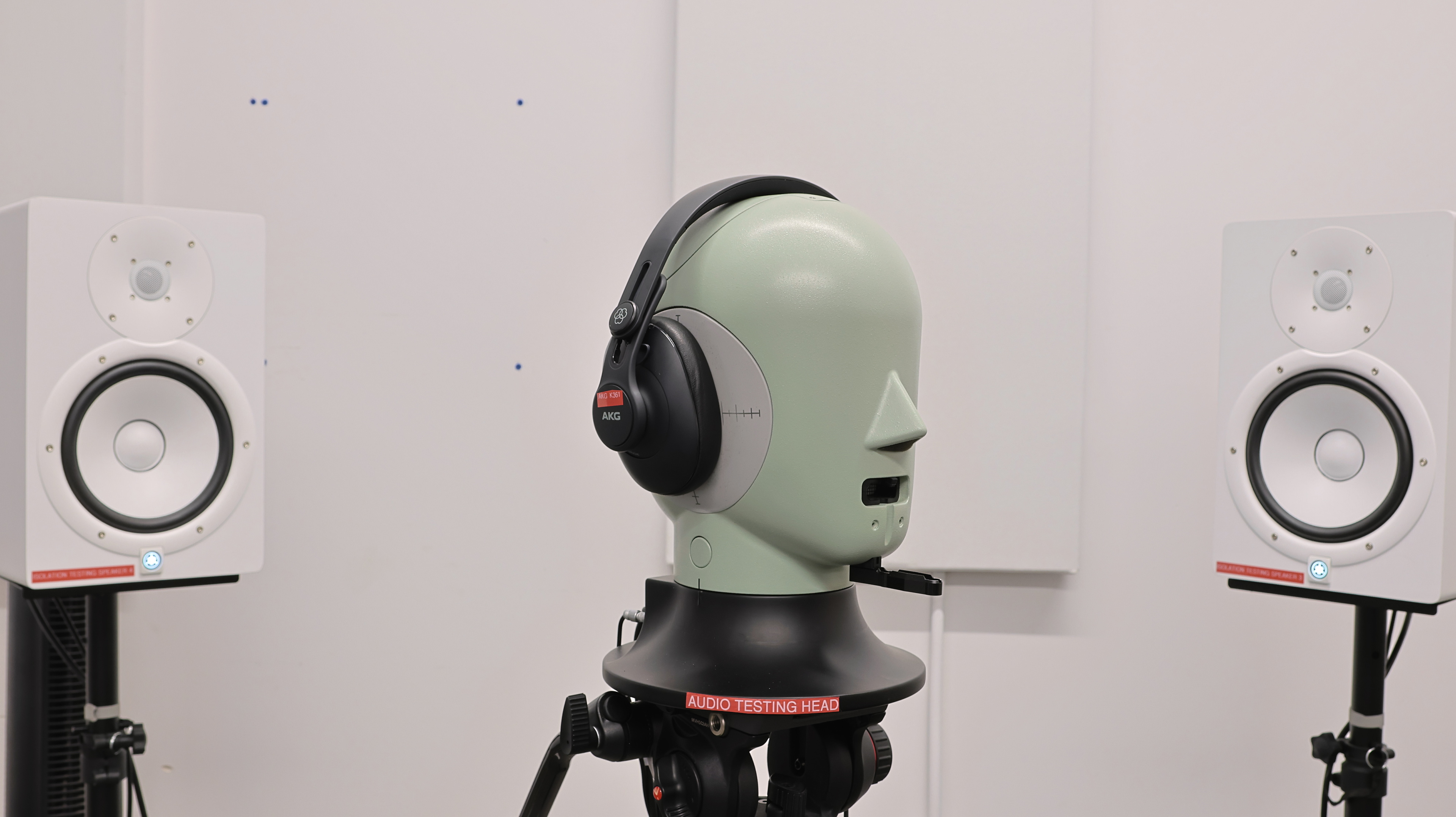
for pictures & test results
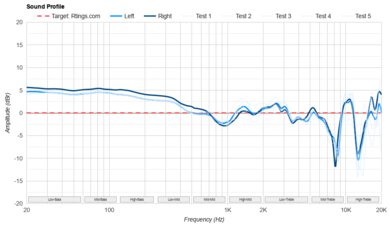
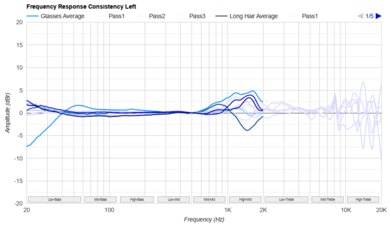
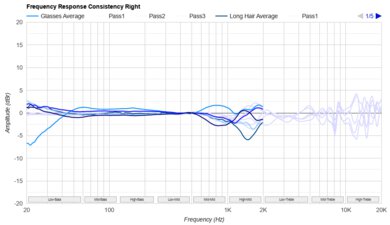
for pictures & test results
for pictures & test results
for pictures & test results