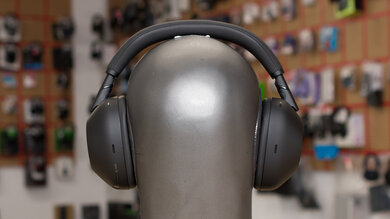
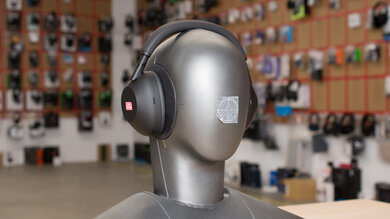
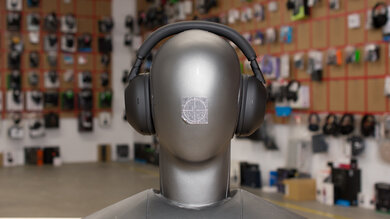
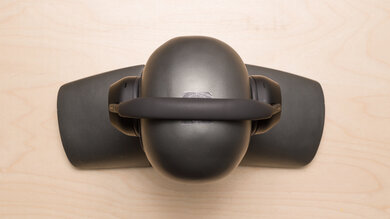
The AKG K371 are very well-balanced over-ear wired headphones. They have accurate sound reproduction that's well-suited for a wide range of music genres and content. They're comfortable, though, and feel fairly well-made. Thanks to the faux leather finish on the headband, they have a premium look. Overall, if you want a pair of headphones for listening to music at home or in the studio, these are a good choice.
Our Verdict
The AKG K371 are poor for sports and fitness. While they feel comfortable, they're not very stable, which makes them an inadequate choice for exercise because they're likely to fall off. They're also wired, so their cable can catch on equipment. Plus, their bulky over-ear design takes up quite a bit of real estate in your gym bag. That said, they're fairly lightweight for this type of headphone. They also don't leak much of your audio into the space.
Comfortable and lightweight headphones.
Well-balanced sound signature.
- Poor noise isolation.
Bulky and wired-only design.
Not stable enough for dynamic movements.
The AKG K371 are unremarkable for travel. They're comfortable and easily fold down a bit smaller, but they also perform poorly when it comes to blocking out environmental noises. As a result, you'll hear most of the ambient din of your surroundings and most of the passenger chit-chat, too. Their passive and wired design doesn't require batteries to work, so you can use them for a long flight, but they're limited in connectivity. They play back bass with oomph, clear mids, and slightly bright treble.
Comfortable and lightweight headphones.
Well-balanced sound signature.
- Poor noise isolation.
Mediocre seal consistency.
The AKG K371 are poor for office work. Their lack of noise cancelling tech means they only block high-pitched noises, while lower-pitched sounds like HVACs reach your ears unimpeded. The wired-only cans don't include an in-line microphone, so if you take calls or meetings, you'll need an outboard mic. With that said, they feel comfortable and lightweight, and they reproduce your audio with a good amount of boom and clear mids and treble.
Comfortable and lightweight headphones.
- Poor noise isolation.
No microphone.
Bulky and wired-only design.
The AKG K371 are wired-only headphones and can't be used for wireless gaming.
The AKG K371 are acceptable for wired gaming. They lack a microphone, so you'll need an outboard mic for multiplayer team games. They otherwise provide a bassy boom on explosions, natural-sounding speech, and bright effects. However, our unit's stereo mismatch somewhat tilts the stereo image, and the closed-back design doesn't mimic the immersive listening experience of an angled reference monitor. They're decently built and comfortable to wear for long sessions.
Comfortable and lightweight headphones.
Well-balanced sound signature.
No microphone.
Mediocre seal consistency.
The AKG K371 are good for audio reproduction accuracy. They comply very well with our target frequency response curve, for a weighty bass, even-sounding lead instruments, a clear treble, and an overall smooth sound profile. These exhibit low harmonic distortion, too. That said, their L/R drivers sound slightly different and exhibit some weighted phase mismatch, and their group delay isn't very defined in the bass range. The headphones don't interact with your outer ears the same way as an angled monitor speaker, either.
The AKG K371 are poor at noise isolation. The passive-only headphones muffle high-pitched trebly noises, and very slightly block upper mid-range noises, but they're ineffective at isolating you from most sounds in your environment. Since their over-ear seal is inconsistent, if you wear glasses or have long hair, which break the seal, they'll perform worse at noise isolation.
The AKG K371 don't have a microphone.
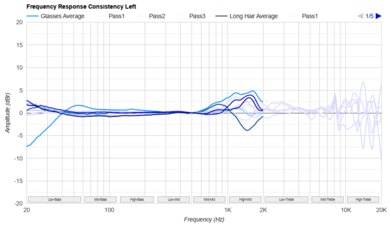
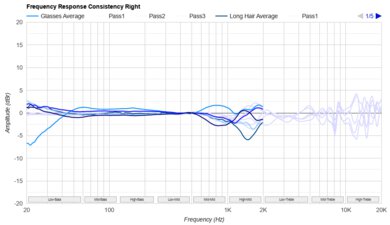
The AKG K371 have mediocre frequency response consistency. These over-ears have an unreliable fit and any ear pad gaps around your ears alter the sound profile you'll hear. People with glasses and long hair experience a different bass response, for example. This effect occurs across various common physical attributes. You'll want to take time to ensure the fit is the same between listening sessions.
Performance Usages
Changelog
-
Updated Jul 15, 2025:
This review has been updated to Test Bench 2.0, which adds the following tests: Stereo Mismatch, Group Delay, Cumulative Spectral Decay, PRTF, Harmonic Distortion, and Electrical Aspects. In addition, we've added updated results for Isolation, including Noise Isolation - Full Range and Noise Isolation - Common Scenarios. We've added new performance usages and updated the text throughout the Sound tests and side-by-sides.
- Updated Jul 10, 2025: We've converted this review to Test Bench 2.0, which updates our sound tests and adds performance usages. You can read more about this in our changelog.
- Updated Jul 04, 2025: We've converted this review to Test Bench 1.8, which updates our target curve and Sound tests. You can read more about this in our changelog.
- Updated Jun 27, 2025: We've converted this review to Test Bench 1.7, which updates our Noise Isolation test. We've also expanded the scope of this test to include Common Scenarios in addition to Voice Handling and Wind Handling.
Check Price
Differences Between Sizes And Variants
The AKG K371 only come in 'Black.' If you encounter a variant or additional colorways, please let us know in the comments, and we'll update the review.
Popular Headphones Comparisons
The AKG K371 are decent studio headphones with a very well-balanced and neutral sound reproduction. They look fairly premium thanks to their faux leather finish and feel fairly well-built despite being mainly plastic. Compared to their sibling, the AKG K361, they also use more premium materials like metal in parts of their hinges and detailing. As expected from closed-back headphones, the AKG K371 don't have an expansive-sounding soundstage, especially compared to open-back headphones like the Beyerdynamic DT 990 PRO.
If you'd like more recommendations, check out our picks for the best studio headphones, the best audiophile headphones, and the best closed-back headphones.
The AKG K371 are very similar to the AKG K361. Both are closed-back headphones intended for studio monitoring and have balanced sound profiles. The K371 reproduces sound with a touch more excitement, making them a good choice for more casual listening. They also use a detachable Mini XLR connector rather than the 1/16" TRS to 1/8" TRS of the AKG K361. While the K371 incorporates more premium materials, such as a faux leather headband and metal components in its hinges, both siblings are similar in their ergonomics: the two are equally comfortable, have acceptable stability, and decent build quality.
Between the AKG K371 and FIIO FT1, the choice mostly depends on whether you prefer a brighter or slightly more balanced treble. Apart from that, the AKG are a bit more portable due to the lighter weight and foldable design. They're also fairly low-profile for closed-back over-ears. You get a generous three cables with the AKG, but only the FIIO include a balanced cable. Meanwhile, the FIIO are chunkier, heavier, and not portable, though the zip case is nice. The FIIO have considerably tighter group delay and stereo matching for a better-balanced stereo image. Because both have similar cons, like disappointing frequency response consistency and noise isolation, your choice will still probably come down to the kind of tuning and visual styling you prefer.
The AKG K371 are slightly better over-ear studio headphones than the Sony MDR-7506. The AKG leak less audio, isolate a bit better, and have detachable cables. On the other hand, the Sony's frequency response tilts towards a bright sound with de-emphasized bass, which you may prefer. The Sony also have notably tight L/R stereo matching, and they deliver audio consistently between different wearers compared to the AKG's more variable audio delivery on different people.
Choosing between the Beyerdynamic DT 770 PRO and the AKG K371 depends on the sound profile you prefer. The Beyerdynamic are tuned with de-emphasized bass and an exaggerated treble, while the AKG offer more low-end and a more even treble. The Beyerdynamic have a more stable fit and feel more durable, with a tighter L/R stereo mismatch. The AKG's sound profile is smoother, but their fit is a bit more prone to inconsistencies between wearers, and their group delay isn't as defined in the bass. To their credit, the AKG leak considerably less audio.
The AKG K371 are better over-ear studio headphones than the Audio-Technica ATH-M50x, but each have their pros and cons. The AKG have fewer peaks and dips with a slightly more smoother bass sound profile and better group delay and stereo mismatching. On the other hand, the Audio-Technica have a more stable fit, and their PRTF results in a more immersive sound. They're also built better than the AKG.
Depending on your usage, you may prefer either the AKG K371 or the HiFiMan HE400se. The AKG are closed-back headphones, which are well-suited for listening sessions where you want to block out background noise and reduce audio bleed. They also have a more bassy low-end, which some users may prefer. However, the HiFiMan are open-backs, which are designed to let sound escape the ear cups in order to create a more immersive soundstage. They're more comfortable, better built, and are able to reproduce audio more consistently on different people.
The AKG K371 and Sennheiser HD 280 Pro 2016 are both closed-back headphones designed for professional applications. They have a similar build quality, with lots of plastic used in the construction, and they both struggle to deliver audio consistently between different listening sessions. However, the AKG are more comfortable to wear for long periods with three detachable cables, compared to the Sennheiser's single, hard-wired cable. Otherwise, there's not much to split the two, as they provide similar levels of noise isolation, too.
The Sennheiser HD 598 Cs and the AKG K371 are very similarly performing over-ear studio headphones. While the Sennheiser have a more stable fit with in-line controls, the AKG have more accurate sound reproduction and leak much less audio.
The AKG N700NC M2 are more versatile headphones than the AKG K371. While both headphones are comfortable, the N700NC M2 are better built, have active noise cancelling to help block out ambient noise around you, and have a mic so that you can take calls on the go. They also have a companion app with a parametric EQ so that you can adjust their sound to your liking, and they support multi-device pairing. However, some users may prefer the K371's wired design.
The AKG K371 and the Astro A40 TR Headset + MixAmp Pro 2017 are two different headphones that are designed for different uses. If you want a gaming headset with a boom microphone, get the Astro. On the other hand, if you're looking for a clear and well-balanced sound profile, go with the AKG.

We've upgraded our Headphones Test Bench to 2.0! This update brings several key changes to our tests and usages, making it easier than ever to interpret our sound results based on your personal preferences. You'll also find a brand-new interactive graph tool featuring multiple targets (including our own!) for you to explore and compare.
For a full breakdown, check out our changelog, which includes detailed commentary from our test designer explaining the rationale behind our update.
We'd also love to hear your thoughts: your feedback helps us keep improving, so join us in the comments!
Test Results

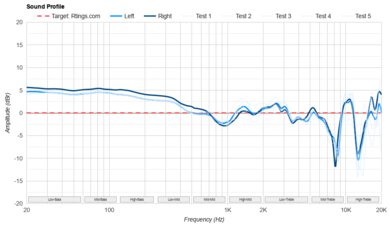
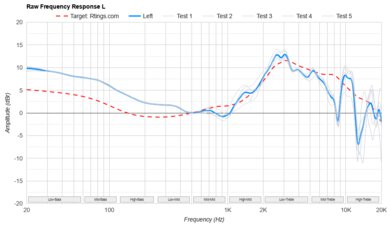
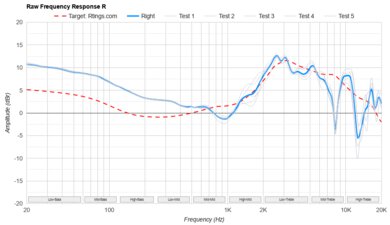
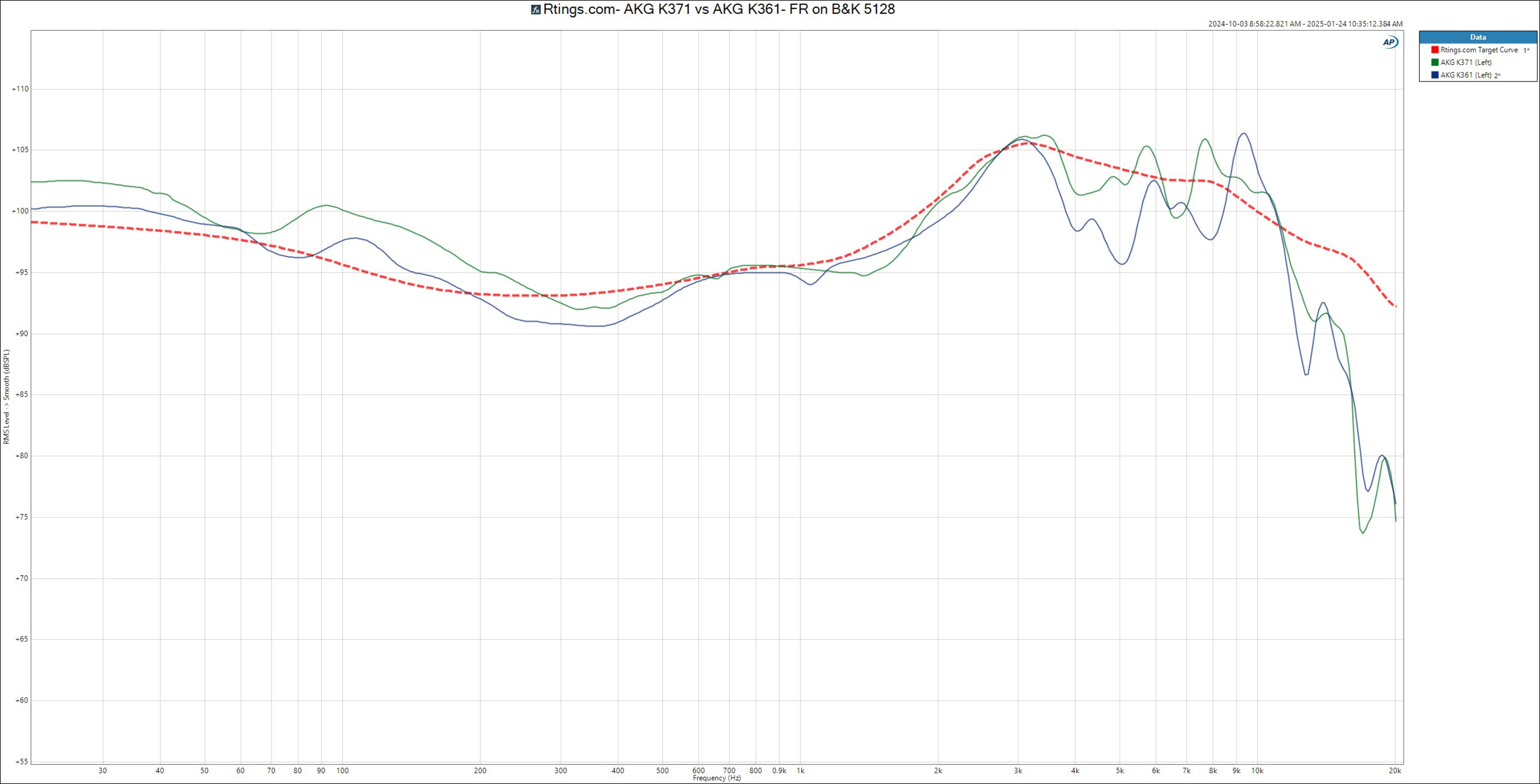
The AKG K371's sound profile is somewhat warm and bassy, with a clear treble. Low-end is boomy and rumbly, and the mids are very balanced, which somewhat mimics the Harman IEM target. The top-end is a bit more emphasized than the Harman IEM and our target.
The frequency response consistency is mediocre. Unfortunately, the ear cups don't provide a very tight seal, which results in different people experiencing their sound profile differently. They're prone to gaps between the ear cups and the head, and people with glasses or long hair will likely experience notable variations in the bass range.
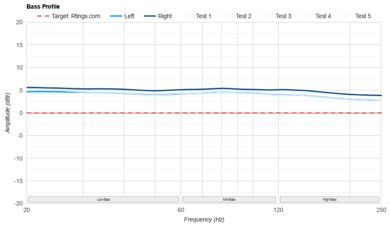
The bass profile target compliance is excellent. It's boosted more than our target, providing ample thump and boom on bass and kicks on songs like You Make Me Feel by Sylvester. There's a L/R stereo mismatch that skews the bass more to one side or the other, depending on the pitch. Careful listeners are more likely to notice this. In addition, bass delivery varies because these cans are sensitive to the over-ear fit, seal, and whether you wear glasses.
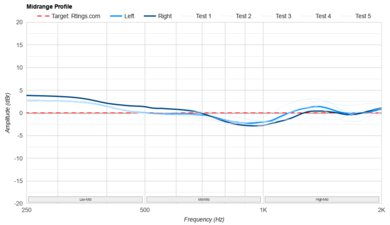
The AKG K371 comply remarkably well with our target in the mid-range. They follow the target curve almost perfectly with almost no deviations, providing present and accurate leads and vocals.
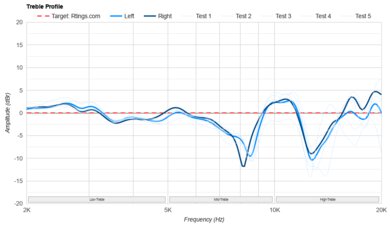
The treble profile compliance of the AKG K371 is superb. Overall, it produces clear transients such as vocal and cymbal harmonics and approximates our target. It's a bit uneven, with peaks and dips between the low-treble's slight over-emphasis that adds extra presence and narrow valleys that can dull articulation a little. Meanwhile, most of the mid-treble is excited and can sound a little piercing on tracks with prominent cymbals in the mix.
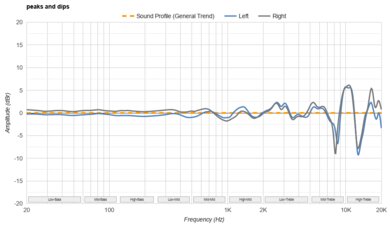
The peaks and dips performance of the AKG K371 is very good. The sound profile is smooth without many narrow valleys or frequencies poking out. The L/R stereo mismatch accounts for the majority of the peaks and dips in the bass through the mid-range. In the upper frequencies, narrow peaks and valleys can cause voices to sound a bit uneven with narrow bands of harshness followed by dips that dull details, and then piercing or sharp emphasis in the mid-treble.
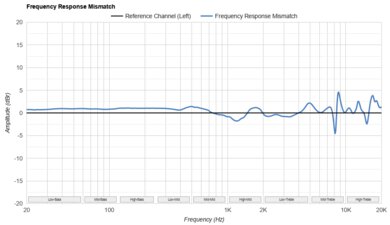
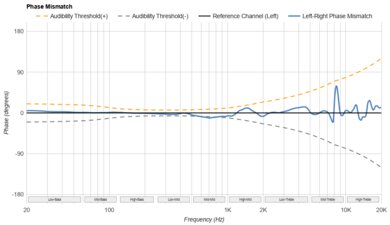
These have satisfactory stereo mismatch results. While the weighted amplitude tightly matches, there's a frequency response mismatch in the L/R drivers. Along with the weighted phase response mismatch, careful listeners may notice a somewhat shifted stereo image with notches in the bass and mid-range frequencies, which can tilt the audio to the right side. Your results may vary, as our measurements are valid only for our unit.
The headphones' group delay is sub-par. Bass frequencies arrive on a delay with uneven timing that causes kicks and bass instruments to sound undefined. However, the mids and treble play back sounding transparent.
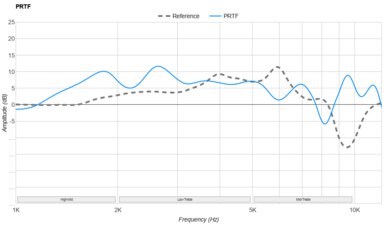
Like most closed-back headphones, the AKG K371 have a sub-par soundstage. Although there’s a lot of pinna interaction, it isn’t really accurate. While this results in a relatively large soundstage, it feels unnatural and inside the listener’s head.
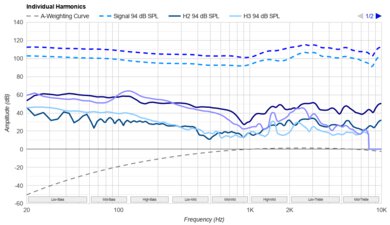
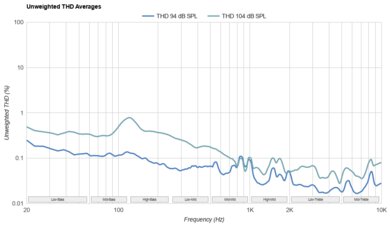
These headphones have fantastic harmonic distortion performance. At 94 and 104 dB/SPL, all frequencies tested are clean and free of notable distortions in the signal.
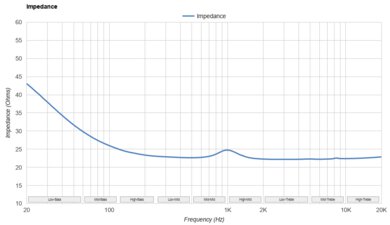
These headphones don't need an amp to drive them to usable volumes.
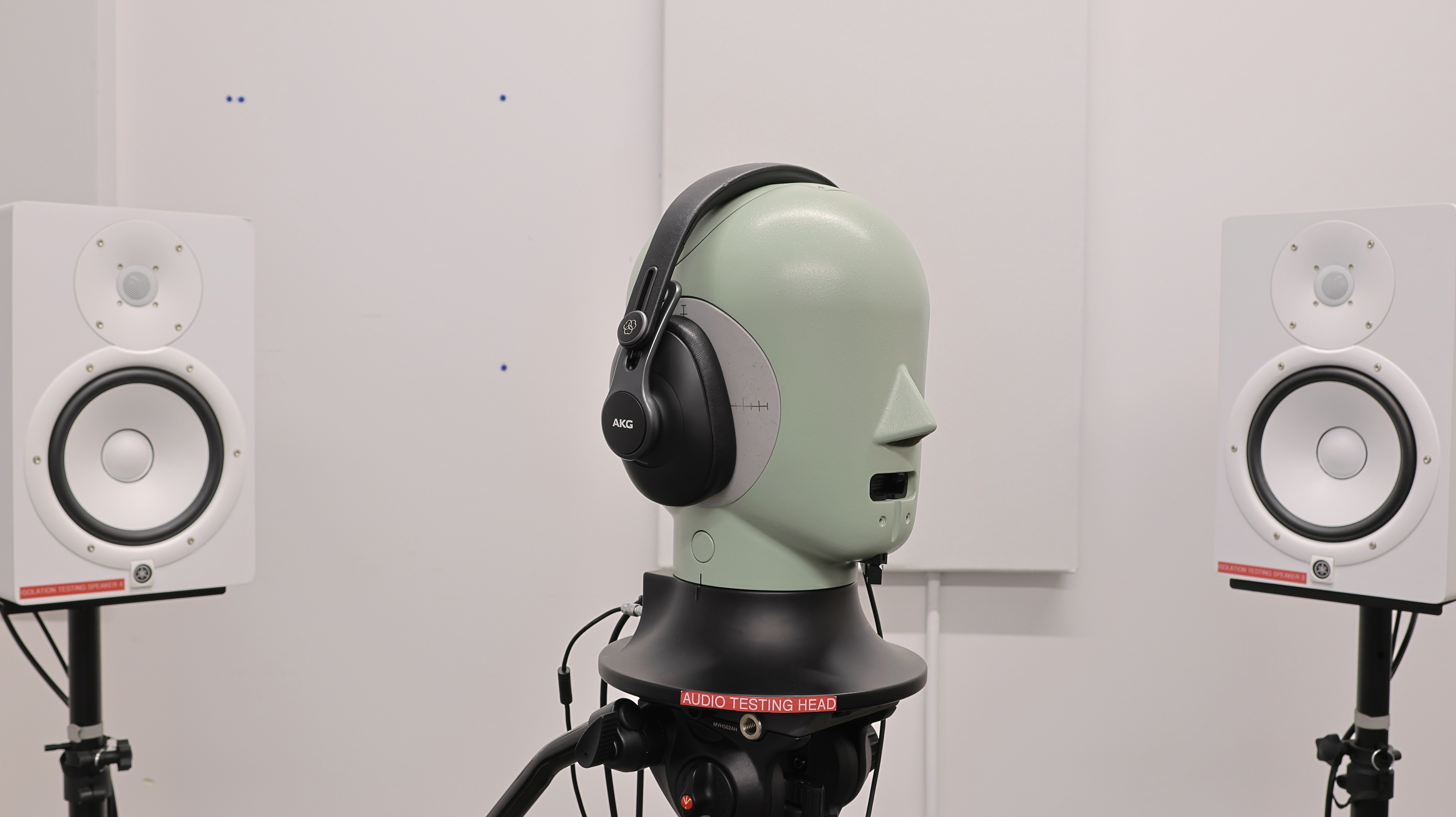
These are the settings used to test these headphones. Our results are only valid when used in this configuration.
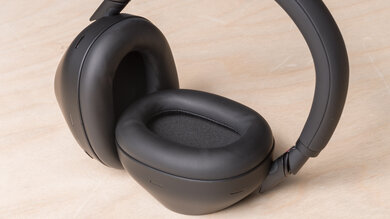
The AKG K371 are wired over-ear headphones with a fairly retro look with some modern elements. They have a similar look to the Sennheiser Momentum 3, except with more plastic and less metal. The headphones are all matte-black, with a faux-lather finish on the headband and synthetic leather padding on the ear cups.
The AKG K371 are comfortable over-ear headphones. They have plush ear cups with thick, soft padding and they don't squeeze too tightly on your head, so you're able to wear them for long listening sessions without feeling too fatigued. That said, if you have large ears, they can touch the drivers inside the ear cups, and become uncomfortable over time. If you're looking for more comfortable audiophile headphones at the budget level, it's worth considering the HiFiMan HE400se. Even though they have an open-back design, compared to the AKG's closed-back design, they don't clamp as tightly on your head.
These headphones have no controls on them so you'll have to use your device to control your media.
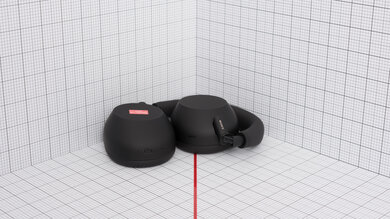
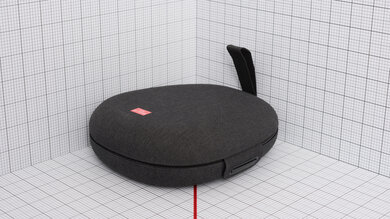
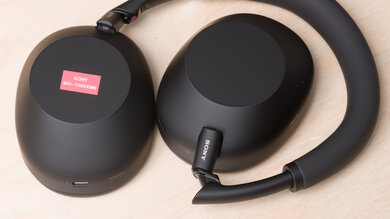
While these headphones do fold up, unfortunately they're still quite bulky and may not be the most portable option. On the upside, they come with a decent pouch to protect them from scratches when in a backpack or purse.
The build quality of the AKG K371 is decent. While they're mainly made of plastic, there are some touches of metal and synthetic leather that make them feel a bit more premium. The wire going from the ear cups to the headband is purposely exposed, and stretches to its limit when the headband is extended, which is concerning. If you're looking for better-built AKG headphones, consider the AKG N700NC M2 Wireless.
The stability is passable. These headphones have a decent clamping force, so they'll stay on your head if you sway with your music or nod to the beat, but they won't handle high-intensity movements well. They'll likely fall off your head if you're running to catch a bus or taking them on a stationary bike. The AKG K371 are also wired headphones; their cable can snag on corners and doorknobs, pulling the headphones from your head.
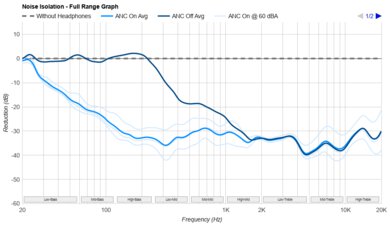
These headphones don't have active noise cancelling (ANC) and do a poor job at blocking out background noise passively, especially in the bass range. As a result, these headphones won't do anything to block out the low engine rumble of buses and planes, though they're passable at blocking out high-pitched sounds like clinking dishes.
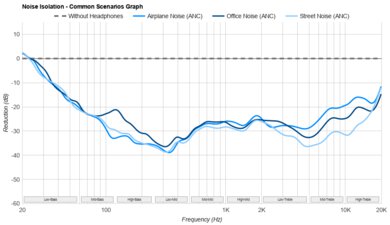
In common scenarios, these have poor noise isolation. They'll muffle bright environmental sounds like squeaky door hinges, and slightly muffle chit-chat, but won't completely block them out.
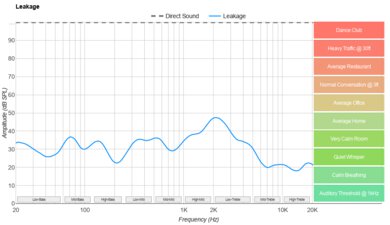
The AKG A371 leak very little audio, and most of the audio leaked will be thin-sounding. While you should be able to turn your music up fairly loud in most environments without bothering people around you, you still shouldn't blast your music in very quiet situations, like a library.
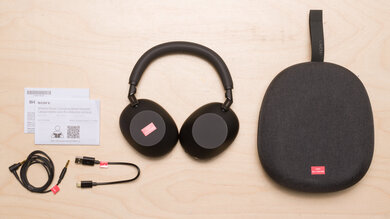
These headphones have three detachable audio cables: a 4-foot straight cable, a 10-foot straight cable, and a coiled cable. The input on the headphones is a Mini XLR, but the included cables all adapt to a standard 1/8" plug on the other end.
You can connect these to your PC's headphone output jack for full audio support.
The AKG K371 can plug into your PlayStation controller's headphone out. There's no mic, though.
The AKG K371 can be plugged into the controller of an Xbox One to be used for audio, but they don't have a microphone.