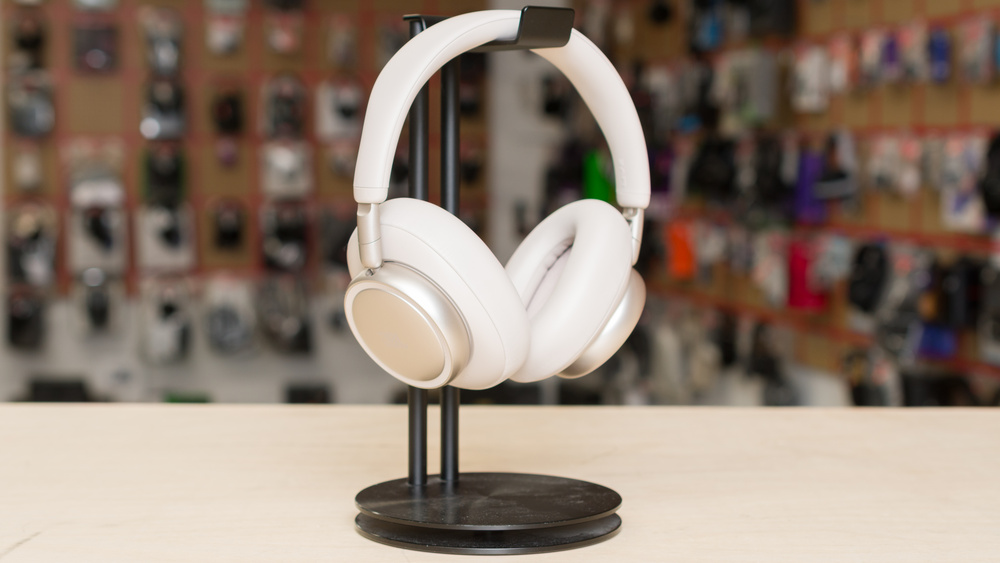
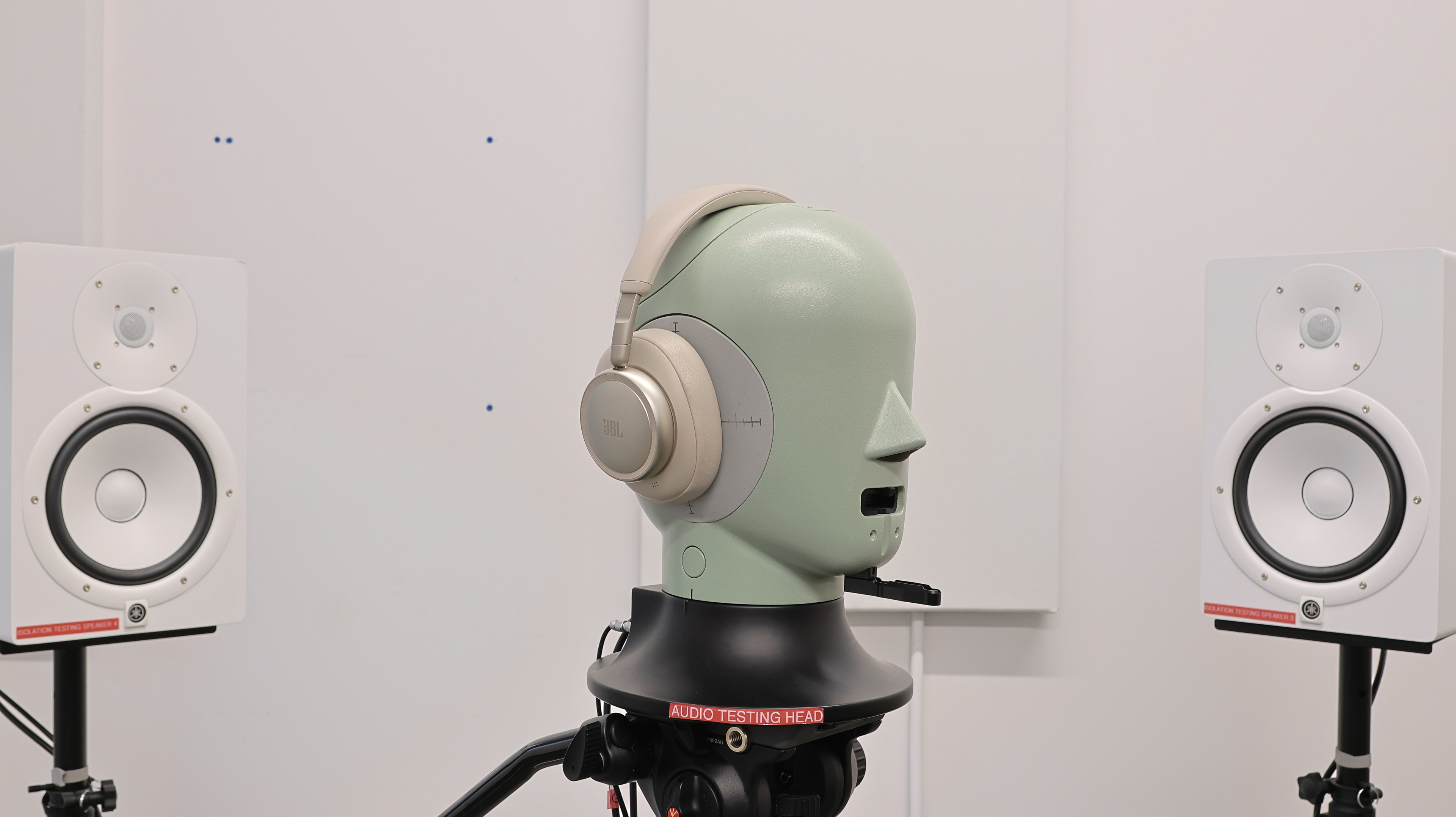
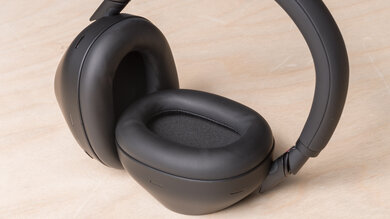
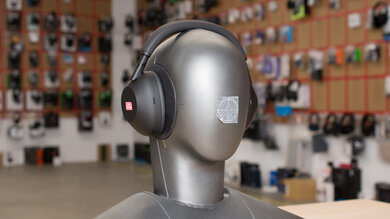
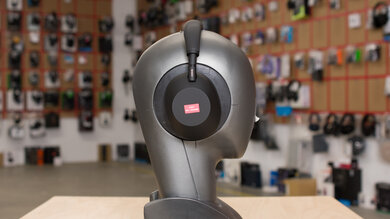
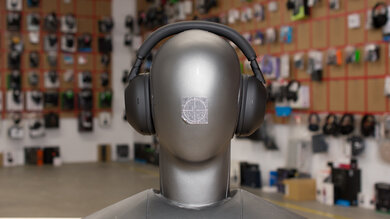
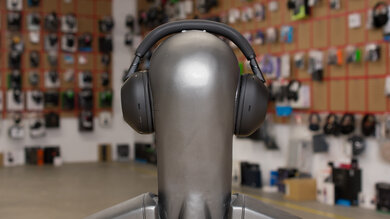
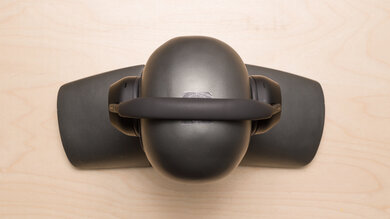
The JBL Live 780NC are mid-range over-ears that represent a radical departure from the previous JBL Live 770NC in design. The change in headband shape and materials serves to provide more distinction between the Live and less-premium Tune lines of their headphones. Still, this different approach has an effect on ergonomics and comfort and could, along with under-the-hood performance changes, carve out a more established foothold for JBL when compared to mainstay headphone brands like Sony and Bose.
Our Verdict
The JBL Live 780NC are decent for light fitness activities. While they're stable when you're relatively static, the headphones can slip off your head if you make more vigorous movements. Still, they'll serve you well enough if you're doing some weight training at the gym. Their battery lasts over 60 hours, so you won't need to charge between sessions, and the cans fold down to a compact size for easy storage. However, we found their clamping force quite high, which could be uncomfortable if you have a larger head.
Over 60 hour battery life with ANC.
Unstable with intense and sudden movements.
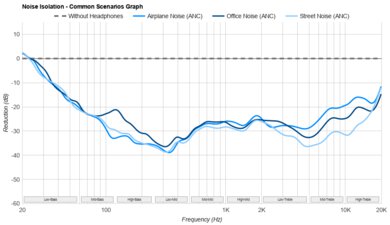
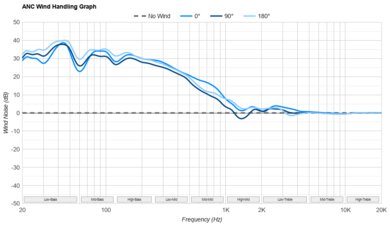
The JBL Live 780NC are great for travel. These over-ears come equipped with ANC that rivals that of more expensive products, isolating you from airplane cabin din or active traffic on busy streets. Plus, they last for over 60 hours of continuous playback with the feature enabled, so you're covered for even the longest intercontinental flights. That said, the cans aren't the most comfortable; we found the headband lacked padding, making the headphones fatiguing to wear beyond a couple of hours. Comfort is subjective, though, so your experience may differ.
Over 60 hour battery life with ANC.
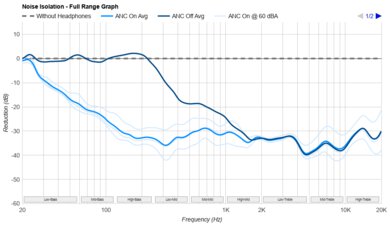
Remarkable ANC performance.
Can be uncomfortable depending on the wearer's head shape and accessories.
The JBL Live 780NC are very good for office work, especially if you work in a noisier environment. The headphones last for around 60 hours with their ANC active, so they'll last you a few days while keeping you isolated from chatty coworkers and rumbly office ventilation. You can easily swap to transparency modes with the press of a button if you need to have a conversation without taking your headphones off. They also have mic capabilities; you'll sound intelligible on Teams calls, even with a bit of background noise. That said, we found the headphones could be uncomfortable when worn for longer periods of time and for individuals with larger heads.
Over 60 hour battery life with ANC.
Remarkable ANC performance.
Can be uncomfortable depending on the wearer's head shape and accessories.
While the JBL Live 780NC don't have a low-latency wireless dongle, they support Bluetooth LE's LC3 codec. If you have an LC3-compatible device to connect to, you can expect ~80 ms of audio latency. The resulting A/V desync is noticeable enough for competitive action titles like Counter-Strike 2, but most people won't have an issue with it on single-player RPGs.
The JBL Live 780NC are okay for wired gaming. With their active analog connection, they have low enough audio latency that you won't notice any significant A/V desync, even in fast-paced shooters. However, they're not the most comfortable for long gaming sessions, and their default sound profile's boosted bass may mask important audio cues in titles like Escape from Tarkov. The mic also won't work while wired, which could be a problem if you like to chat with friends on Discord and don't have a standalone microphone.
Low latency when wired.
Mic doesn't work while wired.
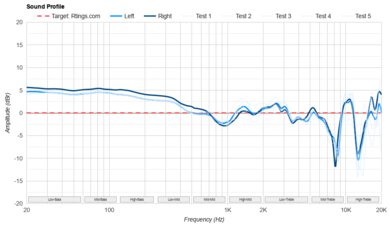
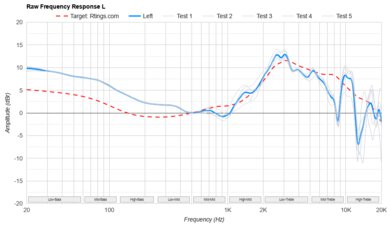
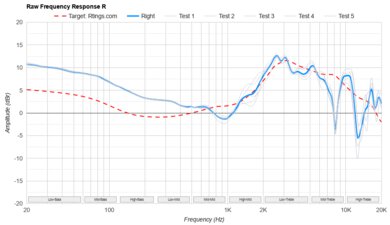
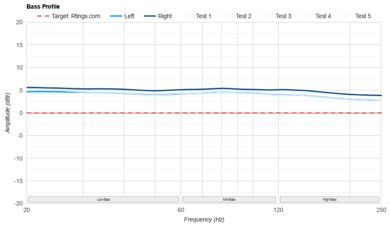
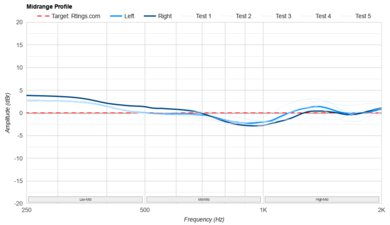
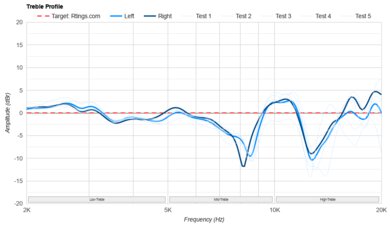
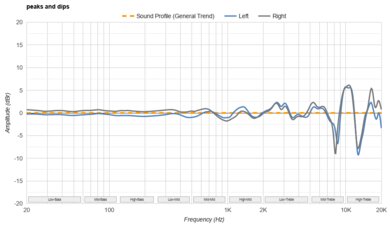
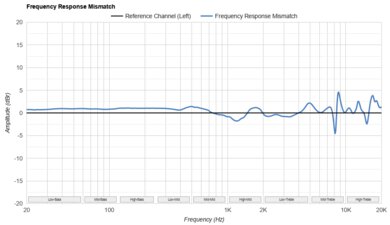
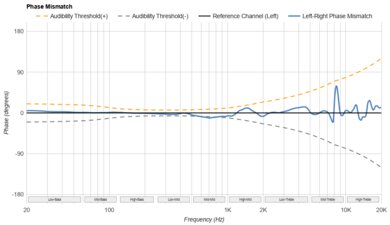
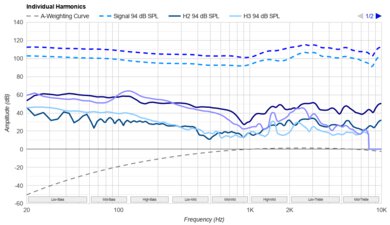
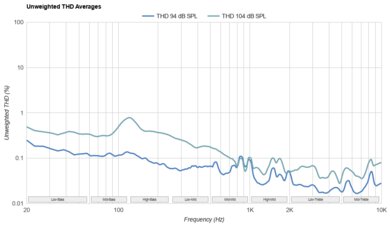
The JBL Live 780NC have good audio reproduction accuracy. The headphones' frequency response matches their boosted bass sound profile, though there's a steep roll-off in the high treble, which can mute the airiness of vocals. Plus, the can's relative overemphasis of the bass can mask details in your mix. On the plus side, you can always tune the headphones' sound with the app's 10-band graphic EQ. Overall, the headphones had good stereo matching, but we noticed that bass and vocals could sound skewed left or right, depending on their frequency. Keep in mind that stereo matching can vary from unit to unit, though.
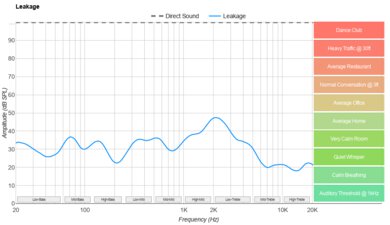
The JBL Live 780NC have remarkable noise isolation that effectively attenuates noise from crying children on a redeye flight to diesel engines accelerating in busy industrial neighborhoods. While the headphones leak a non-negligible amount of your audio, listeners have to be quite close to pick up the details outside of a quiet environment.
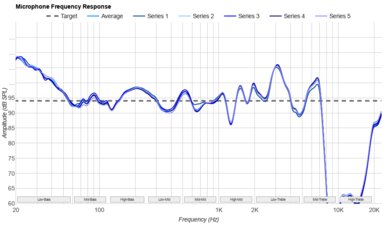
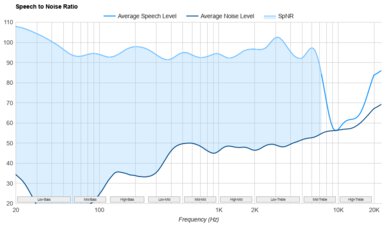
The JBL Live 780NC's mic system performance is passable. It captures your voice intelligibly, though the overemphasized high bass may cause you to sound somewhat unnatural and boomy. If you're speaking while in a moderate environment, the mic captures your voice, but speech clarity will suffer; however, your voice will ultimately be completely incomprehensible if you have loud, sustained background noise.
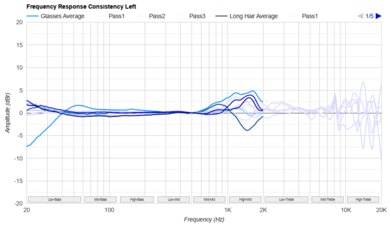
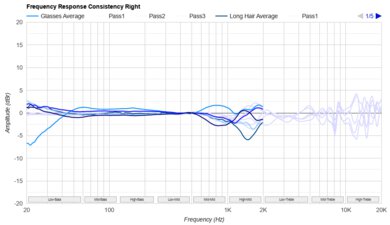
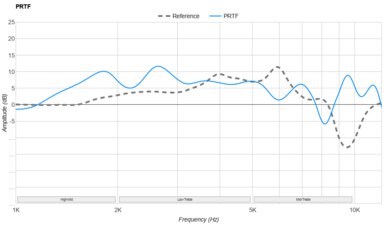
The JBL Live 780NC have mediocre frequency response consistency. The headphones' audio delivery changes based on the wearer's head shape and whether they wear any accessories like glasses. As a result, our frequency measurements aren't as reliable an indicator of your listening experience.
Performance Usages
Changelog
-
Updated Sep 10, 2026:
We added a reference to the Skullcandy Crusher 1080 ANC in the Bass Profile: Target Compliance box.
-
Updated Sep 01, 2026:
We mentioned the Bose QuietComfort Headphones (2nd Gen) in the Case section of this review.
- Updated Jun 23, 2026: This review has been updated to Test Bench 2.3, which removes the Virtual Soundstage, Base/Dock, and some comparisons from Bluetooth Connection. Have a look at our changelog for more info.
-
Updated May 29, 2026:
We added a reference to the Nothing Headphone (a) in the Battery box.
Check Price
Differences Between Sizes And Variants
The JBL Live 780NC come in 'Black,' 'Green,' 'Blue,' 'White,' and 'Sand' colorways. We tested the 'Sand' version. We didn't take a photo of the label as there doesn't appear to be one on the headphones, but you can find your serial number on the box or in the app.
If you find another variant, please let us know in the comments, and we'll update the review.
Popular Headphone Comparisons
The JBL Live 780NC are over-ears that target a price segment below other industry-leading flagships like the Bose QuietComfort Ultra Headphones (2nd Gen) and the Sony WH-1000XM6. They make a truly generational leap in noise isolation performance from the previous JBL Live 770NC, putting the Live 780NC right up alongside the aforementioned industry leaders. Still, while these headphones match the Bose's ANC and slightly undershoot the Sony's, the headphones' microphone and ergonomics hold them back; the JBL aren't as comfortable, and the mic doesn't capture your voice as naturally or separate it from noise as proficiently. That said, it's worth keeping in mind that the JBL are performing at this level while targeting a more accessible price segment, and when pitted against similar products, like the Nothing Headphone (1), they showcase clear advantages in noise isolation performance, battery life, and connectivity.
If you're looking to better understand the headphone landscape, check out our roundups for the best headphones, the best noise cancelling headphones, and the best travel headphones.
The JBL Live 780NC are an upgrade over the JBL Live 770NC in most respects. The newer Live 780NC have significantly better ANC performance and have pure aluminum hinges. However, they sacrifice comfort in a few respects: the headband is less plush and fatiguing over time, the earpads are shallower and provide less cushioning against the Live 780NC's higher clamping force. That said, if you have a smaller head or otherwise don't have issues with the Live 780NC's comfort, they're the clear winner.
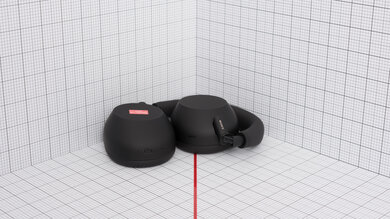
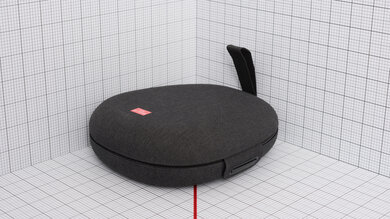
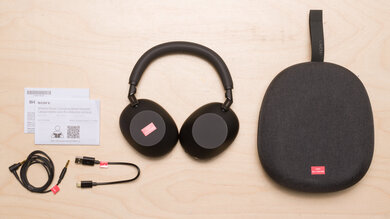
The JBL Live 780NC are a solid, cheaper alternative to the Sony WH-1000XM6. The JBL's ANC gets relatively close to the Sony's, though it's lacking in mid-range attenuation against noise like background chatter. The JBL aren't as comfortable, though neither product excels at either. Still, the JBL have a longer 60.5-hour battery life, compared to the Sony's 31.75. If you're okay with other tradeoffs like a soft case rather than a hard shell one, the JBL provide similar software features like spatial audio and the same support for LDAC and LC3 codecs.
The Bose QuietComfort Ultra Headphones (2nd Gen) are more premium over-ears than the JBL Live 780NC. That said, the JBL still compete in performance, with similarly effective ANC, a significantly longer 60.5-hour battery life (compared to the Bose's 37), and more comprehensive controls. That said, as the name implies, the Bose are significantly more comfortable across a diverse range of people, and come with nice-to-haves like a hard case and support for both wired USB-C and analog audio playback.
The JBL Live 780NC are generally better value headphones than the Bose QuietComfort Headphones (2nd Gen), though the Bose are much more comfortable and have a better mic. The JBL's 60-hour battery lasts more than double the Bose's, and they support LDAC and LC3 alongside a much more flexible 10-band EQ. They're also usually cheaper than the Bose. But the Bose are more comfortable over long sessions, have a considerably more natural microphone recording quality, and come with a protective hard case rather than the JBL's fabric pouch. The JBL pack in more features for the money, but if comfort is your top priority, the Bose are hard to beat.
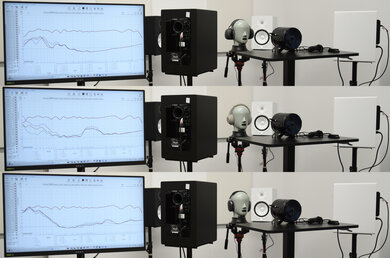
Our How We Test Headphones article takes you behind the scenes in our lab. You'll learn how we choose and purchase products and dive into the details of our review philosophy, from testing and scoring to writing and editing.
You can also discover how we produce recommendations like this one so that you can find the best headphones (or earbuds!) for your needs.
Test Results
for pictures & test results
for pictures & test results
for pictures & test results
for pictures & test results

for pictures & test results

for pictures & test results