During your mattress search, you'll probably encounter memory foam and hybrid mattresses. These popular mattress types each have strengths and weaknesses. Hybrid mattresses include coil support layers and at least 2 inches of comfort foam, while a 'memory foam mattress' often means an all-foam model with memory foam comfort layers and firmer polyfoam for support. However, once you start looking into different mattresses, you may notice that many hybrid mattresses include memory foam. In other words, if you love the feeling of memory foam, you'll find no shortage of mattresses that use the soft, slow-moving material. Whether you'll prefer a hybrid mattress vs. a memory foam model with an all-foam design depends on your preferences for aspects like bounciness, cooling, and responsiveness, so there's a lot to consider when choosing what type of memory foam mattress you want to buy. We present the pros, cons, and different characteristics of hybrid vs. memory foam mattresses so you can decide which is best for you.
If you're not sure where to start looking for a mattress, check out our guide. If you'd like to get right to mattress shopping, we consider both all-foam and hybrid models when making our recommendations for the best memory foam mattresses.
Memory foam mattresses At A Glance
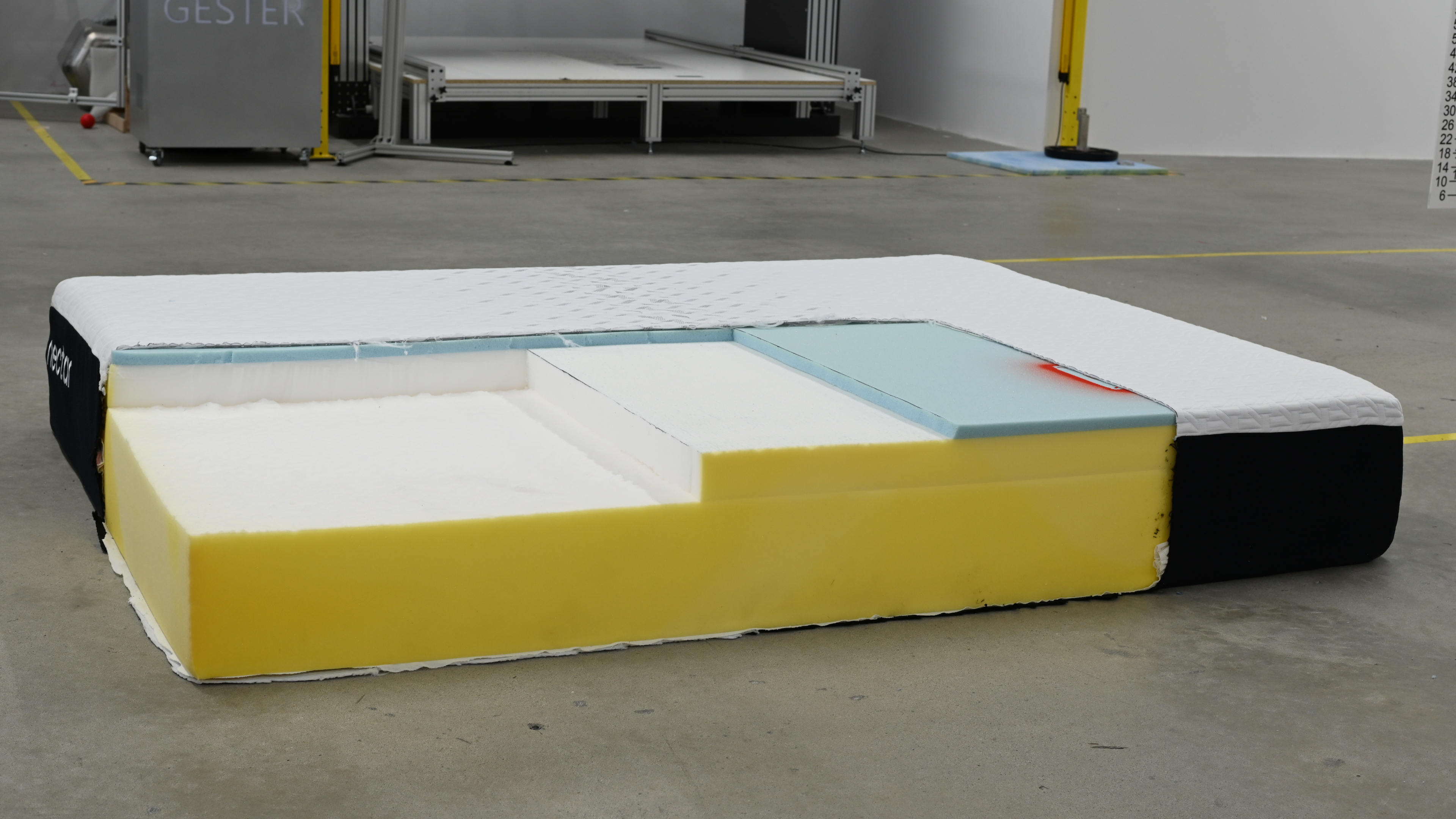
With all-foam memory foam mattresses, firm polyfoam is usually used as a support layer, with memory foam making up one or more comfort layers.
- Many all-foam models offer high contouring, so you feel like the mattress molds around your body instead of cradling you.
- Often offer strong motion dissipation, making foam mattresses a good option for light sleepers.
- Without springs, all-foam models aren't usually bouncy, which creates a static feeling that makes moving around more difficult.
- Memory foam usually has slow responsiveness, which creates a hugging feeling some find restrictive.
Mattress feel
Because they lack springs and use low-resilience memory foam, all-foam memory foam mattresses usually have low or very low bounce. They're also less responsive, since memory foam recovers its shape slowly after being compressed. The low bounce and low resilience combined can create a sluggish, quick-sand feeling and make you feel stuck in place.
|
The Tempur-Pedic Tempur Adapt is an all-foam memory foam mattress with very low responsiveness (Responsiveness score: 3.5). It's not as easy to change sleeping positions on mattresses with low responsiveness. |
On the other end of the spectrum, mattresses like the Sleep On Latex Pure Green Organic, an all-foam mattress made of latex with no memory foam, respond to your movements extremely quickly (Responsiveness score: 9.8). |
Contouring
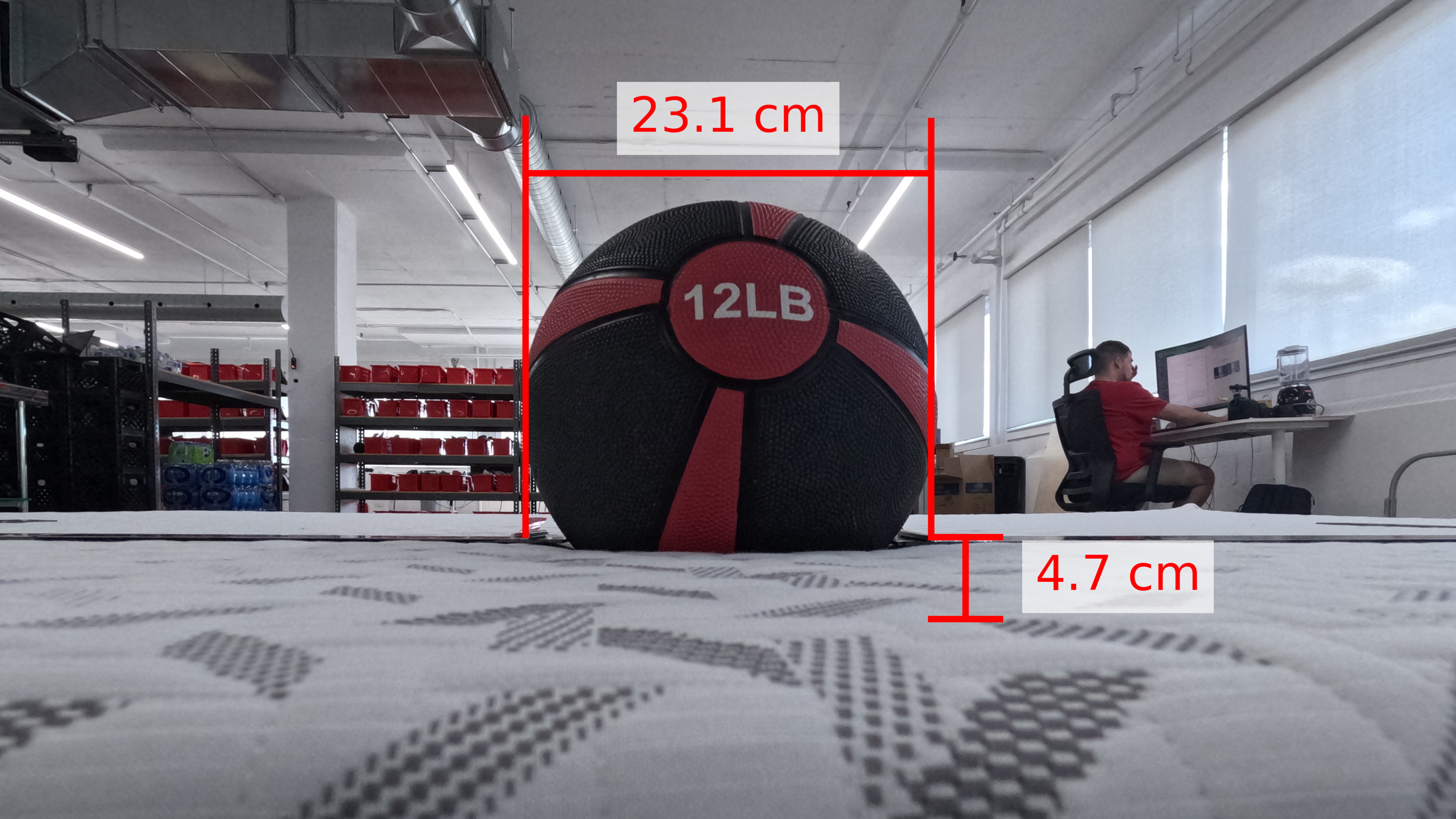
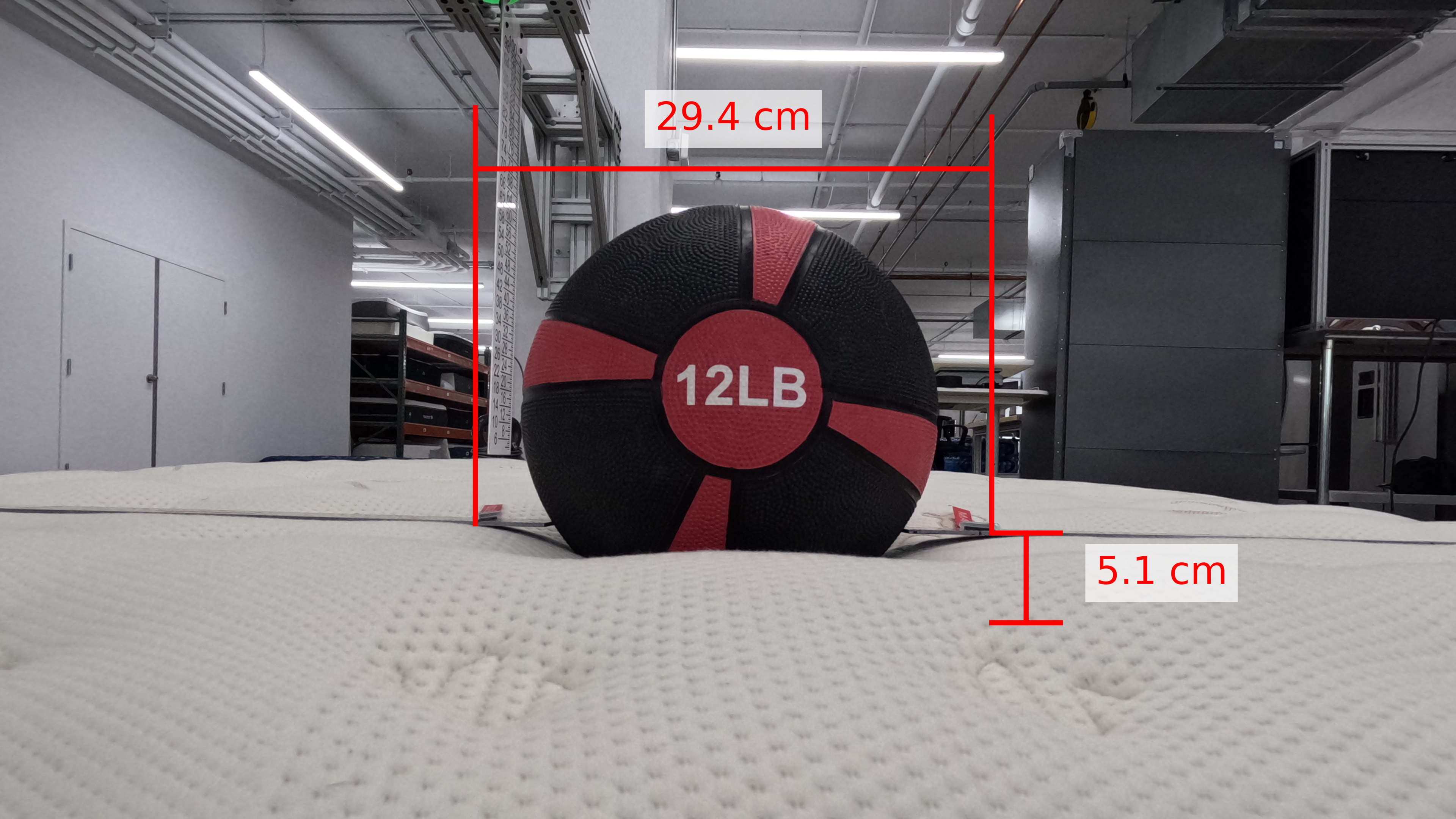
However, all-foam memory foam mattresses are a good option if you're looking for a highly contouring feel. The Zinus Original Green Tea and Nectar Classic, for example, both conform closely to your body's shape, which can help with pressure relief and make you feel snug or constricted, depending on what you like.
It's worth noting that other materials can also result in high contouring. Latex mattresses are a good example, with models like the Sleep On Latex Pure Green Organic offering high contouring as well as extremely high responsiveness.
 |
 |
Motion Dissipation
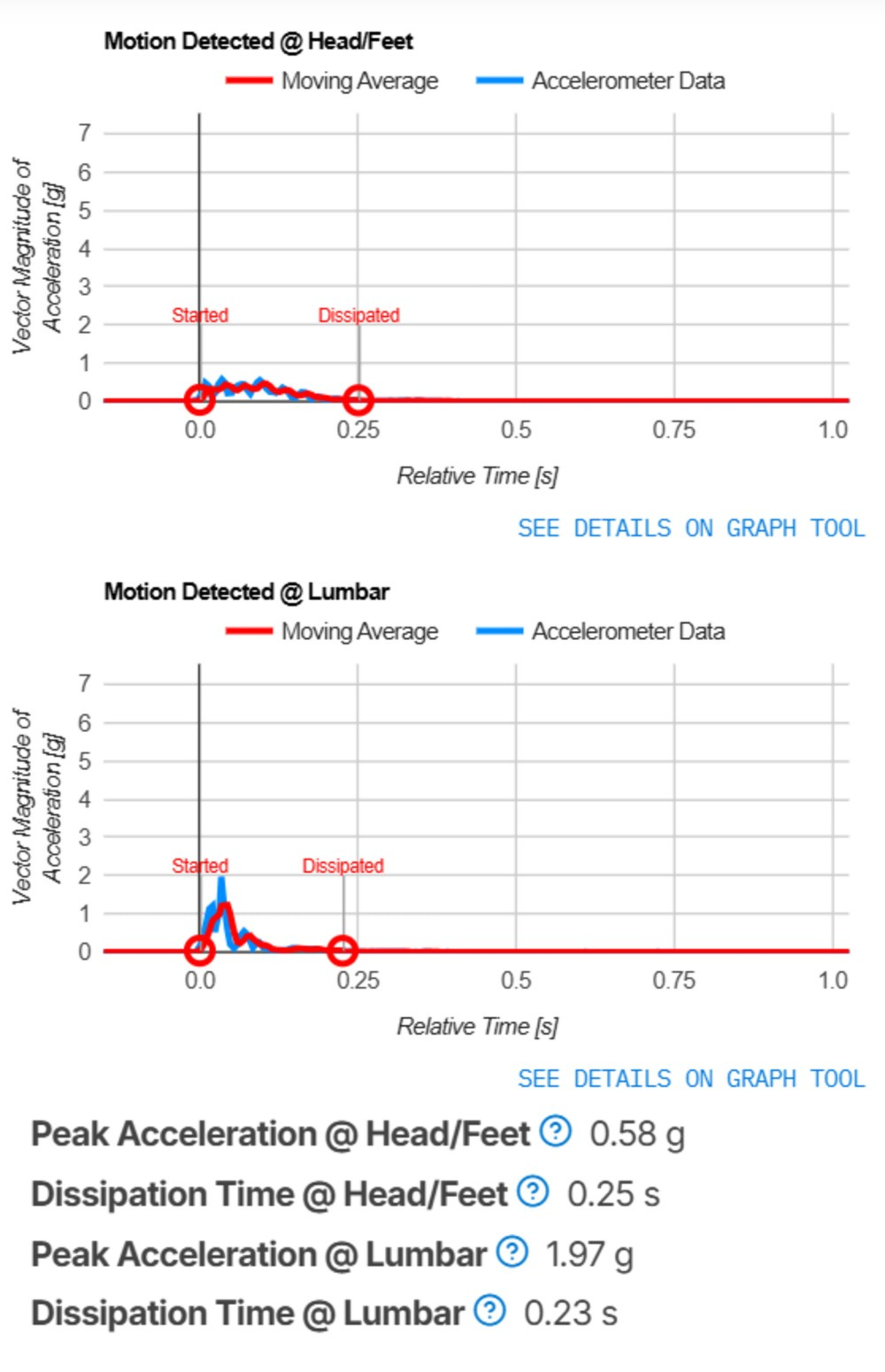
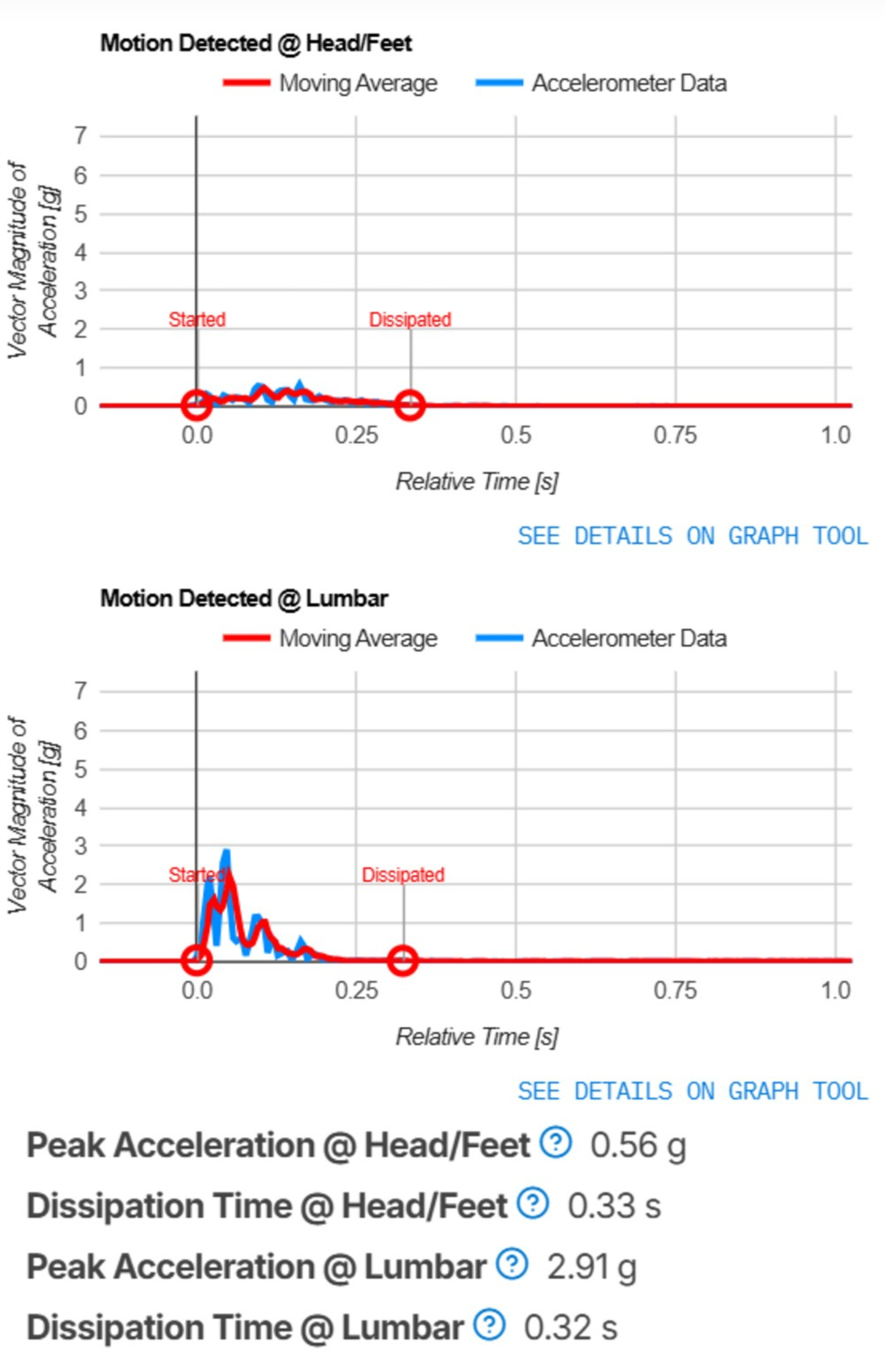
All-foam memory foam mattresses generally offer strong motion dissipation. The all-foam design absorbs motion instead of pushing back, and the lack of bounce means you won't feel like your mattress wobbling around whenever someone moves. While it depends on the model, you'll find all-foam mattresses like the Novaform ComfortGrande Plus among the best-performing mattresses for motion dissipation. When compared to a hybrid mattress with an excellent motion isolation performance like the Casper Snow, it has a noticeable edge: you're less likely to feel smaller movements, and movement is felt more briefly.
 |
 |
Cooling
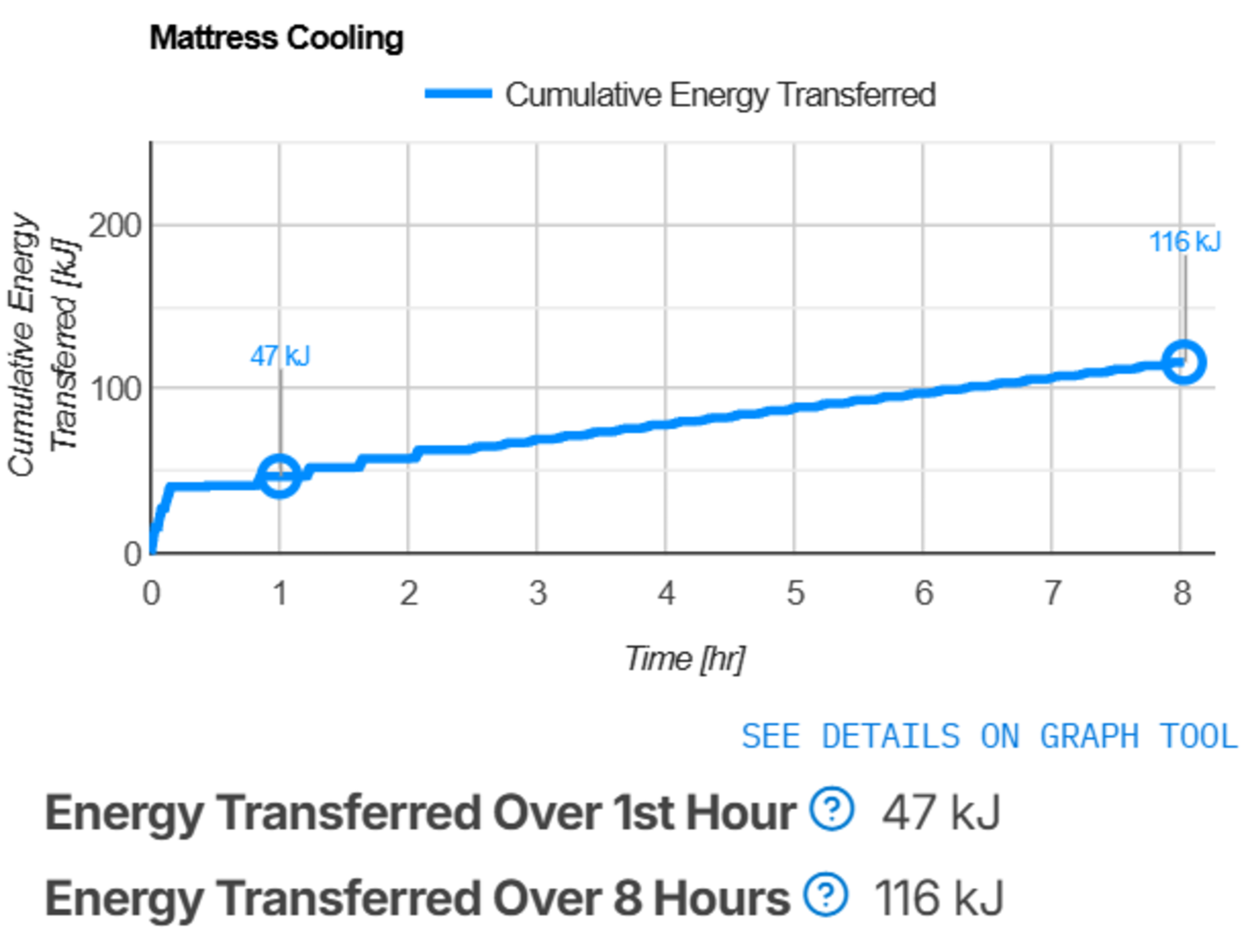
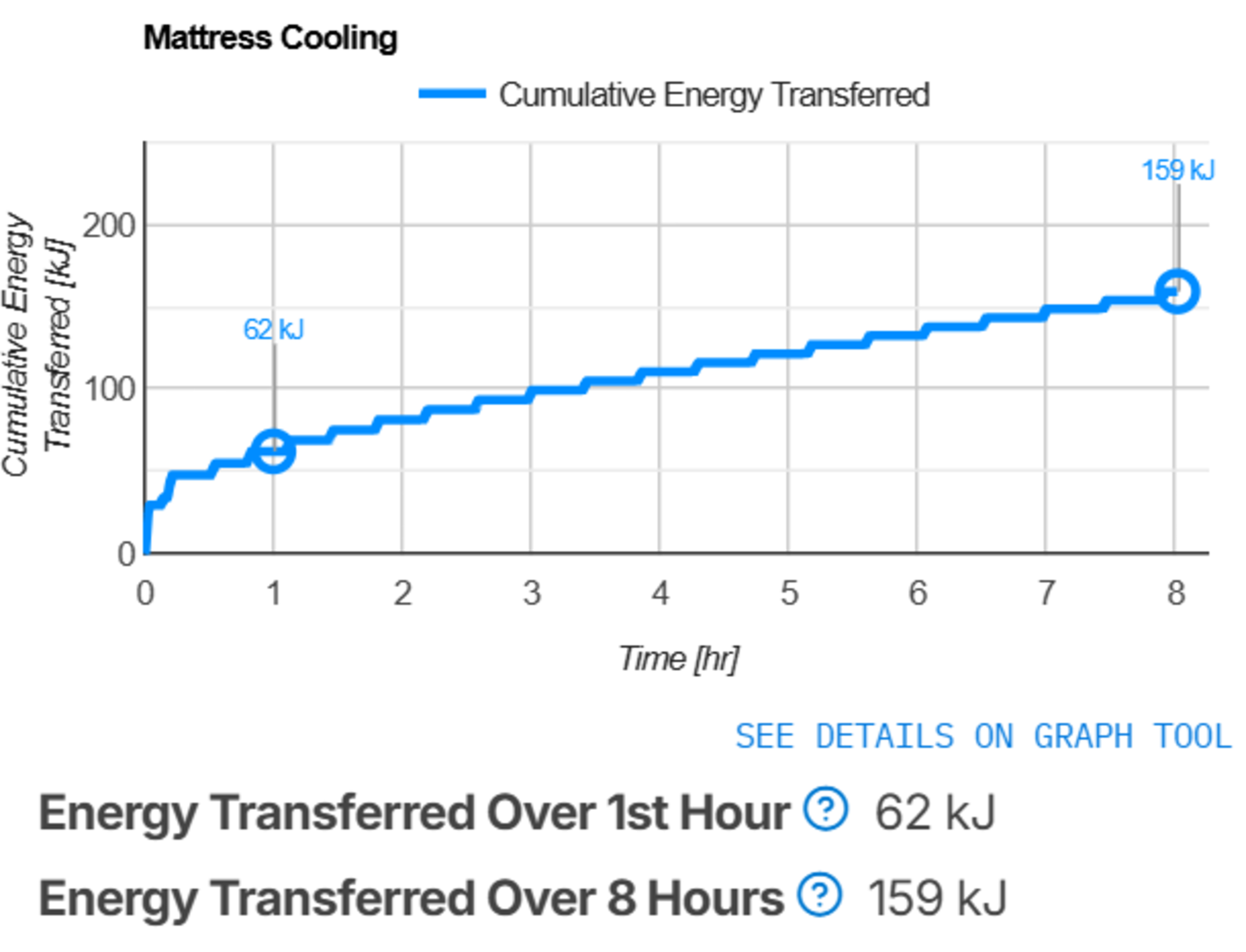
Memory foam has a reputation for poor heat dissipation, and some all-foam mattresses do trap a lot of heat, like the Zinus Original Green Tea, which will make most people feel much warmer. Others, like the Noraform and Tempur-Pedic, are cooling enough to keep most people comfortable, although hot sleepers will want a more cooling mattress. The foams used in different mattresses can have different cooling properties, with both Novaform and Tempur-Pedic advertising the use of proprietary memory foams they claim are more cooling.
 |
 |
Hybrid mattresses at a glance
- More bounce versus all-foam models, which makes moving around in your sleep easier.
- Models without memory foam are more responsive
- Mattresses with quilted layers above memory foam can be contouring and responsive.
- Mattresses where you sleep directly on a memory foam layer are less responsive and can offer a classic memory foam feel.
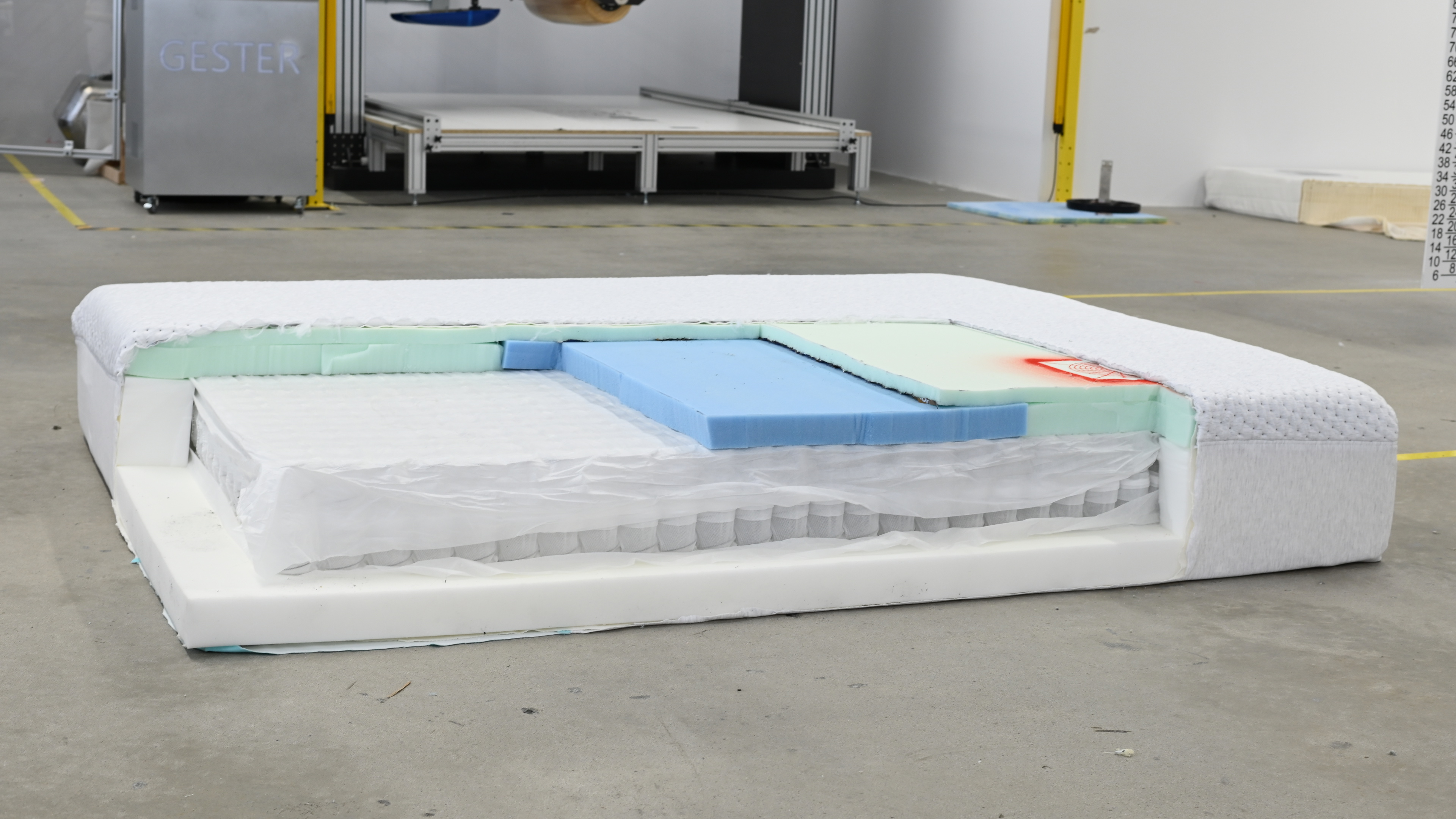
This section focuses on hybrid mattresses with memory foam comfort layers so you can find the right memory foam mattress for your needs. For an overview of hybrid mattresses in general, check out our dedicated guide on the topic.
Hybrid mattresses have spring support layers under at least 5 cm/2 inches of foam. The spring layer means that hybrid mattresses usually have at least a bit of bounce, but it can also worsen motion dissipation. Otherwise, hybrid mattresses offer different feels and performances depending on the other materials used.
Many hybrid models use memory foam somewhere, whether it's used as an upper comfort layer for maximum contouring or below a quilted layer, where memory foam can help with contouring and pressure relief without creating a slow-moving feel overall. You can count on hybrid mattresses to have at least a bit of bounce because of the spring layer, but otherwise, a specific mattress's performance depends on how much memory foam is used, where it is, and the design of the rest of the mattress. You can find hybrid mattresses with a classic memory foam feel, with slow-moving upper layers, and more responsive models that use memory foam along with other materials, so you get the contouring feeling of memory foam without its characteristic sluggish feel.
Mattress Feel
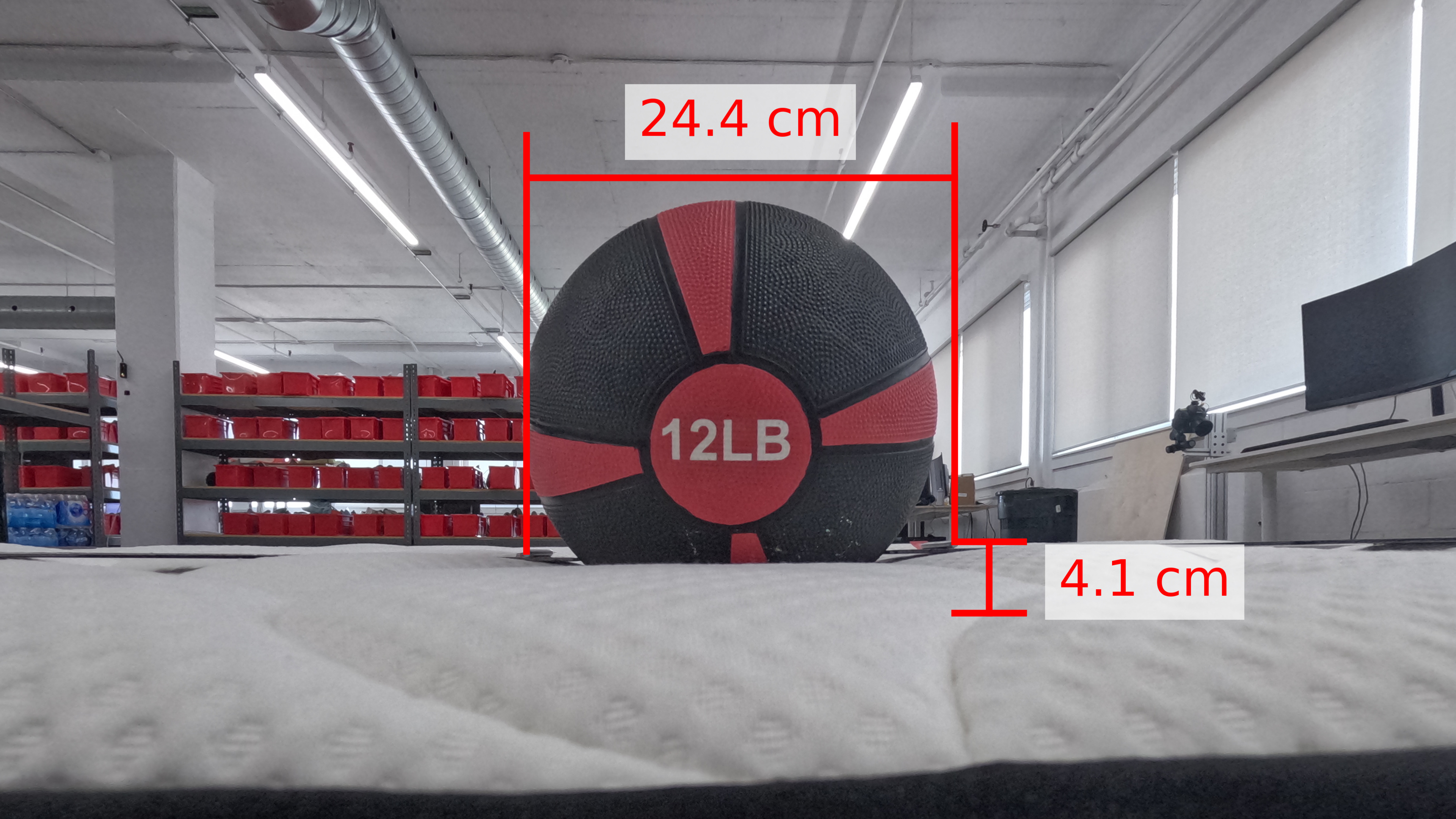
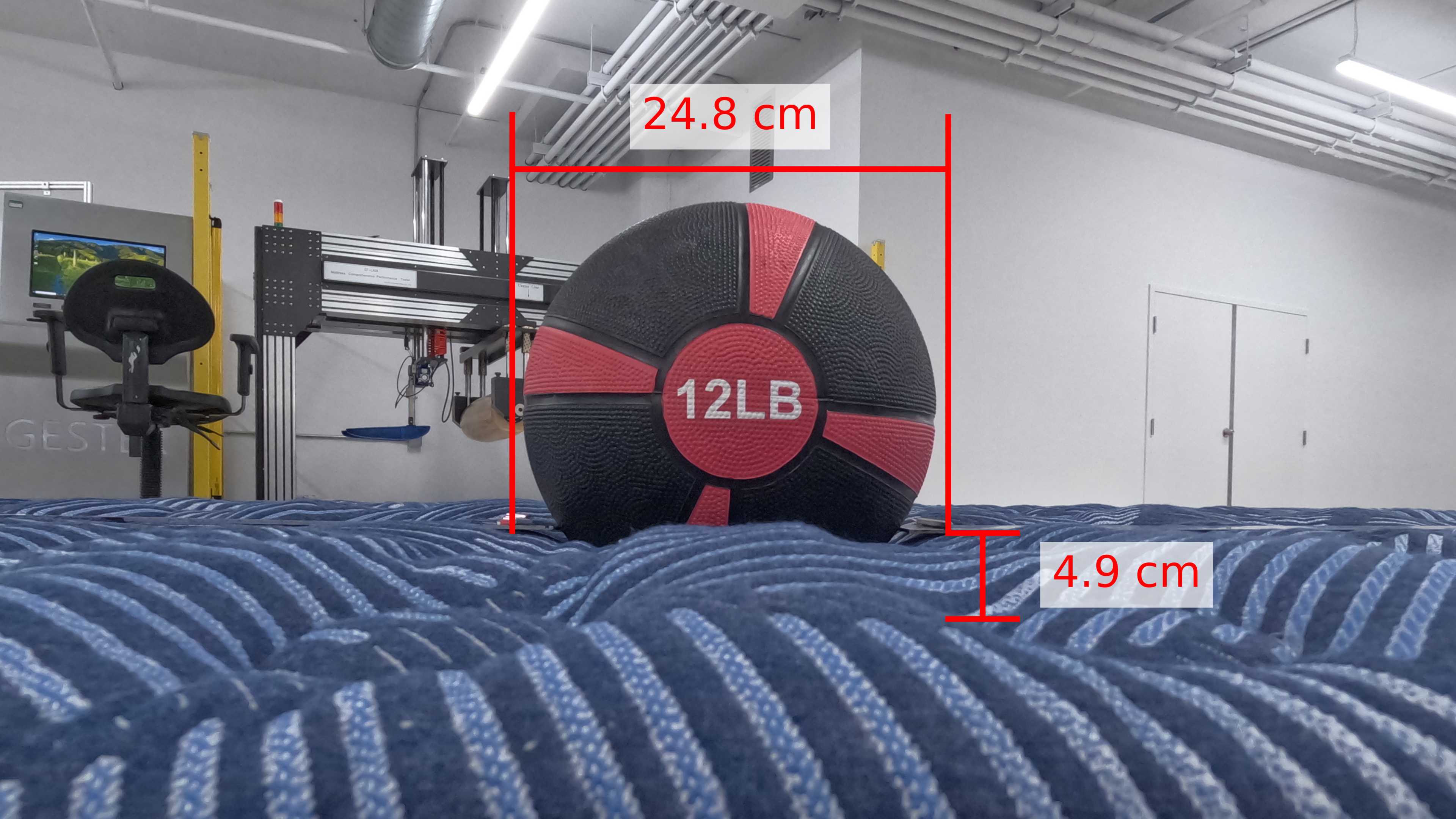
If you like the slow-moving feel of memory foam but don't want to feel like you're sleeping on quicksand, hybrid mattresses are usually bouncier than all-foam models. The Casper Snow, for example, has moderate contouring and slow responsiveness, so it has a classic memory foam feel, not unlike all-foam models in some ways. However, it's moderately bouncy, so it's a little easier to move around on despite its slow-moving upper layers.
|
The Casper Snow is a hybrid mattress with upper comfort layers of memory foam. It has low responsiveness, not unlike some all-foam models, but it's also bouncier. |
The Puffy Lux doesn't adapt to your movements as fast as some mattresses, and has moderate contouring, which helps create a mildly hugging feel. However, it's responsive enough that you shouldn't feel stuck in place. |
These mattresses may not be extremely responsive, but they feel much easier to move around on compared with mattresses that only use memory foam. This design helps give mattresses like the DreamCloud Premier Hybrid (Canadian Version) and Serta Perfect Sleeper Innerspring high contouring as well as good responsiveness.
 |
 |
motion dissipation
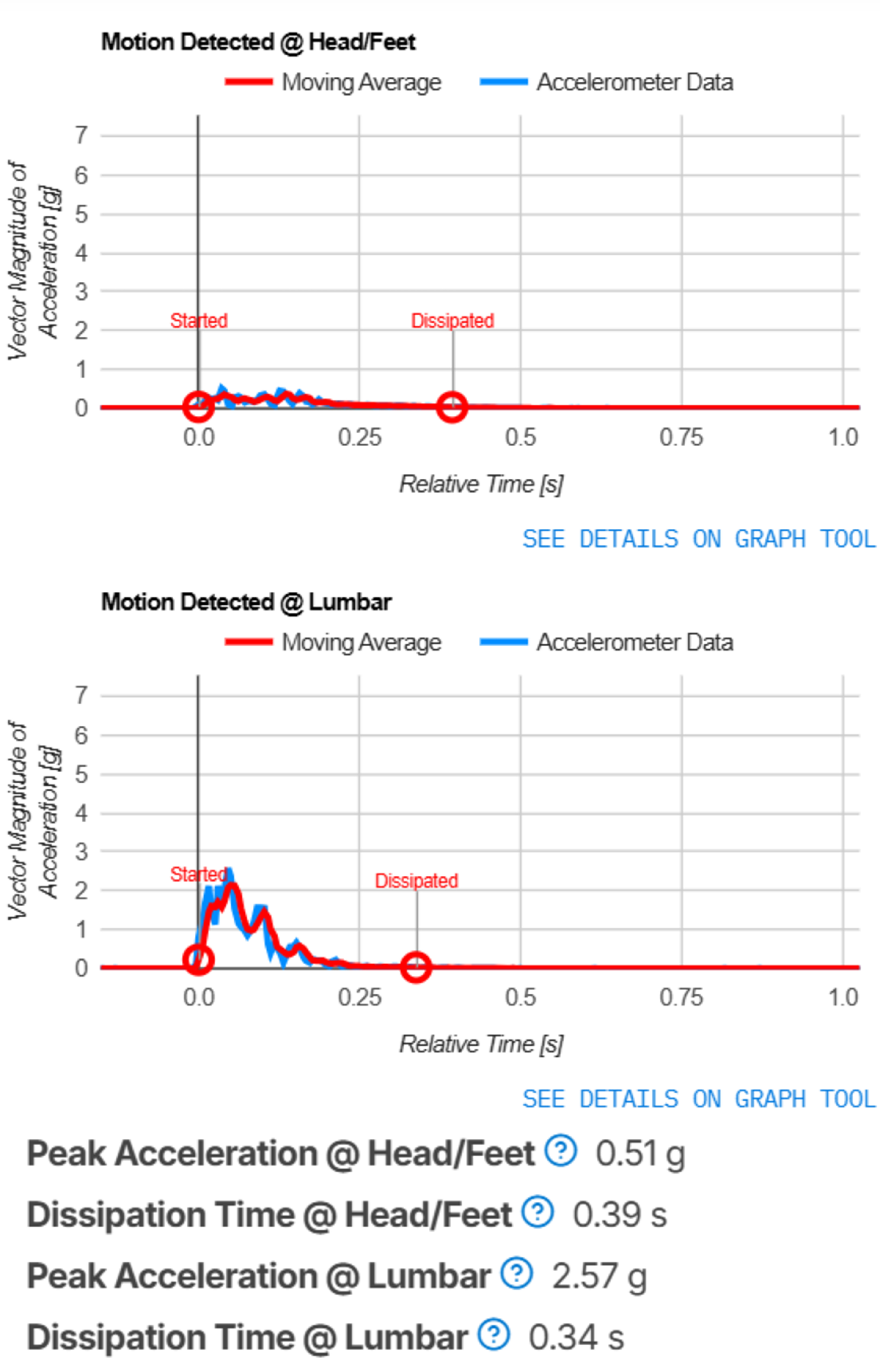
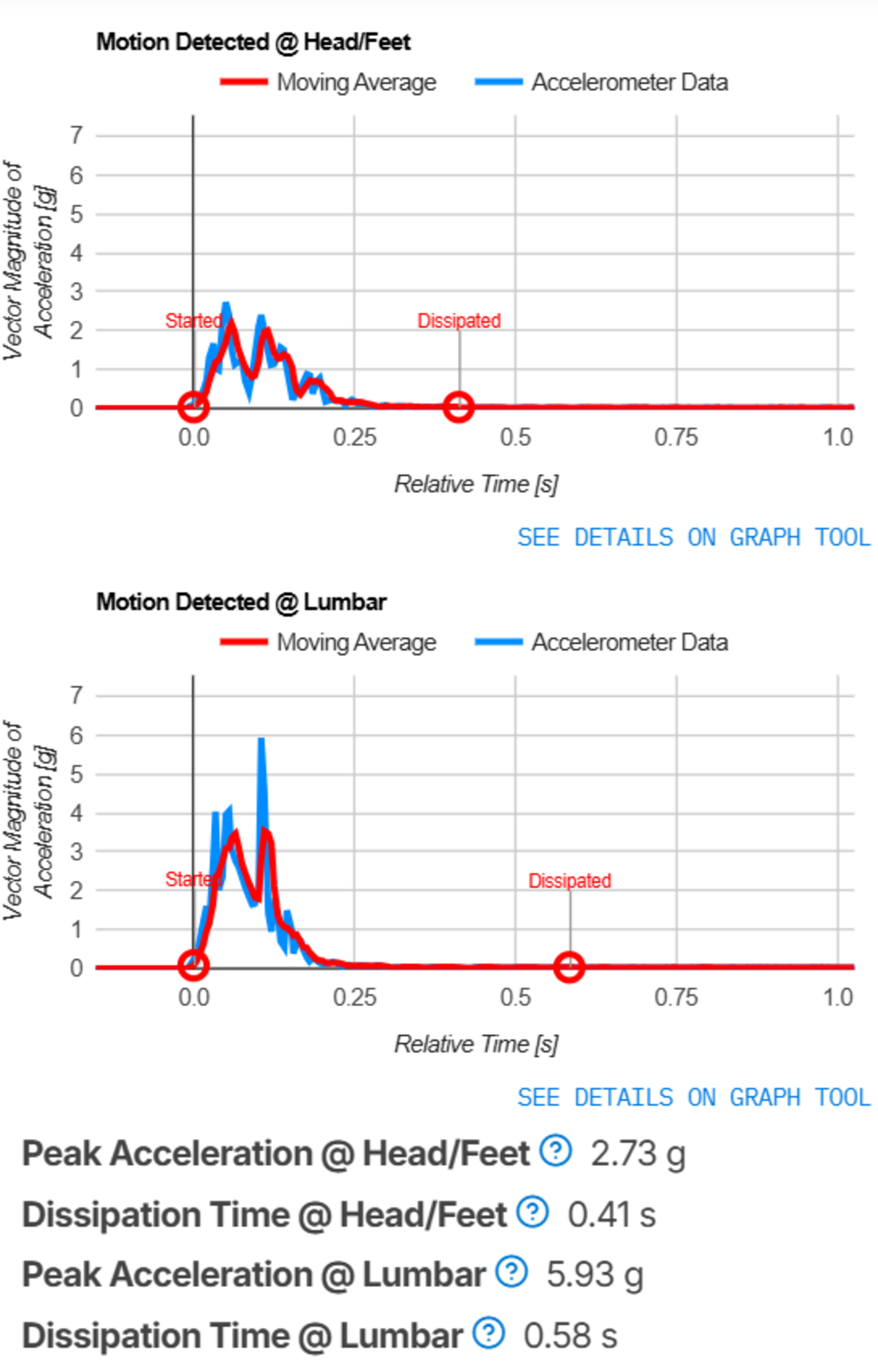
In general, hybrid mattresses are a good option if you care about motion dissipation but don't want the static feel of an all-foam mattress, since they often isolate motion better than innerspring models, which include less than 5 cm/2 inches of foam above a spring support layer. While many of our best-scoring mattresses for motion dissipation are all-foam models, hybrid mattresses like the Nectar Classic Hybrid aren't far behind, so light sleepers don't necessarily need to forgo springs. That said, the motion dissipation performance of hybrid mattresses really depends on the specific model, as you can see when comparing the Nectar with the Serta Perfect Innerspring (a hybrid mattress, despite its name).
 |
 |
Cooling
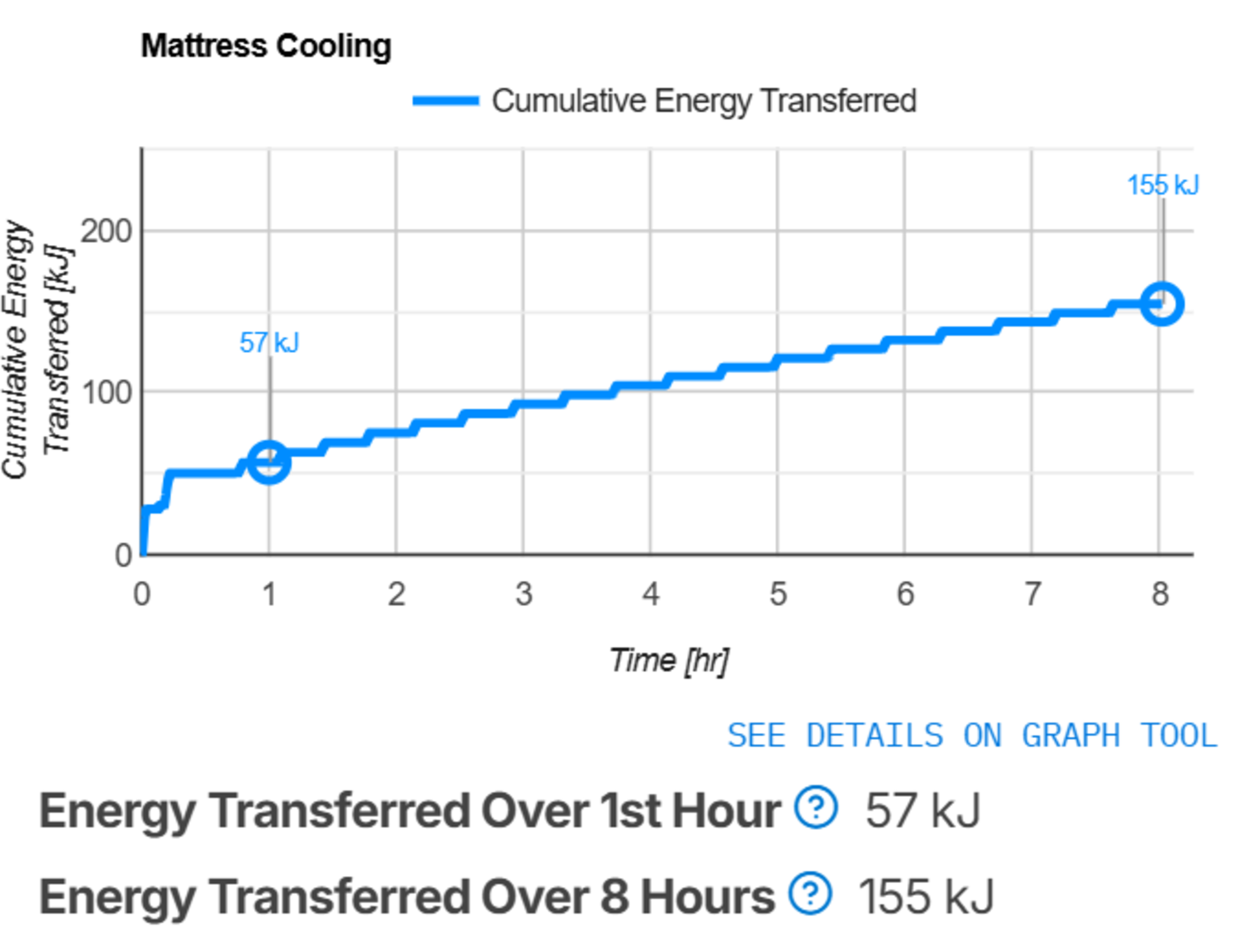
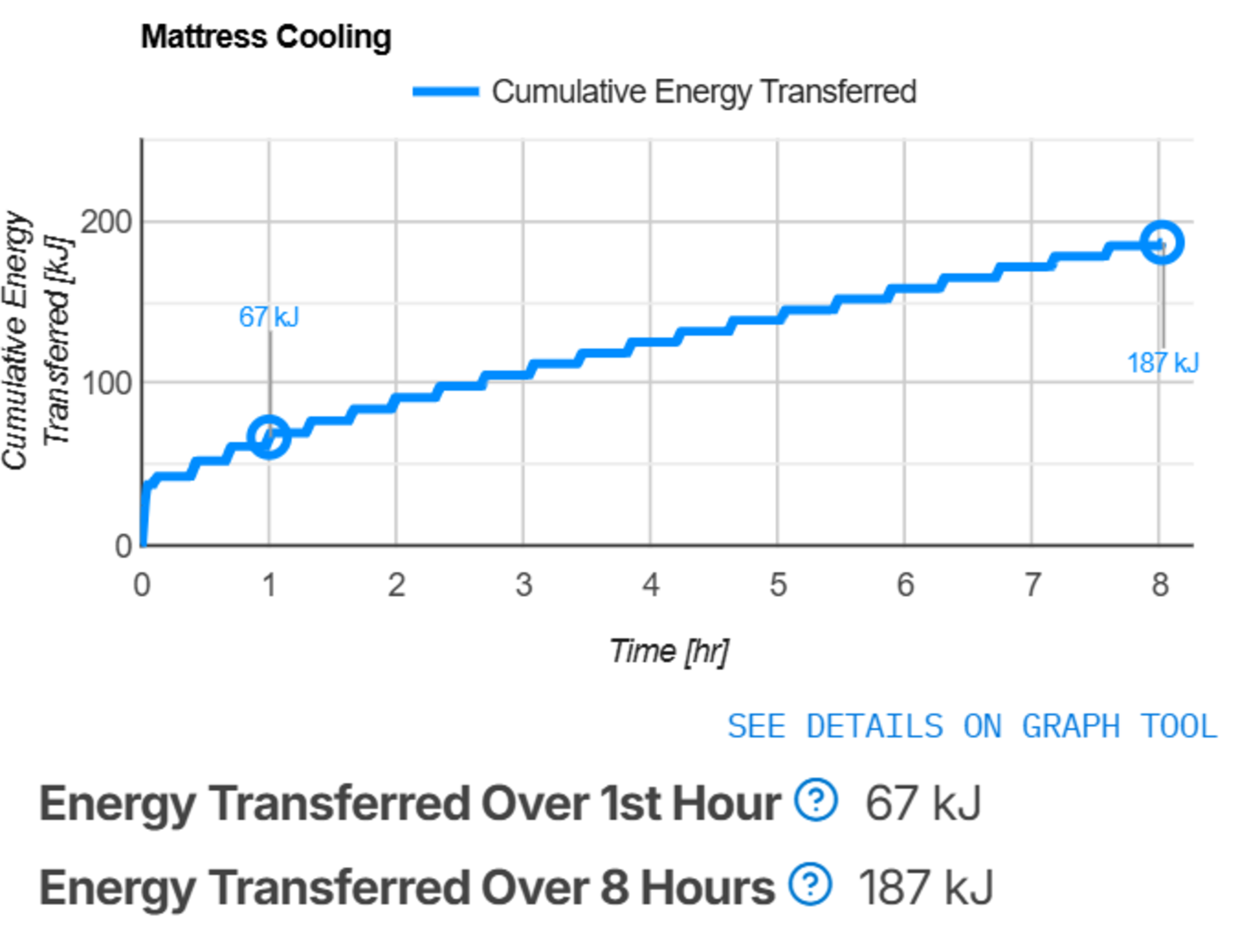
Similarly, cooling depends on the mattress's overall construction, and a mattress with memory foam layers won't necessarily perform poorly. Hybrid mattresses are less likely to have poor cooling than all-foam mattresses because spring layers dissipate heat more efficiently compared with foam support layers, but overall cooling performance depends on the model, and not all hybrid mattresses are suitable for hot sleepers. Fewer foam layers and materials like latex can help with cooling.
 |
 |
Conclusion
When deciding on a hybrid mattress vs. memory foam model with an all-foam design, consider aspects like bounciness and responsiveness as well as cooling and motion isolation. While both varieties can offer a contouring, hugging feel, hybrid models usually offer a bouncier sleeping surface that makes it easier to move around, while memory foam models often have a more static feel and better motion isolation.
Check out our overview of mattress types for a look at mattresses with and without memory foam. If you're not set on a specific type yet, you may also be interested in our recommendations for the best mattresses.