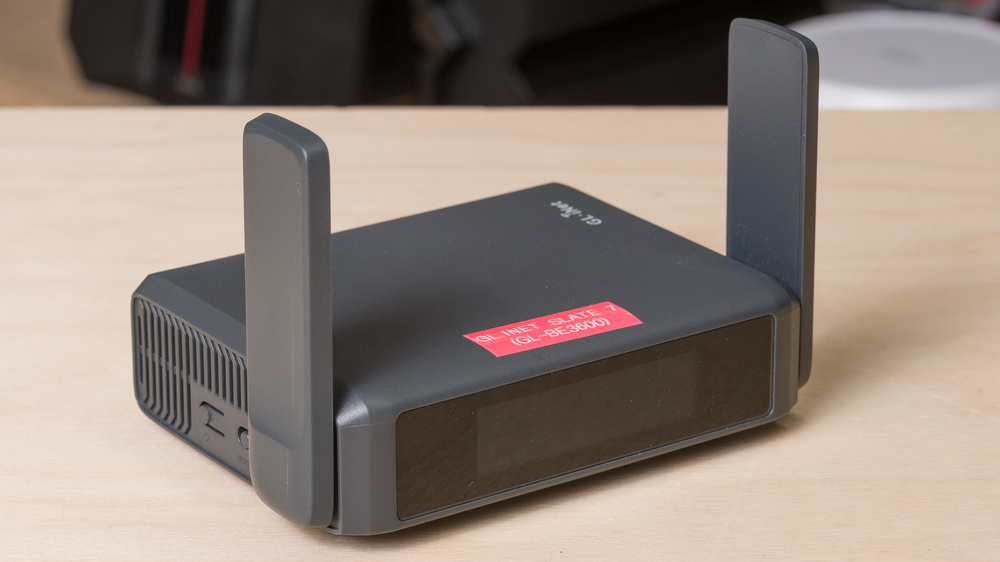
The GL.iNet Slate 7 (GL-BE3600) is a portable Wi-Fi 7 travel router with 2.4GHz and 5GHz bands. It features two foldable antennas, two 2.5Gbps Ethernet ports (one WAN, one LAN), and a USB 3.0 connection for file sharing, smartphone tethering, and media backup. Like its predecessor, the GL.iNet Slate AX (GL-AXT1800), it runs on a heavily configurable distribution of OpenWrt, an open-source OS with multiple failover options, including USB tethering, WAN failover, and a Wi-Fi repeater mode. It's equipped with a touchscreen interface on its front and comes with a suite of pre-installed network tools, like Tailscale, ZeroTier, OpenVPN, and WireGuard, out of the box.
Our Verdict
The GL.iNet Slate 7 is a great router for an apartment or small home. As a travel router, its compact design and foldable antennas make it easy to tuck into a bag or corner shelf. Its peak speeds are impressive and well-suited for video calling, large-file downloads, and 4k media streaming throughout the home. Its overall range is decent, and its 2.5Gbps Ethernet ports make the Slate a capable choice for high-speed fiber plans. The router's configurable software also comes bundled with pre-installed VPN tools for additional security and travel utility.
Highly configurable software and display.
Decent range performance.
Impressive peak speeds.
Highly portable with foldable antennas.
Wi-Fi 7 support.
Only two 2.5Gbps networking ports.
No 6GHz band.
While designed for portability, the GL.iNet Slate 7 is still a good choice for multi-level homes with high-speed internet. It has decent overall range, but without native mesh support, you can't expand its coverage with additional access points. It delivers great speeds for demanding tasks like downloading large files or video calling when on the same floor. For wired connections, it sports a 2.5Gbps WAN port and a 2.5Gbps LAN port, as well as a USB 3.0 port for failover options. It comes pre-loaded with utilities for both network and security enthusiasts.
Highly configurable software and display.
Decent range performance.
Impressive peak speeds.
Wi-Fi 7 support.
Only two 2.5Gbps networking ports.
No mesh support.
No 6GHz band.
The GL.iNet Slate 7 is only decent for gaming over Wi-Fi. It has great top speeds and decent range for casual players, but as is the case with all Wi-Fi routers, it's recommended to plug in directly for the best gaming experience.
Impressive peak speeds.
Wi-Fi 7 support.
Fast 2.5Gbps LAN port.
Only two 2.5Gbps networking ports.
Suboptimal latency for gaming over Wi-Fi.
The GL.iNet GL-BE3600 is an outstanding travel router. It's super small and easy to fit in a bag or a pocket, has foldable antennas, and even comes with travel adapters included in the box. You can easily configure it to route all your devices' internet traffic through a VPN service of your choice, making it appear as though you're in your home country while abroad. Additionally, you can set it up to securely connect to your home network using Tailscale. Finally, it supports USB tethering, allowing you to connect to a cellular network.
Highly portable with foldable antennas.
Travel adapters included in the box.
VPN, WISP, and cellular support.
The GL.iNet Slate 7 delivers great wireless speeds suitable for internet connections up to ~1Gbps. It supports Dynamic Frequency Selection (DFS) for access to more channels in congested wireless environments, such as apartment buildings.
Impressive peak speeds.
Only two 2.5Gbps networking ports.
No 6GHz band.
The GL.iNet Slate 7 has satisfactory range. Its speeds remain suitable for basic web browsing and HD video streaming at longer distances. While it lacks native mesh support, you can configure the router as a repeater in its software.
Decent range performance.
No mesh support.
No 6GHz band.
The GL.iNet Slate 7 delivers reasonable wireless latency and jitter performance that's on par with most Wi-Fi routers. It provides an okay experience for web browsing, video calls, and non-competitive gaming. That said, you're better off using a direct Ethernet connection if you're competitively gaming and need the best performance.
Acceptable latency for everyday usage.
Suboptimal latency for gaming over Wi-Fi.
GL.iNet Slate 7 has fantastic configurability. Its web-based firmware is easy to use and extremely flexible, allowing you to easily configure a range of expected and advanced settings.
Highly configurable software and display.
Performance Usages
Changelog
- Updated Sep 11, 2026: We've updated this review to Test Bench 0.10! This update adds Portability and Configurability testing to evaluate how suitable routers are for travel and to show how configurable their settings are. Read the changelog for more info.
-
Updated Jul 24, 2026:
We've added a link to the newly reviewed ASUS RT-BE90U in the Interior Short Range section of the review.
- Updated Jun 22, 2026: We've updated this review to Test Bench 0.9.1! This is a minor change that makes the router type easier to see at the top of each review. Read the changelog for more info.
-
Updated Apr 24, 2026:
We've added a link to the newly reviewed ASUS RT-BE82U in the Network Ports section of the review.
Check Price
Differences Between Sizes And Variants
The GL.iNet Slate 7 (GL-BE3600) is GL.iNet's Wi-Fi 7 entry in the Slate lineup of compact travel routers. This router doesn't have any variants.
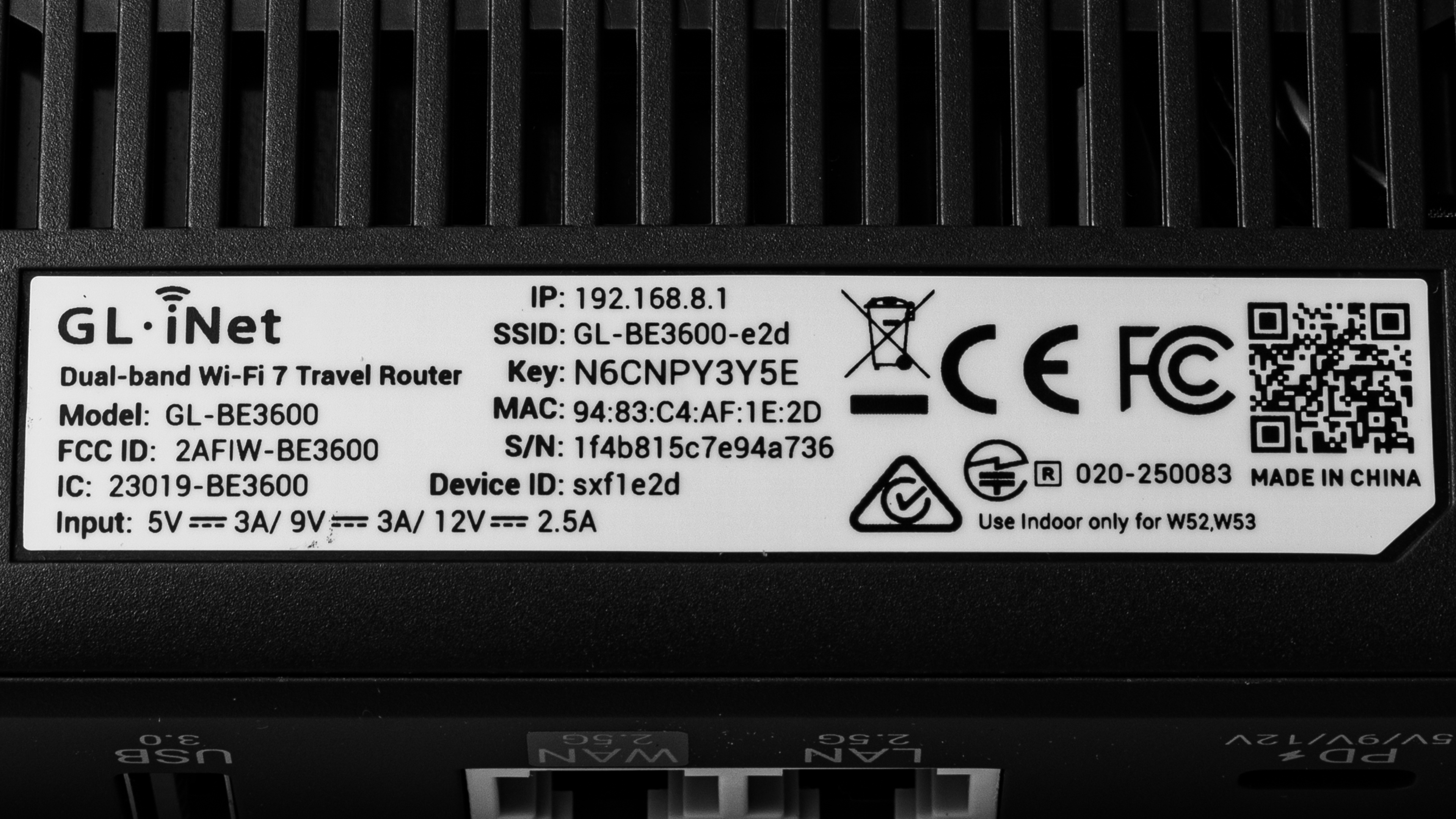
See a photo of our unit's label.
Popular Router Comparisons
The GL.iNet Slate 7 (GL-BE3600) is a dual-band Wi-Fi 7 travel router with customizable OpenWrt firmware and a robust suite of pre-installed tools to satisfy any network enthusiast. Sharing a nearly identical form factor with the GL.iNet Beryl AX (GL-MT3000), its portable design, USB 3.0 port, and international power adapters make it a more convenient carry-on than traditional home routers like the TP-Link Archer BE550. The router delivers great top speeds with dual 2.5Gbps Ethernet ports and MLO support, but its wired connectivity is limited to a single LAN port. Although it provides better range than its predecessor, the GL.iNet Slate AX (GL-AXT1800), the Slate 7 still lacks a 6GHz band, and its coverage can't quite match that of a dedicated mesh system like the eero Pro 7.
For more recommendations, see our picks for the best Wi-Fi 7 routers, the best cheap routers, and the best long-range Wi-Fi routers.
The GL.iNet Slate 7 (GL-BE3600) is the Wi-Fi 7 successor to the GL.iNet Slate AX (GL-AXT1800). The Slate 7 achieves better speeds and range than the Slate AX while maintaining the lineup's portable size. As a Wi-Fi 7 router, the Slate 7 also offers limited MLO implementation and faster 2.5Gbps Ethernet ports (compared to the AX's 1Gbps ports). However, the AX includes one extra LAN port and a microSD slot that the Slate 7 lacks.
The GL.iNet Slate 7 (GL-BE3600) is a far more capable ultra-compact router than the UniFi Travel Router. The GL.iNet uses the latest Wi-Fi 7 standard, delivers much faster speeds and significantly better range, and has two 2.5Gbps Ethernet ports instead of two 1Gbps ports. Its custom OpenWrt-based software offers deep configuration tools wrapped in a user-friendly interface.
The UniFi is slimmer still and has a simpler app with VPN support, but its abysmal range gives it far less utility overall. The Slate 7 has one USB-A 3.0 port, while the UTR has two USB-C ports. Neither is mesh expandable.
The GL.iNet Slate 7 (GL-BE3600) and the GL.iNet Beryl AX (GL-MT3000) are both deeply configurable routers sized for convenience and portability. The Slate 7 uses the newer Wi-Fi 7 standard for higher overall speeds and added MLO support, while its range performance is largely on par with the Beryl's. It also features two 2.5Gbps ports, while the Beryl has one 2.5Gbps WAN port and one 1Gbps LAN port, making the Slate 7 a higher performer overall.
The GL.iNet Slate 7 (GL-BE3600) and the ASUS RT-BE58 Go are dual-band Wi-Fi 7 travel routers. Both are designed to be easily toted thanks to their compact design and foldable antennas. While the two routers have similar functionality, the GL.iNet delivers better performance overall with faster top speeds, significantly better range, and two 2.5Gbps Ethernet ports compared to the ASUS' one 1Gbps and one 2.5Gbps ports.
Test Results
for pictures & test results
for pictures & test results
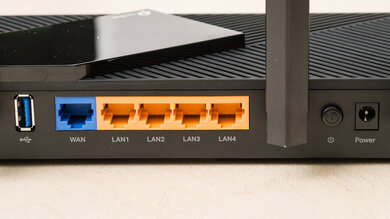
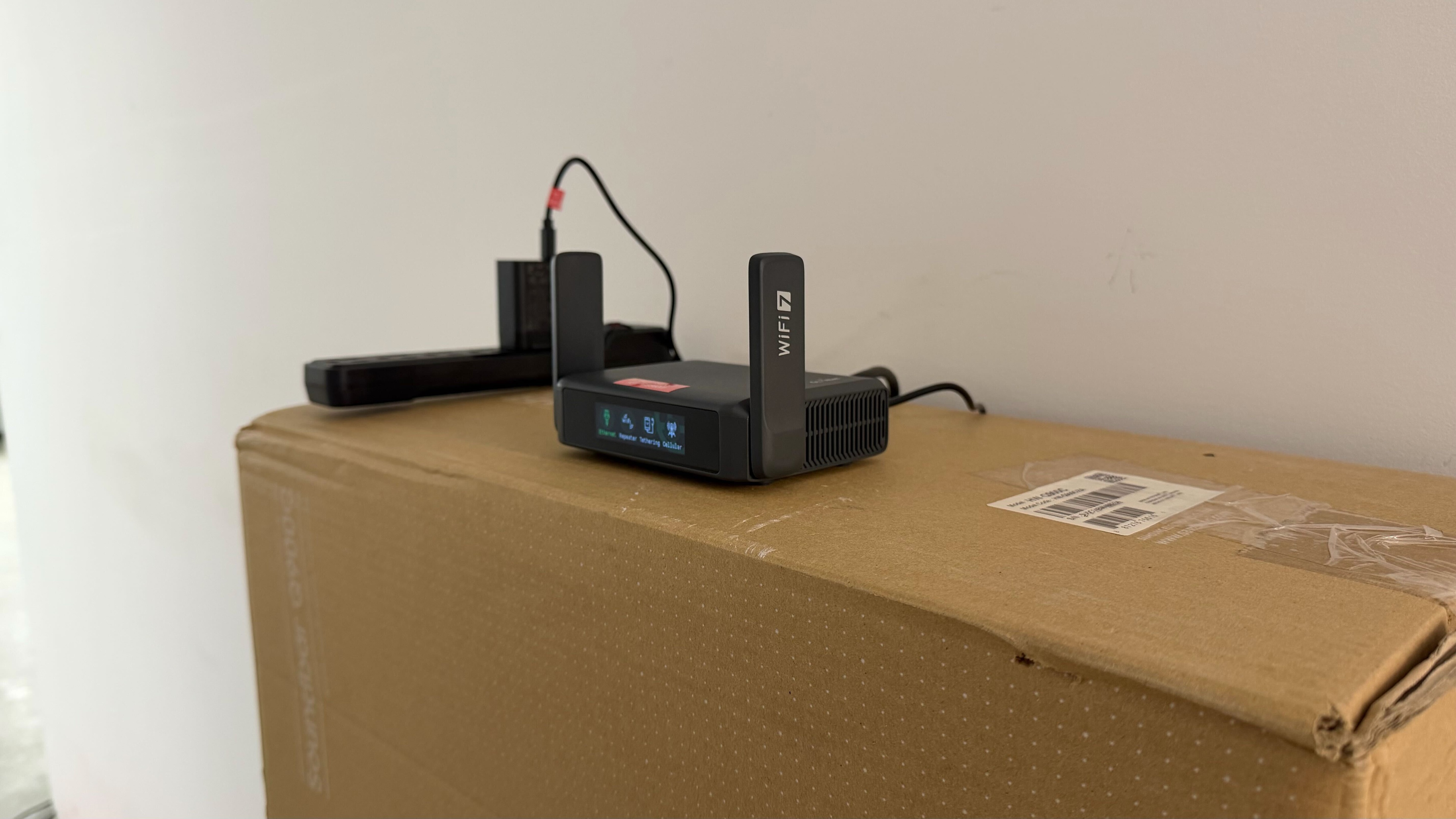
The GL-BE3600 has a physical switch on its side called the Toggle Button. You can customize the Toggle Button's behavior to create shortcuts for common tasks.
Check out the ASUS RT-BE82U if you're looking for a router with more Ethernet ports.
The GL-BE3600's USB-C port is only for power and doesn't support data transfer.
for pictures & test results
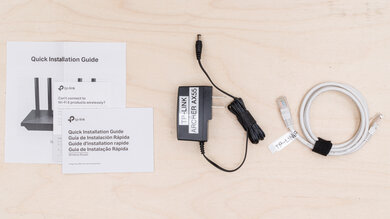
- Ethernet cable
- Power adapter
- Travel adapters (EU, UK, and AU)
- User documentation
for pictures & test results
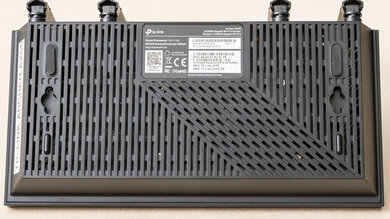
Check out the ASUS RT-BE58 Go if you're looking for a travel router with a pair of screw head slots for wall mounting.
for pictures & test results
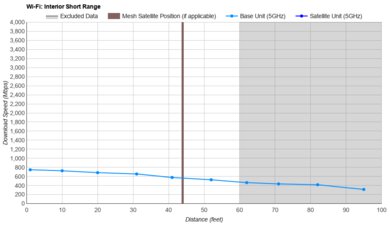
If you're looking for another configurable Wi-Fi 7 router with faster speeds, check out the ASUS RT-BE90U.
for pictures & test results
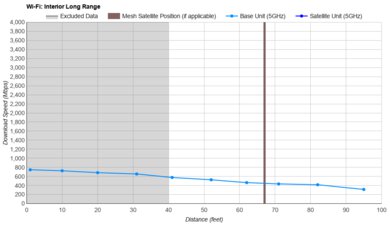
for pictures & test results
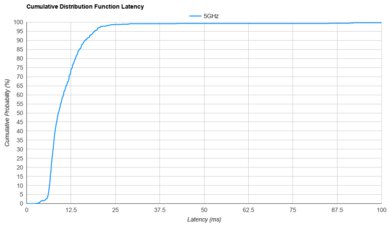
As a standalone unit without mesh support, the GL-BE3600 delivers adequate latency performance for calls, everyday browsing, and light gaming.
for pictures & test results
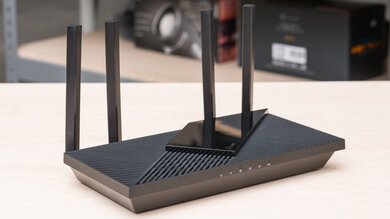
This router uses alternating Multi-Link Operation (MLO), which is a limited implementation of the technology that establishes a connection with clients on one band at a time.
For more information, read our article on the topic.