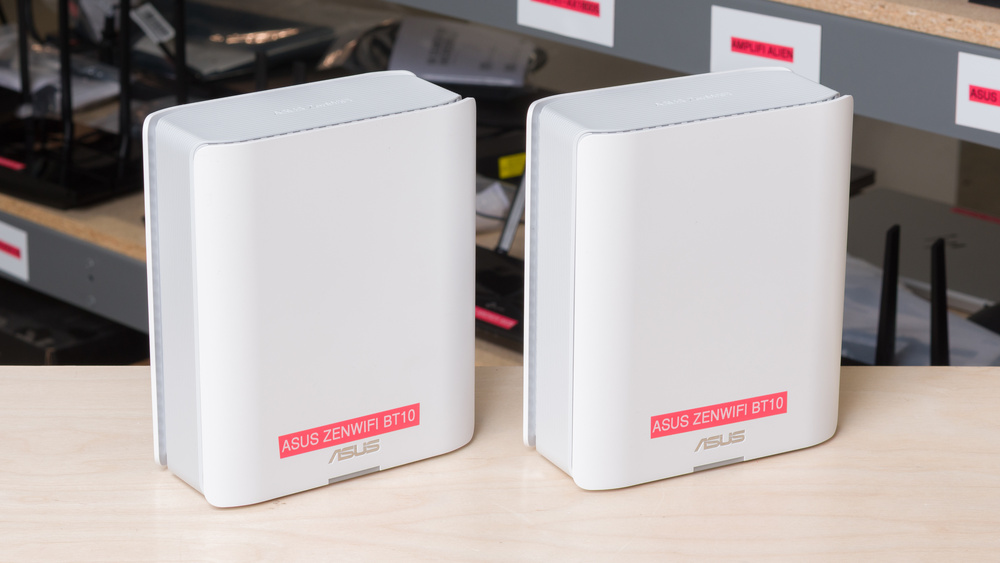
The ASUS ZenWiFi BT10 is a tri-band Wi-Fi 7 mesh router. It's part of ASUS's ZenWiFi lineup of mesh systems. It uses AiMesh, so it's compatible with any other AiMesh-enabled ASUS access point. It's available in a one, two, or three-pack; we bought a two-pack and tested it in dual-mesh mode. Ports include two 10Gbps Ethernet ports, one 1Gbps Ethernet port, and a USB 3.0 port. Like most ASUS routers, it uses the feature-rich and highly configurable ASUSWRT firmware. With it, you can configure a range of expected and advanced features, like routing your entire network through a VPN, and advanced security called 'AiProtection'.
Note: We've removed the Wi-Fi coverage tests, as we're exploring better ways to convey the results that'll be more helpful to users.
Our Verdict
The ASUS ZenWiFi BT10 is an excellent router for apartments, condos, or smaller homes. It delivers outstanding top speeds and great range, making it suitable for multiple users streaming 4k HDR content or downloading large files quickly. Its unobtrusive design makes it easy to place in your home. Its 6GHz band can help deliver better speeds to your compatible devices in noisy wireless environments.
Remarkable top speeds suitable for multi-gigabit internet.
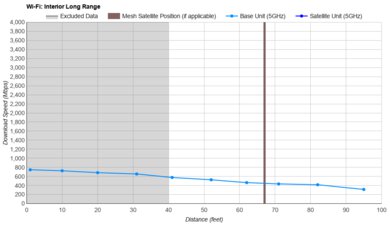
Impressive range suitable for large homes; can add additional access points to further improve range.
10Gbps Ethernet ports.
Wi-Fi 7 support.
The ASUS ZenWiFi BT10 is a great router if you live in a multi-level home. It delivers superb top speeds and has enough range for larger homes with multiple floors. It's suitable for your whole family streaming 4k content, downloading large files, and most other high-bandwidth activities. Since it's a mesh router, you can easily add more access points for better coverage. It has great connectivity, too, with a USB 3.0 port, a 1Gbps Ethernet port and two 10Gbps Ethernet ports.
Remarkable top speeds suitable for multi-gigabit internet.
Impressive range suitable for large homes; can add additional access points to further improve range.
10Gbps Ethernet ports.
Wi-Fi 7 support.
The ASUS ZenWiFi BT10 is decent for gaming over Wi-Fi. It delivers outstanding top speeds and great range, so you can download large game update files fast, even if you have a large home. Its latency performance is very similar to most other routers; fine for casual gaming, but you'll want to hardwire your devices via Ethernet if you're competitive.
Remarkable top speeds suitable for multi-gigabit internet.
Impressive range suitable for large homes; can add additional access points to further improve range.
Adequate wireless latency for web browsing and non-competitive gaming.
Unsuitable for competitive gaming over Wi-Fi.
The ASUS BT10 delivers outstanding top speeds that are suitable for a ~3Gbps internet connection. Its 6GHz band helps deliver faster speeds in noisy wireless environments and at shorter distances.
Remarkable top speeds suitable for multi-gigabit internet.
The ASUS BT10 has great range. Since it's a mesh router, you can add additional access points to improve your range and help maintain consistent speeds over longer distances.
Impressive range suitable for large homes; can add additional access points to further improve range.
The ASUS ZenWiFi BT10 delivers reasonable wireless latency performance. It's similar to most routers, so it's adequate for most uses like browsing the web, taking video calls, and non-competitive gaming.
Adequate wireless latency for web browsing and non-competitive gaming.
Unsuitable for competitive gaming over Wi-Fi.
Changelog
-
Updated Aug 06, 2026:
We've corrected a typo in the Popular Router Comparisons section.
- Updated Jun 22, 2026: We've updated this review to Test Bench 0.9.1! This is a minor change that makes the router type easier to see at the top of each review. Read the changelog for more info.
-
Updated Jun 08, 2026:
We've added a link to the newly reviewed ASUS ZenWiFi BQ16 Pro in the Wi-Fi Specifications section of the review.
-
Updated Apr 08, 2026:
We've updated the text throughout the review to reflect the changes from Test Bench 0.9.
Check Price
Differences Between Sizes And Variants
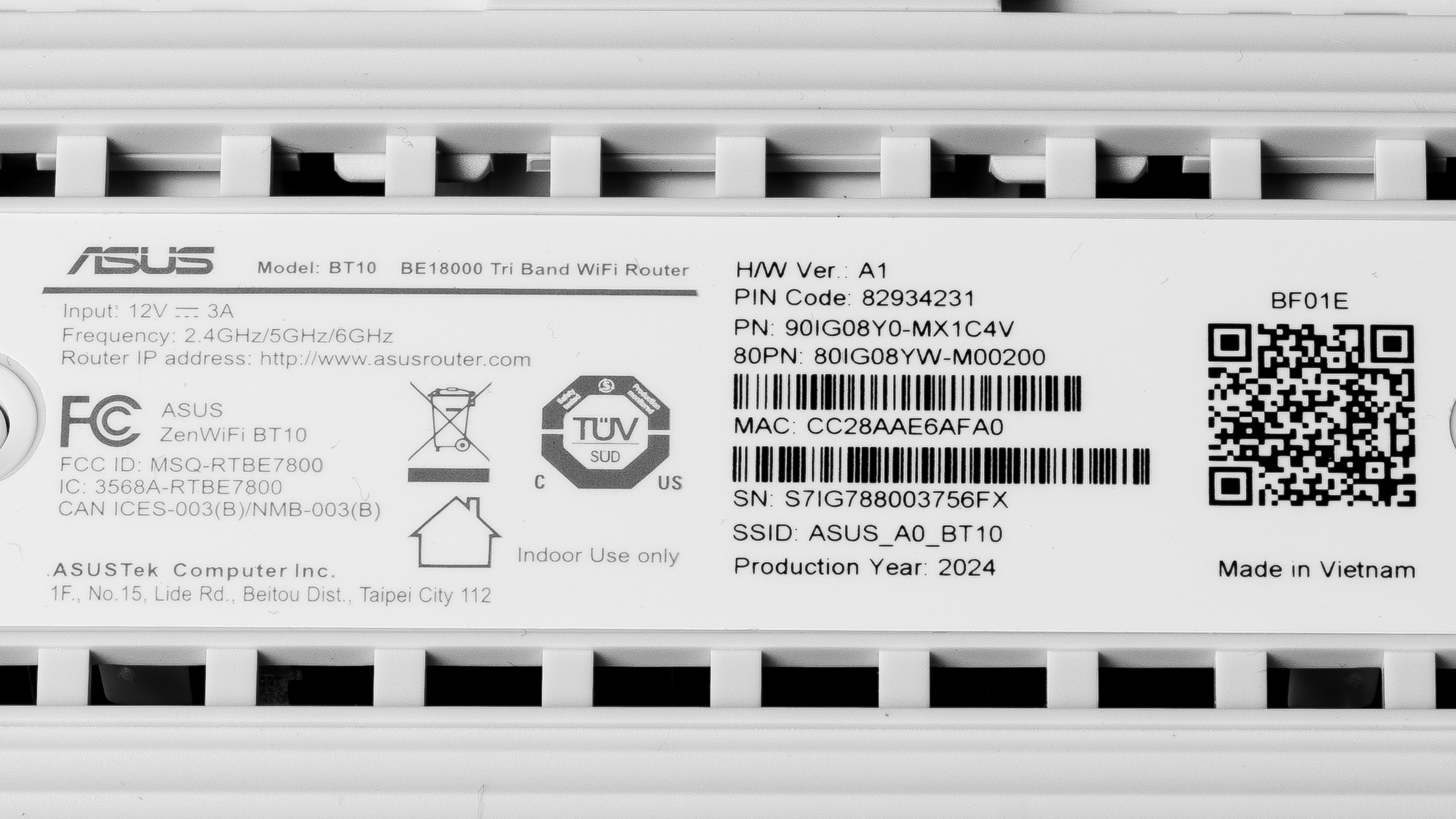
The ASUS ZenWiFi BT10 is available in a one, two, or three-pack. You can see our unit's label here.
Popular Router Comparisons
The ASUS ZenWiFi BT10 is a tri-band Wi-Fi 7 mesh router part of ASUS's ZenWiFi lineup. It's similar to the ASUS ZenWiFi ET9 but supports Wi-Fi 7 instead of Wi-Fi 6E. It enters a rapidly growing market segment of Wi-Fi 7 mesh routers designed for performance and ease of use, such as the TP-Link Deco 7 Pro BE63 and the eero Pro 7. It delivers performance very similar to the TP-Link but is notably better than the eero. Another advantage of this router is that it uses ASUSWRT, ASUS's firmware, which is far more configurable than what's offered on the eero or TP-Link routers. One of its features is VPN support, so you can route your entire network through a VPN.
If you're looking for a VPN provider, check out our recommendations for the best VPNs. If you're looking for router recommendations, check out our lists for the best mesh Wi-Fi systems and the best Wi-Fi routers for large homes.
The TP-Link Deco 7 Pro BE63 and the ASUS ZenWiFi BT10 are tri-band Wi-Fi 7 mesh routers. They both deliver very fast top speeds suitable for multi-gigabit internet connections, but the ASUS is slightly faster. Both deliver great overall range. As for connectivity, the ASUS has two 10Gbps Ethernet ports, a 1Gbps port, while the TP-Link has four 2.5Gbps Ethernet ports.
The ASUS ZenWiFi BT10 and the ASUS ZenWiFi ET9 are tri-band mesh routers that are part of the same lineup. The former is Wi-Fi 7 and the latter is Wi-Fi 6E. The BT10 delivers significantly faster top speeds, while both routers have similarly great range. The BT10 has faster wired networking ports with two 10Gbps Ethernet ports and one 1Gbps port, while the ET9 has three 1Gbps ports and one 2.5Gbps port.
The ASUS ZenWiFi BT10 is a better router than the eero Pro 7. While they're both tri-band Wi-Fi 7 mesh routers, the ASUS is more performant, delivering faster top speeds and better range. It also has better wired connectivity with two 10Gbps Ethernet ports, a 1Gbps port, and a USB 3.0 port, while the eero only has two 5Gbps ports.
The ASUS ZenWiFi BT10 and the GL.iNet Flint 3 (GL-BE9300) are tri-band Wi-Fi 7 routers. The ASUS is a mesh router, while the GL.iNet is a standalone unit. Both routers perform well, but the ASUS delivers higher top speeds and better range. The GL.iNet has five 2.5Gbps Ethernet ports, while the ASUS has two 10Gbps ports and one 1Gbps port. The ASUS is designed as a plug-and-play solution with ease-of-setup as a priority, while the GL.iNet runs OpenWRT, a highly configurable firmware that offers a higher degree of configuration and advanced options.
Test Results
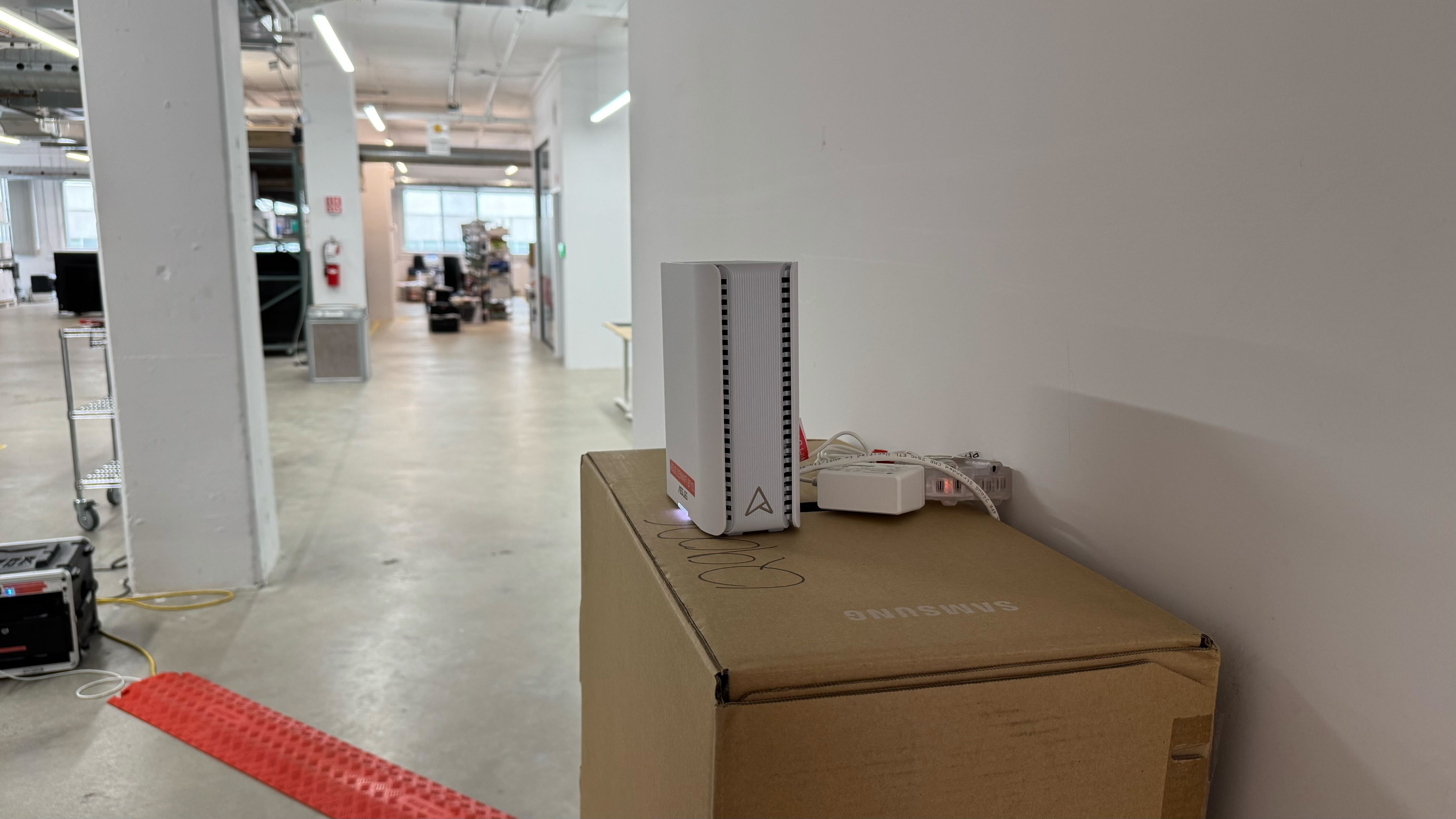
for pictures & test results
Check out the TP-Link Deco 7 BE25 if you're looking for a smaller Wi-Fi 7 mesh router.
for pictures & test results
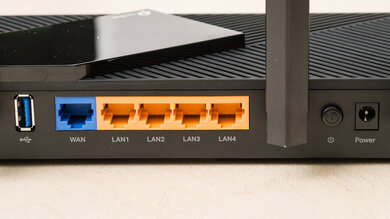
This router supports multi-WAN, so you can configure a second WAN port to act as a failover if your first WAN connection goes down and also load balance between them.
This router's USB port supports a USB 3.2 Gen 1 data transfer speed of up to 5Gbps. It supports WAN over USB, so you can connect your phone to the router to use its cellular connection for your network.
for pictures & test results
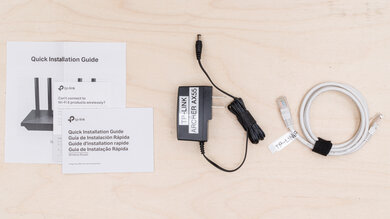
- Ethernet cable
- Power adapter x2
- User documentation
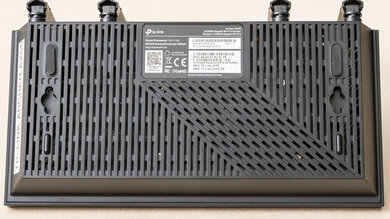
for pictures & test results
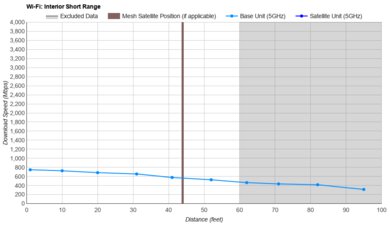
for pictures & test results
for pictures & test results
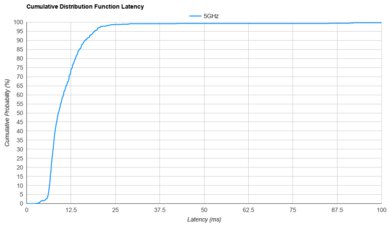
This router delivers wireless latency that's adequate for browsing the web, taking video calls, and casual gaming without any issues.
We expected the 5GHz median latency to be closer to the 6GHz latency, so we reran the test to validate our results, and didn't see significant differences.
for pictures & test results
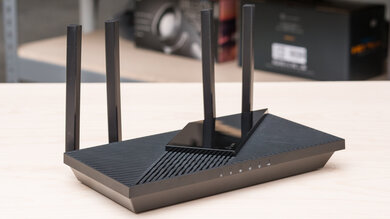
This router's latency is slightly worse when connected to a satellite access point, but that's expected. It's still adequate for normal internet use, taking calls, and even casual gaming.
In order to take advantage of Wi-Fi 7's theoretically higher throughput, you need to have Wi-Fi 7 compatible client devices.
If you're looking for a similar mesh system with a quad-band design, check out the ASUS ZenWiFi BQ16 Pro.
for pictures & test results
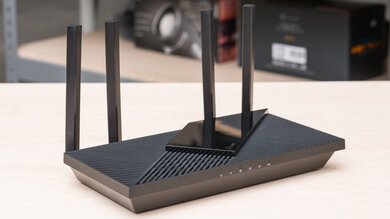
This router uses alternating MLO (multi-link operation), which is a limited implementation of the technology that establishes a connection with clients on one band at a time. For more information, read our article on the topic.