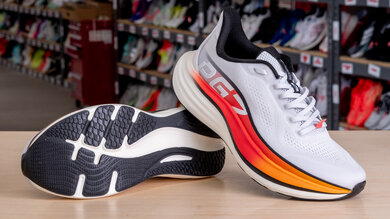
The ANTA PG7 3 is a well-cushioned daily trainer that delivers solid performance for budget-conscious runners. The shoe has impressive midsole cushioning, and heel strikers are particularly well protected from the impacts of the road. This isn't a very responsive shoe, though, so picking up the pace feels tiring, and we found in testing that the high ankle collar caused some chafing.
| ✅ Buy If: | ❌ Skip If: |
|
|
Our Verdict
The ANTA PG7 3 is an okay shoe for running a marathon, but it's certainly not its strong suit. It's stable enough to keep your stride steady over the distance, and the rockered forefoot does help you sustain momentum. Unfortunately, there are also many factors that detract from your momentum, including its poor energy return and relatively heavy weight, which make the shoe feel sluggish on tired legs.
Decently stable over long distances.
Too heavy for racing.
Poor energy return makes the shoe inefficient for racing.
The ANTA PG7 3 is not a bad shoe for running shorter races, but it's not very good either. The firm, rockered forefoot is an asset when you're trying to turn your legs over quickly, but the rocker starts to flatten if you put down too much force, making the ride less smooth. The shoe is also on the heavier side, which, combined with the lack of energy return from the midsole, results in a very clunky ride when you try to push the pace.
Firm forefoot helps keep turnover high.
Too heavy for racing.
Poor energy return makes the shoe inefficient for racing.
The ANTA PG7 3 can work as a long-run shoe, particularly if you want to use one shoe for all your training. It's stable enough for longer runs where your form starts to break down, and its rockered geometry helps you keep rolling forward at easy paces. The cushioning doesn't hold up that well over long distances, though, and the rocker flattens if you apply too much force, making it harder to maintain momentum for very long at faster paces.
Decently stable over long distances.
Cushioning isn't very reliable over long distances.
The ANTA PG7 3 is a very good daily trainer. Its cushioning can handle shorter, everyday outings, and it's stable enough for treadmill or pavement running. It has a nice rocker that helps you roll along smoothly at easy paces, though the shoe becomes flat at faster paces.
Satisfactory stability for daily use.
Changelog
- Updated Aug 18, 2026: Review published.
- Updated Aug 13, 2026: Early access published.
- Updated Aug 03, 2026: Our testers have started testing this product.
- Updated Jul 27, 2026: The product has arrived in our lab, and our testers will start evaluating it soon.
- Updated Jul 16, 2026: We've purchased the product and are waiting for it to arrive in our lab.
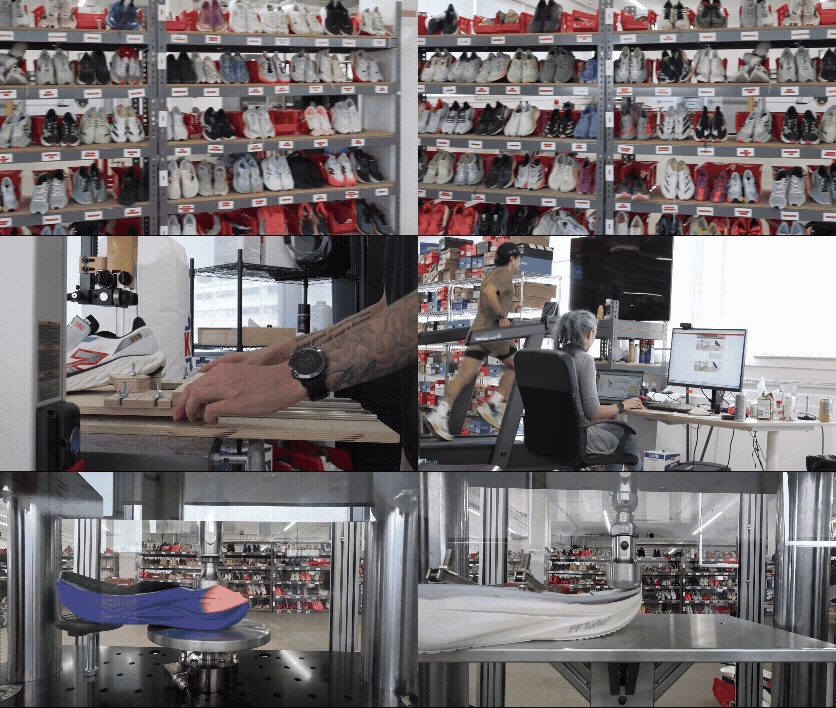
We've bought and tested more than 250 running shoes. Every pair purchased with our own money, never supplied or sponsored by brands. Our data-driven tests are designed to go beyond marketing claims, and since every shoe goes through the exact same methodology, you can directly compare results to find the right pair for your needs.
Test Results
Energy Return
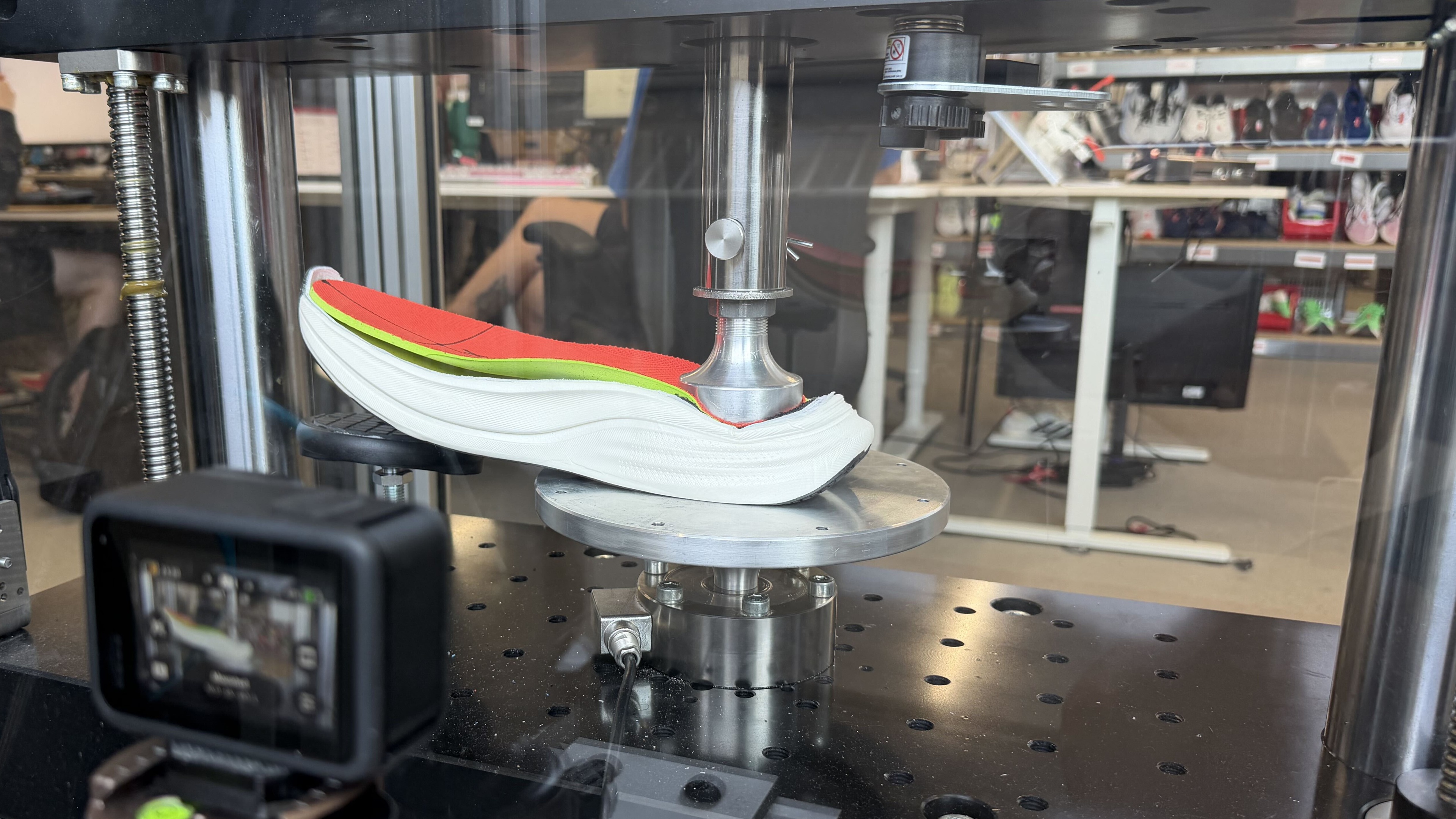
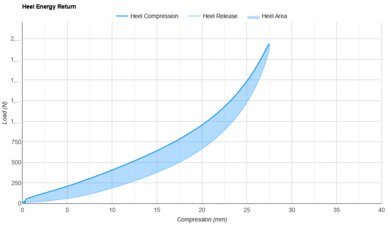
The ANTA PG7 3 has very little energy return. You won't really feel the midsole transferring your momentum forward or get much of a boost as you push off.
Heel landings feel dull and lifeless.
Push-off is inefficient.
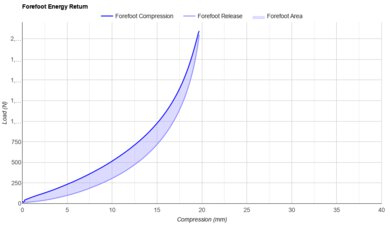
The forefoot is livelier than the heel, but it's certainly not springy. It returns energy at the same level as the Nike Pegasus 42 or Mizuno Wave Rider 30.
Stability
The ANTA PG7 3 has decent stability overall. The shoe's broad platform gives you a generous landing platform, regardless of which part of your foot strikes first. The forefoot is much firmer than the heel, however, so heel strikers will get a softer but less stable impact with each footfall.
Generous width through entire platform.
Firm forefoot provides stable base for final phase of your stride.
Heel landings can get wobbly.
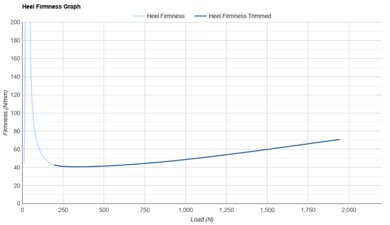
The heel is firm enough to keep landings decently stable, although it doesn't firm up proportionally to the force applied, so heel landings become less stable as the intensity increases.
Cushioning
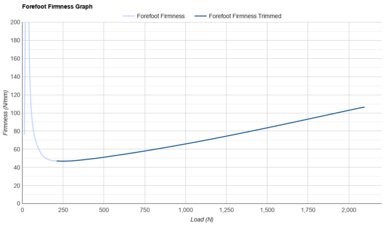
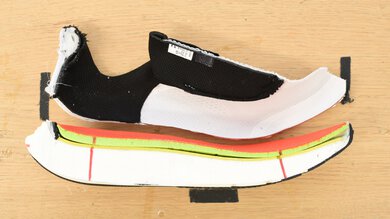
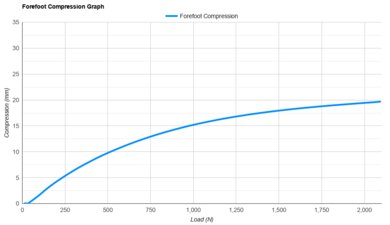
The ANTA PG7 3 has very good, if somewhat inconsistent, cushioning. Heel strikers get excellent shock absorption, even when you land with significant force, so larger runners who push the pace still will not test the limits of the heel cushioning. The forefoot is another story, though. It starts out very absorbent, but gets harsher much quicker.
Heel cushioning is excellent even against heavy landings.
Forefoot cushioning can easily absorb impact at moderate paces.
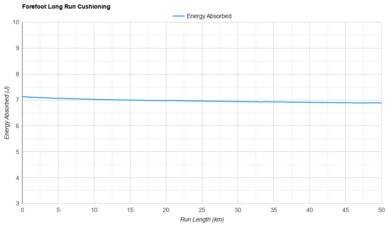
Cushioning in the forefoot is less reliable at faster paces or longer distances.
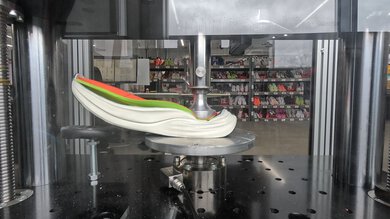
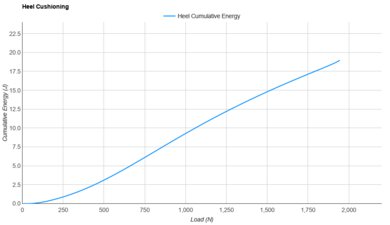
This shoe's heel is very absorbent, acting as an excellent buffer from the road. Even heavy heel strikers will get amazing shock absorption.
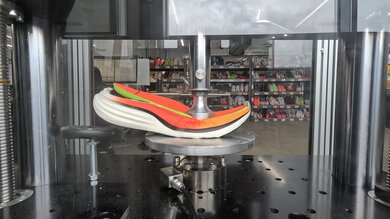
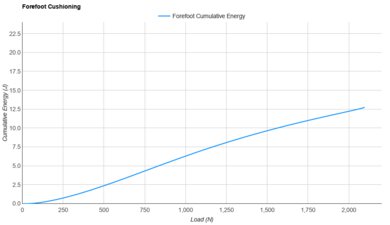
The cushioning under the forefoot is very good, but less impressive than that under the heel. There's less material to absorb shock because of the heel-to-toe drop, and it struggles with heavy impacts, so forefoot strikers who land with lots of force might find the shoe a bit harsh.
Bounciness
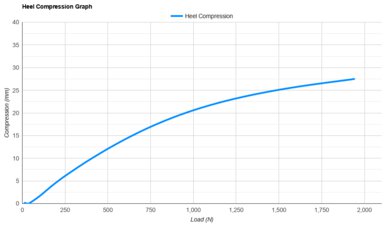
The ANTA PG7 3 doesn't have much bounce. The relatively stiff midsole resists compression, and the foam doesn't decompress that quickly, so the ride feels flat rather than springy.
Midsole doesn't compress enough to be able to bounce back.
Minimal energy return means minimal rebound.
Snappiness
The ANTA PG7 3 is decently snappy for a daily trainer. The forefoot is quite firm, which helps give a firm base for pushing off, but the midsole does a mediocre job of returning energy as it unbends, so the snap-back isn't that impressive.
Firm forefoot gives solid toe off.
Forefoot doesn't return much energy as it unbends, so there's little spring.
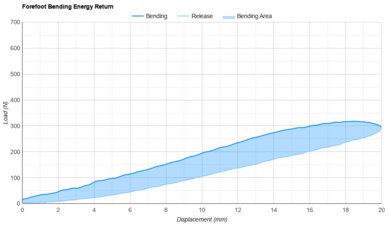
The forefoot unbends rather tamely, returning an unremarkable amount of energy. You won't really feel the shoe springing back as you push off.
Roll
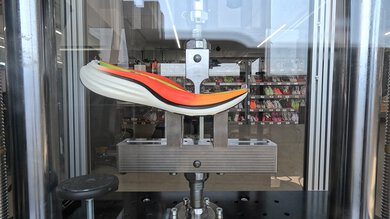
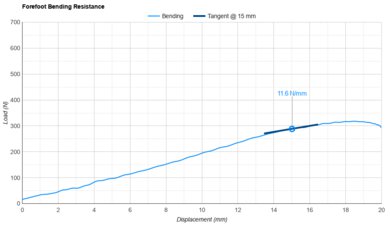
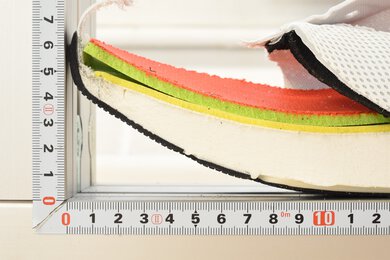
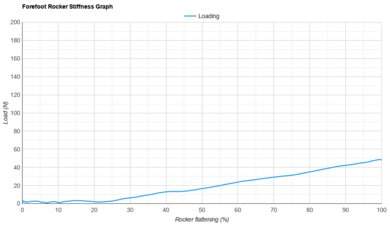
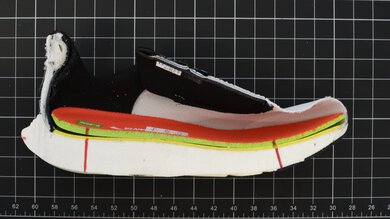
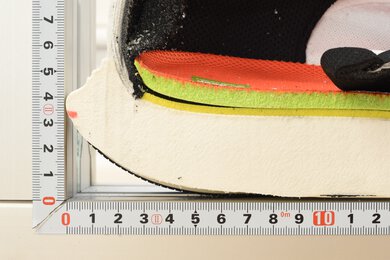
The ANTA PG7 3 has a reasonably smooth rolling sensation, thanks to a pronounced rocker in both the front and rear of the shoe; however, the rocker flattens pretty easily if you apply much force, so you get much less rolling sensation once you start to push the pace.
Pronounced heel rocker rolls easily from heel to midfoot.
Rocker flattens easily under force, making the ride less smooth.
True To Size
The ANTA PG7 3 fits very close to true to size, and most runners can buy their usual size. The length is spot on, and there's enough width through the arch and forefoot. There's less vertical clearance over the toes, which could cause some chafing if you dorsiflex.
Length is true to size.
Good width throughout.
Shallow clearance over toes.
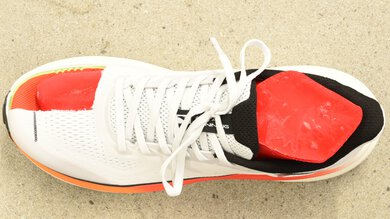
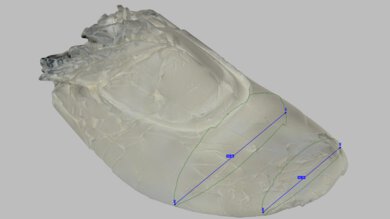
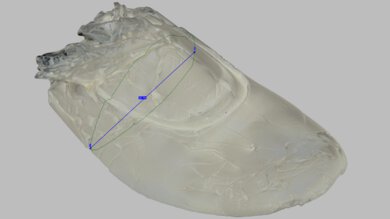
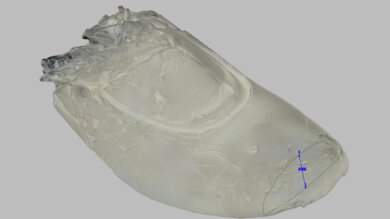
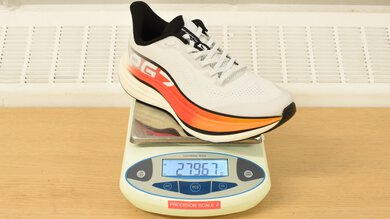
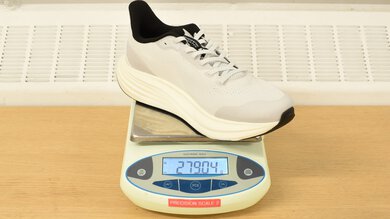
The ANTA PG7 3 is a bit on the heavy side, weighing about the same as higher-stacked shoes like the Saucony Paramount Max and Nike Vomero Plus.

Popular Running Shoe Comparisons
The ANTA PG7 3 is a running shoe that brings impressive cushioning at an attractive price. Given its starting retail price, which puts it in the same range as the much less cushioned Nike Run Swift 3, this is a good daily trainer for runners on a budget. This shoe is a bit one-dimensional, though, offering little beyond cushioning. If price is less of a constraint, and you want a highly cushioned trainer that can pick up the pace better, check out the Saucony Triumph 24. For a lighter, bouncier shoe from ANTA that isn't as stable but is more fun to run, check out the ANTA Zone 2 90.
For more good deals, check out our recommendations for the best cheap running shoes. For more cushioned options, see our recommendations for the best cushioned running shoes.
The ANTA PG7 3 and Dynafish Xiaonian are running shoes from rival Chinese brands, but the Dynafish is a much more versatile shoe, with a higher price tag. The ANTA shoe is a solid daily trainer that works well for walking, jogging, and shorter runs. The Dynafish is a much lighter, livelier shoe that is a better choice for intervals, long runs, and more intense training. If you are just starting out running and want a shoe that you can also wear to the gym or around town, the ANTA shoe makes the most sense. If you are a more advanced runner and want a shoe that can handle all your training runs, the Dynafish's higher price tag is worth it.
The HOKA Clifton 10 and ANTA PG7 3 are both highly cushioned daily trainers, mostly separated by price. The HOKA shoe is more stable thanks to a wider arch platform and a semi-gusseted tongue, so if that's important to you, the higher price tag might be worth it. Otherwise, the ANTA shoe offers similar performance at a more competitive price.
The ANTA PG7 3 could work as a budget alternative to the HOKA Clifton 11. Their cushioning is similar (both are great), the energy return is similar (both are bad), and they have almost identical stack heights. The HOKA shoe is lighter, though, and it has a broader arch platform, so if you want a nimbler daily trainer or are worried about midfoot stability, the HOKA might be worth the higher price tag.
The ANTA PG7 3 is a much better running shoe than the Nike Run Swift 3. It costs a little more, but it's a very good daily trainer with much better protection underfoot, a smoother ride, and far more versatility for regular running. It's slightly heavier, however, but the difference is negligible on the road. Get the Run Swift 3 for walking and occasional short runs; spend a little more on the ANTA if running is your priority.
Differences Between Sizes And Variants
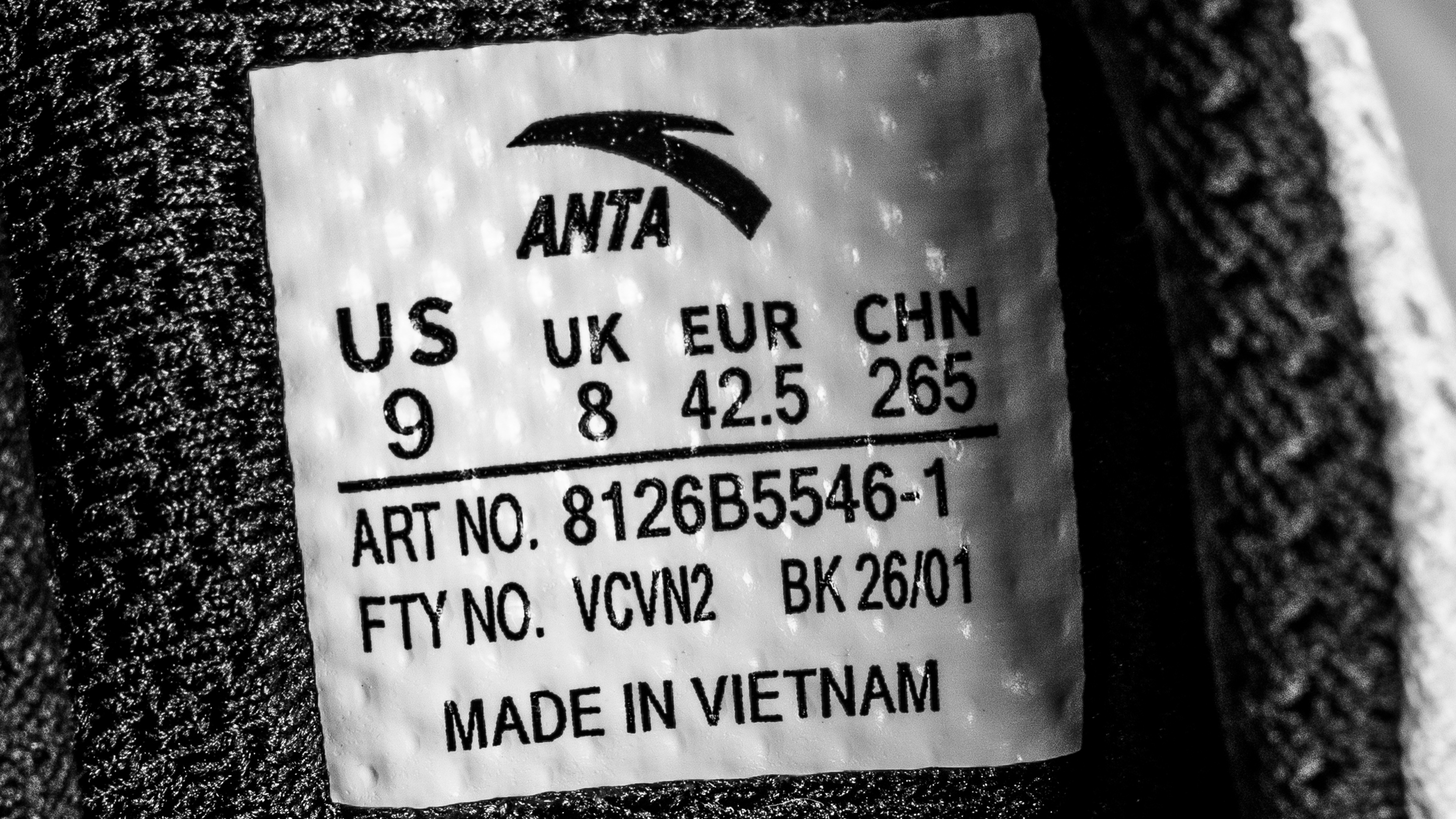
We bought and tested the ANTA PG7 3 in men's US size 9, as noted on the label of our pair. The pair we purchased is the Grey/Red/Black colorway, but you can also buy this shoe in other colors, depending on your region. This shoe is only available in one standard width. The design section applies only to the exact model we tested, but we expect other sizes to perform similarly.