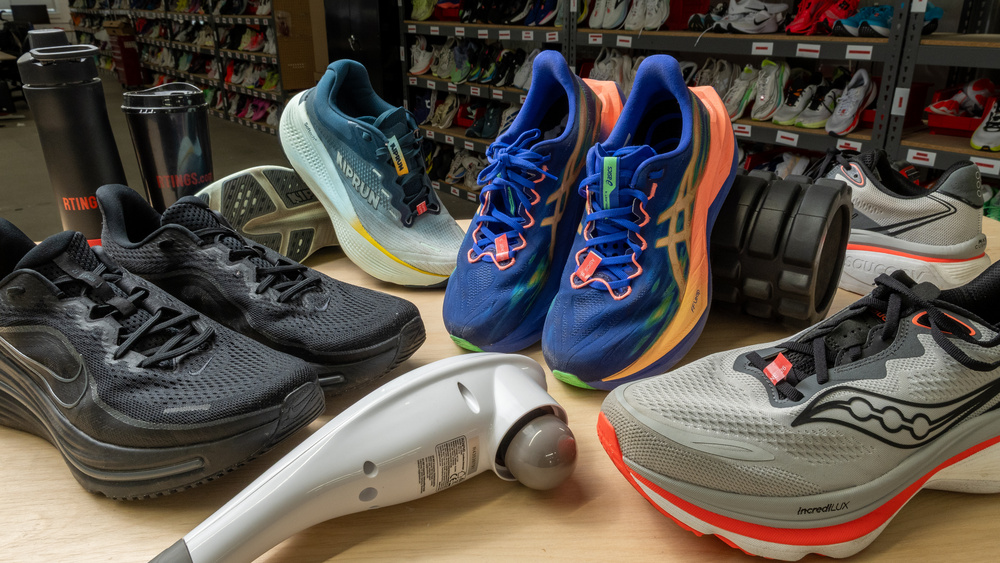
The best running shoes for recovery runs combine deep cushioning with a stable, comfortable ride when your legs are tired. Recovery runs are typically short, relaxed efforts of around 20-40 minutes after a hard workout or race. You don't need a separate shoe for them, as a well-cushioned daily trainer can do the job. However, when choosing shoes specifically for recovery runs, we prioritize excellent impact protection, a smooth roll forward after landing, and a stable platform you can trust on tired legs. These shoes are often heavier and not intended for fast running, since the point of a recovery run is to run deliberately slowly. Here's what matters most:
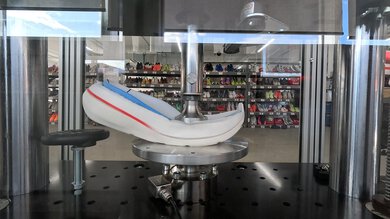
- Cushioning: How much road impact the shoe absorbs. A score of 8+ is great. You can learn more about how pace and body mass affect landing forces in our foot-pressure-mapping research.
- Stability: How steady the shoe feels when you land. An unsteady shoe can be more work to control on weary legs. A score of 7.5+ provides good stability when fatigued.
- Heel Rocker: Most recreational runners land heel-first, particularly at slower paces. A well-shaped heel helps you roll smoothly forward during recovery runs.
- True-to-Size: A comfortable fit is important when your feet are sore or swollen after a hard session. Look for a roomy fit through the arch and forefoot.
All our picks are considered 'max-cushion' shoes, but it's important to note that no shoe is proven to prevent injuries, 'flush the body', or speed up recovery, so our recommendations focus on making relaxed miles more comfortable on worn-out legs.
We've tested over 300 running shoes. Below are our picks for the best running shoes for recovery runs. For more general options with deep cushioning, see our recommendations for the best cushioned running shoes. If you want shoes for both easy runs and long days on your feet, check out our best walking and running shoes. You can also explore our picks for the most comfortable running shoes.
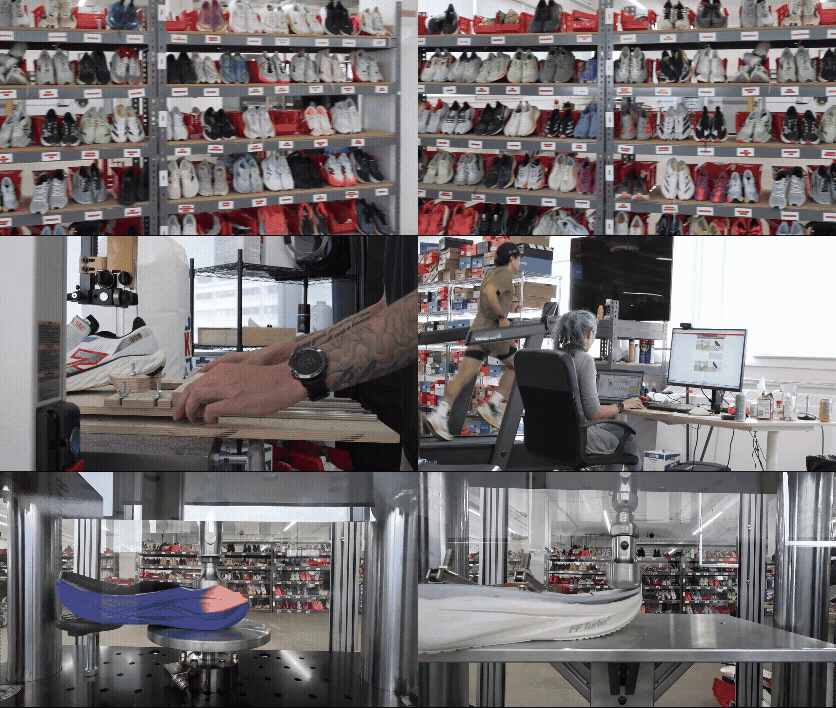
We've bought and tested more than 300 running shoes. Every pair purchased with our own money, never supplied or sponsored by brands. Our data-driven tests are designed to go beyond marketing claims, and since every shoe goes through the exact same methodology, you can directly compare results to find the right pair for your needs.
-
Best Recovery Run Running Shoes
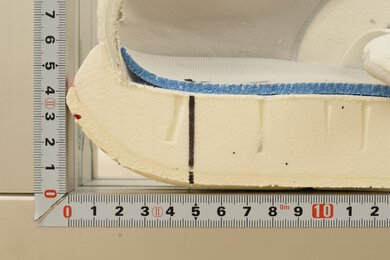
 Cushioning8.9Stability7.5True To Size9.3Weight:279.7 g (9.87 oz)Heel Stack Height:46.6 mmHeel-To-Toe Drop:10.4 mmSee all our test resultsPlate:None
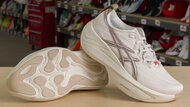
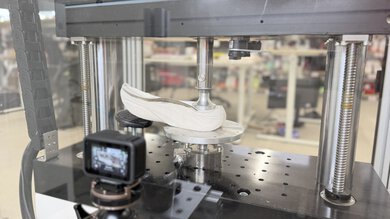
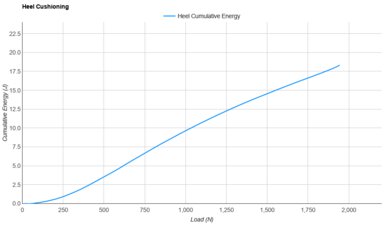
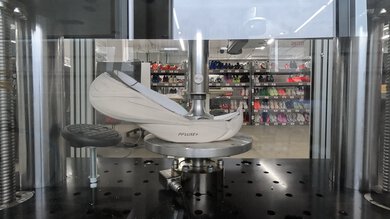
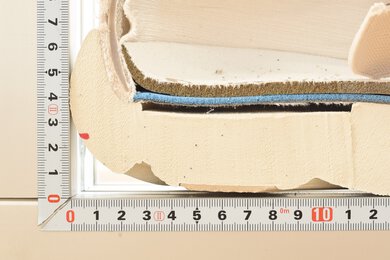
The best running shoe for recovery runs we've tested is the ASICS GEL-SLOWCUSH. If your legs are tired after a hard workout or race, its deep cushioning provides excellent protection from road impact when you want to get time on feet. Lighter runners get superb protection at relaxed paces, and the heel remains excellent under heavier landings. Plus, there's exceptional cushioning at the front, so you're still well protected if you land farther forward or when you toe off.
The broad heel and midfoot provide good stability, giving you a trustworthy base when your legs are fatigued. There's also a good balance of softness and support under the heel, while its curved shape helps heel strikers roll forward comfortably. The fit is roomy enough through the arch and forefoot, too. However, the toe box sits quite low, which may bother runners with taller toes. The softer forefoot can also feel less planted when pushing off.
-
Best Mid-Range Recovery Run Running Shoes


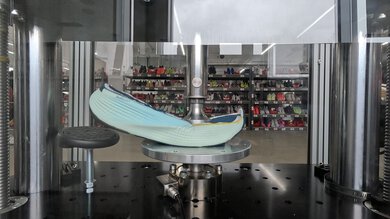
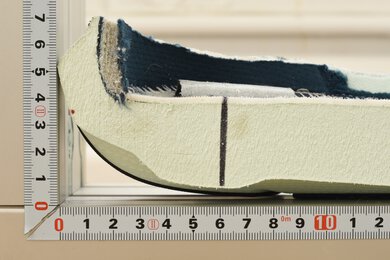 Cushioning8.9Stability7.4True To Size8.4Weight:277.0 g (9.77 oz)Heel Stack Height:41.8 mmHeel-To-Toe Drop:8.7 mmSee all our test resultsPlate:None
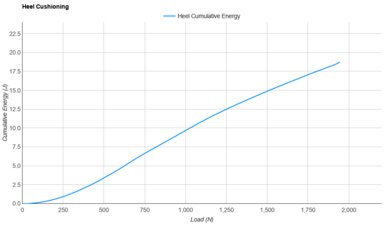
If you can sacrifice a roomier fit to save some money, the Kiprun Kipride Max is the best mid-range running shoe for recovery runs we've tested. Its arch is narrower than our top pick, the ASICS GEL-SLOWCUSH, so it may feel tight if your feet are swollen from your previous session. The toe box is lower too, so it's more likely to rub if you have taller toes. You get slightly better heel cushioning than our top pick; it provides an excellent buffer against road impact, regardless of your weight or build. The forefoot is exceptionally forgiving, too.
The softer heel makes this shoe slightly less steady than the ASICS, but it's still stable enough to log recovery miles without worrying about wobble. Its more pronounced heel curve does a better job of moving heel strikers into midstance. That said, the springier foam and more aggressive curve at the front can feel a little too eager when you're deliberately keeping the pace slow.
-
Best Cheap Recovery Run Running Shoes
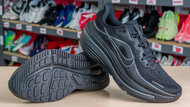
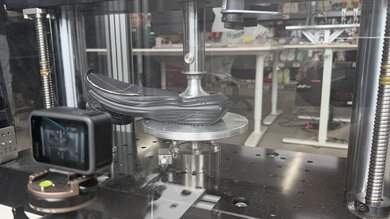
 Cushioning7.3Stability8.4True To Size8.9Weight:296.7 g (10.47 oz)Heel Stack Height:44.3 mmHeel-To-Toe Drop:12.5 mmSee all our test resultsPlate:None
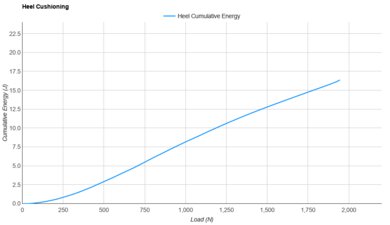
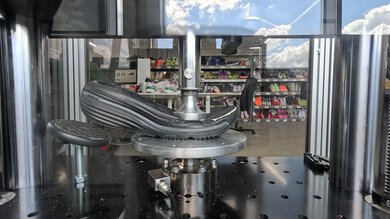
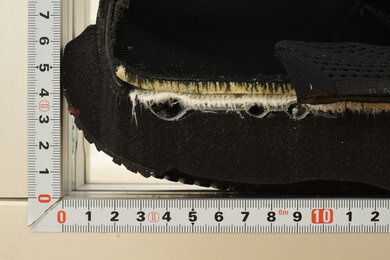
If you're not looking to spend too much and don't mind giving up some cushioning, the Nike Winflo 12 is the best cheap running shoe we've tested for recovery runs. Though it's nowhere near as cushioned as either of the two picks above, its heel still provides good protection from road impact, even for heavier runners. The forefoot is less forgiving, however, and can feel harsh if you push off with more force. On the upside, the Nike comes in wide sizing and is the most stable shoe on this list. Its firmer platform helps keep your feet planted on tired legs, even without dedicated support features.
Unlike the Kiprun Kipride Max, its forefoot isn't as eager to move you into the next stride. The heel still guides you forward very smoothly, and there's more room through the arch, too. The trade-off is the lowest toe box on this list, which is more likely to cause discomfort if your toes are tall.
-
Best Recovery Run Running Shoes For Stability
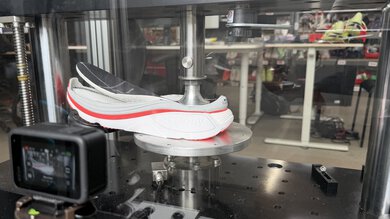


 Cushioning8.4Stability7.8True To Size9.4Weight:260.6 g (9.19 oz)Heel Stack Height:41.4 mmHeel-To-Toe Drop:7.7 mmSee all our test resultsPlate:None
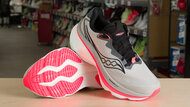
If your feet tend to collapse inward when you run, the Saucony Hurricane 26 is the best stability running shoe we've tested for recovery runs. Its built-in support features help guide your feet and limit excessive inward rolling. Its exceptionally broad heel is firmer than our top pick, the ASICS GEL-SLOWCUSH, giving you a steady base to land on when your legs are exhausted. The softer forefoot can feel a little mushy when pushing off, though. If you don't need additional support, its guidance features may feel too controlling for relaxed runs.
You still get impressive cushioning, even though the ASICS provides much better overall impact protection. Transitions into midstance are comfortable and smooth for heel strikers. However, its lively rebound may be less appealing if you'd rather just plod along. Wide sizing is available, and the already generous fit is likely to be welcome when your feet are still sore or swollen after the previous day.
-
Best Recovery Run Running Shoes For Heavier Runners
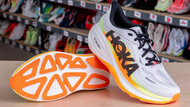
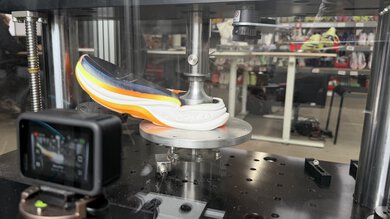


 Cushioning8.9Stability7.7True To Size9.5Weight:269.0 g (9.49 oz)Heel Stack Height:43.4 mmHeel-To-Toe Drop:8.8 mmSee all our test resultsPlate:None
If you're a heavier runner who finds shoes harsh underfoot, the HOKA Clifton PRO is the best recovery run shoe for you. When you land with plenty of force, the heel absorbs it superbly, keeping your feet from feeling like they're sinking straight through the foam. Indeed, you get better protection than our top pick, the ASICS GEL-SLOWCUSH, under the heaviest loads. Despite having a narrower base than that shoe, the HOKA is a bit more stable too.
Though it doesn't roll through the full stride particularly smoothly, the heel still does a great job of guiding you into the middle of your stride. The gentle forefoot curve helps you plod along without feeling hurried into the next step. Plus, the forefoot offers exceptional protection, keeping your push-offs comfortable on worn-out legs. There's also plenty of room through the arch, and though the forefoot height is a bit shallow, it's not likely to cause issues for most runners. It comes in wide sizing, too. For more options for heavy runners, check out our best running shoes for heavier runners.
-
Best Recovery Run Running Shoes For Wide Feet


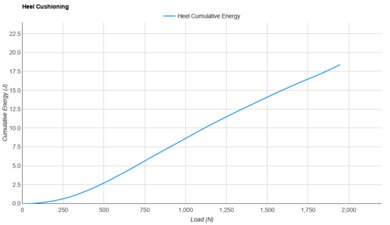
 Cushioning8.4Stability8.2True To Size9.6Weight:268.2 g (9.46 oz)Heel Stack Height:41.8 mmHeel-To-Toe Drop:7.9 mmSee all our test resultsPlate:None
If you have wide feet and struggle to find a shoe that doesn't pinch on recovery miles, the Mount to Coast C1 is your best choice for recovery runs. There's much more space through the arch and around the ball of your foot than in our top pick, the ASICS GEL-SLOWCUSH, so your feet can spread comfortably. Plus, its dual-lacing system lets you loosen the forefoot while keeping the rest of the shoe secure. Though there's no wide sizing available, the standard fit is already very generous.
This shoe is also very stable. Its firmer cushioning helps keep landings secure when your legs are heavy. However, lighter runners may find the heel harsher during very slow recovery runs. That said, it improves the more you weigh, and there's plenty of cushioning in the forefoot to keep toe-off protected. The heel nudges you smoothly into midstance, too, and the forefoot curve is mild, making getting time on feet easier when you're taking it slow.
Notable Mentions
-
Mizuno Sky Prime:
The Mizuno Sky Prime is a similarly cushioned alternative to our top pick, the ASICS GEL-SLOWCUSH. It's slightly more stable, but the ASICS provides better heel cushioning at slower paces and rolls heel strikers forward more smoothly. The Mizuno also has a narrower fit and suits forefoot and midfoot strikers better.
See our review -
ANTA PG7 3:
The ANTA PG7 3 is a more cushioned alternative to our cheap pick, the Nike Winflo 12. It provides significantly better protection from road impact, particularly under the heel, but it's much less stable. It's also harder to find in Western markets.
See our review -
ASICS GEL-NIMBUS 28:
The ASICS GEL-NIMBUS 28 is a much more stable alternative to our pick for heavier runners, the HOKA Clifton PRO. However, it absorbs less heel impact under the heaviest loads and doesn't roll forward as smoothly. Its narrower arch and shallow toe box can also feel restrictive.
See our review
All Reviews
Our recommendations above are what we currently consider the best recovery run shoes. We prioritize cushioning, stability, heel rocker geometry, and a comfortable fit for easy miles on tired legs. We also consider price (a cheaper shoe wins if the extra cost isn't justified), user feedback, and availability. We don't recommend shoes that are hard to find or nearly sold out, though some notable mentions may be harder to find in certain regions.
If you'd rather decide for yourself, check out the table of our recovery run picks below. Ultimately, choosing the best running shoes for recovery runs depends on your body size, foot shape, and comfort preferences rather than any single ranking.