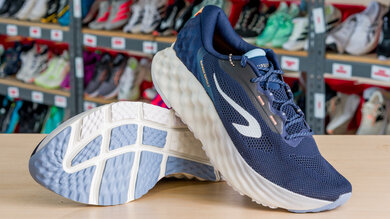
The Kiprun KS900 2 is a simple, no-frills road running shoe by the Decathlon brand, built primarily for easy and recovery mileage. As Kiprun's second attempt at a max-cushion model, it bumps the stack up noticeably compared to the first version, pairing a tall slab of EVA foam with a plush, padded upper for a comfortable step-in feel. Despite the generous heel stack, the shoe stays fairly stable, and the forefoot sits a bit closer to the ground than many true max-cushion trainers, preserving a touch of ground feel that helps keep transitions predictable. It's not designed to feel lively or workout-ready, but it makes a strong beginner-friendly option for shorter easy runs and daily mileage, especially if you want a set-and-forget trainer that's predictable.
Our Verdict
The Kiprun KS900 2 isn't a strong marathon racer because it's more of a daily cruiser than a shoe that helps you hold race pace efficiently. Its tall stack and solid stability keep things controlled, but the ride lacks bounce, and the shoe's weight makes it harder to keep turnover feeling effortless late in the run. Most runners looking for an enjoyable and efficient experience will want something lighter and more energetic.
High stack height.
Heavy and bulky.
Midsole returns very little energy.
No plate to add snap.
The Kiprun KS900 2 isn't built for 5K or 10K racing, and it shows when you try to push hard. The platform is on the firmer side upfront, which can feel nicely predictable, but the shoe doesn't give much back when you load it, and the overall weight makes it feel less efficient than true speed-focused options. It's fine for getting through a short event without looking at your finish time, but it won't help you chase a fast PR.
Heavy and bulky.
Midsole returns very little energy.
No plate to add snap.
Changelog
- Updated Jun 17, 2026: We've converted this review to Test Bench 0.12, which fixes how we measure firmness, a component of the Stability and 5K/10K Racing usages. There may be inconsistencies between the text and the scores for these usages, but the scores should still be considered valid. We've also brought back the Energy Return score and added two new usages: Daily Training and Long Run. To read more about the changes, see the changelog.
- Updated May 26, 2026: We've converted this review to Test Bench 0.11, adding two new rocker measurements to the Design section, and three new responsiveness tests to the Performance section. The Energy Return usage score has been replaced with Responsiveness. Check out the details in our changelog.
- Updated Mar 25, 2026: We've converted this review to Test Bench 0.10, adding a new set of fit tests to the Design section and an overall fit performance usage. Check out the details in our changelog.
- Updated Jan 12, 2026: Review published.
- Updated Dec 17, 2025: Early access published.
- Updated Jul 31, 2025: Our testers have started testing this product.
- Updated Jul 07, 2025: The product has arrived in our lab, and our testers will start evaluating it soon.
- Updated Jun 19, 2025: We've purchased the product and are waiting for it to arrive in our lab.
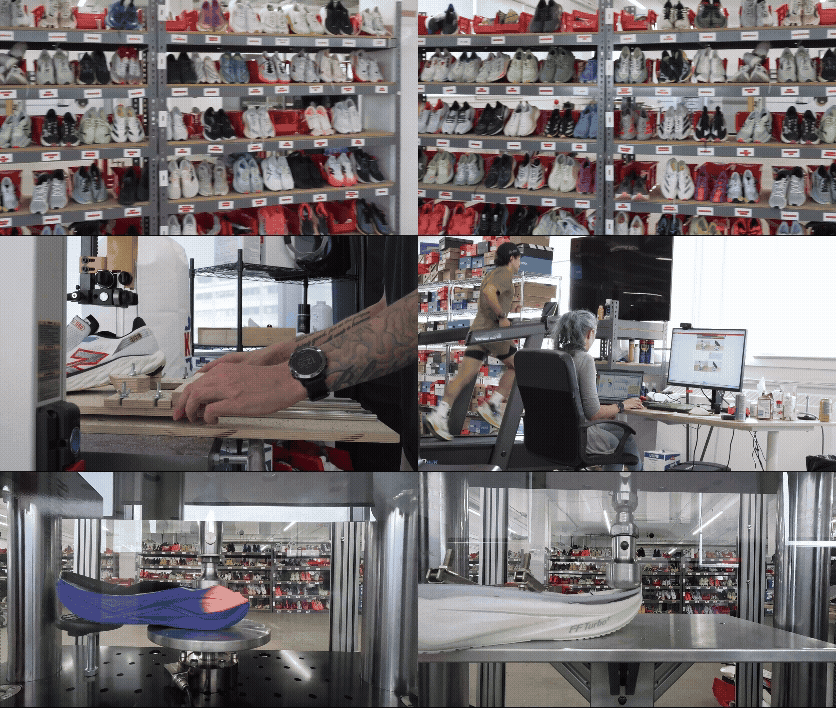
We've bought and tested more than 300 running shoes. Every pair purchased with our own money, never supplied or sponsored by brands. Our data-driven tests are designed to go beyond marketing claims, and since every shoe goes through the exact same methodology, you can directly compare results to find the right pair for your needs.
Test Results
Energy Return
Stability
The Kiprun KS900 2 is quite stable for a high-stack shoe, with a straightforward geometry that resists wobble better than expected from this much foam. The outsole dimensions and overall design help keep your foot stable, so it stays composed on cambered roads, corners, and tired late-run form. It's not a true support shoe, but for neutral runners who still want a steady base, it's one of the more confidence-inspiring parts of the design.
Wide outsole platform helps keep the shoe planted.
Firm forefoot adds a touch of extra stability.
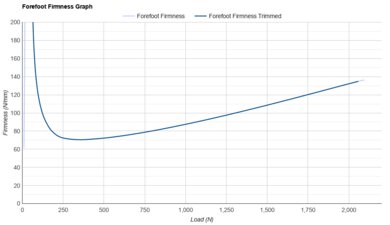
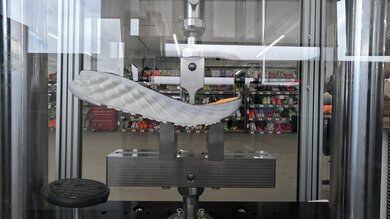
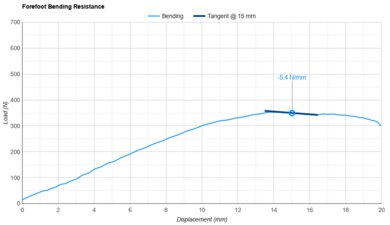
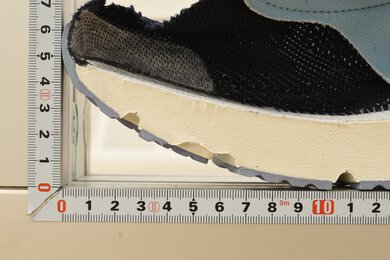
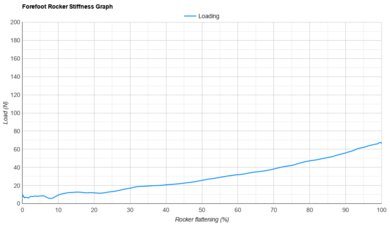
This model is quite firm in the forefoot, and it stiffens up more as you load it harder. That creates a more direct, ground-connected feel that can help the shoe feel steady and predictable, but it also limits the softness many runners expect from a max-cushion option.
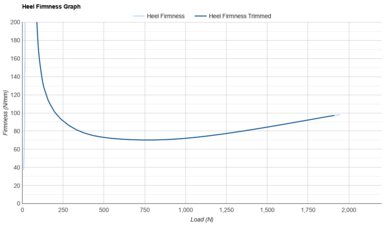
The Kiprun KS900 2 leans soft in the heel, but it still comes across firmer than many premium max-cushion shoes like the Brooks Glycerin Max 2, especially at easier paces and lighter landings. The result is a controlled, stable feel rather than a super plush, marshmallow-like ride.
Cushioning
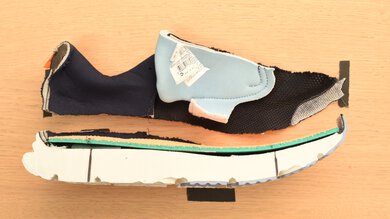
The Kiprun KS900 2 delivers an adequate level of cushioning that takes the edge off daily road impacts. It's comfortable enough for easy runs and recovery days, with some padding under both the heel and forefoot to keep your legs from feeling less beat up over routine mileage. That said, it doesn't reach at all the ultra-plush, sink-in softness you get from the most luxurious max-cushion shoes.
High stack height.
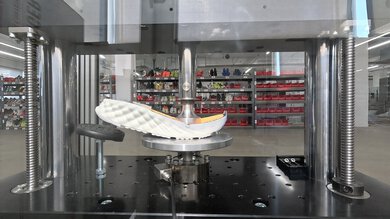
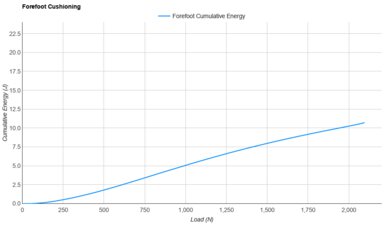
The forefoot offers a similar level of protection, feeling more cushioned than most classic daily trainers but not as plush as true max-cushioned options like the HOKA Skyward X. It absorbs lighter impacts quite well, but as forces increase, the foam's protection becomes less effective. This adds some ground feel that can be a positive for runners who dislike overly squishy shoes and a negative for those who want maximum cushioning.
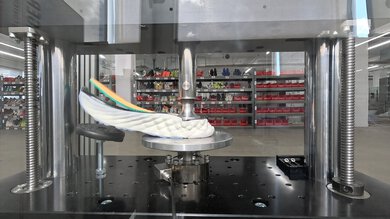
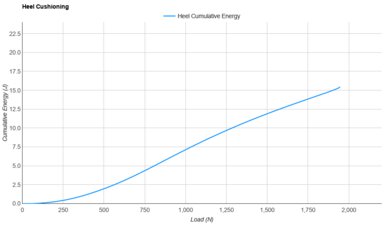
The Kiprun KS900 2 provides an adequately protective heel that takes some of the edge off daily road impacts. It's comfortable for easy mileage, though it doesn't deliver the plush, luxurious softness that defines more cushioned trainers like the Nike Vomero 18.
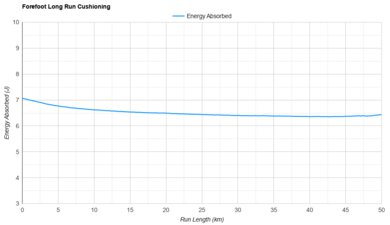
The Kiprun KS900 2 is comfortable for shorter outings, but it isn't the most protective option once your run stretches out. After around 10 km (about 6 miles), the limits of its more basic EVA-based midsole become visible, with the reduced impact absorption letting more harshness and road feel through than you'd expect from a truly long-run-focused max-cushion shoe.
Responsiveness
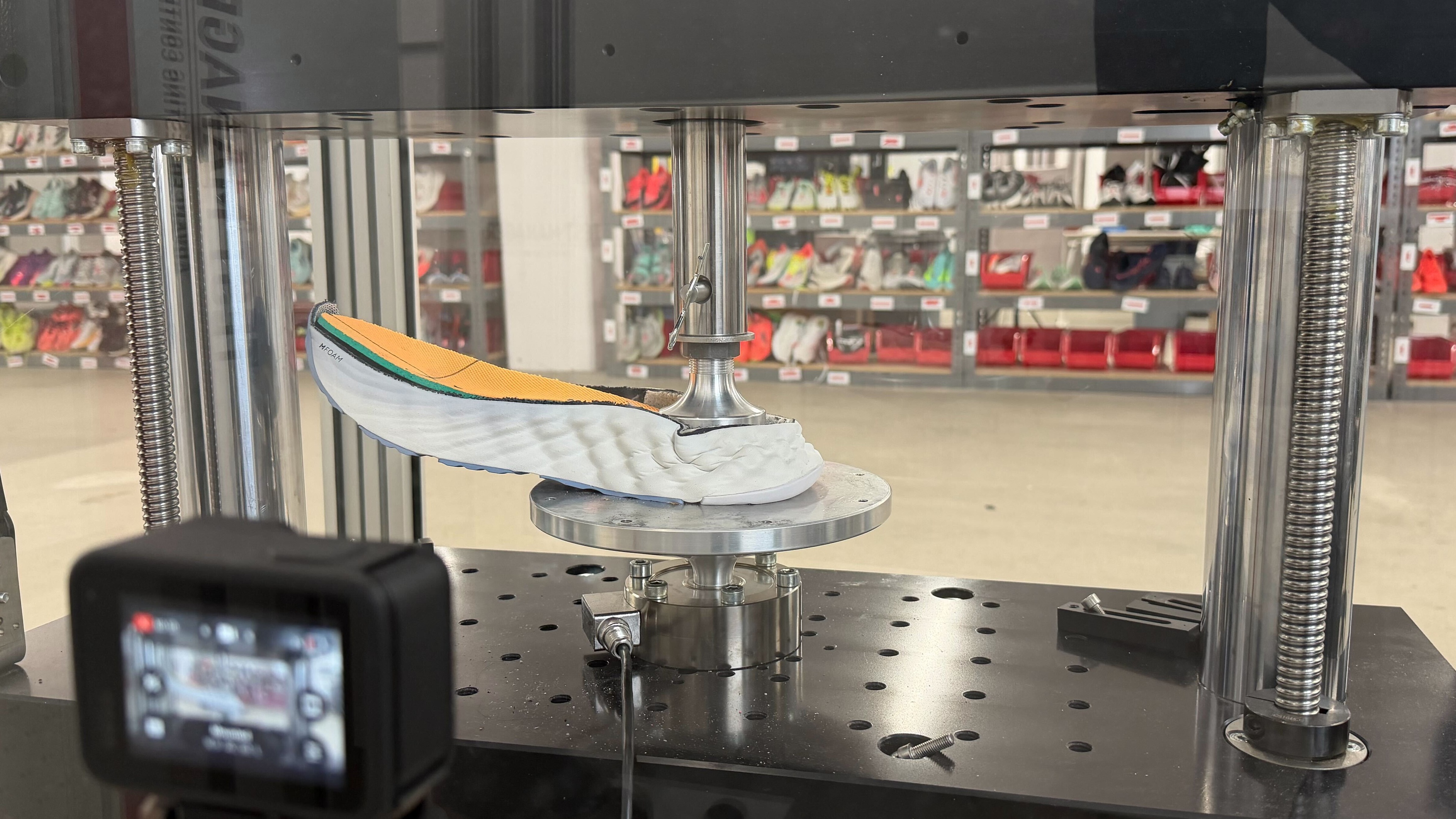
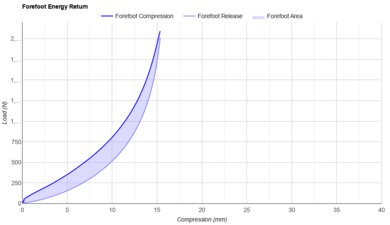
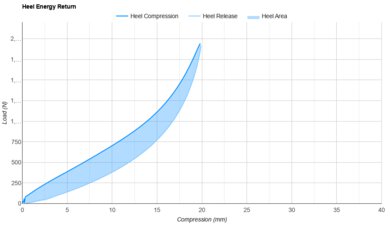
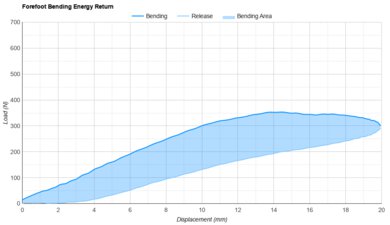
The Kiprun KS900 2 has awful energy return, with a ride that prioritizes impact damping over rebound. You don't get any springy, propulsive sensation when you toe off, which makes the shoe feel better suited to relaxed cruising than anything uptempo. If you like a calm, geometry-based underfoot experience, it fits that brief, but runners who want a lively feel will find it underwhelming.
Midsole returns very little energy.
True To Size
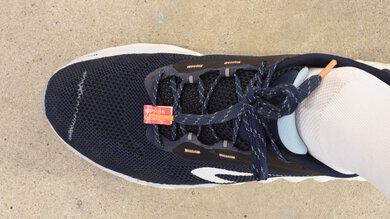
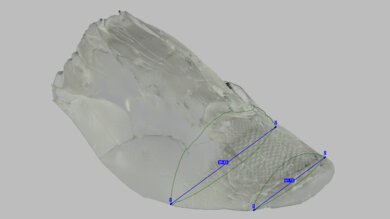
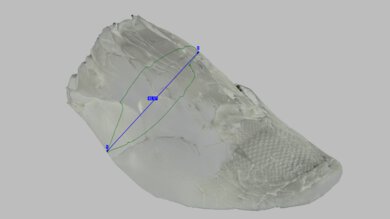
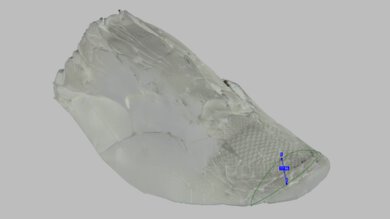
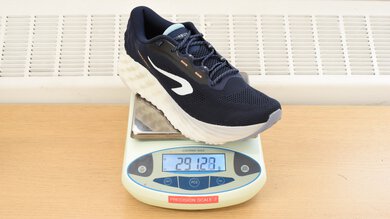
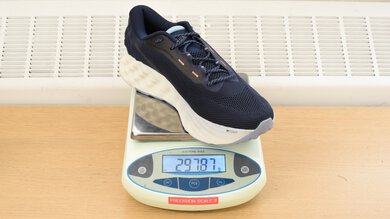
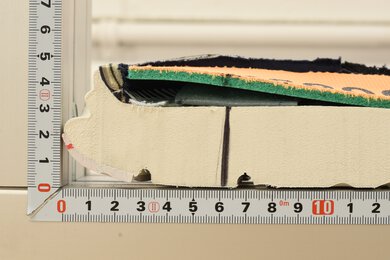
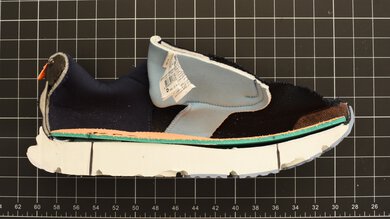
The Kiprun KS900 2 is on the heavier side for a trainer, which makes it feel best when you keep the pace relaxed, since it can feel bulky once you ask for quicker turnover.
Popular Running Shoe Comparisons
The Kiprun KS900 2 is a simple, no-frills daily trainer designed for short, easy runs and general mileage. It feels very Decathlon-like in its approach, even down to details like being shipped in a plastic bag instead of a traditional shoe box, which sets expectations for a fuss-free experience. That said, the end result is surprisingly good: it prioritizes simplicity, ground feel, and reliability. The ride is straightforward, with a basic midsole that does a decent job of absorbing impact but doesn't add much bounce. There's no real energy return here, but it feels predictable underfoot, with a ride character that's not too dissimilar to the Brooks Glycerin Max 2. However, once distances creep past roughly 10 km, the limitations of the simpler foam become more obvious: it starts to feel less forgiving than top max-cushioned shoes like the Nike Vomero Premium and the HOKA Skyward X. As a result, it's not meant for long runs, workouts, or runners chasing a lively ride. If you're used to bouncy daily trainers like the ASICS MEGABLAST or the Mizuno Neo Zen, it will feel a bit boring, but for new runners or those who want something uncomplicated and dependable, it does the job.
Within Kiprun's lineup, the KS900 2 sits as a simple, value-oriented daily trainer focused on comfort rather than performance. Above it, trainers like the Kiprun Kipride Max offer more cushioning for better long-distance performance, while stepping up in ambition brings you to shoes like the Kiprun KD900X LD+, which introduces a carbon plate and a much more performance-oriented ride for racing and harder efforts. At the top end, the Kipstorm Lab is the lightweight, aggressive super shoe aimed at shorter distances and competitive running.
If you're looking for more options, check out our recommendations for the best running shoes, the best long-distance running shoes, and the best shoes for running a marathon.
The Kiprun Kipride Max and Kiprun KS900 2 are both daily trainers, but the Kipride Max is the more capable and more premium option. The KS900 2 is a simpler, no-frills trainer with a more stable platform, but it isn’t bouncy at all, and its cushioning feels a lot less protective, especially when runs get longer. The Kipride Max has a more substantial stack and more effective cushioning, with a PEBA and EVA-based midsole that adds a bit of bounce, making it the more well-executed shoe overall.
The adidas Adizero Evo SL and Kiprun KS900 2 are often lumped together as "great value" trainers, and they both back that up in their own way, but they end up serving very different jobs. The adidas is the lighter, more energetic option, with a livelier midsole that makes it feel more efficient across a wider range of paces, from steady mileage to pickups and light workouts. That same punchier character can also make it feel a bit overkill for truly easy, relaxed runs where you just want the shoe to disappear under you. The Kiprun is the more straightforward daily trainer: it isn't as bouncy or as exciting, but its higher stack and unplated build deliver a more consistent, reliable ride that works well when you want simple, no-drama mileage.
The Kiprun KS900 2 and the HOKA Clifton 10 are both high-stack daily trainers with EVA-based midsoles that prioritize impact absorption over bounce, but they approach that goal a bit differently. The HOKA delivers a softer, more cushioned ride overall, with a lighter build and a smoother step-in feel that makes it more immediately comfortable for easy, short daily runs. The Kiprun, on the other hand, feels firmer and simpler underfoot, with a more basic EVA midsole that feels predictable and tends to hold its cushioning character a bit better as distances stretch out.
The Kiprun KS900 2 and On Cloudsurfer Max are both max-cushion attempts that deliver a surprisingly similar ride character: protective, reliable, and more focused on smooth consistency than bounce or excitement. They work best as easy-pace daily trainers when the run stays on the shorter side, and they have a nearly identical weight. The Kiprun fits narrower, while the On tends to feel a bit more accommodating. Where they start to split is how the cushioning holds up over time. The Cloudsurfer Max feels more cushioned right out of the gate, but the underfoot performance tends to drop off more sharply as the run drags on. The KS900 2 doesn't feel quite as plush at first, yet it fades more gradually, delivering a steadier decline in absorption.
Differences Between Sizes And Variants
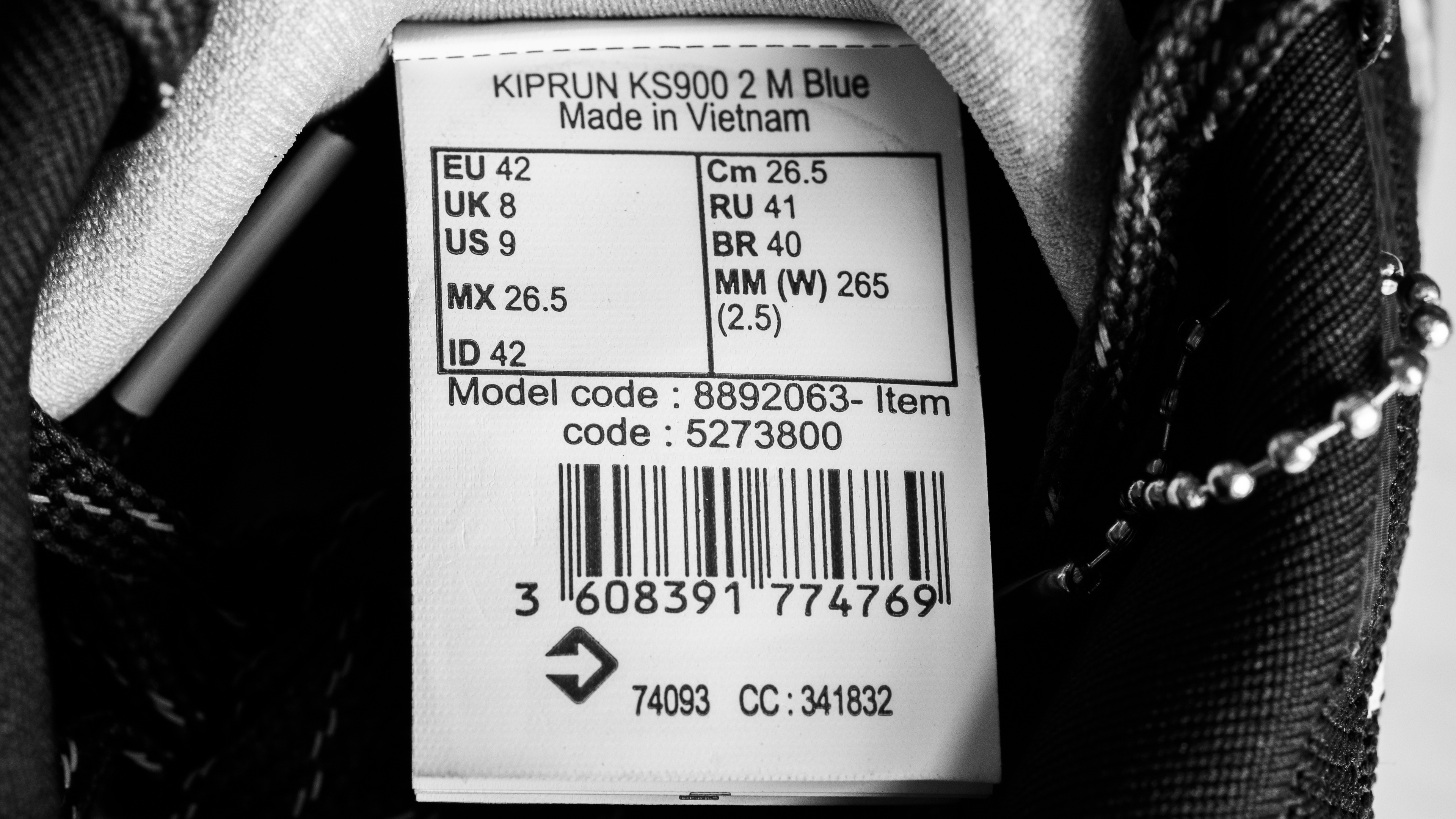
We bought and tested the Kiprun KS900 2 in men's US size 9, as noted on the label for our pair. The pair we purchased is the Steel Blue/Magnolia/Fluo Pale Orange colorway, but you can also buy the shoe in other colors, depending on the region. The men's variant includes Fluo Lime Yellow/Snow White/Aquamarine Green, while the women's variant comes in Pale Mint/Delicate Blue and Smoked Black/Fluo Pale Pink/Snow White. This shoe isn't available in wide widths. The design section applies only to the exact model we tested, but we expect other size and gender variants to perform similarly.