
The Sony α7R IIIa was originally released in 2021 as an update to the Sony α7R III from 2017. The 'a' version is largely the same as the original α7R III but features some minor hardware upgrades, including a higher-resolution screen, as well as some minor changes like a new USB 3.2 port and cosmetic updates like removal of the Sony logo from the bottom bezel of the screen. Otherwise, it features the same 42.4-megapixel sensor as the original α7R III, offering high resolution for photographers looking for standout image quality and detail.
Our Verdict
Sony α7R IIIa is decent for travel photography, especially if you prioritize image quality over portability. Its high-resolution full-frame sensor captures undeniably great image quality, with plenty of flexibility to crop your images. It also has a fantastic battery life for long days on the go. That said, it isn't the most portable option, and its controls can take some getting used to, with an unintuitive menu system and controls. Its autofocus tracking isn't the most reliable either.
High-resolution sensor.
Well-built.
Excellent battery life.
User interface isn't very intuitive.
Autofocus tracking isn't very reliable.
Not the most portable option for travel.
Sony α7R IIIa is great for landscape photography. Its high-resolution sensor captures plenty of fine detail and gives you more leeway to crop in your images. It has a wide dynamic range that preserves more detail in high-contrast scenes and landscapes. Beyond that, it's a well-built full-frame camera that isn't overly bulky and offers plenty of customization options and a wide range of lens options. That being said, its menu system and controls aren't the most intuitive, and it doesn't have the best low-light noise handling.
High-resolution sensor.
Excellent dynamic range.
Excellent battery life.
User interface isn't very intuitive.
Sony α7R IIIa is decent for sports and wildlife photography. It can shoot at respectably quick burst rates for fast subjects, though it doesn't have the largest image buffer due to its large, high-resolution files. Image quality is great, but the camera's AF tracking can be unreliable. It also has a poorly organized menu system, and its controls can take some getting used to. On the upside, it's a well-built camera with a weather-sealed body that isn't overly bulky. Sony's E-mount system also includes a very wide range of lenses to choose from.
High-resolution sensor.
Well-built.
Excellent battery life.
Quick burst shooting.
User interface isn't very intuitive.
Buffer isn't especially large.
Autofocus tracking isn't very reliable.
Sony α7R IIIa isn't really intended for vlogging. It's primarily a photography camera with a tilting screen that you can't flip around to face you, though it does have decent video features overall. While its high frame rate options are a bit limited, it records high-quality 4k video. That said, its internal recording options are a bit limited for more advanced YouTubers or videographers, with no 10-bit recording option and a 30-minute time limit on recording.
Excellent battery life.
Excellent video quality.
Screen isn't fully articulated.
User interface isn't very intuitive.
Limited to 8-bit recording.
Limited high frame rate options.
Time limit on recording.
Sony α7R IIIa is decent for studio video, though it's primarily a photography camera. It captures very high-quality video, especially in more controlled lighting conditions, but its frame rate options are somewhat limited. While it supports Log recording, it can only capture 8-bit video, which doesn't give you as much flexibility in post. It also has a great battery life, and you can extend it through an external power supply if needed, but it can overheat during longer recording sessions.
Excellent battery life.
Excellent video quality.
User interface isn't very intuitive.
Limited to 8-bit recording.
Limited high frame rate options.
Time limit on recording.
Sony α7R IIIa isn't intended for POV action video. While it records high-quality 4k footage, it has limited high-speed frame rate options. It isn't the most portable option, either, and lacks more robust waterproofing beyond more simple weather-sealing against dust and moisture. There's also a time limit on recording.
Excellent battery life.
Excellent video quality.
User interface isn't very intuitive.
Limited high frame rate options.
Time limit on recording.
Sony α7R IIIa captures impressive RAW image quality. It has excellent dynamic range to capture a wide array of highlight and shadow detail. Its high-resolution sensor also resolves plenty of fine detail. However, its noise handling in low light is only decent.
High-resolution sensor.
Excellent dynamic range.
Noise handling is just decent.
Performance Usages
Changelog
- Updated Aug 11, 2026: We've updated this review to Test Bench 0.13.1. The Sample Picture Gallery, 4K/FHD Video Quality, and Luminosity Patch Detection Chart have been removed, and our Video Dynamic Range test has been streamlined. You can see the full changelog summarizing these changes.
- Updated Feb 24, 2025: We've converted this review to Test Bench 0.13. We've added new tests for Video Dynamic Range and Luminosity Patch Detection. You can learn more about these updates in the changelog.
- Updated Nov 04, 2024: Review published.
- Updated Oct 24, 2024: Early access published.
Check Price
Differences Between Sizes And Variants
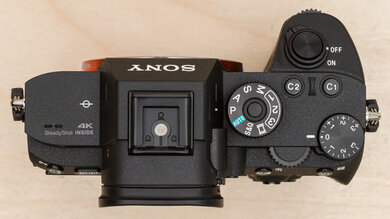
The Sony a7R IIIa comes in one color: Black. Here's a picture of our unit's label.
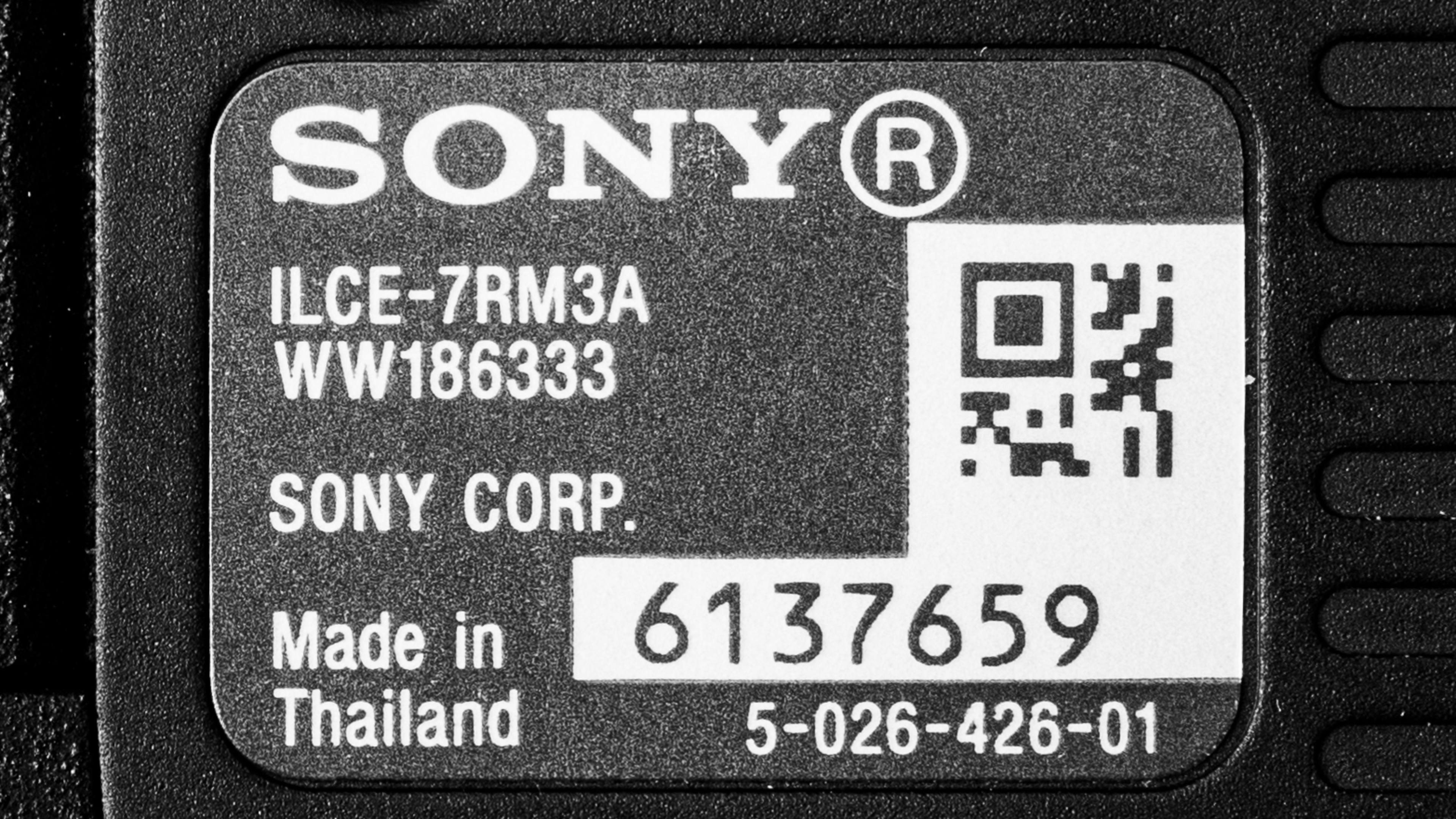
Depending on the retailer, you can buy the camera body on its own or bundled with a lens like the Sony FE 24-70mm f/2.8 GM or other lenses.
The a7R IIIa variant is an update to the original Sony a7R III. They are largely the same camera, except for a few minor upgrades and differences, including a new 2.35 million-dot resolution screen (vs. 1.44 million dots on the older model) and a new USB-C 3.2 port (vs. USB 3.1 on the older model).
Popular Camera Comparisons
The Sony a7R IIIa is a great camera with a high-resolution sensor that still largely holds its own in today's camera market. Though it's behind the times in terms of video features and autofocus tracking performance, it offers a higher resolution than the majority of mid-range cameras, making it a great fit for a wide range of photography types, especially landscapes and portraits.
If you're looking for other options, check out our recommendations for the best cameras for landscape photography, the best cameras for portraits, or the best full-frame mirrorless cameras.
The Sony α7 III and the Sony α7R IIIa are both great full-frame cameras from the same generation. They're similar in build quality, design, and ergonomics, but the α7R IIIa uses a higher-resolution sensor that makes it a better fit for photography, whereas the α7 III is more of a hybrid photo/video camera, with better rolling shutter performance and a more reliable autofocus system. The α7R IIIa also has a few minor hardware advantages, including weather-sealing and a higher-resolution screen and EVF.
The Sony α7 IV and the Sony α7R IIIa are both excellent full-frame cameras, but the α7 IV is a bit better overall. It's of a newer generation of Alpha cameras and has a better processor and a much more reliable autofocus system. It's also a significantly better video option, with better internal and external recording capabilities and more frame rate options. That said, if you're primarily interested in photography, the α7R IIIa still holds its own, with a higher-resolution sensor and higher-resolution screen, as well as a longer battery life.
The Sony α7R IIIa and Sony α7C are similar full-frame models that differ mostly in design and ergonomics. The α7R IIIa has a higher-resolution sensor, while the α7C boasts a more compact body, as well as a newer, more accurate AF system. While the portability is an advantage for things like travel, it also comes with some trade-offs, including more cramped ergonomics and just a single SD card slot.
The Canon EOS R6 is a bit better overall than the Sony α7R IIIa, but they're both excellent full-frame cameras for photography. The Canon is a bit more versatile, with better video specs and a more accurate autofocus system, as well as slightly better ergonomics and a more intuitive menu system. That said, the Sony has a significantly higher-resolution sensor, as well as a higher-res EVF and screen, so it may be a better fit for things like landscape photography or portraits.
Test Results
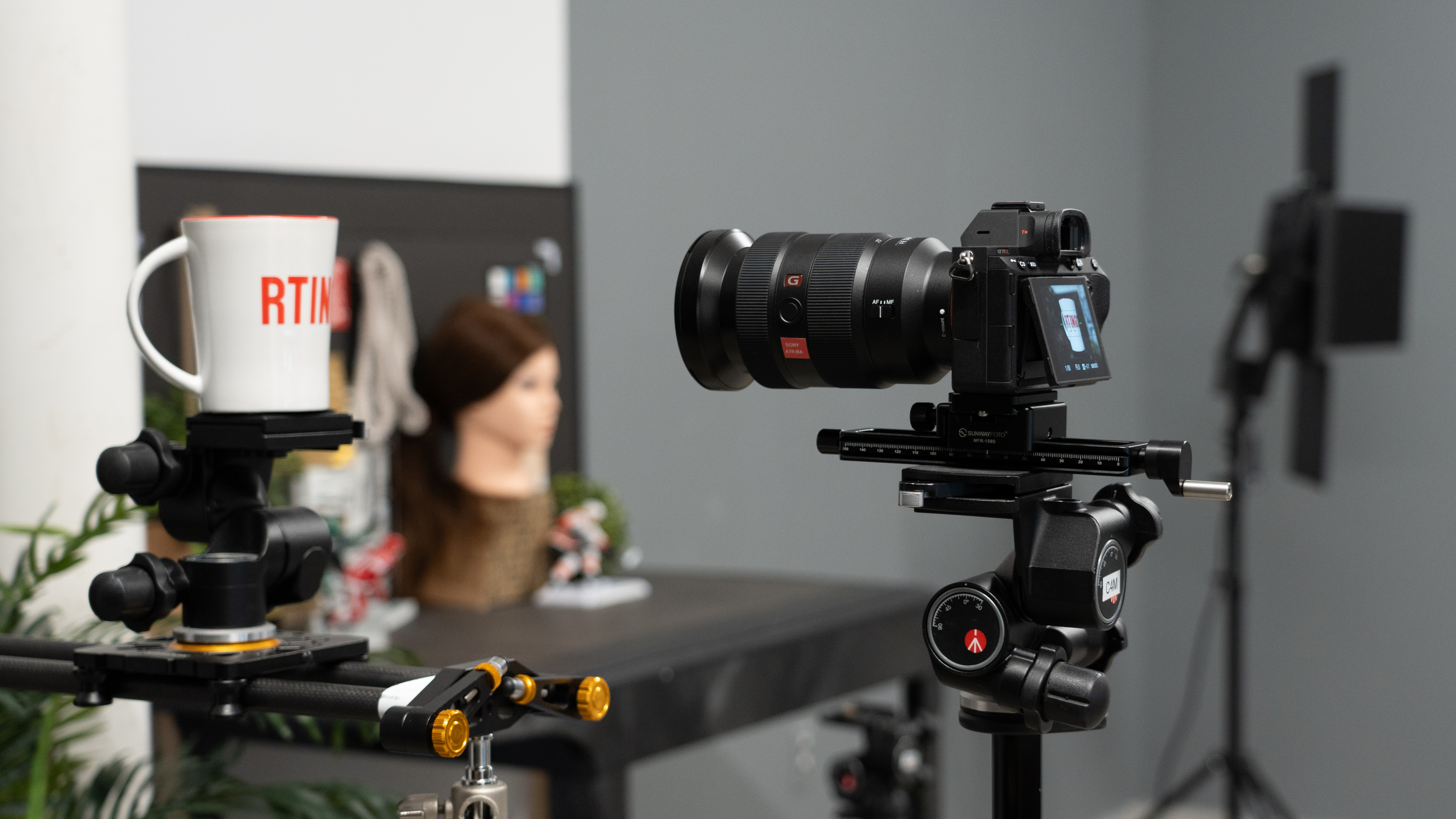
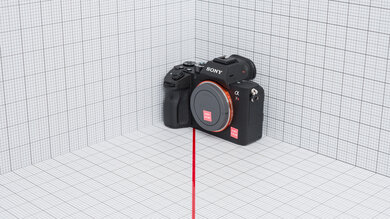
The Sony α7R IIIa is fairly portable for a full-frame mirrorless camera. It's roughly the same size as the Sony α7 III, making it smaller than newer generation Alpha cameras. Still, if you're looking for something more compact that still rocks a full-frame sensor, you're better off with one of the compact Alphas, like the Sony α7C II.
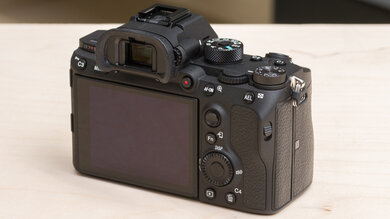
The camera feels well-built. It's weather-sealed against dust and moisture, with an overall sturdy body that's made of premium materials like magnesium alloy. The rubberized finish around the grip feels a bit more secure than that of the Sony α7 III, but otherwise, the body is very similar to that model. The buttons and dials feel robust for the most part, though there's some mushiness due to the weather-sealing. Finally, while the SD card compartment and battery compartment are well-protected by sealed, hinged doors, the other inputs and ports are covered by plastic doors with somewhat flimsy attachment points.
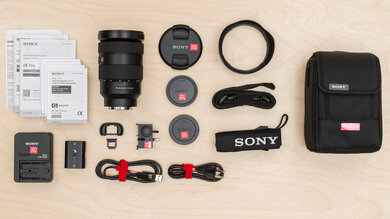
- Sony FE 24-70mm f/2.8 GM lens
- Lens cap
- Rear lens cover
- Sensor cap
- Lens hood
- Protective lens travel bag
- Strap for lens travel bag
- Hot shoe cover
- Rubber viewfinder eyecup
- Shoulder strap
- 1x NP-FZ100 battery
- Battery charger
- Power cable for battery charger
- USB-A to USB-C cable
- Cable protector
- User manual and documentation
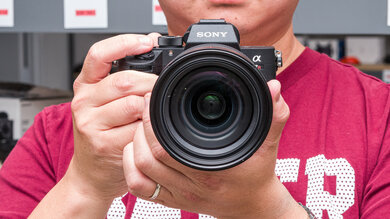
The Sony α7R IIIa feels comfortable to shoot with, though its ergonomics can take some getting used to. The rubberized texture around the hand grip feels nice and secure, and the grip is deep enough for a comfortable hold. That said, the camera's boxy design and grip can feel a bit cramped for those with larger hands, but most buttons and dials are well-placed and easy to reach. The mode dial is a bit unintuitive; the lock function is nice to prevent you from accidentally changing modes, but the lock, in combination with the dial's placement, makes it a bit difficult to turn. Additionally, you can't navigate the menu using the touchscreen, and the thumbstick isn't the most comfortable for menu navigation. Otherwise, it works well for selecting focus points.
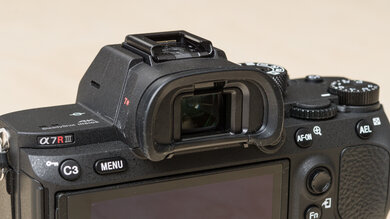
The EVF has a high resolution, giving you a clear view of subjects. It's nice and large, with a fairly comfortable eyecup.
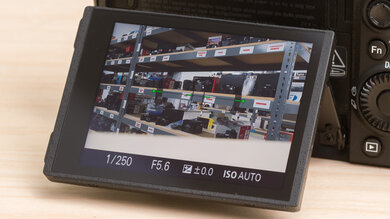
The screen is one of the major upgrades from the base Sony α7R III, with a very high resolution that gives you a crisp image when shooting through Live View or reviewing images on the monitor. Its touch functionality is limited to focus point selection, so navigating the menus can be a bit of a hassle.
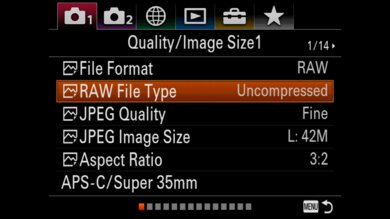
Sony's older menu system is mediocre. It isn't particularly intuitive, with more advanced settings buried within poorly organized submenus. It's also a bit of a hassle to navigate without touch navigation, and many settings can only be adjusted through the menu. On the upside, it has plenty of customization options, so you can more easily access commonly used settings using the custom 'My Menu' or quick menu.
The Sony α7R IIIa uses the same 42.4-megapixel full-frame sensor as the original Sony α7R III. It's a backside-illuminated (BSI) sensor with more efficient light-gathering ability than non-BSI sensors. The camera offers a very high resolution for its time and class, though the newer Sony α7R IV outdoes it with a 61-megapixel sensor.
The camera has fantastic battery life. It's CIPA-rated for approximately 640 shots when using the screen or 530 shots when shooting through the EVF. While CIPA figures don't necessarily reflect real-world usage and often tend to be conservative, that's still an amazing battery life rating for a mirrorless model.
On the video side, the camera also performs incredibly well. The battery lasts for approximately 2.5 hours of 4k video recording, which is fantastic. However, it's worth noting your recording will be limited to 30-minute increments due to the recording time limit. If needed, you can extend the battery life using an external power supply or dummy battery.
The Sony a7R IIIa shoots at very respectable burst rates. In the right hands, it can be very suitable for fast action or quick-moving wildlife, for example. However, it has a relatively small image buffer due to its large, high-resolution files, especially when shooting in RAW format. It's not terribly small, but if you shoot a lot of continuous bursts, the buffer can fill up and slow you down. If you do fill it up, it also takes a while to empty.

The Sony α7R IIIa uses a hybrid AF system—it's the same autofocus system originally implemented on the Sony α9. There is a range of area modes to choose from, and the camera includes two automatic subject detection modes: 'Human' and 'Animal,' with both face and eye AF for human subjects. However, the scope of subject detection modes is a far cry from what's available on newer models like the Sony α7C II that have AI chips and can track a wide variety of different subjects, from cars to insects. The AF here simply doesn't perform nearly as well as newer iterations of Sony's AF system when auto-tracking moving subjects. You'll still get some usable frames, but ultimately, it isn't totally seamless, keeping very fast or erratic subjects in focus.

When sticking to a center focus point, rather than relying on AF tracking, the camera performs fairly well. If you can keep the subject under the focus point, you'll get a solid hit rate, but it can still be somewhat sluggish.
The Sony α7R IIIa includes a five-axis in-body image stabilization system, rated for about 5.5 stops of compensation according to CIPA standards. Sony's SteadyShot isn't nearly as effective as image stabilization systems from leading brands like Panasonic, but it does a decent job of stabilizing handheld photos.
We tested image stabilization using the Sony FE 24-70mm f/2.8 GM lens, which doesn't have optical stabilization. It's worth noting that stabilization performance varies depending on different factors, including the lens you use, what focal length you shoot at, and even how steady your hands are.
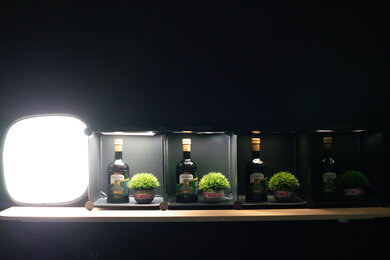
The Sony a7R IIIa has amazing dynamic range, capturing a wide array of highlight and shadow detail in high-contrast scenes. It's on par with other cameras of its class, like the Sony α7 III.
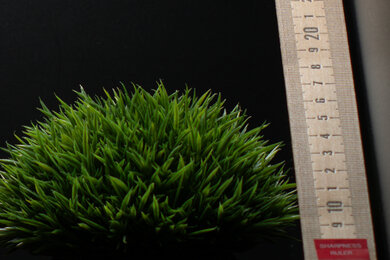
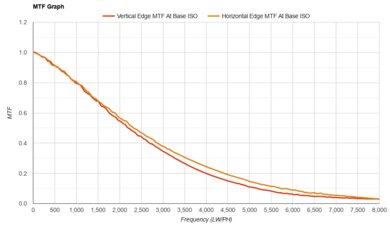
The camera's high-resolution full-frame sensor resolves plenty of fine detail. You have a lot of leeway to crop in your photos without losing too much definition and detail.
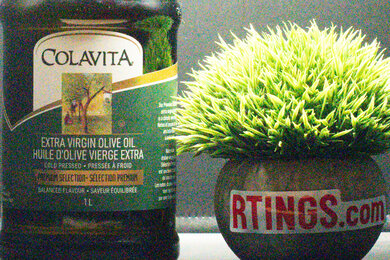
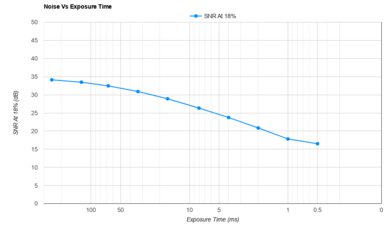
The camera's noise handling is decent. It's an older, high-resolution sensor, so noise appears very fine. The camera is less suited to shooting in low-light situations, but you can always mitigate noise by shooting at slower shutter speeds or wider apertures.
The Sony a7R IIIa has fair range of video features, although it's a bit dated compared to newer models. 4k video from the full width of its sensor is pixel binned, but it's oversampled in the 'Super 35mm' (essentially an APS-C crop) mode, which is the default out of the box. While the camera supports Log recording in S-Log2 and S-Log3, its external video output is limited to 8-bit recording, so you'll have a harder time getting the most out of Log footage.
As a Sony camera, the α7R IIIa's shoots in Sony's proprietary XAVC S (MPEG-4 AVC/H.264) format, rather than MP4 or MOV.
The Sony a7R IIIa can record 4k video at up to 30 fps without a crop. Unfortunately, there are no higher frame rate options for slow-motion or high-speed recording.
The camera's internal video recording specs are decent, but video features have come a long way in a short time since the α7R III's release. Unlike newer models like the Sony α7 IV, it's limited to 8-bit capture with 4:2:0 chroma sampling, giving you a lot less flexibility when color grading. Like many older cameras, it's also limited to a 30-minute recording time limit. On the upside, there's minimal overheating, but you may still encounter some overheating interruptions during longer recording sessions or in more demanding environments.
The camera has great autofocus performance in video. It supports both face and eye detection and does a great job of tracking moving human subjects. While newer models like the Sony a7 IV or Sony a7C II have nearly perfected autofocus, the A7R IIIa is no slouch in most scenarios. Its general subject/object tracking is good as well, though some of the focus transitions can be a bit slow or delayed.
The camera has very noticeable rolling shutter distortion. You'll see skewed lines and a wobbling effect when panning to the side. It's a bit better when using the cropped Super 35mm mode, but there's still some noticeable distortion.
The Sony a7R IIIa can record at up to 120 fps in 1080p, giving you some options for slow-motion or high-speed recording.
As with 4k, the camera can only record 1080p video in 8-bit 4:2:0, with a 30-minute recording time limit.
The autofocus is just as impressive in 1080p. It does an excellent job tracking moving human subjects. While some focus transitions can be a bit delayed, it's a largely reliable AF system.
There's significantly less rolling shutter effect in 1080p, with skewing mostly noticeable when panning the camera quickly.
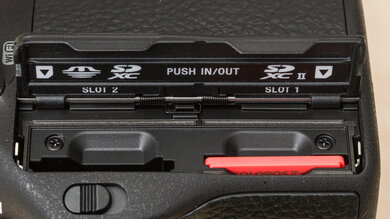
The Sony a7R IIIa has two SD card slots, including one UHS-I slot and one faster UHS-II slot. They're well-placed on the side of the camera, making it easy to switch out cards when using a tripod.
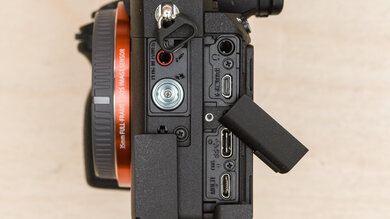
The camera includes both a USB-C port and a Multi/Micro USB port. That gives it a bit more functionality, as either port can be used to power the camera externally, while the other can be used to, say, connect to a PC at the same time. In addition, there's a Micro HDMI port, headphone jack, and microphone input.