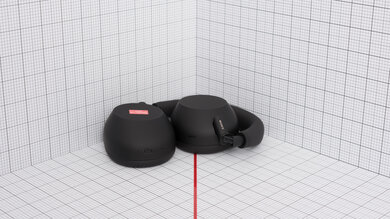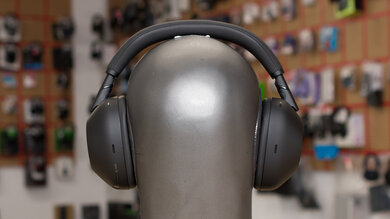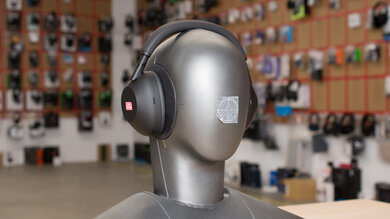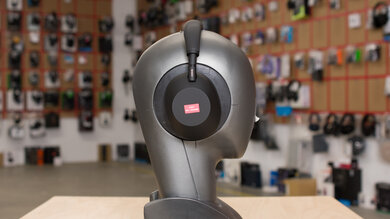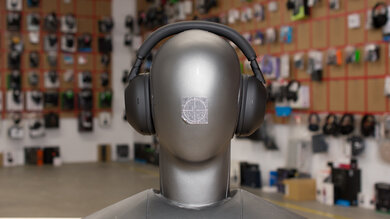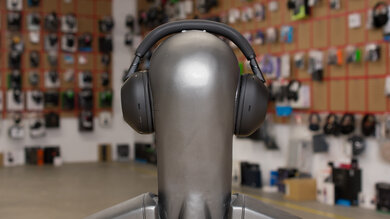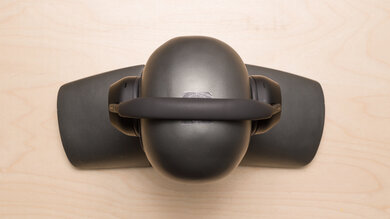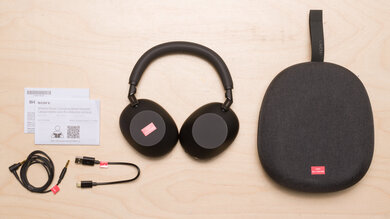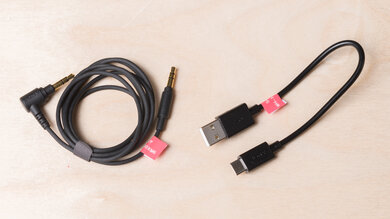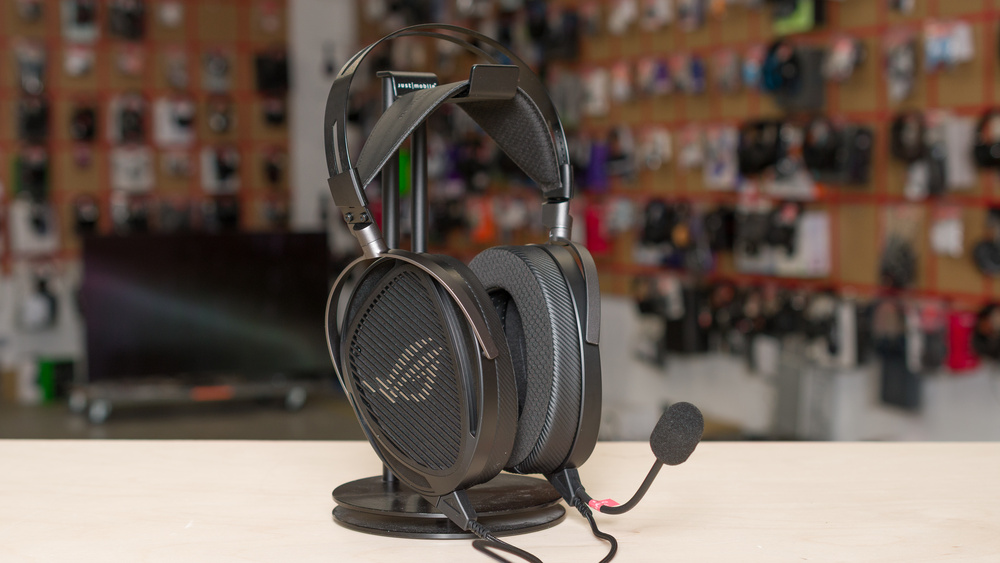
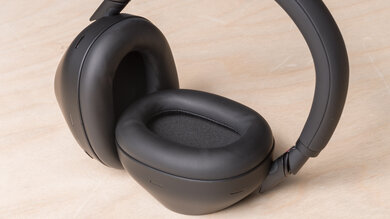
The ASUS ROG Kithara are gaming headphones that are unlike most entries in the market. These wired, open-back, passive headphones, developed in partnership with HiFiMan, prioritize audio fidelity above all else and have a tuning closer to studio headphones than a consumer product. They come with an extra set of earpads, two cables (one with a boom microphone, one balanced), and various connector adapters, making the headphones a no-frills, but versatile peripheral solution for audiophile gamers.
Our Verdict
The ASUS ROG Kithara aren't meant for sports and fitness. They're bulky and unstable, and their planar magnetic drivers are susceptible to damage and moisture. We don't recommend using these in any active setting, though a casual stroll in fair weather should be fine.
Comfortable design with plush and spacious ear cups.
Doesn't block background noise or prevent your audio from leaking out.
Unstable and planar magnetic drivers are prone to damage.
The ASUS ROG Kithara aren't meant for travel. They don't come with a case and are prone to damage due to their planar magnetic drivers, leaving you no safe way to stow them in your bag. Their open design also means they offer little to no noise attenuation, so you'll hear everything from crying babies on a flight to engine rumble, regardless of your mode of transport.
Comfortable design with plush and spacious ear cups.
Doesn't block background noise or prevent your audio from leaking out.
Case not included.
The ASUS ROG Kithara are usable for work, depending on whether you can control your environment. The headphones have an open design, meaning they won't isolate you from background noise, nor will they keep your audio from leaking into your surroundings. As a result, you'll be distracted by and be a distraction in a busy office or open-concept bullpen. However, if you work in a private office or at home, and can keep the noise levels down, the ASUS are comfortable to wear long term. They also have a mic that renders your voice naturally and easily comprehensible.
Comfortable design with plush and spacious ear cups.
Doesn't block background noise or prevent your audio from leaking out.
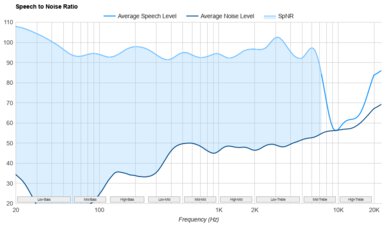
Microphone doesn't suppress background noise.
The ASUS ROG Kithara are wired-only headphones.
The ASUS ROG Kithara are very good for wired gaming. These no-nonsense, open-backs only operate passively, so you don't need to worry about battery life or app compatibility. You still get basic hardware controls for volume and muting/unmuting the microphone, though. The comfort is great, so you can wear these headphones for long gaming sessions, too, and the boom mic captures your voice as natural sounding. However, some may find the sound signature unexpected, as these headphones aren't very bassy (like other gaming headphones), and instead have a flat tuning. Bass isn't completely absent, but you'll notice explosions aren't as rumbly or immersive. Still, sound cues like crinkling glass will sound that much crisper. The headphones also come with a USB-C adapter, giving you a bit of extra flexibility when it comes to compatible devices.
Comfortable design with plush and spacious ear cups.
USB-C adapter included.
Microphone doesn't suppress background noise.
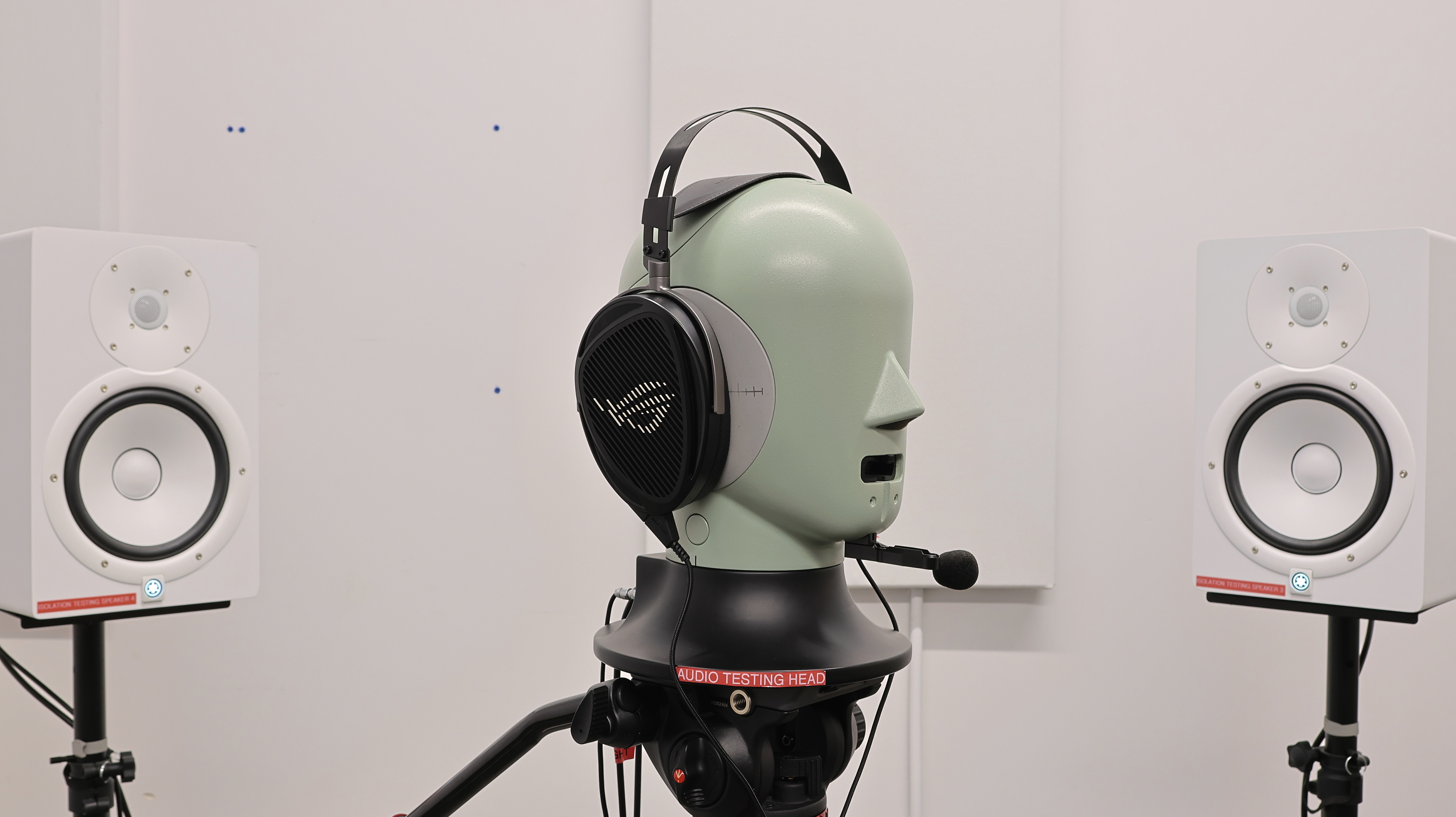
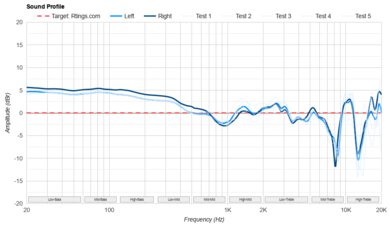
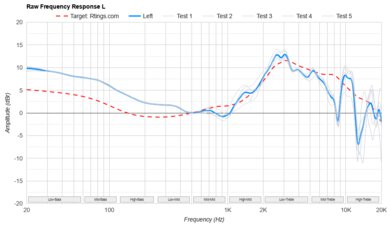
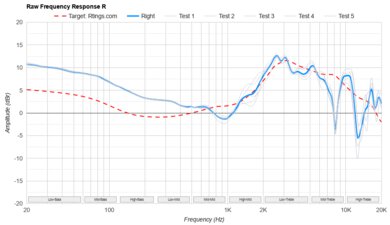
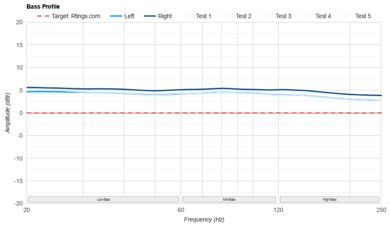
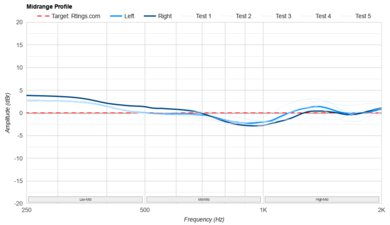
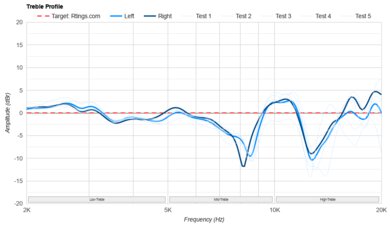
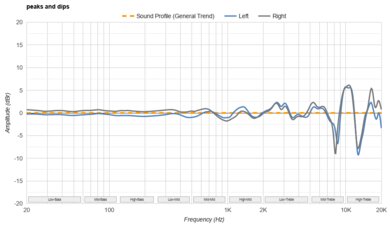
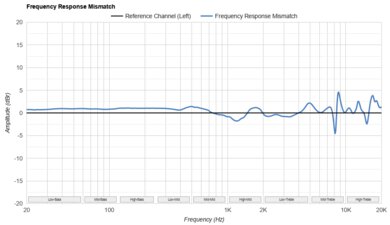
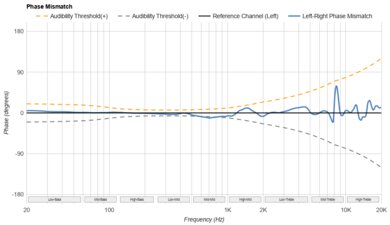
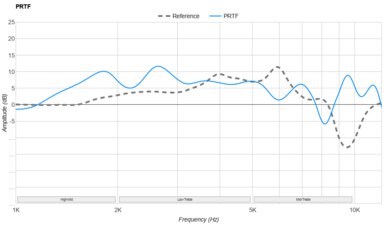
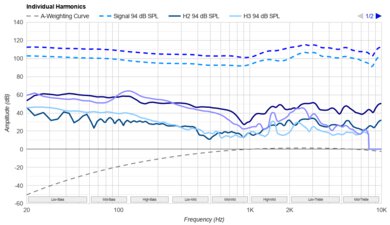
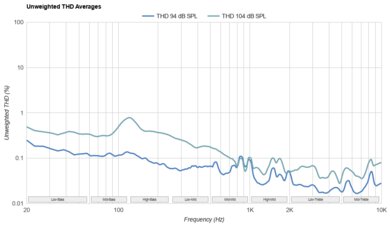
The ASUS ROG Kithara have great audio reproduction accuracy. These headphones have a flat sound signature that's smoothly executed across the bass and mid-range, with some fluctuation in the treble range, which can cause high-frequency harmonics to sound slightly dull or lacking in air. Independent of their sound signature, the drivers are amazingly well matched and produce little harmonic distortion, ensuring accurate placement of sound cues in the stereo image and no unwanted timbral coloration. The headphones also interact with your pinna in a way that closely resembles an angled speaker, suggesting these cans may sound more immersive or speaker-like.
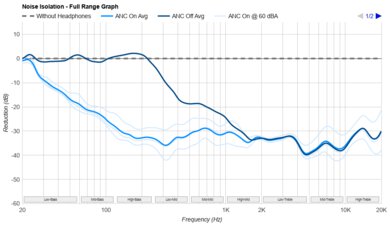
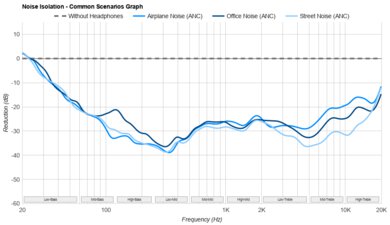
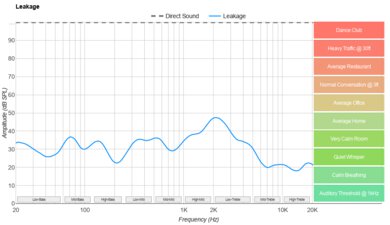
The ASUS ROG Kithara aren't designed for noise isolation. They have an open enclosure that doesn't block out background noise or prevent your audio from leaking out.
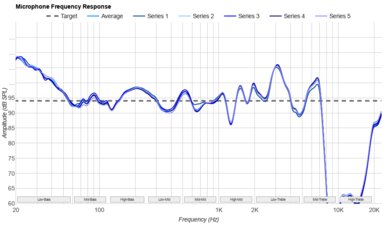
The ASUS ROG Kithara have a good microphone. Voice capture sounds natural and easy to understand, though slight de-emphasis in the bass and emphasis in the treble can render some voices a bit nasally. Because the headphones are passive, the mic relies purely on its design, pickup pattern, and placement to reject noise in recordings and calls. While your voice will come out on top of any background noise, the mic unfortunately captures a lot of your environment, which may be quite distracting for anyone in a voice call with you. You also have a hardware switch on the cable for muting/unmuting the mic.
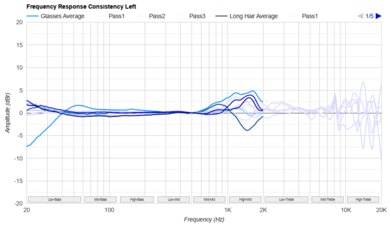
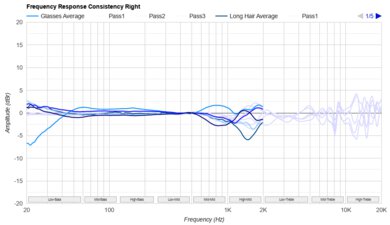
The ASUS ROG Kithara have excellent frequency response consistency. The large surface area of their earpads likely helps with pressure distribution, ensuring consistent delivery of audio that mostly matches our frequency response measurements, regardless of your anatomy.
Performance Usages
Changelog
-
Updated Jul 03, 2026:
We've updated the Comfort section with the Sony INZONE H6 Air as an option for people with smaller head sizes.
- Updated Jun 23, 2026: This review has been updated to Test Bench 2.3, which removes the Virtual Soundstage, Base/Dock, and some comparisons from Bluetooth Connection. Have a look at our changelog for more info.
- Updated Apr 20, 2026: This review has been updated to Test Bench 2.2, which removes the Cumulative Spectral Decay (CSD) test, retiring its waterfall plot visualization from our reviews. You can read more about this change in the changelog.
- Updated Apr 02, 2026: Review published.
Check Price
Differences Between Sizes And Variants
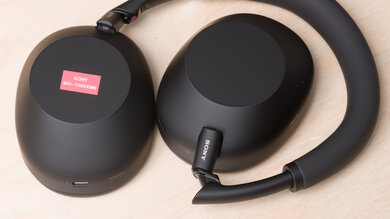
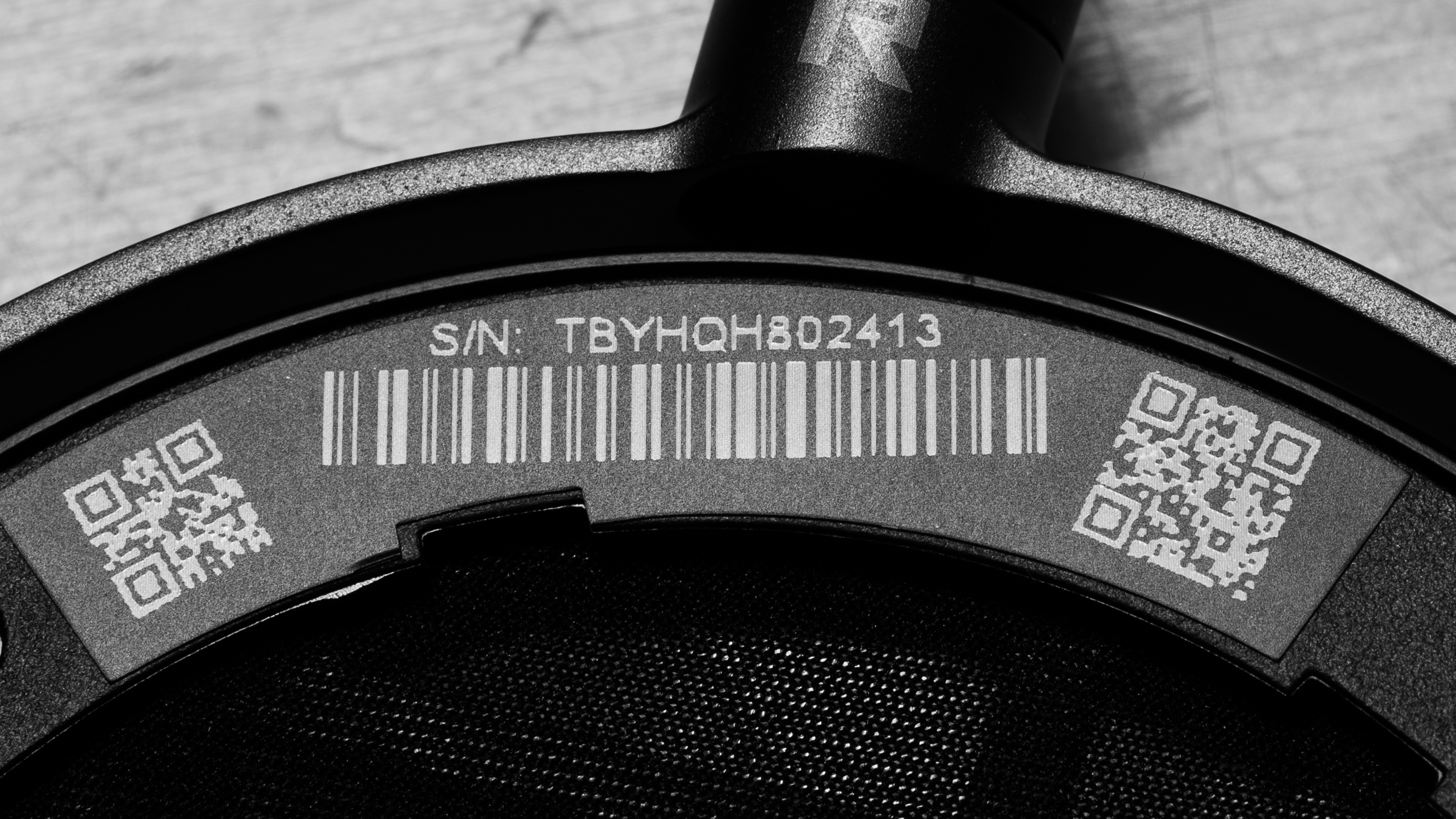
The ASUS ROG Kithara only come in 'Black,' and you can see our unit's label.
If you encounter another variant, please let us know in the comments, and we'll update the review.
Popular Headphone Comparisons
As you'd expect, the co-development of the ASUS ROG Kithara with Chinese audio brand HiFiMan means there are quite a few similarities with HiFiMan audio products in both design and sound. The planar magnetic ASUS have a similar, flat tuning to the HiFiMan Edition XS, though the ASUS's frequency response is notably smoother, with fewer fluctuations across the mid and treble. Design-wise, they feature another HiFiMan staple in their ski-band headband design, found on entries like the HiFiMan Arya Stealth Magnet Version. Moving across the aisle to more gaming-oriented competitors, the Audeze Maxwell 2, also planar magnetic, are significantly different from the ASUS gaming entry; the Audeze are wireless and active, meaning they come with a slew of features and customizations available through software like microphone noise suppression. They're also closed-back and have a more balanced, mainstream sound, though they too lack in low-bass energy. Overall, the ASUS are more akin to studio headphones that happen to be usable for gaming, while the Audeze are the better pick for gamers looking for flexibility, customization, and additional features.
If you find yourself closer to the studio side of the spectrum, check out our recommendations for the best studio headphones and the best audiophile headphones. If you're closer to the gaming side, have a look at our picks for the best gaming headsets instead.
The Audeze Maxwell 2 and ASUS ROG Kithara are both gaming headsets, but fundamentally different products. The ASUS more closely resemble studio headphones with its open, wired-only, passive design and flat tuning. On the other hand, the Audeze come equipped with software support, are wireless, and have a more bass-forward balanced tuning. If you're an audiophile that dabbles in gaming titles, the ASUS are worth adding to the collection (especially if you don't have a similar headset in your roster). However, gamers focused on convenience and features should go with the Audeze.
The ASUS ROG Kithara and Sony INZONE H6 Air both have a sound-focused approach to gaming audio. Each entry draws inspiration from known audiophile products in HiFiMan and Sony respectively. In particular, the Sony have the same drivers featured in the well-renowned Sony MDR-MV1. Still, there are some differences between the two. The ASUS feature planar magnetic drivers and a more flat, studio-like tuning compared to the balanced sound reproduced by the Sony's dynamic drivers. Neither is particularly stable, though both feature a comfortable ski-band style headband. That said, the ASUS edge the Sony out in build at the sacrifice of comfort, weighing in nearly double. The ASUS are typically more expensive and come with more extras like swappable cable plugs and a second set of earpads.
The ASUS ROG Kithara and HiFiMan Edition XS are both open-back, planar magnetic headphones with similar tuning. While the branding doesn't make it obvious, the ASUS were co-developed by HiFiMan, so the two pairs share a similar design. Both have solid frequency response consistency, making them suitable for individuals with a wide variety of head shapes, sizes, and characteristics. However, the ASUS stand out over the HiFiMan with their smoother frequency response, more comfortable design, and incorporation of more premium materials in their overall build.
The Audeze Maxwell 2 ANC and the ASUS ROG Kithara are both gaming headsets that take radically different approaches. The ASUS is a passive, wired-only, open-back with a flat presentation. In contrast, the Audeze Maxwell 2 ANC is an active headset equipped with active noise cancelling and supports both wired and wireless connections. Its active design also allows for app customization in the form of a graphic EQ alongside the aforementioned ANC system. If you're partial to flat sound signatures or do some production work on the side, you might prefer the ASUS. But if you prefer the flexibility to walk around with a wireless headset and don't have a super controlled listening environment (like a living room or apartment), the Audeze is likely more your speed.
Our How We Test Headphones article takes you behind the scenes in our lab. You'll learn how we choose and purchase products and dive into the details of our review philosophy, from testing and scoring to writing and editing.
You can also discover how we produce recommendations like this one so that you can find the best headphones (or earbuds!) for your needs.
Test Results
for pictures & test results
for pictures & test results
for pictures & test results
for pictures & test results

for pictures & test results