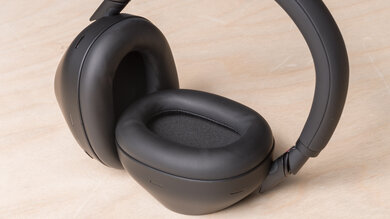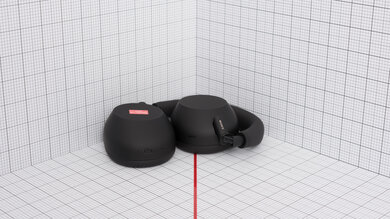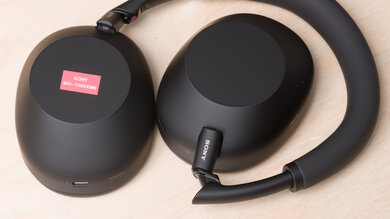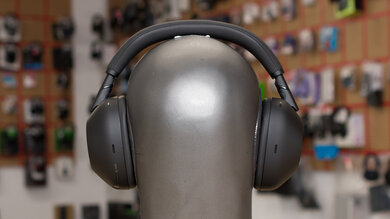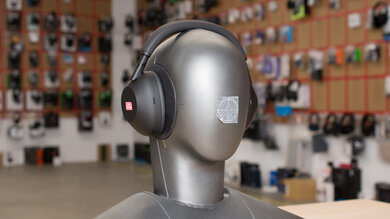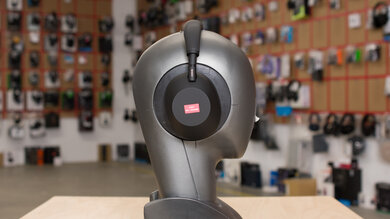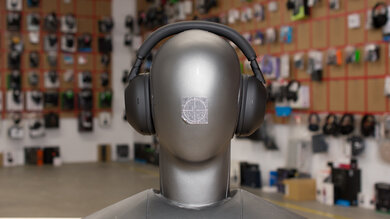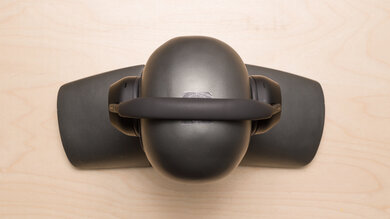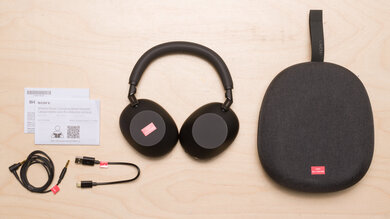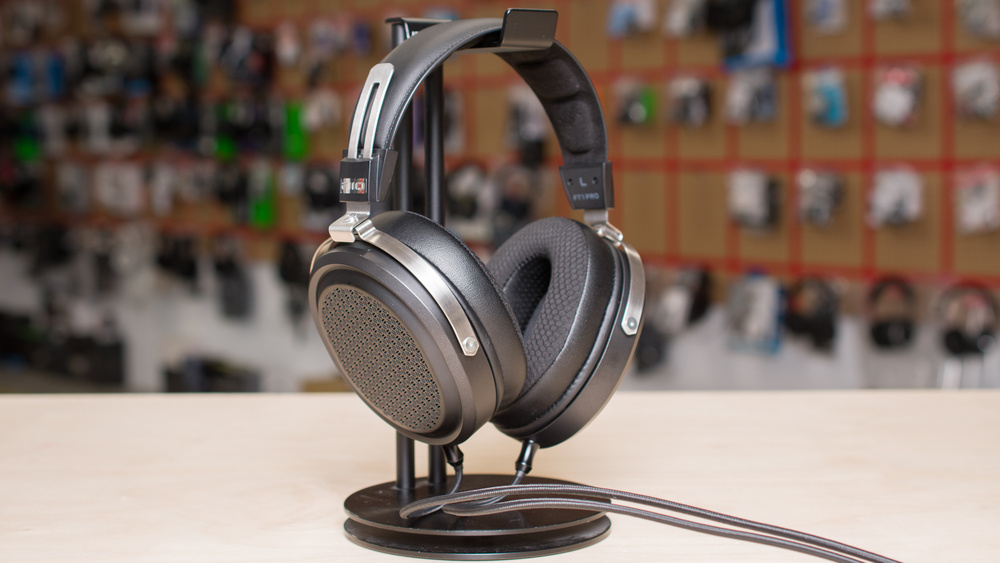
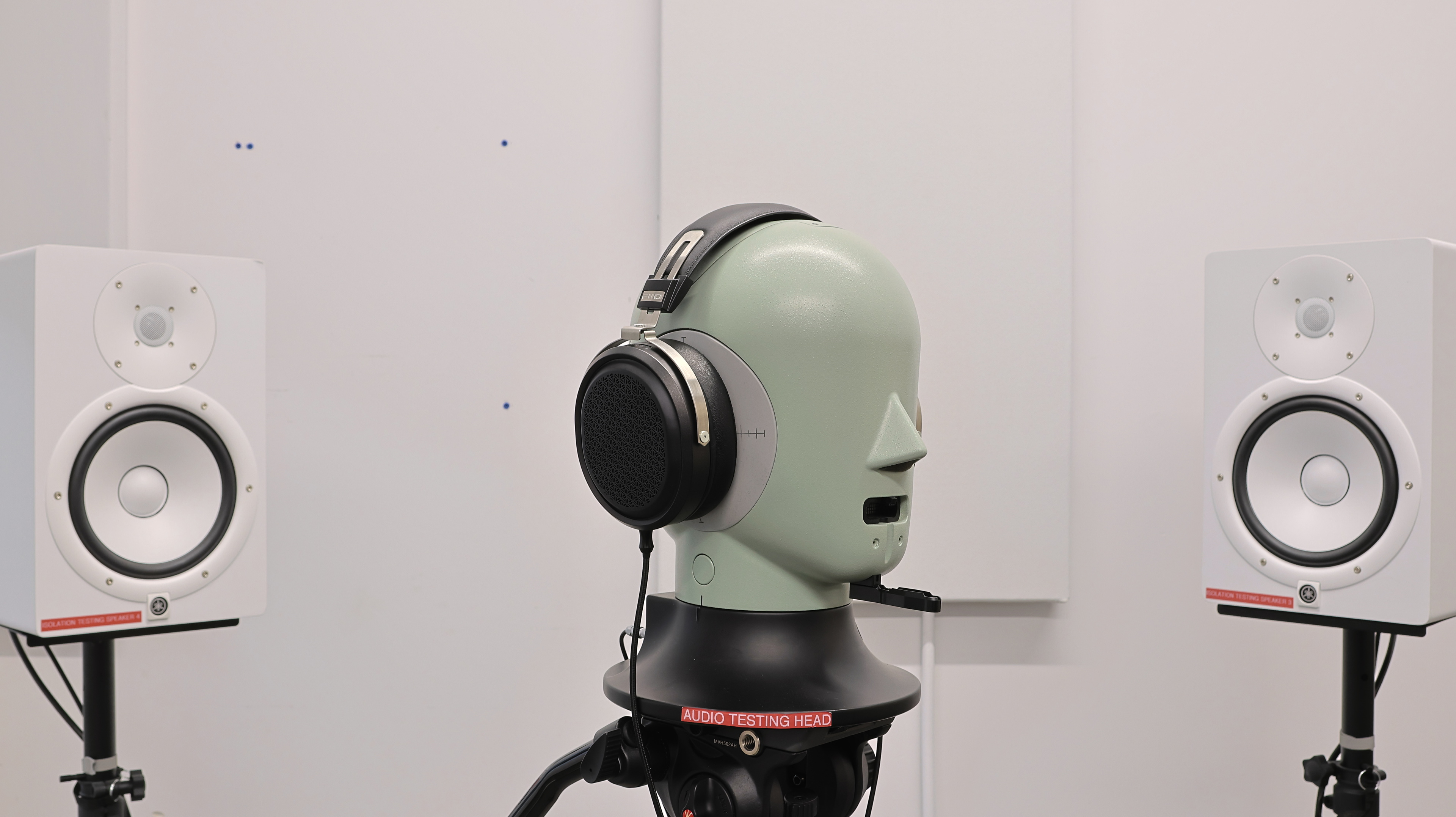
The FIIO FT1 Pro are open-back, over-ear headphones equipped with planar magnetic drivers. Best known for their headphone amps, IEMs, and DACs, FIIO started manufacturing over-ear headphones in 2023 and have since expanded their lineup significantly. Boasting breathable fabric earpads and a svelte, all-black design, these open-backs have all the hallmarks of a great mid-range audiophile pickup.
Our Verdict
The FIIO FT1 Pro aren't suitable for sports and fitness. Their bulky design means the headphones lack stability and portability, so they're likely to slip from your head during more intense movements. Plus, it's easy enough to snag their cable on something as you run.
Very comfortable fit.
Not very stable.
Terrible noise isolation.
The FIIO FT1 Pro are poor for travel. They have a bulky frame and wired design that makes them more suitable for at-home listening. Plus their open-back design provides almost no attenuation of external sounds, leaving you at the mercy of crying infants and chatty passengers. Furthermore, they leak a lot of audio, so you're likely to bother those in close proximity to you. On the plus side, they're comfortable enough to wear for long listening sessions, and they come with a study hard case to stash them in during transit.
Very comfortable fit.
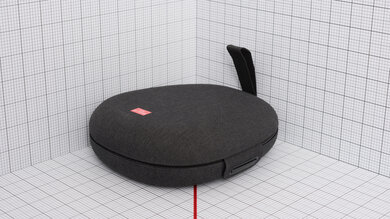
Comes with a sturdy hardshell case.
Not very stable.
Terrible noise isolation.
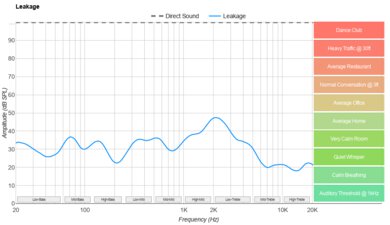
Leak a lot of audio.
The FIIO FT1 Pro aren't a good fit as office headphones. While they're very comfortable and can be worn for long periods of time without discomfort, they provide almost no isolation against external sounds. Distracting noises, like clacking mechanical keyboards and water cooler talk, are likely to make their way into your audio, and others around will be able to hear your audio. Those hoping to integrate them into their Teams meetings will need to source an external mic, too.
Very comfortable fit.
Terrible noise isolation.
Leak a lot of audio.
The FIIO FT1 Pro aren't suitable for wireless gaming as they can't be used wirelessly.
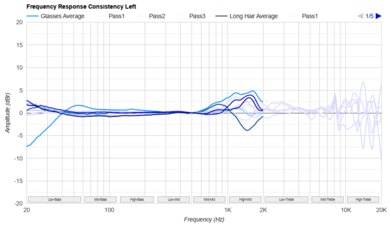
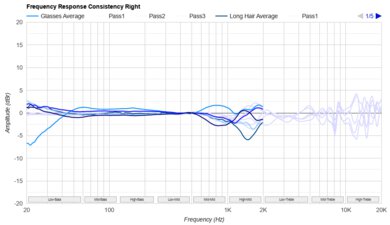
The FIIO FT1 Pro are okay for wired gaming. They're very comfortable headphones that don't exert much pressure on the head and feature plush earcup padding. While they lack an integrated mic to help you communicate with teammates, their flat sound signature is a great canvas for the soundtracks of your favorite single-player games. They're able to deliver audio pretty consistently between different listening sessions and different listeners, too, though those who wear glasses might have to adjust the fit to ensure optimal sub-bass delivery.
Very comfortable fit.
Terrible noise isolation.
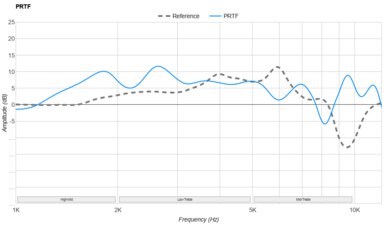
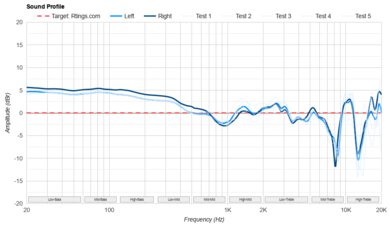
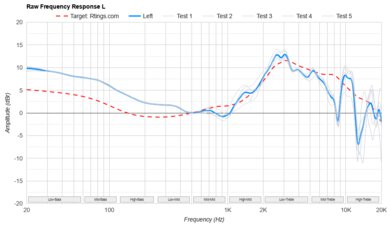
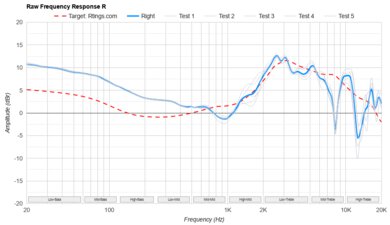
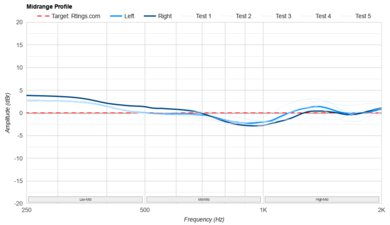
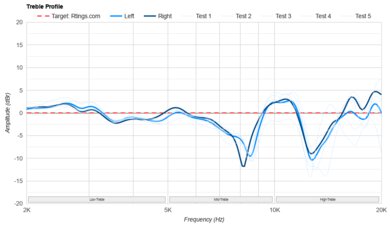
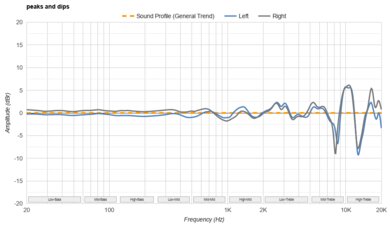
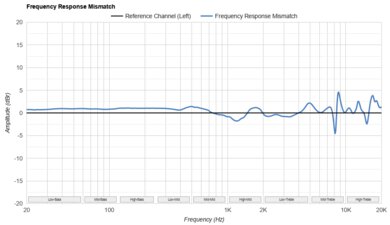
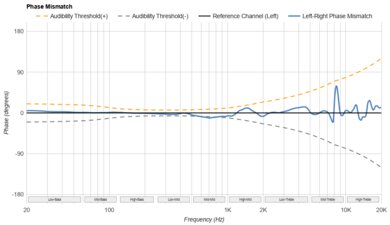
The FIIO FT1 Pro are good for audio reproduction accuracy. Their frequency response doesn't deviate much from their flat sound signature, with only a few peaks and dips in the treble range that cause certain sibilant sounds to jut out from the mix. While the L/R drivers are well-matched in frequency and amplitude in the bass and mid-range, a shift in the phase response in low-treble causes a corresponding increase in the right driver's amplitude, skewing sounds like shakers and tambourines to the right. While they don't activate the pinna in the same way as angled reference speakers, they can create a solid sense of space and depth in recordings.
Very comfortable fit.
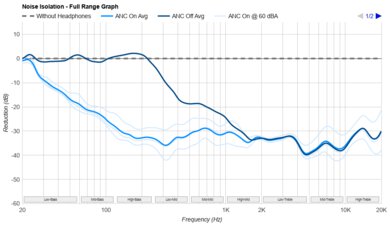
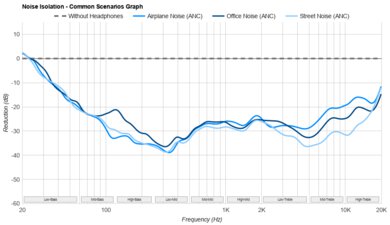
The FIIO FT1 Pro are terrible for noise isolation. Their open-back design, with perforated ear cups, lets in just about all external noise, with only a paltry amount of treble range attenuation. If you choose to wear them in public, there'll be no respite from traffic sounds or planes passing overhead. Furthermore, they leak a lot of audio, ensuring those close to you get a tinny, treble-focused version of your audio.
Very comfortable fit.
The FIIO FT1 Pro lack a built-in microphone.
Very comfortable fit.
The FIIO FT1 Pro are very good for frequency response consistency. They're able to deliver audio consistently between different reseats, and there's also not much deviation in the frequency response based on physical characteristics, like head size or hair length. Those who wear glasses might need to spend some time adjusting their glasses' arms to ensure there's no disruption to the fit, though.
Very comfortable fit.
Performance Usages
Changelog
- Updated Jun 23, 2026: This review has been updated to Test Bench 2.3, which removes the Virtual Soundstage, Base/Dock, and some comparisons from Bluetooth Connection. Have a look at our changelog for more info.
- Updated Apr 20, 2026: This review has been updated to Test Bench 2.2, which removes the Cumulative Spectral Decay (CSD) test, retiring its waterfall plot visualization from our reviews. You can read more about this change in the changelog.
-
Updated Apr 15, 2026:
This review has been updated to Test Bench 2.1, which removes the Group Delay test and rebalances scoring for the Harmonic Distortion test and Audio Reproduction Accuracy performance usage. For more details, consult our full changelog.
- Updated Apr 09, 2026: We've converted this review to Test Bench 2.1, which features minor updates to our sound tests.
Check Price
Differences Between Sizes And Variants
TheFIIO FT1 Pro come in two color variants: 'Black' and 'Blue'. If you encounter another variant of these headphones, please let us know in the comments, and we'll update our review.
Popular Headphone Comparisons
The FIIO FT1 Pro are similar in name to the closed-back FIIO FT1, but their open-back design and planar magnetic drivers make them a very different product. The differences extend well beyond the FT1's distinctive wooden ear cups (the FT1 Pro's black perforated ear cups look muted by comparison) into the realm of sound, where the FT1 have a much warmer sound profile. While both headphones are very comfortable, the FT1 Pro deliver audio much more consistently. FIIO's entry into the over-ear headphone market also invites comparisons with Chi-Fi (Chinese Hi-Fi) brands like HiFiMan. The planar-equipped HiFiMan Edition XS, for example, offer a comparable sound, with a better build quality and more immersive sound presentation. They lack the FT1 Pro's plush, breathable earcup padding, though.
If you're looking for other alternatives, check out the best open-back headphones, the best audiophile headphones, and the best over-ear headphones
Despite sharing a similar name, the FIIO FT1 Pro and FIIO FT1 are very different headphones. The Pro feature an open-back design and planar magnetic drivers, resulting in a much worse noise isolation performance and more leakage. However, they have a flatter sound profile compared to the warm-sounding FT1 that's better suited to professional audio applications. The Pro also deliver audio more consistently, regardless of your head shape or facial features. Aesthetics can come into play, as the FT1 feature an eye-catching wood finish to their ear cups, while the Pro have more subtle perforated black housings to their ear cups.
The HiFiMan Edition XS and the FIIO FT1 Pro are both open-back, over-ears equipped with planar magnetic drivers. The commonalities in their configuration contribute to somewhat similar sound profiles that align more closely with the SoundGuys.com studio target than our own. The HiFiMan sound a touch brighter, with a peak in the mid-treble. The HiFiMan also feature better driver-matching and a PRTF response that's more aligned with our benchmark, as well as a better build quality. That said, the FIIO are more comfortable and come with a sturdy semi-hardshell case.
The HiFiMan Sundara 2020 and the FIIO FT1 Pro are both open-back, planar-equipped over-ears with similarly flat sound profiles that offer a rolled-off bass with a flat mid-range and analytical treble. The HiFiMan retail for slightly more but can create a more spacious sound and are better-built. The FIIO are more comfortable, though, and come with a luxurious semi-hardshell case. Ultimately, both headphones are good options for audiophiles and sound professionals, but the FIIO represent slightly better value for money.
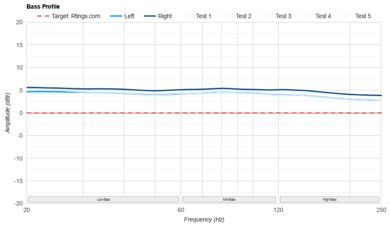
The Sennheiser HD 560S and the FIIO FT1 Pro are both mid-range open-back headphones designed for audiophiles and studio use. Both have flat sound profiles, though the FIIO's planar magnetic drivers and enclosure design contribute to a less rolled-off bass response. Otherwise, these two headphones are remarkably similar, offering great comfort and solid build quality. The Sennheiser have the edge when it comes stereo matching, and they deliver audio slightly more consistently between different face shapes and facial features. That said, the FIIO come with a semi-hardshell case that can help protect them in transit.
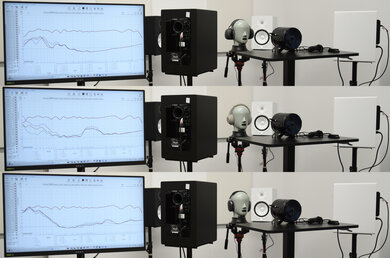
Our How We Test Headphones article takes you behind the scenes in our lab. You'll learn how we choose and purchase products and dive into the details of our review philosophy, from testing and scoring to writing and editing.
You can also discover how we produce recommendations like this one so that you can find the best headphones (or earbuds!) for your needs.
Test Results
for pictures & test results
for pictures & test results
for pictures & test results
for pictures & test results