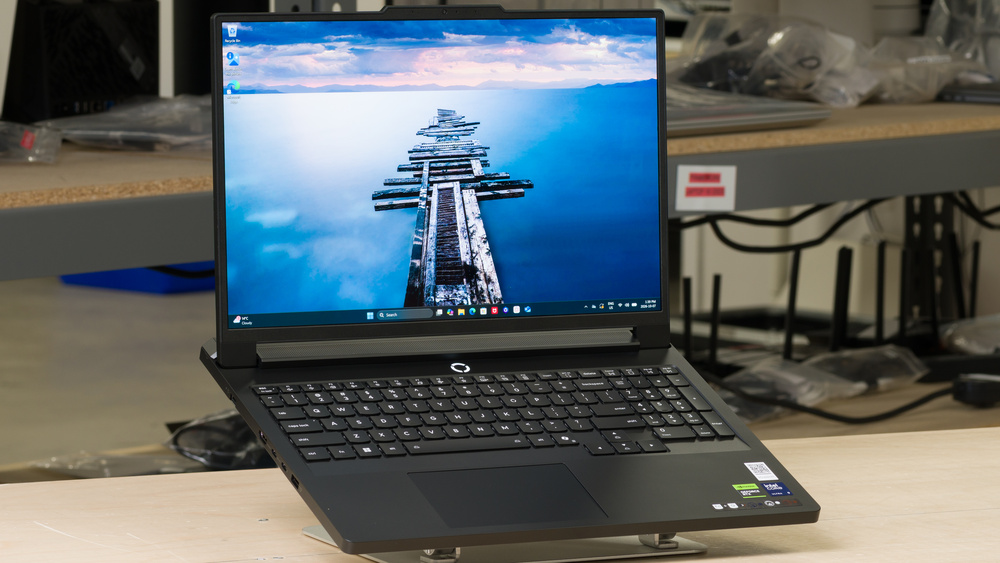
The Lenovo Legion Pro 7i Gen 10 16 (2026) is a high-end Windows laptop built for gamers and power users who value raw performance and a large display over portability. It has a 16-inch 2560x1600 OLED screen with a 240Hz refresh rate and G-SYNC, plus an RGB-backlit keyboard and a range of ports for your gaming accessories and external displays. Lenovo offers the Legion Pro 7i in several configurations, with different processors, GPUs, memory capacities, and storage options. We bought and tested a model with an Intel Core Ultra 9 290HX Plus processor, an NVIDIA GeForce RTX 5080 Laptop GPU, 32GB of RAM, and a 1TB SSD.
See the Differences Between Variants section for details.
Our Verdict
The Lenovo Legion Pro 7i is excellent for gaming. Our RTX 5080 configuration achieves high frame rates across demanding games, including titles with ray tracing. The 240Hz OLED display offers excellent contrast and G-SYNC support to prevent screen tearing. Its memory and storage are also replaceable if your needs change. It maintains strong performance during long gaming sessions, at the cost of some comfort and portability: the keyboard gets hot, the fans are loud, and gaming battery life is only around an hour and a half. It's best treated as a gaming machine that stays plugged in.
Big and sharp 240Hz OLED display.
Excellent performance for demanding games and workloads.
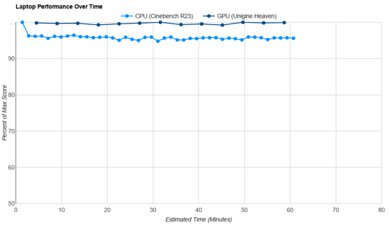
Minimal throttling under sustained loads.
Replaceable RAM and storage.
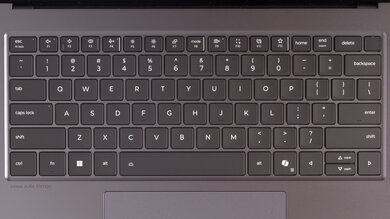
Comfy keyboard with per-key backlighting.
Heavy and cumbersome.
Keyboard gets hot, and fans are loud under load.
Battery lasts just 1.5 hours when gaming.
The Lenovo Legion Pro 7i works well as a desk-based school or office laptop, but it's less appealing if you carry your computer between classes or meetings. On a desk, you get a sturdy build, a spacious display, a comfortable keyboard, and a quality webcam. The 16-inch display gets sufficiently bright for indoor use, and its processor packs more than enough power for general multitasking. The main drawbacks are its poor portability and short battery life; it lasts under five hours during basic web browsing, it's heavy to transport, and the fans can get loud under heavier workloads.
Superb build quality.
Big and sharp 240Hz OLED display.
Quality webcam and a comfortable touchpad.
Comfy keyboard with per-key backlighting.
Charges fully in under 2 hours, with support for fast charging.
Heavy and cumbersome.
Glossy display doesn't handle reflections well.
Battery needs charging throughout the day.
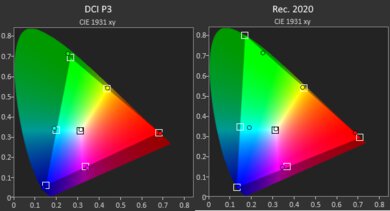
The Lenovo Legion Pro 7i is enjoyable for watching movies and shows, especially at a desk or in a dim room. Its large OLED display produces inky blacks and a wide color gamut, while the speakers sound pleasant enough for casual listening, if slightly tinny at higher volumes. That said, it isn't built for life on the go: it's heavy, the glossy screen reflects bright lights, and the battery manages just over six hours of video playback on a single charge.
Superb build quality.
Big and sharp 240Hz OLED display.
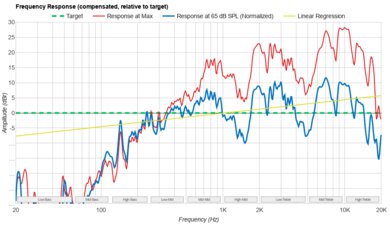
Good quality speakers for casual listening.
Comfy keyboard with per-key backlighting.
Charges fully in under 2 hours, with support for fast charging.
Heavy and cumbersome.
Glossy display doesn't handle reflections well.
Battery needs charging throughout the day.
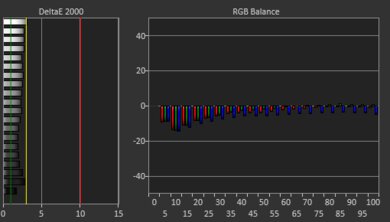
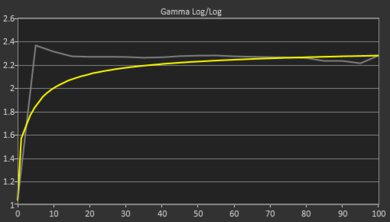
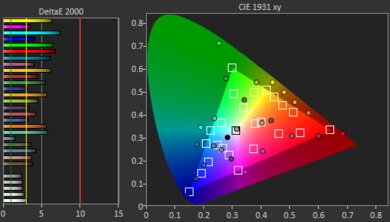
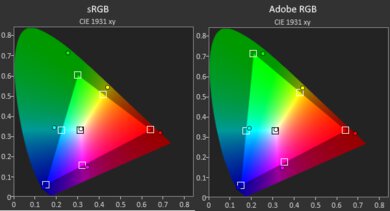
The Legion Pro 7i is a great option if your work regularly involves demanding rendering, 3D applications, or compiling code. The RTX 5080 and Core Ultra 9 configuration performs well in graphics- and processor-heavy workloads, with little slowdown during long jobs. You can upgrade the laptop's memory and storage later for added flexibility, and its sharp 16-inch screen gives you ample room to work. Its color gamut is useful for creative projects, but the factory color accuracy is only okay, so you'll need to calibrate the display for color-critical projects.
Superb build quality.
Big and sharp 240Hz OLED display.
Excellent performance for demanding games and workloads.
Minimal throttling under sustained loads.
Replaceable RAM and storage.
Keyboard gets hot, and fans are loud under load.
Display needs calibration for color accuracy.
No SD card reader.
The Legion Pro 7i has disappointing battery life. The RTX 5080 configuration lasts under five hours while browsing the web, a little over six hours watching videos, and only about an hour and a half while gaming. It charges fully in under two hours, and its battery is replaceable if it wears out. It features a USB-C port that supports slower charging for quick top-ups, though you'll need to keep its main 400W AC adapter plugged in for the best gaming performance.
Replaceable battery.
Charges fully in under 2 hours, with support for fast charging.
Battery needs charging throughout the day.
The Lenovo Legion Pro 7i has excellent build quality. It uses an all-aluminum chassis with securely fitted feet and a finish that doesn't readily collect fingerprints or scratches. The keyboard deck has very little flex, but the lid and screen have more give under deliberate pressure. Its hinge is exceptionally steady, even while typing forcefully, and can be easily opened with one hand. The laptop feels solid and well-assembled overall.
Superb build quality.
Comfy keyboard with per-key backlighting.
The Lenovo Legion Pro 7i's graphics performance depends on which GPU you configure it with. The RTX 5080 configuration has excellent performance and handles modern games smoothly, including demanding titles that use ray tracing. It packs plenty of power for creative applications like 3D rendering and maintains that performance during lengthier workloads. It's a strong choice for both gaming and graphics-heavy work, although you can expect heat and noise to ramp up under prolonged heavy loads.
Excellent performance for demanding games and workloads.
Minimal throttling under sustained loads.
The Lenovo Legion Pro 7i provides excellent processing performance in our Core Ultra 9 configuration. Everyday tasks like web browsing, text editing, and spreadsheets run smoothly, and it remains capable when handling demanding workloads such as video editing and compiling code. It's suitable for anything from light office work to complex multitasking, although other CPU configurations may perform differently.
Excellent performance for demanding games and workloads.
Minimal throttling under sustained loads.
Performance Usages
Differences Between Sizes And Variants
We tested the Lenovo Legion Pro 7i Gen 10 16 (2026) with an Intel Core Ultra 9 290HX Plus processor, an NVIDIA GeForce RTX 5080 Laptop GPU, 32GB of RAM, and a 1TB SSD. The Legion Pro 7i comes in several configurations. Processor options include Intel's Core Ultra 7 255HX, Core Ultra 9 275HX, and Core Ultra 9 290HX Plus, while GPU choices range from the NVIDIA GeForce RTX 5070 Ti to the RTX 5090. The RTX 5070 Ti is the entry-level graphics option in this lineup, while the RTX 5090 provides more graphics processing power and video memory for the most demanding games and GPU-heavy workloads. You can configure this laptop with up to 64GB of RAM and up to 2TB of SSD storage. Both the RAM and storage are replaceable, with two slots for each, and all models feature the same 16-inch 240Hz OLED display.
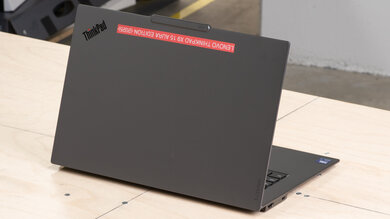
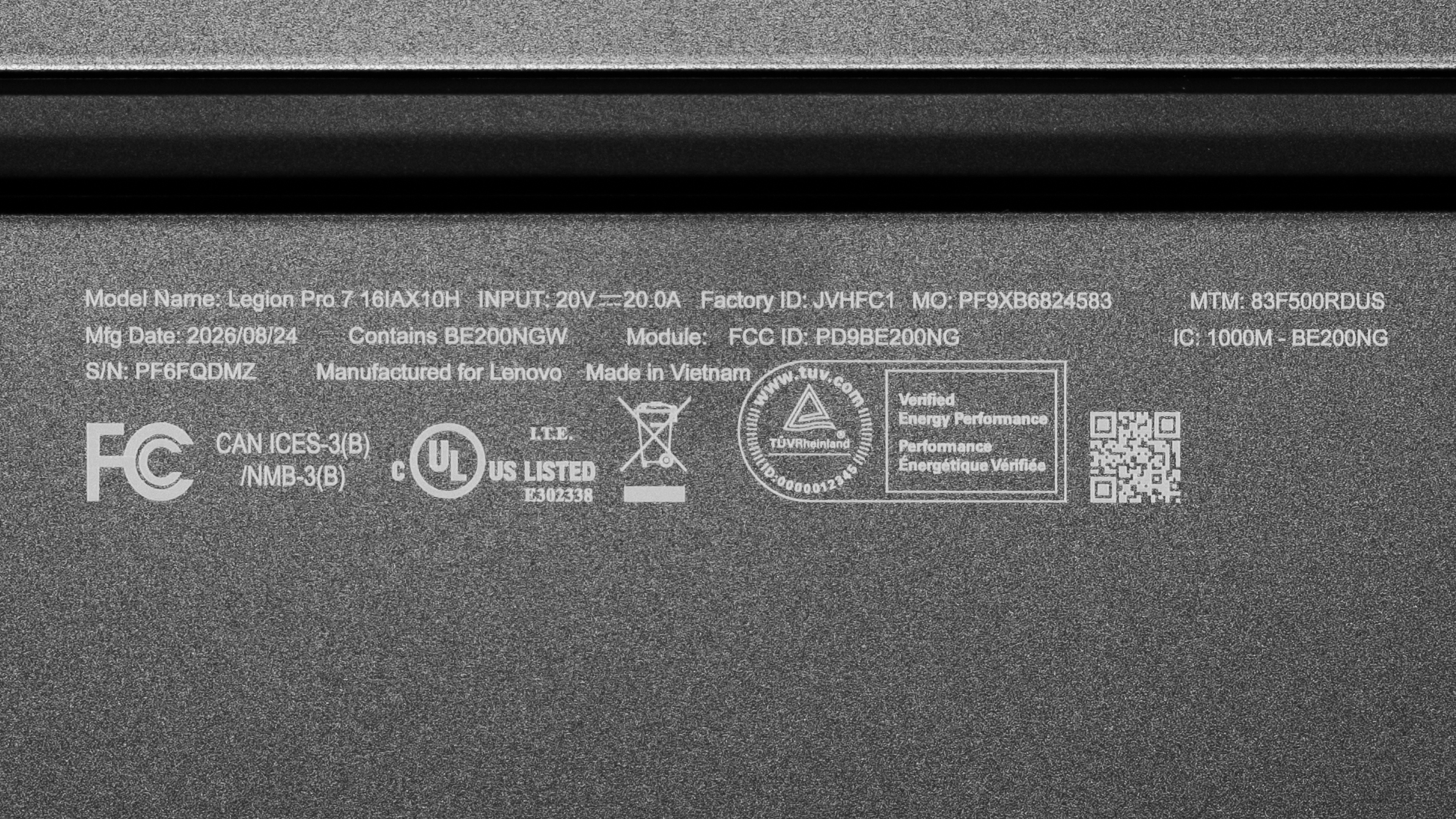
You can see a photo of our unit's label.
Popular Laptop Comparisons
The Lenovo Legion Pro 7i Gen 10 is a high-end gaming laptop that prioritizes performance, display quality, and upgradeability over portability. It sits above the more affordable Legion Pro 5i in Lenovo's gaming lineup, offering more powerful GPU options and a higher refresh rate, while the larger Legion 9i targets buyers looking for an ultra-flagship desktop replacement with even bigger display options. The 2026 Pro 7i is a refresh of the Gen 10 model introduced in 2025, retaining the same general design and features with a newer processor.
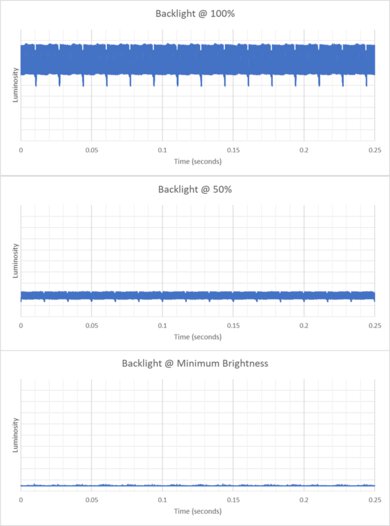
The HP OMEN MAX 16 (2025) and Gigabyte AORUS MASTER 16 (2025) are particularly close competitors: all three offer powerful NVIDIA RTX 50-series graphics, along with user-replaceable RAM and storage. The HP stands out for its wider display selection, including IPS options that might be appealing if you're sensitive to OLED flicker, although its unique zero-lattice keyboard design can take some getting used to. The Gigabyte has a similar 240Hz OLED display, but its plastic chassis feels less premium than the Legion's all-aluminum construction. Fan noise is also a significant drawback across these high-end gaming models, but overall, the Legion Pro 7i makes a strong case for a desktop replacement (so long as you don't mind keeping it near an outlet).
Looking for more options? Be sure to check out our recommendations for the best gaming laptops, the best 15- to 16-inch laptops, and the best laptops for video editing.
The Lenovo Legion Pro 7i Gen 10 16 (2026) and ASUS ROG Strix G16 (2024) both offer powerful gaming hardware, high-refresh displays with G-SYNC, and replaceable RAM and storage. Lenovo does offer more powerful 50-series configurations with a higher performance ceiling. The ASUS runs cooler, however, and its fans are less loud under load. The Lenovo's OLED panel produces perfect blacks, while the ASUS' matte IPS panel is flicker-free and handles reflections better. Both are bulky and have similarly short battery life, so display preference, configuration, and price are the main considerations when choosing between them.
The Lenovo Legion Pro 7i Gen 10 16 (2026) prioritizes high-power gaming performance and upgradeability, while the ASUS ROG Zephyrus G16 (2024) GU605 is thinner and much easier to carry. Both laptops run hot under heavy loads, but the Lenovo throttles less and has better gaming performance with newer 50-series graphics. The Lenovo has replaceable memory, while the ASUS' RAM is soldered on. Both have comfortable keyboards, but the ASUS' touchpad is larger and more comfortable for all-day use. The ASUS also has generally better battery life, though it drains quickly while gaming, and its fans are quieter under load. The best choice for you depends on whether you're going for raw gaming performance or better mixed usage and portability.
The Lenovo Legion Pro 7i Gen 10 16 (2026) and HP OMEN MAX 16 (2025) are both high-end gaming laptops meant for use mostly at a desk. Both offer powerful RTX 50-series graphics and replaceable memory and storage, but their display choices differ. The Lenovo comes equipped with a 240Hz OLED panel, while the HP can be configured with either an IPS or OLED display. The Lenovo offers a more comfortable typing experience and better sustained performance, while the HP has better battery life and cooling at the cost of louder fans.
The Lenovo Legion Pro 7i Gen 10 16 (2026) and Gigabyte AORUS MASTER 16 (2025) are similar high-end gaming laptops with sharp 240Hz OLED displays and powerful graphics options. The Gigabyte supports Thunderbolt 5 and has a microSD card reader, while the Lenovo has more USB-A ports for conventional accessories. Both have replaceable memory and storage, but the Legion's is slightly easier to access. The Lenovo wins on overall build quality and performance, while the Gigabyte has a more color-accurate display and better speakers. Both laptops are hefty and cumbersome, with a particularly underwhelming battery life.
Test Results
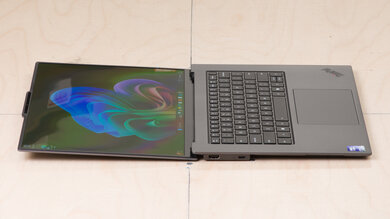
for pictures & test results
for pictures & test results
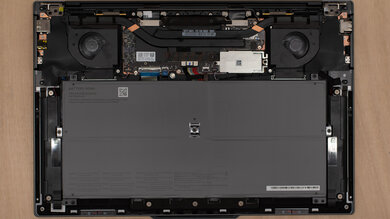
for pictures & test results



for pictures & test results

for pictures & test results
for pictures & test results
for pictures & test results