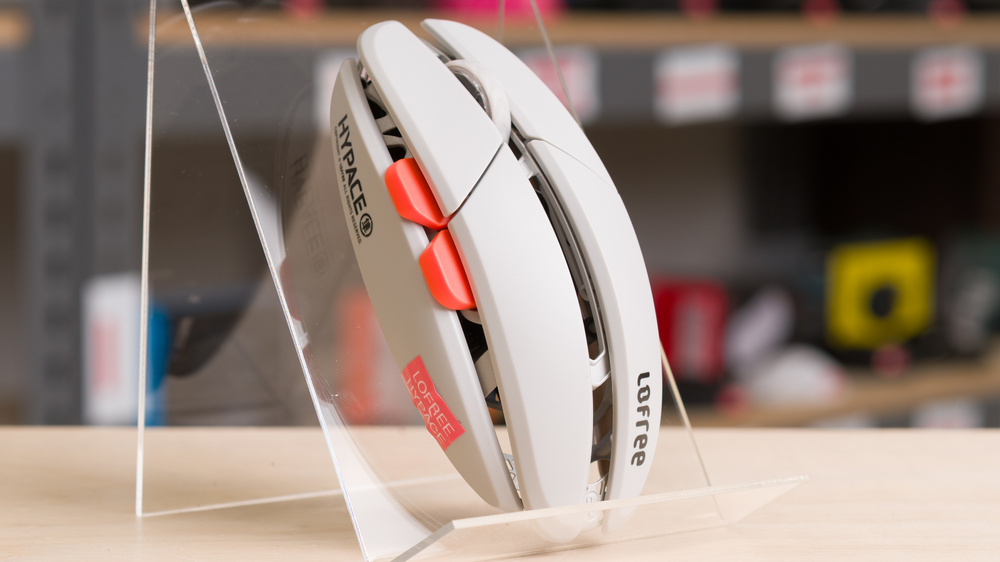
The Lofree Hypace is the company’s first entry into high-performance lightweight gaming mice, a shift for a brand better known for wireless keyboards. This mouse has a magnesium skeleton design with a plastic shell on top. This design helps ensure the mouse is very lightweight but rigid. However, it also means the internals are open to collecting dust and debris. It uses a flagship PixArt PAW 3950 sensor, and you can customize various settings using Lofree's web-based or downloadable software.
Our Verdict
The Lofree Hypace isn't designed for work use, but it's perfectly satisfactory for it. Its build quality is impressive, though the open body design leaves it more exposed to dust, debris, and potential damage from liquids or small objects, so it's not ideal for carrying in a bag. While it's intended to connect wirelessly using its included 2.4GHz receiver (which is fairly large), it also supports Bluetooth, which is more convenient for work since it doesn't require the receiver and is more energy efficient. Unfortunately, it lacks other productivity features such as gesture controls, tilt scroll inputs, and free scrolling.
Impressive build quality.
Supports Bluetooth connectivity.
Body design leaves the interior open to collecting dust and debris.
Lacks productivity features like tilt inputs or free scrolling.
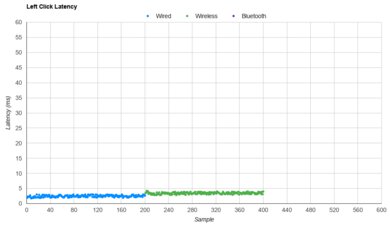
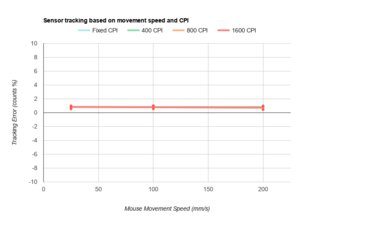
The Lofree Hypace is an outstanding FPS gaming mouse. It's extremely lightweight and has a distinctive, elongated egg-shaped body that's surprisingly accommodating to a wide range of hand sizes and grip types. It also has exceptionally low and consistent click latency and sensor performance and supports a maximum polling rate of up to 8000Hz. Its build quality is also impressive, although the polycarbonate outer shell is a bit flexible with moderate pressure, and our unit arrived with a loose battery we needed to glue back into place. The mouse feet, while offering a good gliding experience, are underwhelming compared to the stock feet on many competing wireless mice at a similar price point. Lastly, this mouse's open body design, while quite striking and distinctive, also leaves the body relatively vulnerable to collecting dust and debris or possibly damage from liquids and small objects, though this shouldn't be a concern for normal desktop use.
Impressive build quality.
Extremely lightweight.
Exceptionally low and consistent click latency.
Exceptional sensor performance.
Maximum polling rate of 8000Hz.
Body design leaves the interior open to collecting dust and debris.
Feet are dyed PTFE and don't glide as smoothly as the higher-quality feet found on similar wireless models.
The Lofree Hypace is good for MMO or MOBA gaming, though it doesn't offer as many side buttons as a dedicated MMO mouse. Its raw performance is exceptional and more than suitable for competitive play. The stock skates glide well but compare poorly to the higher-quality skates found on most mice at this price point. The build quality is impressive overall, although there's some minor shell flexibility, and our unit arrived with a loose battery. The open-body design also leaves the interior more exposed to dust and debris. Finally, while the elongated egg shape is accommodating for a wide range of hand sizes and grip types, it isn't as comfortable for long sessions as more comfort-focused, ergonomic designs.
Impressive build quality.
Exceptionally low and consistent click latency.
Body design leaves the interior open to collecting dust and debris.
Fewer side buttons than dedicated MMO models.
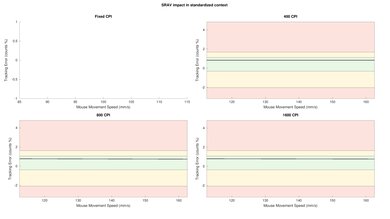
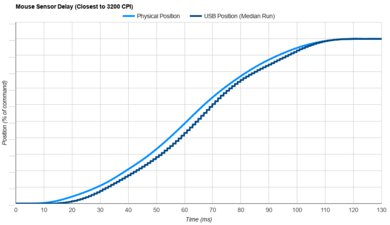
The Lofree Hypace provides outstanding raw performance, with exceptionally low and consistent sensor and click latency. It also supports a maximum polling rate of 8000Hz, which helps provide a more consistent and slightly smoother feeling motion, particularly at higher frame rates.
Exceptionally low and consistent click latency.
Exceptional sensor performance.
Maximum polling rate of 8000Hz.
Changelog
- Updated Mar 10, 2026: We've converted this review to Test Bench 1.5.2. This update removes the Delay To Start Of Movement and Delay To End Of Movement measurements from the Sensor Latency test. See our full 1.5.2 changelog for details.
-
Updated Dec 16, 2025:
We clarified the test settings used in the Sensor Latency section and added more details about the Highest Performance setting in the Configuration Software section.
- Updated Dec 05, 2025: Review published.
- Updated Nov 12, 2025: Early access published.
Check Price
Differences Between Sizes And Variants
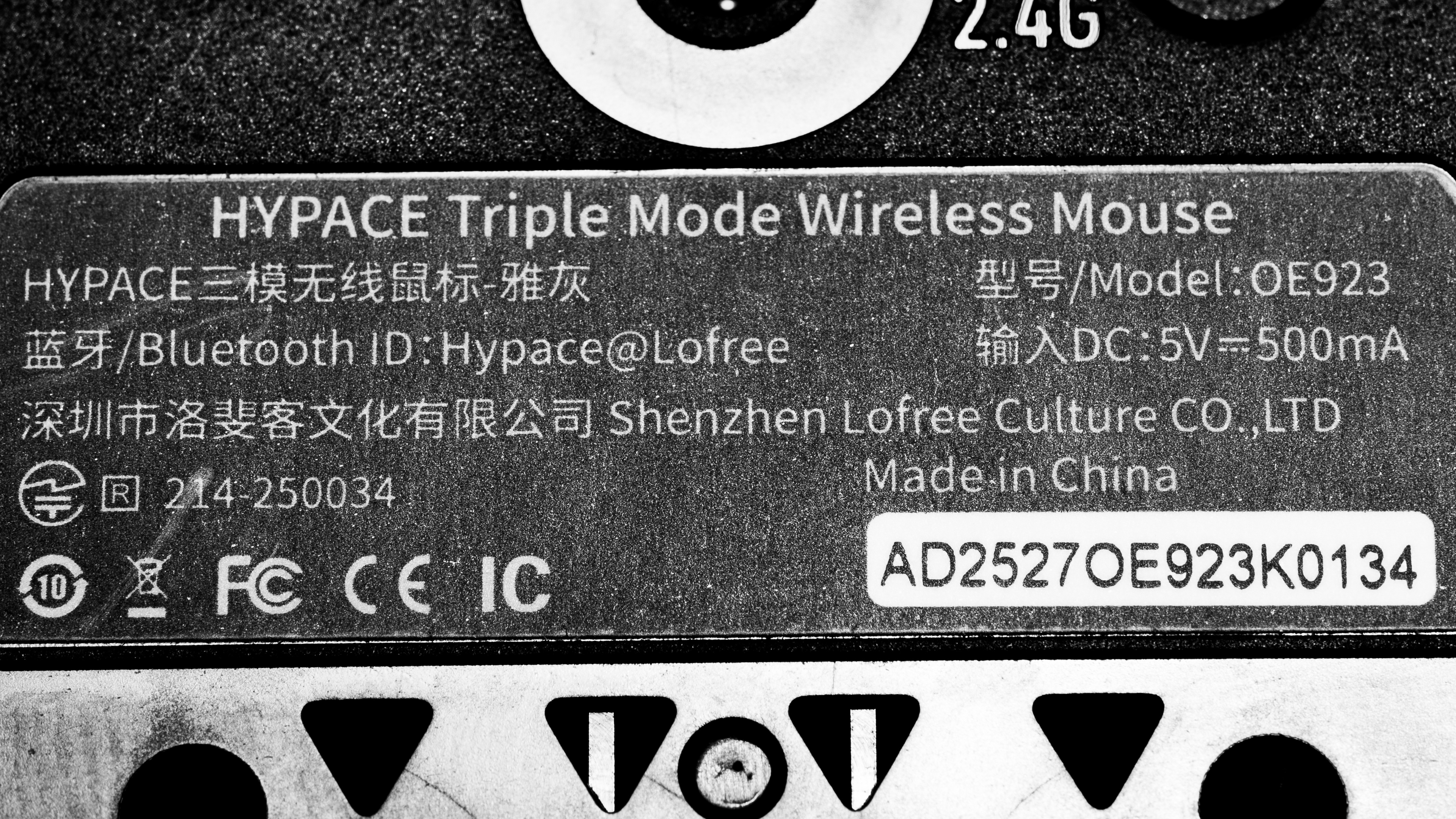
The Lofree Hypace is available in three colorways: Crayon Grey, Jet Black, and Ghost. We bought and tested the Crayon Grey model, and you can see our unit's label here.
All colorways use the same internal components except the Ghost variant, which uses optical switches for the main buttons instead of mechanical switches. This doesn't meaningfully affect performance. However, optical switches are generally more durable compared to mechanical switches, which are more prone to developing double-click issues over long-term use.
Popular Mouse Comparisons
The Lofree Hypace is the company's first lightweight gaming mouse and originally launched as a Kickstarter campaign before moving into full production. Its distinctive look draws inspiration from the design of helmets and uses a lightweight but very rigid magnesium alloy skeleton with a polycarbonate outer shell. Its shape closely resembles the Logitech G309 LIGHTSPEED, with some similarities to the Logitech G303 Shroud Edition. It has an elongated body that tapers at both the front and back and represents a fairly unconventional design that stands out in a market that's lately been flooded with very similar safe, symmetrical shapes.
Its remarkably good click latency and sensor performance, combined with its extremely low weight, put it in the same competitive bracket as leading FPS options like the Razer Viper V3 Pro and the Logitech G PRO X SUPERLIGHT 2. Its only major drawback is price. It's a bit more expensive than these flagship models from the leading brands, yet it carries only a one-year warranty compared to the two-year coverage from Razer and Logitech. If you aren't interested in its shape or standout aesthetics and your priority is pure performance, you can get similar or even slightly better results from significantly cheaper options like the Scyrox V8 or the MCHOSE L7 Ultra.
For more recommendations, see our picks for the best gaming mice, the best wireless gaming mice, the best claw grip mice, and the best lightweight mice.
The Razer Viper V3 Pro and Lofree Hypace are both lightweight wireless mice with similarly exceptional competitive performance, but they differ in look and shape. The Razer has a more straightforward, low-profile design with a mid-size hump and straighter sides that suit a wider range of hand sizes and grip types. It also has noticeably higher-quality mouse feet and better build quality overall. On the other hand, the Lofree also has a low-profile silhouette but uses a narrower, elongated egg-like shape with more prominent side buttons. Both weigh about the same, though the Lofree is slightly lighter and uses a magnesium skeleton with open shell sections that expose the interior, making it more prone to dust and debris than the Razer's fully enclosed plastic shell.
The Lofree Hypace and the Logitech G309 LIGHTSPEED are wireless gaming mice with fairly similar shapes. The Lofree is aimed at high-level competitive play. It's much lighter, offers stronger raw performance, and supports polling rates up to 8000Hz. It's also slightly longer with more tapered ends. However, it has some minor build quality issues, and its open-body design exposes parts of the interior, making it more prone to dust and debris. In comparison, the Logitech is a more versatile option suited for travel or a mix of work and gaming. It's a bit smaller but significantly heavier, and it uses replaceable AA batteries instead of a rechargeable internal battery. Its performance isn't quite as good as the Lofree's, but it's still perfectly adequate for casual and even competitive play.
The MCHOSE L7 Ultra and Lofree Hypace offer similarly exceptional raw gaming performance suitable for competitive play, but their designs differ significantly. The MCHOSE has a straightforward look with a solid plastic body and a more conventional symmetrical shape that works best for claw or fingertip grip with medium or smaller hands. The Lofree, by contrast, has a more distinctive elongated egg-like shape suited to roughly the same hand sizes but still mainly for claw or fingertip use. It features a magnesium alloy skeleton covered by a plastic outer shell, and while visually striking, this open-style design makes the Lofree more vulnerable to collecting dust and debris.
The Logitech G PRO X SUPERLIGHT 2c and the Lofree Hypace are very lightweight wireless gaming mice that are roughly the same size and weight. They both also offer similarly exceptional raw performance for competitive gaming. That said, the Logitech has a comparatively much more subdued look and straightforward shape that's more broadly and easily accommodating to a wider spectrum of grip types for small or medium-sized hands. The Lofree, on the other hand, has a very distinctive look with a magnesium skeleton design covered by a plastic outer shell. Its shape resembles an elongated egg with tapered ends and is a bit more restrictive in its hand size and grip type accommodation.
Test Results
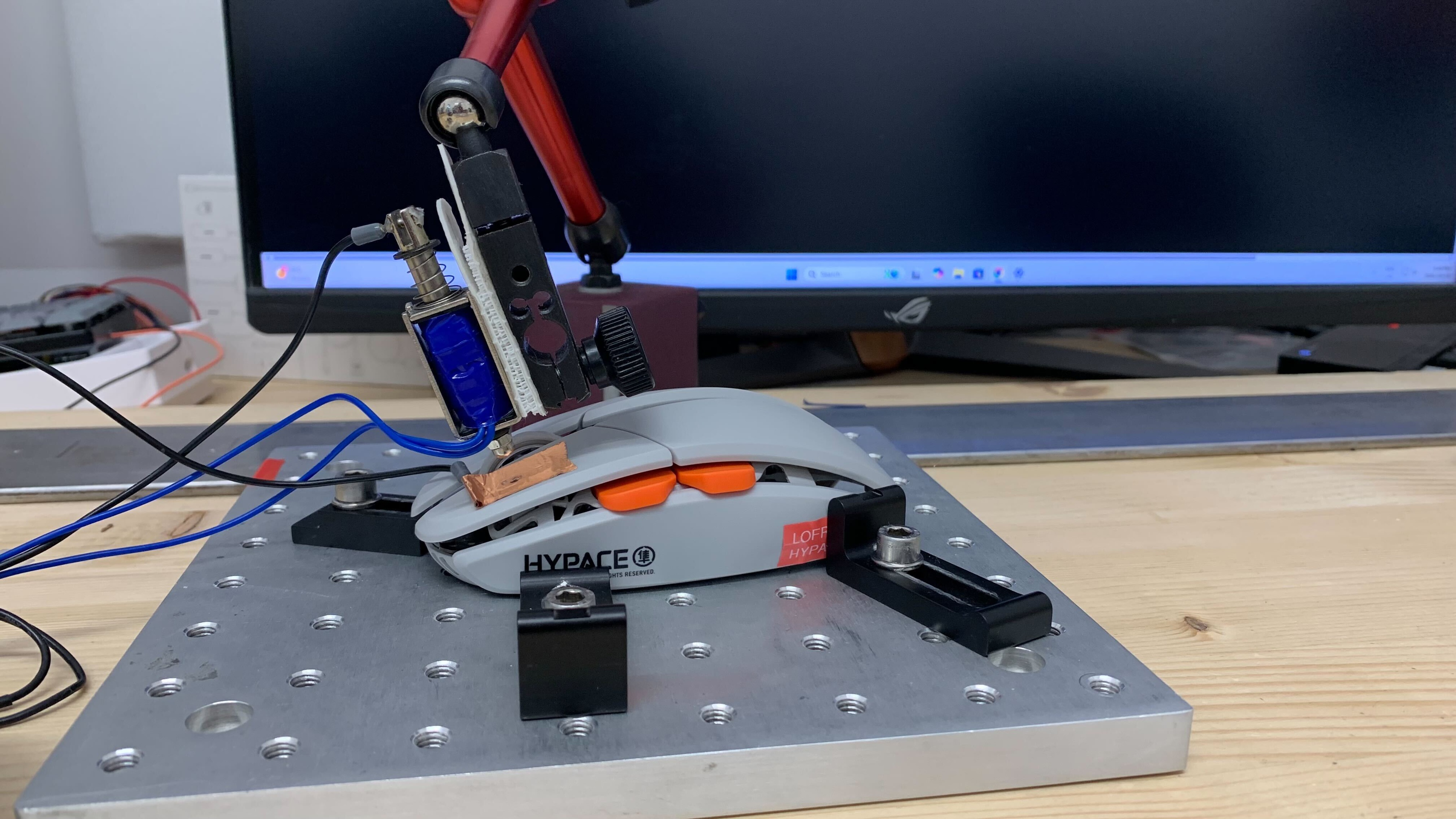
for pictures & test results
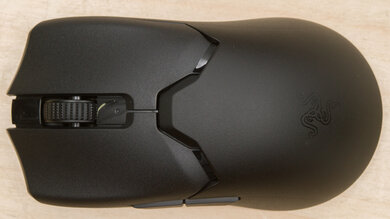
for pictures & test results
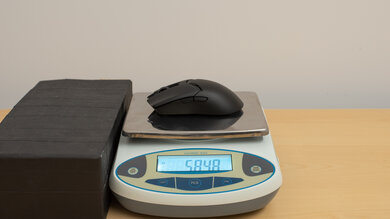
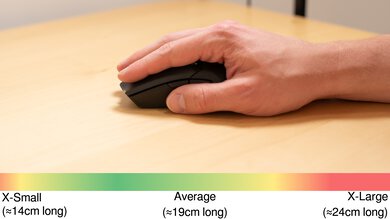
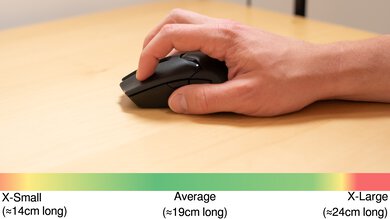
for pictures & test results

for videos & test results
