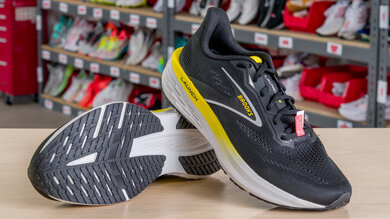
The Brooks Launch 12 is a no-nonsense daily trainer that's a good fit for runners who don't enjoy the very tall, unstable platforms that now dominate much of the market. It uses Brooks' nitrogen-infused DNA FLASH cushioning with DNA FLASH v2 in the forefoot, which gives it a light bounce at toe-off while still preserving some ground feel up front, helping the ride stay approachable and predictable. This iteration features a bit more stack than before and a mesh upper with more padding around the heel for an improved step-in feel, even if that comes with increased weight. The Launch line used to sit more clearly as one of Brooks' lightweight daily training options alongside the Hyperion family, but as that category keeps losing relevance, this model has had to shift toward more comfort. The shoe also feels naturally stable without relying on corrective features, which adds to its easygoing appeal for newer runners or those who prefer a more traditional underfoot experience.
Our Verdict
The Brooks Launch 12 isn't really built for marathon racing. It's too low-stack, only a little bit cushioned, and not very bouncy, so it lacks the deep protection and easy propulsion that matter over long distances. The stable platform helps it feel controlled and predictable, but with no plate and a geometry that's not meant for racing, it's more like a daily trainer you could complete a marathon in than one designed to help you race your best.
Very good lateral stability.
Heel cushioning offers reasonable protection.
Minimal energy return overall.
The forefoot can feel thin and harsh, especially under high loads.
Weight could be lower for more efficient running.
The Brooks Launch 12 can work reasonably well for 5K or 10K racing if you like a firmer, more traditional racing feel. Its low, firm forefoot helps it turn over cleanly and keeps the ride direct, but the midsole does not return much energy, and there's no plate to add extra snap. It's more of a simple, relatively nimble option for shorter runs than a truly aggressive modern racer you'd want to lace up when you have a personal best in mind.
Firm forefoot keeps transitions predictable and direct.
Minimal energy return overall.
Weight could be lower for more efficient running.
Changelog
-
Updated Jun 09, 2026:
We've updated the Popular Comparisons section to include a link to the newly reviewed Nike Downshifter 14.
-
Updated Mar 24, 2026:
Following Test Bench 0.10, we wrote the full review with the most recent testing and results available.
- Updated Feb 20, 2026: We've converted this review to Test Bench 0.10, adding a new set of fit tests to the Design section and an overall fit performance usage. Check out the details in our changelog.
- Updated Feb 16, 2026: Review published.
- Updated Jan 19, 2026: Our testers have started testing this product.
- Updated Jan 08, 2026: The product has arrived in our lab, and our testers will start evaluating it soon.
- Updated Jan 08, 2026: We've purchased the product and are waiting for it to arrive in our lab.

We've bought and tested more than 250 running shoes. Every pair purchased with our own money, never supplied or sponsored by brands. Our data-driven tests are designed to go beyond marketing claims, and since every shoe goes through the exact same methodology, you can directly compare results to find the right pair for your needs.
Test Results
Energy Return
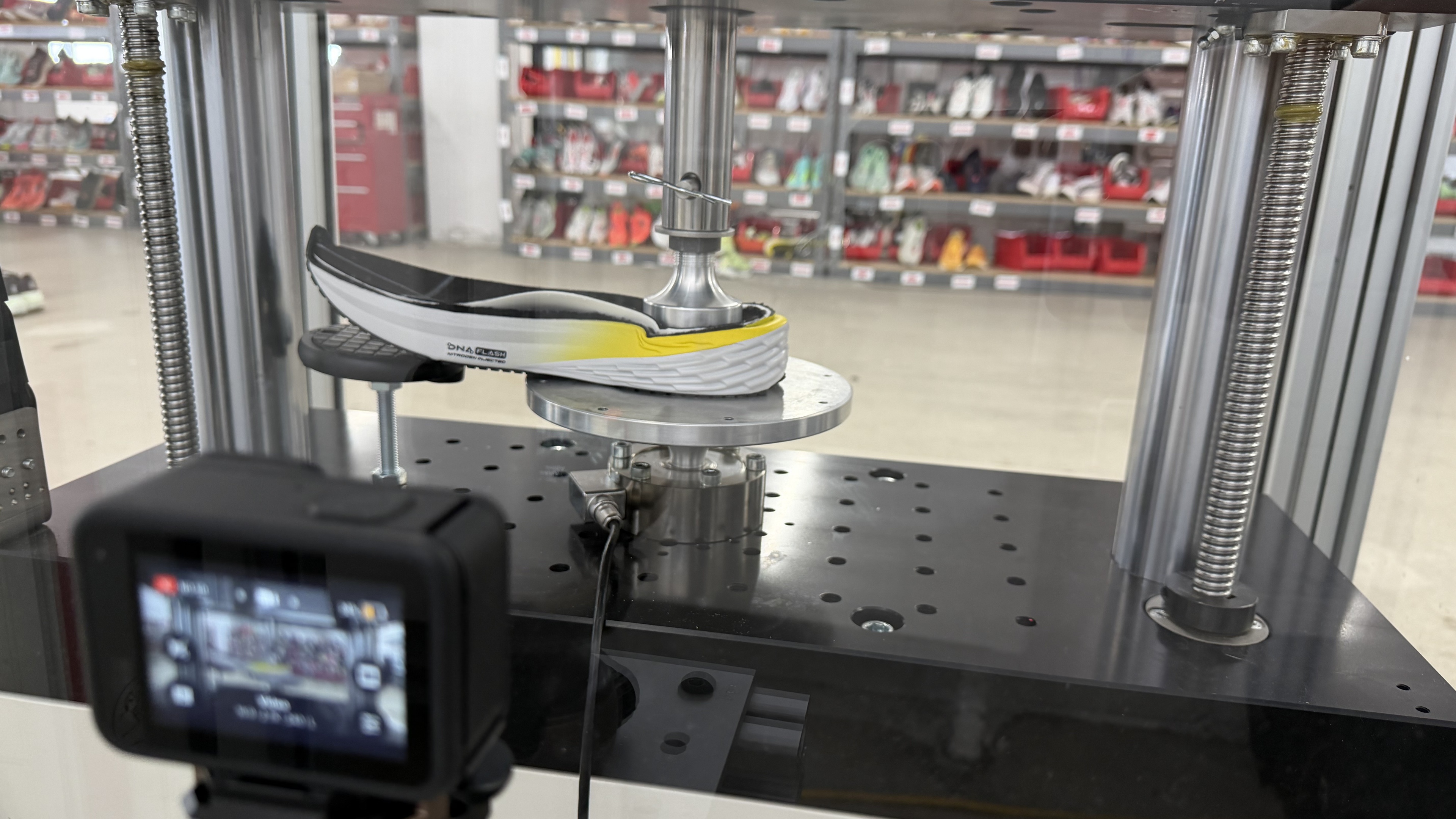
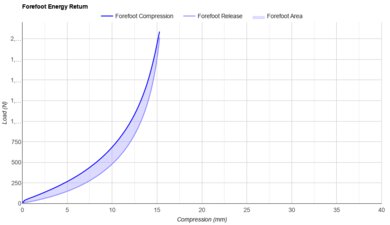
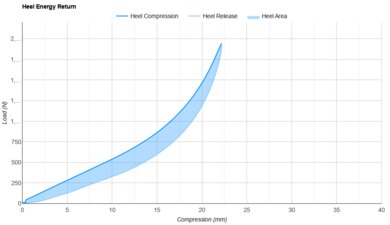
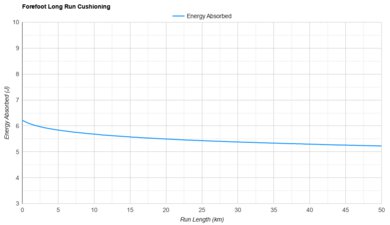
The Brooks Launch 12 delivers a very modest amount of energy return. There's a very tiny bit of liveliness under the forefoot, but the heel, built with DNA FLASH, feels a lot less lively, so the ride doesn't feel propulsive overall. For daily training, this keeps things predictable, but runners expecting a bouncy, fun sensation will likely find it underwhelming.
Minimal energy return overall.
Cushioning
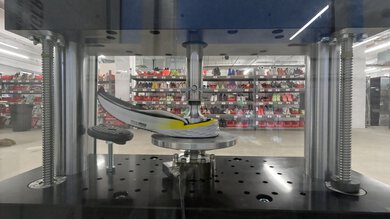
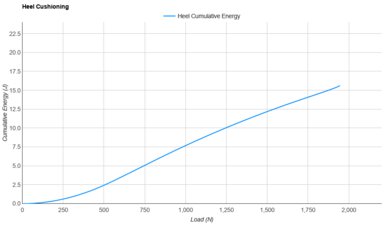
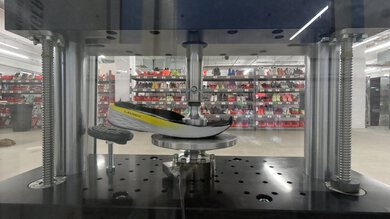
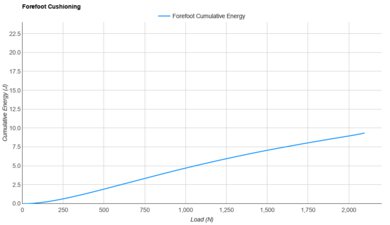
The Brooks Launch 12's cushioning feels adequate for short daily runs. There's enough padding under the heel for everyday mileage, but the forefoot feels noticeably thinner and keeps more ground feel than most other modern daily trainers. That makes the ride more connected and less bulky, though runners looking for a soft, deeply protective shoe for easy days or long runs may find they feel too much of the road under their feet for their liking.
Heel cushioning offers reasonable protection.
The forefoot can feel thin and harsh, especially under high loads.
Lateral Stability
The Brooks Launch 12 is very stable overall. Its broad platform, moderate stack height, and firmer forefoot help it feel planted and controlled without relying on any corrective features, which makes it especially reassuring for runners who dislike tall, tippy midsoles. It doesn't try to guide your foot like a support shoe, but it offers a dependable, naturally stable ride.
Very good lateral stability.
Firm forefoot keeps transitions predictable and direct.
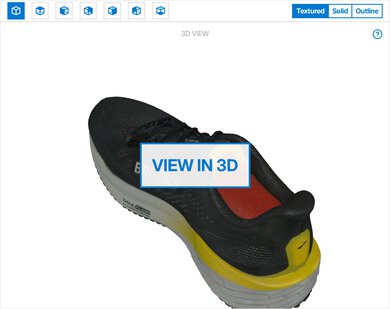
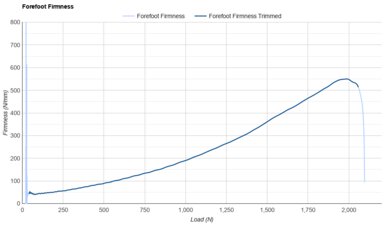
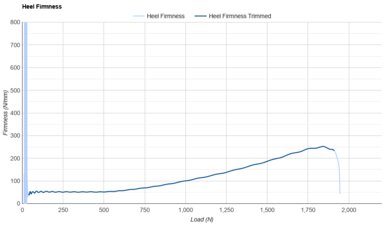
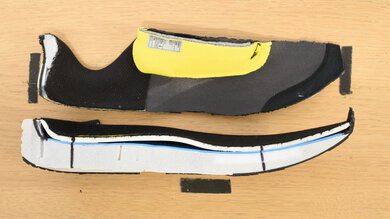
True To Size
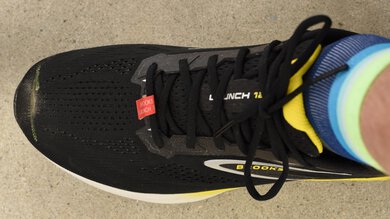
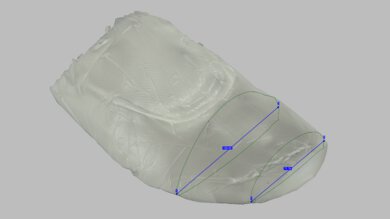
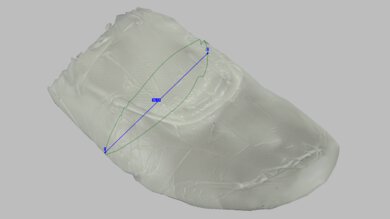
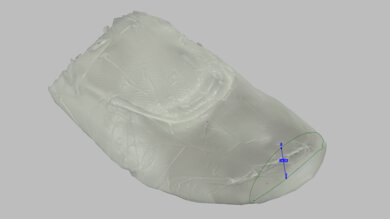
The Brooks Launch 12 fits true to size overall, and most people should stick to their usual size. The length feels spot on, and the forefoot and arch width are both quite accommodating. The main caveat is that the toe box height is somewhat shallow, so runners with higher-volume feet may feel a bit of pressure over the top of the forefoot.
True-to-size length.
Accommodating width at the forefoot.
Shallow toe box.
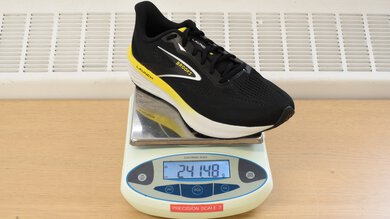
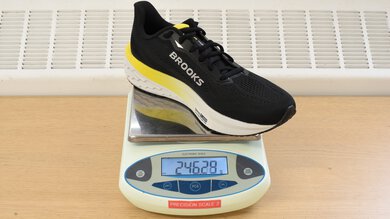
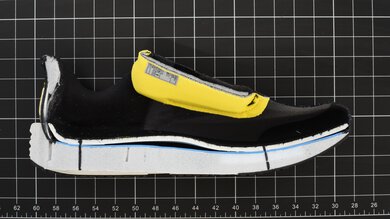
Popular Running Shoe Comparisons
The Brooks Launch 12 is a low-profile daily trainer that now makes more sense as a simple, stable option for everyday running than as the lightweight trainer that earlier versions built their reputation on. The market has evolved so much that when runners reach for a faster shoe for their workouts today, they have far more compelling choices, whether that means plated trainers like the Saucony Endorphin Speed 5, low-to-the-ground modern racing-flat alternatives like the adidas Adizero Adios 9, versatile trainers like the ASICS MEGABLAST, or even full super shoes. That leaves traditional lightweight trainers like the Launch in a difficult spot, since they no longer feel lightweight or responsive enough to stand out for speed sessions. The category has had to shift toward slower daily mileage by adding more stack, comfort, and protection, even if this means more weight.
At the same time, the Launch 12 still stops well short of the premium feel of max-cushion options like the HOKA Skyward X or Nike Vomero Premium, which is also exactly why it still works well for runners who want some ground feel, a straightforward design, a naturally stable platform, and a no-fuss ride that will not break the bank, and sits well above true entry-level shoes like the Nike Downshifter 14.
The Brooks Hyperion line has gone through a similar evolution, especially with the move from the Brooks Hyperion 2 to the Brooks Hyperion 3, so there is no real stripped-back lightweight trainer left in Brooks' lineup anymore. Meanwhile, the Brooks Revel 8 is the simpler option for runners doing a mix of walking and running; the Brooks Ghost 17 is the classic legacy trainer; and those who want more protection are better served by premium trainers like the Brooks Glycerin 23, the Brooks Glycerin Max, or the Brooks Ghost Max.
For more options, check out our recommendations for the best Brooks running shoes, as well as our picks for the best running shoes overall and the best long-distance running shoes.
The Brooks Launch 12 and Brooks Ghost 17 are two popular Brooks trainers that work well for easier running and a mix of running and walking. The Ghost 17 is the more classic daily trainer, continuing a long-standing formula with a very stable ride created by its wide platform, raised sidewalls, and a reinforced heel counter, though all of that also makes it feel heavier. The Launch 12 sits a bit lower and uses an 8 mm drop (instead of the Ghost 17's 10 mm), and its dual-layer midsole gives it a slightly bouncier and more absorbent feel underfoot despite the lower stack. In fit, both feel true to size and accommodating overall, but the Ghost 17 feels narrower through the arch, while the Launch 12 has a shallower toe box.
The Brooks Hyperion 3 and Brooks Launch 12 are two trainers whose earlier versions used to feel lighter and more stripped down, but both have gradually shifted toward a more comfort-oriented identity and now sit in a similar weight range. The Hyperion 3 is the more protective trainer, with a slightly higher stack, a marginally wider platform, and a touch more inherent stability that helps it feel more capable overall. The Launch 12 feels firmer and more connected to the ground, with a bit more forefoot liveliness that gives it a snappier sensation despite offering less protection. If you want the more balanced and comfortable option for daily training, the Hyperion 3 makes more sense, but if you prefer a firmer ride with more ground feel and a slightly punchier forefoot, the Launch 12 is the better fit.
The Brooks Launch 12 and HOKA Clifton 10 are both daily trainers, but they go about that role in different ways. The HOKA is the more cushioned and higher-stacked option, focusing on comfort, smoothness, and a protective ride while still feeling quite stable for its category. The Brooks is lighter and a bit more stable, with a lower stack and more ground feel as soon as you step in, which makes it feel less protective but a bit more connected to the road. It also has a touch more bounce in the forefoot, giving it a slightly livelier feel when you start to turn over.
Differences Between Sizes And Variants
We bought and tested the Brooks Launch 12 in men's US size 9, as noted on the label for our pair. The pair we purchased is the Black/Cyber Yellow/Oyster colorway, but you can also buy this shoe in several other colors, including Black/Grey/White, Gray Mist/Green, Coconut/Sand/Skyway, and more, depending on the region. The Brooks Launch 12 is only available in a standard width, with no wide variants available. The design section applies only to the exact model we tested, but we expect other size variants to perform similarly.