The Anker Soundcore P25i/P20i True Wireless are budget-friendly wireless buds. At this price point, it's surprising to see headphones with companion app support; their app offers many EQ presets so you can find the right sound for your tastes. They also have a Game Mode, which helps lower latency for streaming video and gaming. While you won't find extras like multi-device or quick pairing, these buds have a solid price-to-performance ratio worth considering if you're keeping your expenses low. Keep in mind that their name alternates between P20i and P25i, depending on the retailer, though. Both models are otherwise the same.
Our Verdict
The Anker P20i are good for sports and fitness. These buds have a comfortable, stable in-ear fit. They're also rated IPX5 for resistance against direct water contact, so you can wear them during runs in the rain. Their lightweight, portable design makes it easy to take them with you on the go.
- Comfortable and stable fit.
- Certified IPX5 for water resistance.
Better at reducing out mid to treble range noise.
- Struggles to block out bass range noise.
- No volume controls by default.
The Anker P20i are decent for travel. These comfortable buds are small and lightweight, so you can easily pocket them in your coat or bag when you're on the move. While they don't have noise cancelling, and struggle to block out the low rumble of bus and plane engines, they're still able to passively isolate you from passenger chit-chat. They also last nine hours continuously, and their carrying case holds an extra two charges if you need them.
- Comfortable and stable fit.
Better at reducing out mid to treble range noise.
- Struggles to block out bass range noise.
- No volume controls by default.
The Anker P20i are fair for office use. These buds have nine hours of continuous battery life, so they can last through long days at your desk. If you need to top them up, their carrying case holds an additional two charges. They also have a comfortable fit and can passively block out chatty coworkers and the hum of computer fans well. That said, they don't support multi-device pairing, so you can only stay connected to one device at a time.
- EQ presets available in companion app.
- Comfortable and stable fit.
Better at reducing out mid to treble range noise.
- Struggles to block out bass range noise.
- No volume controls by default.
- No multi-device pairing.
The Anker P20i are Bluetooth earbuds. They rely on their Game Mode to help lower their latency on PCs. While their latency isn't quite as good as dedicated gaming headphones, this mode ensures your audio and visuals stay in sync during casual gaming.
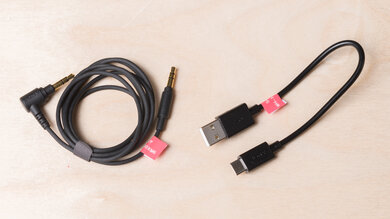
The Anker P25i are wireless earbuds and can't be used wired.
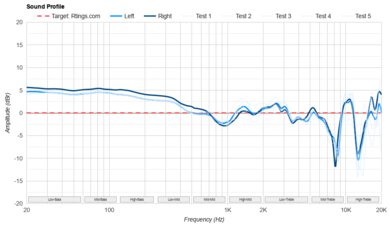
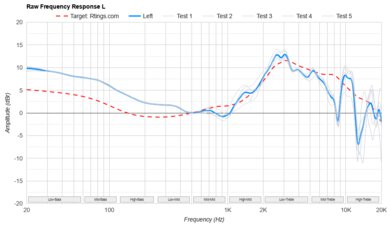
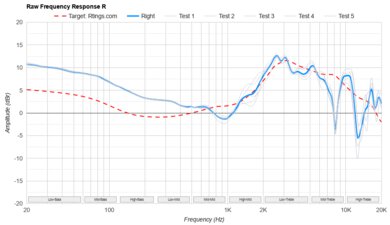
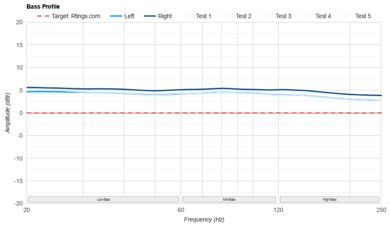
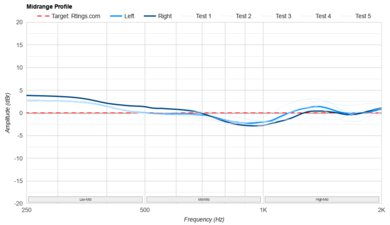
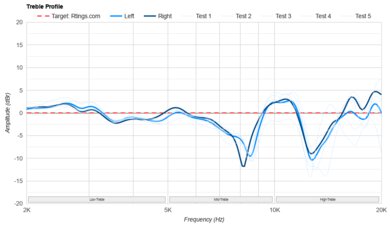
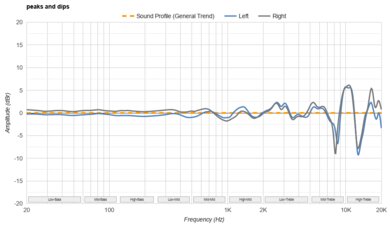
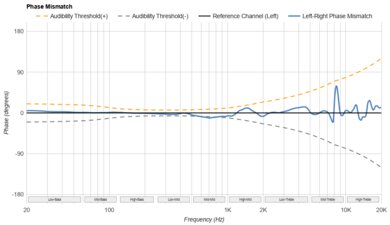
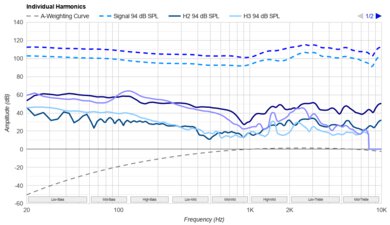
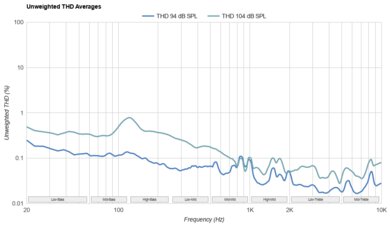
The Anker P20i have okay audio reproduction accuracy. Out of the box, they have a bassy sound that delivers intense thump, punch, and warmth. While it doesn't drown out vocals and instruments, a dip in the low-treble hurts their clarity. On the upside, the left and right drivers are decently well-matched, so objects are placed correctly in the stereo field. They also have low harmonic distortion at typical and elevated levels, so you won't notice any audible coloration. They lack a graphic EQ like other Anker headphones, but their companion app offers a lot of EQ presets to help you fine-tune their sound.
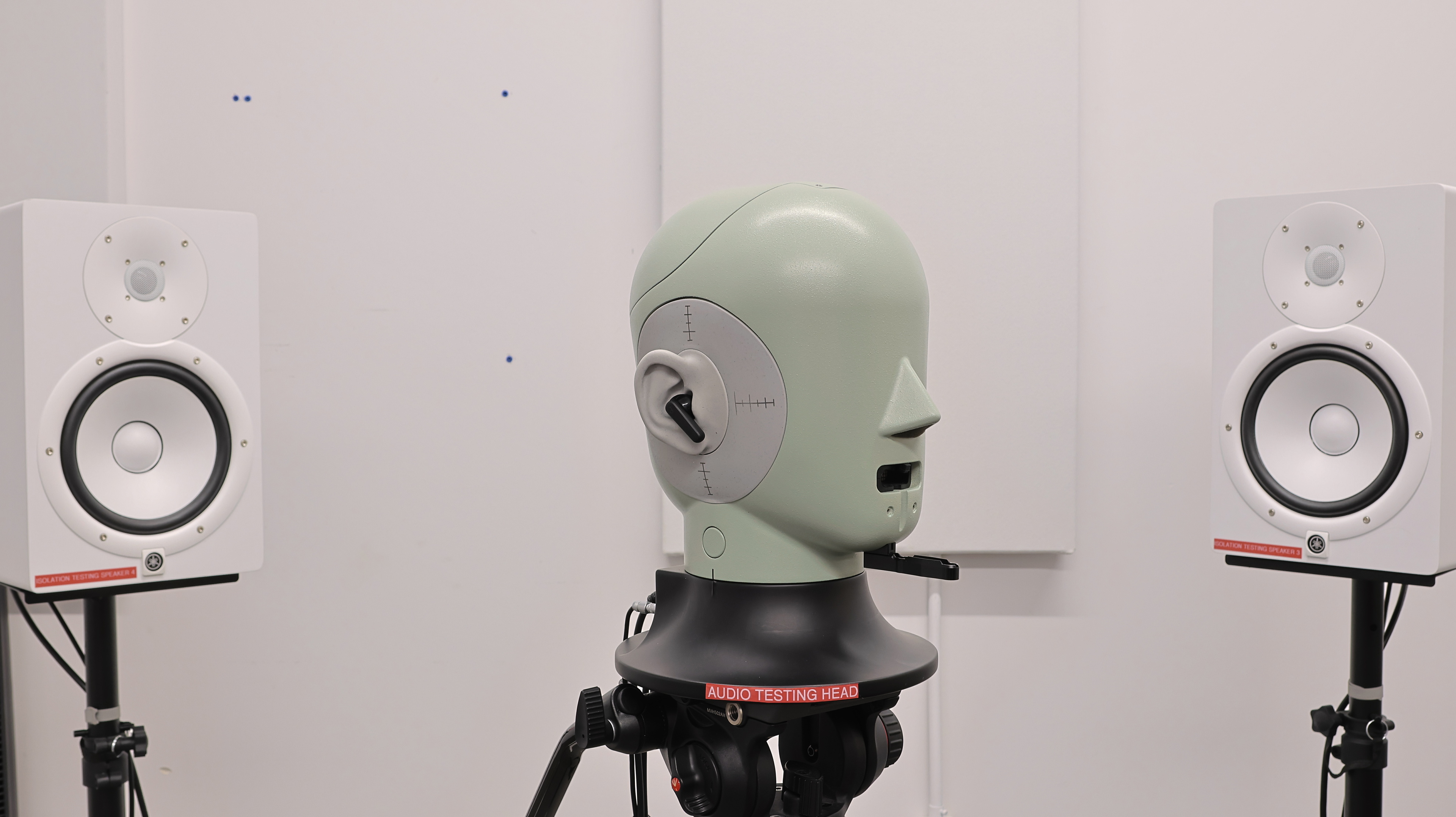
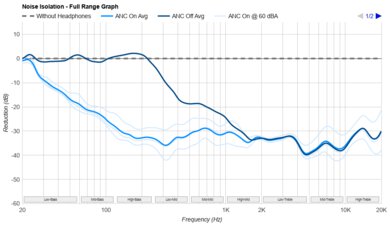
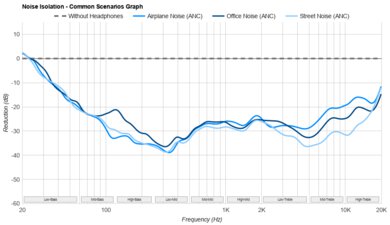
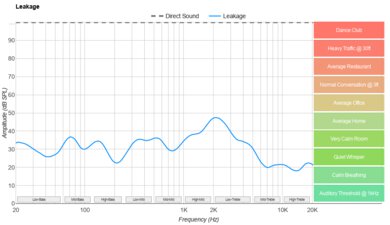
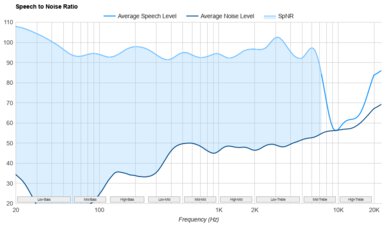
The Anker P20i have sub-par noise isolation. They don't have noise cancelling (ANC) and so can only block out sounds passively. As a result, they struggle to cut down on the rumbles of train engines and only slightly reduce the ambient sounds of an office. On the plus side, these buds leak very little audio, so people around you won't hear your audio, even if you listen at louder levels.
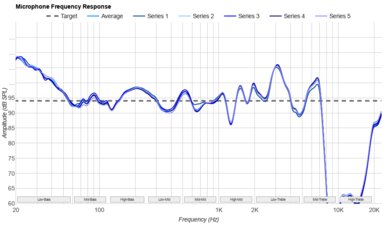
The Anker P20i have a decent mic. It makes your voice sound clear if a little thin, but it doesn't do a good job separating your voice from the noise around you.
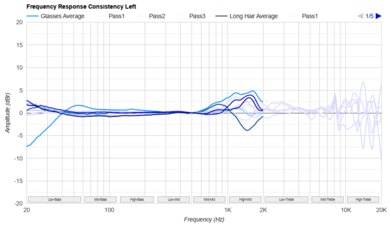
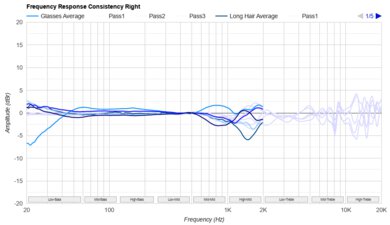
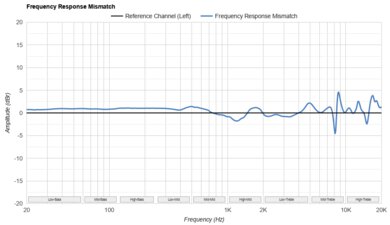
The frequency response consistency of the Anker P20i is alright. Unless you take the time to get a good fit, you may notice some differences in amplitude between the left and right buds.
Performance Usages
Changelog
- Updated Jun 23, 2026: This review has been updated to Test Bench 2.3, which removes the Virtual Soundstage, Base/Dock, and some comparisons from Bluetooth Connection. Have a look at our changelog for more info.
- Updated Apr 20, 2026: This review has been updated to Test Bench 2.2, which removes the Cumulative Spectral Decay (CSD) test, retiring its waterfall plot visualization from our reviews. You can read more about this change in the changelog.
-
Updated Apr 14, 2026:
Anker now also produces 'White' and 'Blue' variants of these earbuds, in addition to the original 'Black'. We have updated this article accordingly.
-
Updated Apr 01, 2026:
We've added a mention of the Anker Soundcore P31i in the Noise Isolation - Full Range box.
Check Price
Differences Between Sizes And Variants
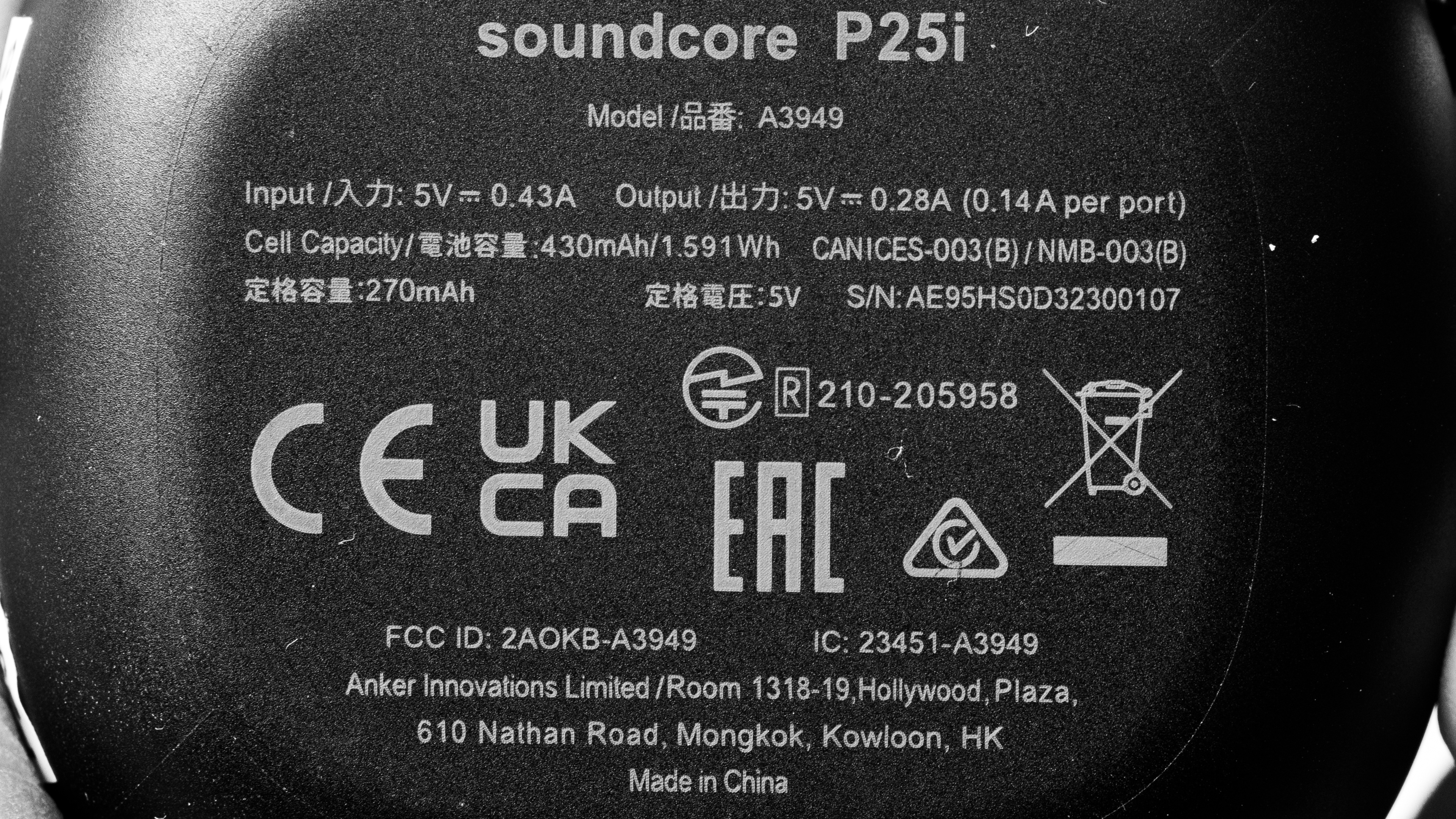
The Anker P25i come in three color variants: 'White,' 'Blue,' and 'Black.' We tested the 'Black' variant, and you can see our model's label here. It's worth noting that these buds have a different name, depending on the retailer. Anker calls these buds the P20i, but if you're shopping via Best Buy, for example, they're called the P25i. According to Soundcore, there's no difference between these two models other than their names.
If you come across another variant of these headphones, please let us know in the comments, and we'll update our review.
Popular Headphone Comparisons
The Anker P20i are wallet-friendly buds with a couple of surprising features that you don't often find at this price point. Compared to the similar JLab Audio GO Air POP True Wireless, they have a companion app that offers a lot of EQ presets to help you adjust their sound to your liking. They also have a Game Mode to help lower latency within good levels. That said, they struggle to block out background noise and lack a power-saving feature to help conserve battery life when not in use.
Check out our picks for the best budget and cheap wireless earbuds, the best wireless earbuds under $50, and the best earbuds under $50.
The JLab Audio GO Air POP True Wireless and the Anker Soundcore P25i are similar budget-friendly earbuds with slight differences. Although both buds are well-built and have similarly fair battery performances, the JLab are able to block out more ambient sound. Conversely, the Anker are more comfortable and have companion app support, which offers a lot more EQ presets than what the JLab have built-in.
The JBL Vibe Beam True Wireless have the edge over the Anker Soundcore P25i. While both buds are well-built, the JBL have a more balanced sound profile, which some users may prefer, and have a better overall battery performance. Their companion app also offers a graphic EQ, so you can really fine-tune their sound to your liking. That said, the Anker are more comfortable.
The Skullcandy Dime 3 True Wireless are better budget-friendly buds than the Anker Soundcore P25i if you want a flatter sound. While both buds are well-built, the Skullcandy have a more neutral sound profile, which some users may prefer; they can block out more background noise and support multi-device pairing. However, the Anker are more comfortable and have many more EQ presets to help you adjust their sound. Their integrated mic offers a significantly better overall performance, too.
The Anker Soundcore P25i are a tier down from the Anker Soundcore P31i, and their lower price point comes with some significant trade-offs. The cheaper model lacks an ANC system, multi-device pairing, and aren't as comfortable as the lightweight P31i. While the P25i have a longer continuous battery life, the case can only store an extra two charges, as opposed to four with the P31i. The P25i also have a much more bass-heavy sound, and it can be harder to achieve consistent audio delivery with them. All in all, most people will be happier with the P31i's more complete feature set.
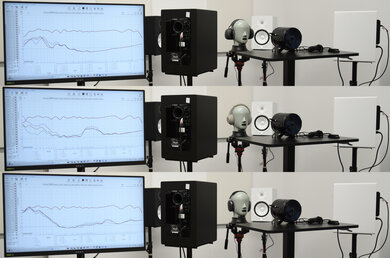
Our How We Test Headphones article takes you behind the scenes in our lab. You'll learn how we choose and purchase products and dive into the details of our review philosophy, from testing and scoring to writing and editing.
You can also discover how we produce recommendations like this one so that you can find the best headphones (or earbuds!) for your needs.
Test Results
for pictures & test results
for pictures & test results
for pictures & test results

for pictures & test results




for pictures & test results
for pictures & test results