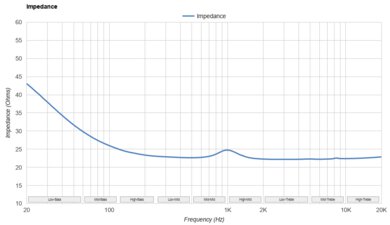
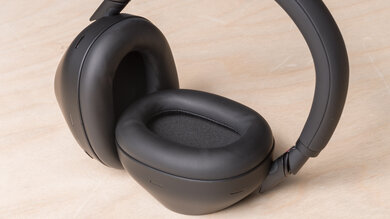
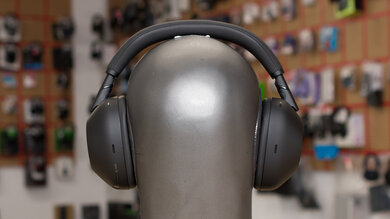
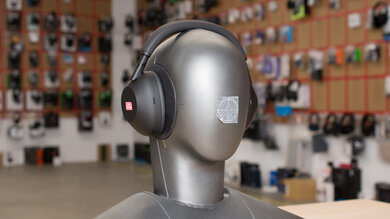
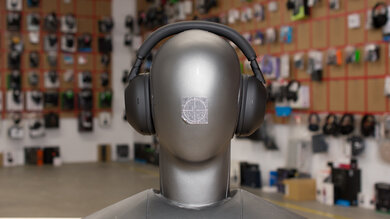
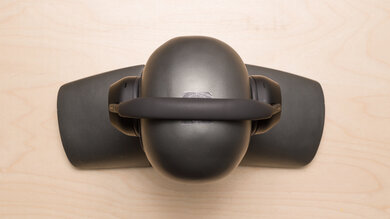
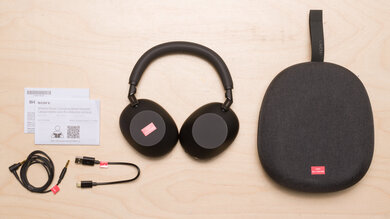
The Beyerdynamic DT 1990 PRO MKII are premium, studio, over-ear headphones. They're well suited for both producing and mastering and include two sets of ear pads expressly designed for those usages. Additionally, these headphones are made in Germany and have quality materials with solid construction. Their 30-ohm impedance also makes them usable on most devices without an amp.
Our Verdict
The Beyerdynamic DT 1990 PRO MKII aren't designed for sports and fitness. While they have a fairly high clamping force to keep them stable, they're quite heavy and bulky. Also, you can only use them wired, making the headphones impractical and potentially hazardous for physical activity.
Comfortable fit.
Open design lets in background noise.
Bulky design.
The Beyerdynamic DT 1990 PRO MKII are inadequate for commuting and travel. They don't have an active noise cancellation system and are open-back headphones, meaning they don't passively or actively block out ambient noise. Whether riding a bus or flying sky-high, you'll hear the rumble of engines and the din of ambient chatter through these cans. That said, they come with a case that makes transporting them manageable.
Comfortable fit.
No microphone.
Open design lets in background noise.
Bulky design.
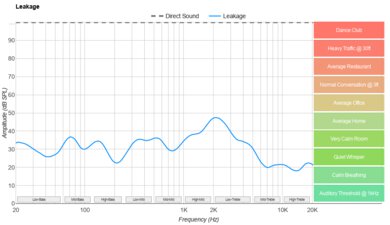
The Beyerdynamic DT 1990 PRO MKII are poor for office use. They lack a microphone, so you'll have to use your connected device's integrated microphone (if it has one) for Zoom or Teams meetings. Meanwhile, their open design isn't meant to mitigate noise or prevent leakage; you'll hear everything from ambient conversations to clacking keyboards in a busy office. Additionally, any neighboring colleagues will hear whatever you're listening to, especially if you have the volume turned up.
Comfortable fit.
Minimal variation of sound signature between wears.
No microphone.
Open design lets in background noise.
Bulky design.
The Beyerdynamic DT 1990 PRO MKII are wired-only headphones and are unsuitable for wireless gaming.
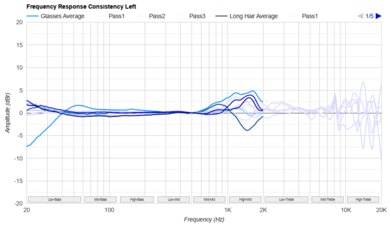
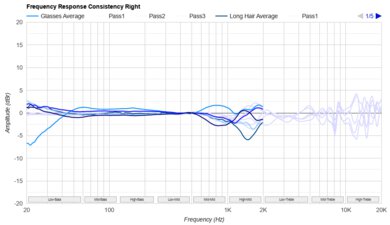
The Beyerdynamic DT 1990 PRO MKII are okay for wired gaming. You can use them as an audio output device with PCs, PlayStation, and Xbox, but they don't have a microphone; you'll have to find an external mic or aftermarket cable with an in-line mic if you'd like to communicate with friends or teammates through voice chat. That said, these comfortable headphones have great frequency response consistency; positional cues will sound the same even if you have to adjust them or have long hair or wear glasses—you'll be able to consistently identify footsteps from any given direction.
Virtually no latency.
Comfortable fit.
Minimal variation of sound signature between wears.
No microphone.
Open design lets in background noise.
Bulky design.
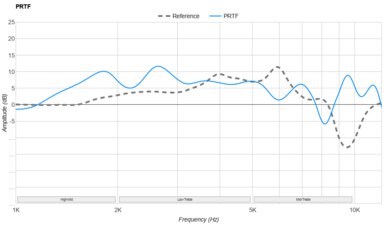
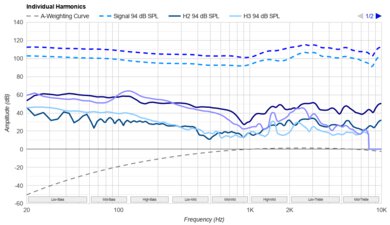
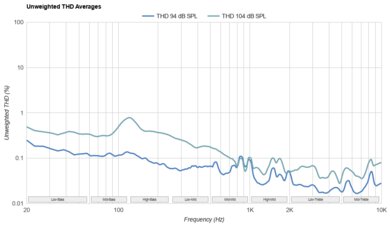
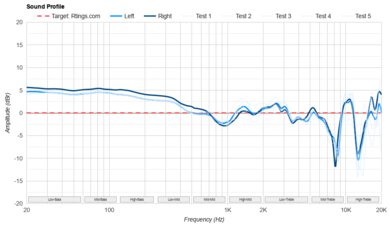
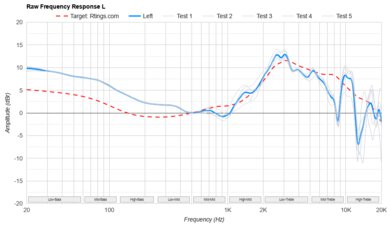
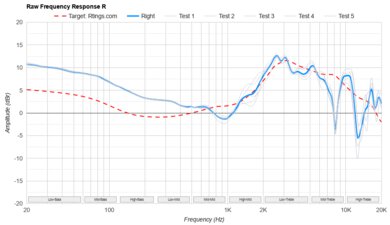
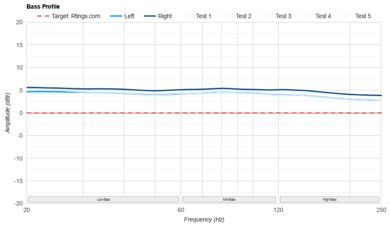
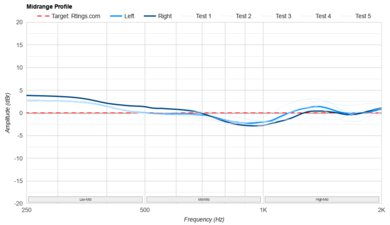
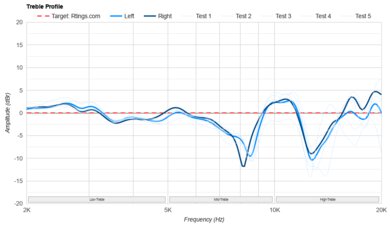
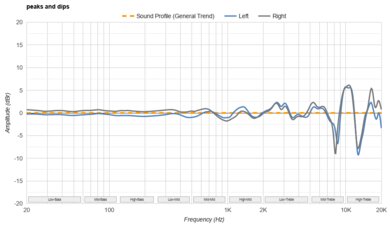
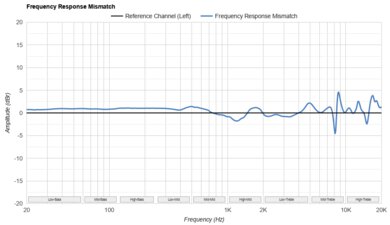
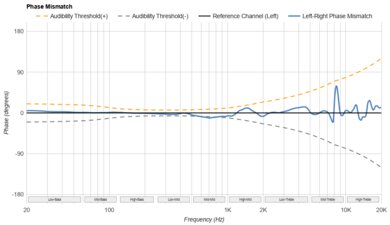
The Beyerdynamic DT 1990 PRO MKII have great audio reproduction accuracy. They don't deviate much from their balanced sound, and they have well-aligned left and right drivers, ensuring objects are accurately placed in the stereo field. Plus, their drivers don't produce audible harmonic distortion, even at elevated listening levels. While they're missing a bit of punch and thump in the low- and mid-bass, which is expected from open-back headphones, their mid-range closely follows our target curve, rendering natural and clear vocals and instruments. However, fluctuations in the treble can cause their sound to undulate from under- to over-articulated. Though they're open-backed headphones, they don't produce audio that interacts much with your outer ear, so their sound doesn't closely resemble that of two angled reference monitors in an acoustically treated room.
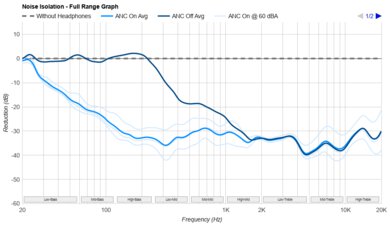
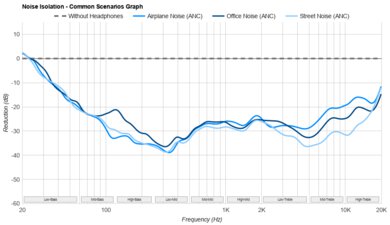
The Beyerdynamic DT 1990 PRO MKII aren't designed to block out noise, so you'll hear most of the sounds around you, from office chatter to engine rumble.
The Beyerdynamic DT 1990 PRO MKII don't have a microphone.
The Beyerdynamic DT 1990 PRO MKII have impressive frequency response consistency, so you can expect consistent sound with each wear.
Performance Usages
Changelog
- Updated Jun 23, 2026: This review has been updated to Test Bench 2.3, which removes the Virtual Soundstage, Base/Dock, and some comparisons from Bluetooth Connection. Have a look at our changelog for more info.
- Updated Apr 20, 2026: This review has been updated to Test Bench 2.2, which removes the Cumulative Spectral Decay (CSD) test, retiring its waterfall plot visualization from our reviews. You can read more about this change in the changelog.
-
Updated Mar 26, 2026:
This review has been updated to Test Bench 2.1, which removes the Group Delay test and rebalances scoring for the Harmonic Distortion test and Audio Reproduction Accuracy performance usage. For more details, consult our full changelog.
- Updated Mar 24, 2026: We've converted this review to Test Bench 2.1, which features minor updates to our sound tests.
Check Price
Differences Between Sizes And Variants
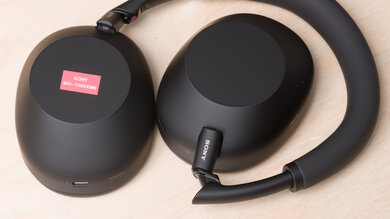
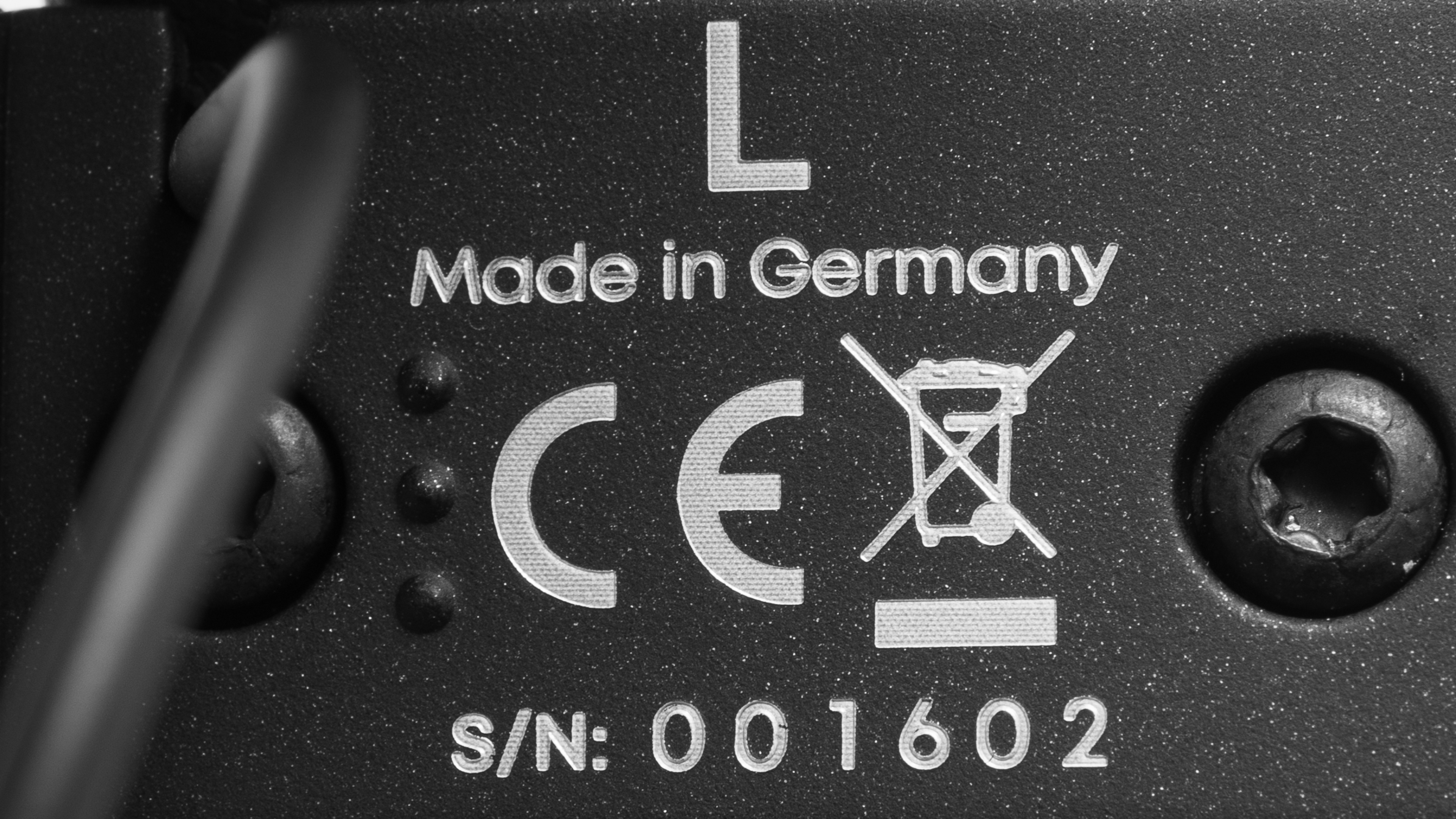
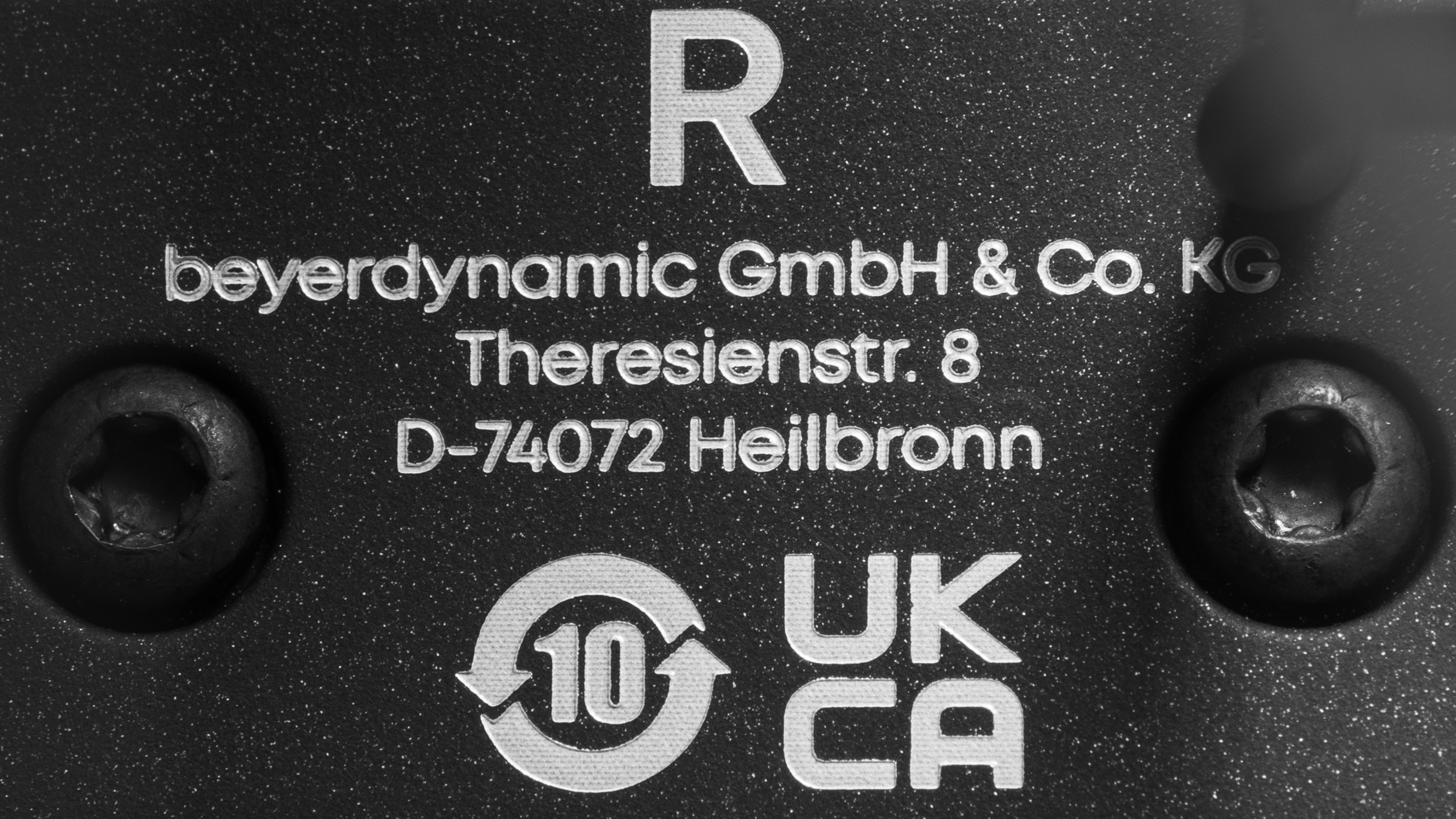
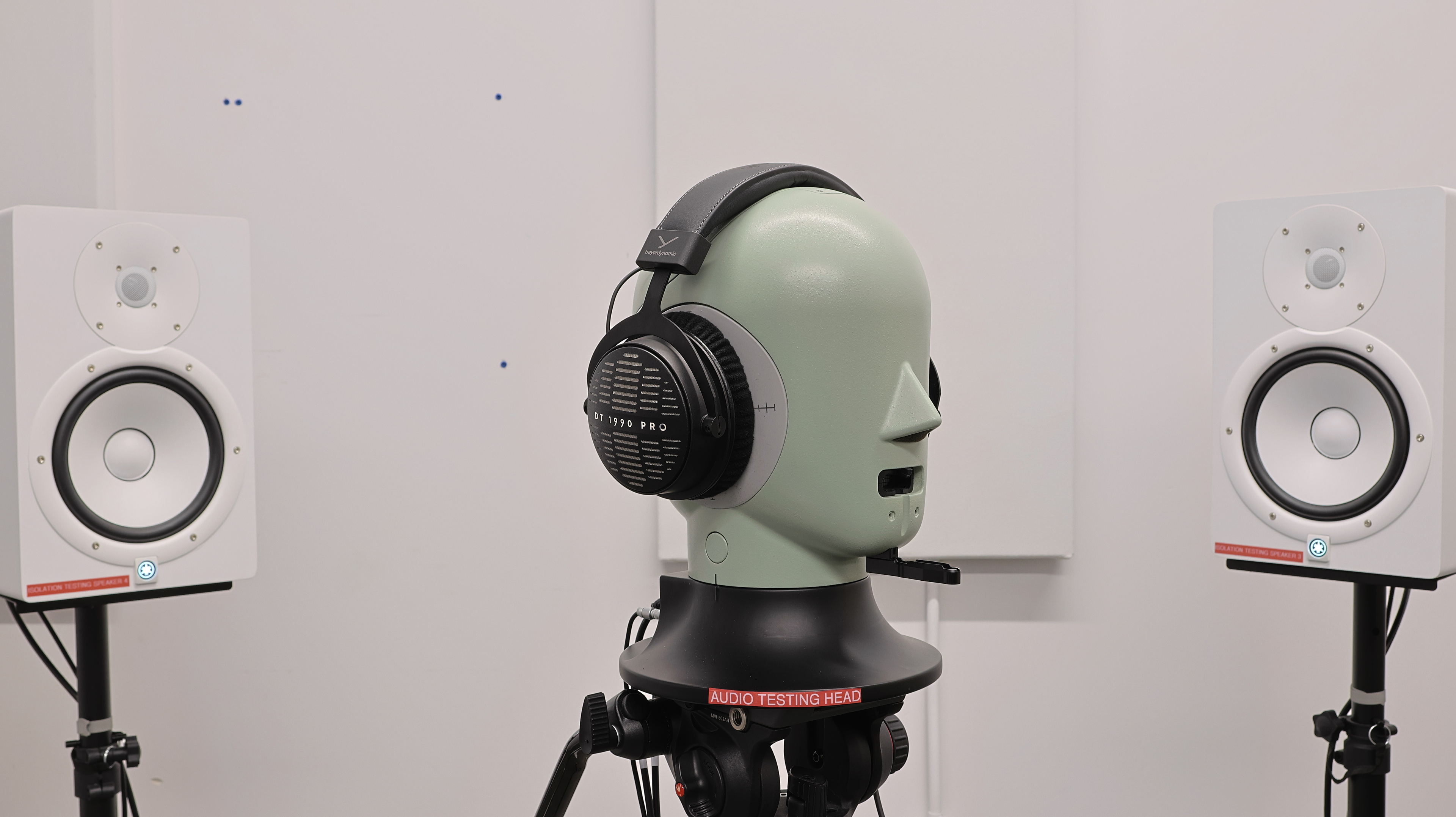
These headphones only have a 'Black' variant, which has a gunmetal finish on both plastic and metal components. You can see two labels with the product's origin and manufacturer location.
If you encounter another variant of these headphones, please let us know in the comments, and we'll update our review.
Popular Headphone Comparisons
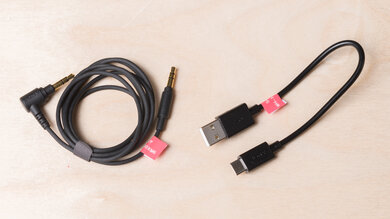
The Beyerdynamic DT 1990 PRO MKII are open-back headphones positioned as premium studio monitors by their manufacturer. Made in Germany with high-quality construction, these headphones succeed the original Beyerdynamic DT 1990 PRO and come in at a higher price than the Sennheiser HD 490 PRO, which share a similar position in the market—both include two pairs of earpads for mixing and producing usages. This price discrepancy shows itself in nice-to-haves like an included hard case and more liberal use of premium materials on the Beyerdynamic. Relative to the rest of their manufacturer's lineup, these are the step up from the more budget open-back Beyerdynamic DT 990 PRO. If you like the build and design of the DT 1990 PRO MKII but prefer the bass of something closed-back, the manufacturer sells a nearly identical closed-back pair of headphones positioned in the same category: the Beyerdynamic DT 1770 PRO.
If you're searching for critical listening or professional headphones, check out our articles for the best open-back headphones, the best audiophile headphones, and the best studio headphones.
The Sennheiser HD 490 PRO and the Beyerdynamic DT 1990 PRO MKII are similarly positioned headphones. Both are open-backs designed for professional use, with two sets of ear pads for mixing and producing. While both have well-balanced sound signatures, the Sennheiser reproduce audio with slightly more punch and thump in their low and mid-bass and fewer fluctuations in their treble range. That said, the Beyerdynamic come with extras like a hard shell carrying case and an extra coiled cable.
The original Beyerdynamic DT 1990 PRO are the predecessor to the Beyerdynamic DT 1990 PRO MKII. Both headphones are extremely similar with only minor differences in sound signature; in the treble, the original model have fewer but more pronounced deviations from our target curve across bands—vocals and instruments, in general, sound underarticulated and slightly piercing. In contrast, the MKII have more fluctuations across bands, leading to more alternation between too much or too little articulation and brightness. Unlike their predecessor, they also have a lower impedance and don't require an amp to drive them.
The Beyerdynamic DT 990 PRO are the stepped-down version of the Beyerdynamic DT 1990 PRO MKII. They're both open-backed headphones and have a similar design. The MKII are built better and come with a hard carrying case and extra ear pads. In terms of sound signature, both headphones produce a well-balanced sound suitable for a variety of genres. The DT 990 PRO have a bit of extra high-bass and fewer fluctuations in the treble.
The Beyerdynamic DT 1770 PRO are a closed-back sibling to the Beyerdynamic DT 1990 PRO MKII. Both headphones have a similar design and are equally comfortable. The DT 1770 PRO have a more prominent bass thanks to their closed design, while the MKII allow environmental interaction to help their soundstage sound more open and immersive.
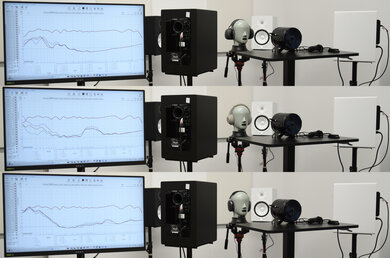
Our How We Test Headphones article takes you behind the scenes in our lab. You'll learn how we choose and purchase products and dive into the details of our review philosophy, from testing and scoring to writing and editing.
You can also discover how we produce recommendations like this one so that you can find the best headphones (or earbuds!) for your needs.
Test Results
for pictures & test results
for pictures & test results
for pictures & test results
for pictures & test results