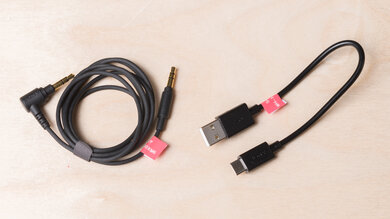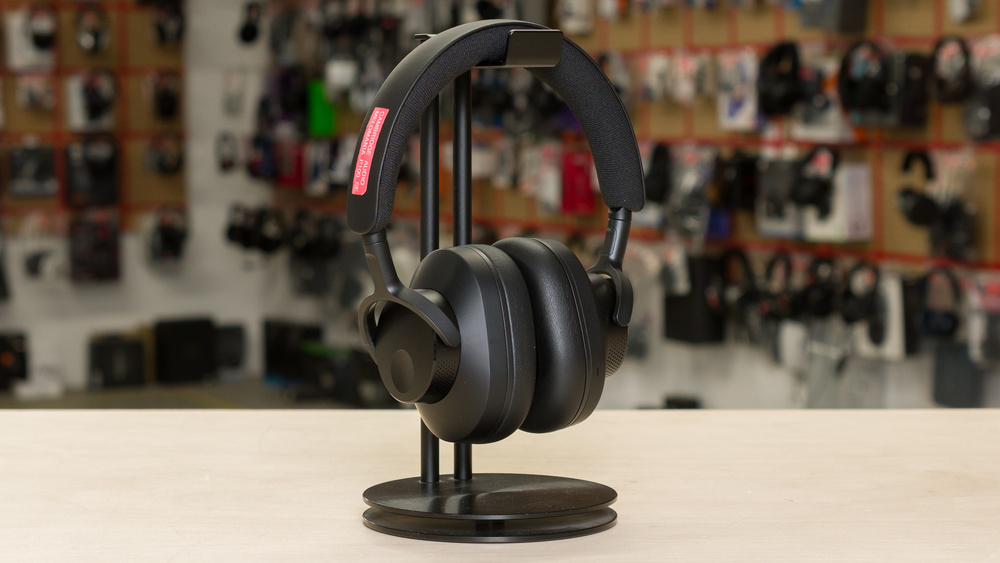
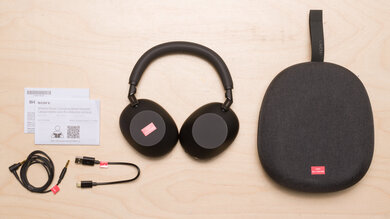
The Cambridge Audio Melomania P100 SE are an updated version of the inaugural over-ears from the UK-based audio equipment manufacturer. They're wireless over-ears equipped with ANC that come with audiophile-centric features, like aptX Lossless support with Snapdragon Sound, as well as wired connectivity via both analog and USB-C. The manufacturer advertises up to 60 hours of battery life with ANC enabled, stretching up to 100 hours depending on your settings.
Our Verdict
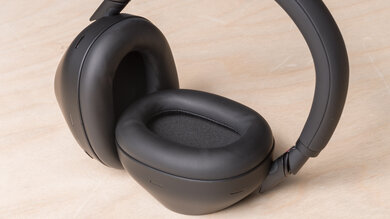
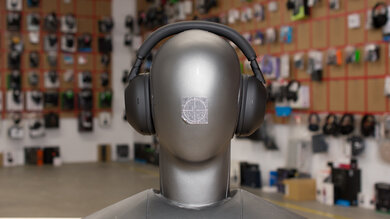
The Cambridge Audio Melomania P100 SE aren't designed for sports and fitness. Their bulky design makes them a less-than-aerodynamic choice for working out, and they can easily fall off your head during jerky movements. While they're comfortable headphones, the faux leather earpads will trap heat and sweat during exercise, or even on a particularly hot day.
Comfortable fit.
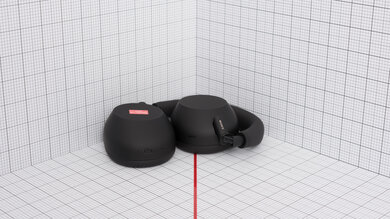
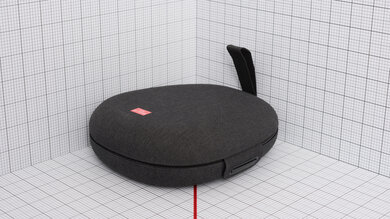
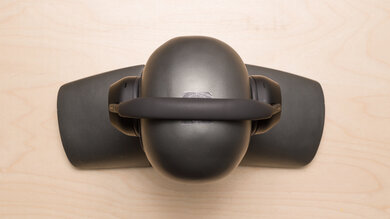
Bulky and not very portable.
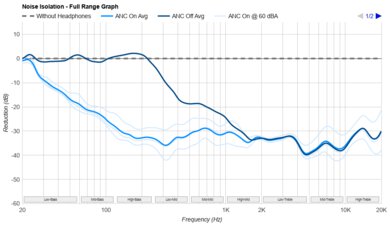
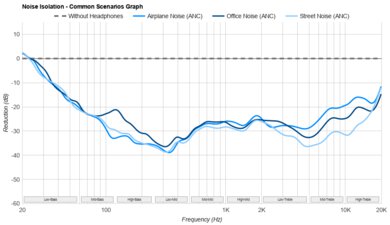
The Cambridge Audio Melomania P100 SE are very good travel headphones. They're equipped with an adjustable ANC system that works in conjunction with the passive over-ear seal to attenuate a lot of treble and mid-range, like honking cars and passing seagulls. There's less attenuation in the bass-range though, leaving you at the mercy of rumbling bus engines. Still, the fit will be comfortable for most people, and they're able to last an incredible 63.5 hours off a single charge with ANC on. Their wired connectivity via USB-C and analog means they can easily be plugged into the seatback entertainment system of a plane.
Excellent noise isolation thanks to ANC.
7-band graphic EQ in app.
Wired playback via USB-C and analog.
Bulky and not very portable.
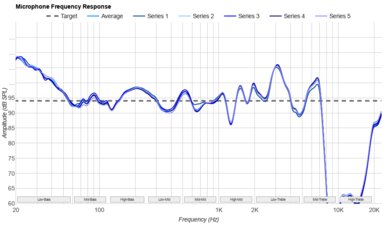
The Cambridge Audio P100 SE are a good choice for office work. They're comfortable headphones for most people, though they're best suited for those with smaller to average-sized heads. While the ANC system performs well overall, it still struggles a bit more with office noises in particular. It'll shield you from water cooler talk, but the lack of bass-range attenuation means the chug of a printer can cut through. The built-in mic does a solid job of keeping your voice intelligible, although it does introduce some static into the mix if there's moderate background noise.
Excellent noise isolation thanks to ANC.
Wired playback via USB-C and analog.
Comfortable fit.
Poor frequency response consistency.
The Cambridge Audio Melomania P100 SE aren't suitable for wireless gaming. While you can lower latency by connecting to your device via aptX Adaptive (Low Latency), latency will still be too high for most competitive titles, though it'll do the job for turn-based and more casual games.
The Cambridge Audio Melomania P100 SE are a decent choice for wired gaming. Though they're not marketed as gaming headphones, they come equipped with both USB-C and analog (3.5 mm) connectivity, giving them full audio and mic compatibility with PCs and PlayStation consoles via USB (Xbox users get audio only over analog). They're comfortable enough for long gaming sessions, and their default tuning is well-suited to first-person shooters and RPGs alike, with plenty of scope for tuning via the graphic EQ. You'll just need to take the time to adjust the fit before gaming, as the over-ear seal can easily be broken by glasses' arms or strands of hair, impacting bass delivery.
Wired playback via USB-C and analog.
Poor frequency response consistency.
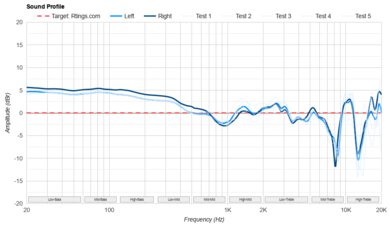
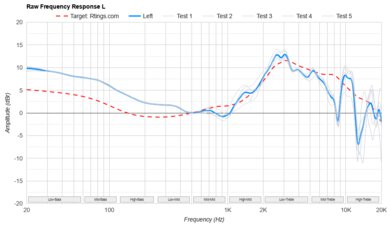
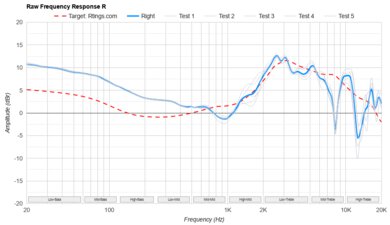
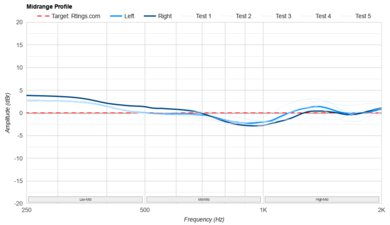
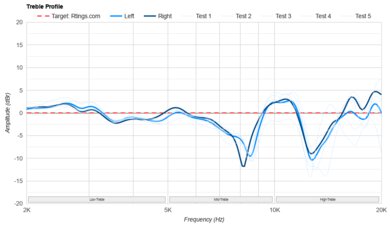
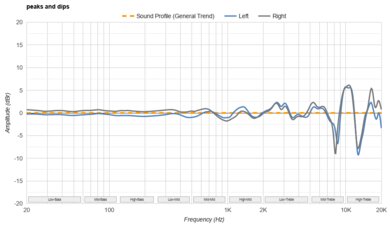
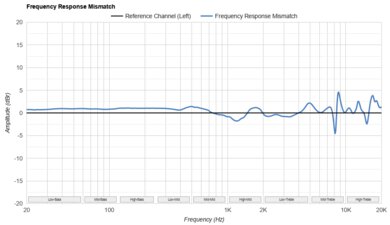
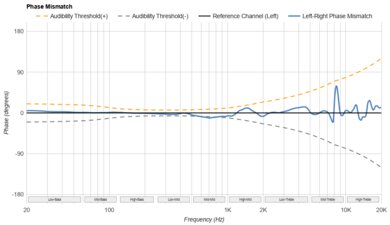
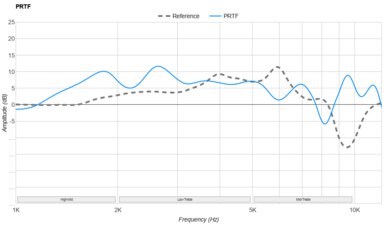
The Cambridge Audio Melomania P100 SE are decent for audio reproduction accuracy. Their frequency response doesn't deviate much from their warm sound profile, though there are some slight fluctuations in the treble range that can cause cymbal hits to alternate between sounding bright and dull, depending on their pitch. The L/R drivers are well-matched in terms of amplitude and phase, with no noticeable gaps in the stereo image. These over-ears feature a 7-band graphic EQ for fine-tuning the sound, as well as the toggleable DynamEQ feature, which applies an equal loudness contour to the response, adjusting the bass and treble depending on your volume.
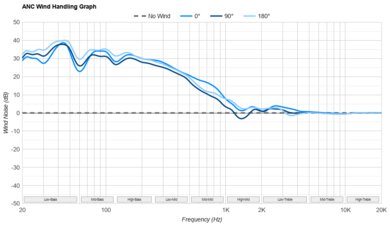
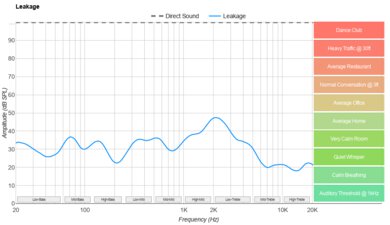
The Cambridge Audio Melomania P100 SE are excellent for noise isolation. They come equipped with an adjustable ANC system that works in tandem with the passive seal from their over-ear fit to attenuate a good amount of treble- and mid-range noise. The sounds of chattering passengers and in-flight announcements are effectively filtered out, but they struggle more to attenuate bass-range noises, like engine rumble. On the plus side, they don't leak much audio, so you can play your tunes at regular listening volumes without worrying about disturbing anyone.
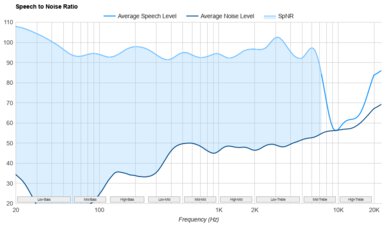
The Cambridge Audio P100 SE have a satisfactory mic performance. The built-in mic is able to render your voice in an understandable way, though it lacks a bit of body and can sound fizzy in the upper registers. Taking calls in moderately busy environments can result in some static hiss, while louder sounds, like a passing train, can eclipse your voice temporarily while the mic struggles to adjust the gain.
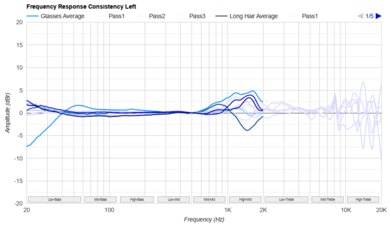
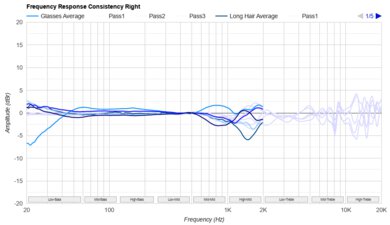
The Cambridge Audio Melomania P100 SE have poor frequency response consistency. There's a great deal of deviation in the frequency response between different wears, though this is particularly evident if you wear glasses or have longer hair, causing large fluctuations in bass-range delivery. It's best to take some time before each listening session to adjust the fit to try to mitigate these issues where possible.
Performance Usages
Check Price
Differences Between Sizes And Variants
The Cambridge Audio Melomania P100 SE are available in three color variants: 'Black', 'White', and 'Blue'. We tested the 'Black' variant (though there was no label for us to photograph), but we expect all color variants to perform similarly. If you encounter another variant, please let us know in the comments, and we'll update our review.
Popular Headphone Comparisons
The Cambridge Audio Melomania P100 SE are wireless over-ears equipped with ANC. As one of the first headphone entries from the British hi-fi manufacturer, they aim to bridge the gap between audiophile headphones and noise-isolating travel headphones. This puts them in competition with similarly versatile offerings from established manufacturers in the premium audio space, like Sennheiser and Focal. There are a lot of similarities between the Cambridge Audio and the Sennheiser HDB 630, for example, in terms of ergonomics and build quality, though the Cambridge Audio has a longer battery life by around 10 hours. That said, the Sennheiser have a default sound profile that's better aligned with our target, and there's greater flexibility in tuning via the parametric EQ. Both these headphones suffer from fit-dependent audio consistency issues, so it's worth taking a look at the Focal Bathys Wireless instead, for premium headphones that deliver consistent audio between different listening sessions. The Focal boast a similarly high-end build quality, but lack the noise isolation and battery life performance compared to the other two.
Looking for other options? Delve deeper into our recommendations for the best noise cancelling headphones, the best headphones for music, and the best audiophile headphones.
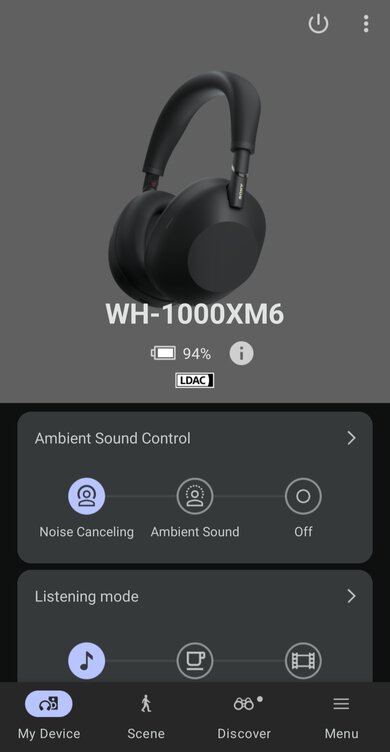
The Sony WH-1000XM6 and the Cambridge Audio Melomania P100 SE are both high-end noise-cancelling over-ears, though the Sony have the edge with most aspects. The Sony have a much better ANC system that can attenuate across the entire frequency spectrum, as well as a better performing mic. They also come with LDAC support, though the Cambridge Audio counterbalance this with their aptX Lossless support. The Cambridge Audio do feature a battery life that's roughly double as long (with ANC enabled), and their default tuning is more aligned with our house target (though both headphones have plenty of scope for adjustment via their graphic EQs and presets).
The Sennheiser HDB 630 and the Cambridge Audio Melomania P100 SE are both premium ANC-equipped over-ears with audiophile-centric features. Both over-ears feature wired connection capabilities and high-resolution Bluetooth codec support, but the Cambridge Audio deliver these features at a much lower price point, which may factor in to your decision-making. The headphones share a similarly high build quality and attention to detail, as well as similarly comfortable fits. The Cambridge Audio have a slightly better noise isolation performance, and they also have a longer battery life, so you can go a couple of days before recharging them, even if you use them continuously. That said, the Sennheiser have a parametric EQ for more granular sound tuning and a default tuning that's more aligned with our house target.
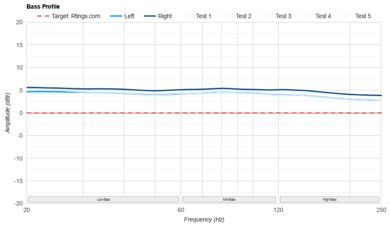
The Focal Bathys Wireless and the Cambridge Audio Melomania P100 SE are both premium noise-cancelling over-ears from manufacturers with serious audio pedigree, though the Focal represent a more significant outlay. As you'd expect given the companies' reputations, build quality is strong with both, and they're similarly comfortable. However, the Focal's default tuning is better-aligned with our house target, and they're able to deliver audio more consistently, regardless of your anatomy. By contrast, the Cambridge Audio have a more bass-heavy default sound, but feature a much longer battery life and a better noise isolation performance. Both headphones feature graphic EQs and presets via their companion apps, so there's plenty of scope for tuning. They're also both capable of using a wired connection, though only the Focal feature a USB-C DAC mode.
The Noble FoKus Apollo are better premium noise-cancelling over-ears than the Cambridge Audio Melomania P100 SE, if you're willing to pay the higher retail price. The Noble have a default sound that's better-aligned with our target and deliver audio more consistently between settings. Crucially, they're also more comfortable and better-built, with better noise isolation performance and better mic recording quality. That said, the Cambridge Audio have an edge when it comes to battery life, lasting more than 10 hours longer off a single charge.
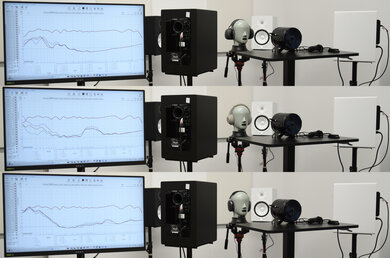
Our How We Test Headphones article takes you behind the scenes in our lab. You'll learn how we choose and purchase products and dive into the details of our review philosophy, from testing and scoring to writing and editing.
You can also discover how we produce recommendations like this one so that you can find the best headphones (or earbuds!) for your needs.
Test Results
for pictures & test results
for pictures & test results
for pictures & test results
for pictures & test results

for pictures & test results




for pictures & test results