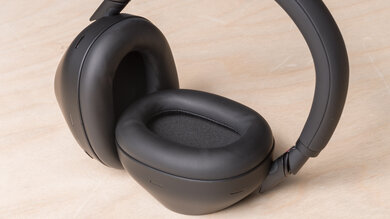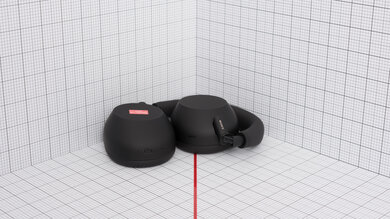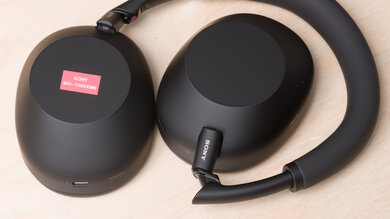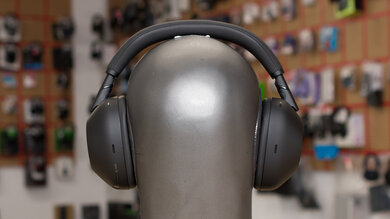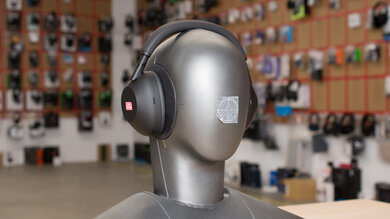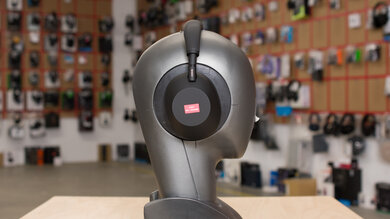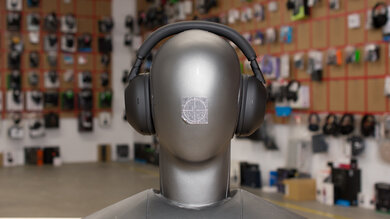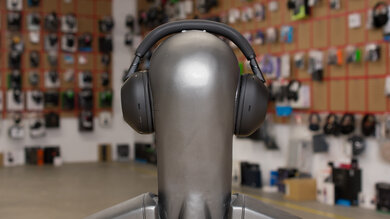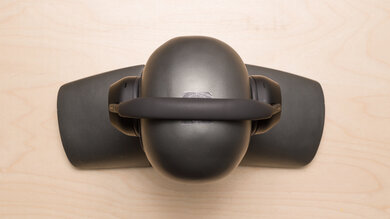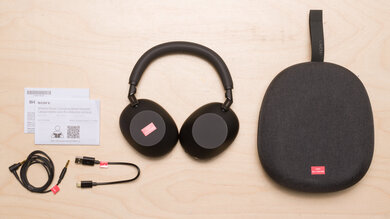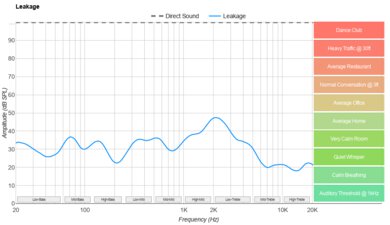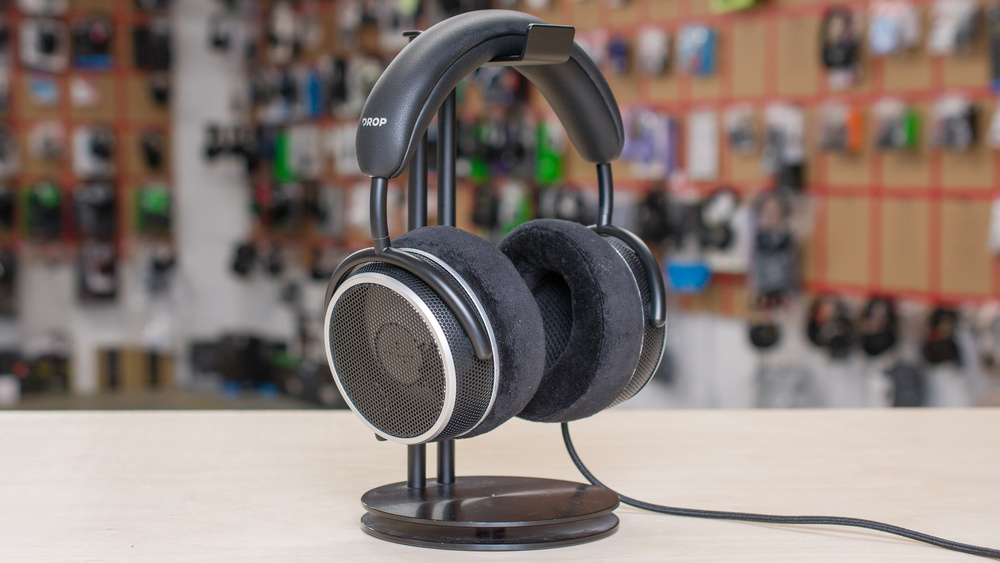
The Drop + Grell OAE1 are a collaborative offering from Drop and legendary engineer Axel Grell, the creator of numerous precedent-setting headphones, like the Sennheiser HD 600 and Sennheiser HD 800 S. These open-back, over-ears seem dead set on defying convention, armed with 40mm Biocellulose dynamic drivers that are uniquely positioned in an attempt to create the most natural, speaker-like presentation possible. This configuration has repercussions on the design too, giving these monochromatic headphones a slightly bulbous quality that protrudes some way out from the side of your head. All in all, it's easy to see why these headphones are both a statement piece and a talking point within the audiophile community.
Our Verdict
The Drop + Grell OAE1 aren't designed for sports and fitness. They have a very bulky design that protrudes out from your ears, impacting their stability while in motion. They're far from the most comfortable headphones for most head shapes, and their thick velour pads are bound to trap sweat against your ears. Plus, you'll have to contend with their cable getting snagged on objects as you run past.
Good, solid build quality.
Heavy, bulky design.
Not very comfortable, with high clamping force.
The Drop + Grell OAE1 are a bad choice for travel headphones. These bulky audiophile cans are designed to leak as much audio as possible, so they're not suitable for use in public places (or anywhere where you run the risk of disturbing those around you). By the same virtue, they do almost nothing to isolate you from the outside world, so you'll be at the mercy of noises produced by planes, trains, automobiles, and everything in between. They're also uncomfortable for most people, with a high clamping force that can make extended listening sessions somewhat taxing on the ears and the top of the head.
Good, solid build quality.
Heavy, bulky design.
Not very comfortable, with high clamping force.
Terrible noise isolation.
The Drop + Grell OAE1 aren't suitable for office work. If you work in a quieter environment, the excessive leakage outputted by these headphones will surely bother those around you. Correspondingly, they do very little to attenuate the sounds of a bustling office, which can make it tough to concentrate on the task at hand. They're not very comfortable either, with a high clamping force that will take its toll over time (especially if you have a bigger head or large ears). If you require headphones that help you participate in online meetings, the lack of a built-in mic makes these audiophile over-ears a less enticing proposition.
Consistent audio delivery.
Heavy, bulky design.
Not very comfortable, with high clamping force.
Terrible noise isolation.
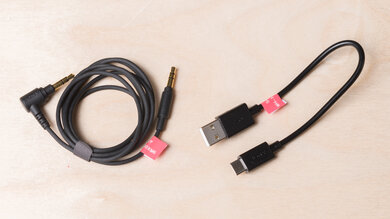
The Drop + Grell OAE1 are wired-only headphones that can't be used wirelessly.
The Drop + Grell OAE1 are a passable choice for wired gaming. While you'll need to pair them with a standalone microphone to communicate with teammates online, their well-matched L/R drivers and focused soundstage make them a good choice for fast-paced online play. Their warm sound profile helps add some low-end heft to cinematic cut scenes, if single-player games are more your speed. That said, they're not very comfortable headphones, which can mean they're difficult to wear for extended gaming marathons.
Good, solid build quality.
Consistent audio delivery.
Heavy, bulky design.
Not very comfortable, with high clamping force.
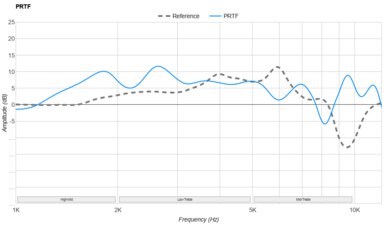
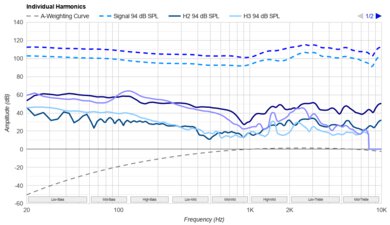
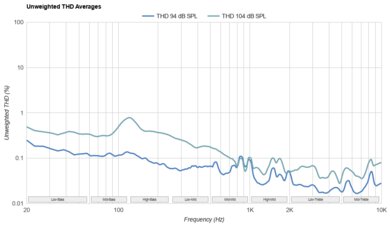
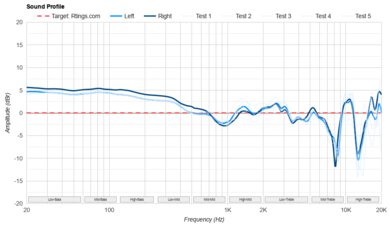
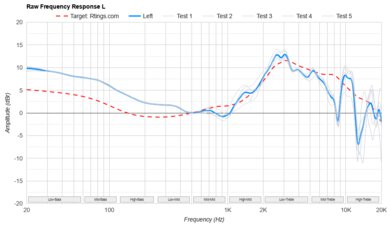
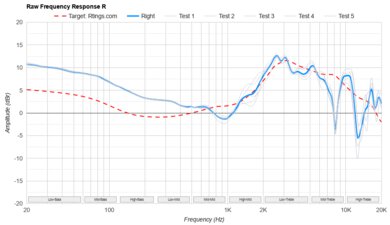
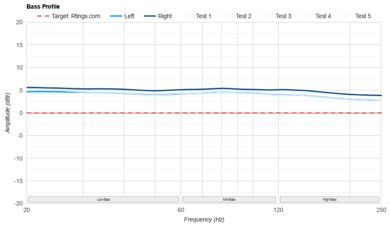
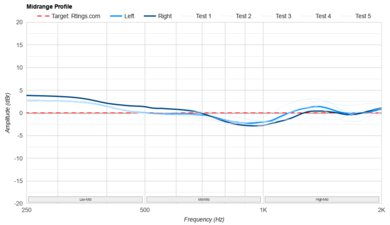
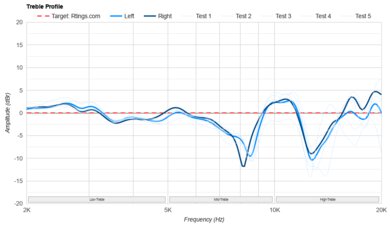
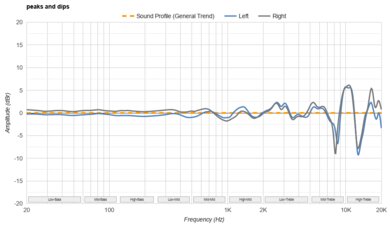
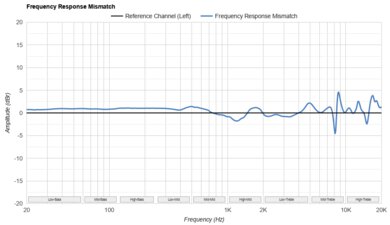
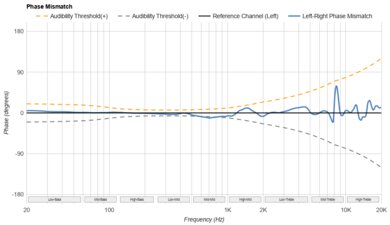
The Drop + Grell OAE1 are very good for audio reproduction accuracy. These over-ears are very much an oddball when compared to other open-backs. Their warm sound skews towards bass-heavy at times, and they excel when playing back sparse, low-end-focused genres, like dub and minimal techno. While their recessed treble range minimizes ear fatigue, it also means that some high-end detail and nuance are lost in orchestral recordings and soundtracks, with some air and presence missing from strings. Still, their L/R drivers are well-matched in amplitude, frequency, and phase, and they exhibit no audible harmonic distortion, even at higher listening volumes. Their more divisive quality is their PRTF performance, where our PRTF test struggles to accurately convey their presentation of space and distance. While their soundstage shares a certain focus with marquee open-backs, like the Sennheiser HD 600, it's still a far cry from speaker-like.
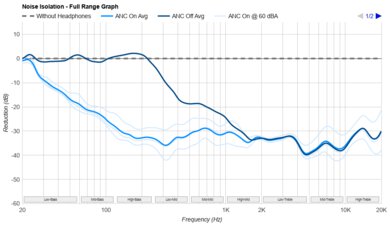
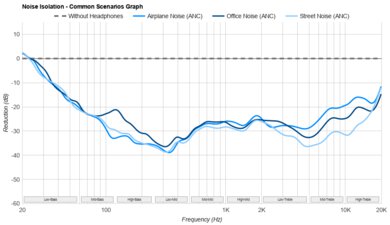
The Drop + Grell OAE1 are terrible at attenuating external noise. The steel mesh that covers their drivers is specifically designed to let as much sound through as possible. While this means that they leak a lot of your audio, it also means that pretty much the entire frequency range of external noise is audible. Regardless of whether you're in a bustling co-working space or on a transatlantic flight, you'll be at the mercy of environmental audio.
The Drop + Grell OAE1 don't have a built-in microphone.
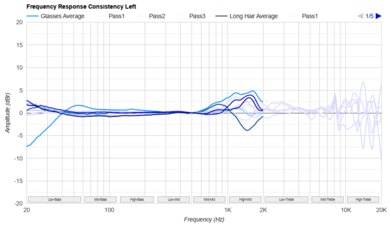
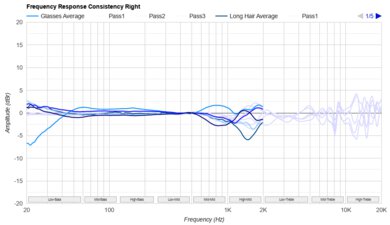
The Drop + Grell OAE1 are good at delivering audio consistently. Despite their tight clamping force, they're relatively consistent between different physical characteristics and reseats, with no major deviations in any frequency bands. As long as you take the time to achieve a solid seal, you'll be able to enjoy consistent audio delivery.
Performance Usages
Changelog
- Updated Jun 23, 2026: This review has been updated to Test Bench 2.3, which removes the Virtual Soundstage, Base/Dock, and some comparisons from Bluetooth Connection. Have a look at our changelog for more info.
- Updated Apr 20, 2026: This review has been updated to Test Bench 2.2, which removes the Cumulative Spectral Decay (CSD) test, retiring its waterfall plot visualization from our reviews. You can read more about this change in the changelog.
-
Updated Apr 13, 2026:
This review has been updated to Test Bench 2.1, which removes the Group Delay test and rebalances scoring for the Harmonic Distortion test and Audio Reproduction Accuracy performance usage. For more details, consult our full changelog.
- Updated Apr 09, 2026: We've converted this review to Test Bench 2.1, which features minor updates to our sound tests.
Check Price
Differences Between Sizes And Variants
The Drop + Grell OAE1 come in just one color variant: 'Black'. An early variant, the Drop + Grell OAE1 'Signature' edition, was produced in a silver colorway and limited to 1000 units worldwide.
If you encounter another variant, please let us know in the comments, and we'll update our review.
Popular Headphone Comparisons
The Drop + Grell OAE1 were designed to stand apart from other open-back over-ears, with their unique driver geometry and on-board acoustic baffle. As a result, the market isn't rife with headphones that pose as viable alternatives. If you're after open-back headphones with good bass extension, the Sennheiser HD 490 PRO are worth a look. These versatile open-backs offer a more versatile listening experience, aided by their swappable pad design. They aren't quite as warm-sounding as the Drop + Grell, but they're able to reproduce more width in stereo recordings and offer a more comfortable fit. You can always look to the pantheon of Grell-designed headphones for alternatives. Among them, the Sennheiser HD 800 S offers the most expansive sound field presentation, though they come with a premium price tag. Meanwhile, the Sennheiser HD 600 offer a clinical, detailed sound that's more typical of open-backs at a more affordable price point.
Check out our recommendations for the best studio headphones, the best open-back headphones, and the best headphones for music.
While the Drop + Grell OAE1 advertise a game-changing, speaker-like presentation of stereo audio, the Sennheiser HD 800 S are still the better choice for audiophiles. They come at a higher price, but the Sennheiser (also designed by Axel Grell) have a detailed sound profile that's more in line with other open-back cans. They're also better-built, more comfortable, and create a more natural perception of space in stereo recordings that feels more immersive. That said, the Drop + Grell put out more bass, and their warm sound profile is less likely to induce ear fatigue over long listening sessions.
Both the Sennheiser HD 6XX and the Drop + Grell OAE1 are sold by Drop, with Axel Grell playing a part in the engineering of both pairs. The Sennheiser HD 6XX are a better fit for audiophiles seeking a more traditional sound. They have a flatter sound profile that rolls off the bass in favor of balanced mids and treble. They also deliver audio more consistently and have a more comfortable fit. The Drop + Grelll have a solid bass extension, which is surprising for open-backs, but also feature a recessed treble range. Their high clamping force makes them a poor fit for those with larger heads.
The Sony MDR-MV1 and the Drop + Grell OAE1 share a somewhat similar sound profile: one that features a warm, controlled bass range with under-emphasized highs. Still, the Sony's top-end roll-off isn't quite as extreme as the Drop + Grell and they have a much more forgiving fit that doesn't clamp down on your ears as much. The Sony aren't as well-built as the Drop + Grell, though and they retail for quite a bit more.
Both the Sennheiser HD 490 PRO and the Drop + Grell OAE1 are open-back over-ears with solid bass extension. The Sennheiser are certainly the more versatile of the two, and their flat sound profile will be more appealing to most listeners, especially those who use their headphones for pro audio work. The Sennheiser are more comfortable, better-built, and feature a swappable earpad design that lets you change up the fit and frequency response depending on your use case. That said, some may prefer the Drop + Grell's darker sound as it can be less fatiguing over long listening sessions.
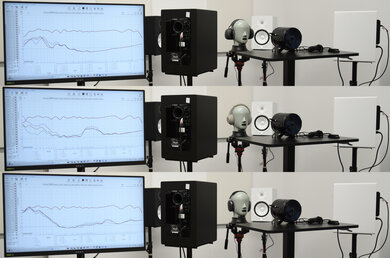
Our How We Test Headphones article takes you behind the scenes in our lab. You'll learn how we choose and purchase products and dive into the details of our review philosophy, from testing and scoring to writing and editing.
You can also discover how we produce recommendations like this one so that you can find the best headphones (or earbuds!) for your needs.
Test Results

for pictures & test results
for pictures & test results
for pictures & test results
for pictures & test results