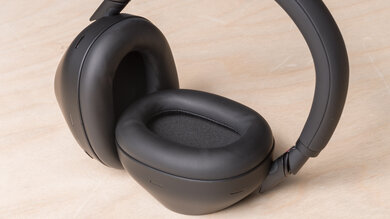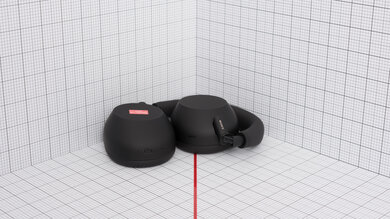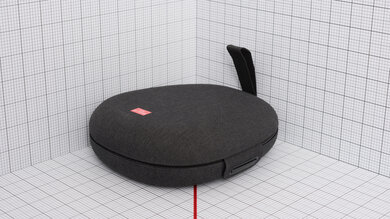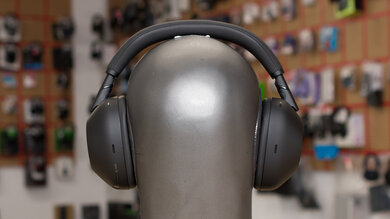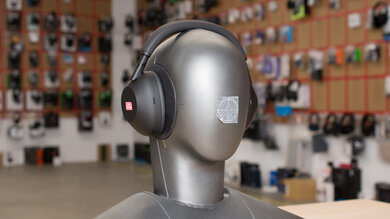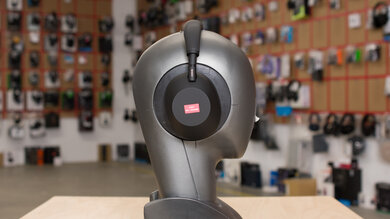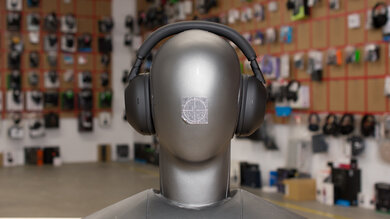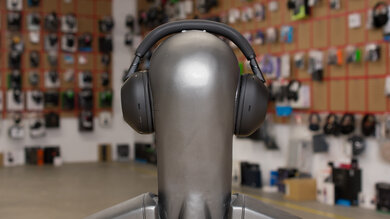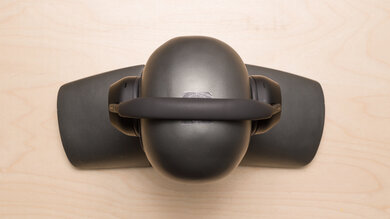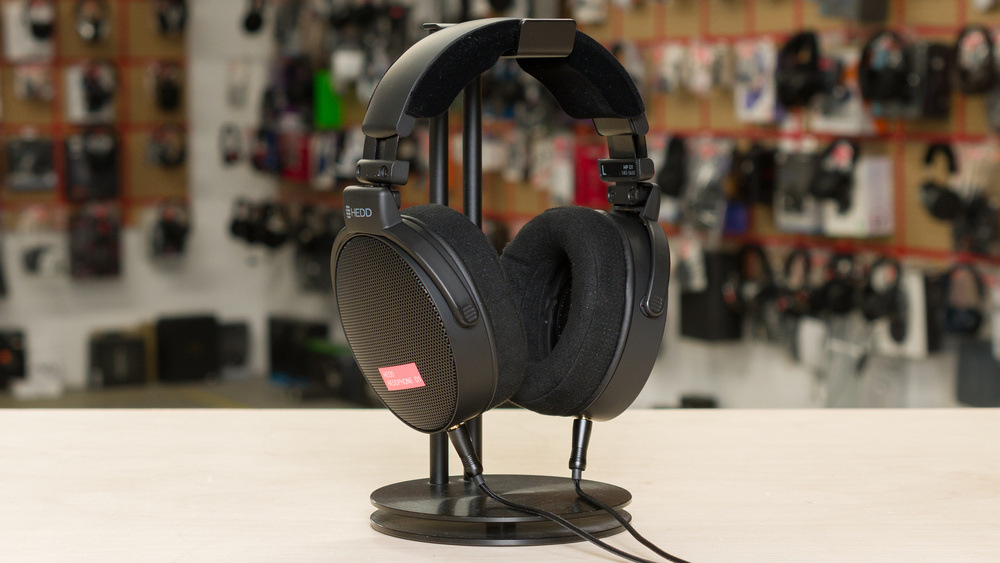
While the German brand HEDD is more well-known for their speakers, it's not a complete unknown in the headphone space. That said, the HEDDphone D1 are the more economical (albeit still expensive) option compared to the HEDDphone ONE and TWO. While the D1 implement the same thoughtful engineering and design, they don't use the brand's signature Air Motion Transformer (AMT) technology, opting for a more standard dynamic driver design.
Our Verdict
The HEDD HEDDphone D1 are bulky, wired headphones that aren't suitable for sports and fitness. While they're comfortable and relatively stable for light movements, they can slide off your head if you engage in more vigorous activity like running. Plus, the cable can pose a snagging hazard if you're in a tightly packed gym surrounded by weight-lifting machinery.
Comfortable design.
Bulky and wired.
The HEDD HEDDphone D1 aren't suitable for travel. They're open-back headphones, so you'll be susceptible to all kinds of background noise ranging from airplane engine rumble to chatty commuters. They're fine as a last resort if your noise cancelling headphones run out of battery, and they have a hard carrying case to keep them safe during transit. That said, keep in mind that anyone sitting beside you will also hear your audio.
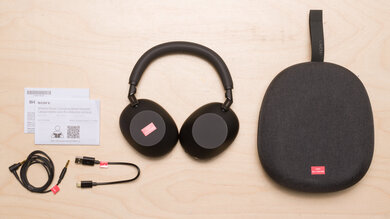
Hard case included.
Can't block out background noise.
Bulky and wired.
The HEDD HEDDphone D1 aren't flexible enough to use for office work for most people. Due to their open-design, you're susceptible to distractions from your environment as the headphones don't block much background noise; plus, you may become one yourself as they leak a lot of your audio, potentially disturbing your desk-mates. Even if you can use the headphones in a controlled environment like a private office, they don't have a mic, so you're stuck with your laptop or phone's built-in solution.
Comfortable design.
Can't block out background noise.
No microphone.
The HEDD HEDDphone D1 can't be used wirelessly.
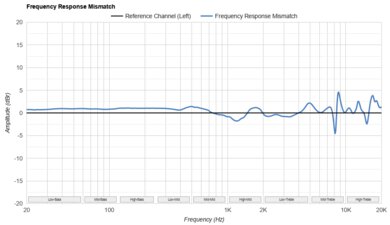
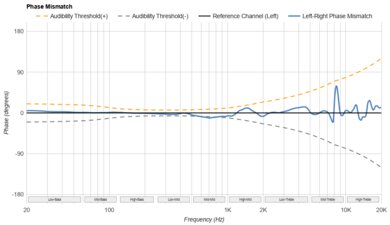
The HEDD HEDDphone D1 are decent for wired gaming. Their flat tuning out of the box makes them more suitable for sound cue-based competitive titles rather than immersive RPGs. Plus, their amazing stereo matching means positional information is rendered accurately. Still, you can always EQ the headphones if your gaming device supports the feature natively (or with 3rd party software). It's worth noting that their open-design means they'll allow your surroundings in, and your audio out, so it's best to game in a controlled environment.
Comfortable design.
No microphone.
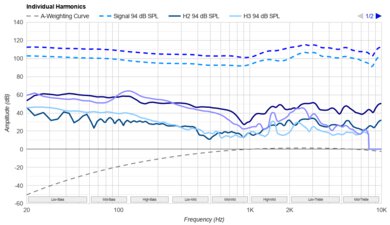
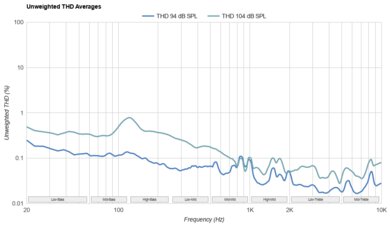
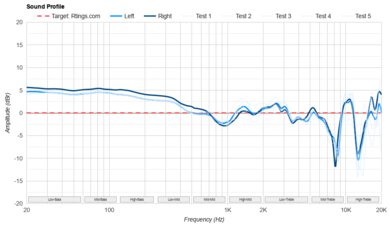
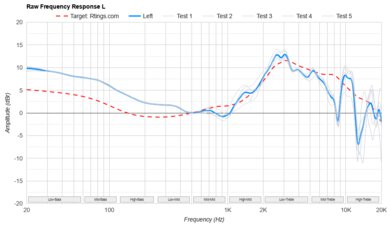
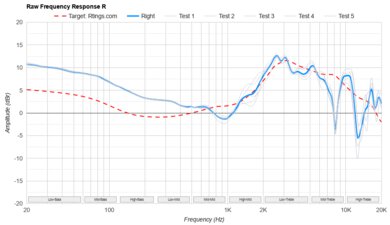
The HEDD HEDDphone D1 have very good audio reproduction accuracy. Their frequency response deviates very little from their flat tuning with no notable peaks or dips. The L/R drivers have no audible stereo mismatch or harmonic distortion, so you can expect accurately positioned sound objects without any unwanted timbral coloration.
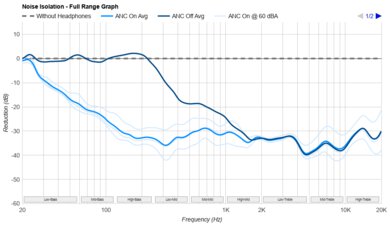
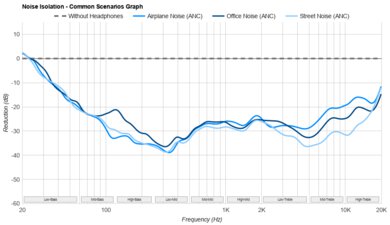
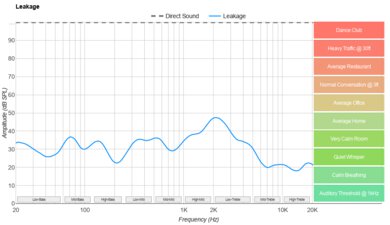
The HEDD HEDDphone D1 aren't meant to isolate you from noise. Their open-back design means all but the highest audible frequencies are mitigated; you'll hear everything from rumbly construction across the street to roommates chattering in the next room over. The headphones also leak a substantial amount of audio, so keep in mind you may be a distraction for others in quiet spaces like a library.
The HEDD HEDDphone D1 don't have a mic.
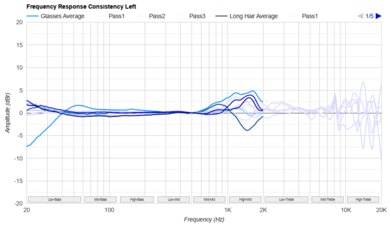
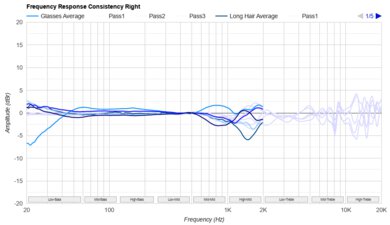
The HEDD HEDDphone D1 have great frequency response consistency. Most people can expect our measurements to represent their listening experience.
Performance Usages
Check Price
Differences Between Sizes And Variants
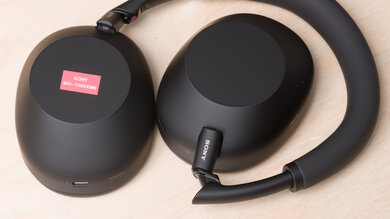
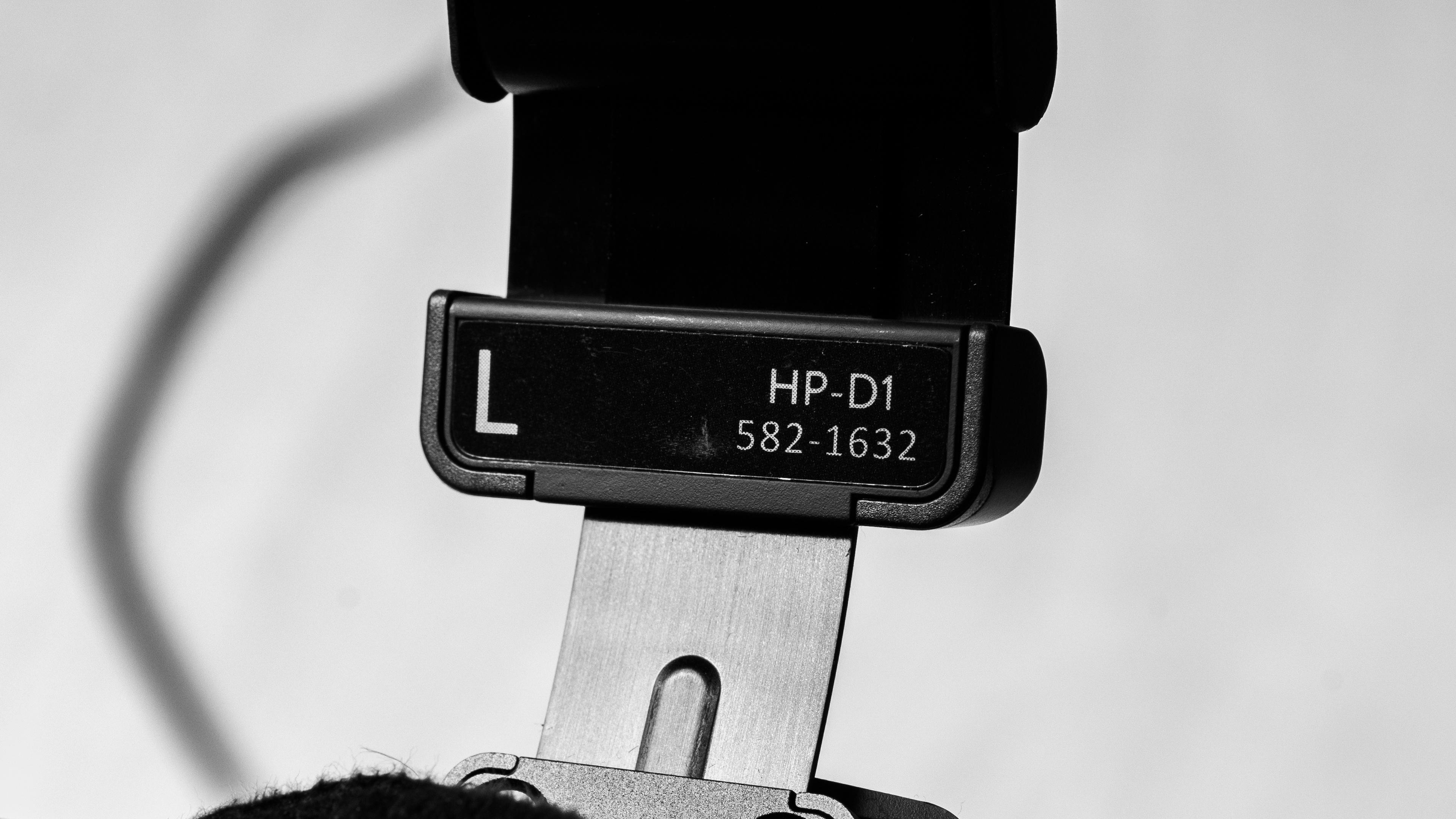
The HEDD HEDDphone D1 come in 'Black,' and we took a photo of our unit's label.
If you encounter another variant, please let us know in the comments below and we'll update the review.
Popular Headphone Comparisons
The HEDD HEDDphone D1 are a 2025 addition to the HEDD over-ear lineup that's more approachable, but with the notable omission of their Air Motion Transformer (AMT) driver technology. Instead, they're equipped with Thin-Ply Carbon Diaphragm (TPCD) dynamic drivers and have a more traditional design that resembles Sennheiser's 6 series entries. The similarities don't end with just the design, either, as both the Sennheiser HD 6XX and HEDD have quite a similar frequency response across the bass and mid-range. The HEDD is notably more subdued in the high-mids, rendering vocal and instrumental harmonics more warmly, though. For all the similarities between the entries of both brands, you can consider the HEDD a more premium version of the venerable 6 series headphones, with enhanced comfort, a repairable design, and better overall build.
If you're looking for more picks, check out our entries for best audiophile headphones, best studio headphones, and best wired headphones.
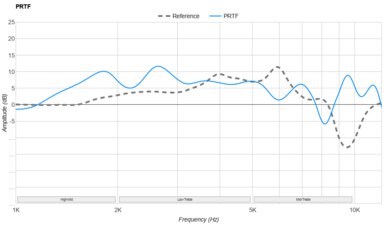
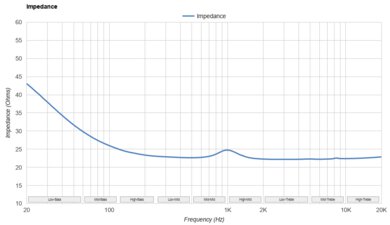
The Sennheiser HD 800 S and HEDD HEDDphone D1 are both high-end open-back headphones that feature dynamic drivers. Both headphones perform well in objective metrics like stereo matching and output no audible harmonic distortion. However, the newcomer HEDD are slightly more accessible if you don't have a stack, as they can be powered by most mobile devices. Still, the Sennheiser have a reputation for a wide, speaker-like presentation, and have a PRTF that resembles our benchmark angled speaker setup.
The Audeze LCD-X and HEDD HEDDphone D1 are both open-back headphones, but they have substantially different tunings. If you prefer warmer, bassier sound signatures, the Audeze have deeper low frequency extension for added rumble, and an even darker treble presentation. That said, the low-treble de-emphasis may be a step too far for some, robbing vocals of detail; in which case, the HEDD may serve as a better middle-ground, with some de-emphasis that cuts the harshness of vocals without going too far.
The HiFiMan Arya Organic feature planar magnetic drivers while the HEDD HEDDphone D1 come with dynamic drivers. And while the HiFiMan's overall tuning is brighter, the headphones output more bass in addition to extra treble. That said, sudden peaks and dips may render sibilants and upper harmonic brilliance as harsh or hissy, especially when compared to the subdued, darker treble on the HEDD. Both headphones are impressively comfortable, though the HEDD edges the HiFiMan out slightly in stability and build quality. Ultimately, the decision between the two relies more on your preference in tuning.
The HEDD HEDDphone D1 and Sennheiser HD 6XX are both open-back audiophile headphones. They have similar flat tunings, with the Sennheiser outputting more high-mid, giving the HEDD a darker vocal and instrumental presentation by comparison. And while there's a noteworthy price discrepancy between the two, the more expensive HEDD models are superior in comfort and build, and they come with a hard-shell case.
Our How We Test Headphones article takes you behind the scenes in our lab. You'll learn how we choose and purchase products and dive into the details of our review philosophy, from testing and scoring to writing and editing.
You can also discover how we produce recommendations like this one so that you can find the best headphones (or earbuds!) for your needs.
Test Results
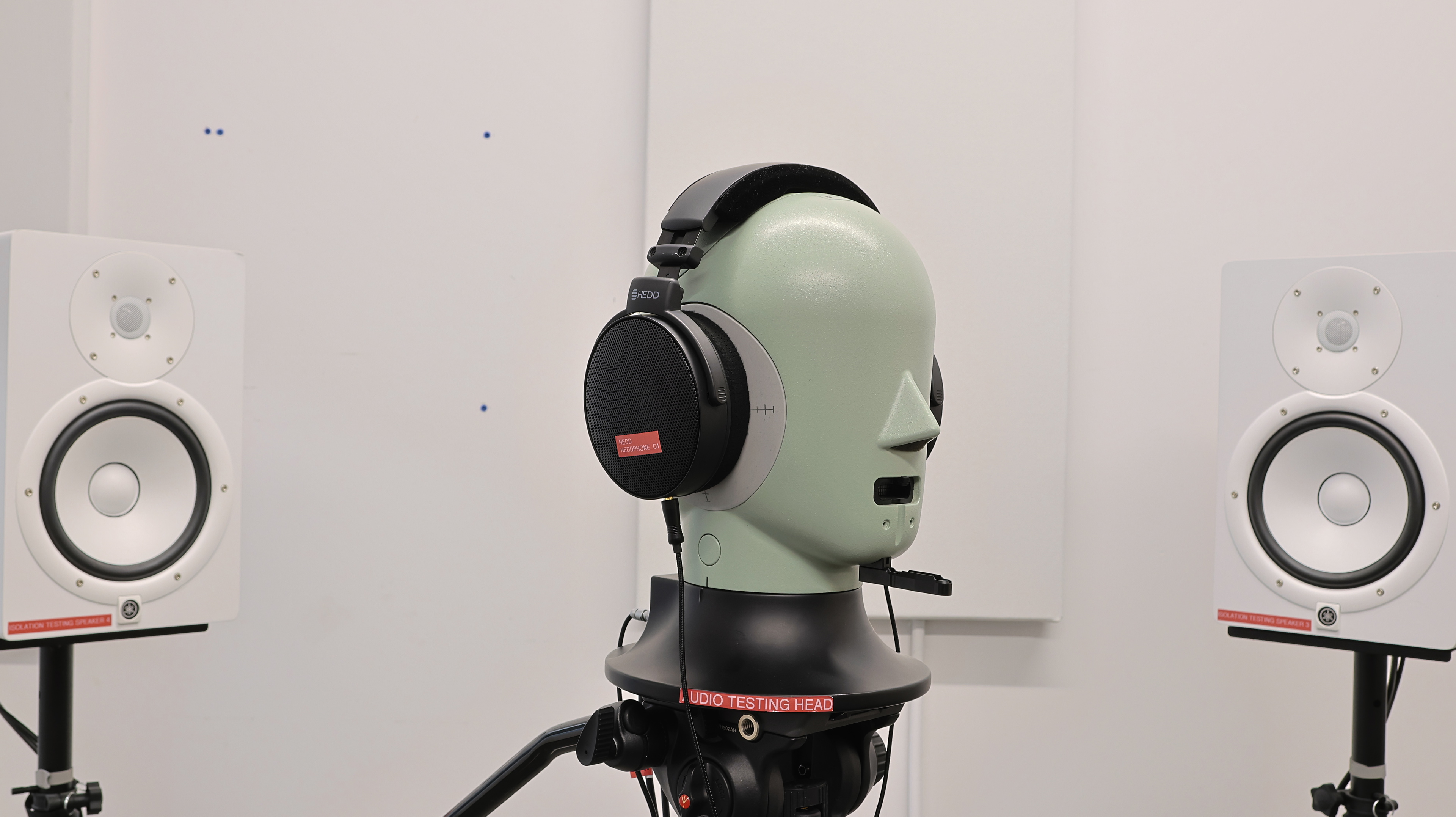
for pictures & test results
for pictures & test results
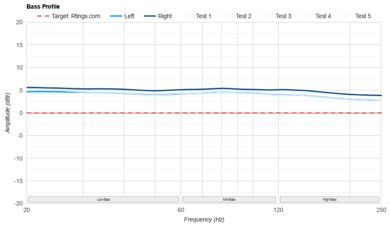
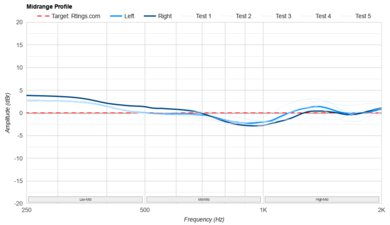
for pictures & test results
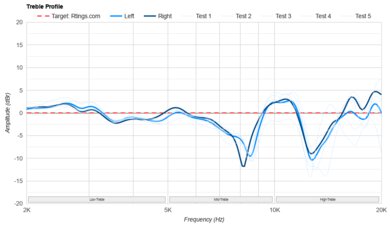
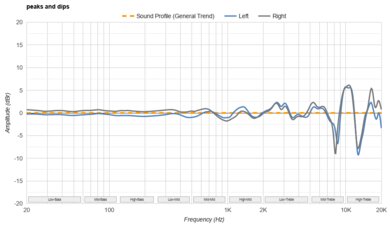
for pictures & test results