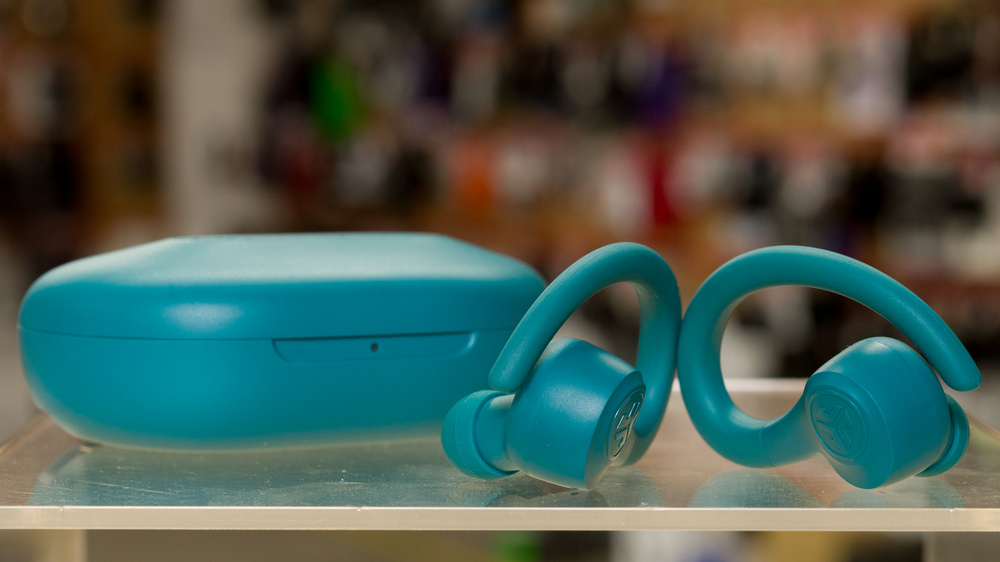
The JLab Audio GO Sport+ are entry-level truly wireless sport earbuds for buyers who want an ear hook fit and app support without moving up to ANC-equipped models. They sit in a competitive slice of the market where stability and simple day-to-day convenience matter more than premium extras. Still, while there's no ANC or Bluetooth multipoint on offer, these do come with a companion app that lets you tweak their sound to your liking.
Our Verdict
The JLab Audio GO Sport+ are impressive for sports and fitness. Their ear hooks and deep in-ear fit keep them firmly in place during sprints, burpees, and other intense workouts, while their compact design makes them easy to bring to the gym. The deep fit won't suit everyone, but it's part of what makes them so stable in the ear. That said, the bulky ear hooks can be annoying if you wear glasses. Their bass-heavy sound adds extra thump and punch to workout playlists to keep your juices flowing, and you can always dial the bass back using the EQ in the companion app. Their Be Aware mode lets you hear some of the noise around you, which is useful if you want to keep abreast of your environment while running.
Ear hooks ensure buds are very stable.
JLab app includes EQ and customizable controls.
Decent passive noise isolation for a non-ANC pair.
Deep in-ear fit can get uncomfortable over longer sessions.
Short built-in USB-C charging cable is less flexible than a regular USB-C port.
The JLab Audio GO Sport+ are decent for travel, though they're not really designed for commuting. They don't have ANC, so they struggle to block low-frequency noise like engine rumble, but their passive in-ear seal still does a decent job reducing the sounds of chatty passengers. They're comfortable enough for shorter trips, though the deep in-ear fit can become fatiguing over longer journeys. Still, their 7.5-hour continuous battery life is enough to get you through a transatlantic plane ride in a pinch.
JLab app includes EQ and customizable controls.
Decent passive noise isolation for a non-ANC pair.
Deep in-ear fit can get uncomfortable over longer sessions.
Short built-in USB-C charging cable is less flexible than a regular USB-C port.
The JLab Audio GO Sport+ are decent for office work. Their passive in-ear seal helps cut down office chatter and higher-pitched ambient noise like A/C buzz, and they leak very little audio, so nearby coworkers won't hear much of your music. Their integrated mic is also fine for quick calls, though your voice sounds a bit thin and dark. Their main downside is comfort: the deep in-ear fit can get annoying over longer periods, and its main advantage is stability, which isn't really necessary in offices. These earbuds also lack Bluetooth multipoint, which is a hindrance if you often switch between your phone and laptop throughout the day.
JLab app includes EQ and customizable controls.
Decent passive noise isolation for a non-ANC pair.
Built-in mic is fine for quick calls.
Deep in-ear fit can get uncomfortable over longer sessions.
No Bluetooth multipoint.
Short built-in USB-C charging cable is less flexible than a regular USB-C port.
The JLab Audio GO Sport+ aren't well-suited for wireless gaming since they don't include a non-Bluetooth wireless dongle, and their Bluetooth latency is high, so you can easily run into lip-sync issues.
The JLab Audio GO Sport+ aren't suitable for wired gaming since you can only use them wirelessly.
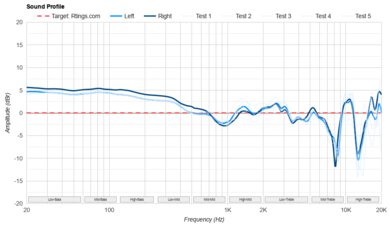
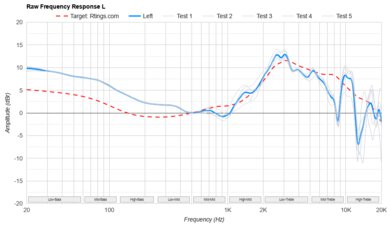
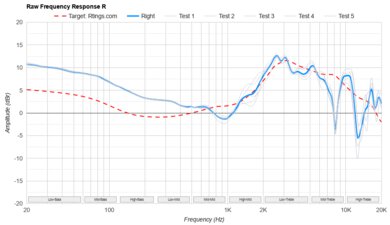
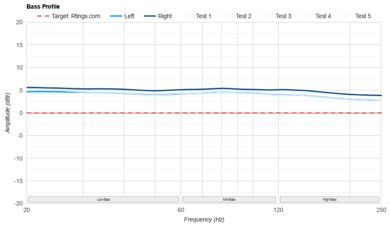
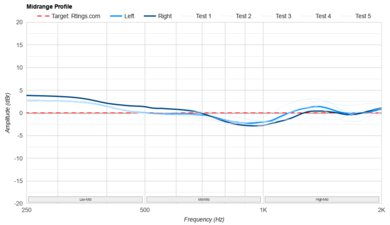
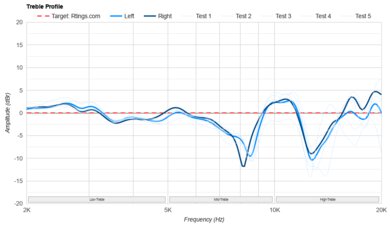
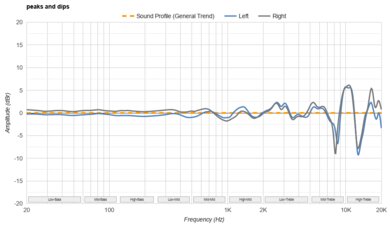
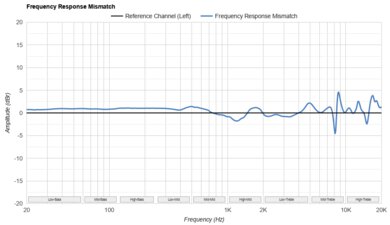
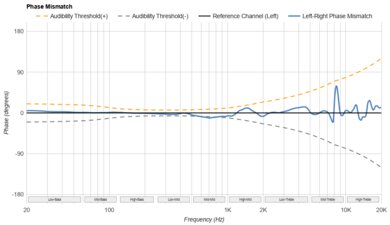
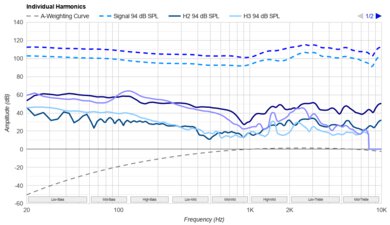
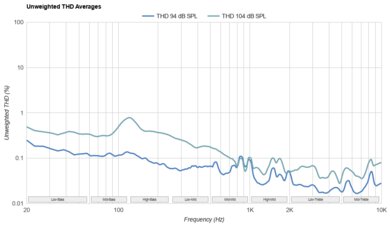
The JLab Audio GO Sport+ have decent audio reproduction accuracy. Their tuning is heavily bass-boosted, so mixes get a lot of extra rumble, thump, and punch, which can make bass-heavy tracks sound boomy. That said, their mid-range and treble are much closer to our target, so vocals, lead instruments, cymbals, and hi-hats are reproduced clearly. Peaks and dips performance is very good, distortion is very low, and their frequency response is very consistent, though our unit had a slight bass-range imaging imbalance that can be noticeable on some bass-heavy tracks.
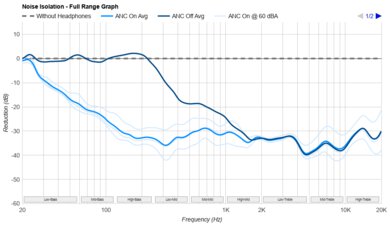
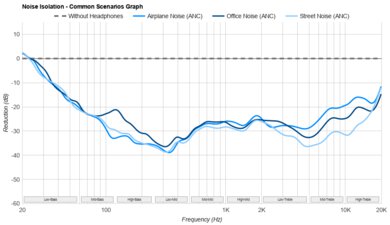
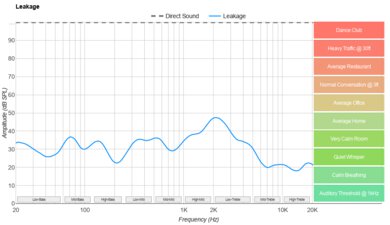
The JLab Audio GO Sport+ have decent noise isolation. They don't have active noise cancelling, so they won't do much against low-frequency rumble from planes, buses, or trains. However, their passive in-ear seal does a good job of reducing mid- and treble-range sounds like voices and gym noise. They also leak very little audio, so people nearby won't hear much of what you're listening to unless you're playing music at very high volumes.
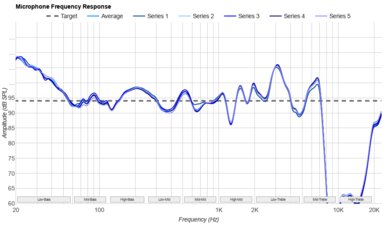
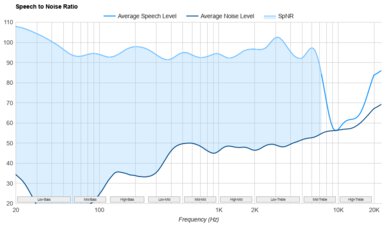
The JLab Audio GO Sport+ have a decent microphone. Your voice is comprehensible, but it lacks low-end body and some top-end detail, so speech comes across a bit thin and dark. The mic does a good job separating your voice from steady background noise around you, like an A/C unit in your office, but it struggles more with louder noises like train engines. It's fine for quick calls, but it isn't ideal if you regularly take meetings in noisy places.
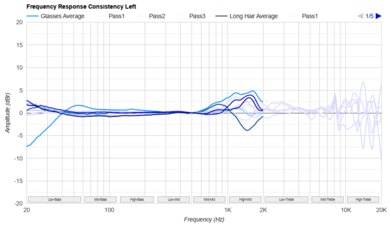
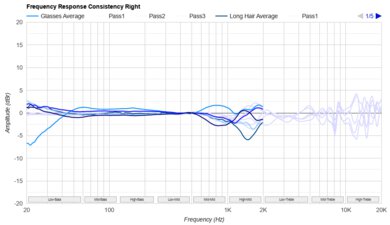
The JLab Audio GO Sport+ have amazing frequency response consistency. Their deep in-ear fit and stable ear hook design help keep the sound from shifting much while you move. Once you get a proper fit with the included ear tips, they reproduce audio very consistently across different reseats.
Performance Usages
Changelog
- Updated Jun 23, 2026: This review has been updated to Test Bench 2.3, which removes the Virtual Soundstage, Base/Dock, and some comparisons from Bluetooth Connection. Have a look at our changelog for more info.
- Updated Jun 09, 2026: Review published.
- Updated Jun 02, 2026: Early access published.
- Updated May 26, 2026: Our testers have started testing this product.
Check Price
Differences Between Sizes And Variants
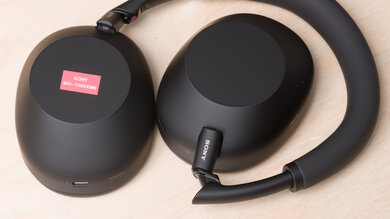
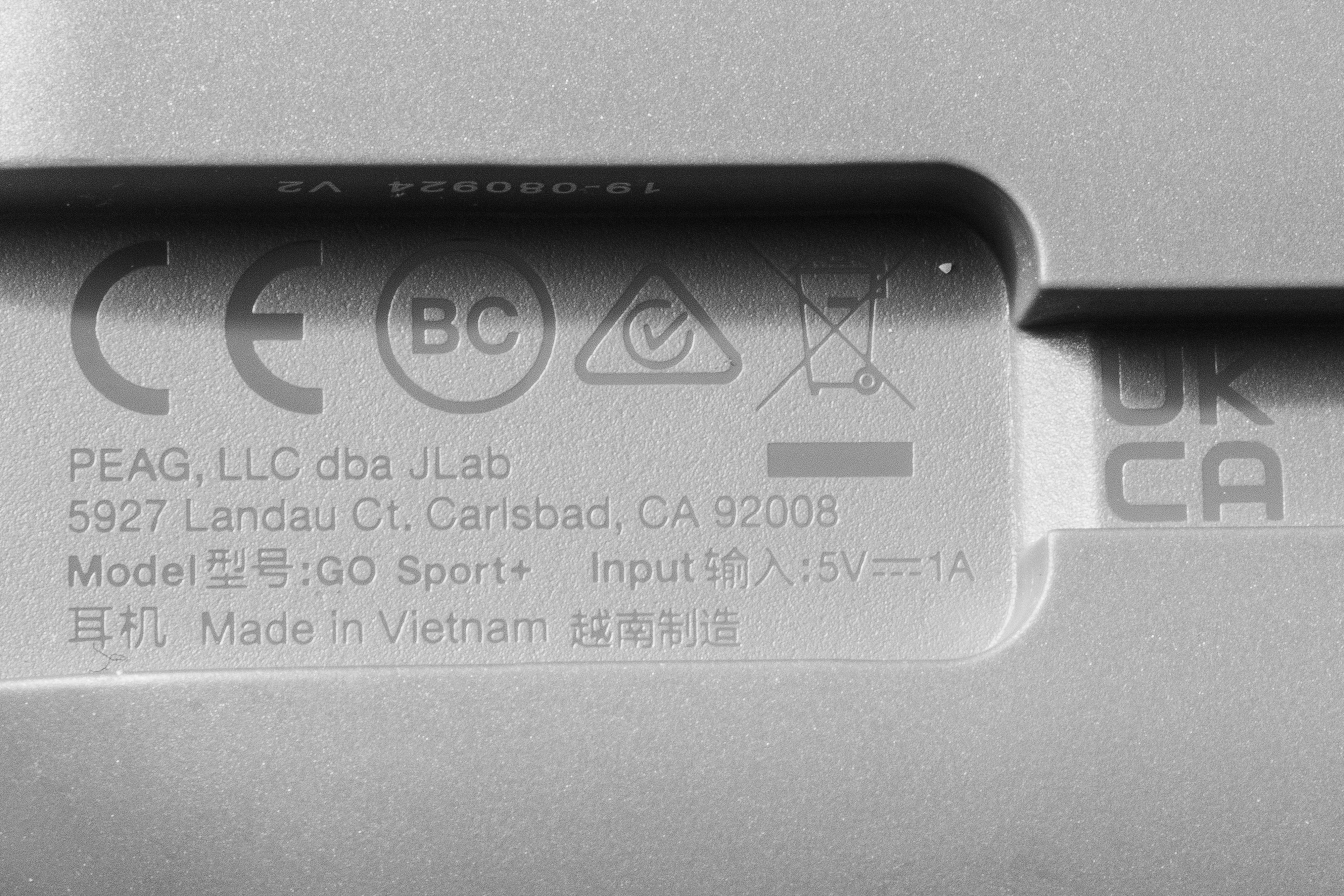
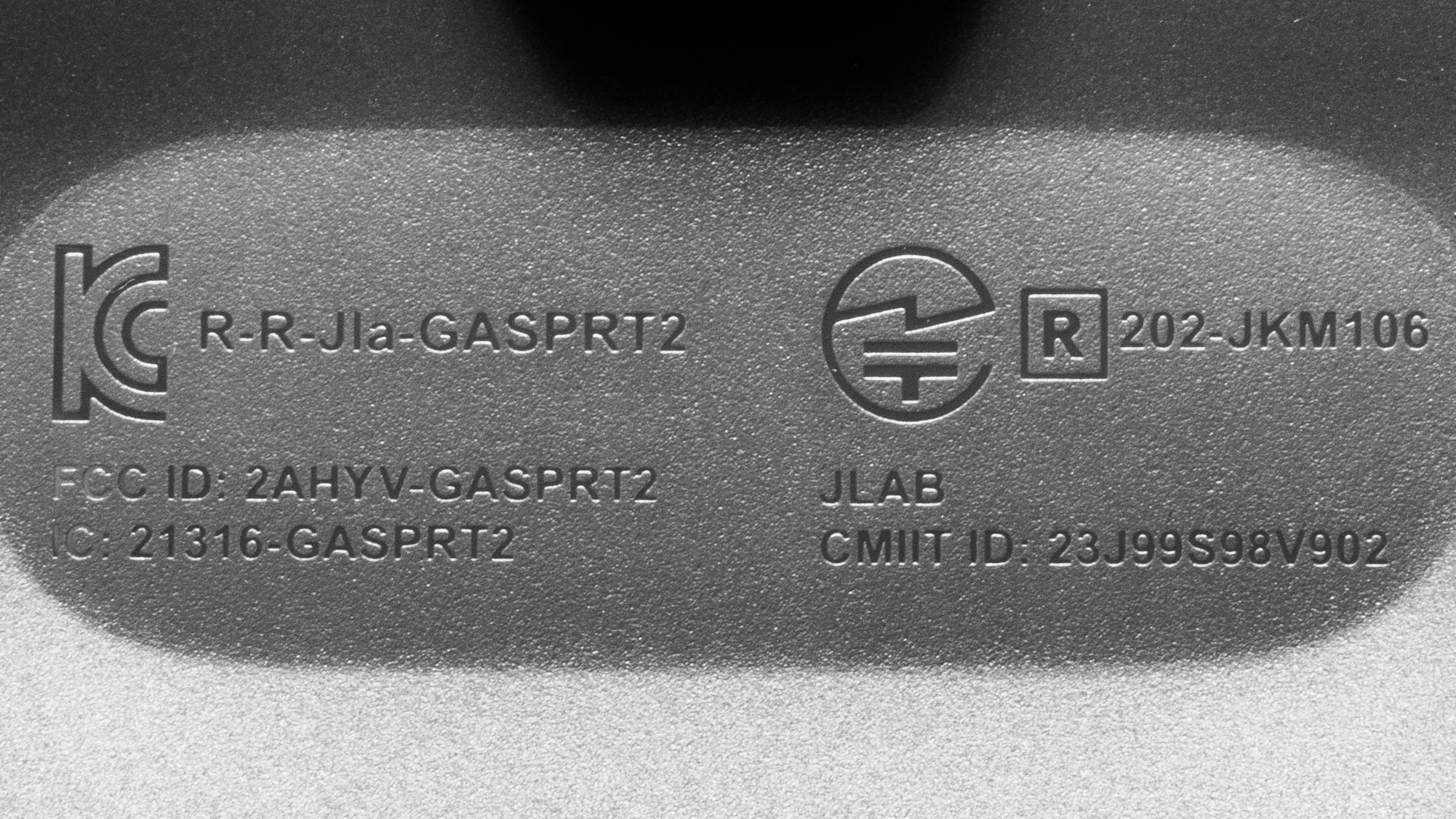
The JLab Audio GO Sport+ are available in a few color variants: 'Coral,' 'Graphite,' 'Green,' 'Light Blue,' 'Sand,' 'Teal,' and 'Yellow.' We bought and tested a 'Teal' variant, and took a photo of each of their two labels.
If you encounter a variant or additional colorways, please let us know in the comments, and we'll update the review.
Popular Headphone Comparisons
The JLab Audio GO Sport+ are cheap sport-focused earbuds that sit near the bottom of JLab's workout lineup, below ANC-equipped models that add more commuting and everyday features. Their main advantage is simple: they have ear hooks that keep them locked in during runs and gym workouts without costing much. If you want a more flexible all-around budget earbud, the Anker Soundcore P31i are a stronger pick, with ANC, Bluetooth multipoint, and a more comfortable fit. If you're comparing them to other hook-style workout buds, the Skullcandy Push Active True Wireless offer more extras, like physical buttons, voice controls, and longer battery life, while the JBL Endurance Peak 4 are a more polished step up with better build quality, longer battery life, and Bluetooth multipoint. The JLab still make sense if stability and low price are your priorities, but runners who care more about hearing traffic should also consider open-fit options like the Anker Soundcore C30i or Bose Ultra Open Earbuds, which leave your ears open at the cost of bass, isolation, and leakage control.
Check out our recommendations for the best headphones and earbuds for running, the best over-ear headphones for working out, and the best open-ear and bone conduction headphones.
The Anker Soundcore P31i and the JLab Audio GO Sport+ have different strengths. The Anker are better all-rounders, with ANC, multi-device pairing, LDAC support, a more comfortable fit, and a more full-featured app. That makes them the stronger pick for commuting, office work, and day-to-day listening. Their mic also handles noisy environments better. On the other hand, the JLab are more specialized for workouts: their earhook design makes them more secure during intense activities like burpees, but they don't have ANC or Bluetooth multipoint, and their short built-in USB-C charging cable is less flexible than the Anker's regular USB charging port.
The JBL Endurance Peak 4 are better sport earbuds than the JLab Audio GO Sport+ for most people, but they're also a higher-tier option. The JBL are more comfortable and better built, have a stronger water and dust resistance rating, last much longer on a charge, and also offer Bluetooth multipoint. Though the JBL have ANC, it performs poorly, and the JLab actually block out more noise through their passive seal despite lacking ANC. The JLab also have a smaller case and simpler controls. Still, if you want the more polished workout earbud, the JBL are the stronger pick; if you just want a cheap, stable earhook pair, the JLab cover the basics well.
The JLab Audio GO Sport+ and Skullcandy Push Active True Wireless are both sport-focused earbuds with ear hooks, but the Skullcandy are the more feature-rich pair. They have a longer continuous battery life, better build quality, physical buttons, and voice controls. Their sound is also less aggressively bass-heavy than the JLab's, though both have EQ support if you want to adjust the tuning. That said, the JLab have slightly better passive noise isolation, a better microphone, and stronger stability during very intense workouts. They're also usually a bit more affordable than the Skullcandy.
The JLab Audio GO Sport+ and Anker Soundcore C30i are both affordable exercise-focused earbuds that serve different workout needs. The JLab are the better choice if you want more traditional earbuds that will stay in place for everything from jogs to sprints. Since they have a regular in-ear fit, they offer stronger bass, better passive noise isolation, and lower leakage than the Anker. The Anker are open-fit clip-on earbuds that are designed to let you hear your environment naturally, which is useful for outdoor runs or open-concept offices where awareness matters. However, that open design means they barely isolate you from noise and lack low-end thump, so they're a poor fit for bass-heavy playlists or noisy commutes. That said, the JLab do have a Be Aware transparency mode that lets you hear some outside noise, just not to the extent the open-fit Anker do.
Our How We Test Headphones article takes you behind the scenes in our lab. You'll learn how we choose and purchase products and dive into the details of our review philosophy, from testing and scoring to writing and editing.
You can also discover how we produce recommendations like this one so that you can find the best headphones (or earbuds!) for your needs.
Test Results
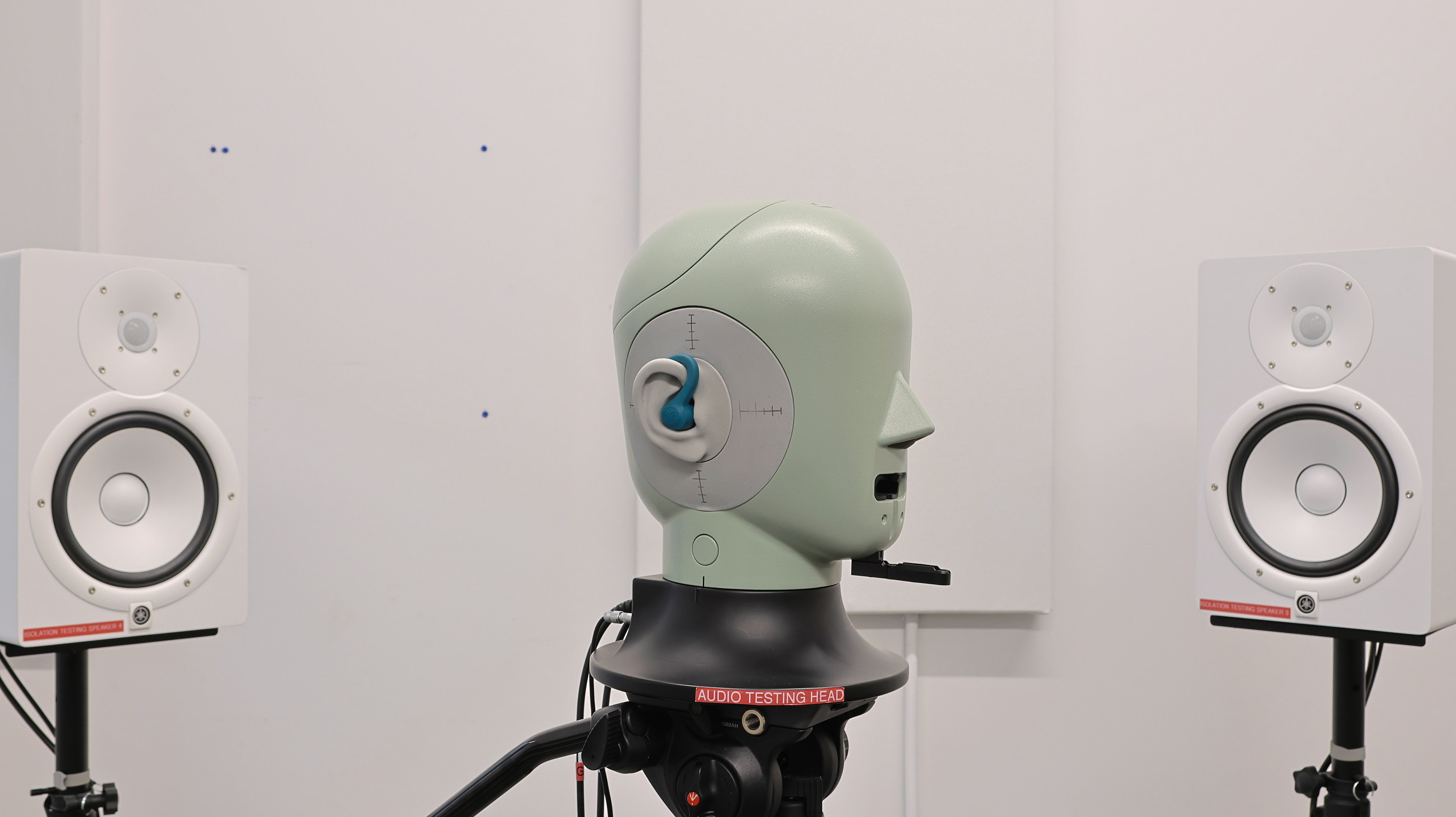
for pictures & test results
for pictures & test results
for pictures & test results

for pictures & test results

for pictures & test results