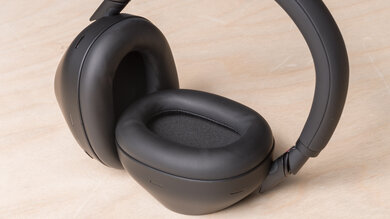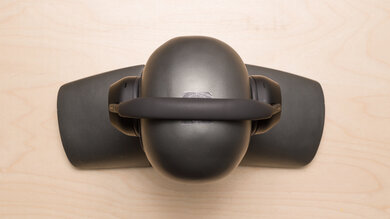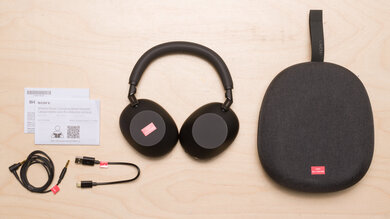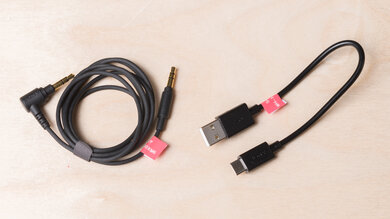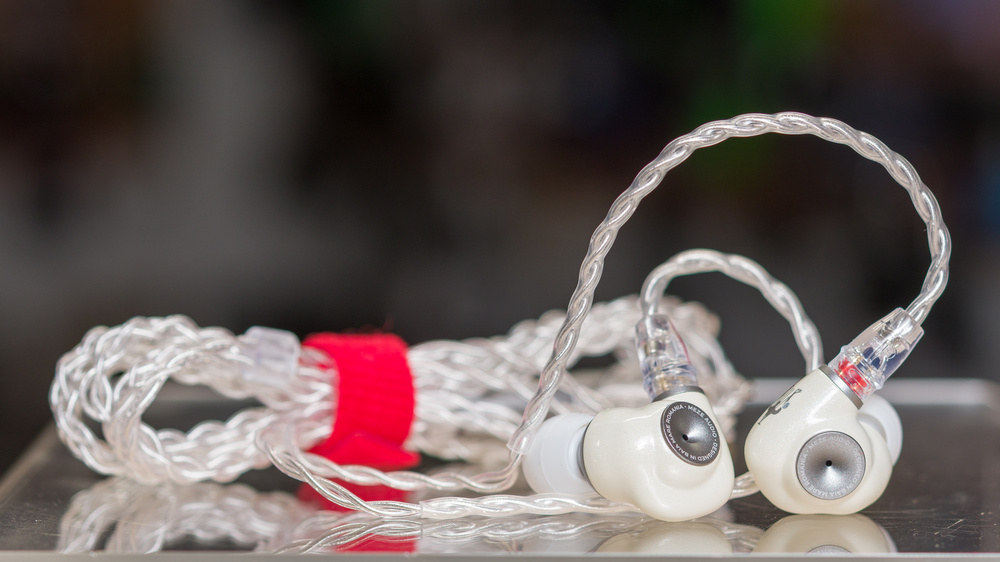
The Meze ALBA are an ambitious entry into the saturated in-ear monitor (IEM) market, largely dominated by brands like MOONDROP and TRUTHEAR. That said, the Romanian company, based in Baia Mare, comes out swinging with a more accessible addition to its IEM lineup, offering a reasonably priced yet well-built product that still features Meze's signature premium finish and materials. These single dynamic driver earbuds also include an analog to USB-C adapter with an integrated AMP/DAC, along with a USB-C to USB-A converter. This flexibility makes the Meze ALBA an appealing plug-and-play option for audio enthusiasts who use a wide range of devices, from smartphones to USB hubs.
Our Verdict
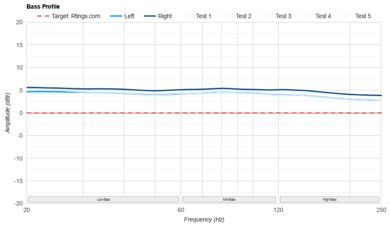
The Meze ALBA are decent for sports and fitness, though they weren't designed for this use case. They don't have an IP rating, so they're not the best earbuds to take out into the elements, plus the cable can be a snagging hazard. That said, if you're planning on using them at the gym, they're comfortable and lightweight, and their fit is stable even if you move around a lot. They have a good helping of bass, too, which can help keep you pumped up while you work out.
Includes an analog to USB-C adapter.
Impressive comfort and stability.
Wired design can be cumbersome.
The Meze ALBA are alright for travel. They're quite portable and come with a compact carrying case, making them easy to stow while you rush to your connecting flight's gate. That said, they won't do much against engine rumble when you're on a plane or bus. The earbuds are also wired and have an analog to USB adapter, making them flexible to use with a tablet or phone or in-flight entertainment systems on planes.
Includes an analog to USB-C adapter.
Impressive comfort and stability.
Disappointing noise isolation.
The Meze ALBA are bad for office work if you need a microphone. They also don't mitigate much noise from coworkers' clicky keyboard switches or conversations. That said, they're comfortable to wear even for long periods, and they come with an analog to USB-C/A adapter, making them a flexible audio output option for a variety of devices from phones to workstations. On the plus side, their sound signature is suited for a variety of content, so your productivity sprint playlist and coworkers' voices on Teams are rendered naturally.
Impressive comfort and stability.
Disappointing noise isolation.
No integrated microphone.
The Meze ALBA are wired-only headphones and can't be used wirelessly. That said, you can purchase wireless transmitters that work with wired devices, though they'll probably introduce a notable amount of latency, contributing to audio-visual desync.
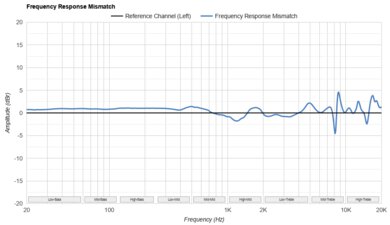
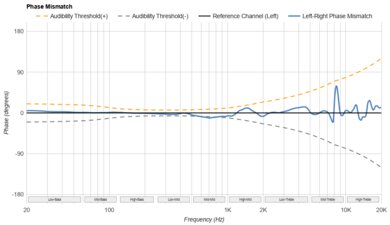
The Meze ALBA are alright for wired gaming. They don't have a microphone for when you want to chat with friends. That said, the Meze use a standard 2-pin connector cable, so you can find an aftermarket option with an integrated mic easily. The headphones are comfortable and stable, so you'll be able to game for extended sessions without issue. Their L/R drivers are also well matched; footsteps and other audio cues will be rendered accurately in the stereo image. Meanwhile, their balanced sound profile makes them a good option for fast-paced cutscenes with plenty of explosions or dialogue-heavy sections with a focus on narrative.
Impressive comfort and stability.
No integrated microphone.
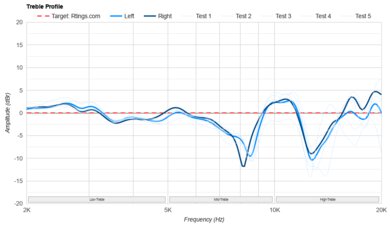
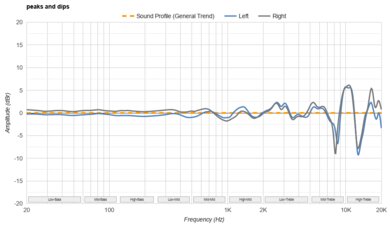
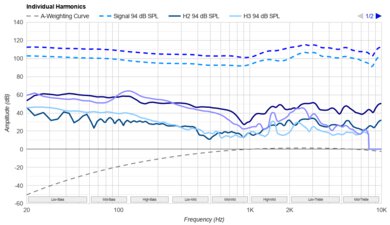
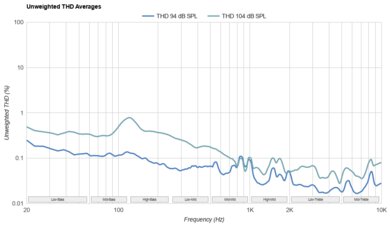
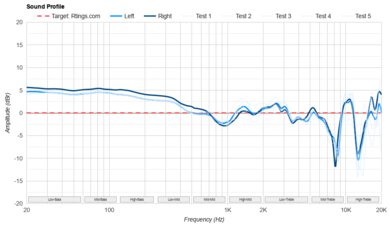
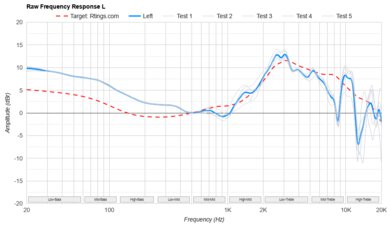
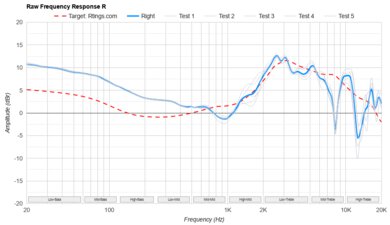
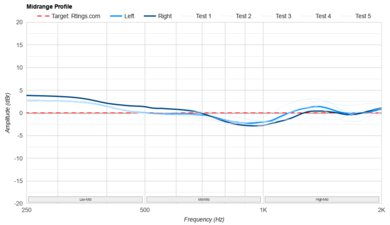
The Meze ALBA have very good audio reproduction accuracy. Their frequency response doesn't deviate much from their balanced sound profile, though a dip into a peak in the treble can render upper harmonics dull or hissy as neighboring frequencies are under- or over-emphasized relative to one another. The headphones have low levels of harmonic distortion, reproducing audio without audible timbral coloration even at high levels. The Meze's L/R drivers are also well matched with minor stereo mismatches in frequency and phase response that are barely audible in test tones, but not in real content. As the Meze are earbuds, they bypass the outer ear, so you won't experience any pinna interaction that contributes to a sense of immersion.
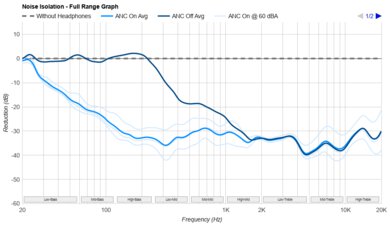
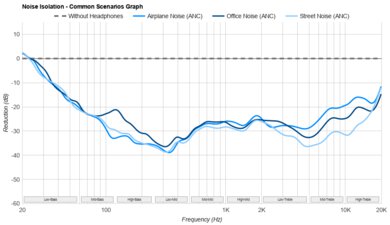
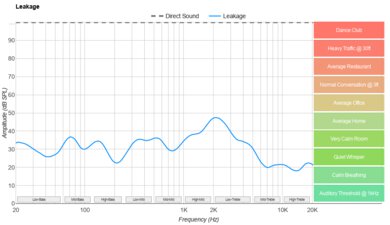
The Meze ALBA have disappointing noise isolation. They only come with silicone ear tips and don't have active noise cancellation. As expected, their passive isolation doesn't block out much noise in the bass range, like rumbling bus and airplane engines. That said, they attenuate noise more effectively in the upper-mid and treble range. The Meze also don't leak much audio, barely exceeding the noise floor of a very calm room.
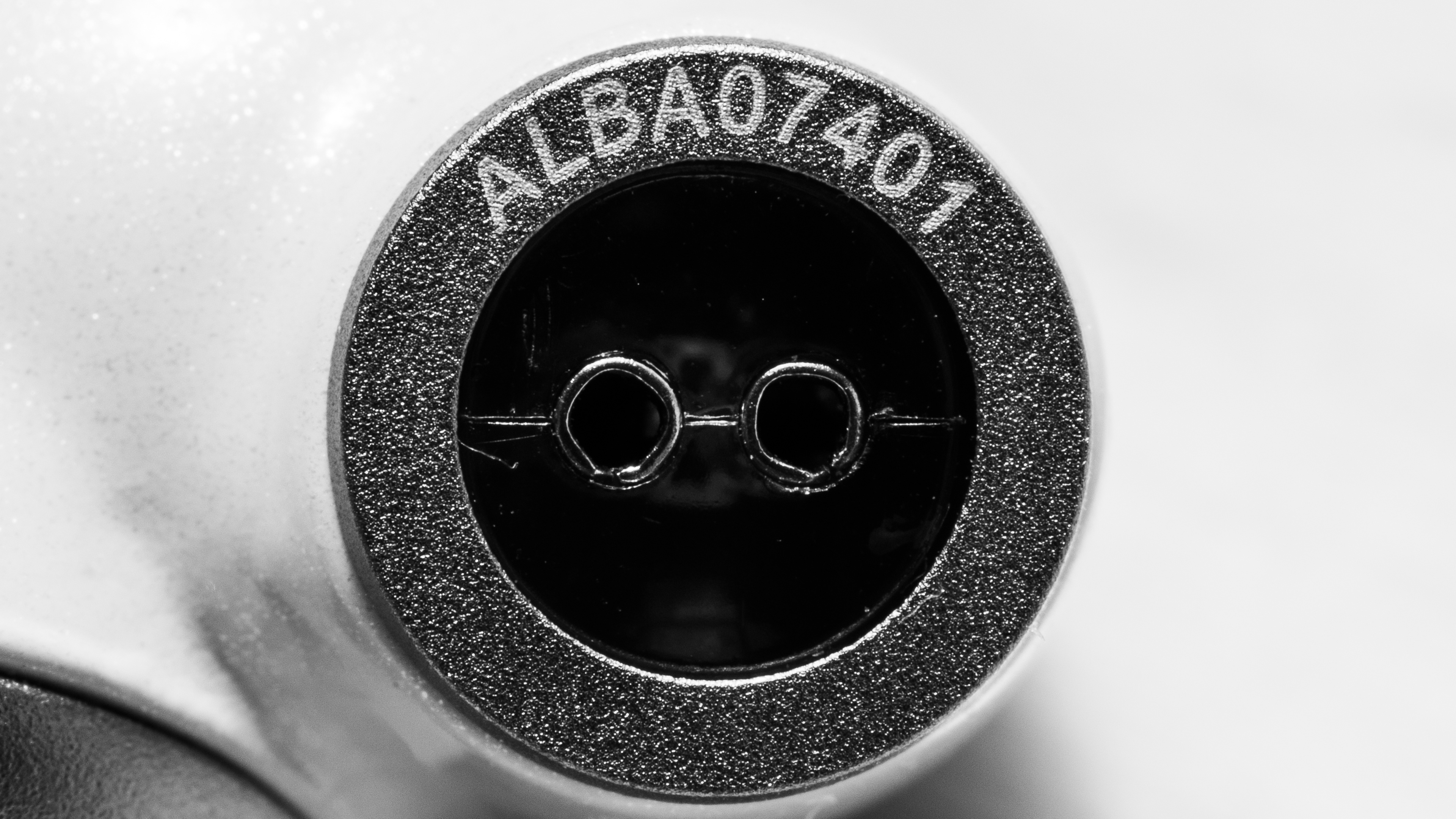
The Meze ALBA don't have an integrated microphone. That said, they use a common 2-pin connection type, so you can easily find an aftermarket cable with a mic if you need one.
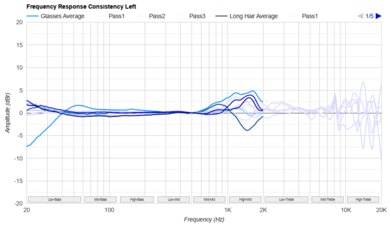
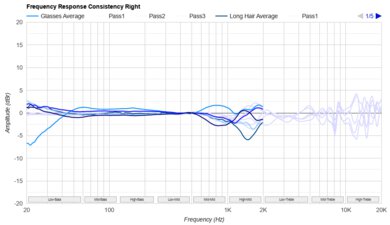
The Meze ALBA have great frequency response consistency. If you get a good seal with the included ear tips, your listening experience will match our frequency response measurements. That said, we found the included ear tips to be a bit smaller than similarly labeled ear tips from other IEMs, so it might take some trial and error to find the right size for you.
Performance Usages
Changelog
- Updated Jun 23, 2026: This review has been updated to Test Bench 2.3, which removes the Virtual Soundstage, Base/Dock, and some comparisons from Bluetooth Connection. Have a look at our changelog for more info.
- Updated Apr 20, 2026: This review has been updated to Test Bench 2.2, which removes the Cumulative Spectral Decay (CSD) test, retiring its waterfall plot visualization from our reviews. You can read more about this change in the changelog.
-
Updated Mar 26, 2026:
This review has been updated to Test Bench 2.1, which removes the Group Delay test and rebalances scoring for the Harmonic Distortion test and Audio Reproduction Accuracy performance usage. For more details, consult our full changelog.
- Updated Mar 24, 2026: We've converted this review to Test Bench 2.1, which features minor updates to our sound tests.
Check Price
Differences Between Sizes And Variants
The Meze ALBA come in one color: 'White,' and you can see their label. If you encounter another variant of these earbuds, let us know in the comments, and we'll update the review.
Popular Headphone Comparisons
The Meze ALBA are mid-range wired in-ears that prioritize comfort and broad device compatibility. They're among the few earbuds in this price range to include an analog-to-USB-C/A adapter. That said, two alternatives that also support both analog and USB-C connectivity, either via a second cable or an included dongle, are the MOONDROP x Crinacle DUSK and the MOONDROP KADENZ (successor to the MOONDROP KATO), which offer DSP features like an EQ not found on the Meze.
Beyond connectivity, passive earbuds like the Meze ALBA naturally offer fewer features than true wireless (TWS) options. But if you work in a noisy environment and need stronger isolation from a passive product, the TRUTHEAR HEXA attenuate noise impressively when paired with their included foam tips. For listeners seeking more pronounced bass, the TRUTHEAR x Crinacle ZERO and TRUTHEAR x Crinacle ZERO:RED (with the 10-ohm bass-boosting resistor) offer a more bass-forward tuning.
If you're interested in recommendations for the greatest sound regardless of headphone type, check out the best sounding earbuds and best audiophile headphones.
The Sennheiser IE 200 and Meze ALBA are both single dynamic driver IEMs. The Sennheisers are slightly warmer, with a scooped low-mid treble, while the Meze have a frequency response that more closely resembles our target curve. You may prefer the Sennheiser's subdued treble if you're particularly sensitive to higher frequencies. The Sennheiser also come with foam tips which help the earbuds block out more noise than the Meze. That said, the Meze are made from premium materials rather than plastic and are more comfortable for most people.
The TRUTHEAR HEXA and Meze ALBA are earbuds with similarly balanced sound profiles. That said, the Meze have a bit more bass emphasis, which you might prefer if you tend to listen to EDM. Their curved design incorporates premium materials like zinc and aluminum in their body, and they're more comfortable. That said, the TRUTHEAR include foam ear tips, which help them isolate you from noise much more effectively.
The 7HZ Timeless and Meze ALBA are relatively distinct products. The 7HZ feature planar magnetic drivers, a rarity for IEMs, while the Meze feature a more standard single dynamic drivers design. The 7HZ have a slightly warmer sound signature, though both are relatively similar to our target curve. The Meze are more comfortable, though, and come with an analog to USB-C/A adaptor, making them more compatible with a variety of devices out of the box.
The Meze ALBA and MOONDROP Blessing 3 are earbuds in different price ranges. The price difference is apparent in the complexity of the driver system on the MOONDROP Blessing 3, which features an opposed dual dynamic driver design accompanied by four balanced armature drivers in each earbud. That said, they both have a similar balanced sound profile, with the MOONDROP deviating from their sound signature less than the Meze. However, the cheaper Meze are more comfortable for most people and come with a convenient analog to USB-C/A adaptor, enabling their use with a wider variety of devices.
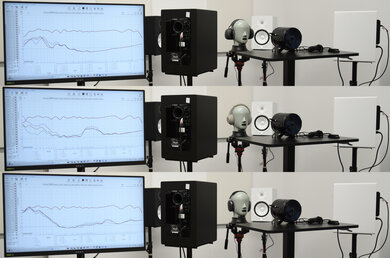
Our How We Test Headphones article takes you behind the scenes in our lab. You'll learn how we choose and purchase products and dive into the details of our review philosophy, from testing and scoring to writing and editing.
You can also discover how we produce recommendations like this one so that you can find the best headphones (or earbuds!) for your needs.
Test Results
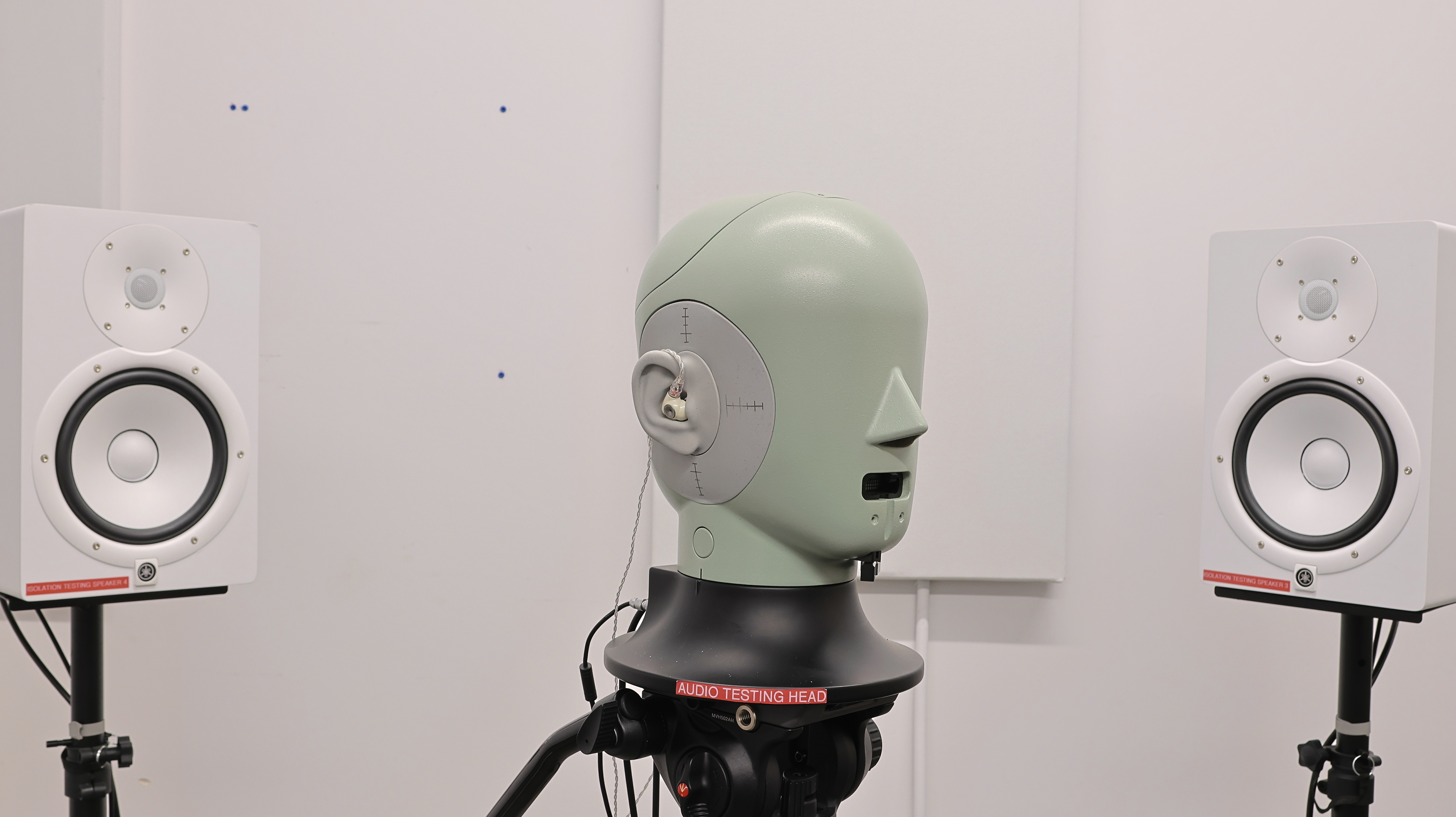
for pictures & test results
for pictures & test results
for pictures & test results