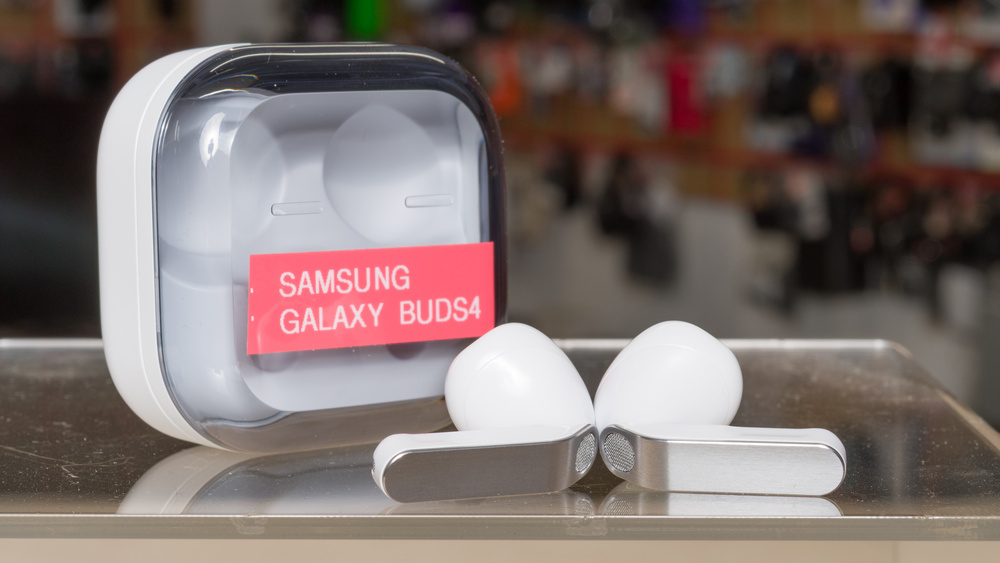
The Samsung Galaxy Buds4 are the fourth generation of Samsung's unsealed, earbud design, following in the footsteps of the Samsung Galaxy Buds3. They often come bundled with Samsung devices, like the Galaxy S26, and it's easy to see why: quality-of-life features like automatic device switching, high-quality streaming modes (SSC-UHQ), and Super Wideband calling are limited to compatible Samsung devices only. They also come equipped with an ANC system that aims to compensate for the lack of passive isolation from their unsealed design.
Our Verdict
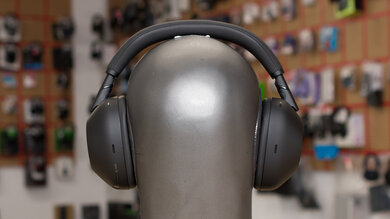
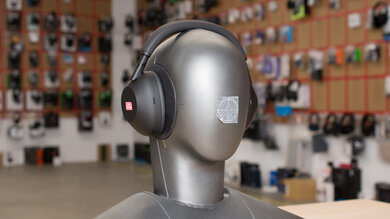
The Samsung Galaxy Buds4 are good for sport and fitness, though the perceived looseness of their unsealed design won't be for everyone. Their traditional earbud shape can require re-adjustment during more vigorous exercise, like hill sprints, and can't offer the same degree of stability as in-ears with stability hooks. This style of fit also impacts comfort, as the buds won't necessarily rest in the crook of your ear. They're rated IP54 for protection against dust and water, so you won't need to baby them during outdoor excursions.
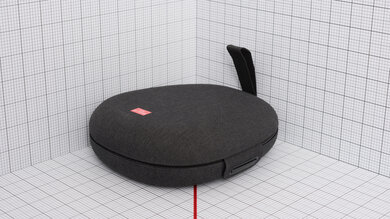
Good build quality with a sturdy case.
LC3 and SSC-UHQ codec support.
Only 4.5 hours of continuous battery life.
The Samsung Galaxy Buds4 are sub-par for travel use. Their one-size-fits-all design won't be comfortable for everyone and can feel loose in the ear. The unsealed fit also means they struggle to passively attenuate external noise, leaving you at the mercy of everything from airplane engine rumble to electrical hum. The ANC system scarcely does anything to supplement this, providing just a bit of extra mid-range attenuation that can tamp down on background conversations. Their 4.5-hour battery life isn't quite enough to get you through long-haul plane journeys either, so you'll have to dip into the extra 3.8 charges contained in the case at some point.
LC3 and SSC-UHQ codec support.
Many features compatible only with Samsung Galaxy devices.
Bad noise isolation performance.
Only 4.5 hours of continuous battery life.
The Samsung Galaxy Buds4 are inadequate for office work. Their one-size-fits-all design won't be comfortable for everyone, though they'll work for you if you dislike in-ear fits. It means the buds sit outside your ear canal, though this can result in a looser overall fit that requires more re-adjustment. The fit also contributes to poor passive noise isolation, and the ANC system does little to compensate for this, leaving you at the mercy of squabbling co-workers and espresso machine gurgles. While the built-in mic's recording quality is good enough for online meetings, you'll want to make sure you take them in a quiet environment, as the mic's poor noise handling can introduce some distortion into your voice when competing with a loud backdrop.
9-band graphic EQ and presets in app.
LC3 and SSC-UHQ codec support.
Many features compatible only with Samsung Galaxy devices.
Bad noise isolation performance.
Only 4.5 hours of continuous battery life.
The Samsung Buds4 aren't suitable for wireless gaming. Even when using low-latency modes, like LC3 or the 'Labs - Gaming Mode' setting, latency will be too high for competitive gaming (though some light mobile gaming will likely be fine).
The Samsung Galaxy Buds4 can't be used wired, so they're not suitable for this use.
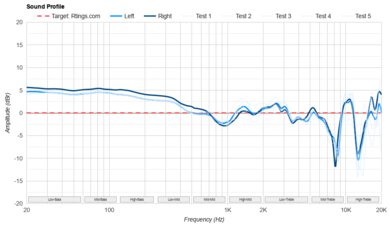
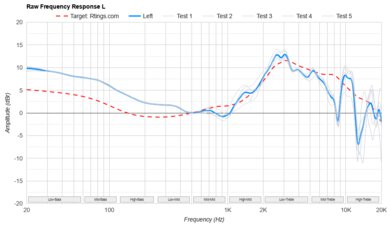
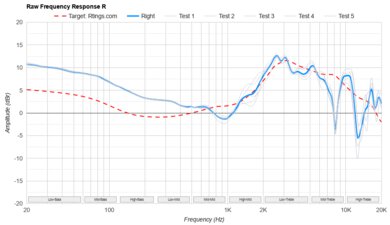
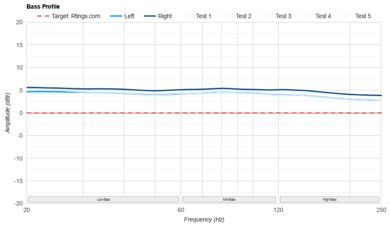
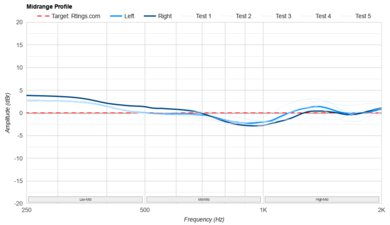
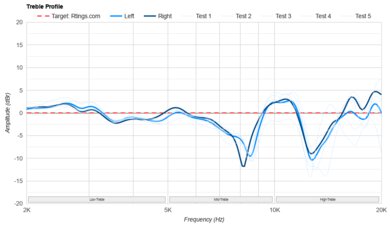
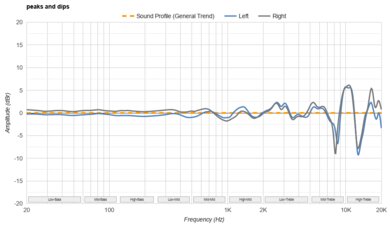
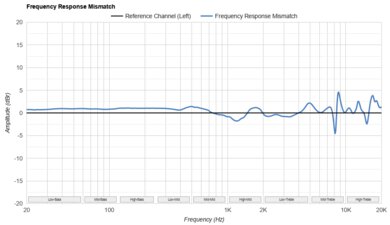
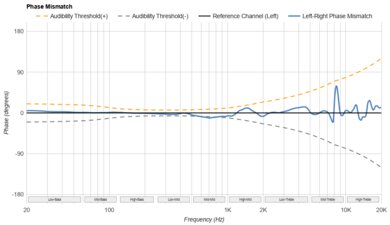
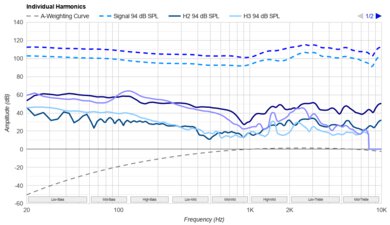
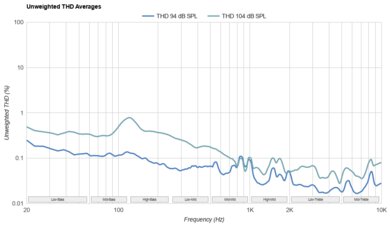
The Samsung Buds4 are good for audio reproduction accuracy. Their frequency response generally follows their bright sound profile, which rolls off some low-end boom and slam in favor of a sharp treble presentation. There's a 9-band graphic EQ and presets available in the companion app if you prefer a different sound, though it can't make up for the lack of bass that's inherent to their unsealed design. The buds' L/R drivers are very well-matched in terms of amplitude, frequency, and phase, which contributes to an even stereo image with no holes. Finally, they exhibit very little harmonic distortion, so there's no audible coloration of your audio at both regular and elevated listening levels.
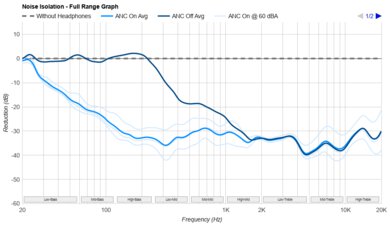
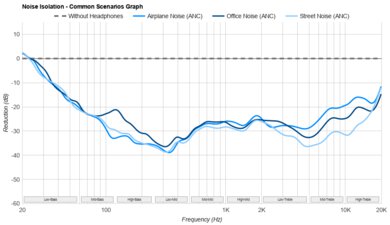
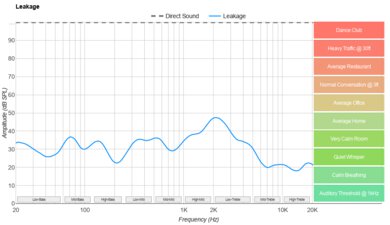
The Samsung Buds4 have bad noise isolation. Their unsealed design struggles to passively attenuate any background noise, barely blocking out the creak of old floorboards. While there is an ANC system, its total inefficacy at blocking out bass and mid-range sounds, like engine rumble and background conversations, means it doesn't offer much more than lip service for weary ears. On the bright side, they don't leak much audio, so you won't need to be too careful when blasting your tunes in public.
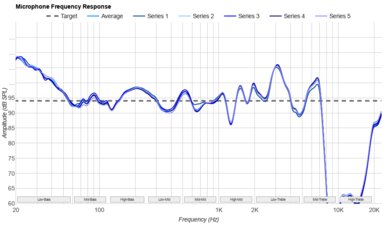
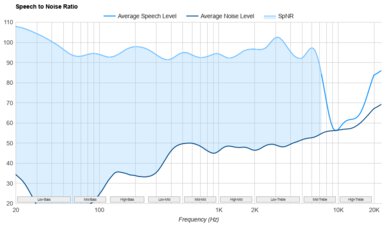
The Samsung Buds4 have a mediocre microphone performance. The integrated mic's recording quality is generally good, rendering your voice in a slightly boxy way that's easily understandable. However, it really struggles to separate your voice from its background environment. Any amount of noise, whether it's the ambiance of a busy coffeeshop or the screech of an incoming train, introduces distortion into the call and makes it challenging to hear what you're saying.
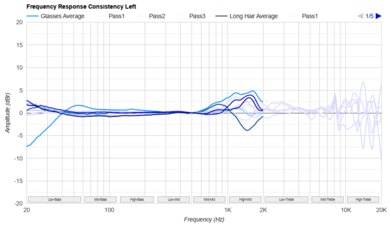
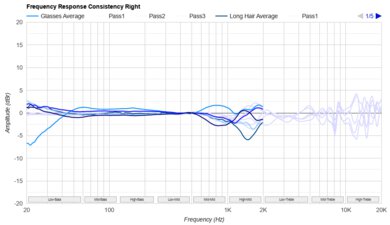
The Samsung Buds4 have great frequency response consistency. As long as you take the time to adjust the fit, you'll be rewarded with consistent audio delivery.
Performance Usages
Changelog
-
Updated Aug 18, 2026:
We added a reference to the HUAWEI FreeBuds Pro 5 in the Noise Isolation - Common Scenarios box.
- Updated Jun 23, 2026: This review has been updated to Test Bench 2.3, which removes the Virtual Soundstage, Base/Dock, and some comparisons from Bluetooth Connection. Have a look at our changelog for more info.
- Updated Apr 20, 2026: This review has been updated to Test Bench 2.2, which removes the Cumulative Spectral Decay (CSD) test, retiring its waterfall plot visualization from our reviews. You can read more about this change in the changelog.
- Updated Apr 07, 2026: Review published.
Check Price
Differences Between Sizes And Variants
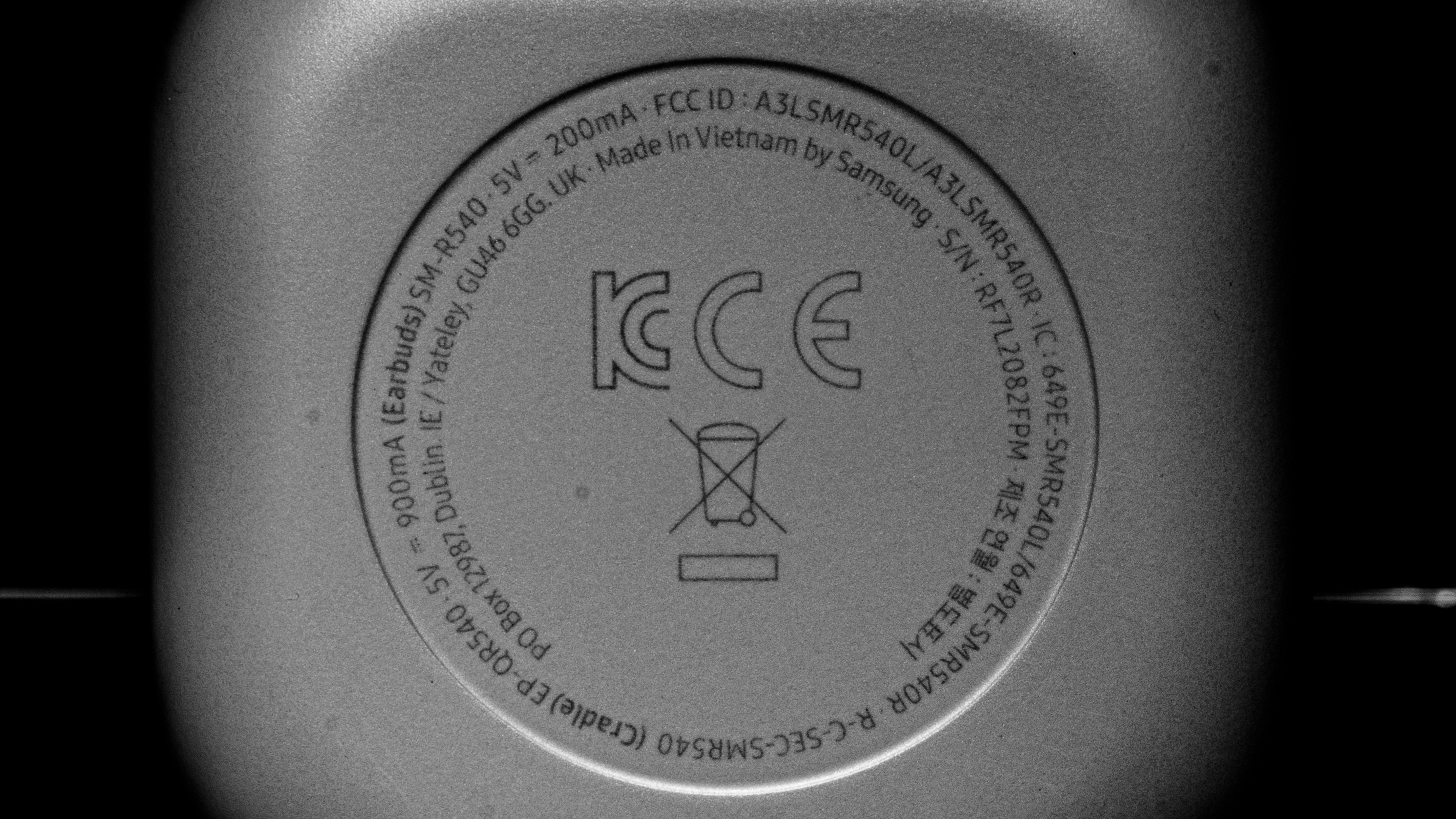
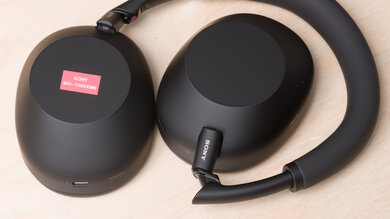
The Samsung Galaxy Buds4 come in two different color variants: 'Black' and 'White', and we tested the 'White' variant (we even took a photo of its label). Let us know in the comments if you encounter another variant, and we'll update our review.
Popular Headphone Comparisons
The Samsung Galaxy Buds4 are unsealed, one-size-fits-all earbuds equipped with ANC. They offer a slightly cheaper alternative to the brand's flagship earbuds, the Samsung Galaxy Buds4 Pro, avoiding the potentially invasive in-ear fit but sacrificing noise isolation performance and bass output in the process. While both buds come with the same raft of Samsung-specific features, like seamless device switching and the SSC-UHQ codec, they sound notably different. The regular Buds4 roll off the bass range in favor of a sharper treble response, while the Pro model opts for a darker sound that's well-aligned with our target in the bass and mid ranges. Of course, iOS users will miss out on the Samsung-only features, so fans of the unsealed design might want to look at the Apple AirPods 4 with Active Noise Cancellation instead, which offer a much better noise isolation performance and a more balanced tuning with better bass extension.
Check out our recommendations for the best wireless Bluetooth earbuds, the best Samsung earbuds, and the best wireless earbuds for Android.
The Samsung Galaxy Buds4 Pro have a very different performance and design from the Samsung Galaxy Buds4, despite the similarity in their naming conventions. While they're both equipped with ANC systems, the Buds4 Pro's in-ear fit provides some passive isolation that complements the ANC system much better than the Buds4's unsealed fit. As a result, the Buds4 Pro's noise isolation performance is levels above the regular Buds4. In terms of sound, the Buds4 Pro offer a more balanced, if slightly dark, sound that's very different from the bright, treble-forward sound of the regular Buds4. Both come with a graphic EQ and presets in the app, though the Buds4 Pro don't have the same design-based limitations as the Buds4, making them more versatile. While they have very similar, Samsung-specific feature sets, the Buds4 Pro's superior stability and noise isolation make them better suited to workouts, office work, and even traveling.
The Apple AirPods Pro 4 with Active Noise Cancellation and the Samsung Galaxy Buds3 are similar, one-size-fits-all earbuds that are designed for integration into different product ecosystems. Given they're both unsealed designs, neither are particularly comfortable and struggle to attenuate noise passively. That said, the Apple's ANC system does a much better job at compensating for the lack of passive isolation, bolstering bass and mid-range attenuation. The Samsung, by comparison, have a very underpowered ANC system. The two buds have very different sound profiles, with the Samsung opting for a bright tuning that rolls off the bass in favor of a sharper treble range. Meanwhile, the Apple have a warmer sound, with a fuller bass range and veiled high-end. Ultimately, you'll need to be invested in one of the two brand ecosystems to get the most out of these buds, as features like multi-device switching are limited only to compatible devices in both cases.
The Samsung Galaxy Buds4 are the next generation of the Samsung Galaxy Buds3. The newer model brings incremental, quality-of-life upgrades over sweeping changes, so it might not be worth upgrading if you're a Buds3 owner. Both of them feature a stemmed, one-size-fits-all earbud design, though the Buds4 have a better build quality and a sturdier case. That said, while neither has stellar ANC, the previous generation does a slightly better job of tamping down on mid-range frequencies. It also has a slightly more balanced default sound, with less roll-off in the bass range and bizarrely, a better ingress rating (IP57). Both buds have a similar battery life, clocking in at a little over four hours, so this is unlikely to be a deciding factor.
The Sony WF-1000XM6 are superior to the Samsung Galaxy Buds4 in just about every way, as long as you're comfortable with an in-ear fit. The Sony offer a massively superior noise isolation performance that's among the best we've tested, as well as a more balanced sound that's better aligned with our target curve. The Sony also feature multi-device pairing that isn't limited to devices within the same ecosystem, as well as LDAC support and a longer battery life. The Samsung retail for less and are a sensible option for Samsung Galaxy device owners, as this gives you access to seamless device switching and high-resolution streaming codec. Their utility decreases considerably if you don't own a Samsung device, making the Sony a much more versatile choice.
Our How We Test Headphones article takes you behind the scenes in our lab. You'll learn how we choose and purchase products and dive into the details of our review philosophy, from testing and scoring to writing and editing.
You can also discover how we produce recommendations like this one so that you can find the best headphones (or earbuds!) for your needs.
Test Results
for pictures & test results
for pictures & test results
for pictures & test results

for pictures & test results

for pictures & test results