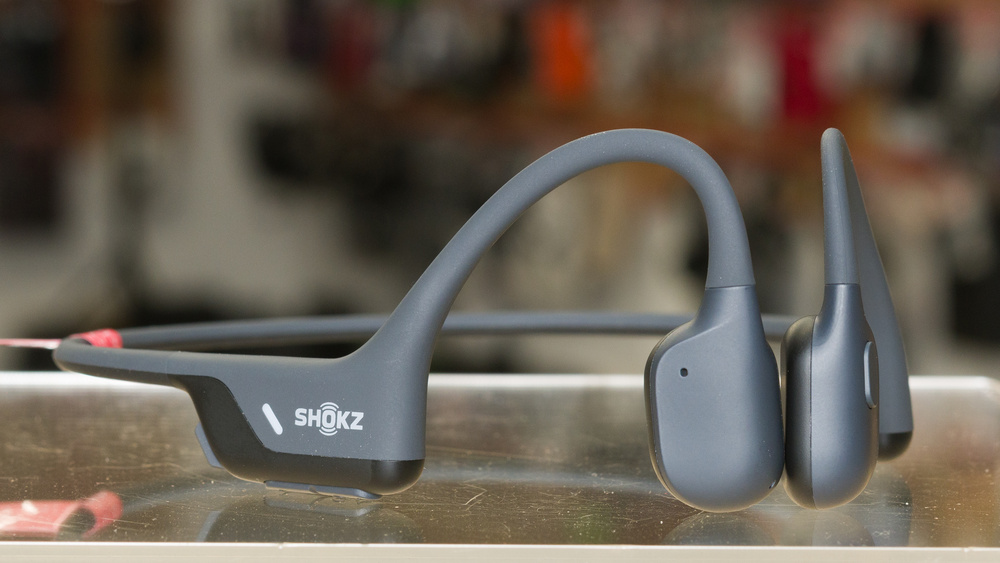
The Shokz OpenRun Air 2 Bone Conduction is an open-ear headset, designed with sports and fitness in mind. As with its predecessor, the original Shokz OpenRun Bone Conduction, it uses only bone conduction drivers, as opposed to the hybrid (dynamic/bone conduction) driver setup seen in some of the brand's recent offerings. This iteration also features improvements when it comes to battery life, as well as companion app connectivity for expanded customization possibilities.
Our Verdict
The Shokz OpenRun Air 2 Bone Conduction is satisfactory for sports and fitness. It has a very stable and comfortable fit that's unlikely to get displaced even during intense activities, like shuttle runs and sprints. It's also rated IP67 for protection against rain showers and sweat, so you can bring it for runs on a rainy day without worry. That said, it doesn't fold up and can take up a fair bit of space in a gym bag. The bone conduction drivers also aren't for everyone: if you've never experienced them, it's worth trying out in advance of buying a headset to ensure the vibrations don't feel uncomfortable for you.
Lightweight and comfortable design.
18 hours of continuous battery life.
Great stability.
No carrying case.
Open-ear design provides no noise isolation.
Design isn't very portable.
The Shokz OpenRun Air 2 Bone Conduction is a poor choice for travel. Beyond bike camping trips, where situational awareness can be an advantage, its lack of noise isolation means you'll be at the mercy of plane engines rumbling and other passengers coughing. Still, if you don't mind this, it offers a comfortable fit with a long, 18-hour battery life to get you through long trips. Just be aware that it doesn't fold up into a smaller frame, and there's no carrying case, so it can take up a bit more space in a bag or pocket than true wireless earbuds.
Lightweight and comfortable design.
No carrying case.
Open-ear design provides no noise isolation.
Design isn't very portable.
The Shokz OpenRun Air 2 Bone Conduction is a bad fit for traditional office use. It provides almost no noise isolation, leaving you at the mercy of clacking keyboards and chattering colleagues. Its sound reproduction also takes some getting used to, as it struggles to produce bass and treble frequencies accurately (or at all). Still, it has a stable and comfortable fit, with an 18-hour battery life to get you through even the longest productivity sprints. It's also a good fit for those who need to stay available for spontaneous questions and discussions in the office, where the lack of noise isolation can be an advantage.
18 hours of continuous battery life.
No carrying case.
Open-ear design provides no noise isolation.
Design isn't very portable.
The Shokz OpenRun Air 2 Bone Conduction isn't suitable for wireless gaming. It's only compatible with the Bluetooth SBC codec, with no low-latency alternatives for a slicker gaming experience. It'll do the job for turn-based mobile games where the high latency and lack of bass and treble frequencies don't matter as much, but you'll want to look elsewhere for other, more immersive game types.
The Shokz OpenRun Air 2 Bone Conduction can't be used with a wired connection, so it's not useful for this use case.
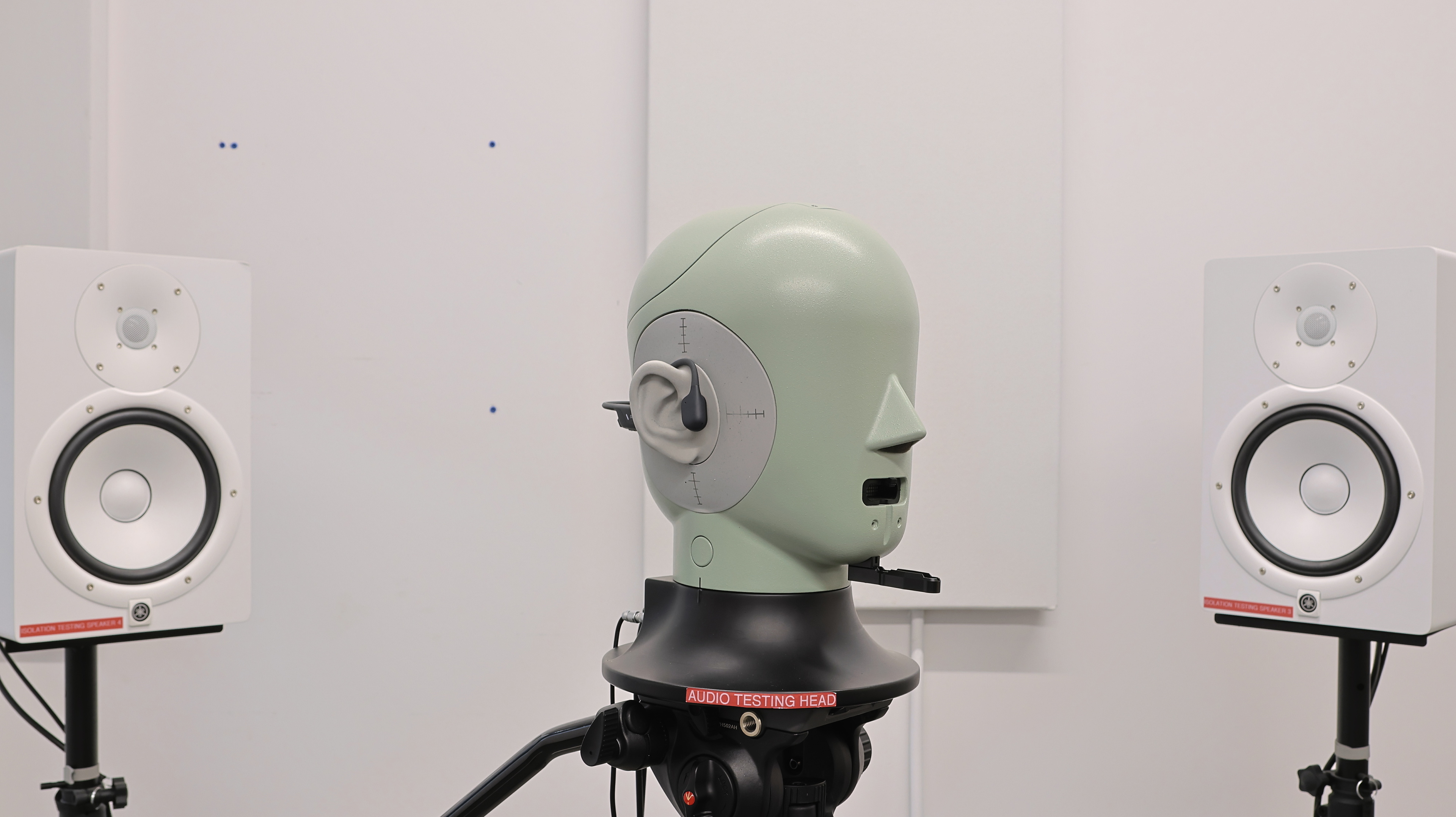
The Shokz OpenRun Air 2 Bone Conduction uses bone conduction drivers, which are incompatible with our testing rig. As a result, we weren't able to collect any results for our sound tests.
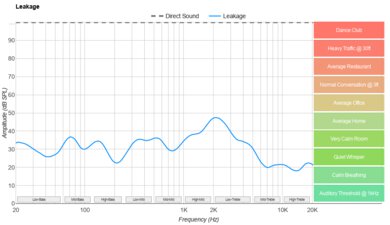
The Shokz OpenRun Air 2 Bone Conduction provides almost no noise isolation at all, due to its open-ear design. We don't recommend picking it up if you value noise isolation, as you'll hear everything going on around you. It also leaks a fair bit of noise, which can disturb others around you if you're blasting your tunes in a quiet environment.
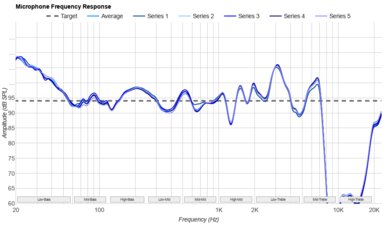
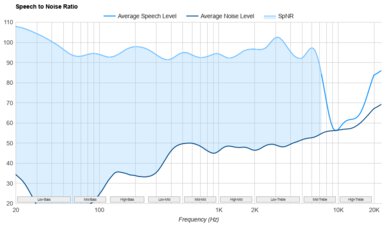
The Shokz OpenRun Air 2 Bone Conduction has a decent mic performance. The mic can render your voice in a mostly natural way, with only some light low-frequency roll-off that can thin out deeper voices. It can separate your voice decently well from background noise, too, keeping you mostly intelligible if you're taking a call in a busy hotel lobby. It struggles a bit more in louder environments, like in a subway station, and your voice will lose some clarity when competing with a passing train, for instance.
The Shokz OpenRun Air 2 Bone Conduction uses bone conduction drivers, which are incompatible with our testing rig. As a result, we weren't able to collect frequency response consistency data.
Performance Usages
Check Price
Differences Between Sizes And Variants
The Shokz OpenRun Air 2 Bone Conduction comes in both 'Standard' (our unit) and 'Mini' sizes, with two color variants: our unit's 'Black' and 'Ice Blue'. If you encounter another variant of this headset, please let us know in the comments and we'll update our review.
Popular Headphone Comparisons
The Shokz OpenRun Air 2 Bone Conduction is advertised as the successor to the 2019 Shokz OpenRun Bone Conduction (called the AfterShokz Aeropex at the time). When a follow-up takes seven years to materialize, it often comes with significant feature upgrades and performance improvements. In this case, however, spec upgrades are quite modest: the battery life has been increased to 18 hours, charging is now via USB-C, and there's app support for more granular tweaks. That said, the bone conduction drivers are incompatible with our testing rig, so it's difficult to see if there have been upgrades to the sound. For those lamenting the lack of a hard case for easy transport, the Shokz OpenRun Pro 2 Bone Conduction comes equipped with one and uses a hybrid dynamic/bone conduction driver setup, which can partially mitigate some of the uncomfortable vibrations from the bone conduction drivers. Those who prefer an open-ear design with dynamic drivers should check out the Bose Ultra Open Earbuds, which offer better stability and portability and even a spatial audio feature. Still, their battery life isn't as long as the Shokz, and their frequency response is still mostly confined to the mid-range.
Check out our best earbuds for running to see other headphone types you can bring on a run, or see our best bone conduction and open-ear headphones for headphones that keep your ear canal open. Want to stay focused and distraction-free at work? Check out our best office headphones.
The Shokz OpenRun Air 2 Bone Conduction is the next generation of the Shokz OpenRun Bone Conduction. Designed to be an entry point into the brand's bone conduction lineup, the newer model provides only incremental upgrades on the original. The battery life has been extended to 18 hours, charging is now via USB-C, and there's now companion app compatibility. Still, the bone conduction drivers used by both mean we can't measure their sound quality with our testing rig to see if there have been changes to the sound.
The Shokz OpenRun Air 2 Bone Conduction and the Bose Ultra Open Earbuds are both open-ear designs, but they produce sound in different ways. The Boses use more traditional dynamic drivers, while the Shokz use bone conduction technology. Some users might find the latter to be a little jarring or uncomfortable at first, as it sends vibrations through the bones in your jaw and cheeks. Ultimately, neither is able to produce much in the way of bass or treble-range detail, though it's difficult to say, given our testing rig can't accurately capture the sound of bone conduction headsets. That said, the Boses have a more stable fit and come with a spatial audio feature for a more immersive sound. The Shokz is a better choice for battery life, though, as this headset lasts almost double that of the Bose Ultra Open Earbuds.
The Shokz OpenRun Pro 2 Bone Conduction is a more premium version of the Shokz OpenRun Air 2 Bone Conduction. While the OpenRun Air uses purely bone conduction drivers, the OpenRun Pro 2 uses a hybrid driver design with a mixture of bone conduction and dynamic drivers. As a result, if you find the vibrations from bone conduction headsets uncomfortable or jarring, you're better off with the OpenRun Pro 2. In other aspects, the trade-offs are less clear-cut. Both offer similar levels of comfort, stability, and build quality, but the OpenRun Air 2 has a longer battery life, while the OpenRun Pro 2's mic has better intelligibility in noisy backdrops. If these trade-offs don't interest you very much, you're better off going with the cheaper model, as there's not much else to split the two in terms of performance.
The Suunto Wing and the Shokz OpenRun Air 2 Bone Conduction are both bone conduction headsets that offer a very similar performance in terms of comfort, stability, and build quality. That said, the Suunto offers a few extra features that can give it an edge in a buying decision. While its 12 hours of continuous battery life is lower than the Shokz OpenRun Air 2's 18 hours, it comes with a portable power bank that can extend the battery life quite a bit. It also features LED lights for visibility on dark trails, as well as head gestures to facilitate actions like taking calls.
Our How We Test Headphones article takes you behind the scenes in our lab. You'll learn how we choose and purchase products and dive into the details of our review philosophy, from testing and scoring to writing and editing.
You can also discover how we produce recommendations like this one so that you can find the best headphones (or earbuds!) for your needs.
Test Results

for pictures & test results

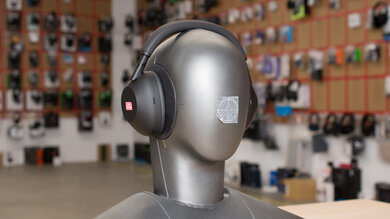
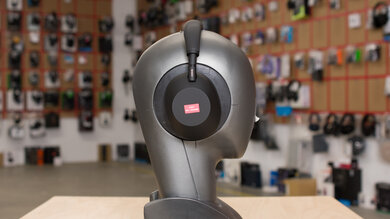
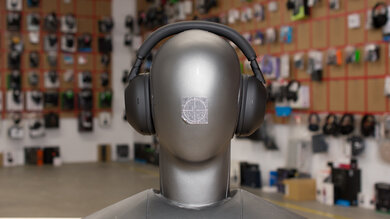
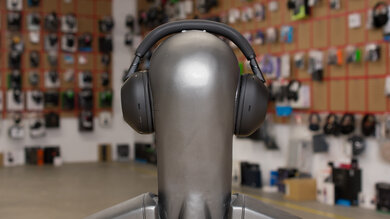
for pictures & test results