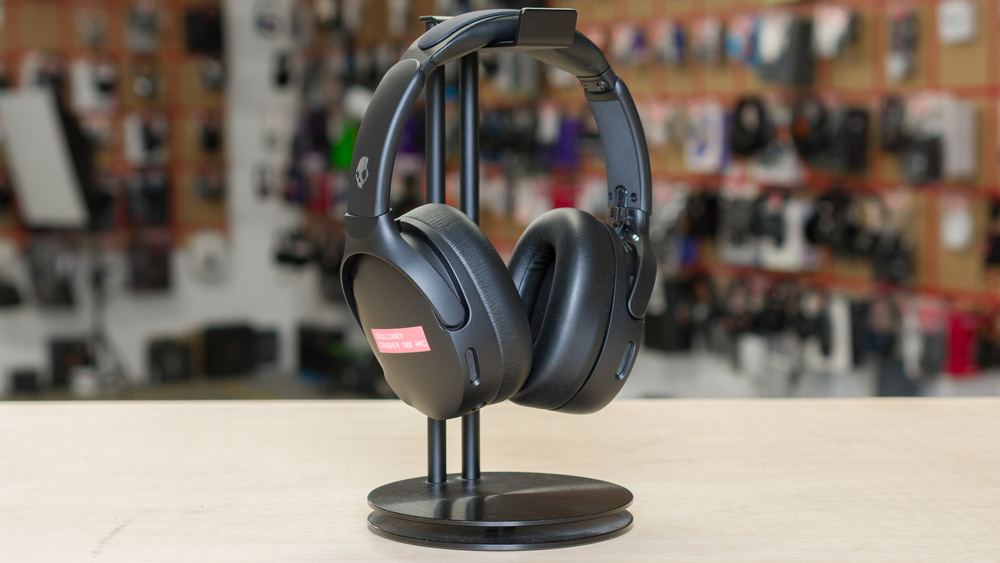
The Skullcandy Crusher 1080 ANC are wireless over-ears and part of the brand's Crusher lineup of bass-heavy headphones. They ship with an adjustable haptic bass dial that lets you quickly dial in bass to taste, while also including everyday niceties such as noise cancellation, USB-C audio, and mic support.
Our Verdict
The Skullcandy Crusher 1080 ANC wireless are decent for light strolls, but they aren't a good choice for strenuous workouts. Their firm clamp keeps them in place during brisk walks, and their thick padding is comfortable. However, the heavy ear cups can shift during running or more intense movements, and their weight can become tiring over longer sessions. They're also bulky, though they fold into a more manageable shape for carrying in a backpack. They also don't have a rating for water or dust resistance, so you won't want to take them outside on a rainy day.
Impressive noise isolation blocks out most regular day-to-day noise.
Outstanding 62.5-hour battery life with ANC enabled.
Bass delivery changes with fit and seal, especially when wearing glasses.
Heavy, bulky design.
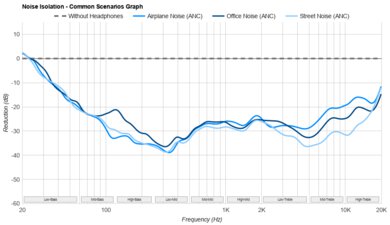
The Skullcandy Crusher 1080 are good for travel. Their impressive noise isolation blocks out plenty of street sounds and nearby conversations, although they're unable to attenuate the deepest train and plane engine rumble. They last over 60 hours with ANC enabled, and passive playback remains available if the battery runs out. They're comfortable and well-padded, but their heavy weight can become tiring over long journeys, and the relatively small ear cups may rub against larger ears. They're also quite bulky, though the folding design makes them easier to pack away into their water-resistant soft case.
Impressive noise isolation blocks out most regular day-to-day noise.
Outstanding 62.5-hour battery life with ANC enabled.
Crusher Bass wheel and 5-band EQ provide useful sound customization.
Heavy, bulky design.
Microphone loses clarity when faced with loud background noise.
The Skullcandy Crusher 1080 are good for office work. Their ANC does a great job reducing typical office noise and nearby conversations, and little audio escapes from the ear cups, even at high volumes. The integrated microphone reproduces speech clearly enough for meetings and remains understandable around moderate office or coffee-shop noise, but you won't want to take important business calls on these in noisy environments, as the mic gets overwhelmed by sounds like a subway train. They're comfortable, though their substantial weight can become tiring over a full workday.
Impressive noise isolation blocks out most regular day-to-day noise.
Outstanding 62.5-hour battery life with ANC enabled.
Low-latency analog and USB-C connections support audio and microphone use.
Bass delivery changes with fit and seal, especially when wearing glasses.
Heavy, bulky design.
The Skullcandy Crusher 1080 aren't a good choice for wireless gaming. You can only connect to them wirelessly via Bluetooth and, even with low-latency mode enabled, Bluetooth latency is too high for games that depend on timing. That said, they'll work for light mobile gaming in a pinch.
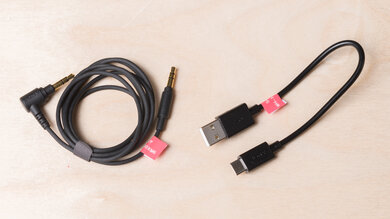
The Skullcandy Crusher 1080 ANC are decent for wired gaming. Their analog and USB-C connections both carry audio and microphone signals with low latency, measuring 10.8 ms and 18 ms, respectively. However, the included USB-C cable doesn't support audio, so you'll need to supply a compatible one. The analog connection works with PCs, PlayStation, and Xbox while the headphones are powered on, but passive use only carries audio and disables the mic. Their powerful bass adds plenty of rumble to effects but can muddy voices a bit. You can use the mic in a shared room, where the ANC will also help block out noise around you. They're comfortable but heavy enough to become tiring over longer gaming marathons, which their 62-hour battery life will see you through.
Impressive noise isolation blocks out most regular day-to-day noise.
Outstanding 62.5-hour battery life with ANC enabled.
Crusher Bass wheel and 5-band EQ provide useful sound customization.
Low-latency analog and USB-C connections support audio and microphone use.
Heavily boosted bass can make mixes sound boomy and muddy.
Bass delivery changes with fit and seal, especially when wearing glasses.
Heavy, bulky design.
Microphone loses clarity when faced with loud background noise.
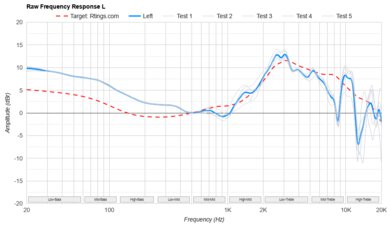
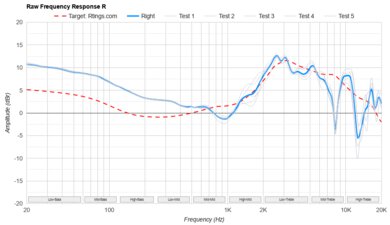
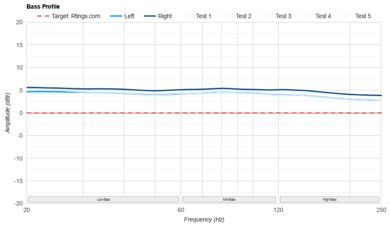
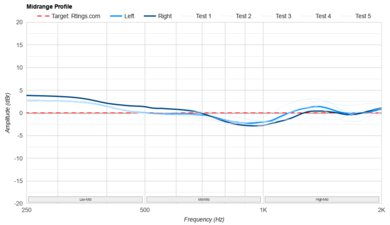
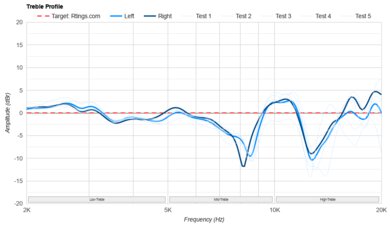
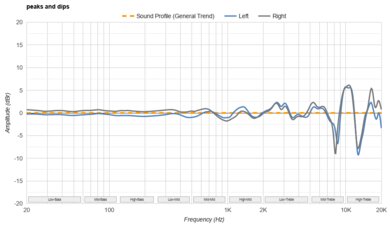
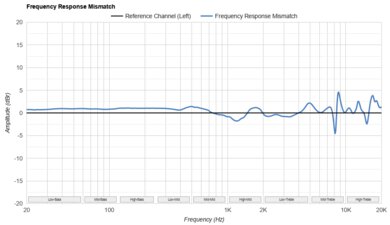
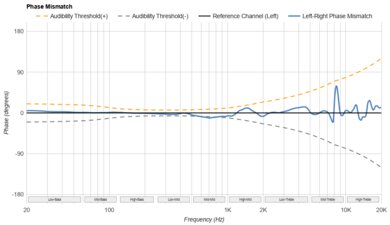
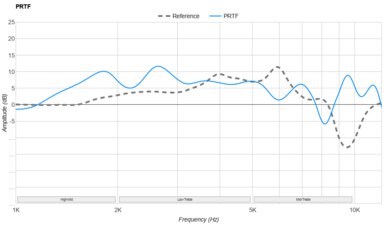
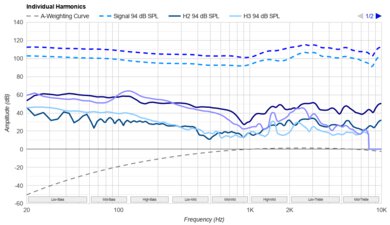
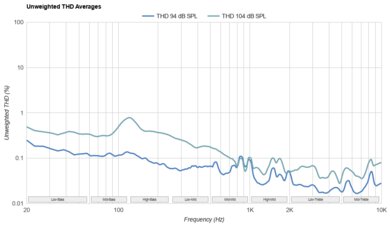
The Skullcandy Crusher 1080 have decent audio reproduction accuracy. They have a very bass-heavy tuning that adds plenty of thump and punch to kick drums, which techno fans may appreciate. But all that bass can also make mid-range instruments like acoustic guitars sound boomy. Still, most of the mid-range is reproduced accurately, and a slight boost across the treble adds clarity to percussion sounds. That said, some peaks and dips in the treble range can render sounds like cymbals dull or piercing, depending on their pitch. The left and right drivers are decently well-matched, so objects are located with satisfactory accuracy in the stereo field. Harmonic distortion is also extremely low.
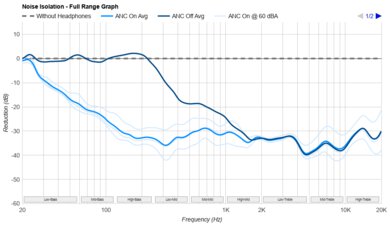
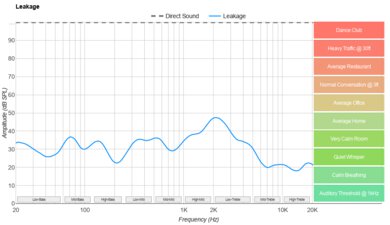
The Skullcandy Crusher 1080 have great noise isolation. Their ANC substantially reduces noise across most of the audible spectrum, though it can't block out some of the very deepest train and plane rumble. Still, sounds like chatty coworkers are handily reduced. Leakage is also decent: little audio escapes, even at high listening levels, and any that does escape is pretty thin-sounding.
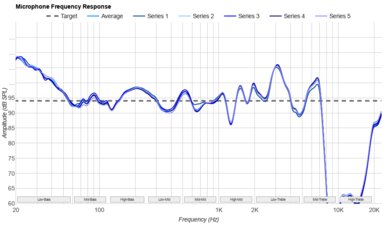
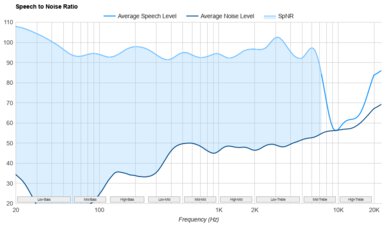
The Skullcandy Crusher 1080 have a decent microphone. Your voice is reproduced accurately, with an even response through most of the vocal range, although a cut in the treble means your voice does sound a little dark. The microphone's noise handling system is strong enough to keep you intelligible when you're taking a call in an office or coffee shop. But if you're in a train station and a train rushes by, your voice will get drowned out.
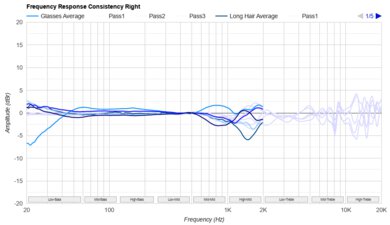
The Skullcandy Crusher 1080 ANC have poor frequency response consistency. Their bass delivery changes substantially depending on their fit and seal, particularly in the low bass. Glasses can break the seal between the earpads and your head, causing a noticeable loss of thump and rumble. On the other hand, people with larger or smaller heads may hear more bass than our measurements show. Taking a moment to position the ear cups carefully with each wear is important if you want consistent sound.
Performance Usages
Changelog
-
Updated Oct 06, 2026:
We've added a comparison to the Heavys H1H in the Build Quality box.
- Updated Sep 10, 2026: Review published.
- Updated Aug 24, 2026: Early access published.
- Updated Aug 10, 2026: Our testers have started testing this product.
Check Price
Differences Between Sizes And Variants
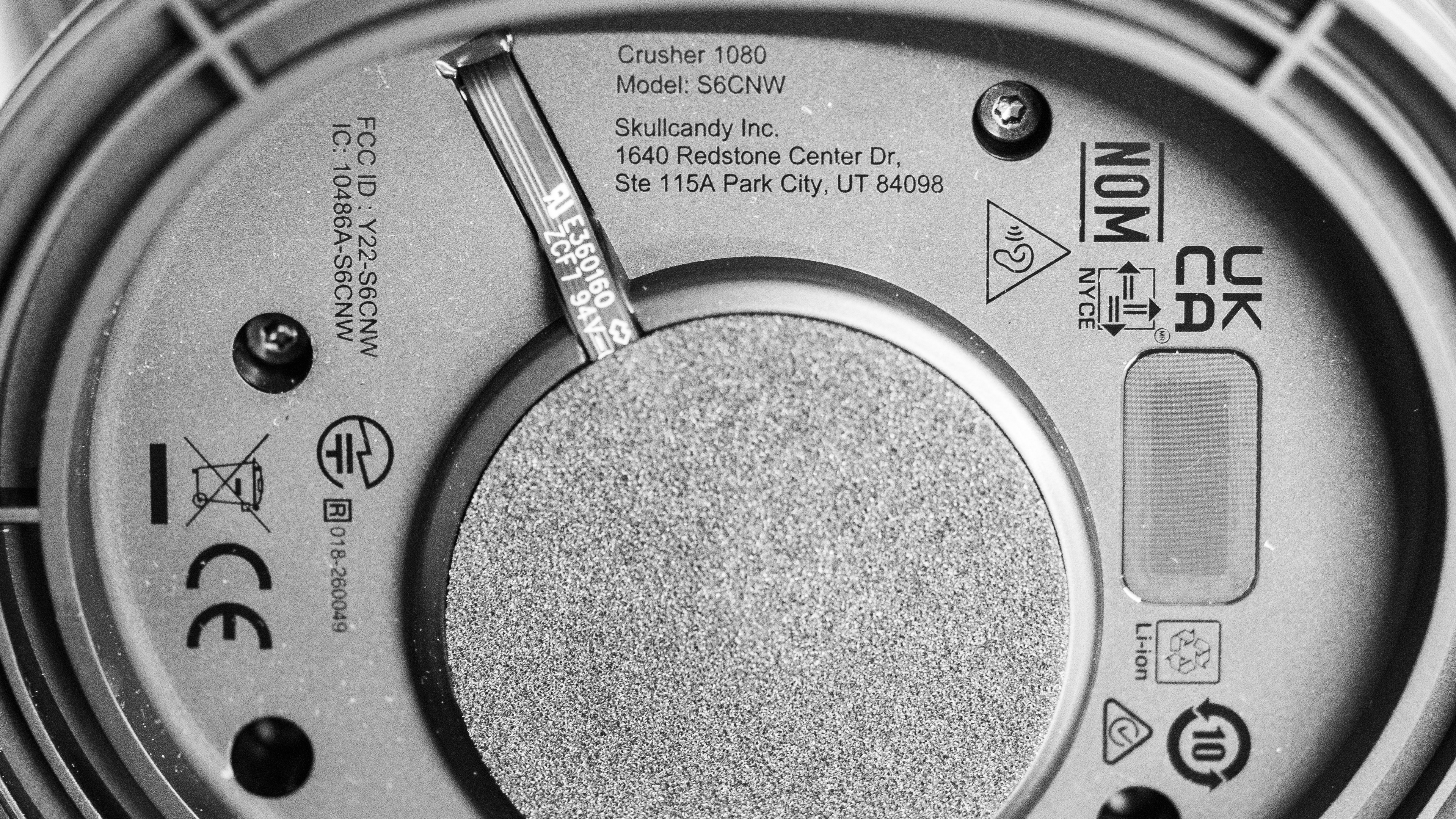
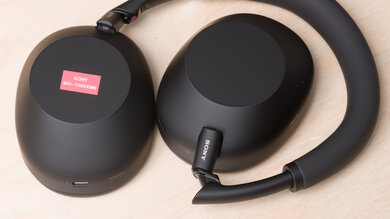
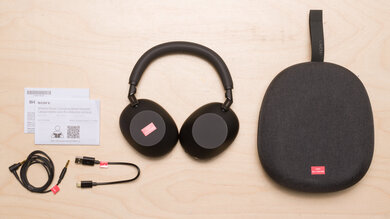
The Skullcandy Crusher 1080 ANC come in four colors: 'True Black,' 'Candy' (pink), 'Primer' (browny beige), and 'Cement' (light gray). We bought and tested a 'True Black' unit and took a photo of its label.
If you come across a different variant, let us know in the comments, and we'll add it to our review.
Popular Headphone Comparisons
The Skullcandy Crusher 1080 ANC are a feature-rich pair of headphones that are part of Skullcandy's bass-heavy Crusher lineup. Unlike the more stripped-back Skullcandy Crusher Evo Wireless, the 1080 ANC come equipped with impressive ANC, two-device Bluetooth multipoint, an EQ in the companion app, and support for USB-C audio. Both pairs come equipped with a haptic bass slider that lets you dial in your preferred amount of bass while on the go, but the 1080 ANC are clearly the more versatile all-rounders.
Among bass-heavy ANC over-ears, the Sony ULT WEAR are the closest rival. Instead of a wheel, the Sony come with an ULT button that lets you choose between three tiers of bass. They're also lighter, more stable, and less sensitive to fit than the Skullcandy Crusher 1080 ANC, although the latter have a longer battery life and more versatile wired connections. If you don't need a dedicated bass touch control on your headphones, then the JBL Live 780NC and Anker Soundcore Space Q45 Wireless are more conventional over-ears that still put out plenty of bass and are worth checking out.
Check out our recommendations for the best over-ear headphones, the best headphones under $200, and the best headphones for bass.
The Skullcandy Crusher 1080 ANC are a substantial upgrade over the Skullcandy Crusher Evo Wireless. Both provide a physical control for adding haptic bass, but the Crusher 1080 ANC add impressive ANC, two-device multipoint, a 5-band graphic EQ, wear detection, and USB-C audio. That makes them much better as daily drivers while you're out and about or in the office. The only real reasons to choose the older Crusher Evo are cost and weight, since the 1080 ANC are quite heavy. But if priced similarly, the 1080 ANC are easily the superior headphones.
The Sony ULT WEAR offer a lighter, more conventional take on bass-heavy ANC headphones, while the Skullcandy Crusher 1080 ANC make the physical sensation of bass the main attraction. Sony's ULT button lets you choose between three levels of bass, whereas Skullcandy's wheel provides continuous control over the amount of haptic bass they produce. The Sony are lighter, more stable, deliver more consistent bass across different fits, and come with a protective hard case. They also block slightly more everyday noise, and their mic separates speech from loud backgrounds more effectively. On the other hand, the Skullcandy have a longer battery life and more versatile wired use: their analog and USB-C connections carry audio and mic signals, while the Sony's analog connection is audio-only.
The Anker Soundcore Space Q45 Wireless are more conventional headphones that will better suit a wider range of listeners, though the Skullcandy Crusher 1080 ANC are the better choice for true bass-heads. The Anker's ANC is better at blocking out low engine rumble, and the mic keeps your voice sounding clearer in noisier environments. For many people, that's enough to make the Anker the better choice. But the Skullcandy last far longer per charge and offer a tactile bass wheel that lets you dial in your ideal amount of thump and punch. Their analog and USB-C connections can also carry microphone audio, whereas the Anker's analog connection is audio-only, and they don't support USB-C audio at all.
The JBL Live 780NC are more versatile headphones than the Skullcandy Crusher 1080 ANC. The JBL offer stronger noise isolation, support for LDAC, and weigh considerably less than the Skullcandy. But if you're a die-hard bass-head, the Skullcandy's continuously adjustable haptic bass wheel lets you dial in your preferred amount of boom very easily. And both the Skullcandy's analog and USB-C connections support audio and mic use, where the JBL don't support USB audio, and their microphone is unavailable over their wired connection.
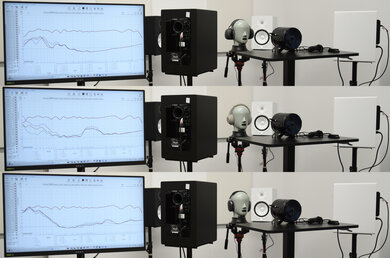
Our How We Test Headphones article takes you behind the scenes in our lab. You'll learn how we choose and purchase products and dive into the details of our review philosophy, from testing and scoring to writing and editing.
You can also discover how we produce recommendations like this one so that you can find the best headphones (or earbuds!) for your needs.
Test Results
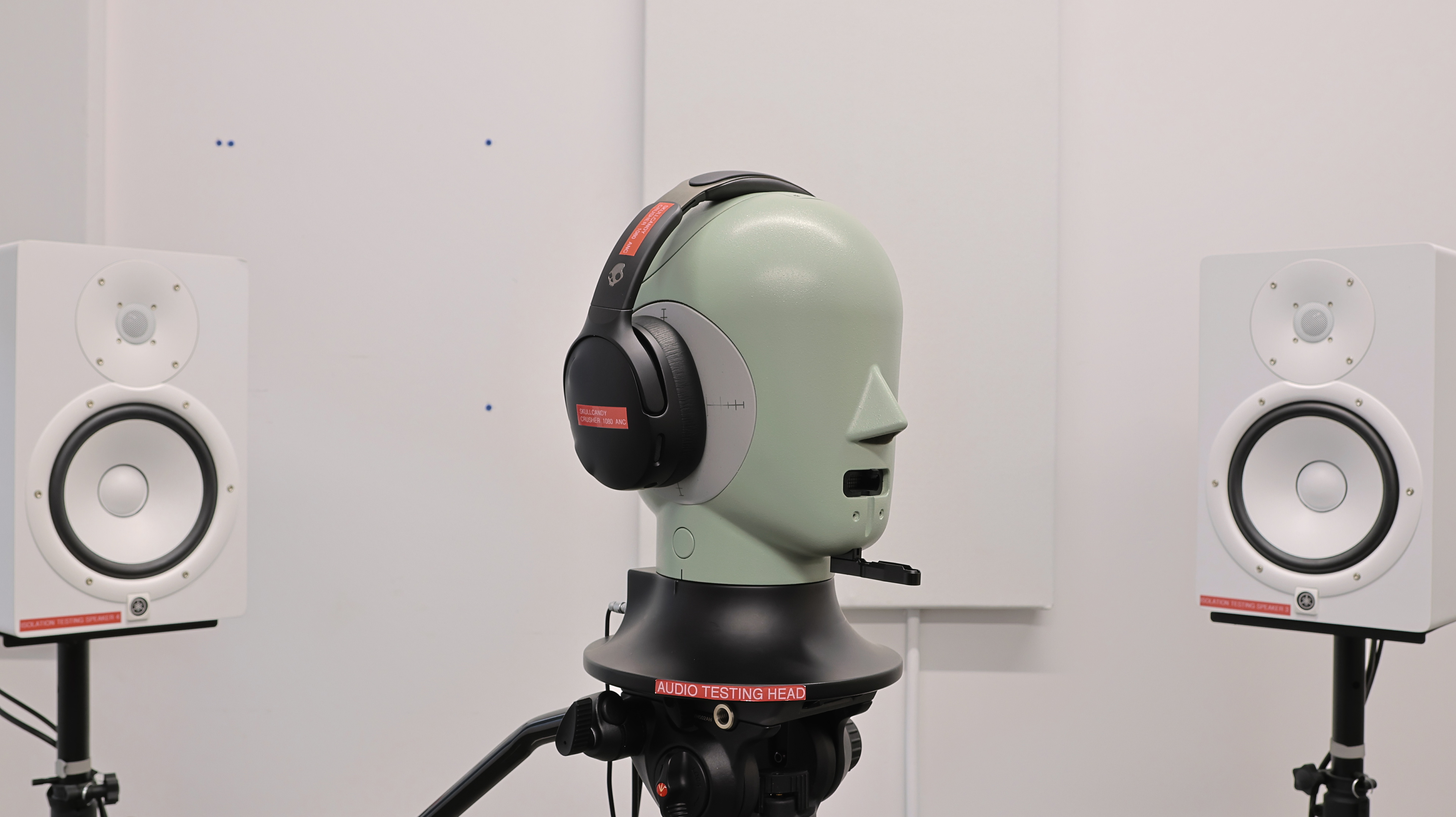
for pictures & test results
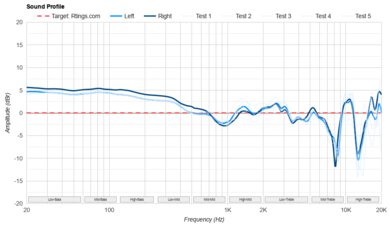
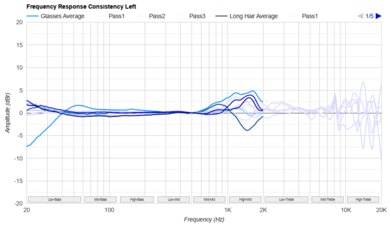
for pictures & test results
for pictures & test results
for pictures & test results

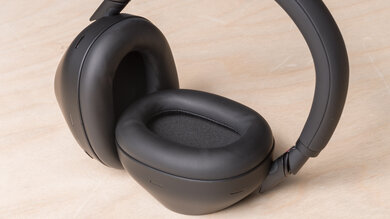
for pictures & test results

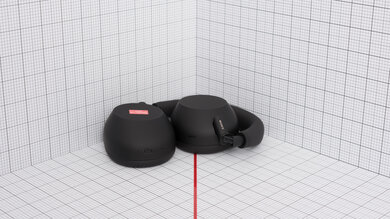
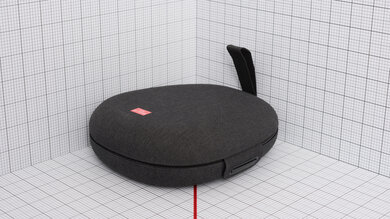



for pictures & test results